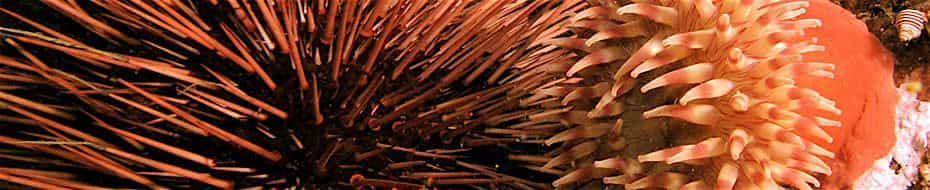
Today was a pretty chill day for the students of Salish Sea Sciences. The day began with a leisurely wakeup after an action-packed weekend. The only exception to this being Hannah and Olivia who both woke up at 6:30 to head to Friday Harbor Laboratories. Those of us who slept in went to depart for a tour of the oyster farm over in Westcott Bay.

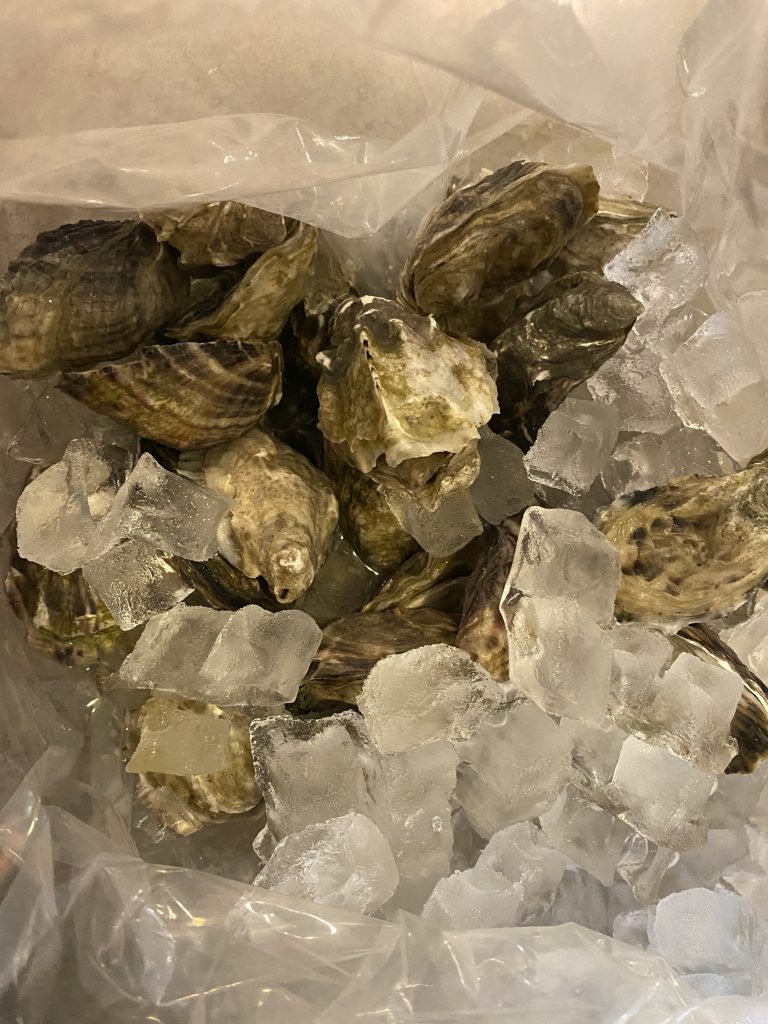
The tour proved to be very informative as we learned about the methods of growing oysters up in the Salish Sea. Two main varieties are grown in the Salish Sea, the native Olympia Oyster, and the Pacific Oyster (introduced from Japan). A fascinating aspect of oyster growing is the number of ecological factors which must be monitored and considered for the best growth. Oyster harvests can easily be ruined by heat waves, chemicals in the water, and bacterial outbreaks. Since oysters filter the water, it’s very easy for them to accumulate toxins and bacteria from the water within their bodies. While it may not harm them, it can be very bad for human consumption. As such the Westcott Bay company works hard to communicate with scientists and conservationists as they grow their oysters. As a special bonus one Max Mittleman managed to bargain for 2 dozen free oysters which we enjoyed tonight.
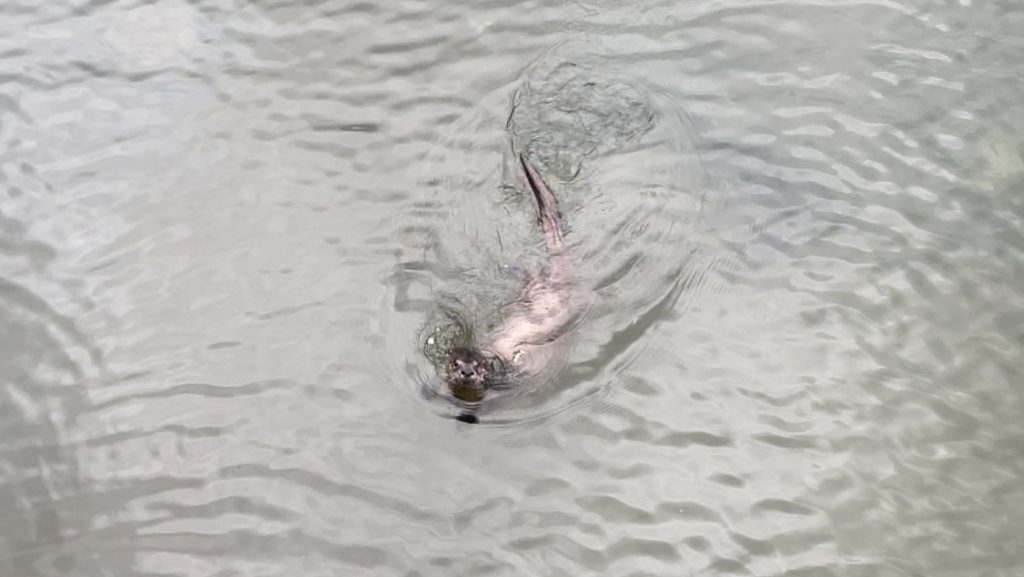
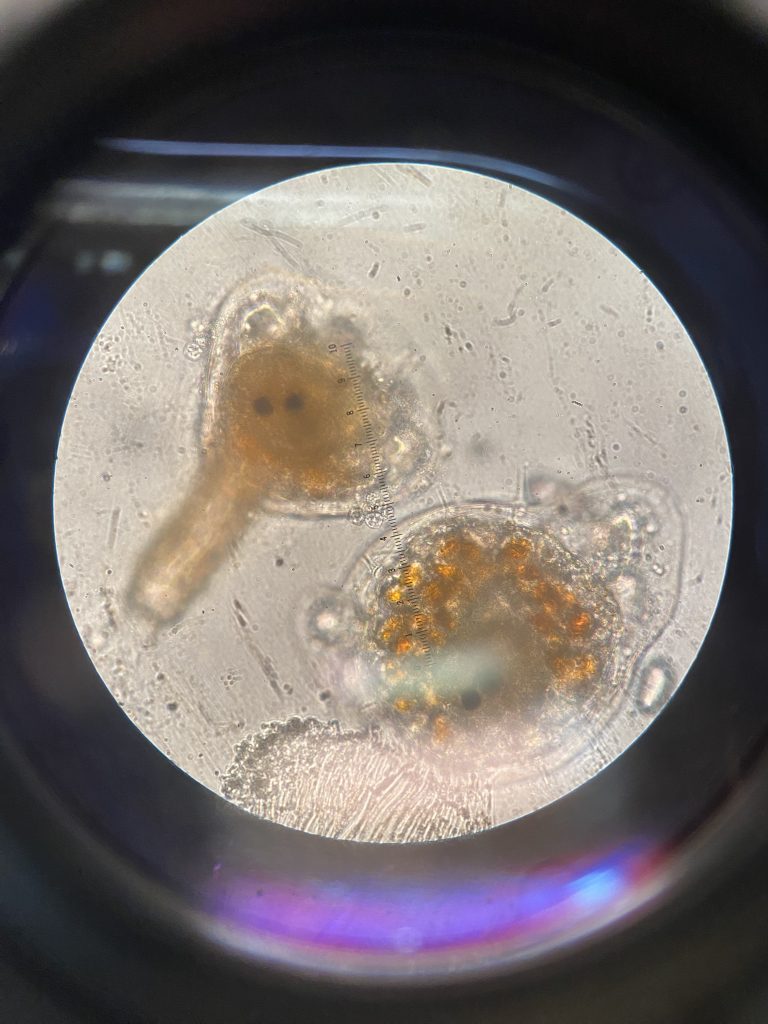
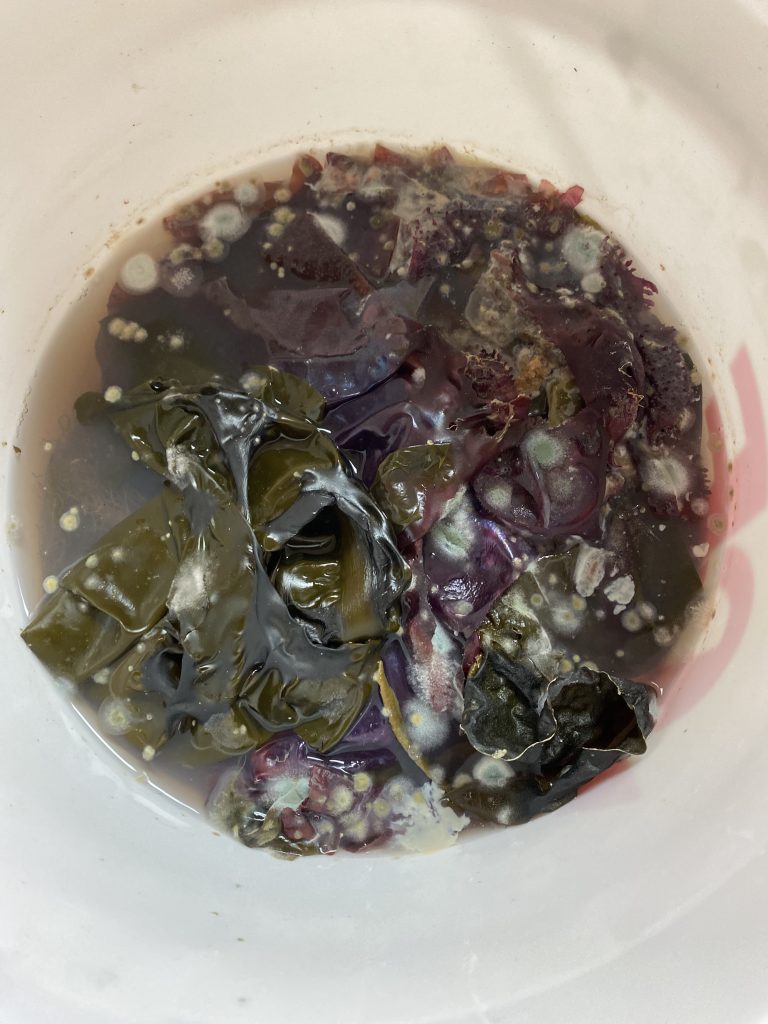
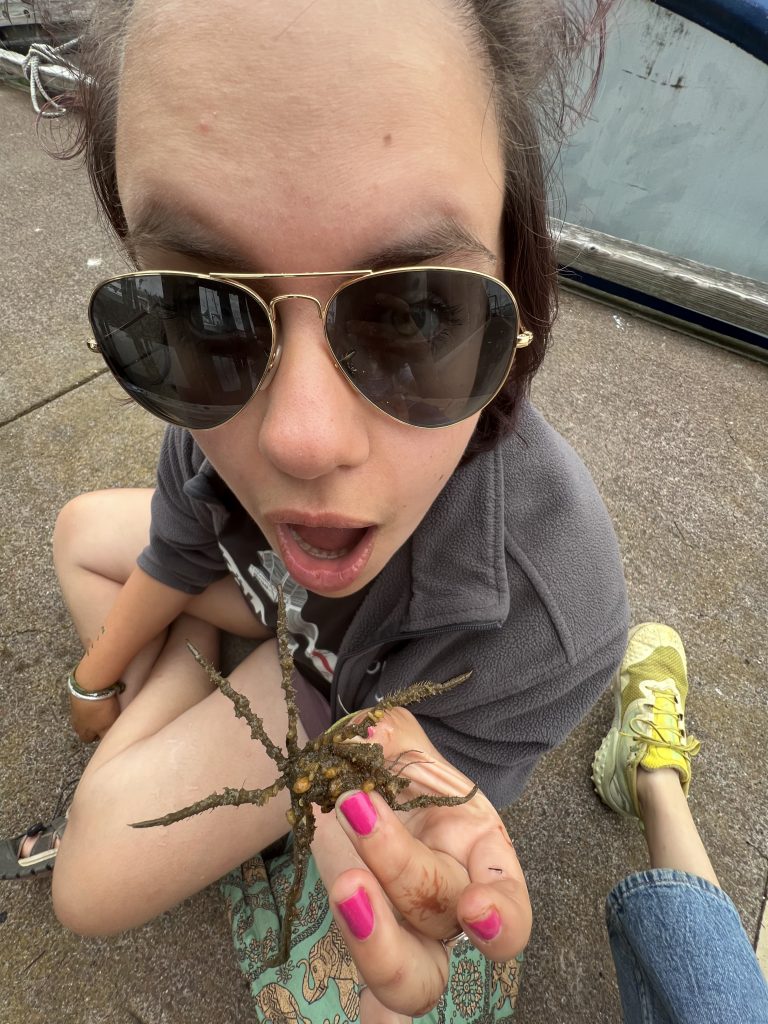
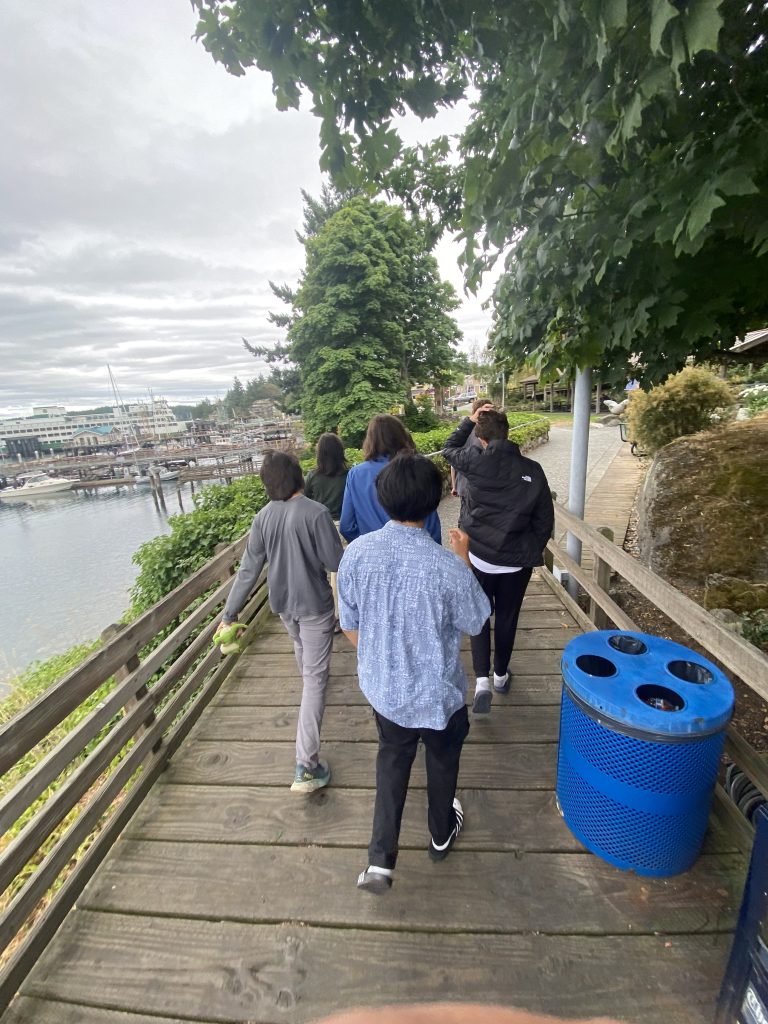
Apart from the oyster dock, the day was more or less just more project grinding as most of us finished our data collection. A bunch of us went on a fun walk along the marina despite the drizzly weather, no doubt annoying countless locals as we hung over the side of the docks and yelled about all the cool critters that were everywhere. Tommy’s jellyfish refused to bioluminescence, most of my sand dollar larvae died, and Ethan’s bubble snails died by the dozen. Algae are rotting, and the science room on the property is becoming more like a morgue than a lab. It’s crunch time here at Salish Sea Sciences as we all ready ourselves for some excellent presentations. Perhaps the real work was not the projects we are making, but the friends we made along the way.
Signing off for now,
The Supremely Scientific Students of Salish Sea Sciences