Blog by Maxene, Sophia, Morgan, and Carlos
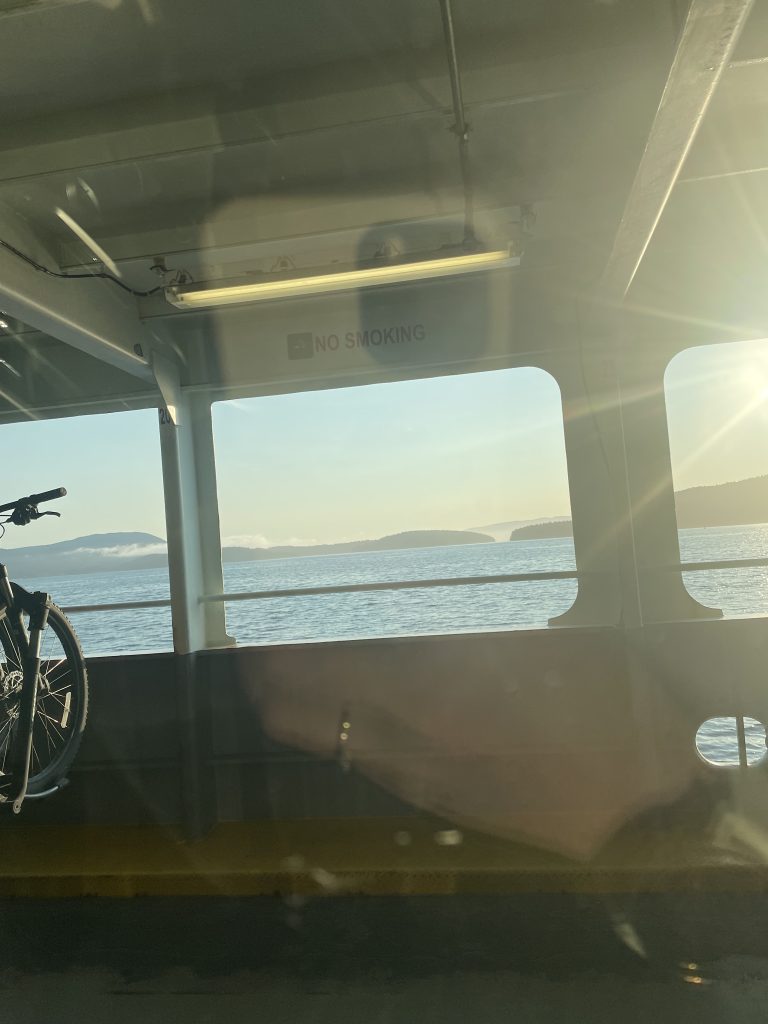
Yesterday was an exciting day, anticipation was high as students finished last-minute packing and readied themselves for a long day of transportation. Two students touched down from out of state before seven more piled into the van for the long drive to Anacortes. After meeting three more students there, we enjoyed a scenic ferry ride to Friday Harbor, the place we’d be spending the next two weeks learning about and exploring the Salish Sea. After being acquainted with the final seven students at the dorms, all 19 of us were excited and ready to begin the program. We met our roommates, settled into our dorms, and ate a delicious meal together before turning into a good night’s sleep before an eventful day.
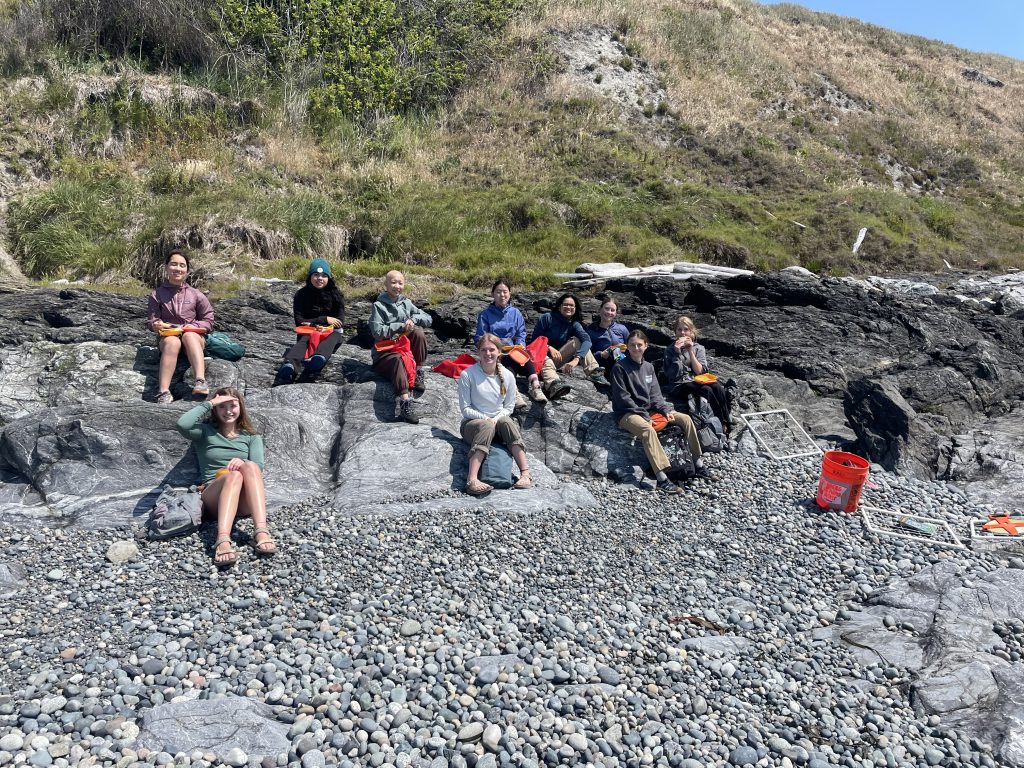
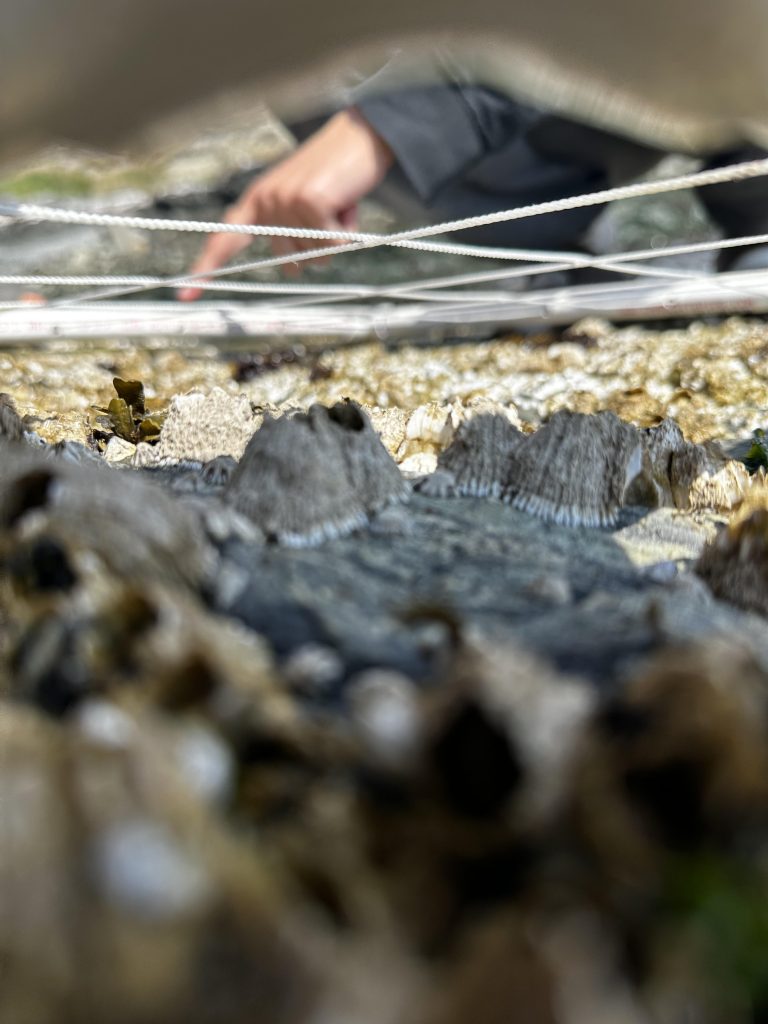
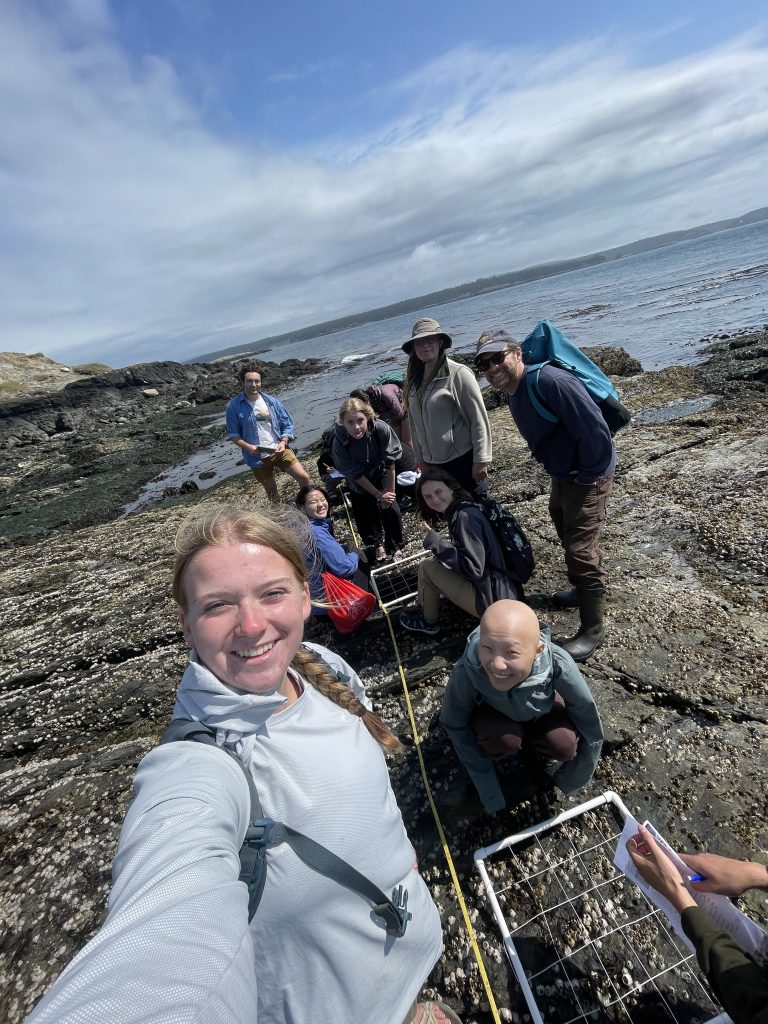
On the morning of the 22nd, we woke up at a very acceptable 7:30 am, ate a quick breakfast that consisted mostly of Cheerios, and went to Cattle Point to meet Dr. Dobkowski for seaweed surveys! Dr. Dobkowski’s research seeks to provide sound science for future conservation, restoration, and management efforts; she was a perfect fit for this activity. throughout the activity, all groups were able to identify different types of seaweed that are including but not limited to rusty rock, fucus, sea cauliflower, sea lettuce, sea moss, rockweed, and much more. overall a very fun experience, and a perfect way to start out this 2 week adventure.
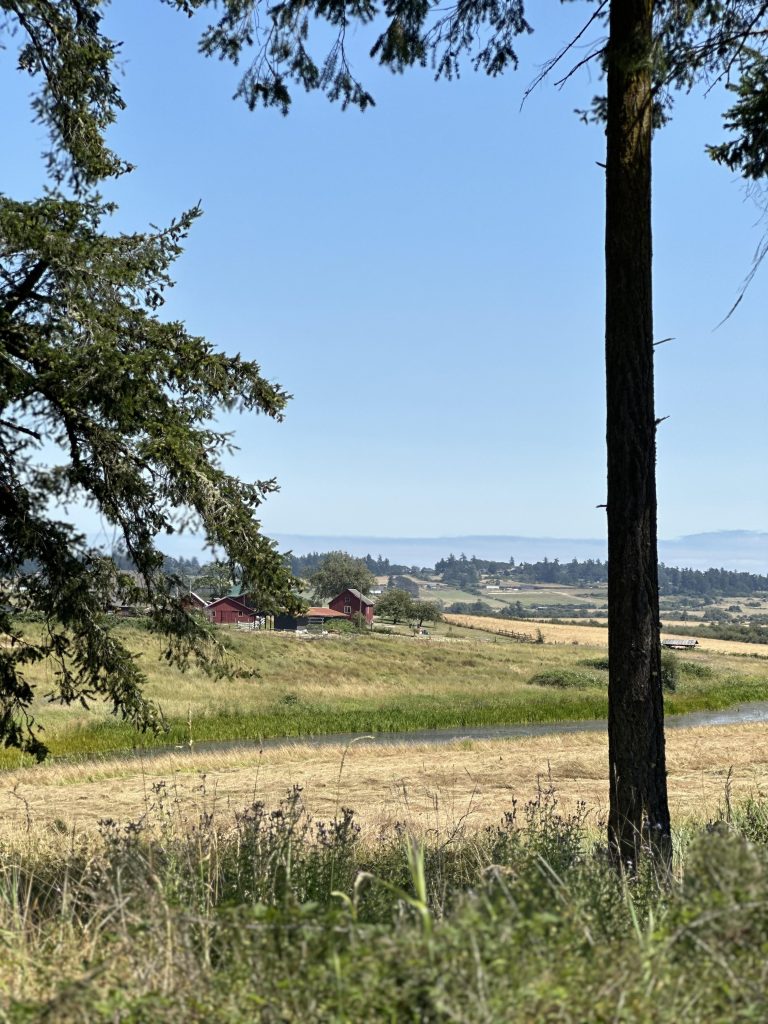
Shortly after eating lunch, we rode the van to Lake Zylstra, a nature preserve on the San Juan. Lake Zylstra is one of the most fertile lands on the San Juan Islands and is home to many keystone species. Today, Lake Zylstra is used for low-intensity recreation, farming, fishing, and hiking. Students were introduced to Shauna Barrows, a field assistant at the San Juan Conservation Land Bank. Barrows started off by describing the lake and land, that it was important to preserve. She described her stewardship and her dedication to the land, such as the importance of water quality in the streams and creeks. Our 2-mile hike started in the parking lot, then we made our way to the Beaver Dam Analog Area. Barrows stated how the Land Bank worked with native communities on how to best conserve the Land, motioning to the wooden posts. Soon followed a discussion on water ownership, the effect of cow feces on the land, invasive species such as thistle, how the indigenous people burned the land to maintain it, and more. Around us were Gary oak trees, English daisies, Salmonberries, and more. Afterward, we left and rode the van back to Spring Street International School, arriving around 3 pm.
After our long day full of adventures we came back to Spring Street, where Ms. Caroline enlightened us with an orientation to the program. She told us how to preserve and respect the island. This is so important because we want to make sure that everyone can experience this beautiful island as we get to do. We had a great ending to our wonderful first day, officially, with Tom’s delicious Lausanne! Which was graciously prepared with help from the dinner prep team. Our meal was nicely accompanied by a guest speaker, Ms. Shauna Barrows. Ms. Shauna works for the San Juan County Conservation Land Bank. It is her mission to create a better environment by providing help to the numerous ecosystems that are interconnected on the island. She demonstrates how the poor water quality in one stream can have an effect on the wildlife from inland to the bay. Ms. Shauna and her team have already done so much to better this island. We are so very thankful to Ms. Shauna and all of our wonderful staff members who made our first day a success.