By: Hitomi, Eden, Trevor and Harper
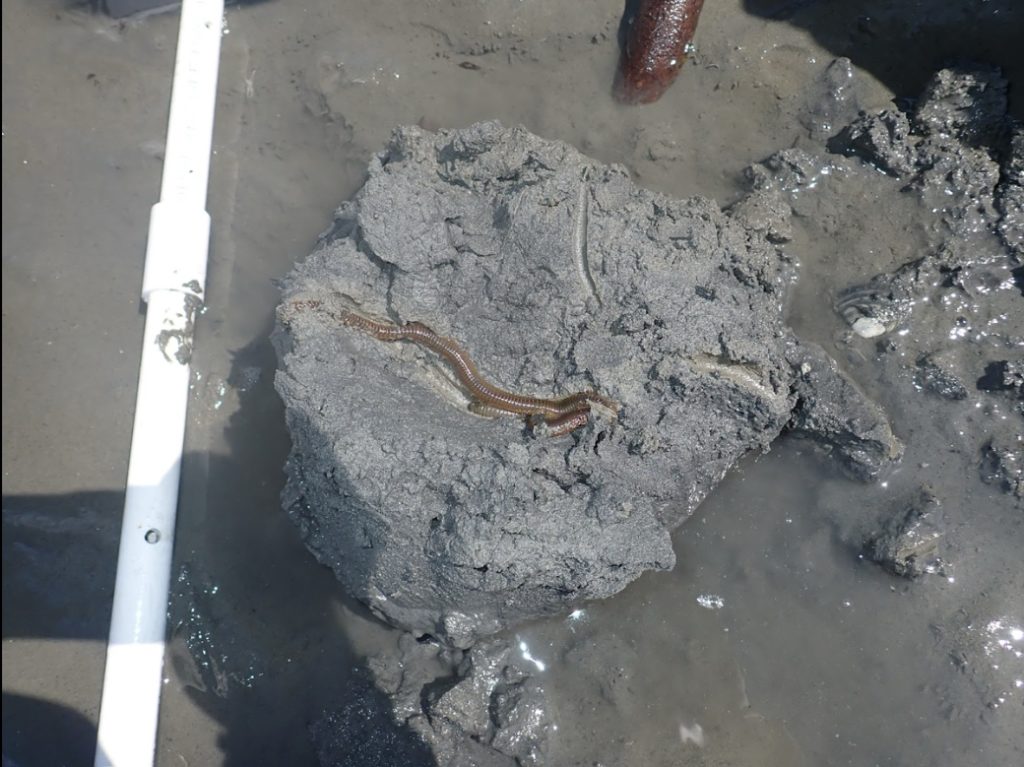
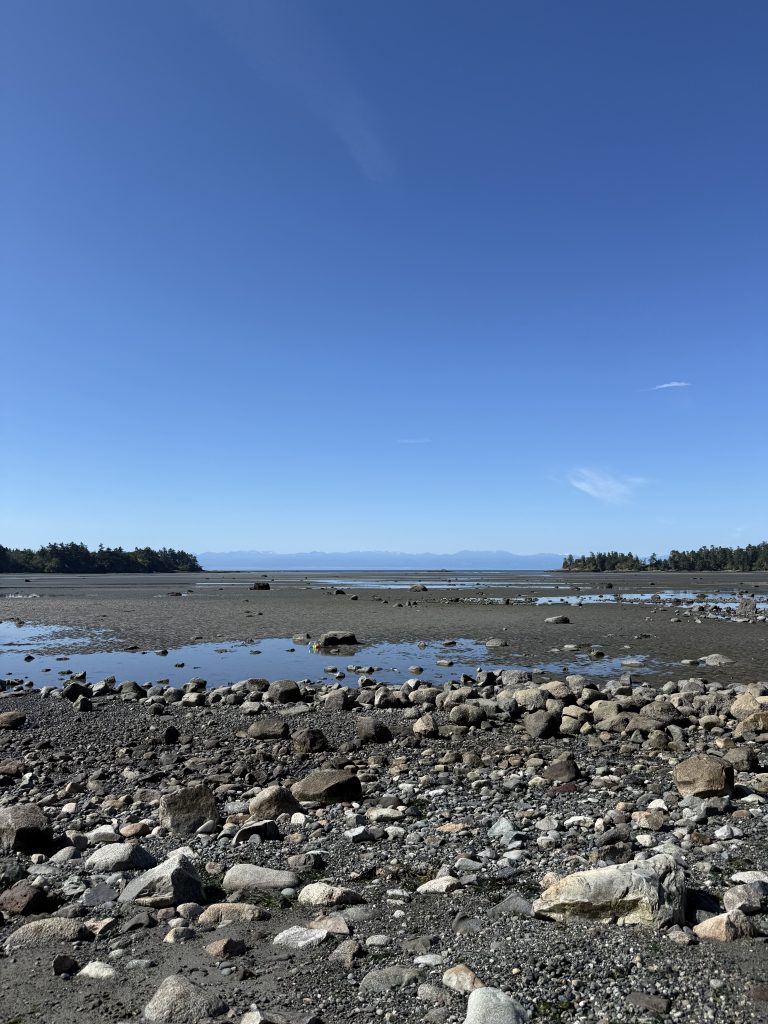
We woke up to a new day back at the dorms ready to restart our research explorations. After breakfast, we ventured out to False Bay. The bay is an open area with small pools of water surrounded by large breaks of muddy land. False Bay is a perfect place for annelids (segmented worms) to hide, as well as a fun spot for shrimp, clams, and crabs to live.
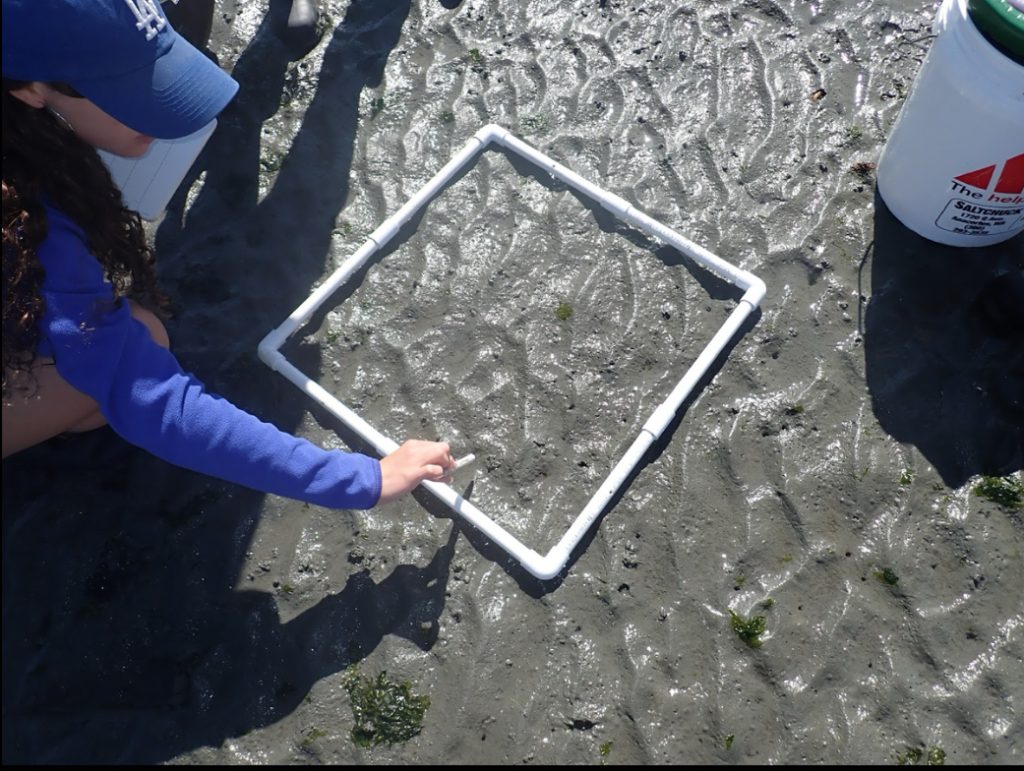
Our group went to this muddy haven to learn how to take lugworm surveys. We split up into groups of three or four and we each recorded different data sets around the beach. Five of the six groups recorded the number of fecal castings left by lugworms while the sixth group dug up the castings to see if any burrows were inhabited.
The groups found many different types of worms, as well as some ghost shrimp, crabs, natural clay, and clams.
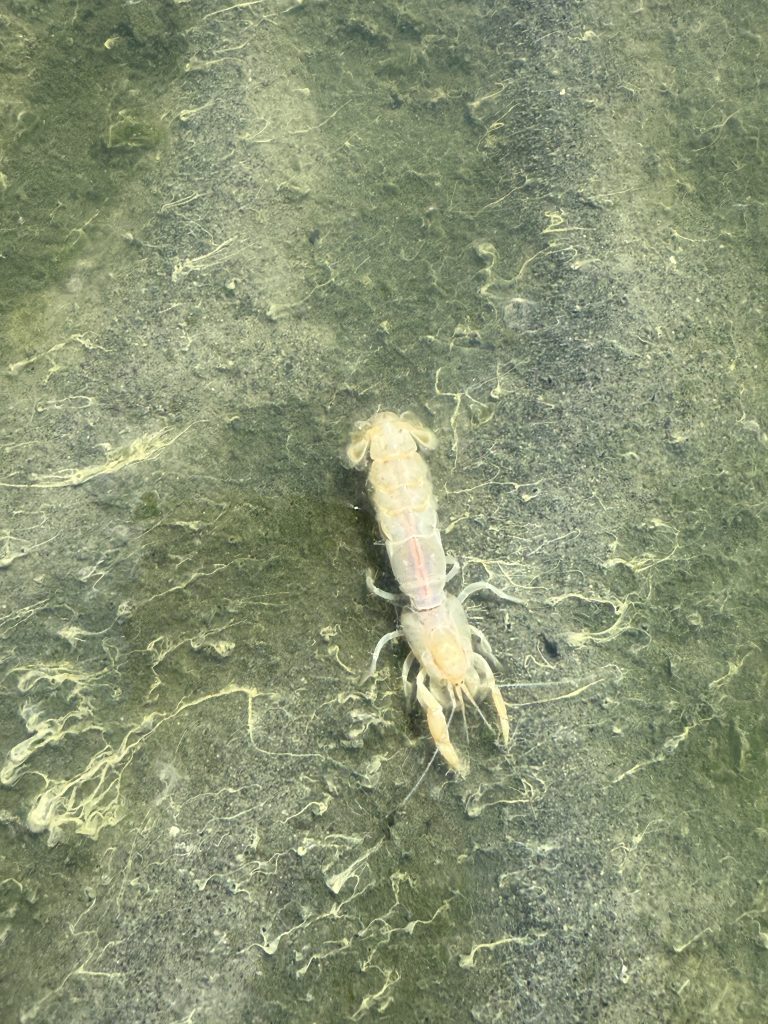
After about two hours of data collection, we were exhausted and ready for our lunch break.
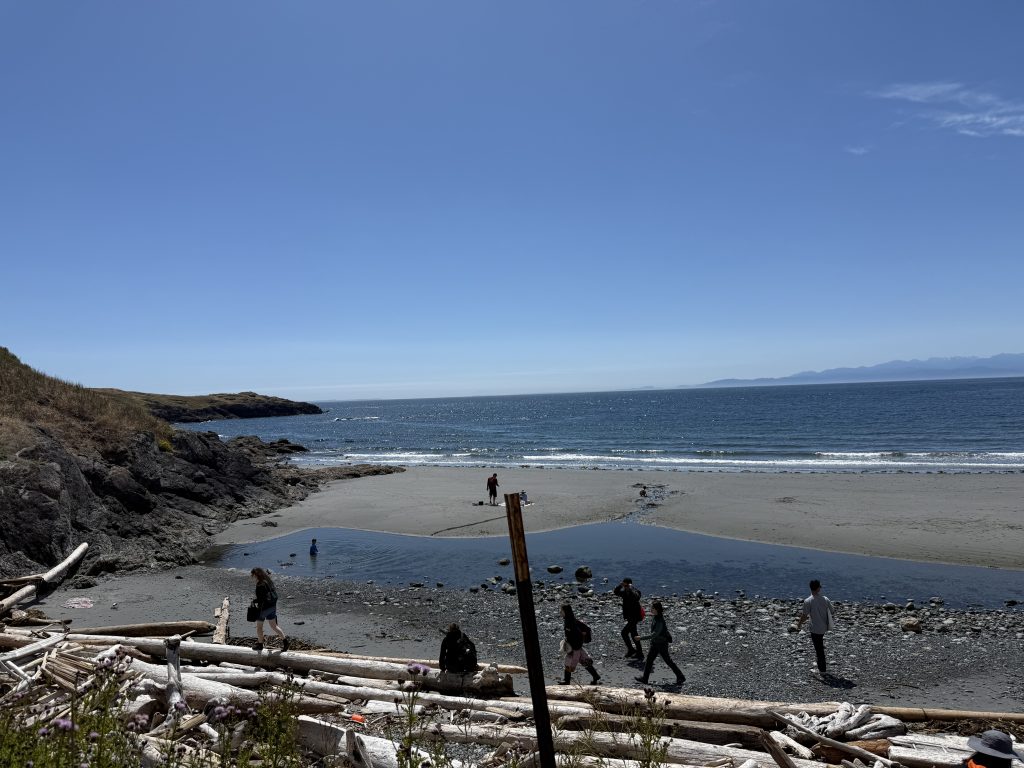
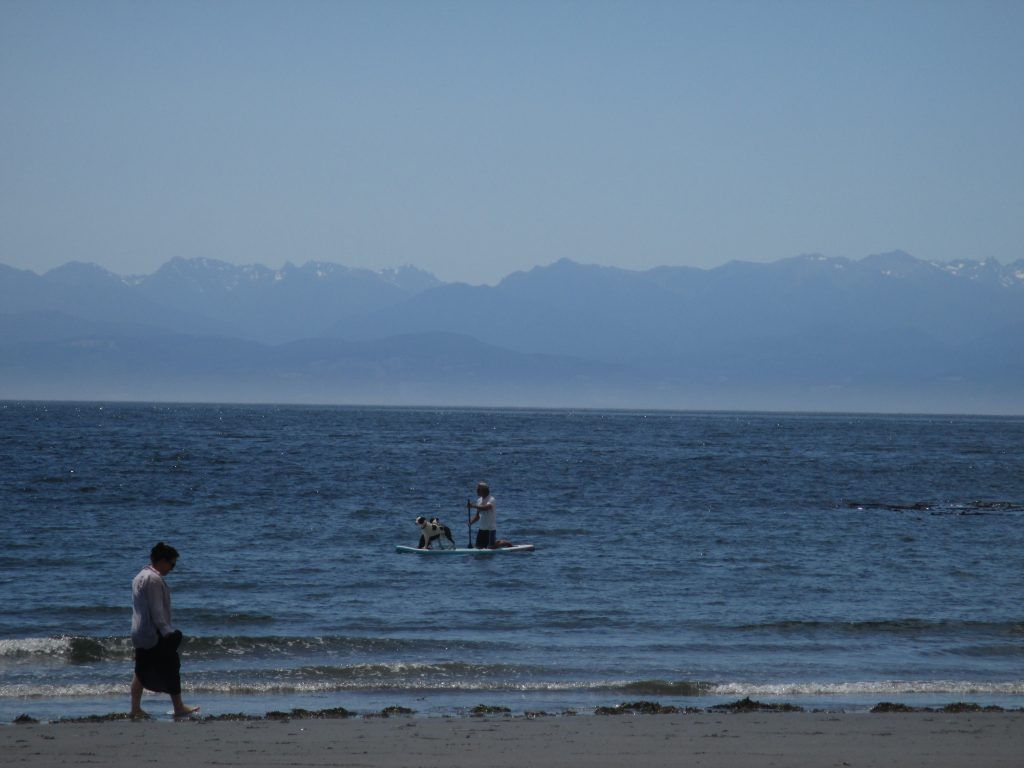
To regroup after exploring the wonders of False Bay, we enjoyed our sandwiches which we prepared earlier that morning. Eagle Cove was the most crowded beach we have yet to discover. The beautiful weather called for many picnics at the beach and paddle boarding dogs! During time spent at the beach, some enjoyed sightseeing & people watching, while others helped themselves to exploring the rocky coastal environment.
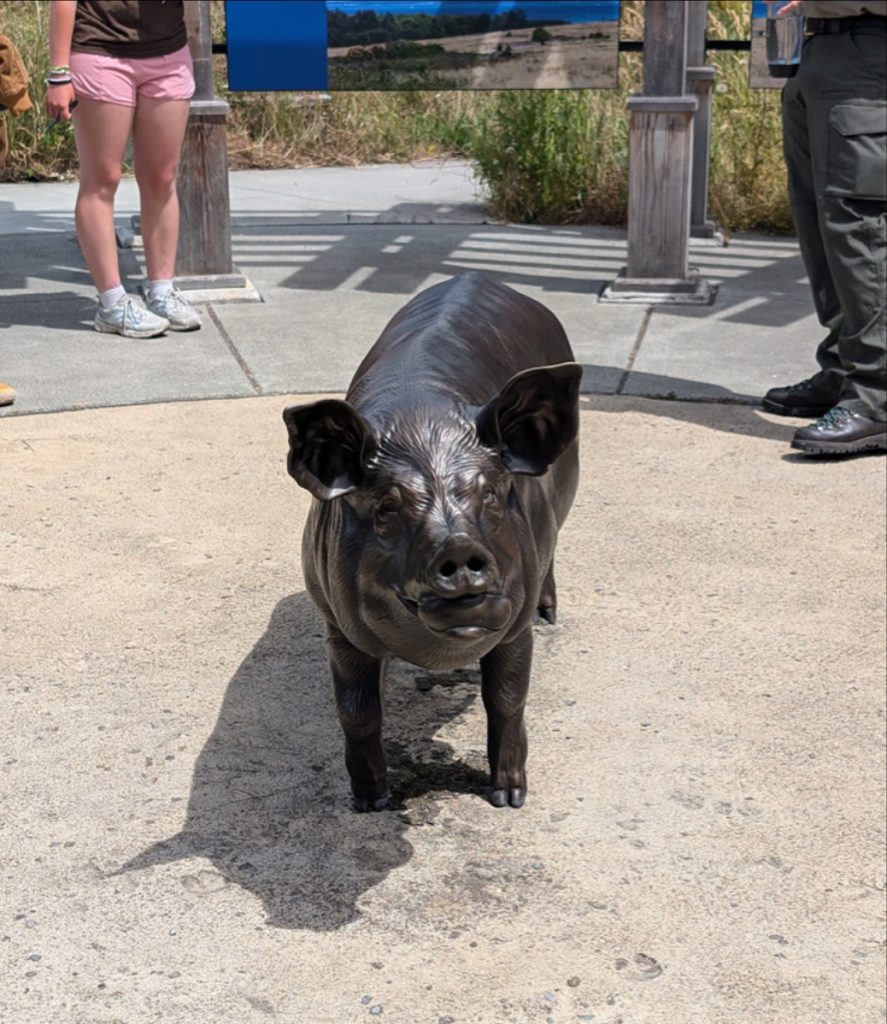
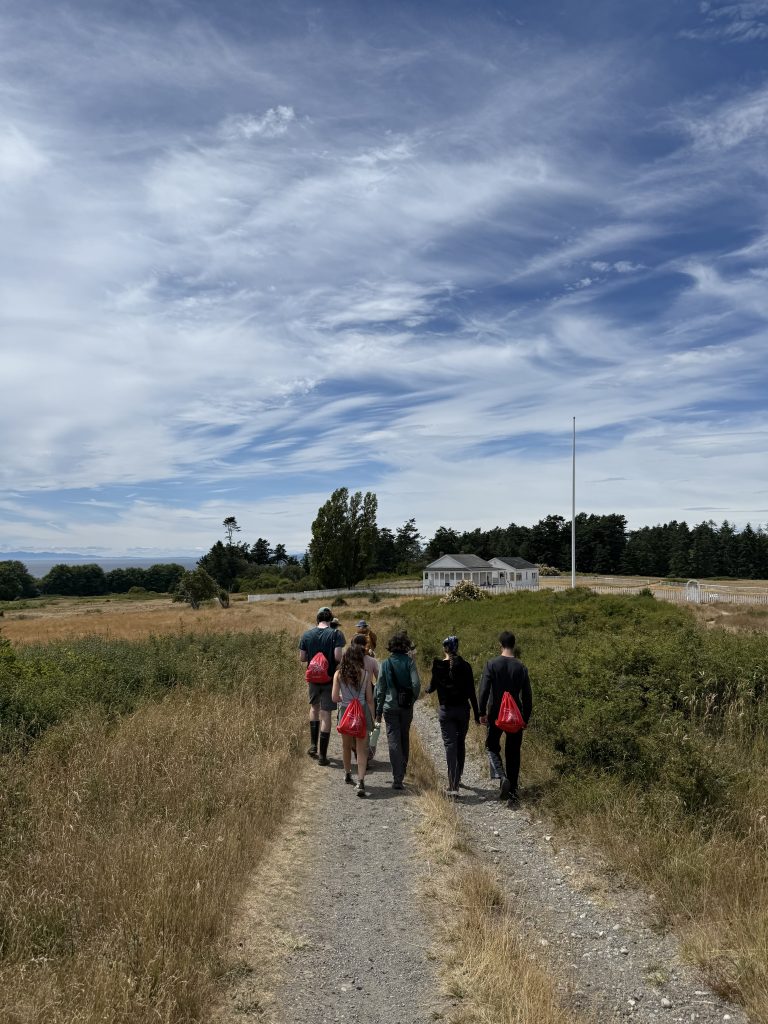
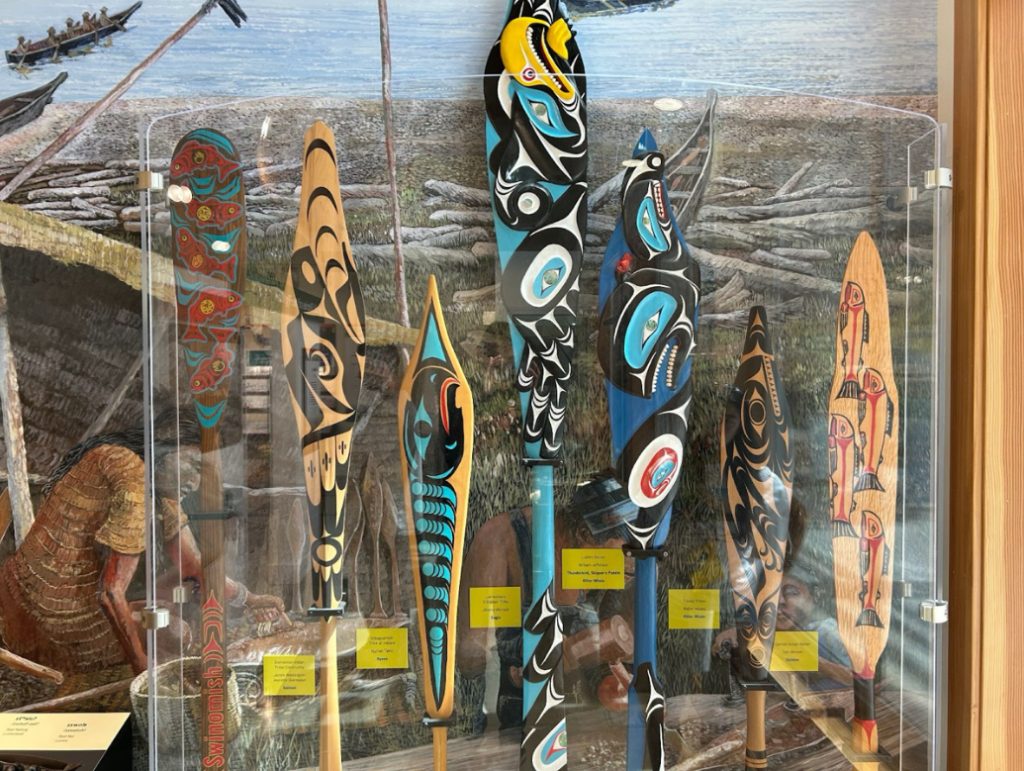
After our exciting lunch at Eagle Cove, we drove down the road to the American Camp Visitor Center at the San Juan Island National Historical Park where we met our tour guide, Emilio Santiago. Emilio works as a Cultural Resources Program Specialist for the National Park Service & he has been operating as the park’s resident archaeologist since 2018. In addition to being an engaging presenter of the park’s history, Emilio is currently campaigning for the position of Friday Harbor’s town mayor (We wish him luck!). During our tour, Emilio regaled us with a brief history of the 1859 “Pig War” which saw the American and British militaries nearly coming to blows over which of the two powers “owned” the San Juan Islands. We were shown around the foundations of the camp as well as the few remaining buildings that had been restored over the years. After this, we returned to the visitor center where we got to examine several artifacts from the various Coast Salish indigenous tribes who lived near the park prior to colonialist occupation (these being the Samish, S’Klallam, Lummi, and Lushootseed nations, among others). After saying goodbye to Emilio, we drove back to the dorms to start our next activity: brainstorming for our independent research projects.
We returned earlier than normal to the dorms today to start brainstorming our projects! These first steps are very exciting as we began to develop our current interests & ideas into project questions. Maya, Riley and Adam helped some develop their interests into possible projects. Within the next week we will be given more support and resources to solidify our topics as we move further into the first steps of our projects!
To end the day, we were joined for dinner by Dr. Billie Swalla, a professor of biology at the University of Washington. She was the first female director of the Friday Harbor Laboratories, among many other accolades, and we were thrilled to have her visit. Whilst we were eating spanakopita and yellow rice, we talked about cellular division and ctenophores. Similarly, after dinner, she gave a talk about genealogy and her journey as a marine biologist, which I found very in-depth and invigorating. Right before bed, we had a few hours of downtime, allowing us to take a break and prepare for another busy day tomorrow!