This morning we all locked in after breakfast for the last stretch of project time! Some were done while others were making final touches and getting peer checked. Everyone dreaded getting checked by Maya as we all know she’s the master of poster making and will make a thousand small corrections to our posters. Despite the corrections, her wise words payed off in the end and we can’t wait to show off our amazing work tomorrow evening!
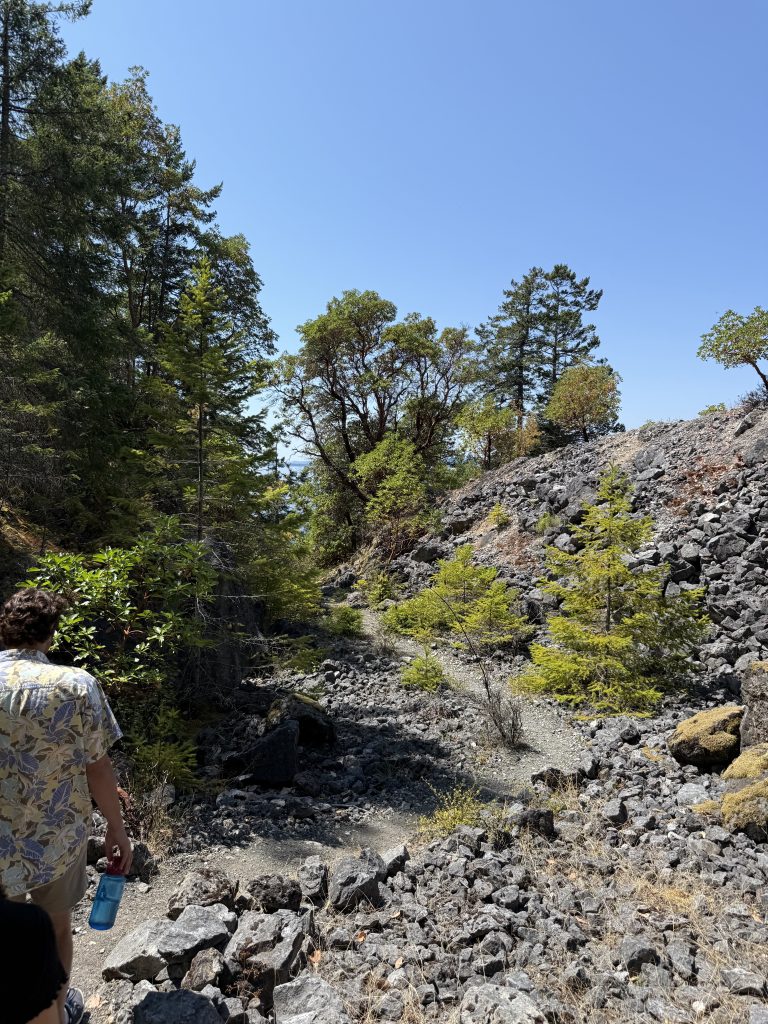
Limekiln hike (photo by Hitomi)
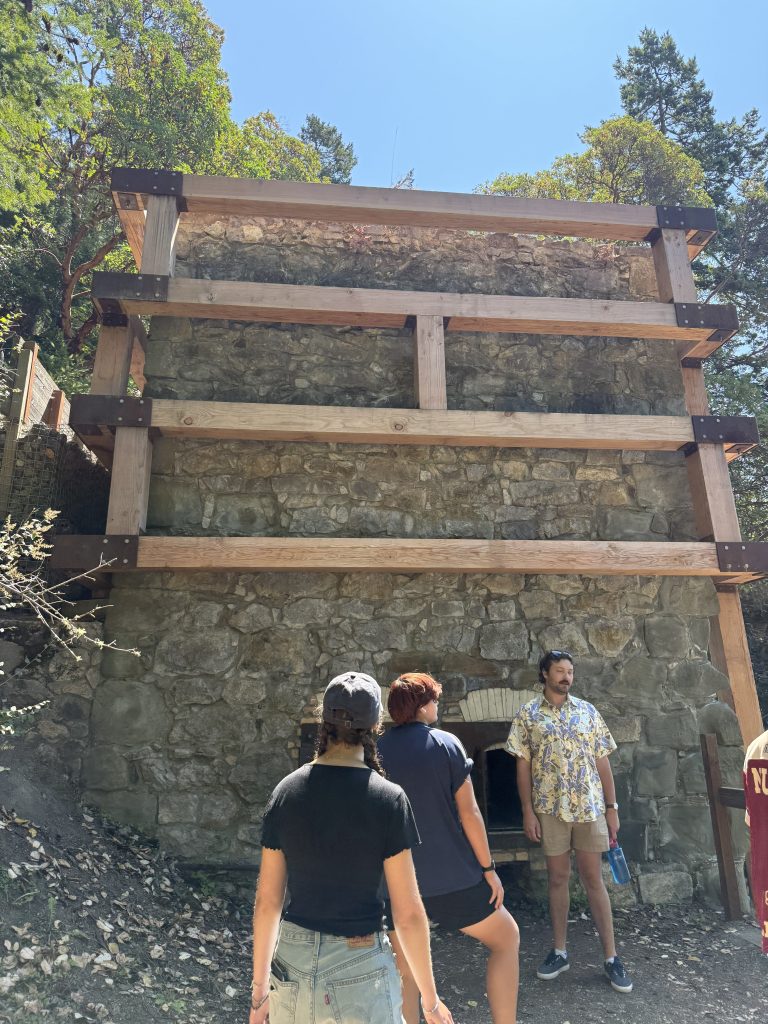
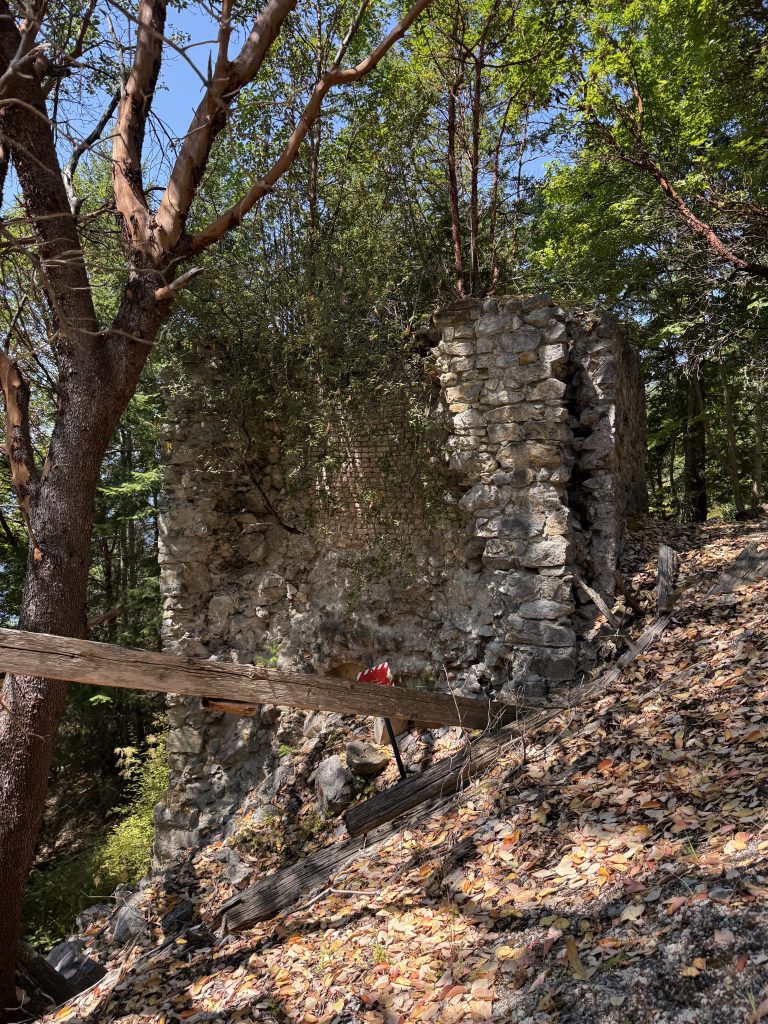
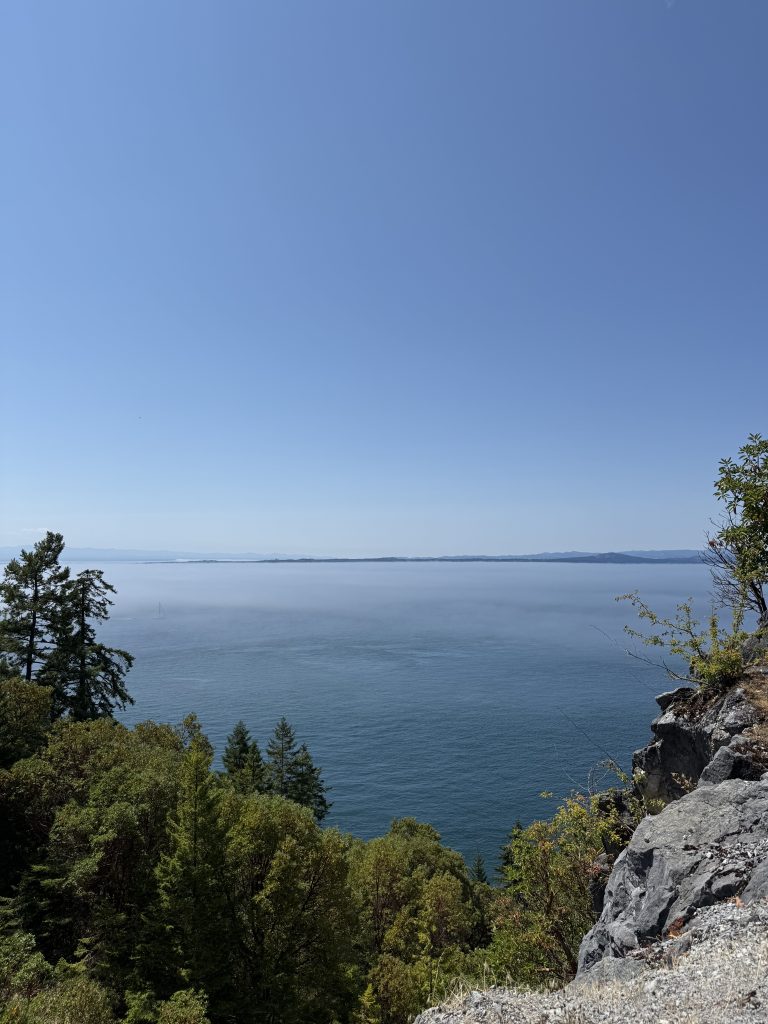
To get a refresher from sitting, and to celebrate being done with projects, we went out for a peaceful hike at Limekiln State Park. Adam talked us through the unique landscape and interesting artifacts that still lay in the park. We hiked to a few view points and got to see a few Limekilns of course!
Limekiln (photo by Hitomi)Inside a Limekiln (photo by Hitomi)
The first view point we made it to was absolutely stunning, but slightly scary! We saw some super cool marine fog, blocking any chance we had of seeing orcas (tragic).
Marine fog at Limekiln (photo by Hitomi)
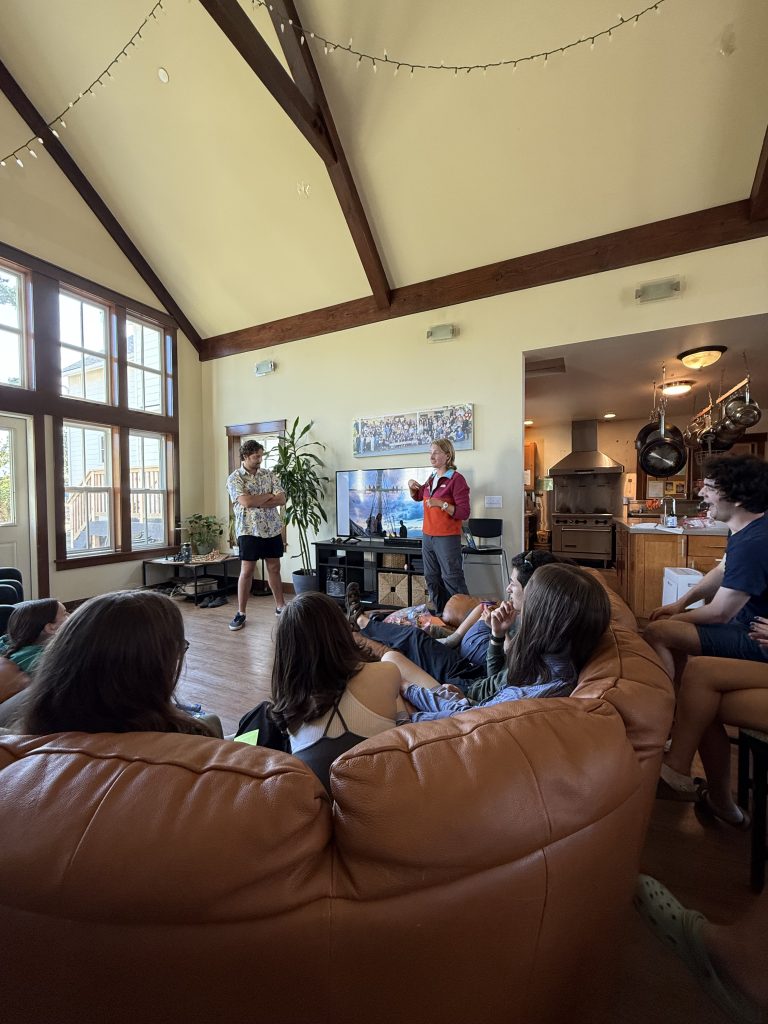
After the walk we helped ourselves to a mid-day snack while listening to Maya and Adam talk about their experience with SEA (Sea Education Association). We got the inside scoop on what it’s like to do the SEA program as a study abroad option which sounded pretty cool!
Maya and Adam’s SEA talk (photo by Hitomi)
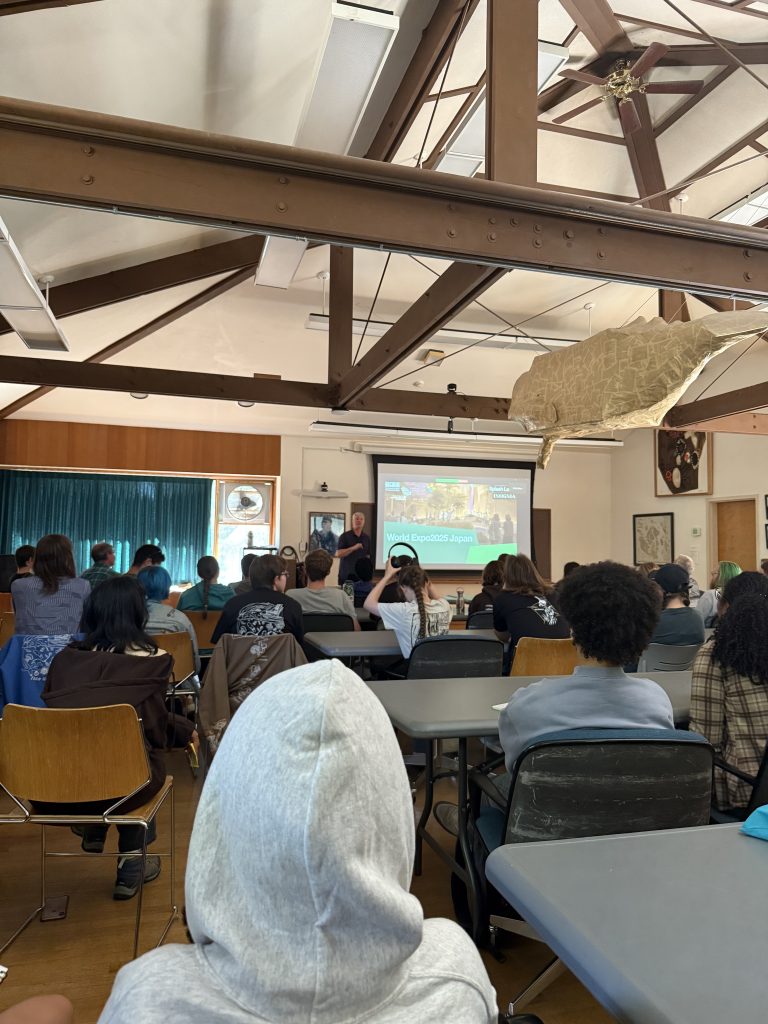
After the amazing talk we made our way over to Friday Harbor Labs for the last time during this program. We got some time to look at the stockroom (merch) before going to a talk about Thermodynamics of Coral with Dr. Truscott. The talk brought some interesting discussion to dinner where we enjoyed some delicious mac n cheese and lasagna!
FHL “Thermodynamics of Coral” talk (photo by Hitomi)
EV car built by Friday Harbor High School students (photo by Hitomi)
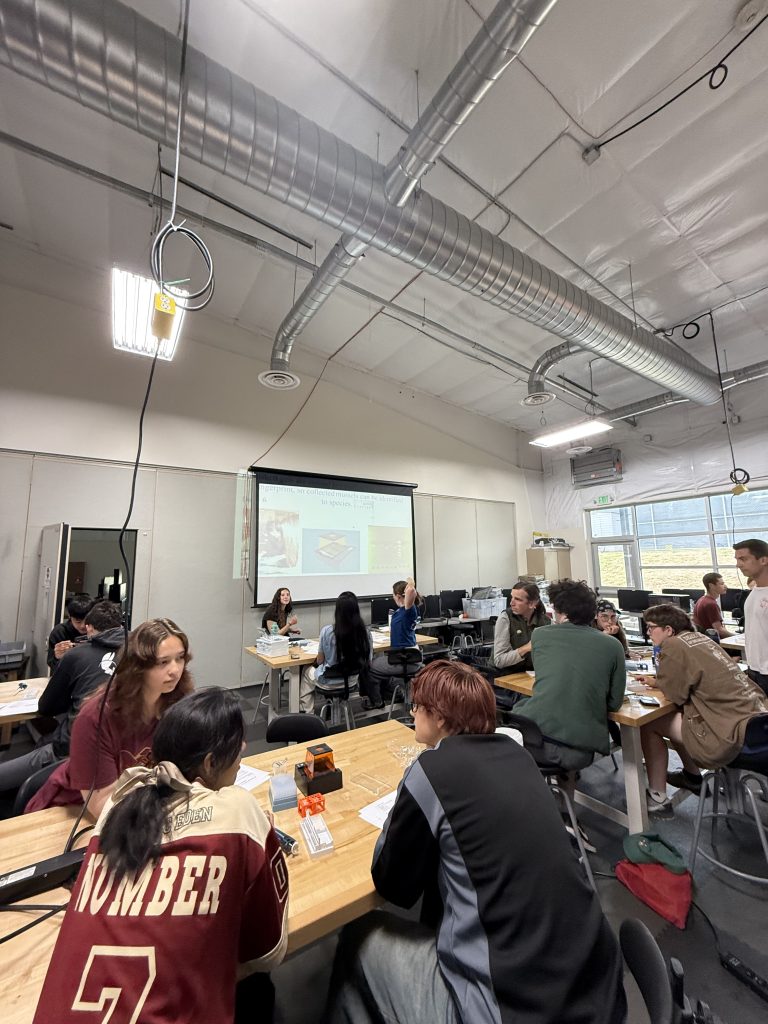
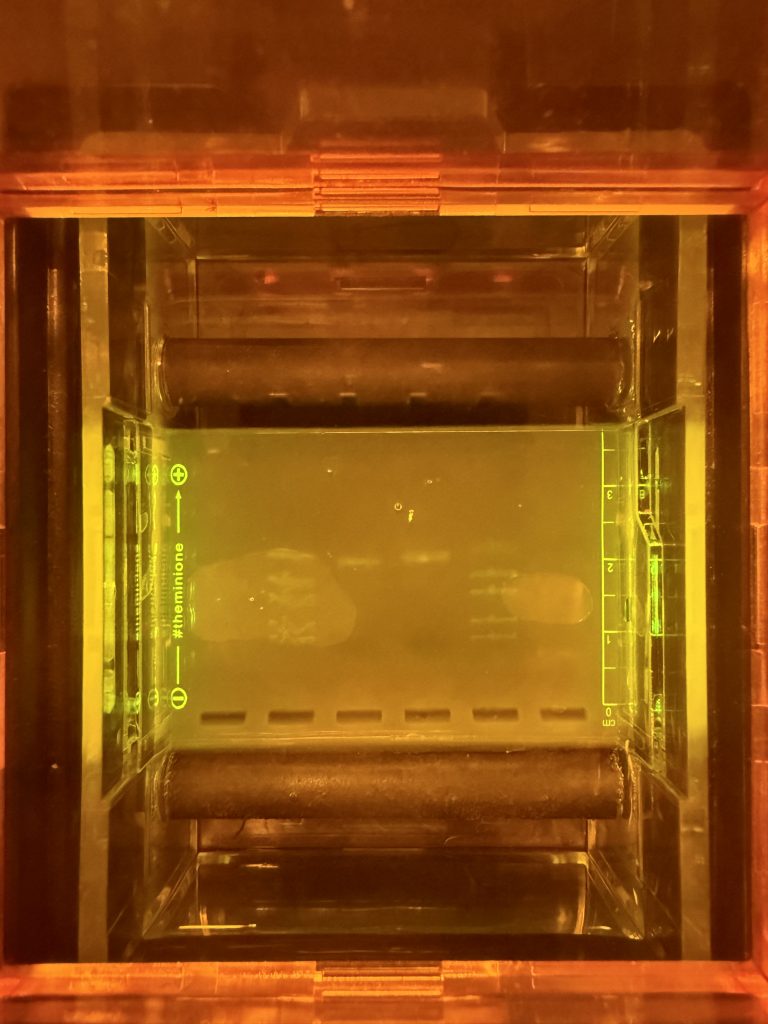
This morning, we enjoyed a short walk a few blocks to Friday Harbor High School where we helped Sam Garson with his Invasive Mussel Project. In groups we were given mussels collected from the local area (native) and a mussel bought from the grocery store (invasive – Mediterranean mussels). Using PCR and electrophoresis, we identified if the mussels we had were invasive, native or hybrid. The data we collected will be used to further Mr. Garson’s study which is cool! We also tested a new and faster method for data collection, shortening the data collecting process from multiple days to 90 minutes!
PCR lab (photo by Hitomi)
While we were waiting for our DNA ladders to appear, we were given the opportunity to take the high school’s makeshift electric car for a spin in the parking lot! Only licensed students were allowed to drive, but those of us without licenses took turns riding in the back. The car itself has some impressive capabilities, being able to drive for 80 miles on a charge, and having a top speed of over 90 mph. However, when we asked Mr. Garson about driving it on the road, he said that his last attempt led to an encounter with a sheriff, which is why he only keeps it in the parking lot. Even though we were confined to the parking lot, driving the car was still fun (and scary at times), and we were still able to go quite fast. Once we were done with the car, we ended up analyzing our DNA ladders and walking back to the dorms for lunch.
Electrophoresis! (Photo by Hitomi)
Following lunch, we were joined by Dr. Donatelli. She walked us through a workshop on using the coding language R. R is a statistical coding language that many scientists use to analyze large data sets. We downloaded software onto our computers and began our coding class. We learned how to insert, look at, calculate, and even plot different sets of data. Overall, we all were happy to gain new knowledge and hopefully now we will be able to put our skills to good use in the future.
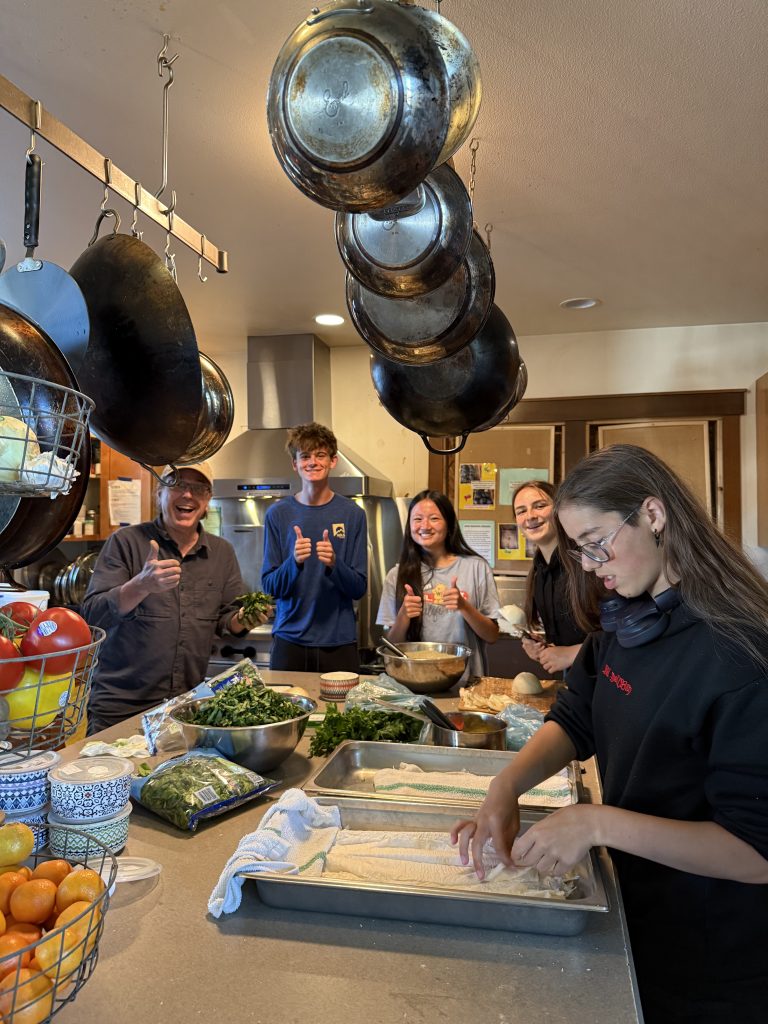
Dinner Crew making spanakopita! (Photo by Hitomi)
After working on our research projects for a while, some of us went to prepare dinner as we set up the dining room for tonight’s guest: Mr. Tim Dwyer. Tim is a science teacher at Friday Harbor High School who specializes in Chemistry, Physics, Oceanography, and Environmental Science (and who was the science director of our very own Salish Sea Sciences for 8 years!) He graduated from Bowdoin College with a degree in biology and from Central Washington University with a degree in education before earning a master’s degree in biology at Northeastern University. In his long career, Tim has worked as a marine science instructor for the Catalina Island Marine Institute, as a teaching fellow at Harvard Medical School, and even as a science communicator on the PolarTREC program based in Antarctica! During Tim’s after-dinner lecture, he discussed the subject of polar gigantism as well as his time spent at Antarctica’s McMurdo Station where he studied the physiology of sea spiders (which are more related to ticks than spiders.) According to Tim, there are lots of theories on the cause of polar gigantism, with the most likely theory being that larger bodies result in greater speed, allowing for organisms to scavenge for prey more effectively in the sub-freezing waters beneath the Antarctic ice. After Tim left with his adorable research assistant Wookie, some of us prepared to head off to bed while the rest of us made ready to head down to the marina with Maya to go night lighting.
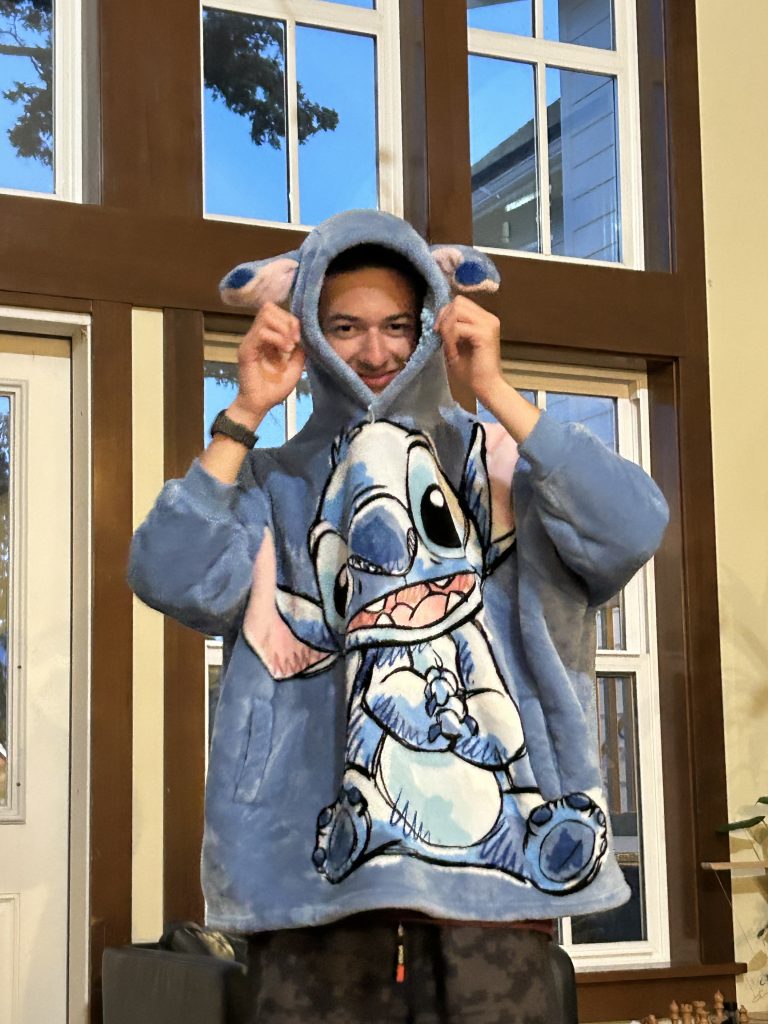
Noam looking so kawaii in Cara’s Stitch hoodie (Photo by Harper)
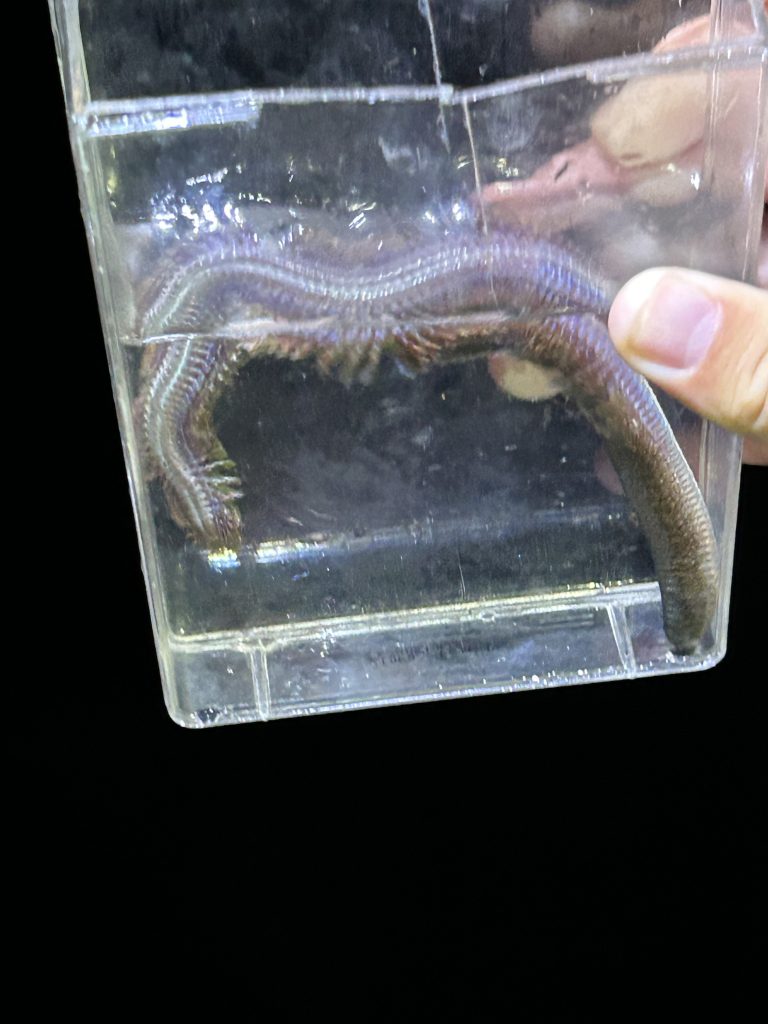
Tonight, we are going to go night lighting with Maya. Night lighting is when you take lights down to the dock and lookout for marine organisms. We are all excited so see what we will find, but we are going to have a late night. Good night, see you tomorrow!
Huge marine worm captured on the dock (Photo by Harper)
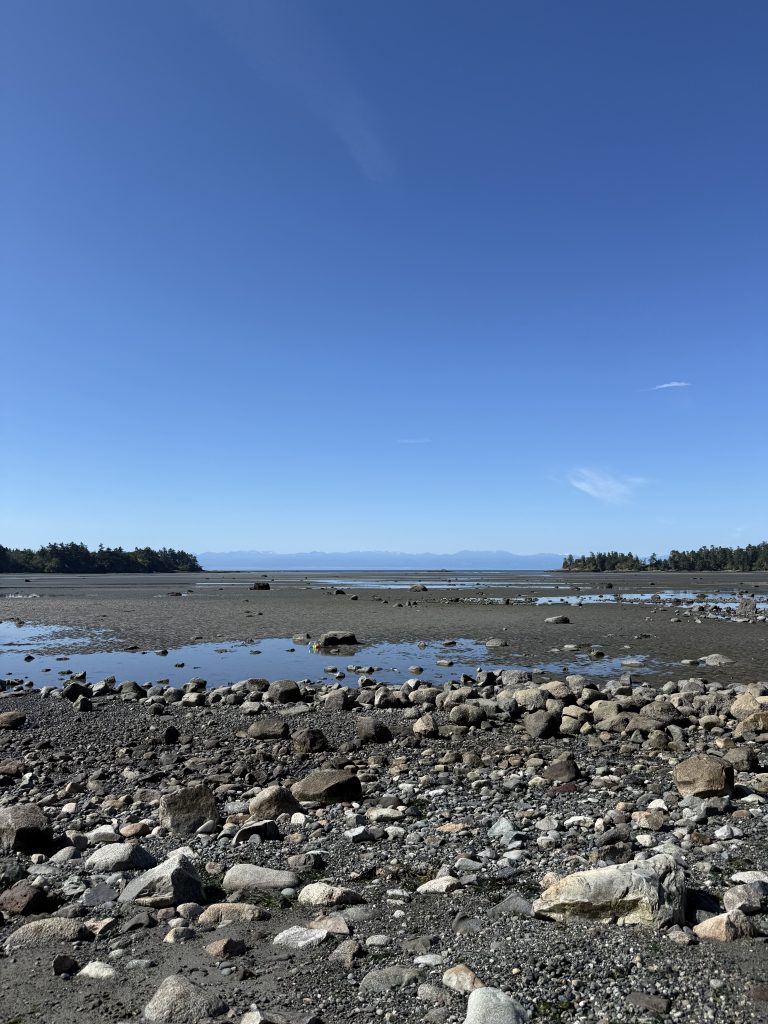
We woke up to a new day back at the dorms ready to restart our research explorations. After breakfast, we ventured out to False Bay. The bay is an open area with small pools of water surrounded by large breaks of muddy land. False Bay is a perfect place for annelids (segmented worms) to hide, as well as a fun spot for shrimp, clams, and crabs to live.
False Bay (photo by Hitomi)
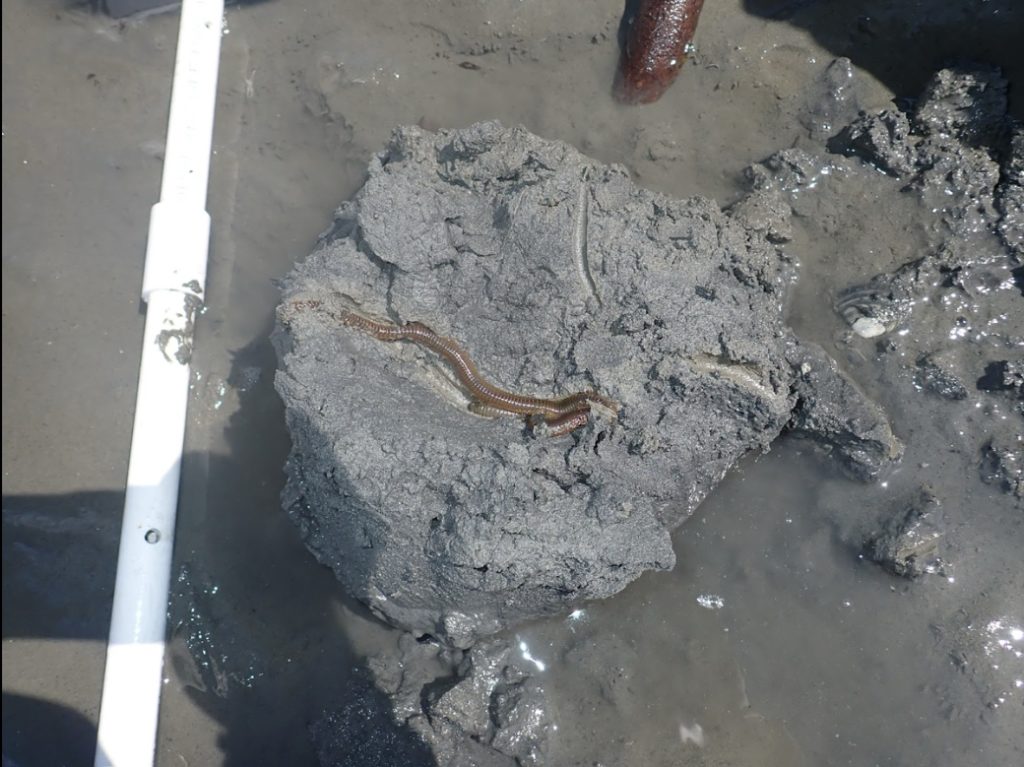
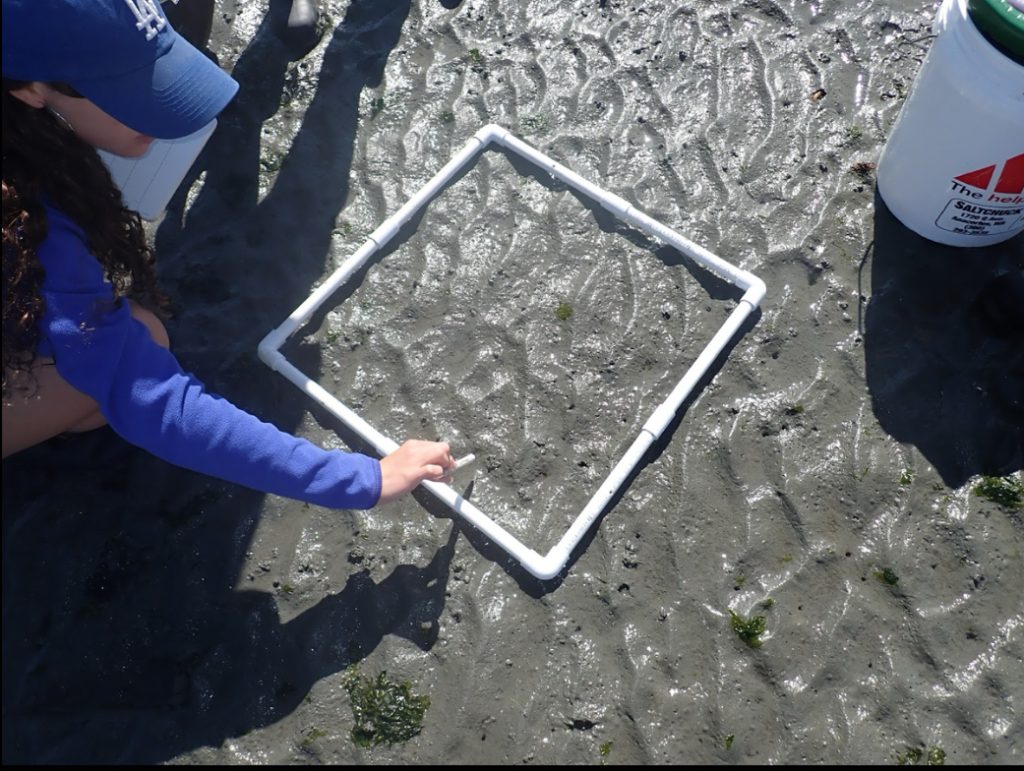
Our group went to this muddy haven to learn how to take lugworm surveys. We split up into groups of three or four and we each recorded different data sets around the beach. Five of the six groups recorded the number of fecal castings left by lugworms while the sixth group dug up the castings to see if any burrows were inhabited.
Quadrat used for Lugworms exploration (photo by Lars)
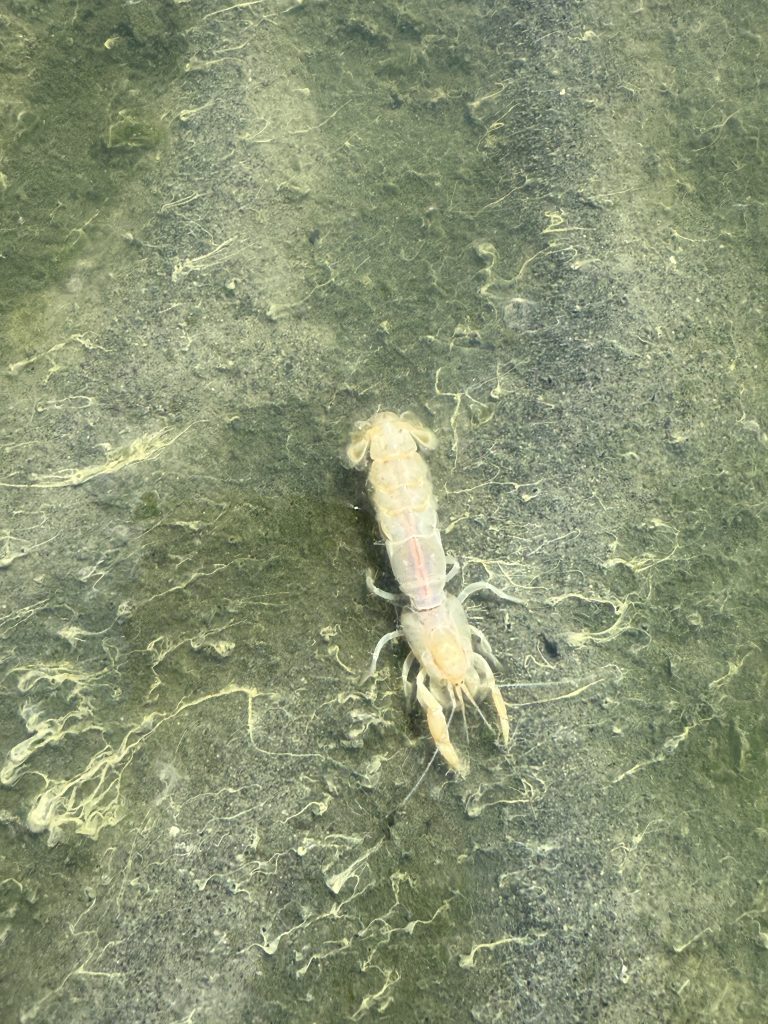
The groups found many different types of worms, as well as some ghost shrimp, crabs, natural clay, and clams.
Ghost Shrimp found at False Bay (photo by Hitomi)
After about two hours of data collection, we were exhausted and ready for our lunch break.
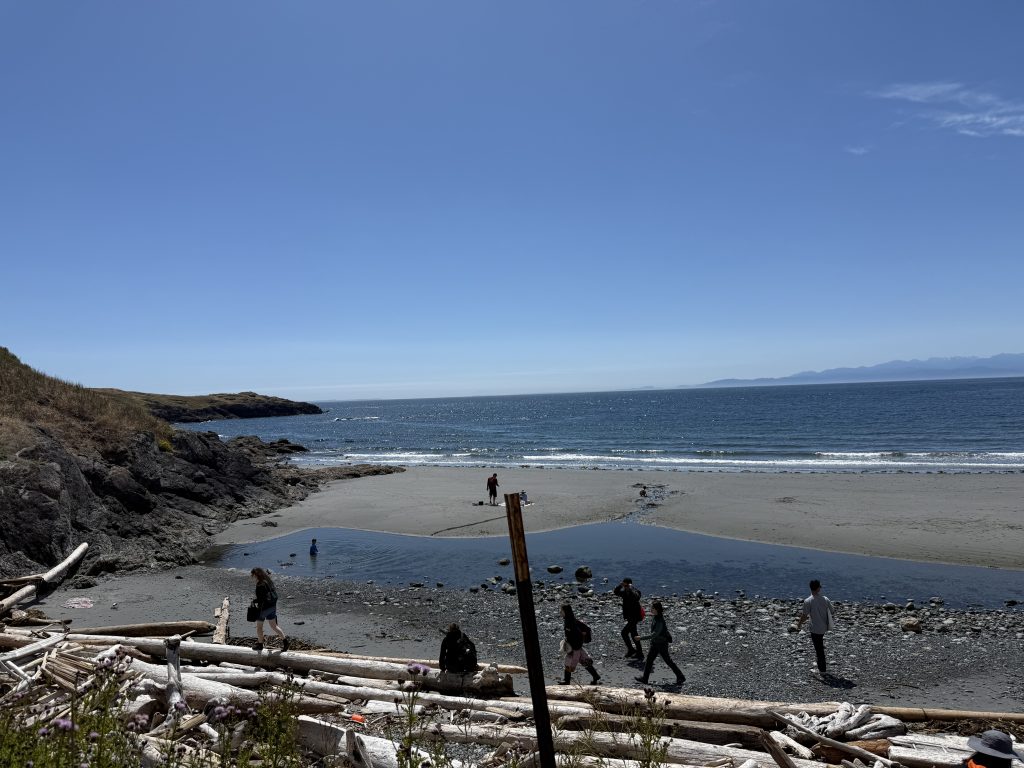
Eagle Cove (photo by Hitomi)
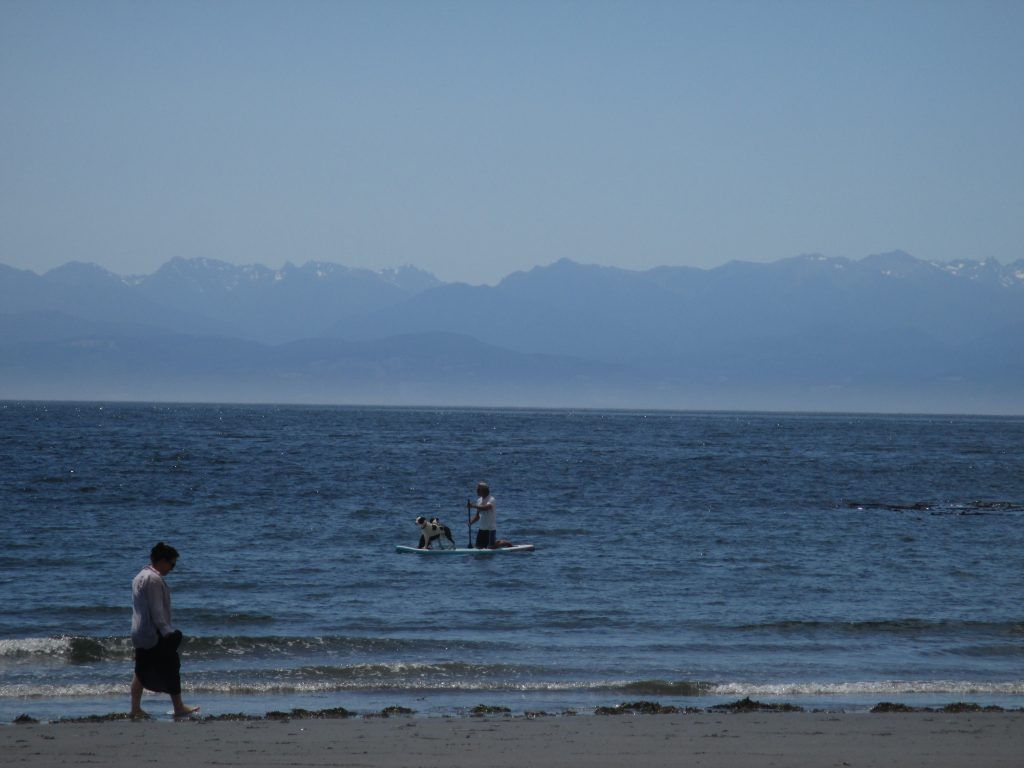
To regroup after exploring the wonders of False Bay, we enjoyed our sandwiches which we prepared earlier that morning. Eagle Cove was the most crowded beach we have yet to discover. The beautiful weather called for many picnics at the beach and paddle boarding dogs! During time spent at the beach, some enjoyed sightseeing & people watching, while others helped themselves to exploring the rocky coastal environment.
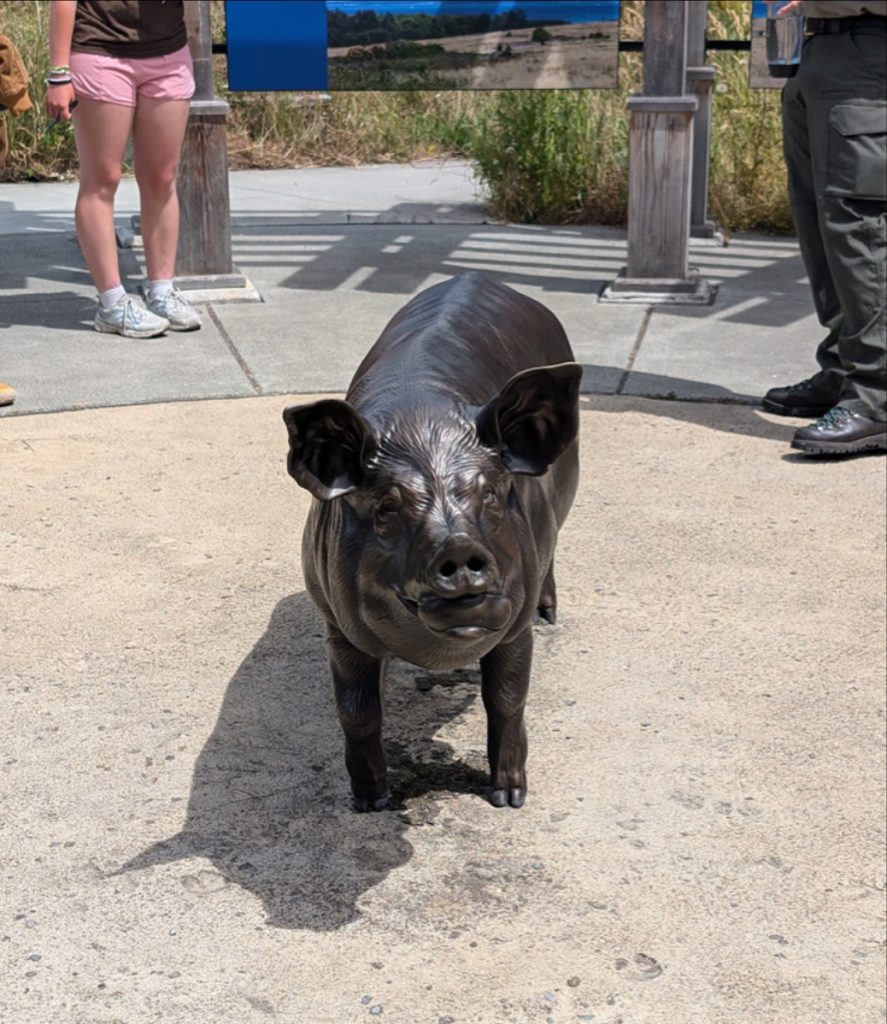
Dogs enjoying a nice paddle board ride! (Photo by Hitomi)Pig War pig (photo by Trevor)
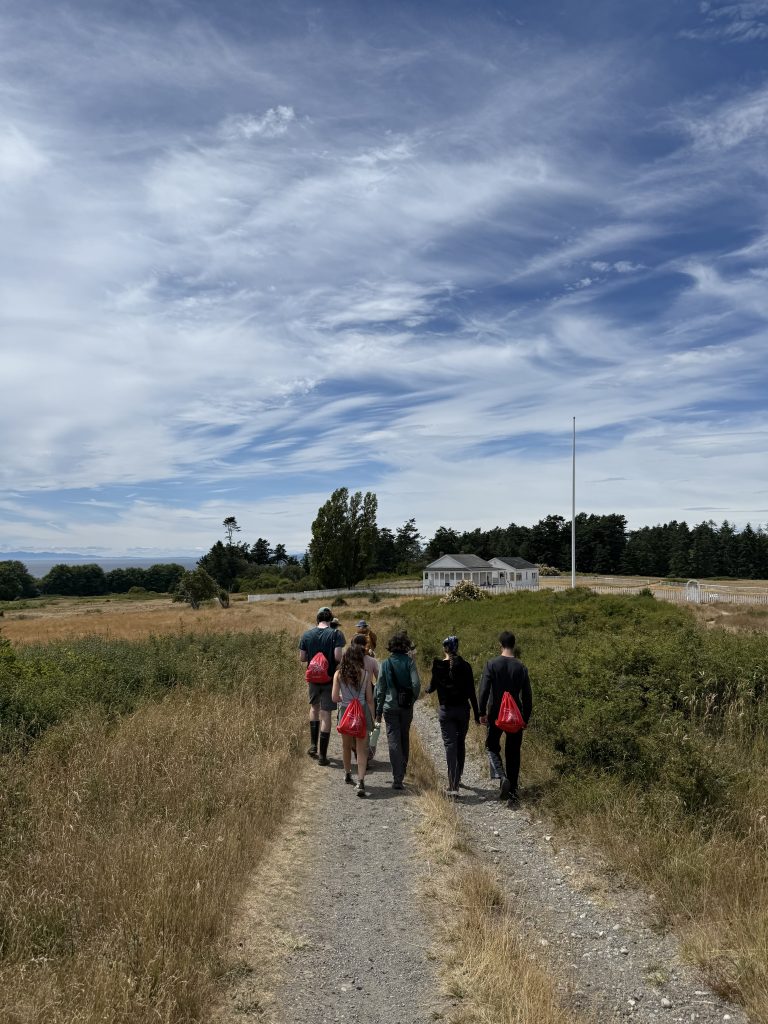
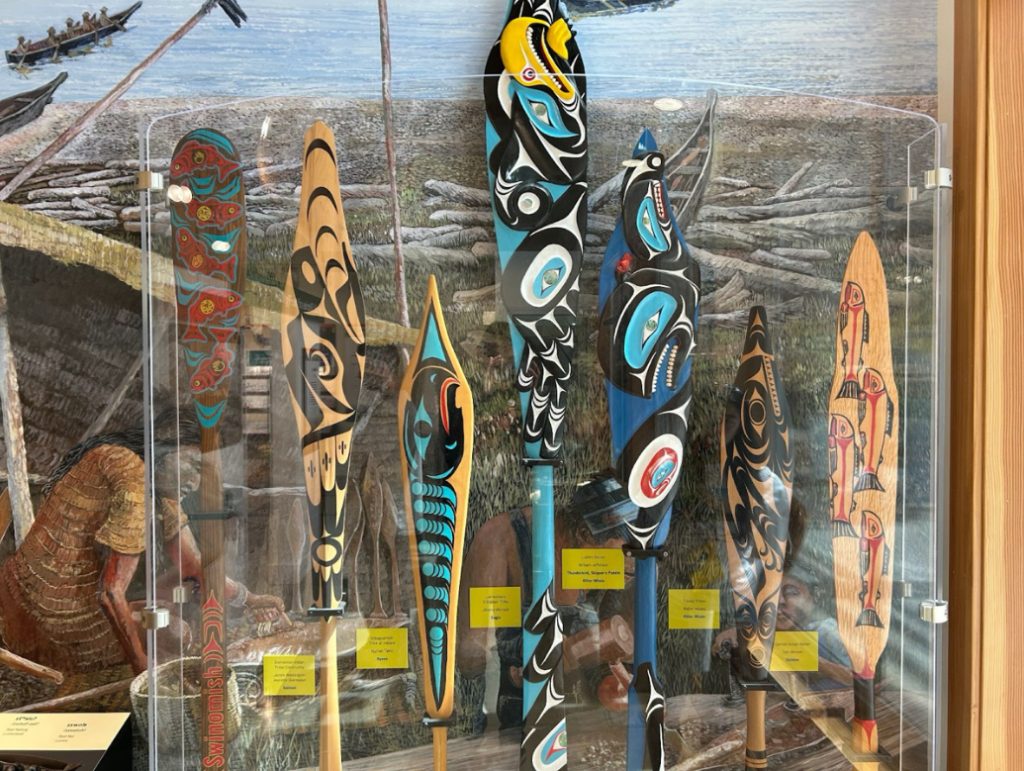
After our exciting lunch at Eagle Cove, we drove down the road to the American Camp Visitor Center at the San Juan Island National Historical Park where we met our tour guide, Emilio Santiago. Emilio works as a Cultural Resources Program Specialist for the National Park Service & he has been operating as the park’s resident archaeologist since 2018. In addition to being an engaging presenter of the park’s history, Emilio is currently campaigning for the position of Friday Harbor’s town mayor (We wish him luck!). During our tour, Emilio regaled us with a brief history of the 1859 “Pig War” which saw the American and British militaries nearly coming to blows over which of the two powers “owned” the San Juan Islands. We were shown around the foundations of the camp as well as the few remaining buildings that had been restored over the years. After this, we returned to the visitor center where we got to examine several artifacts from the various Coast Salish indigenous tribes who lived near the park prior to colonialist occupation (these being the Samish, S’Klallam, Lummi, and Lushootseed nations, among others). After saying goodbye to Emilio, we drove back to the dorms to start our next activity: brainstorming for our independent research projects.
Tour at American Camp with Emilio (photo by Hitomi)Oars hung representing various Coast Salish Indigenous Tribes (photo by Harper)
We returned earlier than normal to the dorms today to start brainstorming our projects! These first steps are very exciting as we began to develop our current interests & ideas into project questions. Maya, Riley and Adam helped some develop their interests into possible projects. Within the next week we will be given more support and resources to solidify our topics as we move further into the first steps of our projects!
To end the day, we were joined for dinner by Dr. Billie Swalla, a professor of biology at the University of Washington. She was the first female director of the Friday Harbor Laboratories, among many other accolades, and we were thrilled to have her visit. Whilst we were eating spanakopita and yellow rice, we talked about cellular division and ctenophores. Similarly, after dinner, she gave a talk about genealogy and her journey as a marine biologist, which I found very in-depth and invigorating. Right before bed, we had a few hours of downtime, allowing us to take a break and prepare for another busy day tomorrow!
The dorm woke up to beautiful sunny weather and the breakfast crew’s spread of scrumptious cereals, yogurt, granola, bread, and fresh berries. Some eager folks went out for a quick morning workout, while others helped themselves to coffee in the area. First, we were introduced to the structure of our Pilot Project and shown examples from past years projects. Maya and Riley led a tour of our on-campus lab, which will act as a workspace for some over the next 4 weeks, and shortly after, we were delighted by Adam’s “Phyla of the Salish Sea” presentation. We gained base-level knowledge of local marine organisms, which was later used to explore the tide pools at Deadman’s Cove.
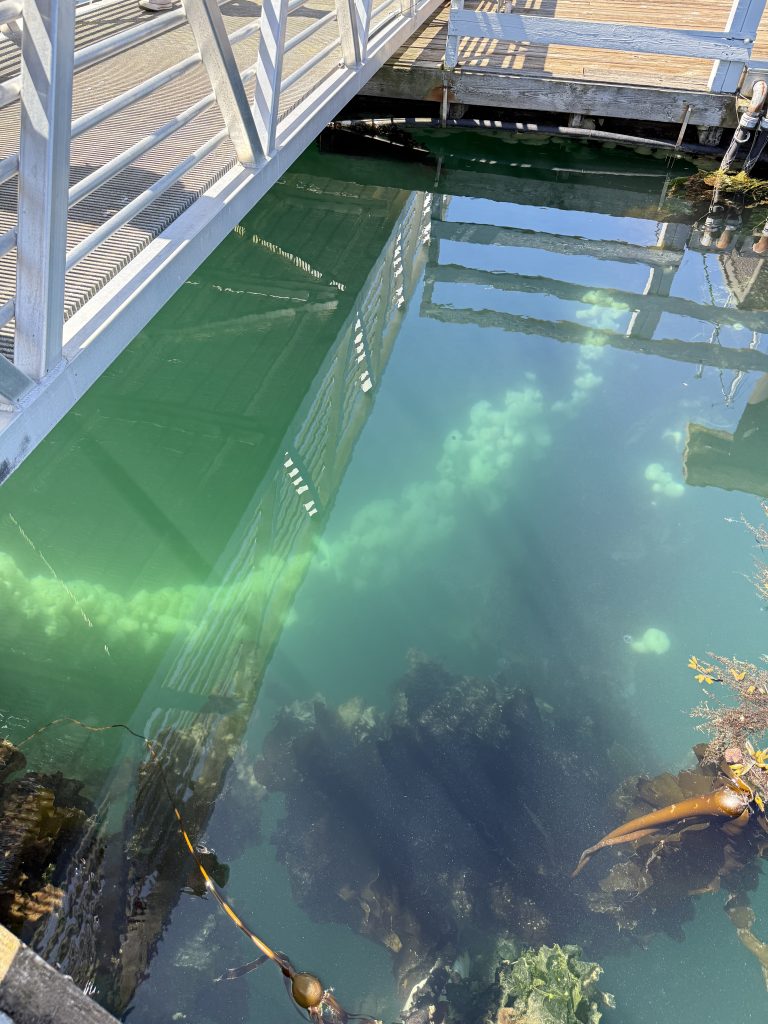
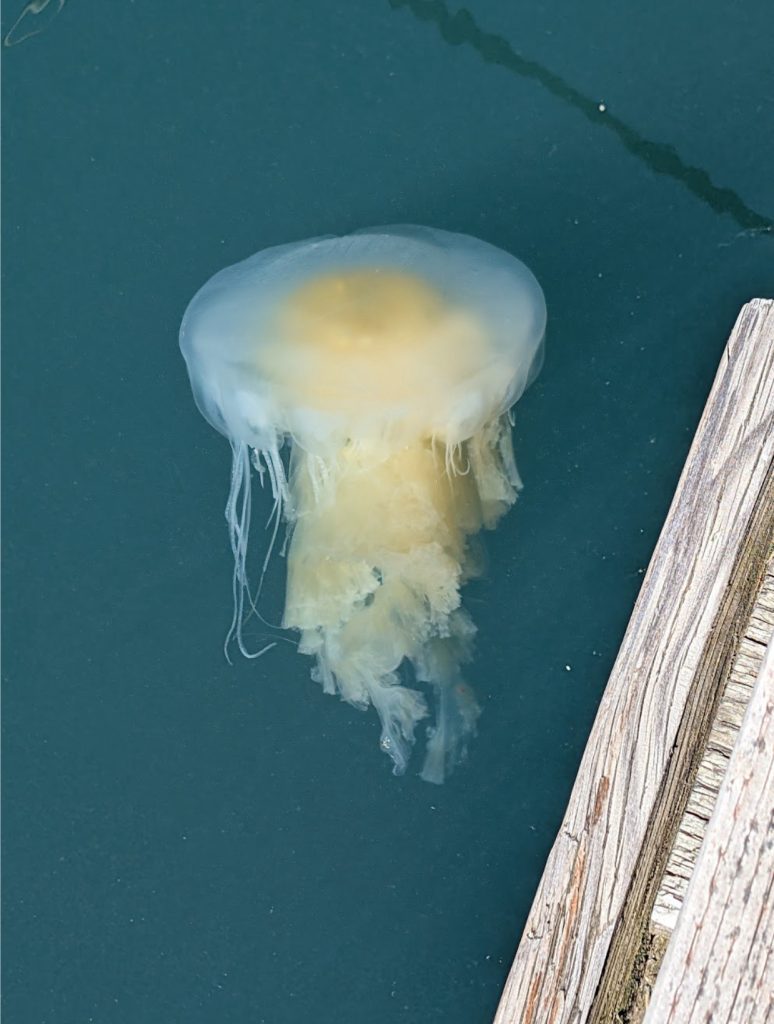
After Adam’s phylum presentation, we strolled into town to put our knowledge to use at the marina. Our main focus there was the fouling communities, which are congregations of animals found on man-made objects. We spent about an hour exploring over, under, and around the docks, searching for any organism we could find. While we were there, we had to apply our newly acquired knowledge of species and phyla to identify patterns in organism density, dispersion, and relationship to other organisms. In our full-group meetup afterwards, we all agreed that there was more seaweed on the upper section of the pilings (due to photosynthesis) and that there was a higher concentration of organisms, specifically plumose anemone, in the gaps between the dock (because of current and nutrient flow). Notably, we also saw plumose anemones, a red rock crab, and a few massive egg yolk jellyfish. Afterwards, we enjoyed a short hike back up through town and settled in for lunch.
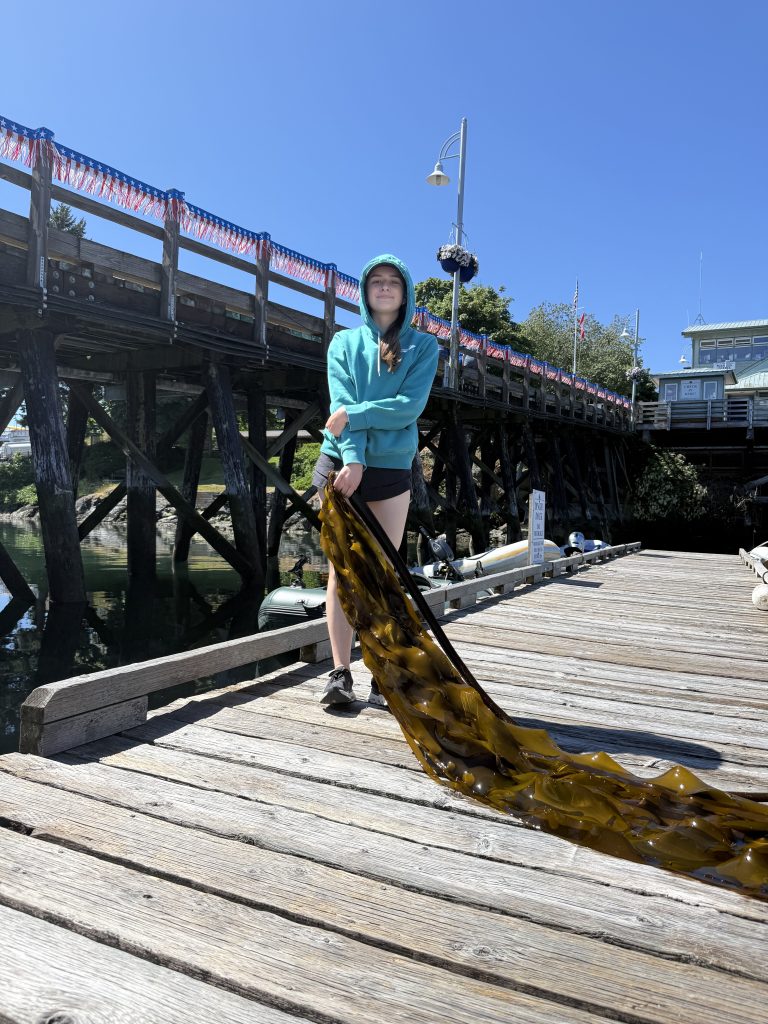
Fouling anemones (photo by Hitomi)Egg yolk jellyfish (photo by Trevor)Ella holding Bull Kelp (photo by Hitomi)
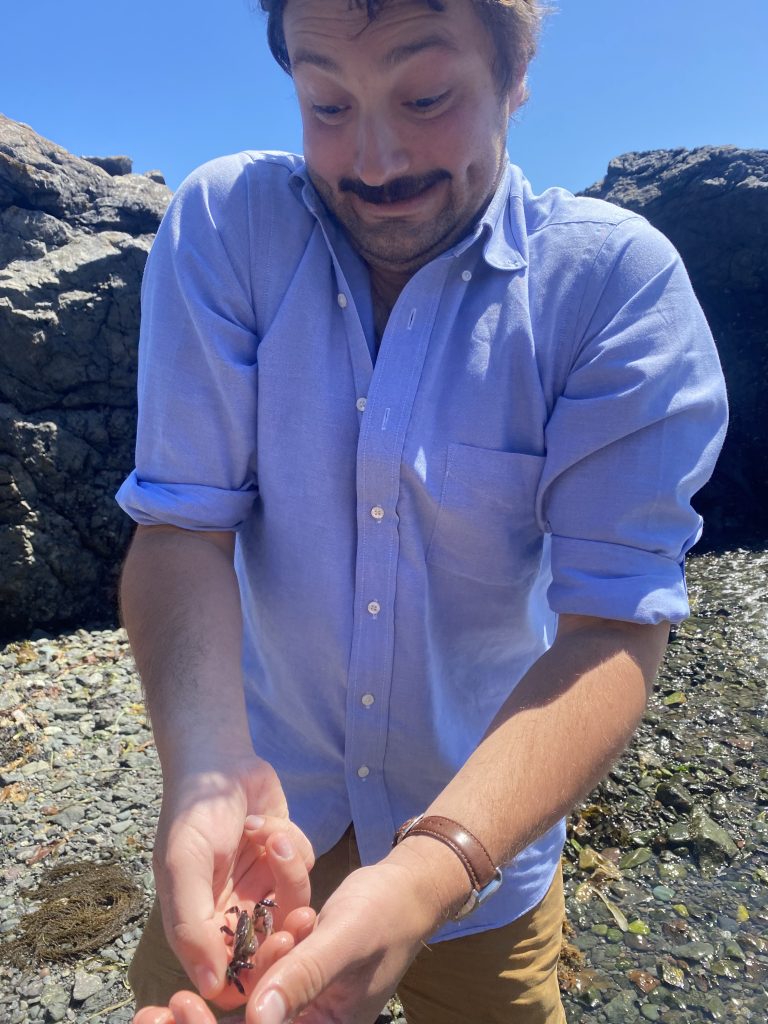
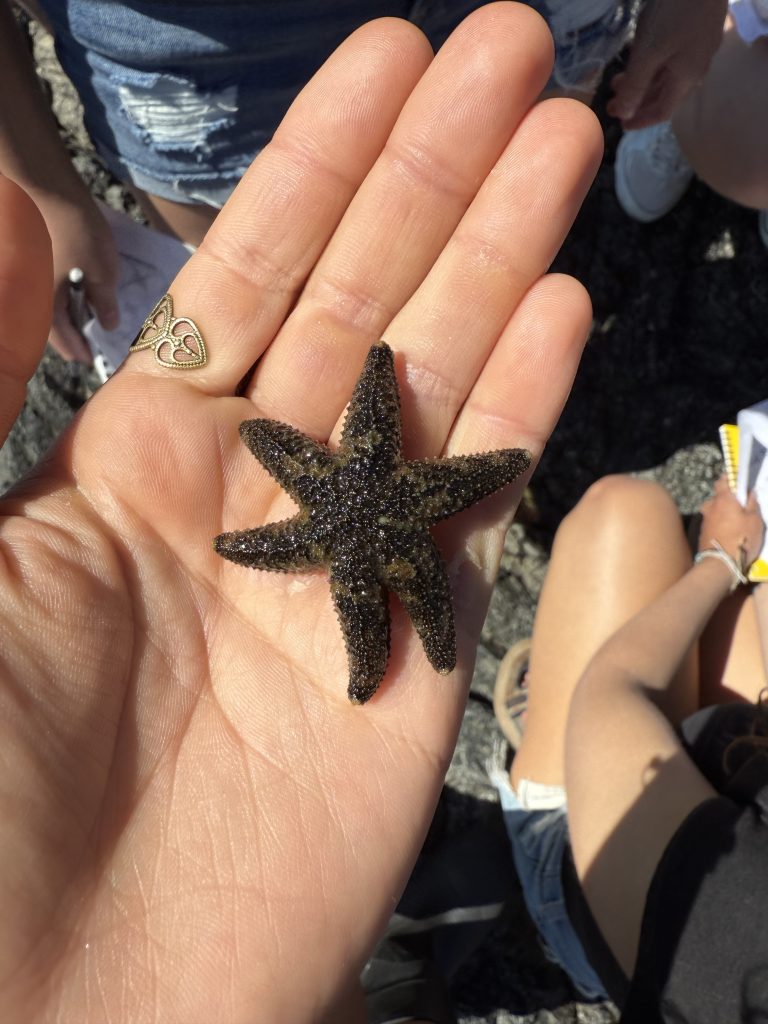
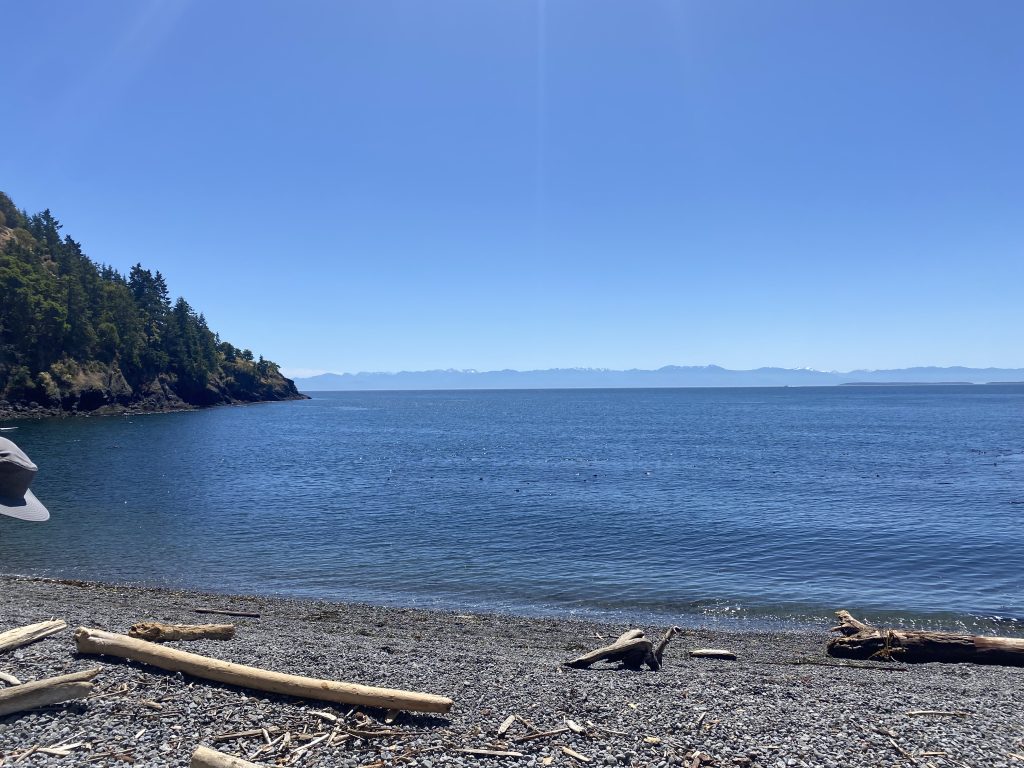
Following a lunch of sandwiches and fruit, we packed up our supplies and piled into the van as we set out for our last event of the day: studying tidepools at the ominously-named “Deadman’s Bay”. After a winding drive which took us west along the slopes of a cliffside forest, we parked beside the road and made our way down a steep trail to the shoreline. From the pebble-laden beachfront, the distant figure of Canada’s Vancouver Island sat in the shadow of the Olympic Mountains, which stood as a row of massive dark teeth against the blue sky. Once settled, our directors asked us to reflect on the potential biotic and abiotic factors around us. After this, we were handed “Tidepool Bingo” sheets and instructed to find the organisms on the sheet among the tidepools off to our right. Among the tidepools, we found rock crabs, barnacles, snails, algae, anemones, the occasional tidepool sculpin, and even a few sea stars. Unfortunately, we had to leave after a few hours due to the rising tide, though one of our directors was lucky enough to find the carcass of a sea urchin on her way back to the group. After our adventure at Deadman’s Bay, we drove back to the dorms and settled down for a snack while our dinner crew prepared for the arrival of our evening’s guest: Dr. Olivia Graham.
Starfish in the tide pool (photo by Hitomi)Deadman’s cove (photo by Eden)
After a short break following tide pooling, a special guest Dr. Olivia Graham joined our dinner table! She is a marine disease ecologist and research associate at Cornell University. At dinner, Dr. Graham will present and discuss her research on the effect of seagrass wasting disease on eelgrass beds throughout the Northeast Pacific. We will be able to dine with her and ask her questions about her research and scientific goals, creating a comfortable space to talk scientist-to-scientist. Following dinner, we will have some free time to chill before heading to bed, ready for our next long day.