Day 1: Setting Off
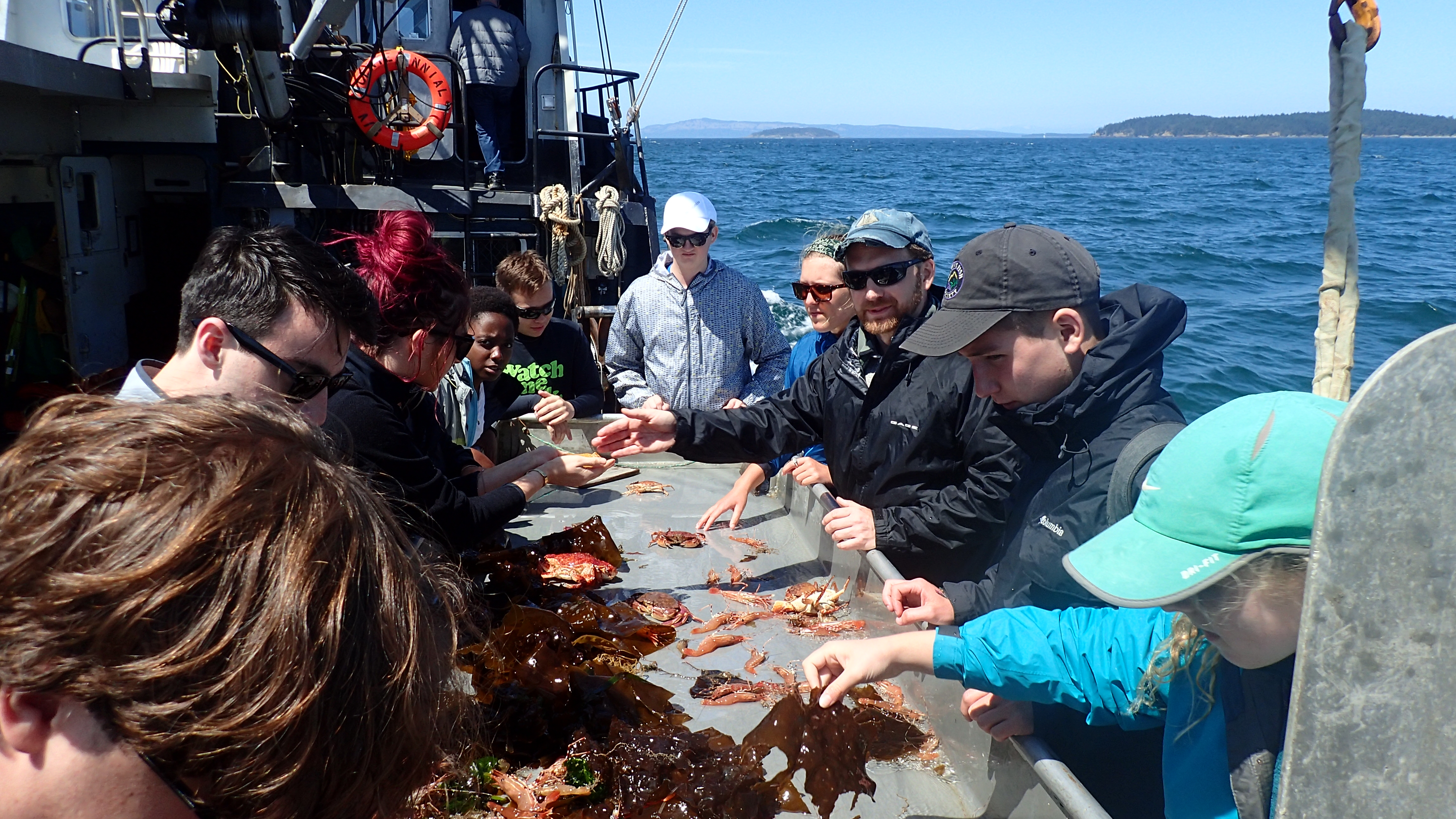
Off on the 8:05 am sailing from Friday Harbor to Anacortes’ Cap Sante Marina on a gorgeous day. The Salish Sea Sciences team meets up with Captain Sonia and Mate Chrissy in time to pack gear in dry bags, enjoy lunch, and get to know their vessel for the next 5 days, a lovely replica of the tenders used to chart these waters by Captain Vancouver’s crew in the 1790s.

Photos: Timothy Dwyer
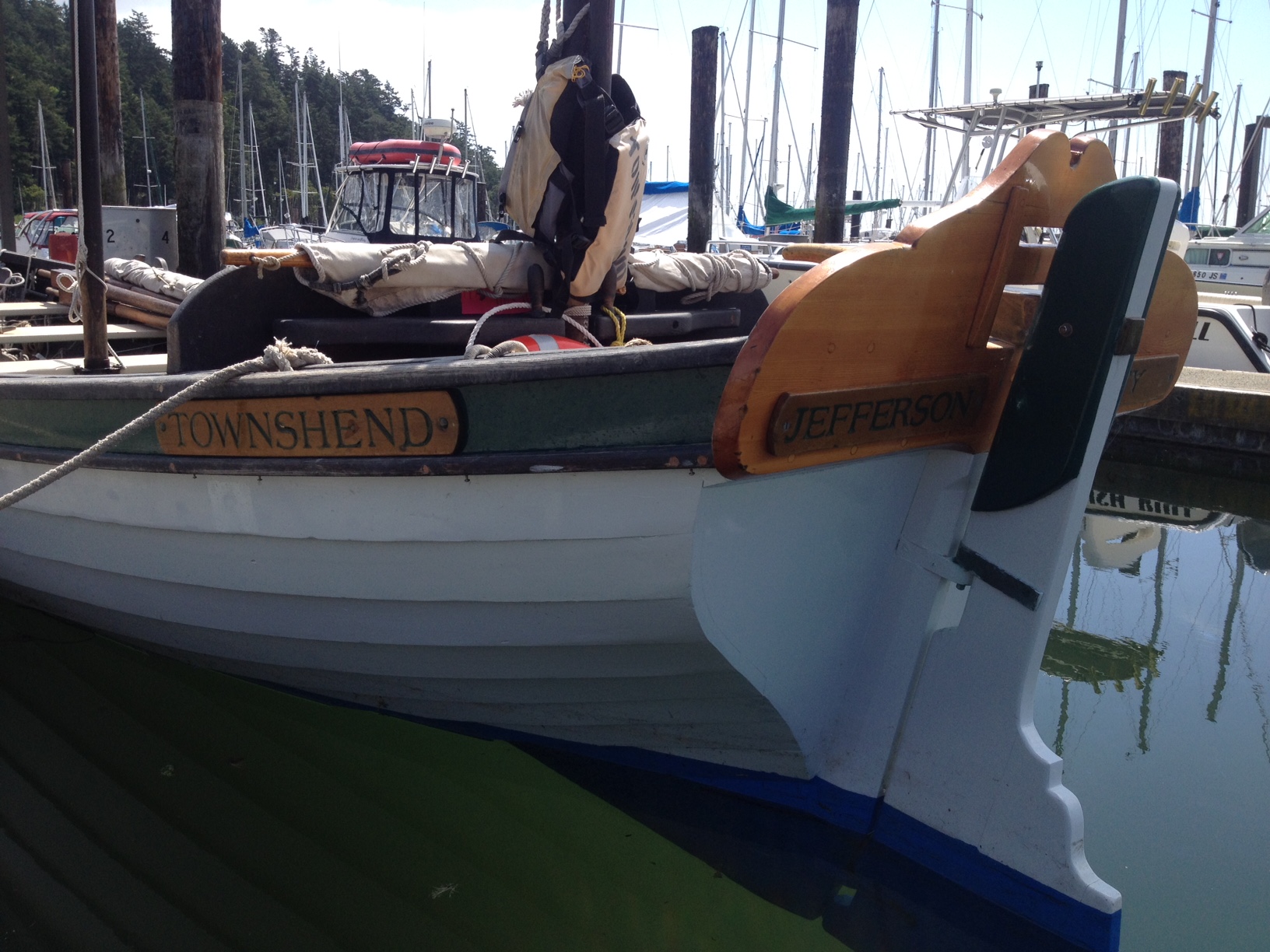
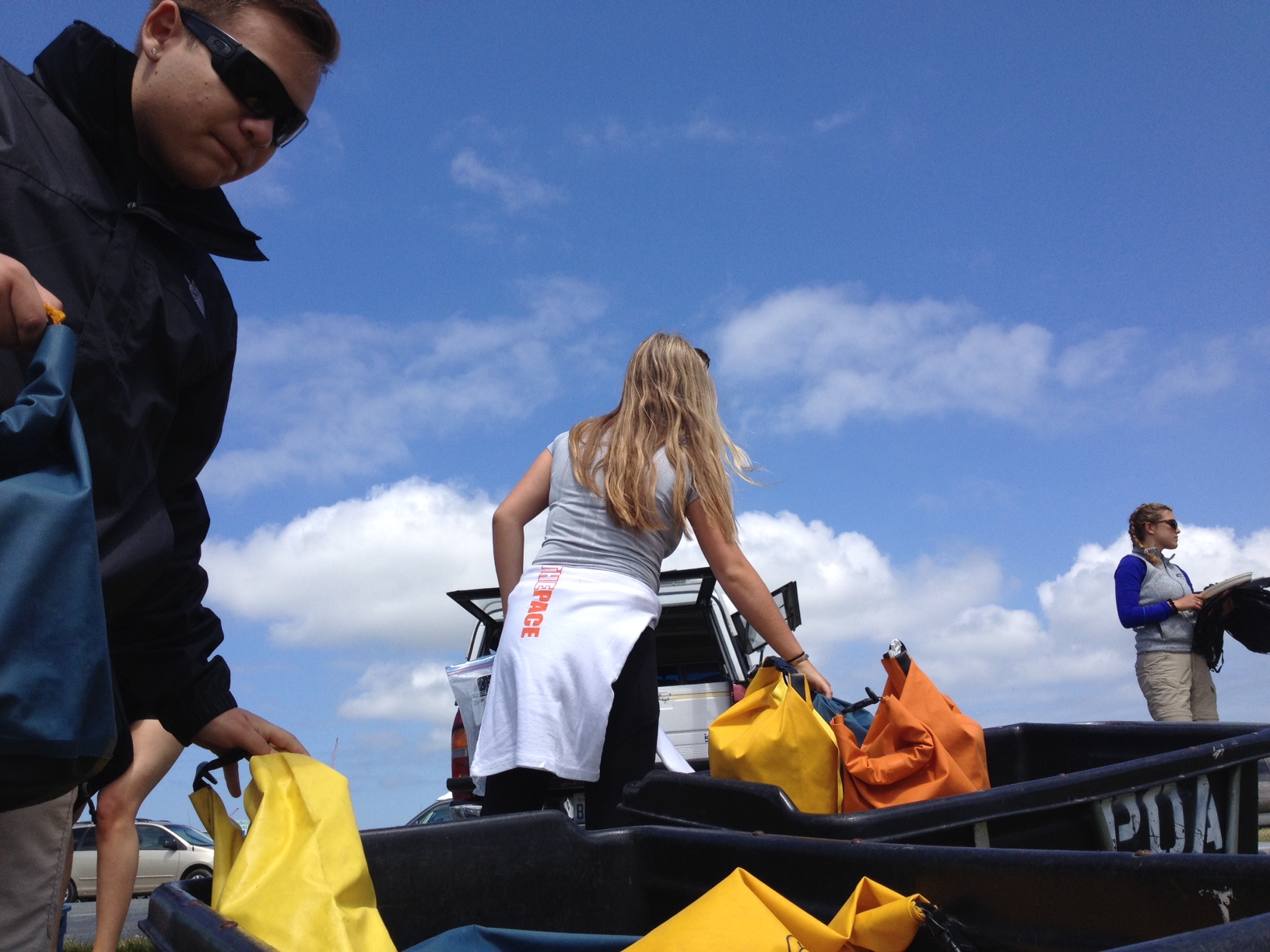
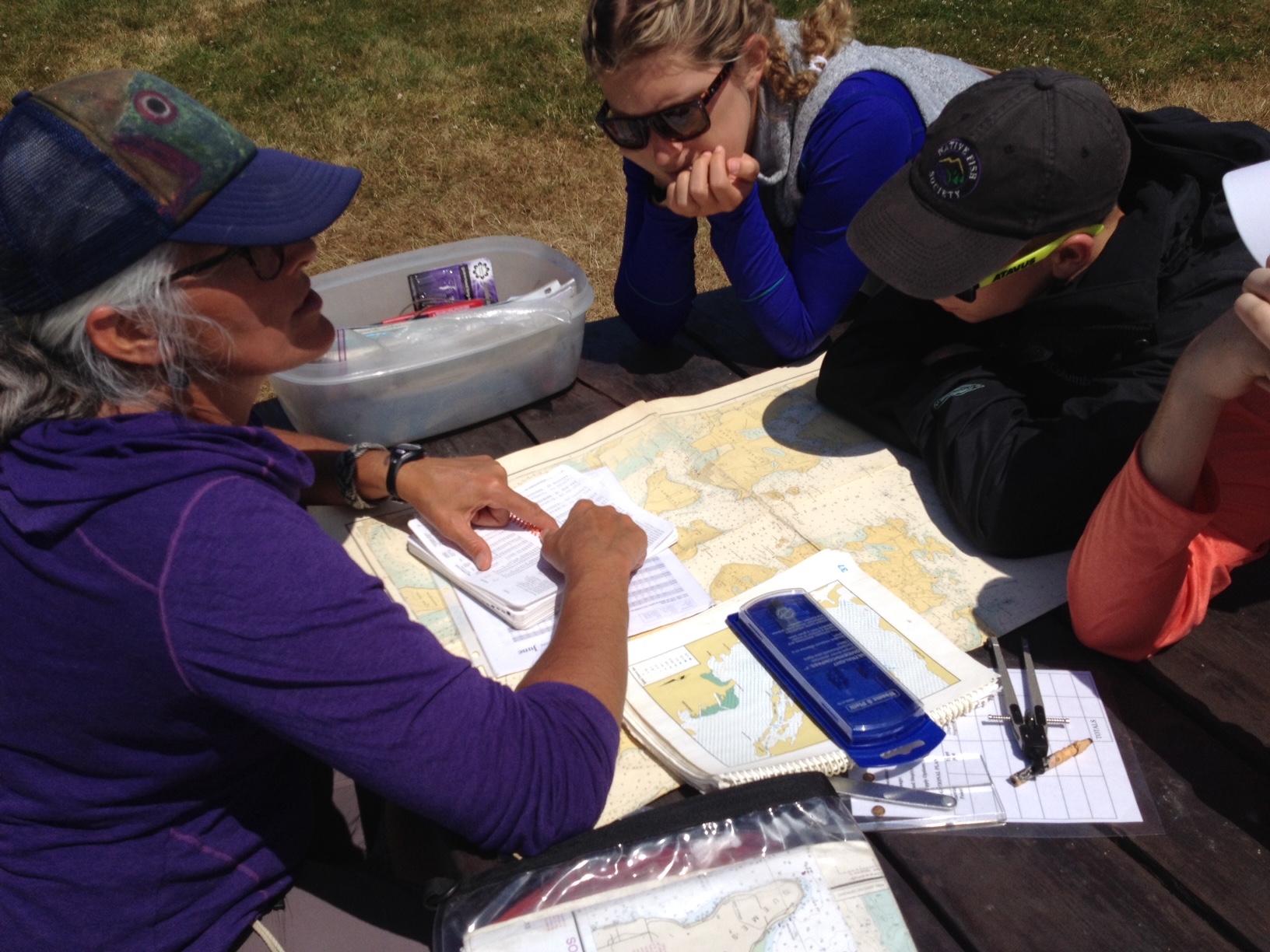
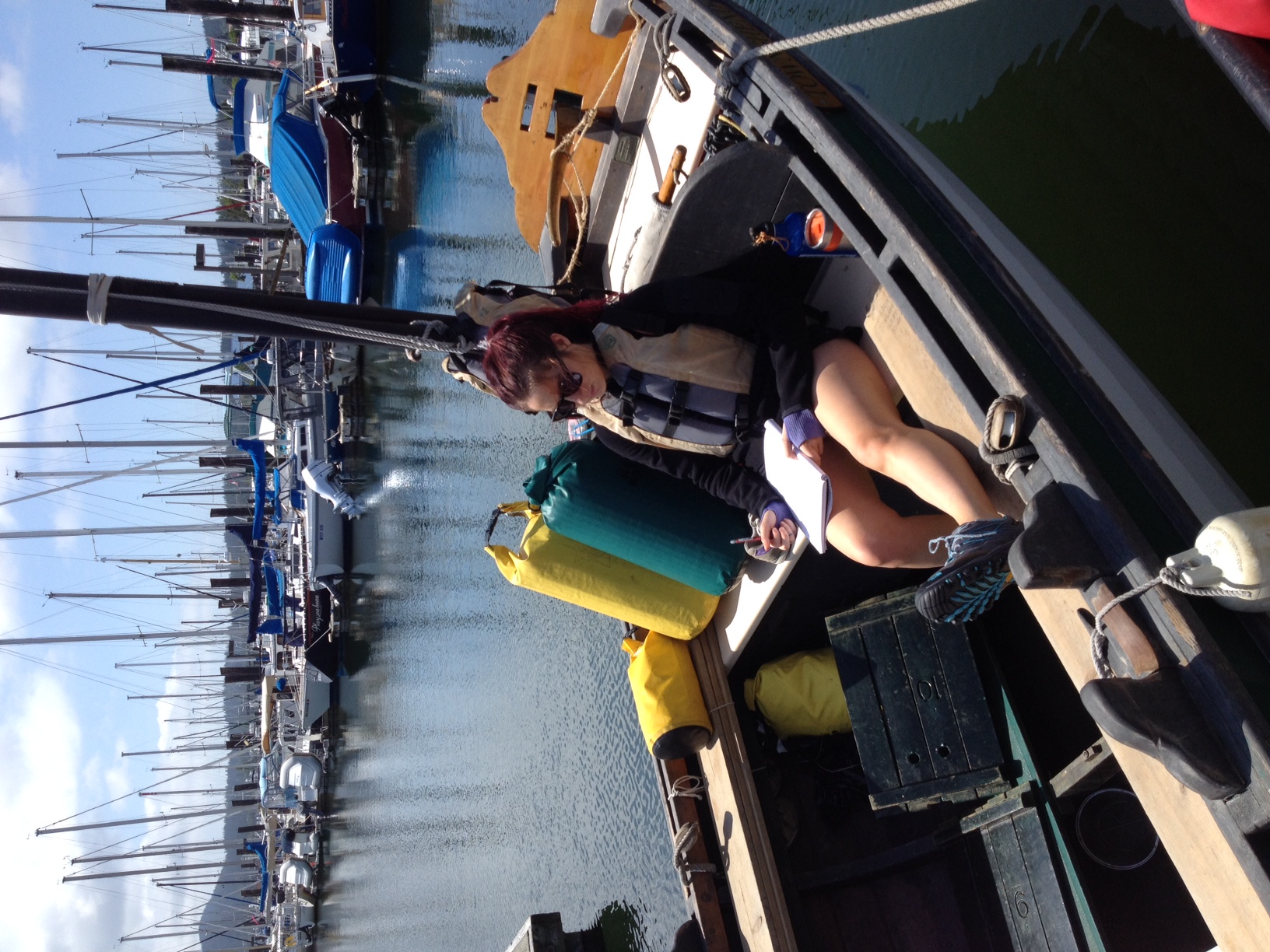
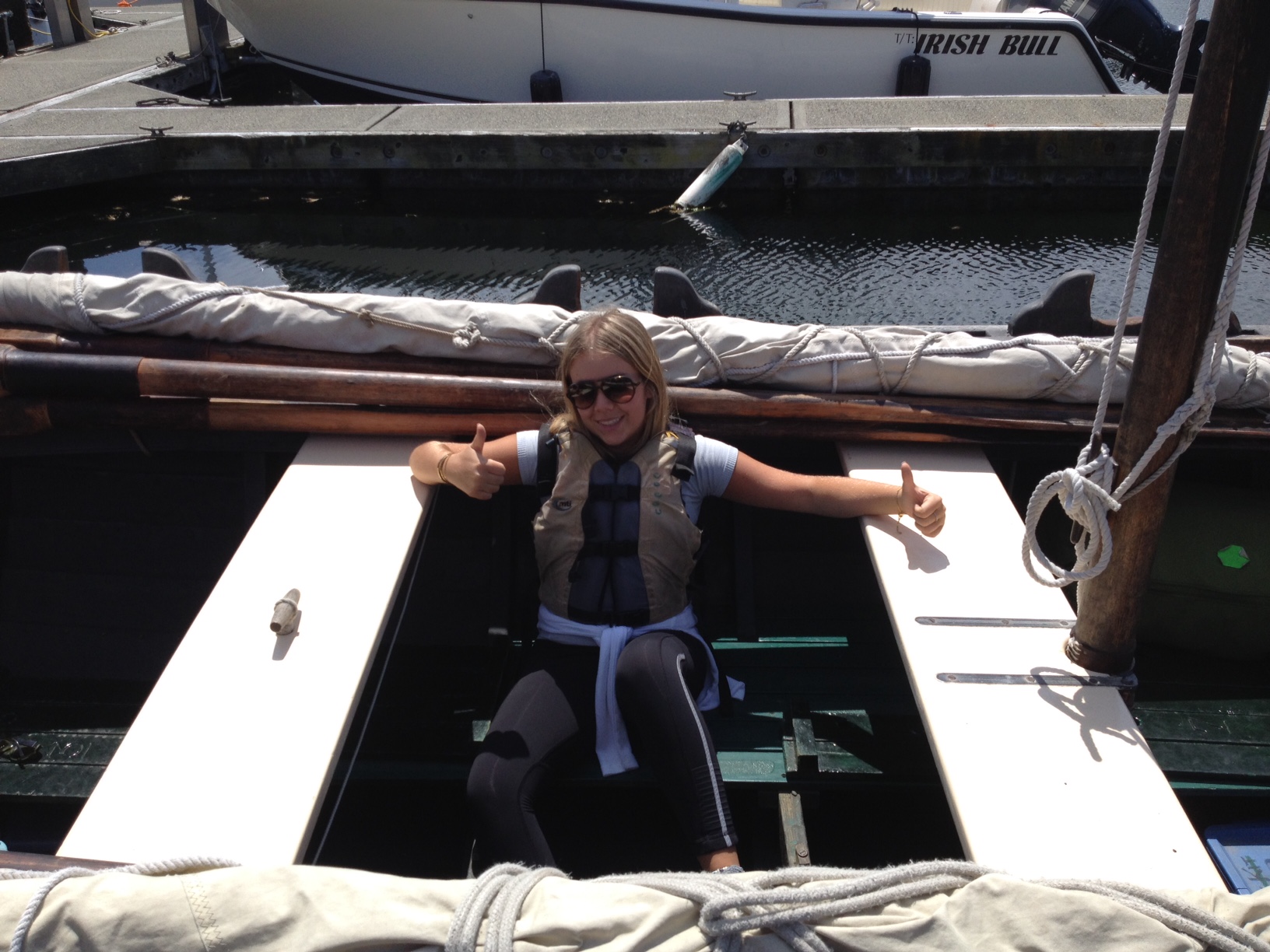
Packed up, safety procedures reviewed, and it’s time to learn about navigation, enjoy the sun, don lifejackets, and row!
Day 2:
Day 3: Adventure at Cypress Head
The third day of our longboat voyage awoke at the luxuriously late hour of 8:00. The day had been set aside with the initial plan to explore the beautiful Cypress Island, a much needed rest day. Breakfast was similarly extravagant with fried potatoes, scrambled eggs and apple juice.
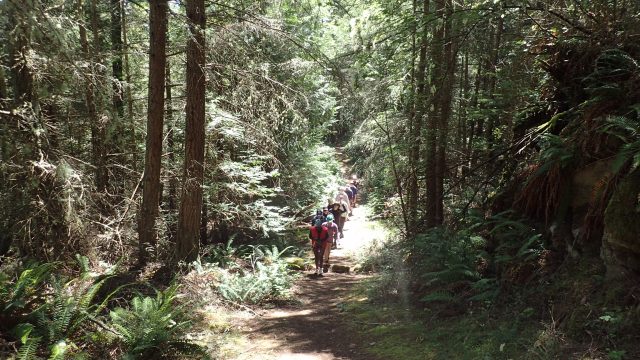
We set out from our camp at Cypress Head, a peninsula shaped campground that nearly becomes an island during high tide, on the Cypress Head Trail. A small group split off to return with Captain Soso to watch over the boat. The remainder of us continued to the Old Airfield Trail which wandered through a former airstrip that is now part of a forest reclamation project. From there we continued to the Bradberry Lake Trail and arrive at Bradberry Lake.
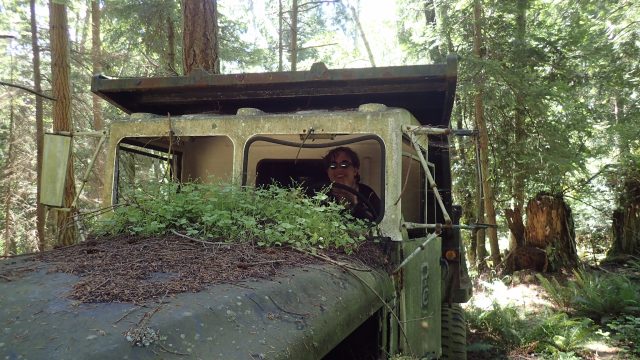
Parker (aka Agatha) hijacking an old abandoned truck we found
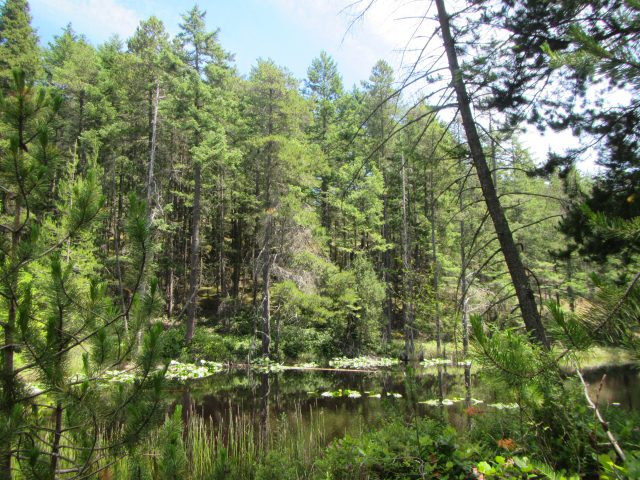
Our arduous climb was compensated with a gorgeous view of the inland lake. After taking water samples and temperature recordings we sat down for a snack. Many of us were struck by the dryness of the ecosystem surrounding the lake, the soil appeared dry and cracking in places.
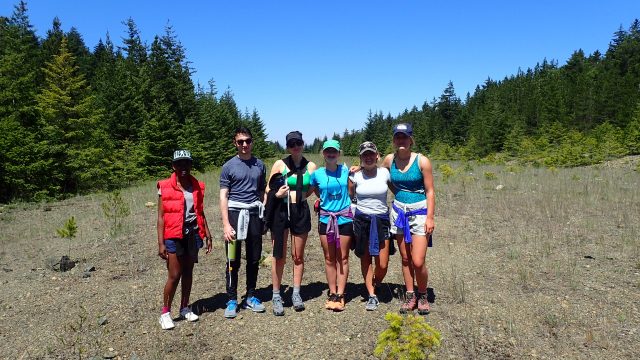
The hikers who made it to the lake (minus the cross country superstar, Peter)
Upon returning we were greeted by a lunch of hummus and pita bread. Some of us took the time to swim and explore the tide pools while others settled in for a nap.
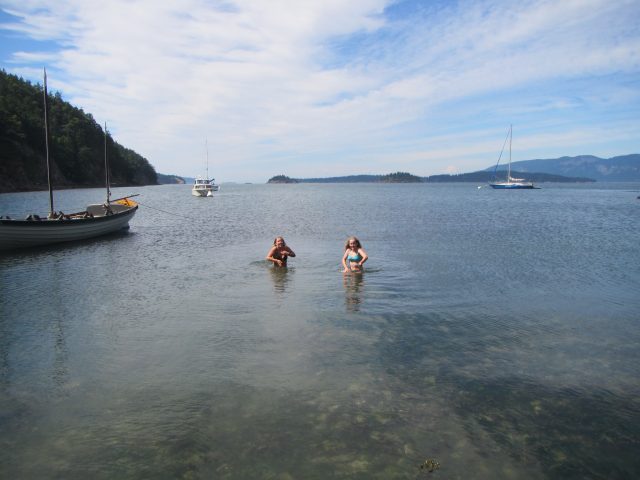
skip and dip!
We ended the day with bean and rice burritos, AGAIN, and turned in for an early evening.
Day 4: A Windy Sail to Saddlebag
In the morning of the fourth day, the boys awoke from a long and troubled night of wind and boat rocking. The flapping boat cover had prevented sleep for all but the most drowsy of them. Upon removal of the boat cover it was revealed to be a cloudy and windy day. As the girls arrived from the tent site it was apparent that they had slept much better.
We all got together on the beach at 6:00. It was soon apparent that everyone was freezing. After slowly loading the longboat it was suggested that we get on our bright neon orange exposure suits. We looked like a small army of orange marshmallows.
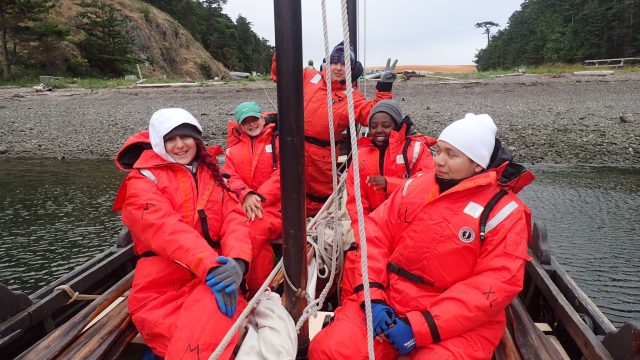
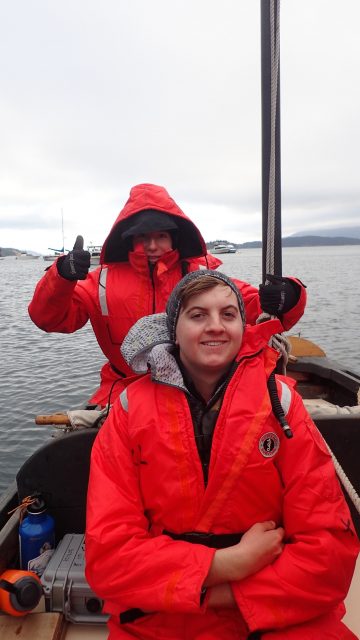
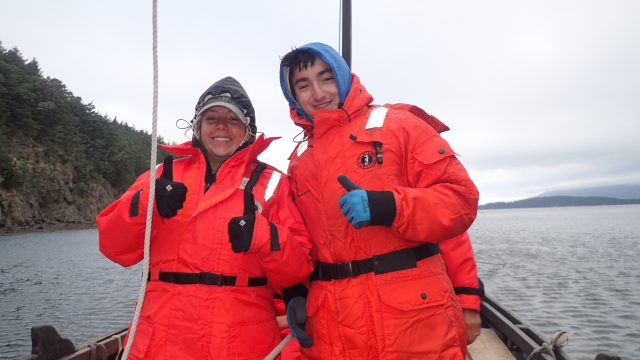
Preparing the sails beforehand, we lifted the anchor and rowed out into Bellingham Channel where we were greeted by a hair raising site, a giant oil tanker heading in our direction. Captain Chrissy got on the walkie-talkie and called up Seattle Traffic to tell them to connect us to the tanker’s captain. We informed him of our location and type of boat, preventing a collision.
After the tanker passed safely in front of us we raised our sails and steered towards the northern tip of Guemes. From there we handed out breakfast: bagels with cream cheese, peanut butter, and/or jelly.
While heading for our next destination, Saddlebag Island, we had to circumnavigate around Jack Island. We then sailed back and forth across Padilla Bay slowly making our way towards Saddlebag. After a brief encounter with a barge towing tugboat, some of the crew took the time to cozy up in their exposure suits for a nap.
Finally we arrived at our destination at around 12:45 PM. We quickly set up camp and took a few hours of free time before dinner.
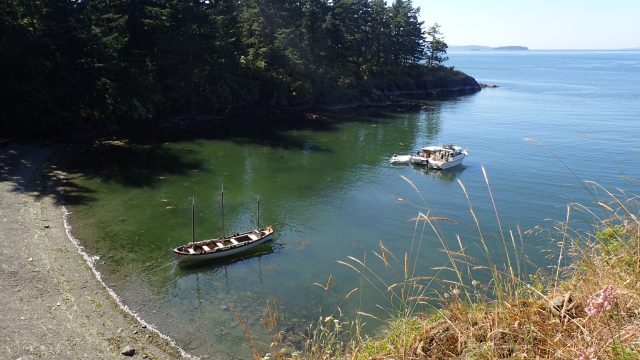
Dinner that night was lentil curry soup which we enjoyed with a side of sailor boy crackers. We then played a friendly round of The Malorie Family Fun game, a combination of charades and a talking guessing game and went to bed for our final night of the voyage.
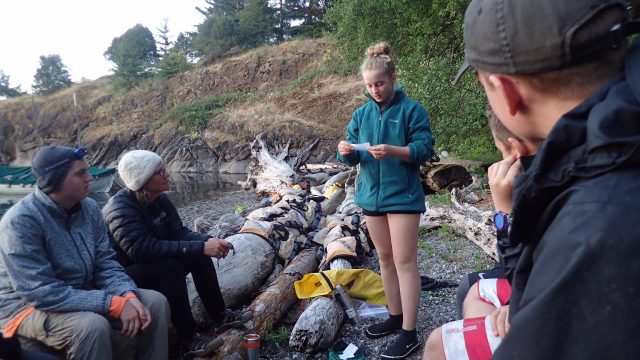
Day 5:
At the disagreeable hour of 5:30 in the morning, our alarms went off and we reluctantly opened our groggy eyes. The day had finally arrived. It was time to begin our journey back to the marina, where our adventure had begun five days before.
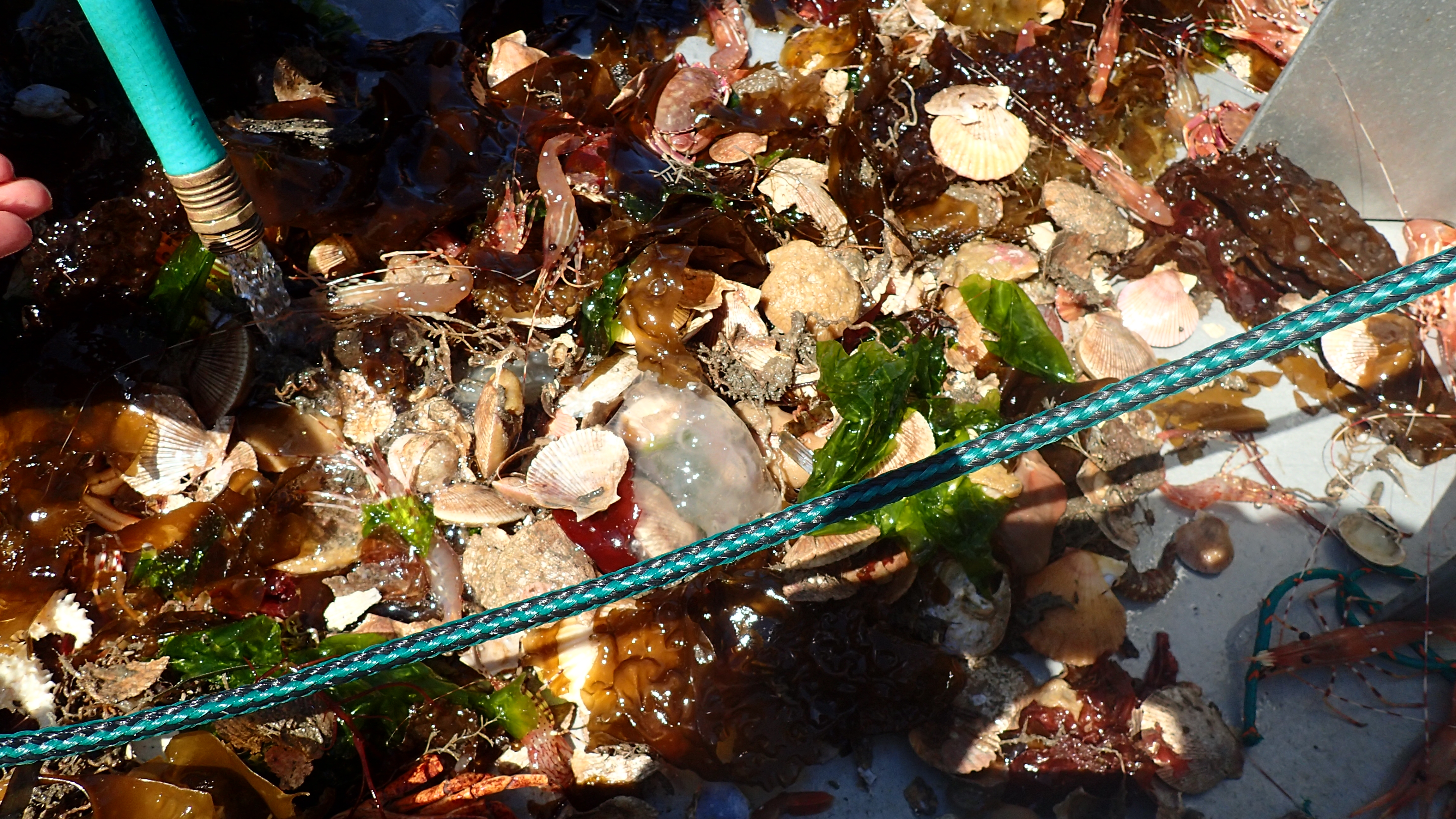
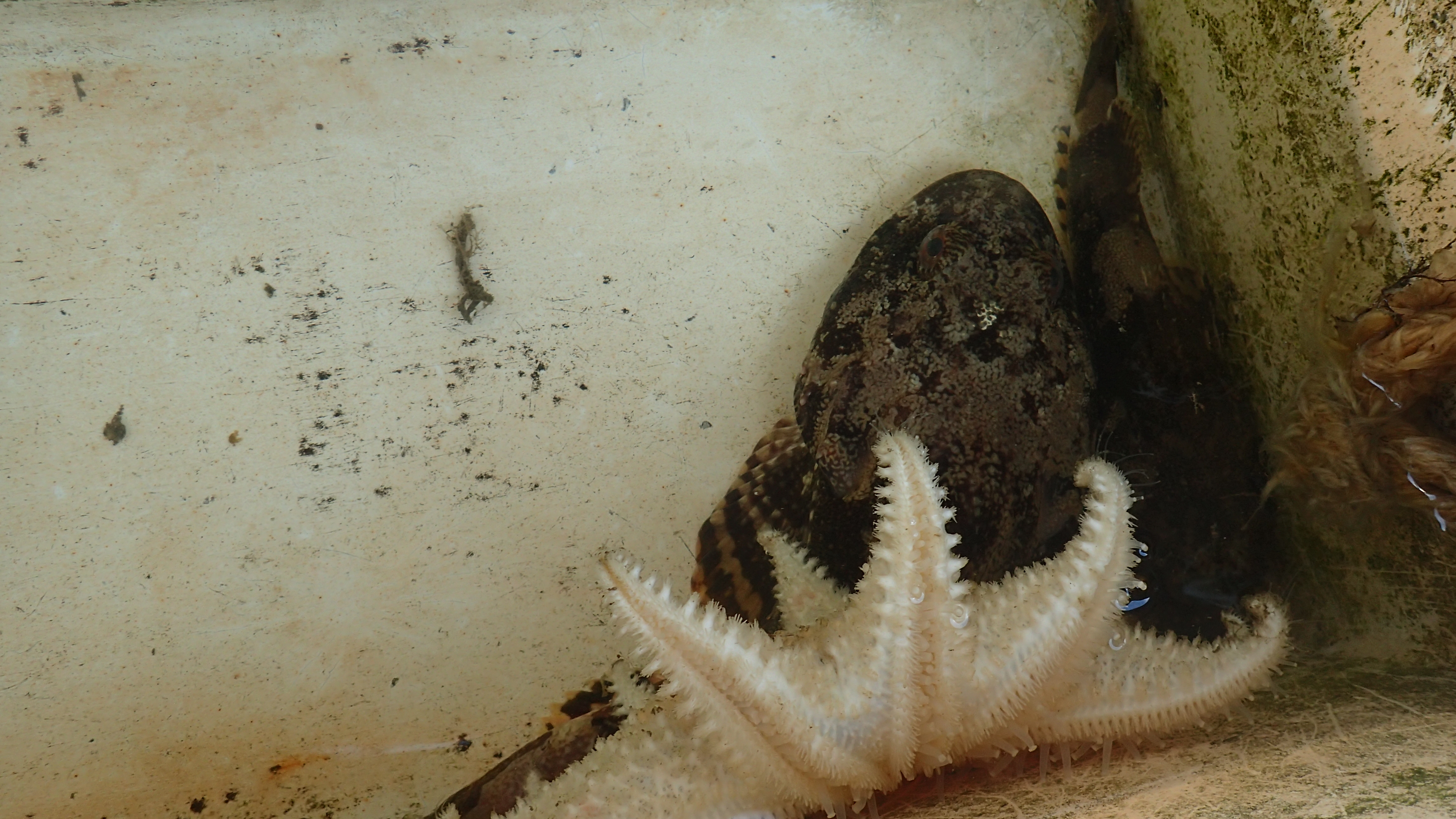
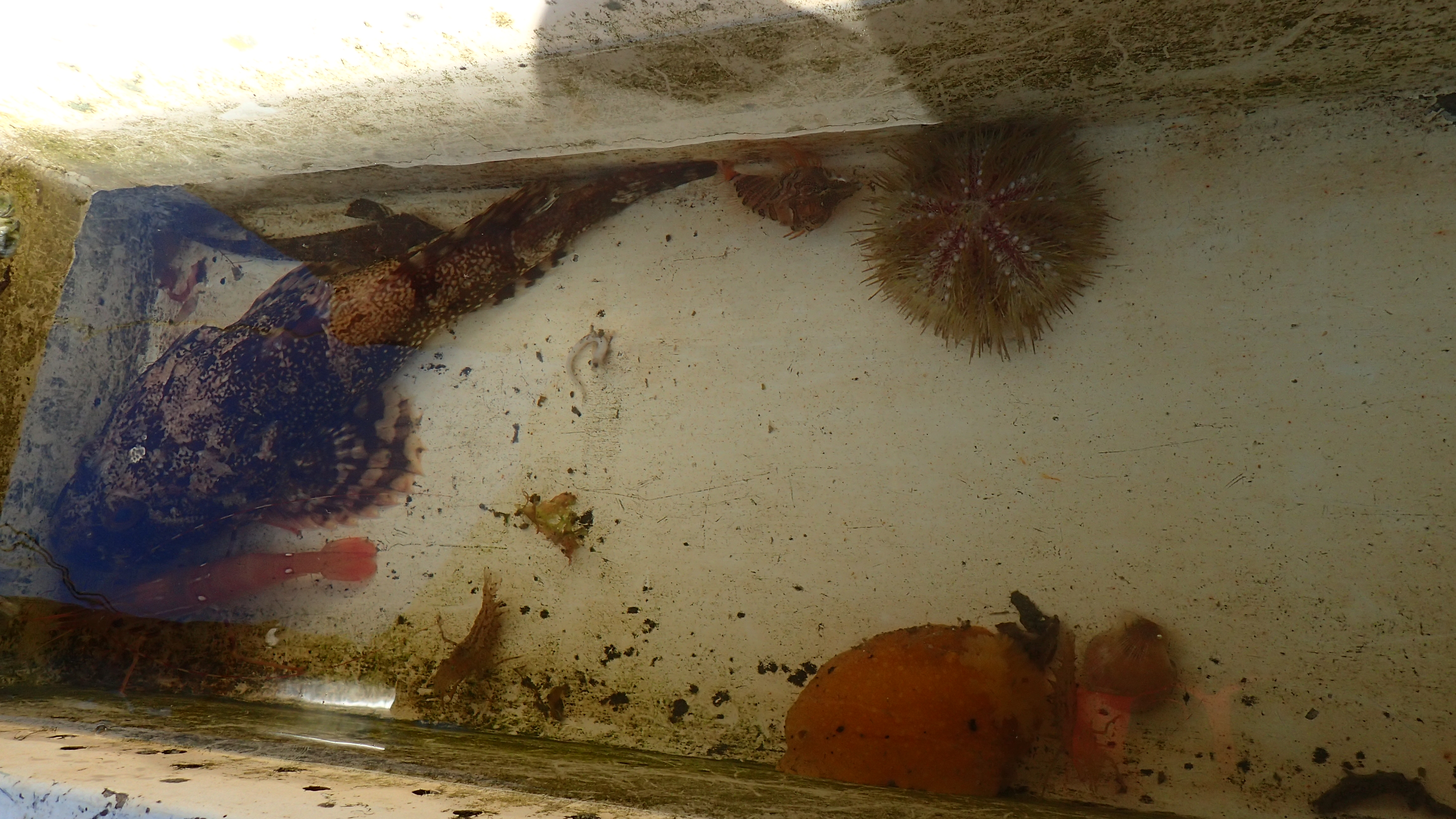
After packing the rest of our supplies, we were on our way for the last time. Before we got going, Captain Sonia and Chrissy gave up a list of challenges to complete before reaching the marina. These challenges included: compiling a comprehensive list of all the marine life we had seen, doing a 360 degree turn in the boat, setting and furling the mizzen sail, singing a sea shanty, doing 20 power strokes, performing a man overboard drill, a moment of silence, and tying a round turn and two half hitches, all with little help from our captains.
The first leg of our journey took us from Saddlebag Island to Southeast Point, right before Guemes Channel. We knew that we would not be able to take any breaks once we were into the channel, so we had some snack breaks to gather our energy and prepare us for the hardest part of the day.
As we continued to Anacortes, the wind and the current pushed against us, but our rowers worked hard to keep us moving steadily towards our destination. Throughout the trip, moral was maintained by singing upbeat sea shanties.
Right before entering the marina, we took a moment to gather our thoughts and appreciate the events of the last four days. When we pulled into the marina dock, we all sat together to reminisce over our favorite memories of the trip and what we wanted to take away from this experience.

Although we had arrived at the dock, our work was not yet finished. We still had to clean up all of our supplies, as well as our beloved boat, the Townshend. Everyone split into three groups to take on our tasks. The boat crew completely emptied the boat and gave her a thorough wash. The “dip and dry” crew rinsed our gear with water and bleach and hung it on a clothesline to dry. The galley crew washed all our dishes with warm water and soap. After completing our individual chores, we all worked together to repack the boat in order to get it ready for the next voyage. Once all of this was done, we could finally rest and eat lunch of all the leftovers from the trip, our “roadkill” as Captain Soso said. Finally, Tim showed up with the van to take us back to the ferry and bring our adventure to an end.

It was a long journey with many different challenges we had to overcome, and through it all, we learned a lot about ourselves and how well we worked together. On this trip, we shared a lot of memories and experiences that we will remember for many years.