By Ben, Sonja, and Parker-
On the second full day, we arose from our chambers to a brisk summer morning. We then came into the kitchen to have a delicious meal of various cereals, fruits, and other breakfast options.
After finishing breakfast we took a quick walk to the Whale Museum where we were given a lecture about the local orca population.
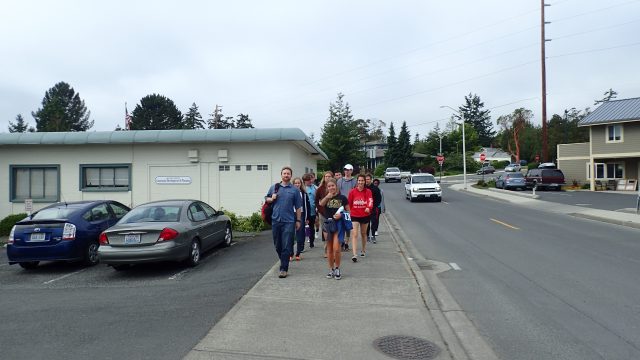
Walking to the Whale Museum
During this lecture we listened to a conversation between a family of Southern Resident Killer Whales named Oreo, Double Stuff, and Cookie. We could hear the various clicks and other sounds that they used to communicate with each other. Unfortunately, these orcas face many threats to their already endangered population, such as noise pollution caused by humans, decreasing prey populations (specifically Chinook salmon), and the accumulation of toxins in predators on top of the food chain. After the lecture, we moved up to the different exhibits in the museum and were given a scavenger hunt to “dive deeper” into the fascinating lives and behaviors of these amazing marine mammals.
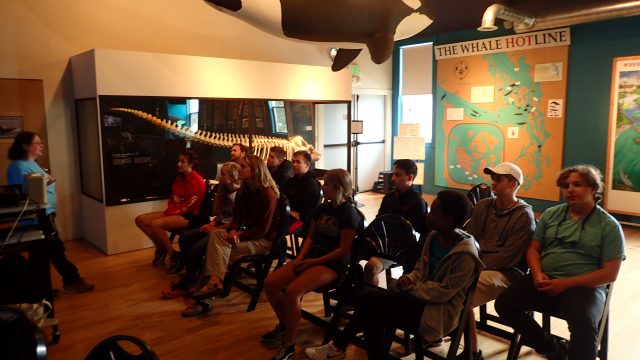
Listening to a lecture on orcas
If you are wondering how you can help support orca populations worldwide, it can start with simple things such as picking up trash and limiting electricity use, along with many other solutions. For more information, please visit the link above to the Whale Museum website.
After leaving the museum, in small groups, we explored Friday Harbor through a photo safari, during which we searched for areas depicted in historical photographs. Attempting to recreate the photo in the modern era, to examine the transformation in the people, landscape, and culture of the island.

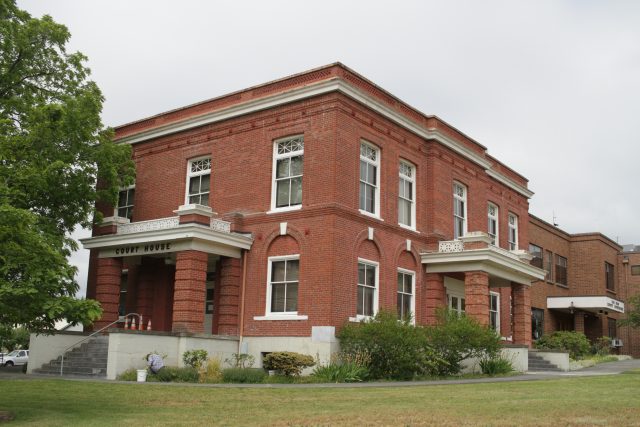
Photographer: Peter
After a lunch of sandwiches, we prepared for our longboat voyage starting on Wednesday, June 28th.
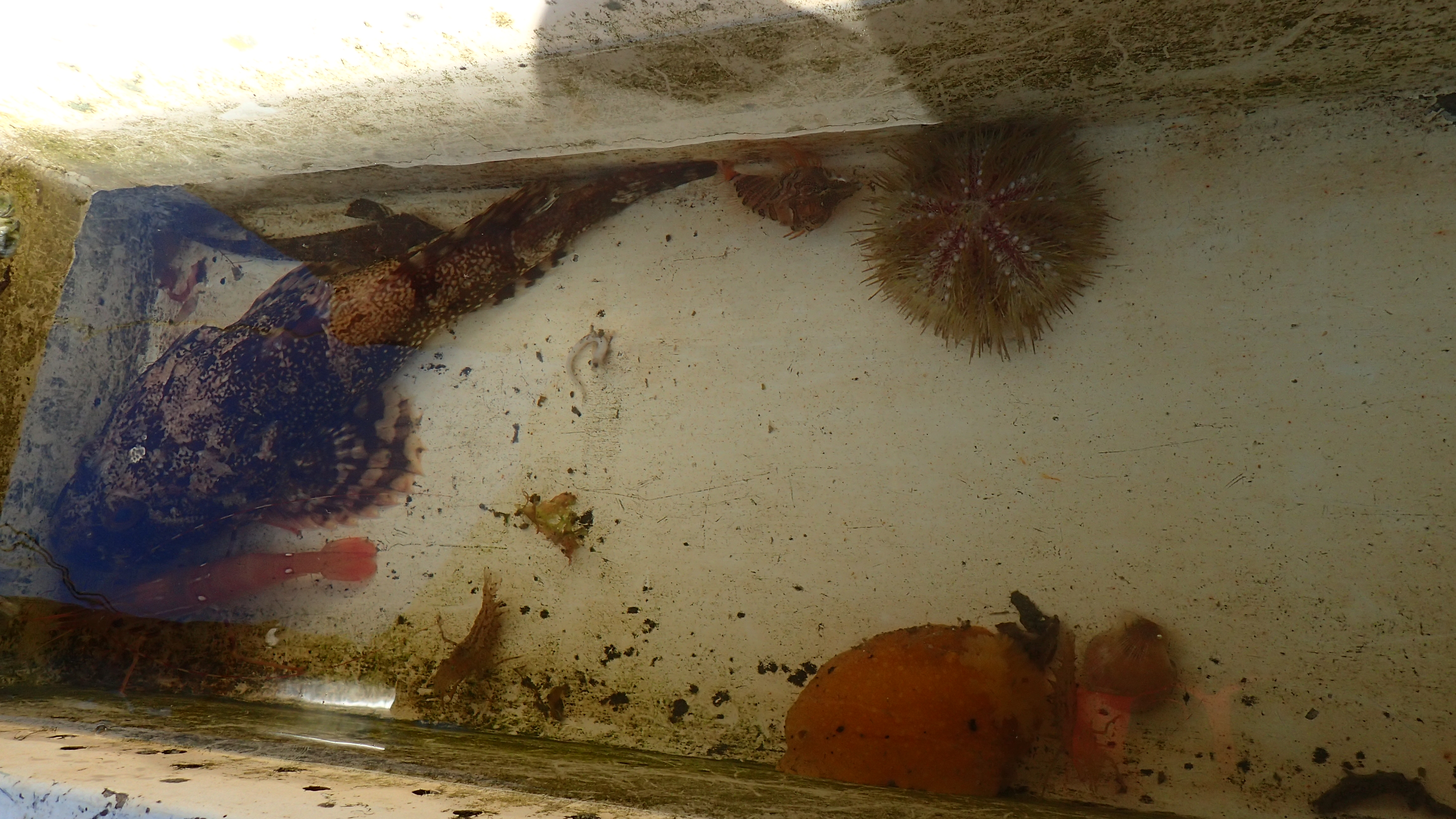
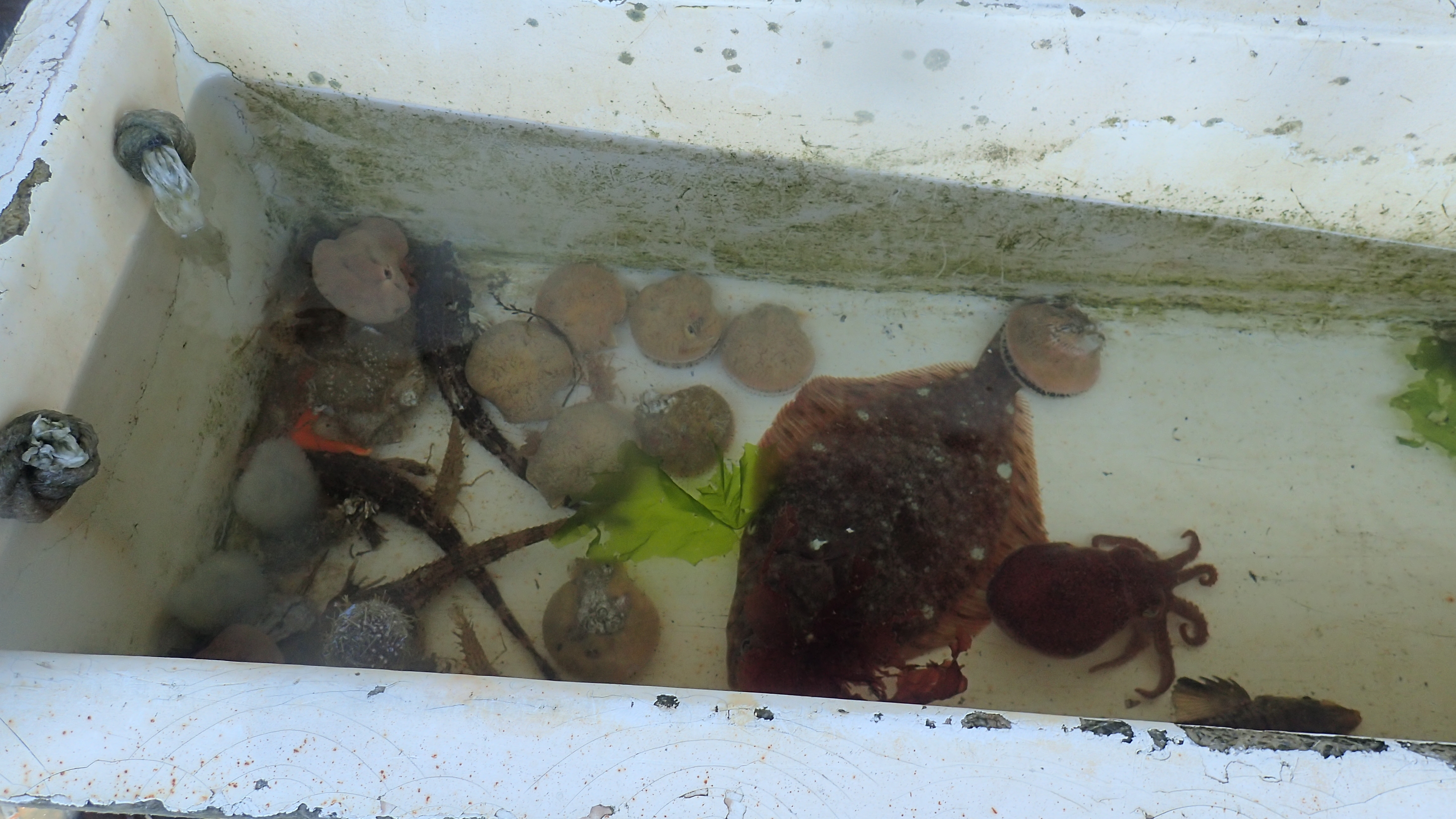
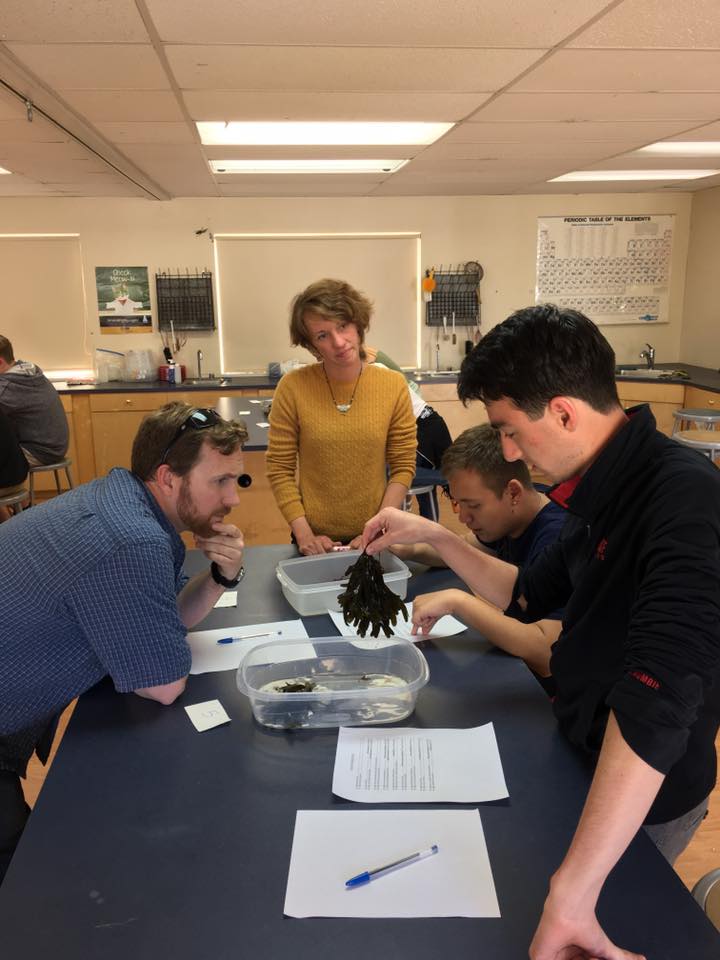
We then traveled to the Spring Street International School labs where we received a lecture on algae by Dr. Rebecca Guenther, manager of the Ocean Acidification Environmental Laboratory in Friday Harbor.
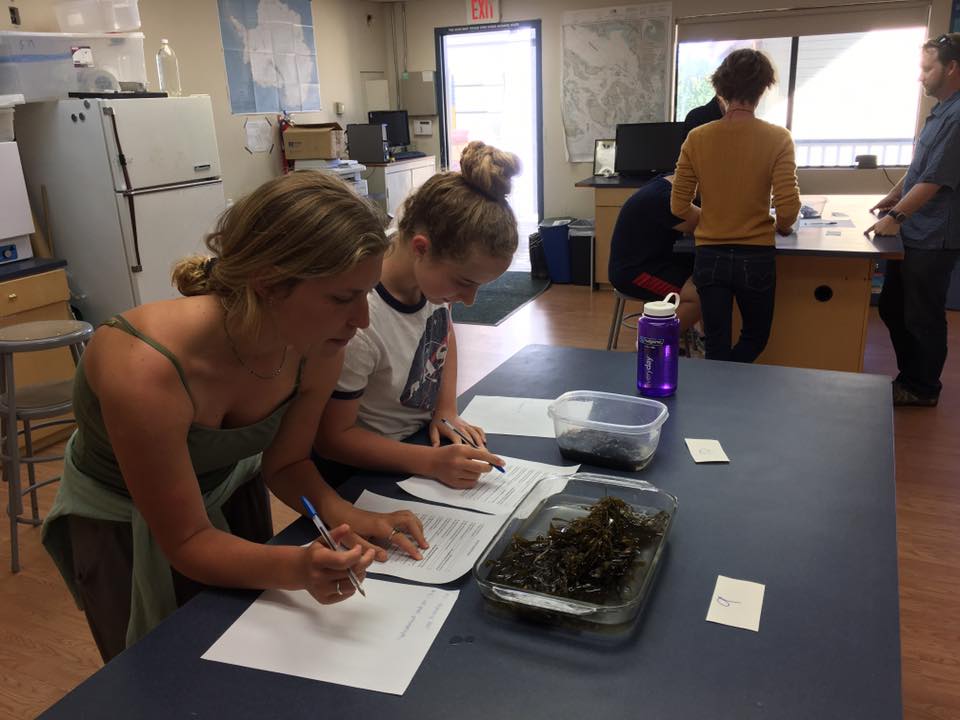
We learned the major characteristics of algae and how to identify them with a dichotomous key.
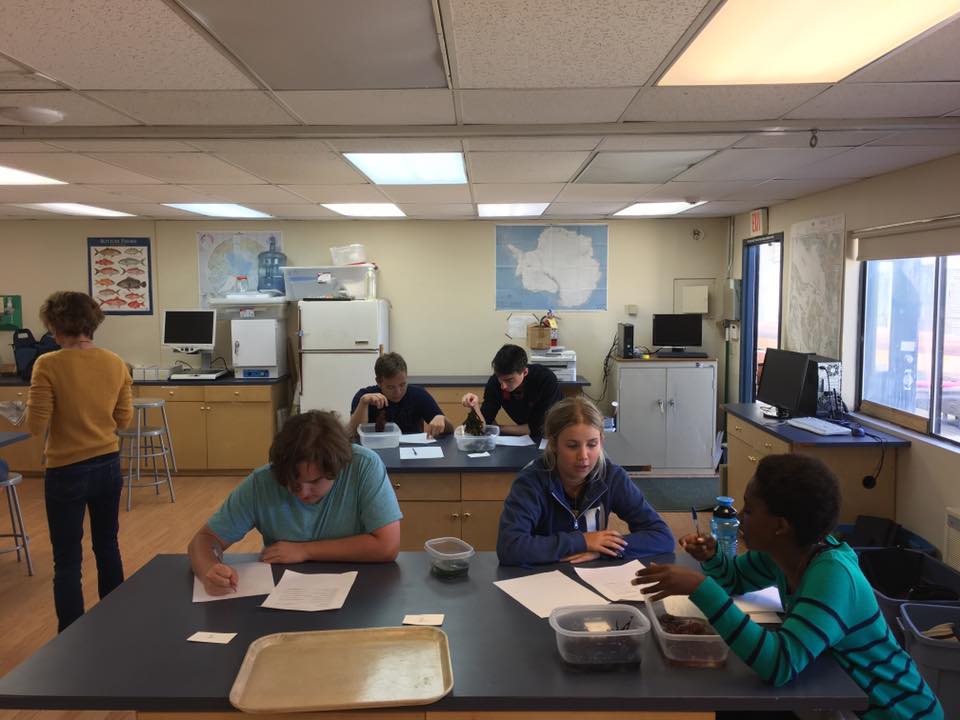
There are thousands of species of algae, but are divided into three main groups: green, brown, and red algae.
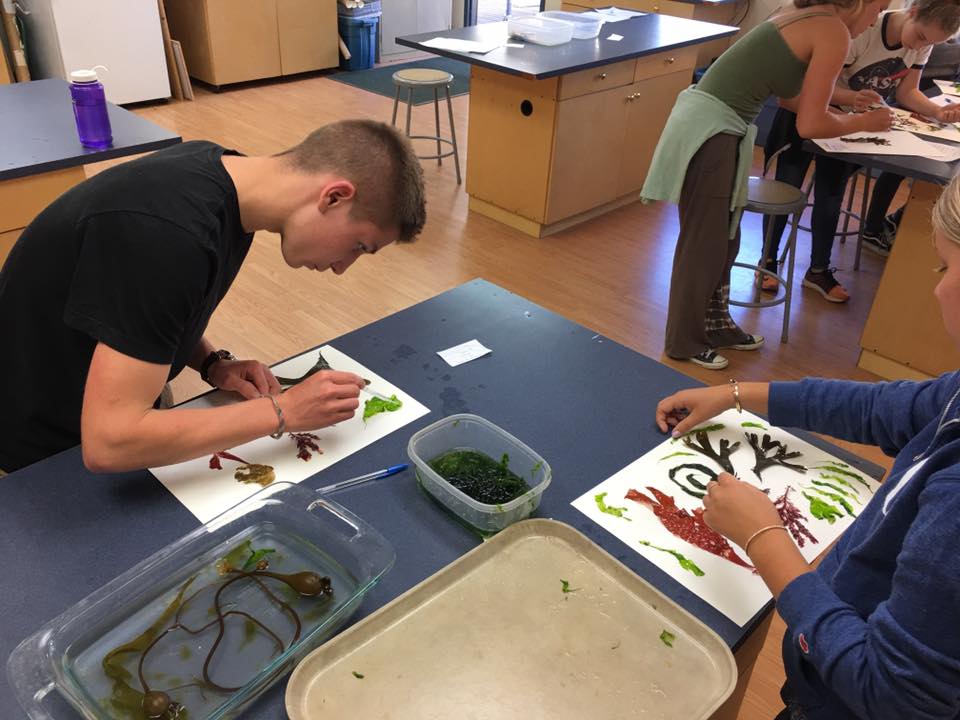
Later, we created plant presses of algae specimens which will be dried and completed by the time we return from our longboat voyage.
Dr. Guenther then joined us for a scrumptious pizza dinner with flavorful toppings such as potatoes, artichokes, and different types of cheese.
Now we will finish our preparations for the long-boat journey and prepare ourselves to wake up early and catch our ferry to Anacortes!