The birds and the bees

By: Sara, Jaimie, Arielle, Jake—

This morning, we woke up at 7:30 and ate our breakfast before returning to False Bay to collect more earwigs for our final projects that we will present on Thursday.

Once we returned to the dorm, we had time to work on our projects. Some of us were working on graphs and background information, while others were running some trials with the earwigs we collected earlier. After working on our projects for about 1 ½ hours, we had lunch.
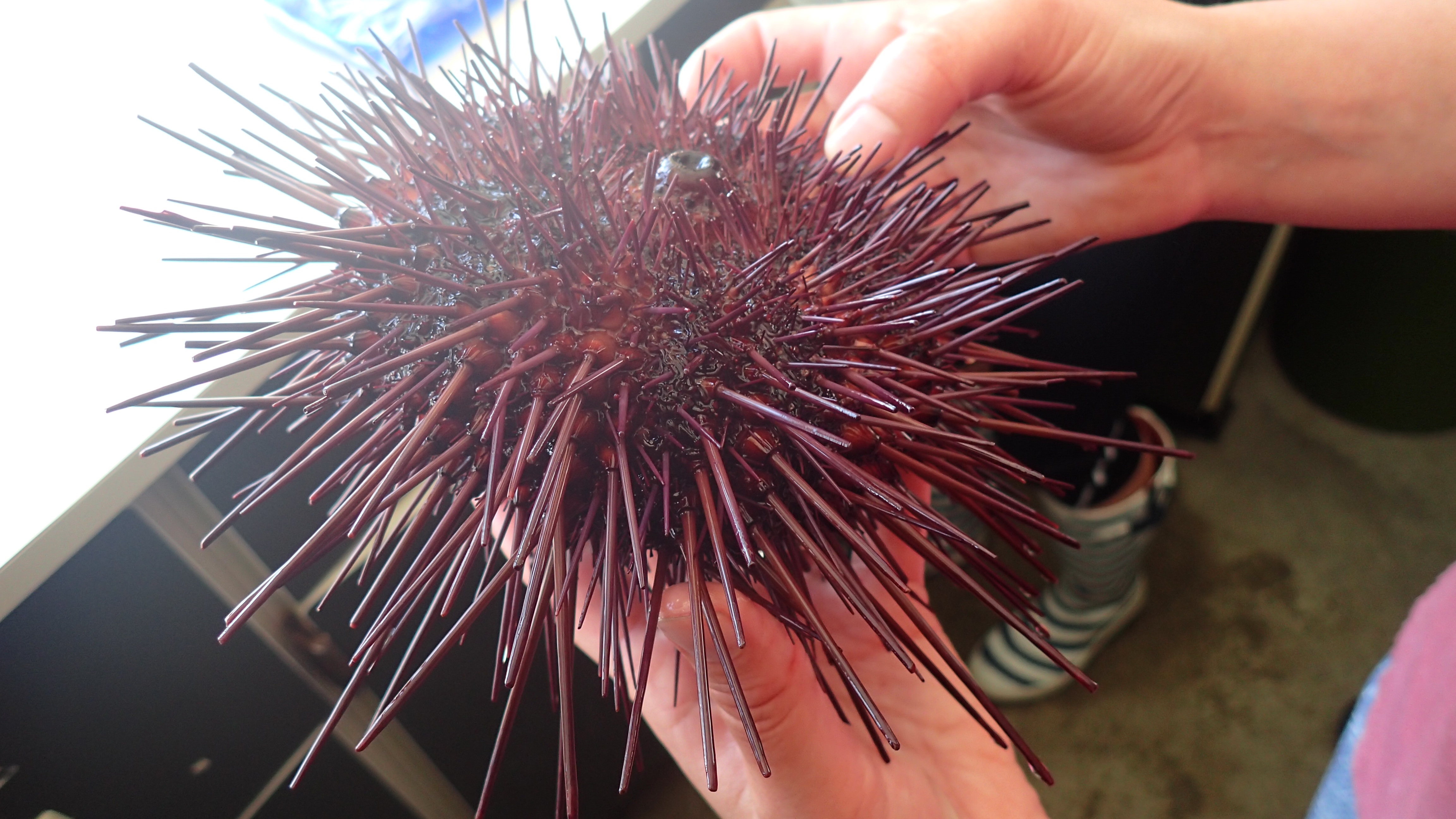
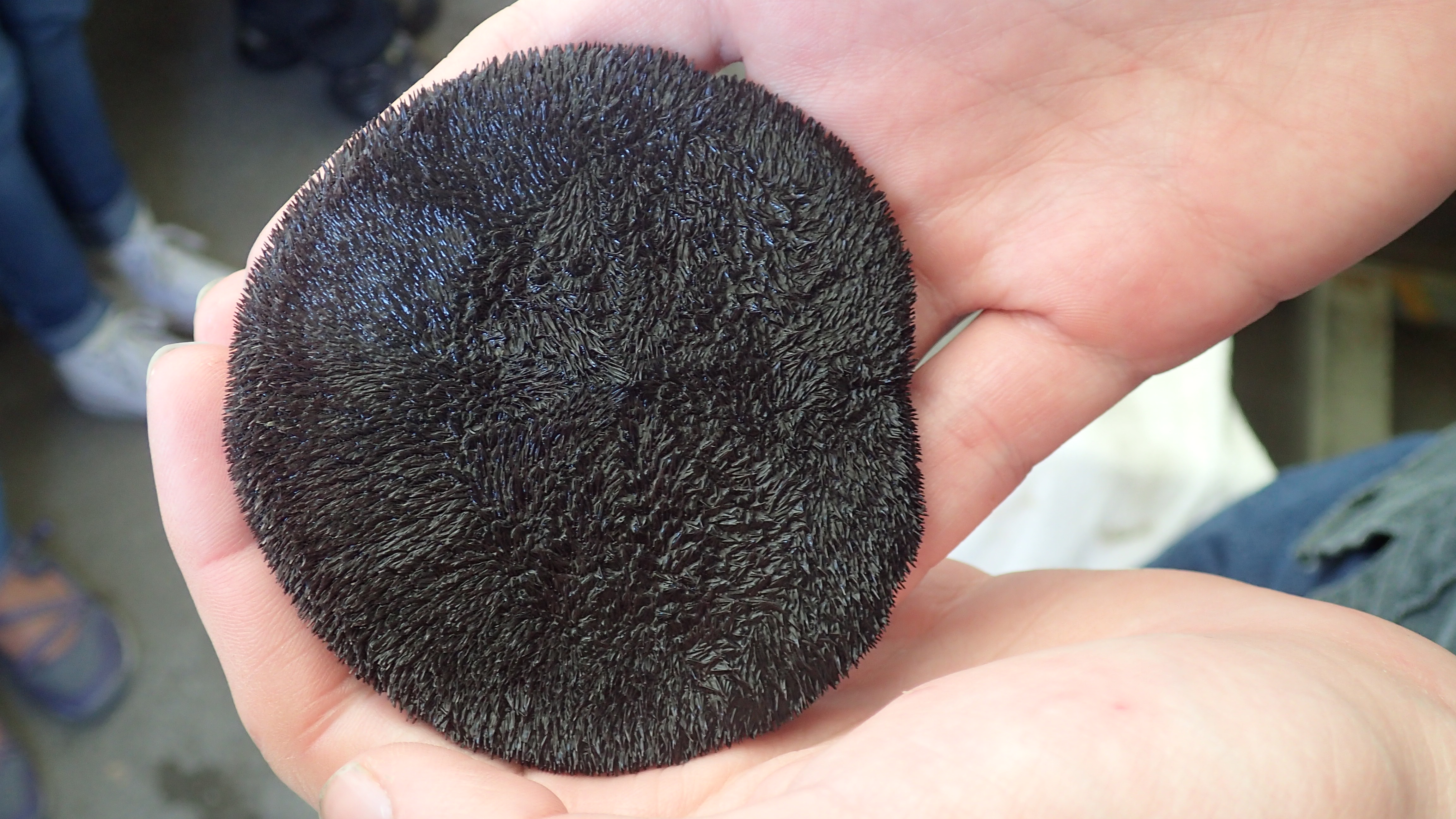
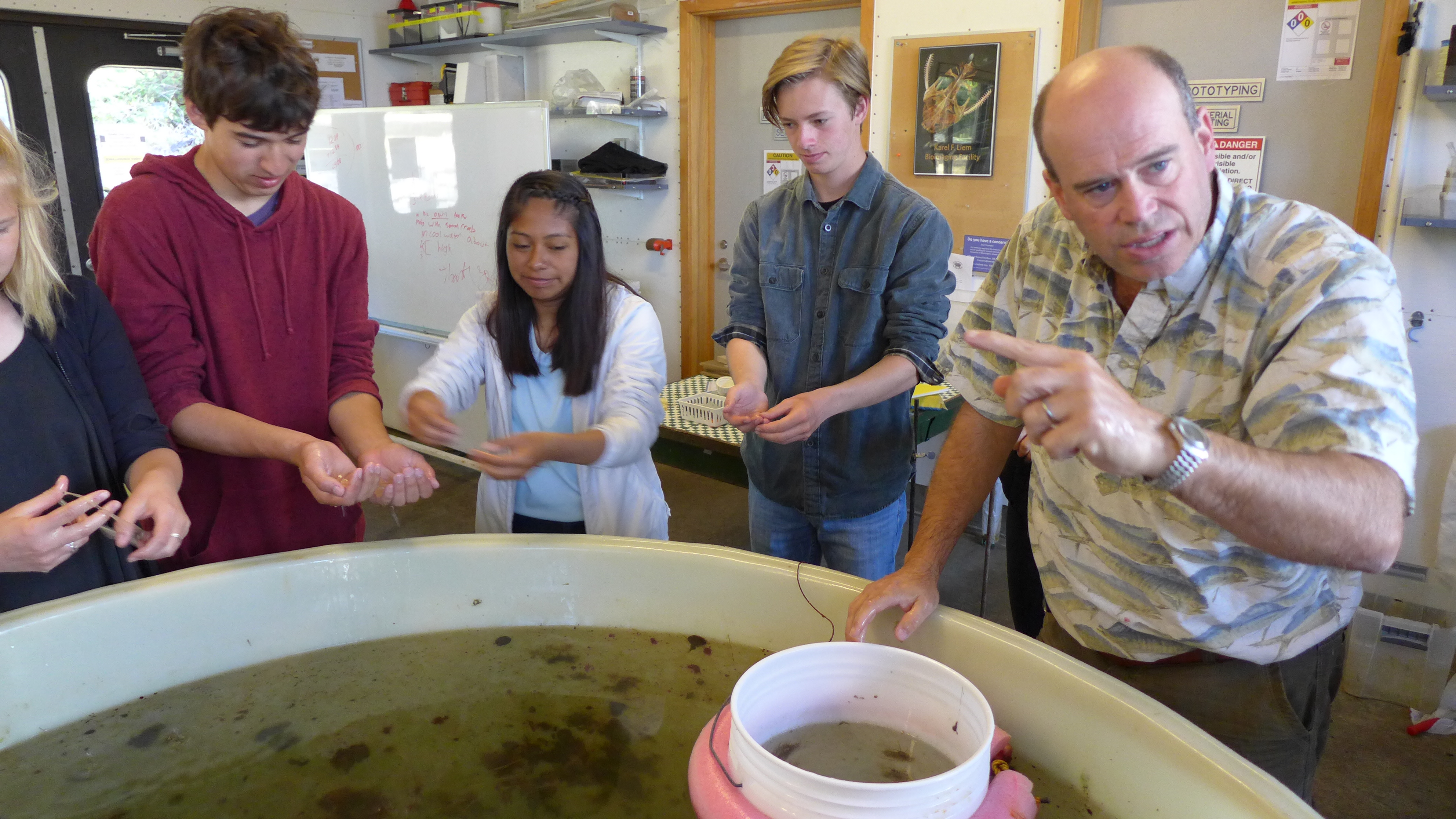
After lunch, we departed for the Friday Harbor Labs where we learned about sea urchin and sand dollar fertilization.  Dr. Colette Feehan is an expert on larvae feeding habits and their effect on ocean ecology. Today, Colette and Friday Harbor Laboratories ‘Young Investigator Prize’ winner Beatrice Grauman-Boss were embarking on a new study to learn more about larval predation.

We induced the sea urchins to spawn.
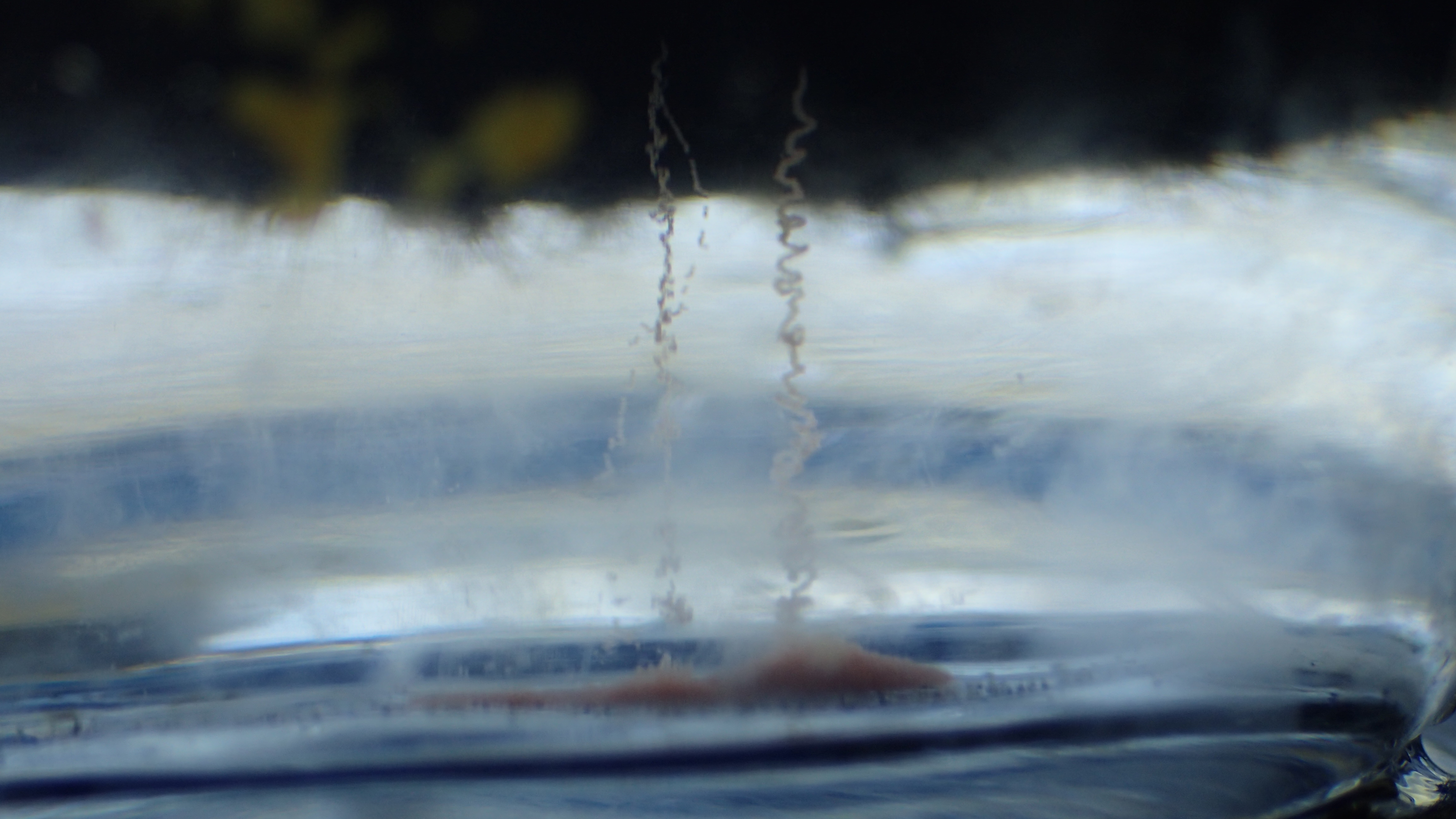
The urchins were not cooperating, it is past their season, so instead, sand dollars were used in their place.
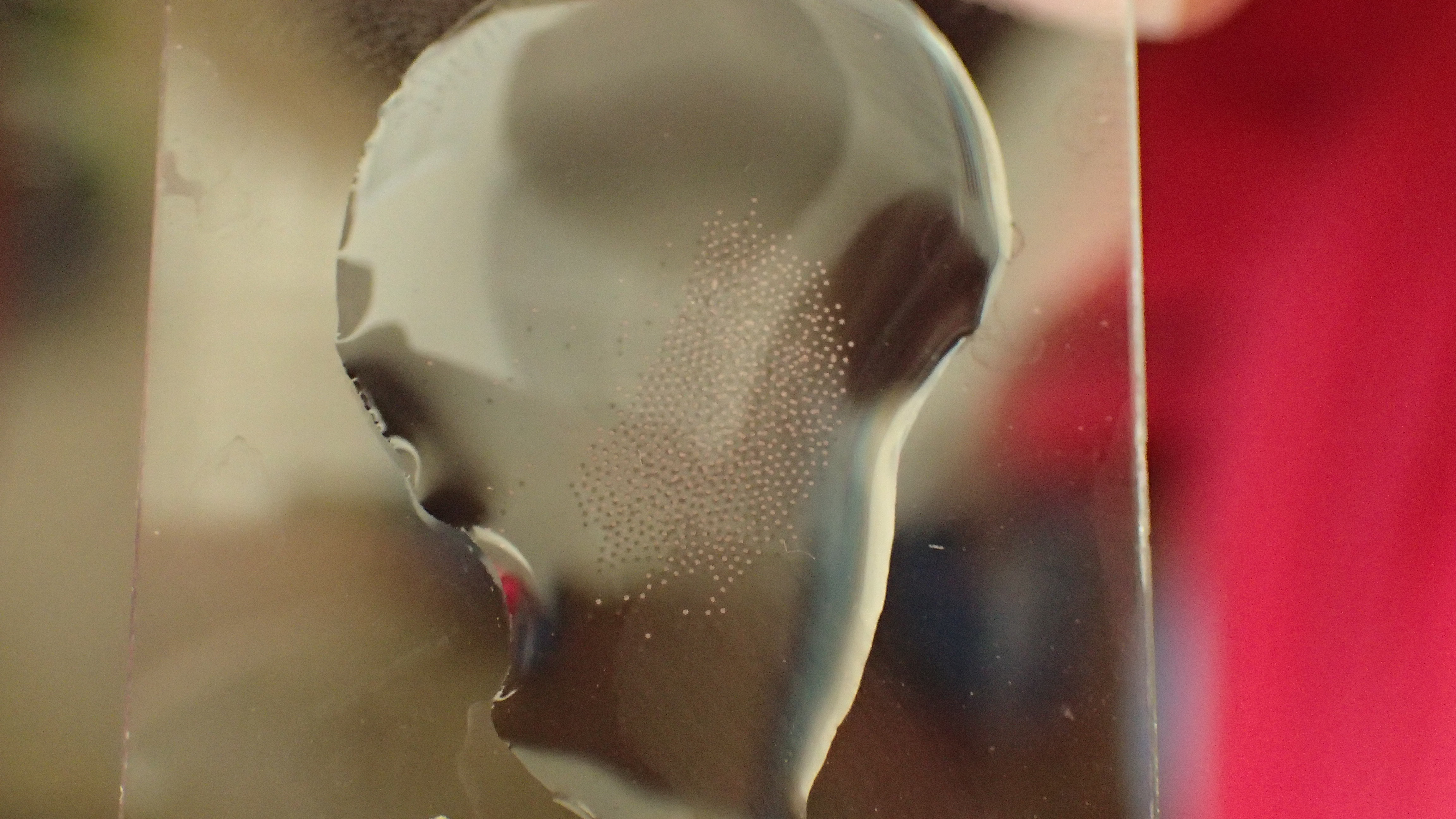
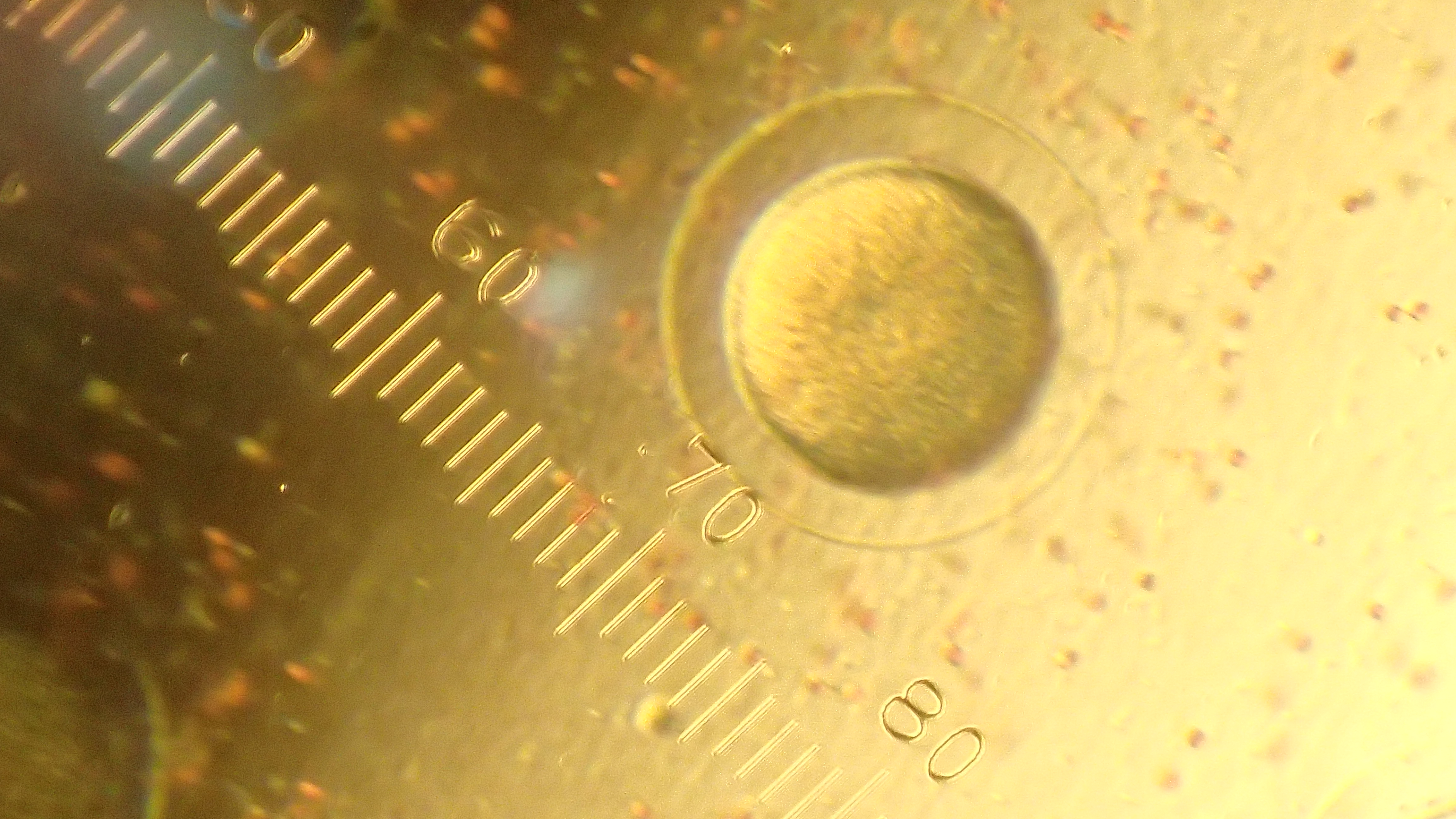
We then placed some eggs and sperm on slides and looked at them under a microscope.
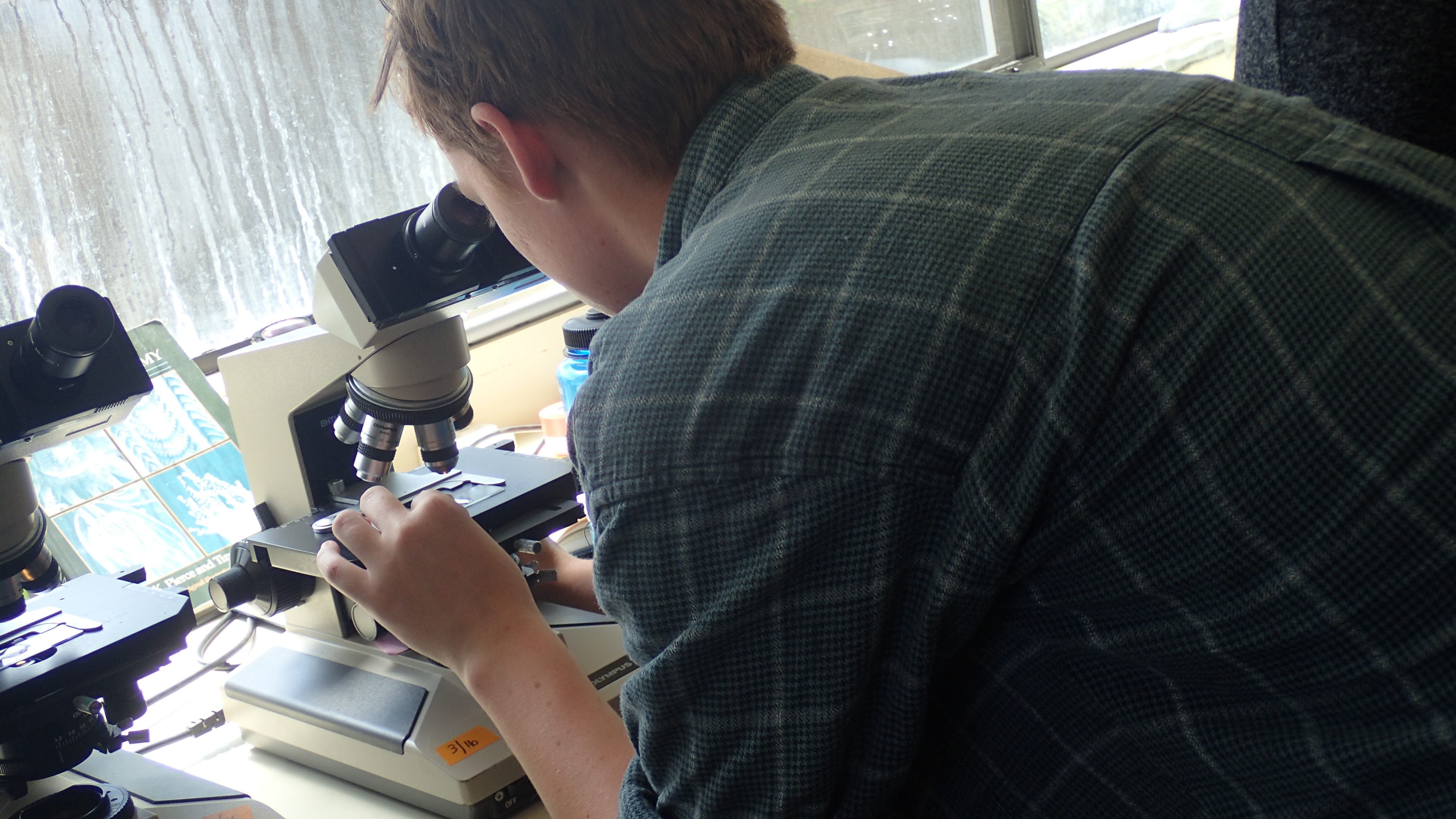
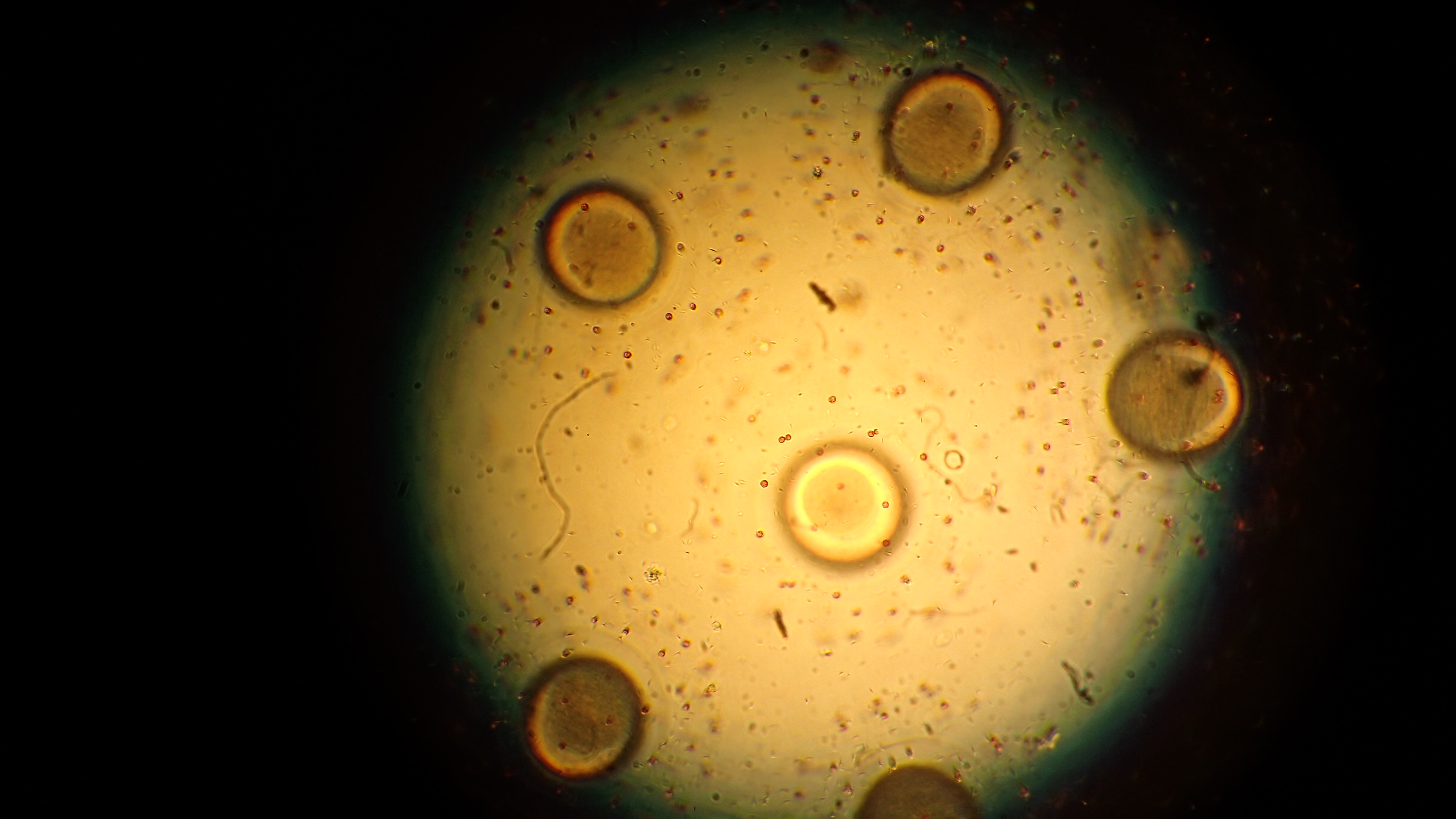
After we all got a chance to look at the microscopes, we walked over to where we had been keeping our invertebrates that we had collected while trawling.
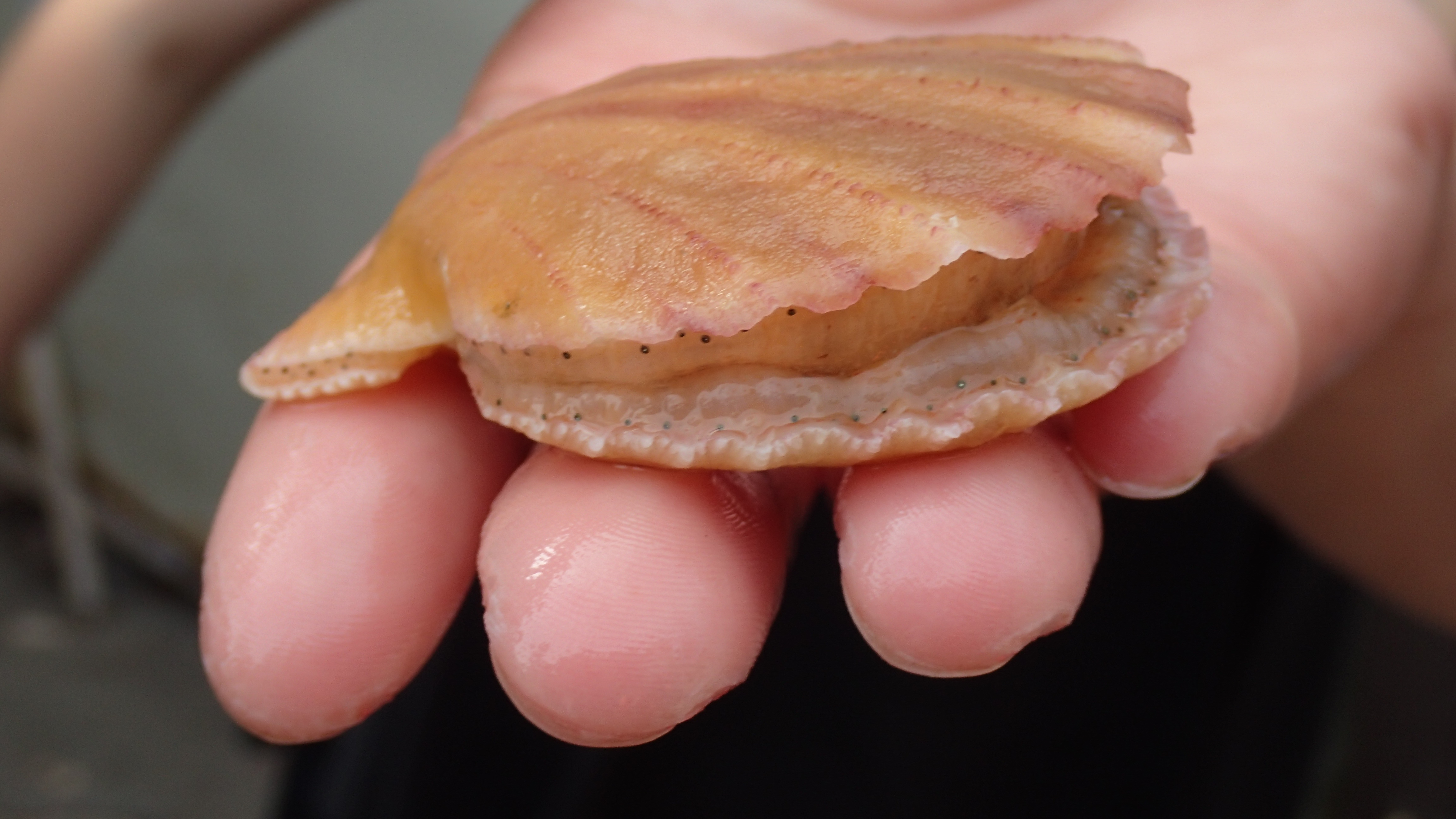
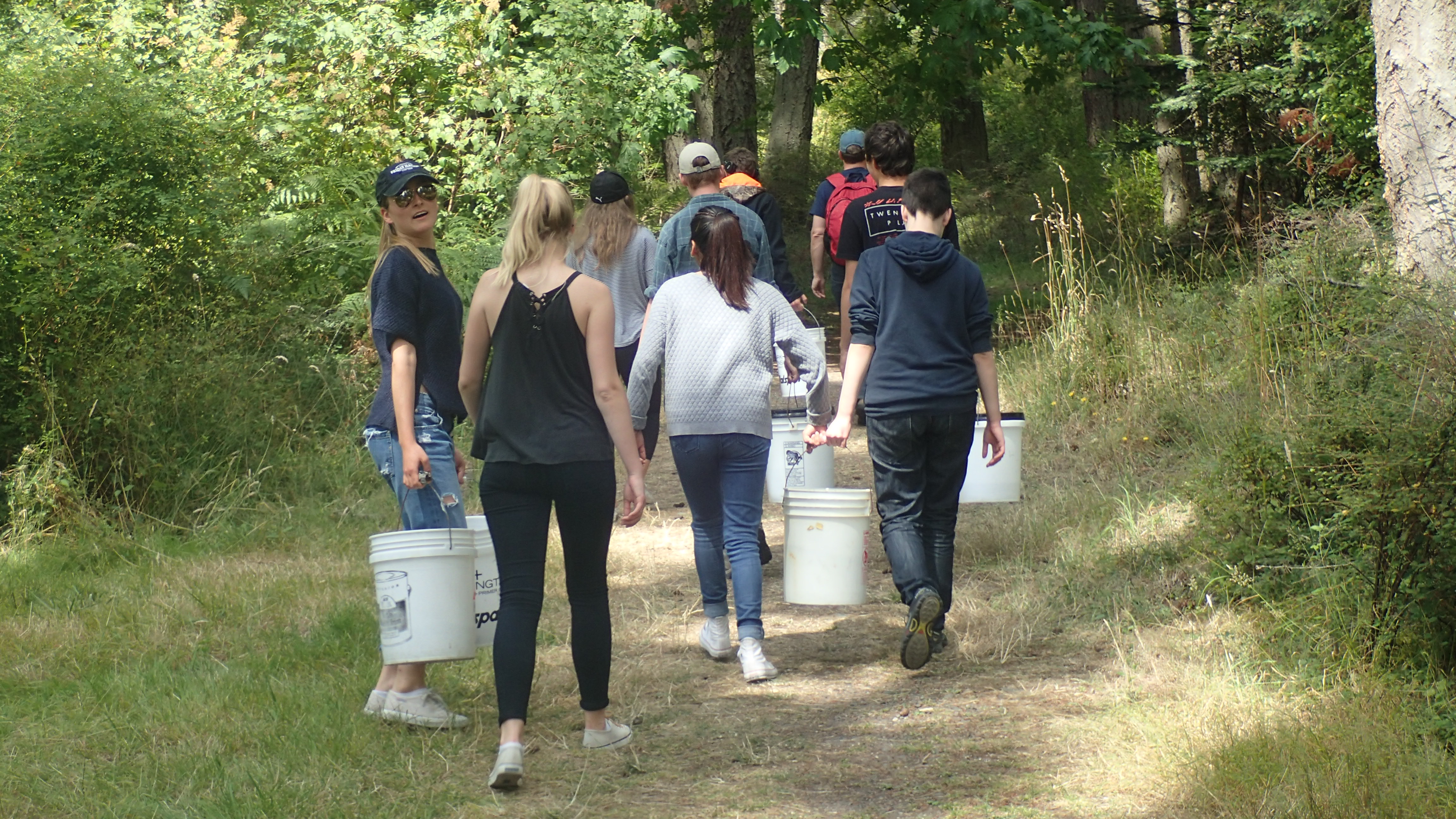
They spent the last several weeks in a wet lab where we could use them to draw or study them. It was time to send them home. We collected our invertebrates and went on a 20 minute hike to a beach near the FH Labs where we released them.
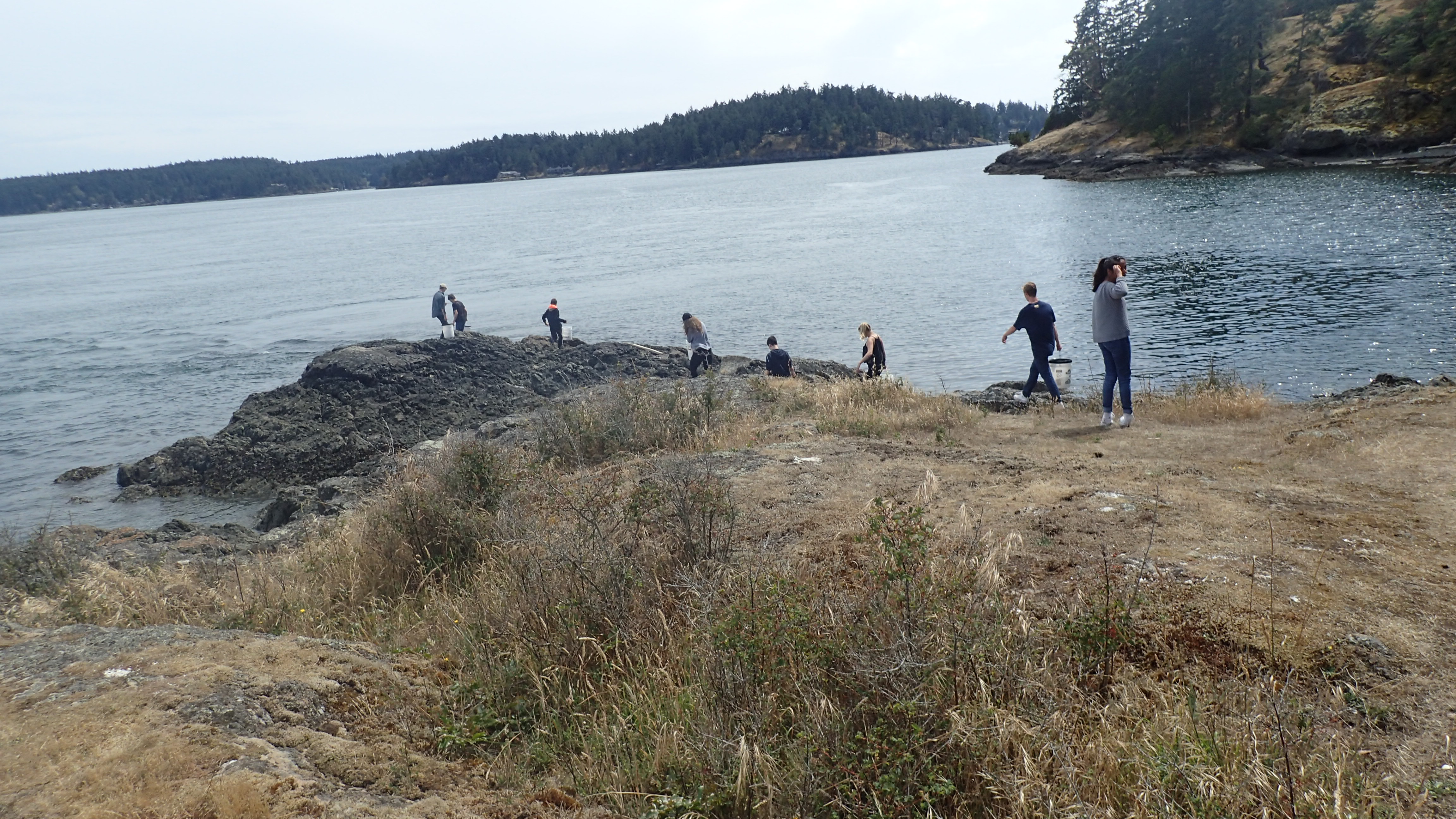
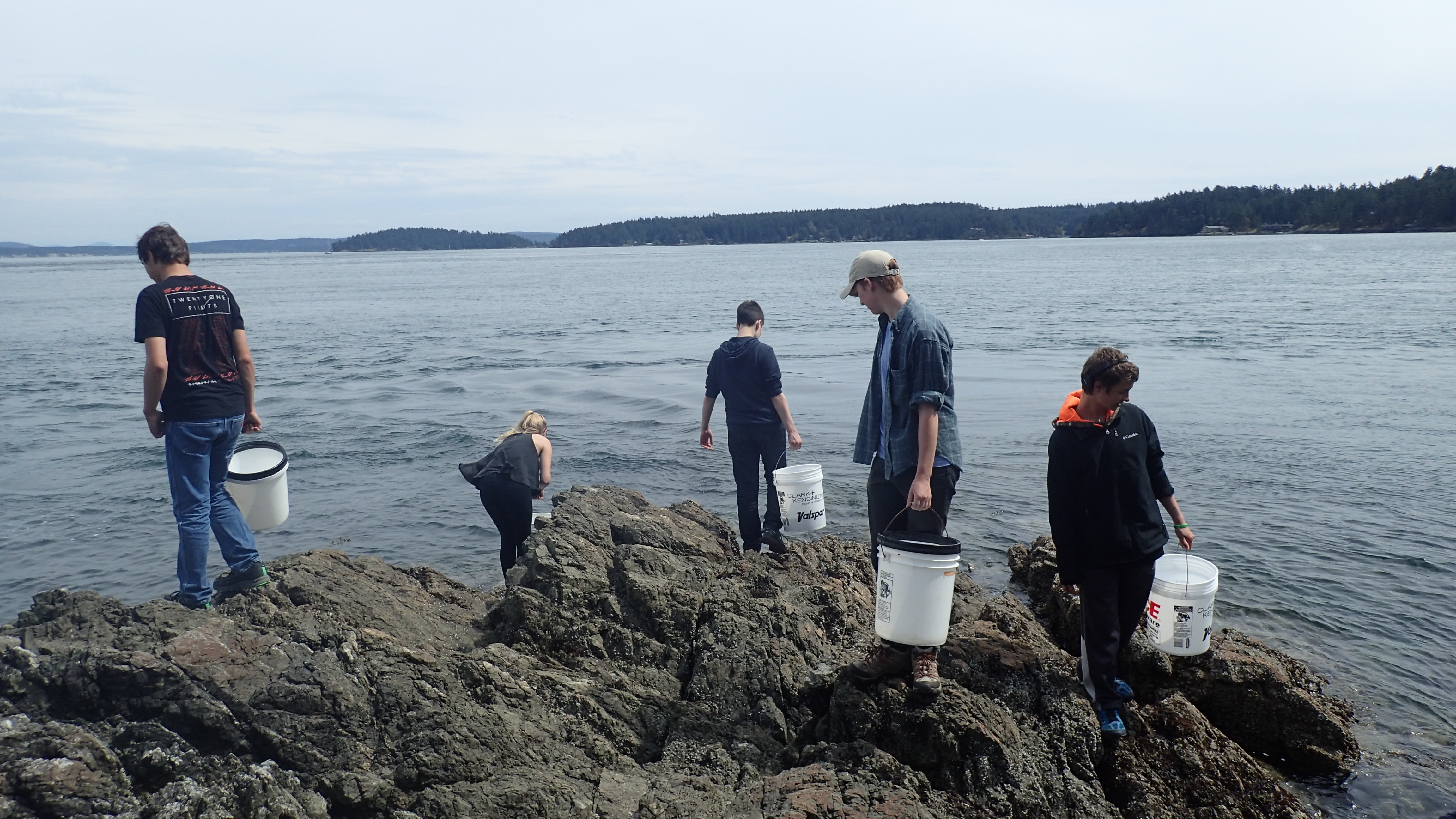
Upon releasing the invertebrates, we kept hiking for another 15 minutes and took time to watch the orca whales passing by the beach.

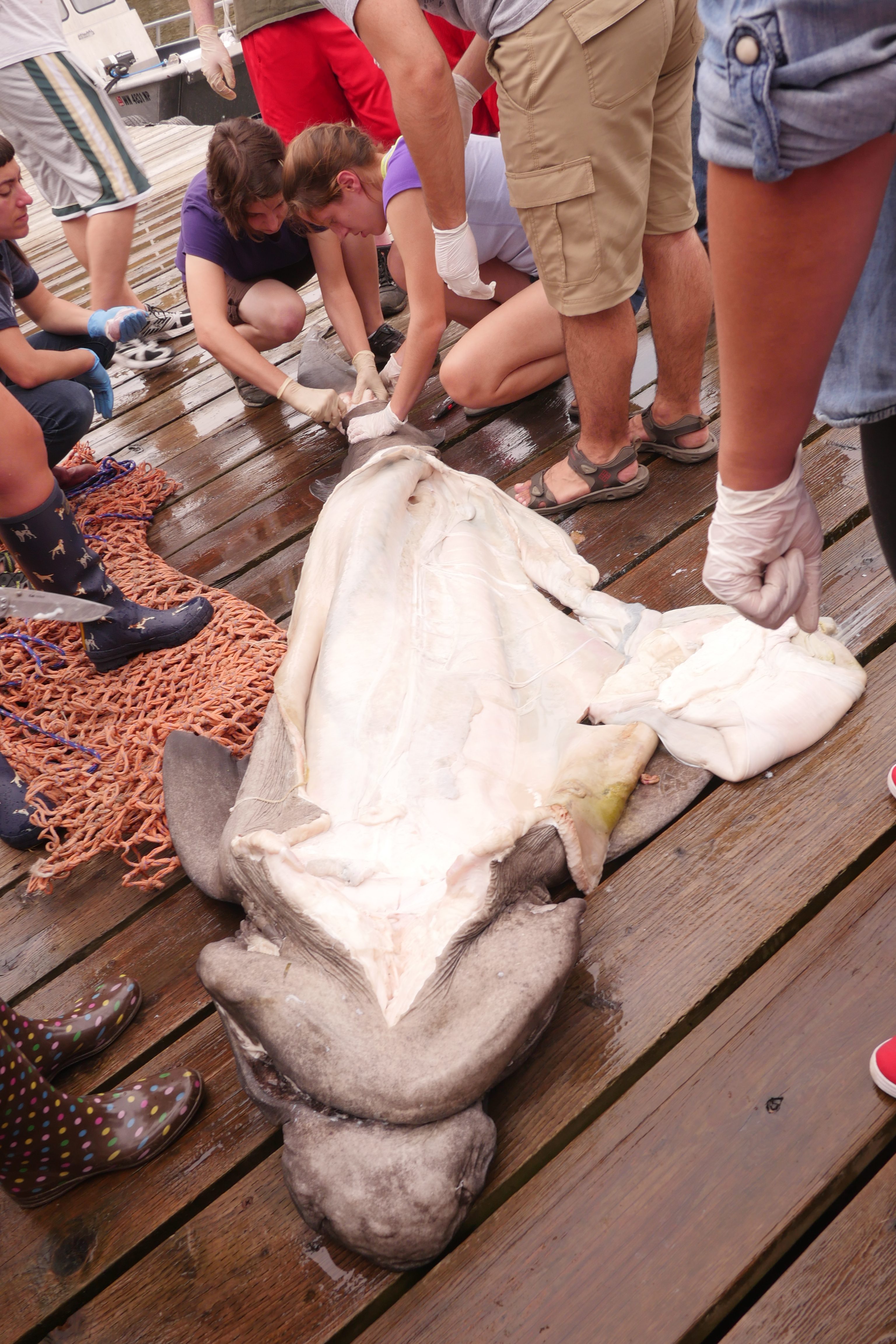
Soon it was time for the shark necropsy! Last Monday, an 8-foot 6 gill shark washed up on the beach, and Adam Summers’ class will be studying the shark’s morphology.We were lucky to be invited to observe the necropsy too. A few of us were even able to feel the liver of the shark!
P6330698 seth

Photos by Seth Grant

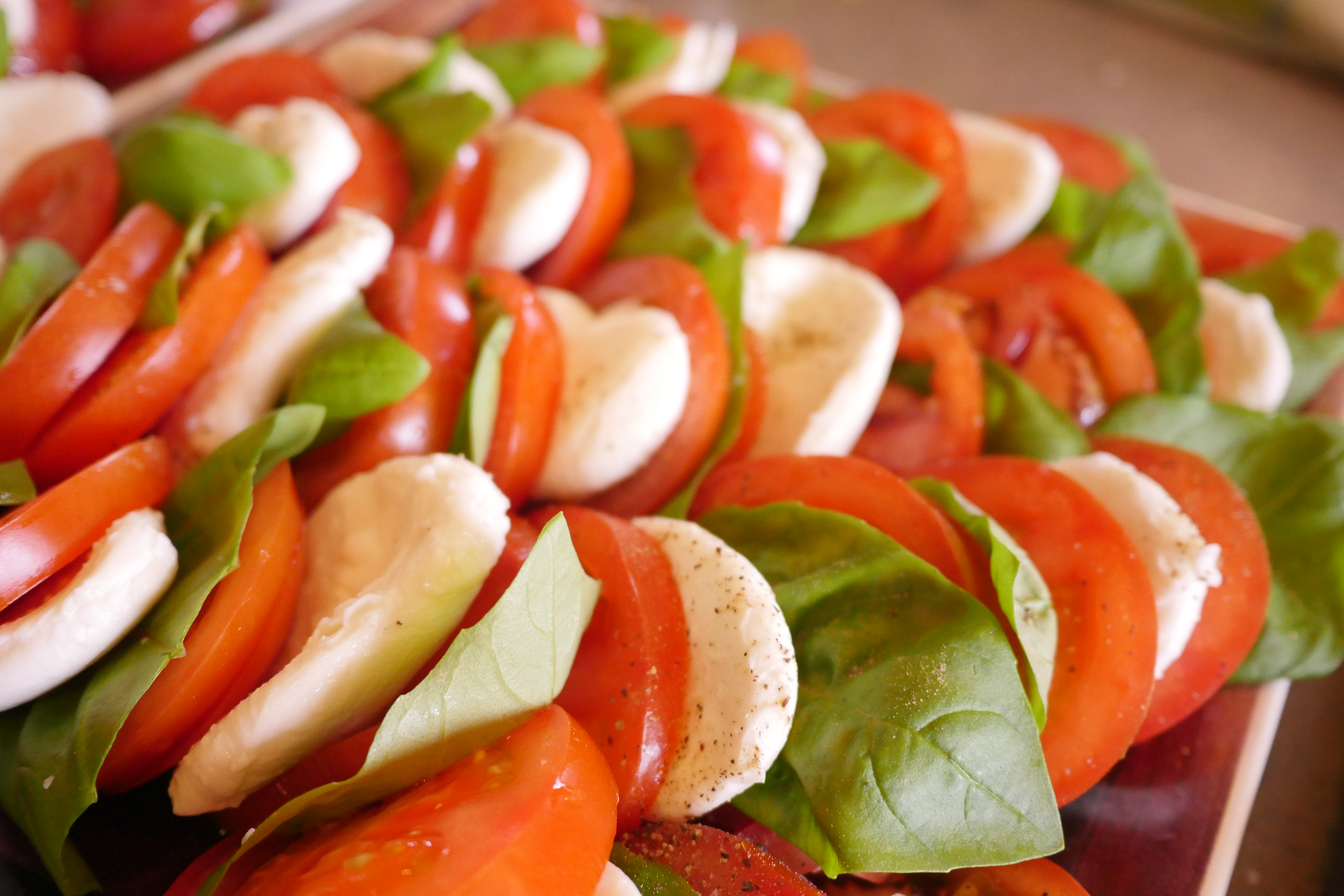
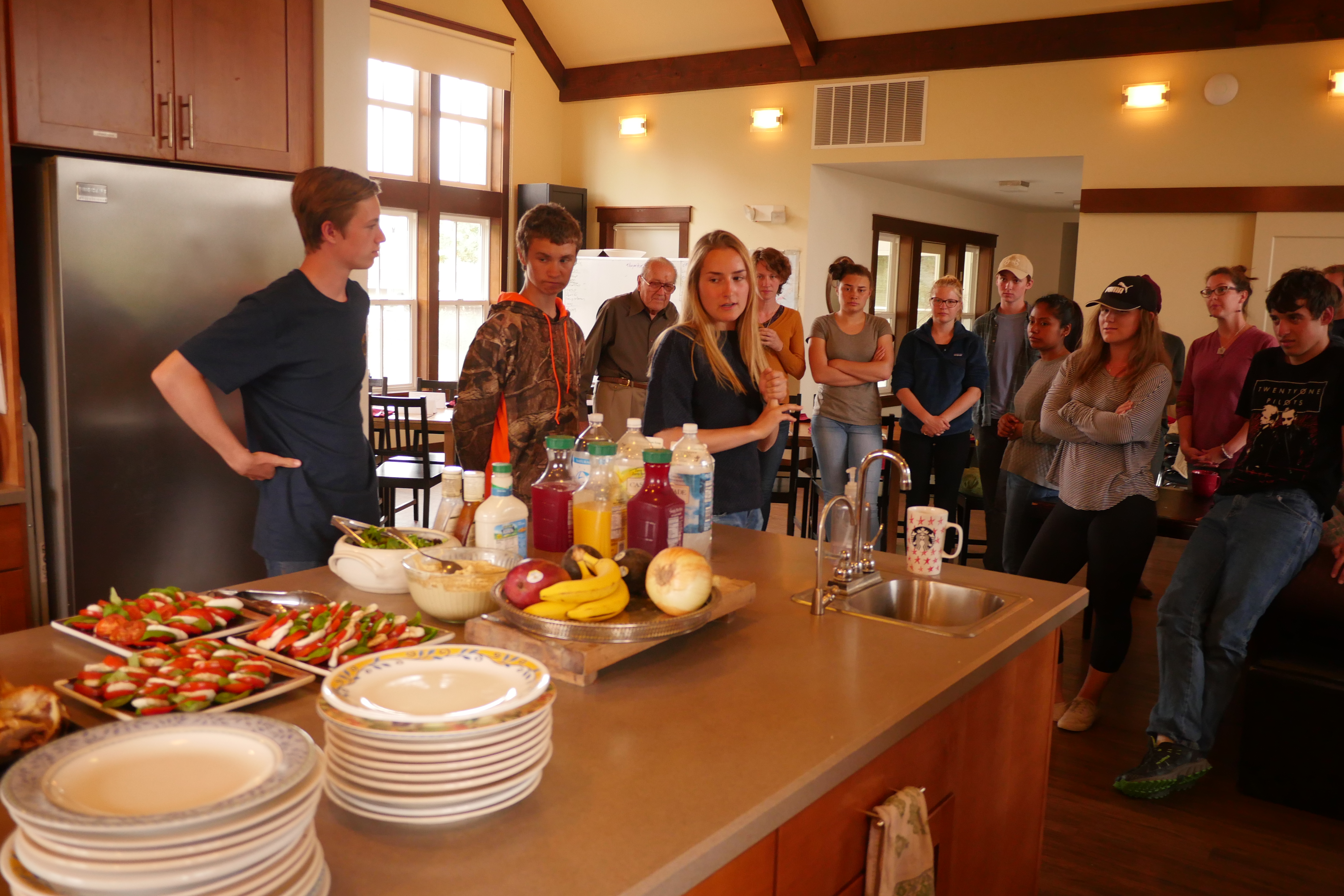
At 5 PM, we returned to campus and started preparing for dinner with our guests, Drs. Rebecca Guenther and Colette Feehan. For dinner we had quinoa salad, caprese, and roasted chicken.
P6330993 seth P6330867 seth

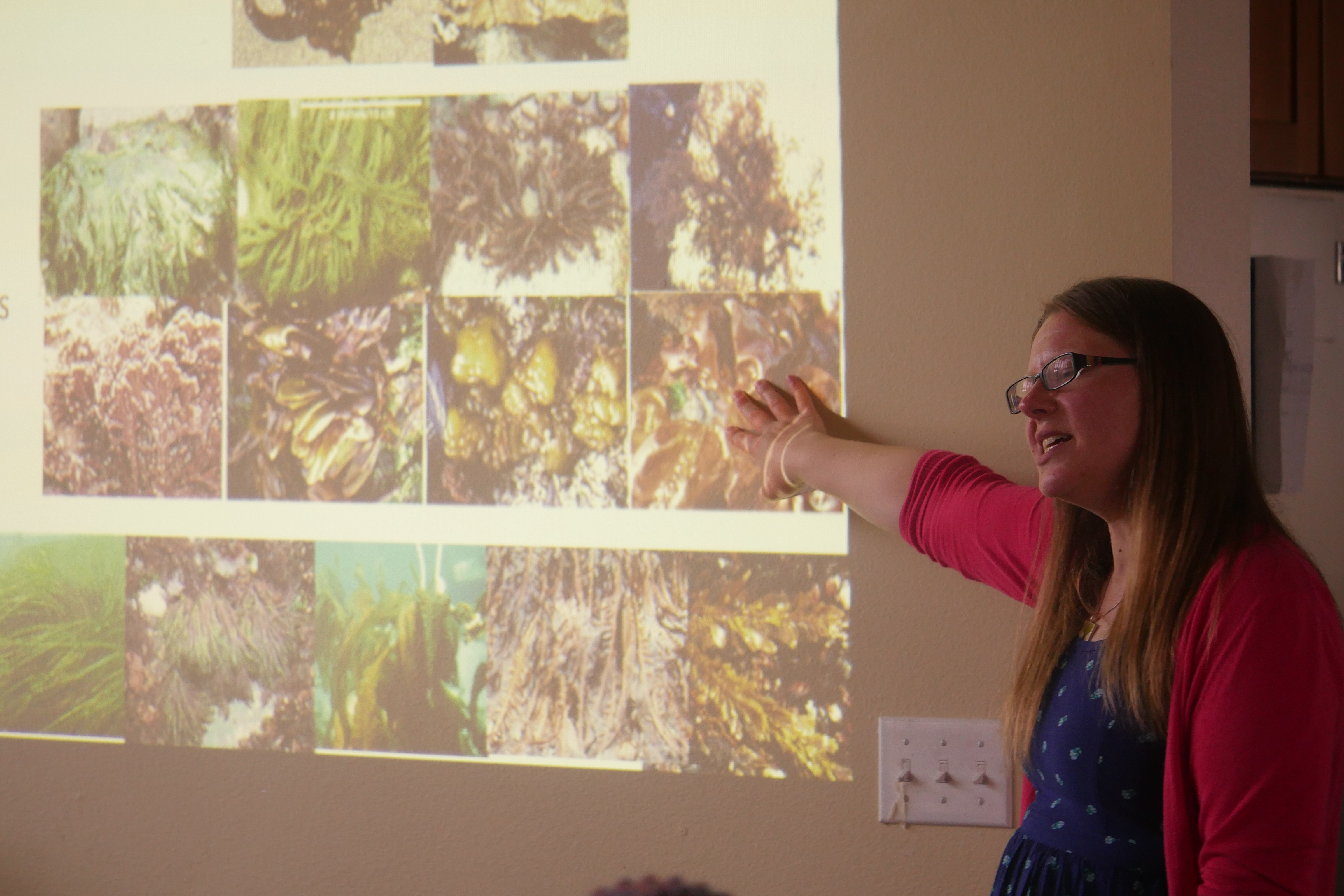
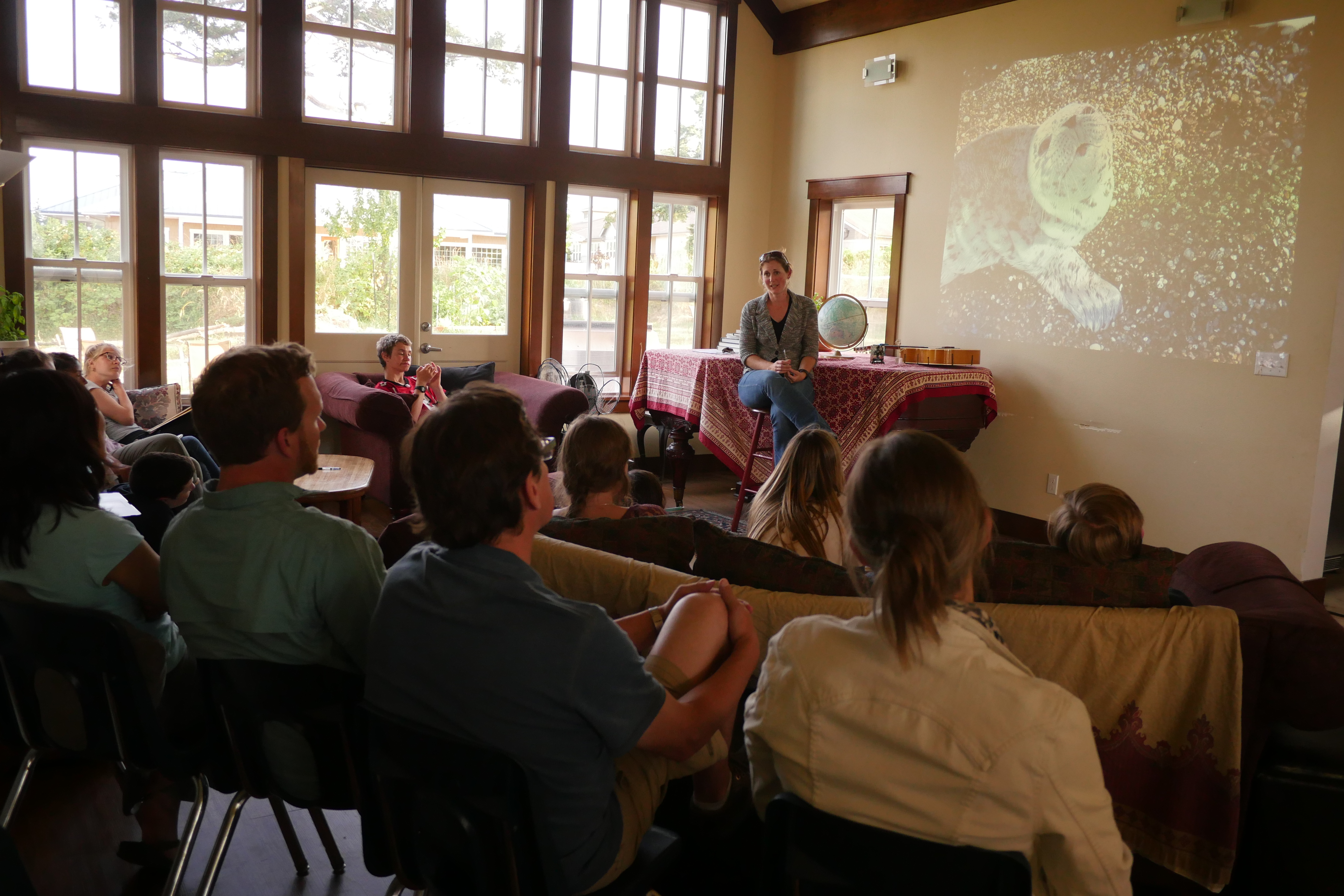
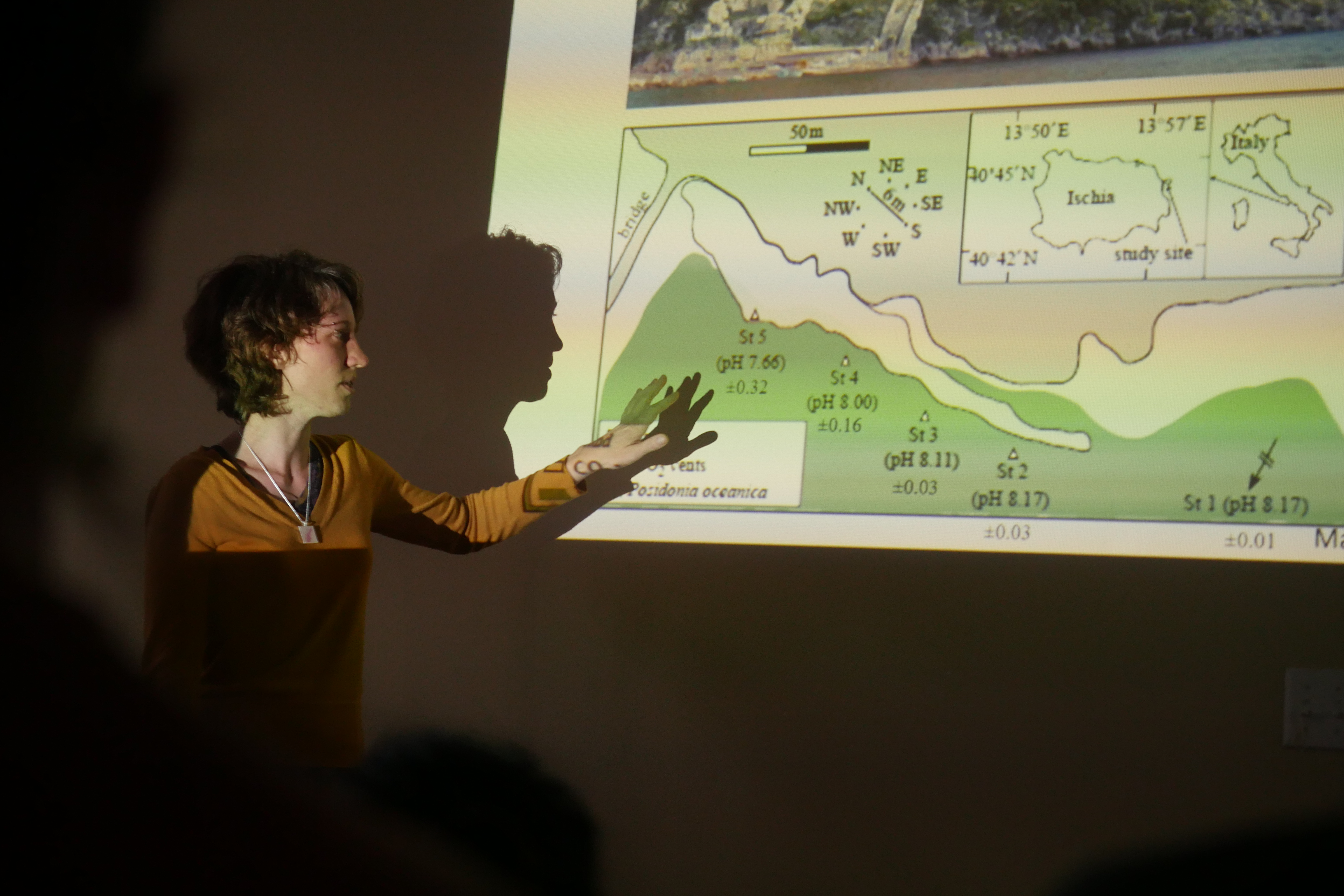
After we ate, Rebecca, talked to us about ocean acidification, climate change, and her work with coralline algae.
P6340165 seth

After Rebecca and Colette left, we had more time to work on our projects. When we decided that we were done for the day, we went to bed.
Lavender Festival is the place to bee!

By Jack, Lynn, and Peder —

Today we barely opened our eyes around 6 o’clock. Lazily, we congregated for breakfast and then headed out to Andrew’s Bay North beach at Sharon’s house.

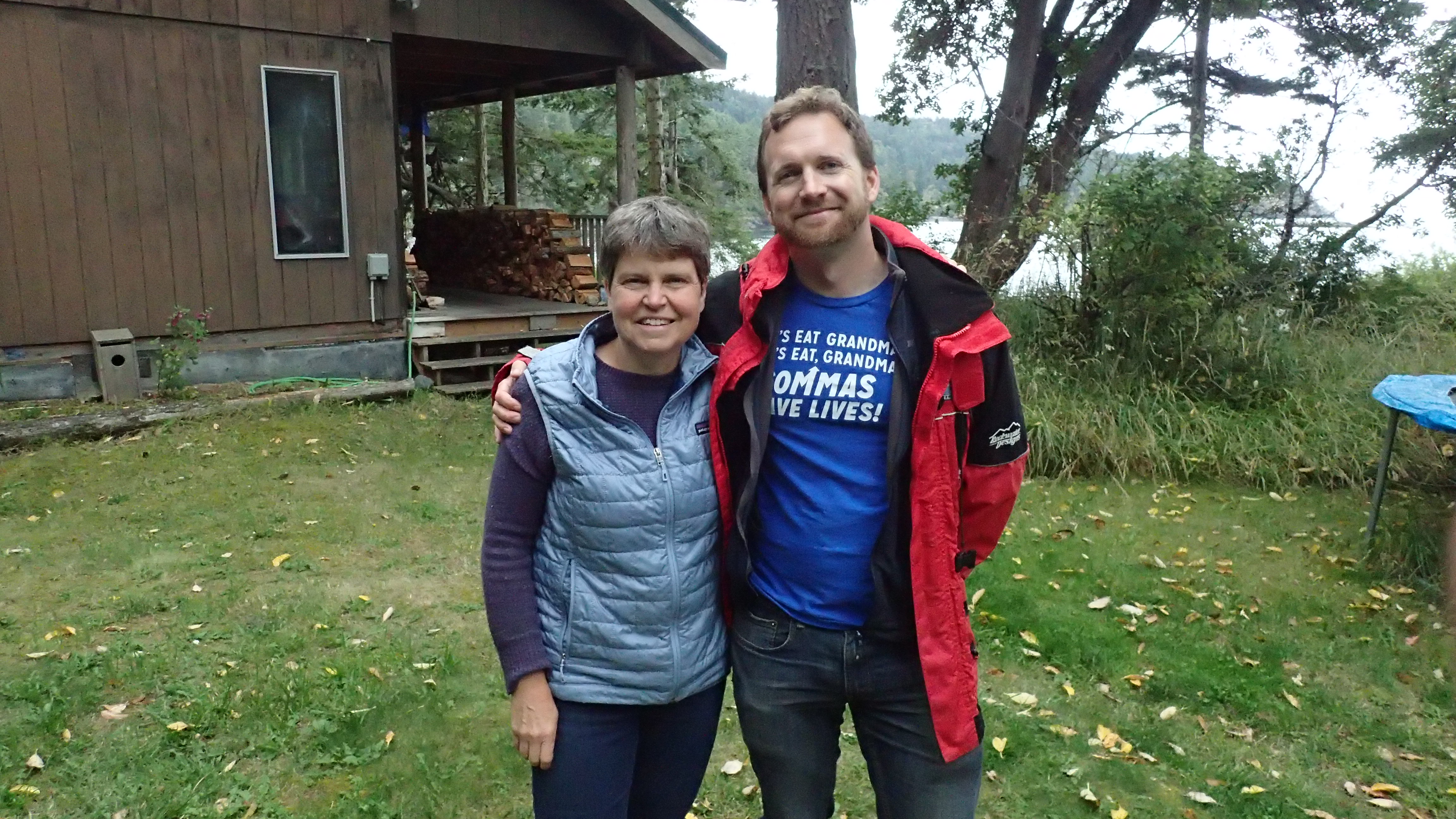
Sharon joined us for our survey. Here is a picture of Sharon with Tim.

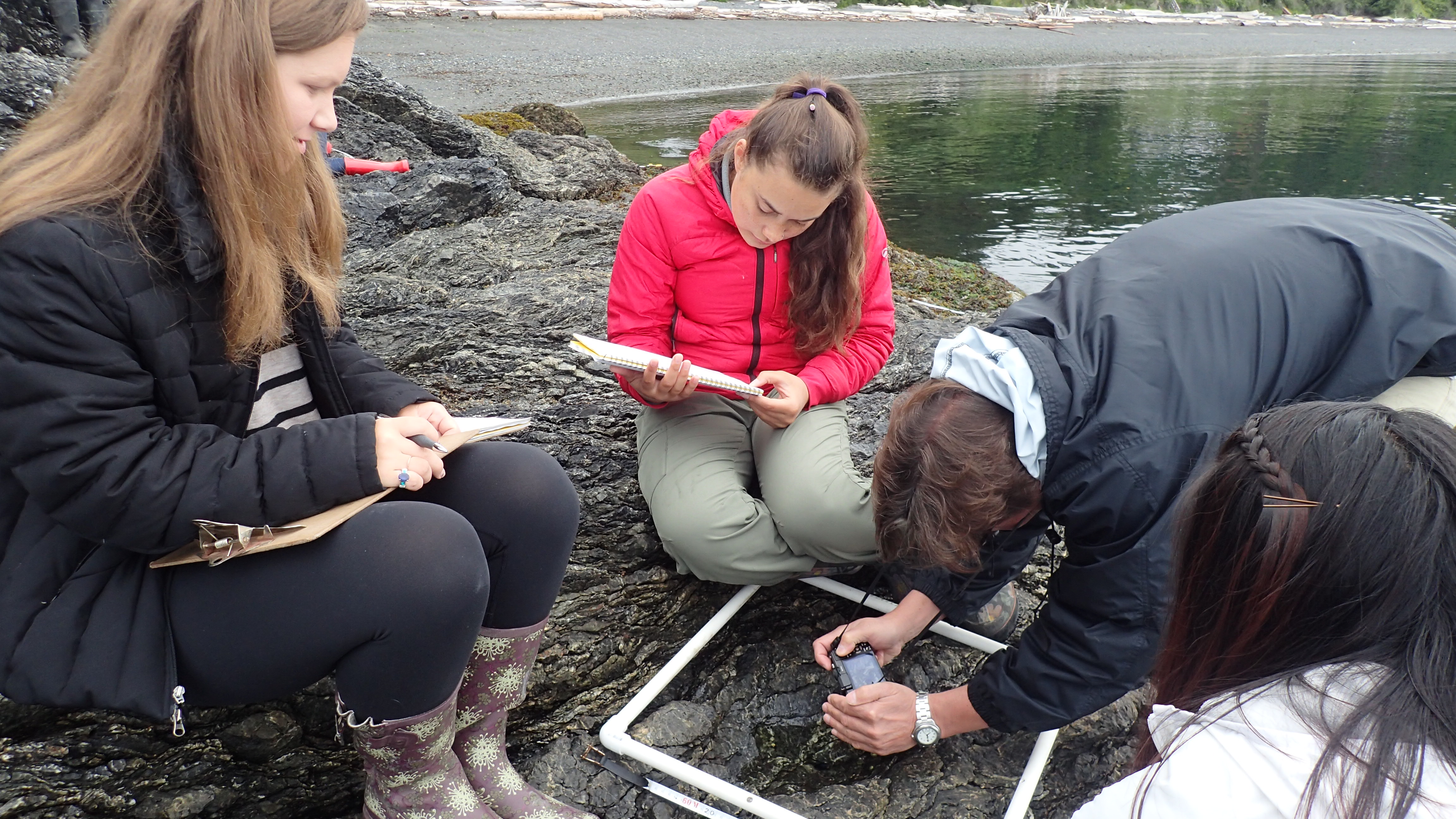
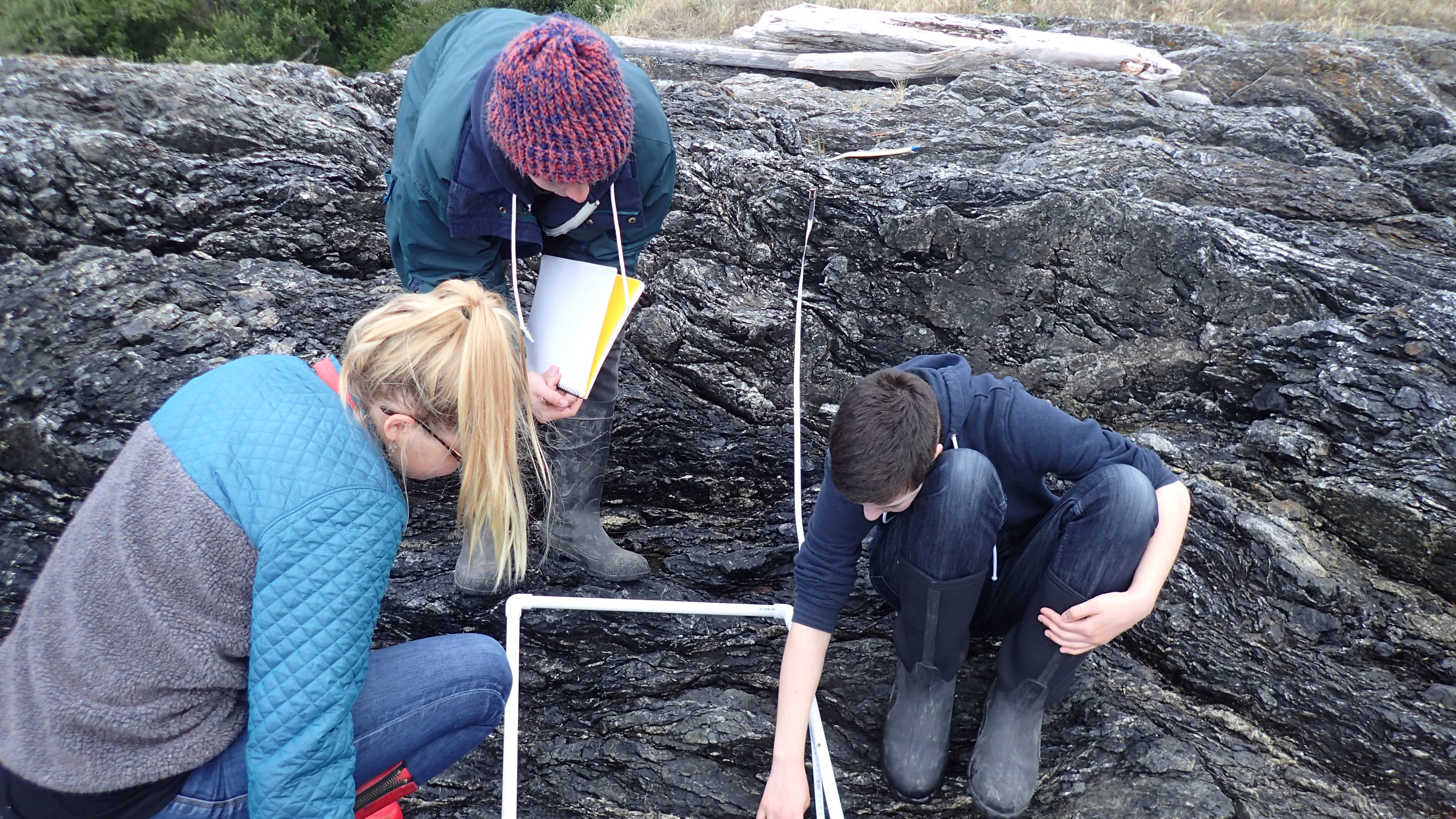
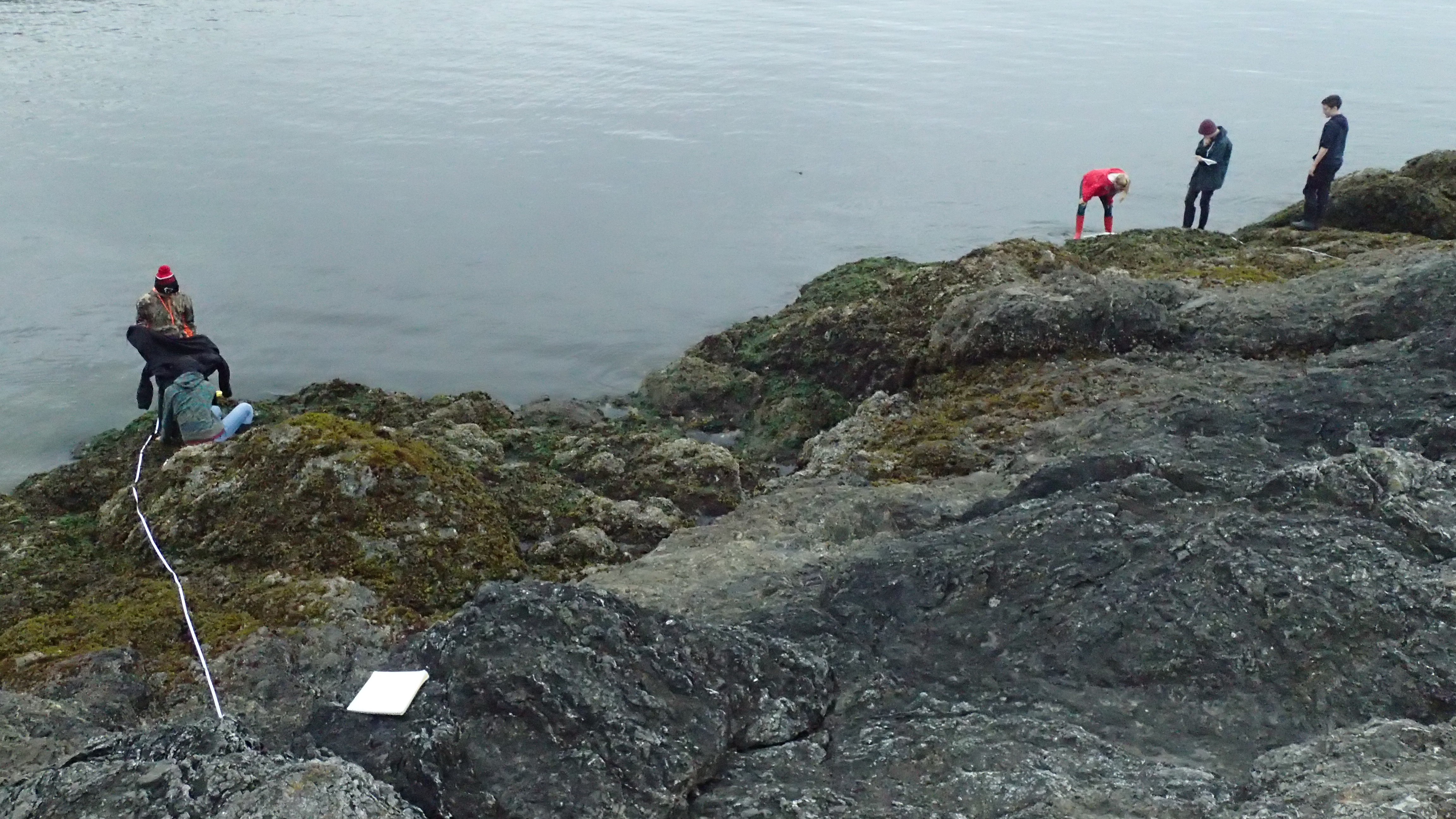
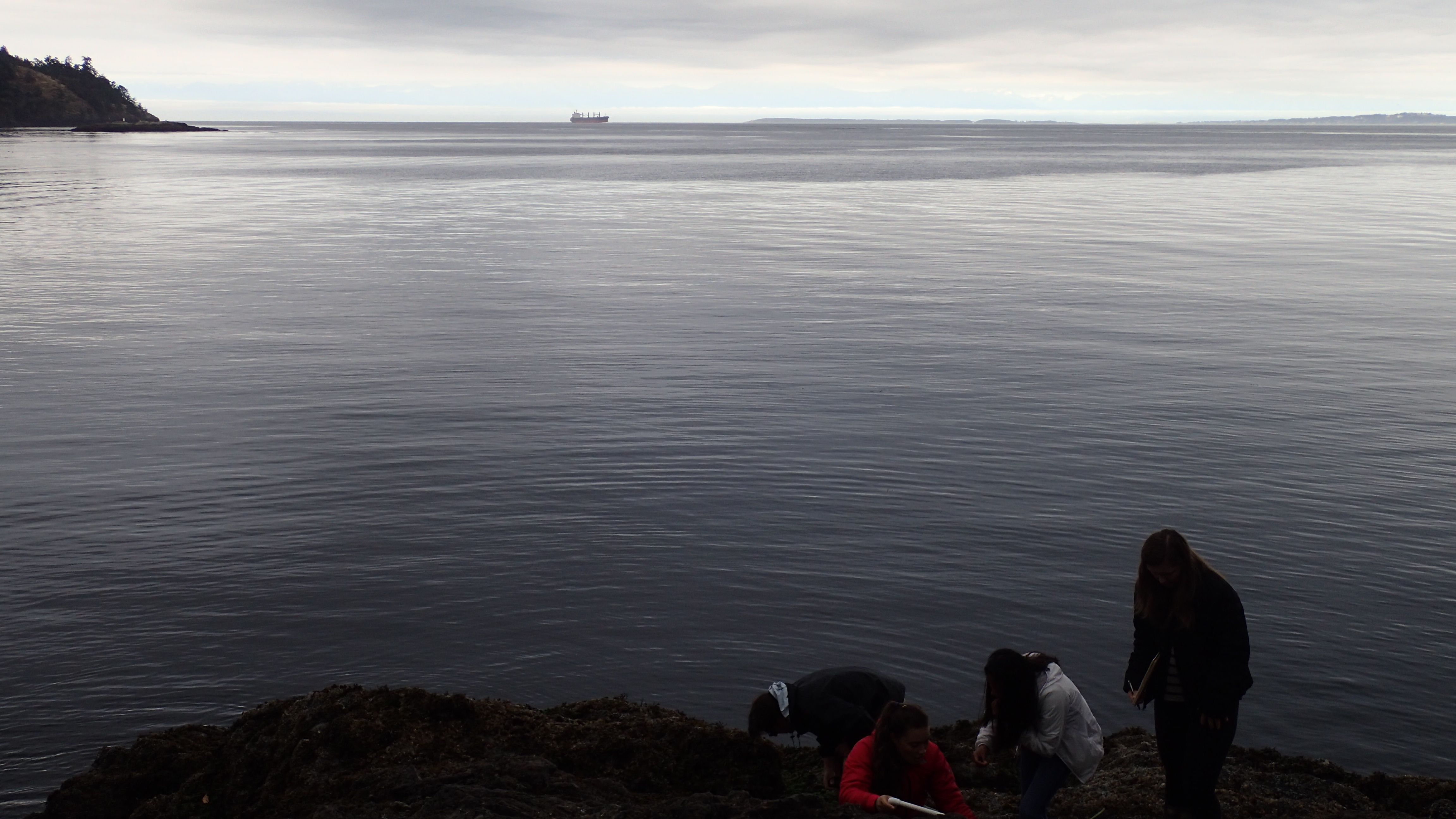
We spent the morning investigating the differences between Andrew’s Bay North and the last intertidal zone, Andrew’s Bay South; we surveyed and compared what we saw.

The one major difference between Andrew’s Bay North and South is that the north end gets more sun. Together, we were looking to see what difference that would make in the intertidal zone.

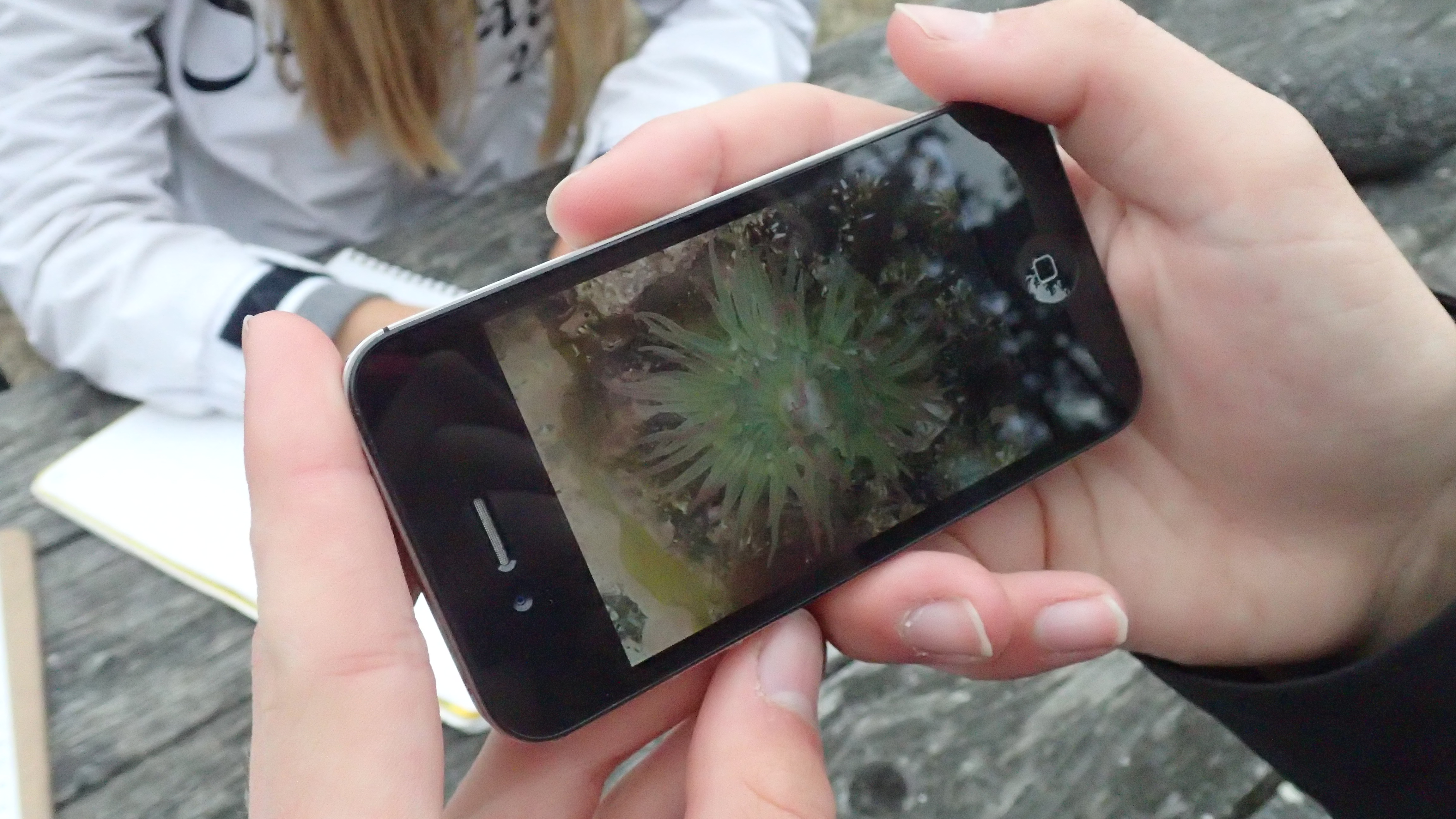
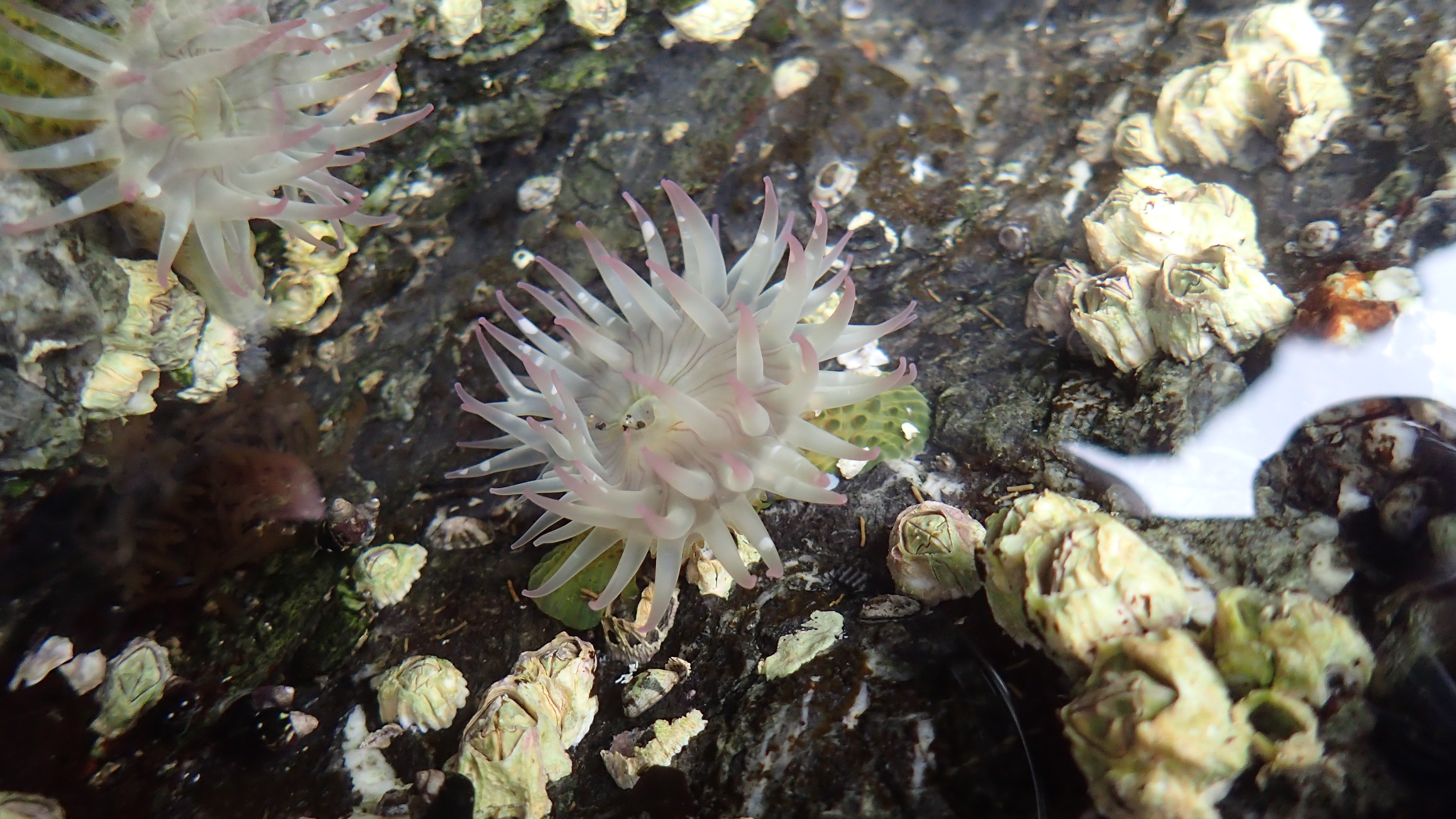
We were very excited when we got a cool picture of an anemone and the rest of our data.

After all the festivities, we headed to an actual festival; the Pelindaba Lavender Farm Festival.

Photo by Lana Sachs

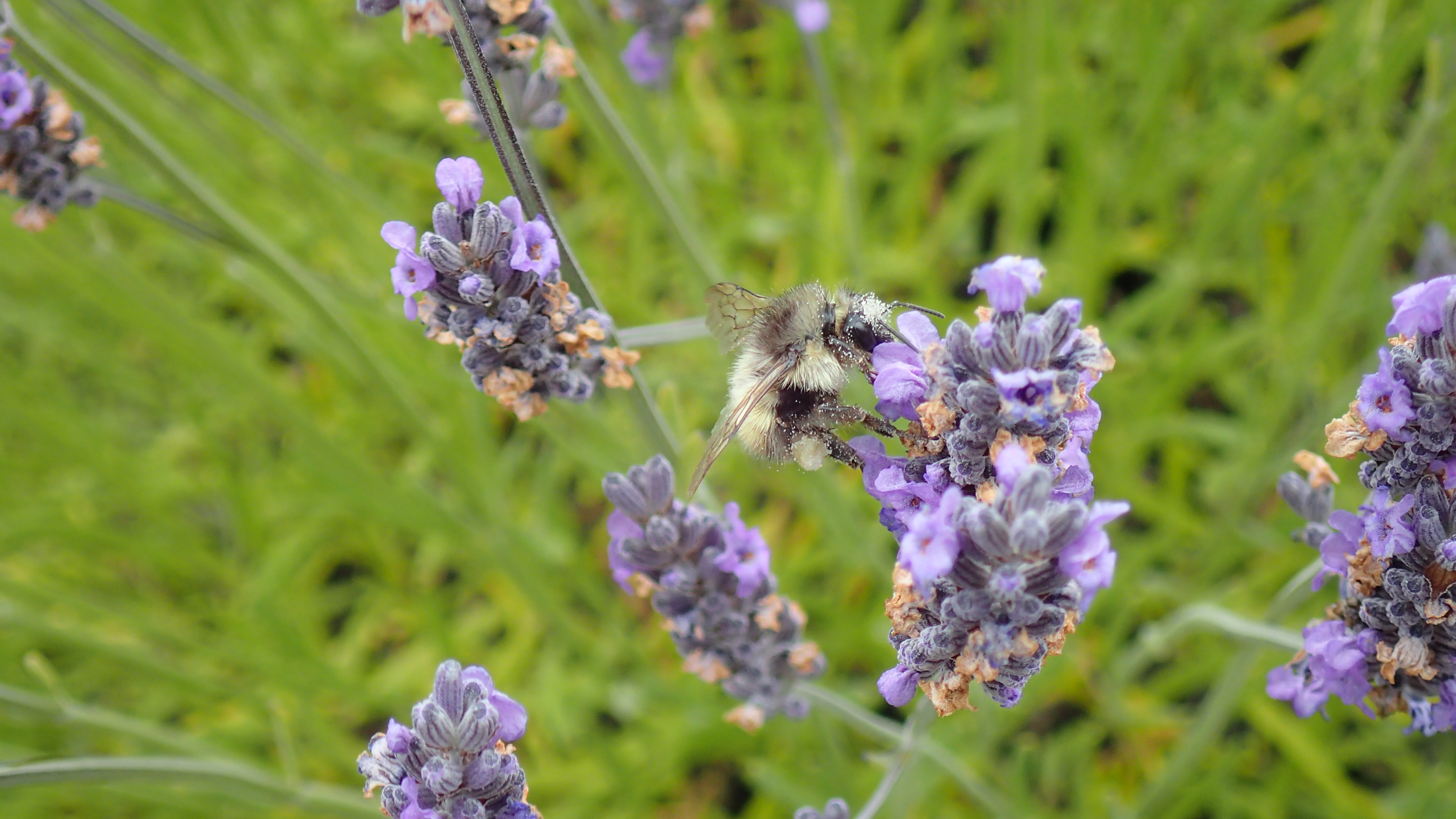
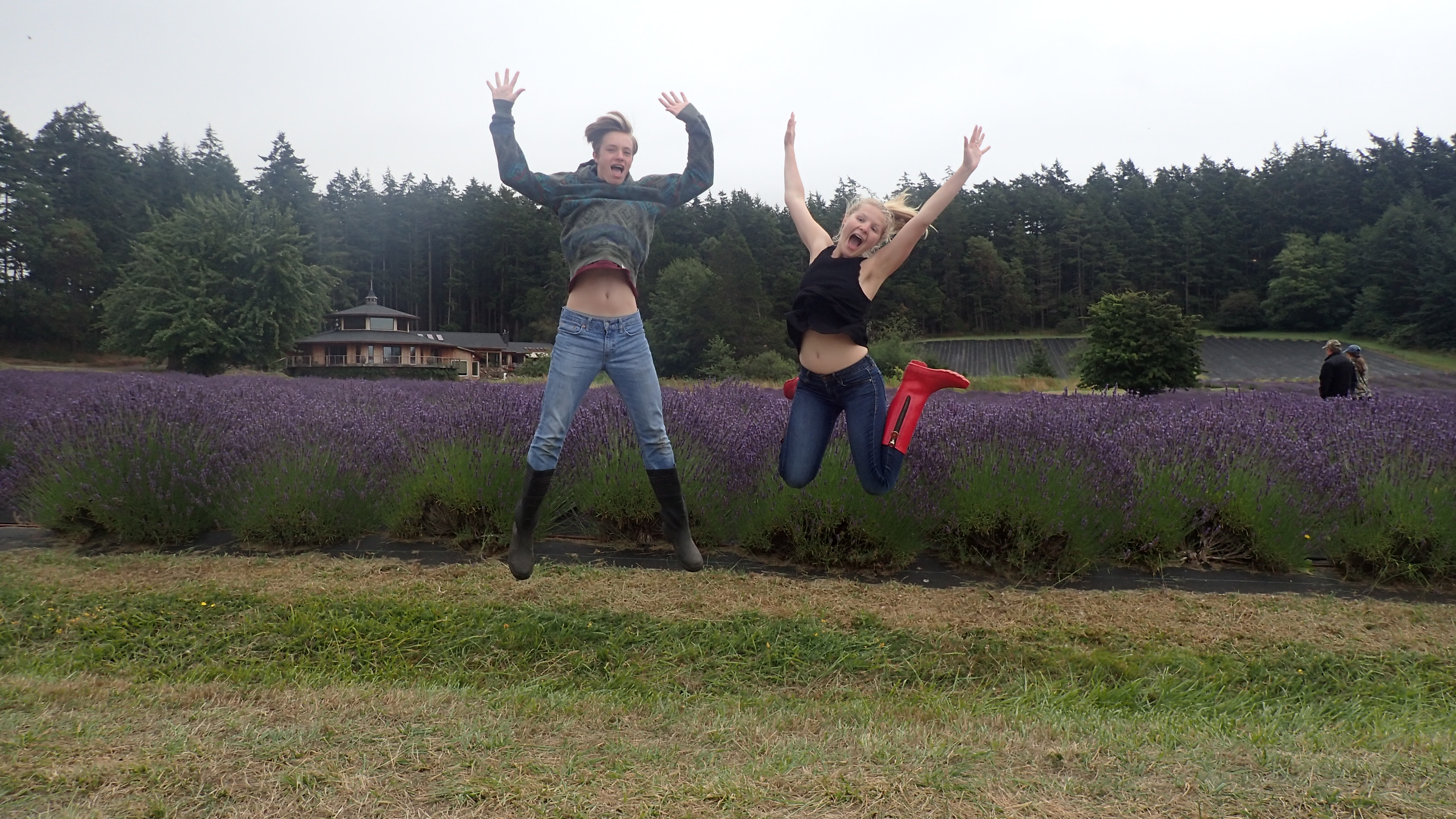
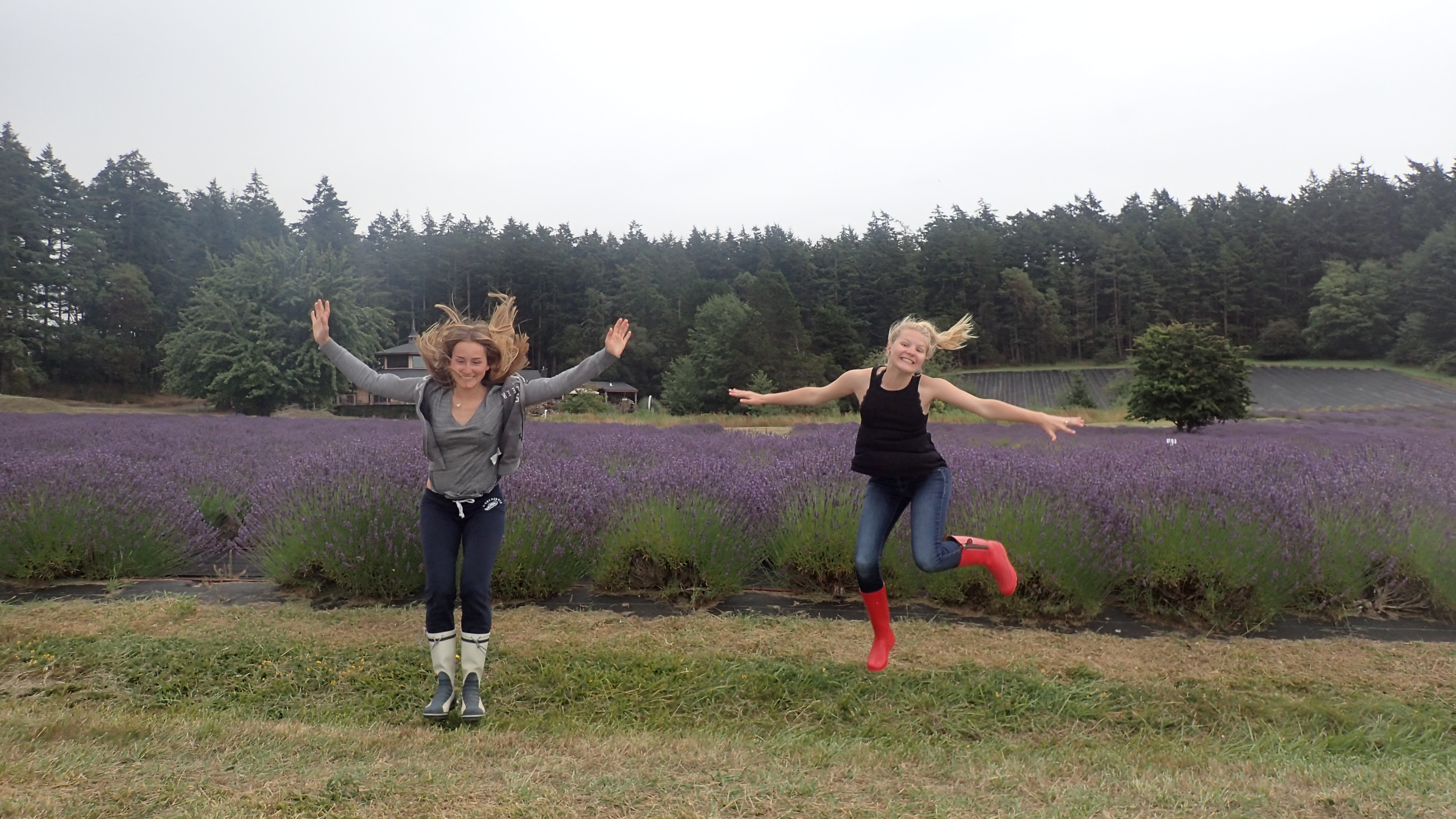
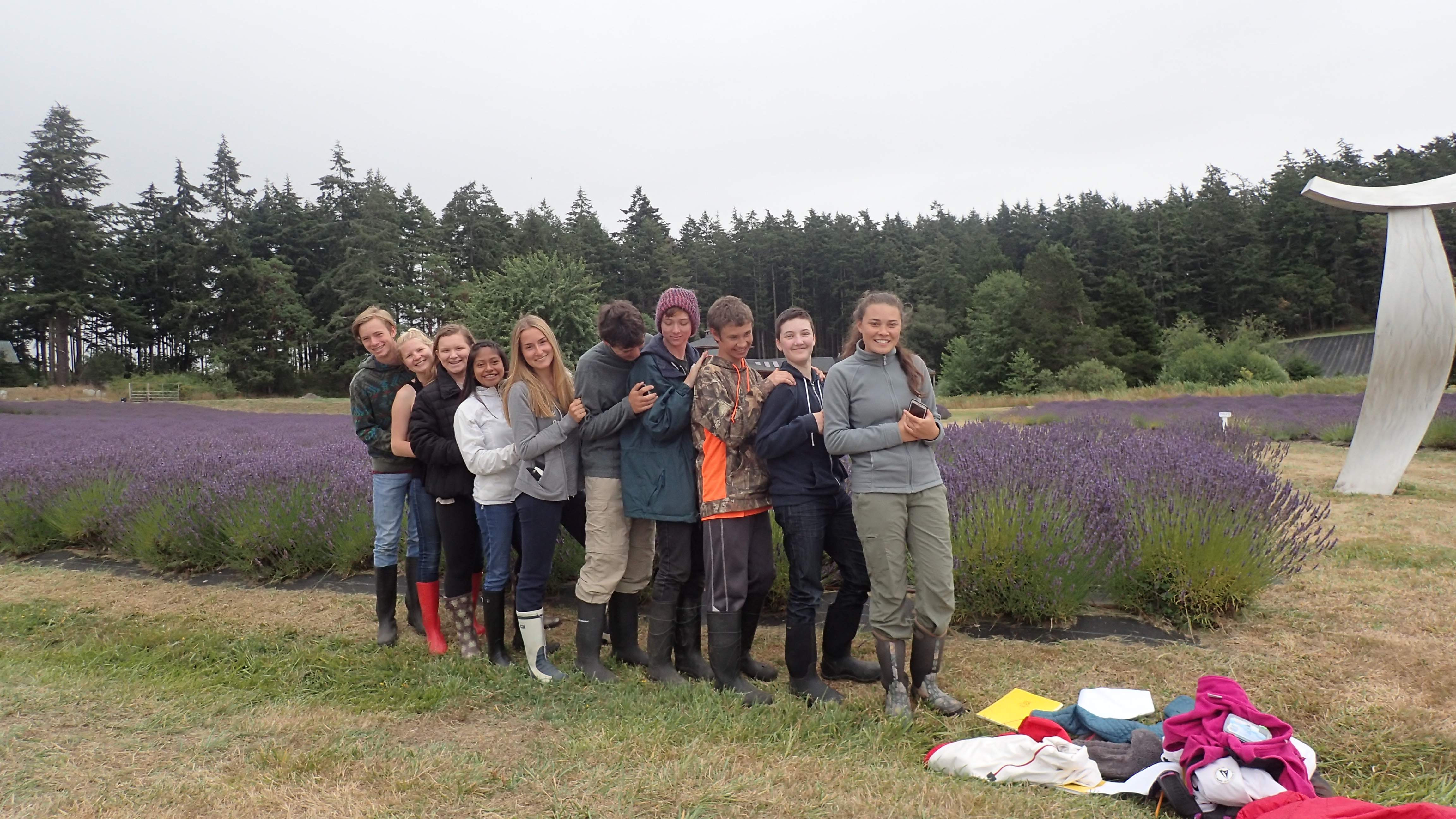
Our goal was to avoid killing or getting stung by any bees. It was a great sight for some group photos.

Later that day we went to the docks and enjoyed the sights and breeze. It was such a sunny day that we felt it would be a crime to stay indoors. However, our day was mostly spent so we decided to bicycle tomorrow.

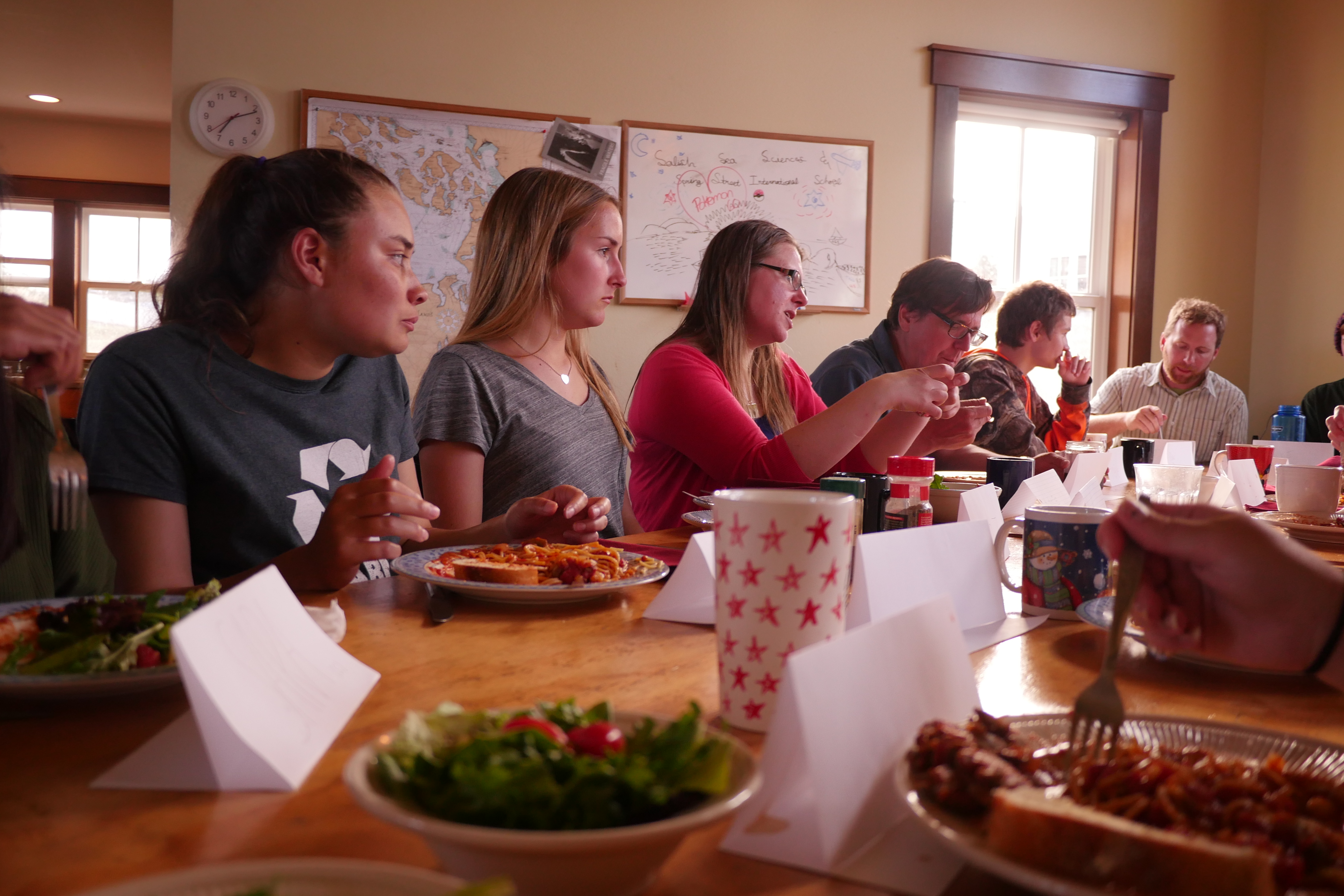
Finally, we settled down to a lovely dinner of pasta and homemade red sauce with our two guests Katie Dobkowski and Darby Flanagan.

P6320241   seth

Photos by Seth Grant

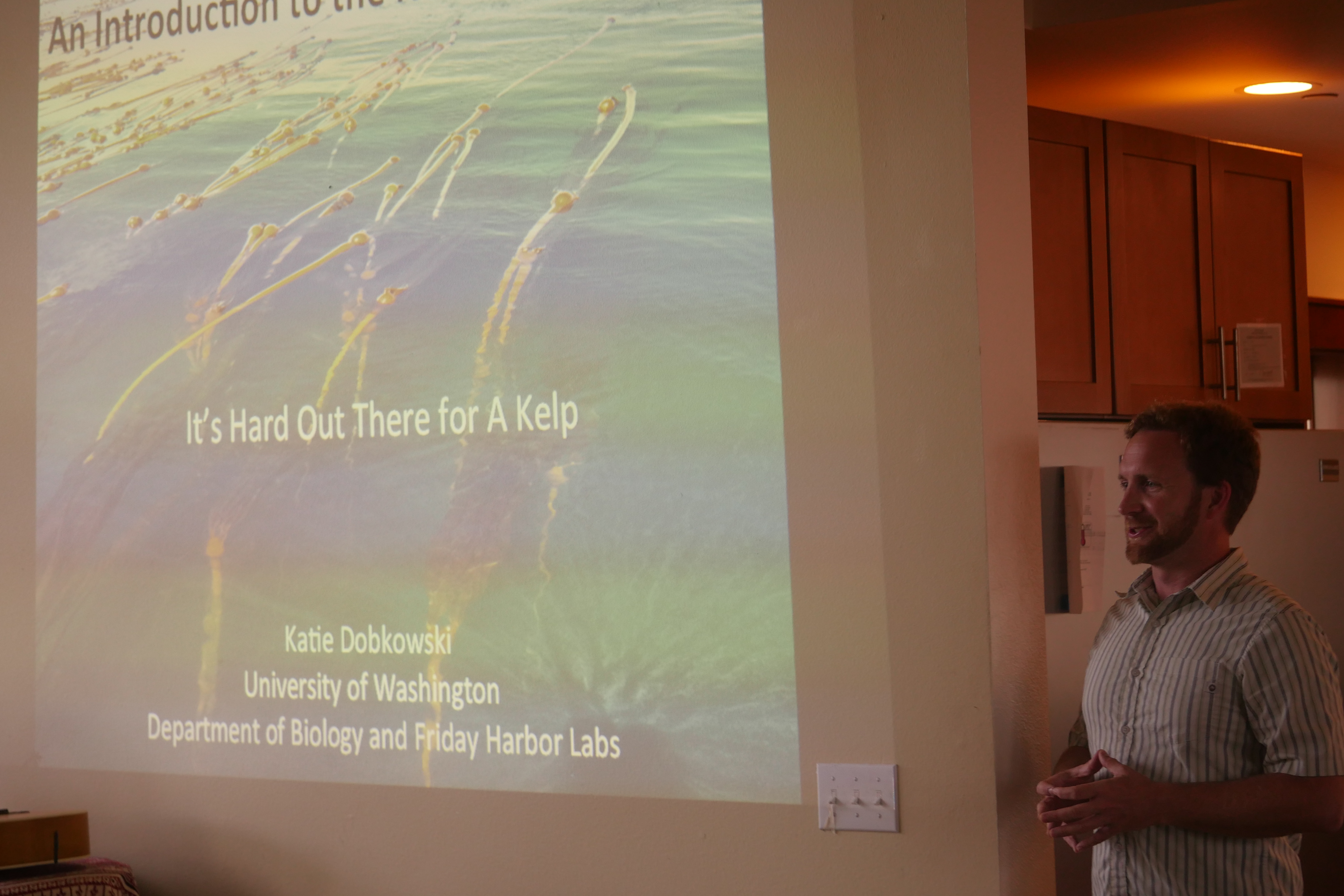
Katie talked to us about the things she does as a field ecologist and her experiments with bull kelp. Darby then talked about how she has been extending upon Katie’s work by applying it to predation by kelp crabs as well.

Katie showed us what exactly we would be doing tomorrow and the methods she has used to mark kelp in the past.


P6320256 seth

P6320388 seth

Overall, we had a blast and felt prepared to help Katie get accurate data the next day.

Data and Pokémon Go

By Sara, Jaimie, Arielle, and Jake —

This morning, we woke up at 7:30 and had breakfast. After breakfast, we headed to the science room and began to analyze our data on algal species and animal species in the intertidal zone of Andrew’s Bay at the SJI County Park. After a couple hours, we had a break that most of us used to visit some pokestops. After our break, we returned to the lab to continue analyzing data and also brainstorm hypotheses for data we will be taking tomorrow at a different intertidal zone location. Soon it was lunch time so we headed back to the dorm and prepared lunch.

Following lunch, we went back to the lab and did more data analysis. We then came back to the dorm and reviewed the vocabulary quiz we took yesterday and addressed our concerns. After our talk, most of us went into town and played PokemonGo for exploration time.

Around came dinner time and since we didn’t have a guest, Caroline picked up some pizza up for us. After dinner, we watching footage of a ROV (remotely operated vehicle) off the coast of California in an unmapped cave. After watching the ROV we then watched Teen Beach Movie and ate ice cream.

HAPPY DAY OF BIRTH QUINN! Visit to Adam Summer’s Lab

This morning we woke up at 7:30 and had time to wake up, get ready, and eat before heading to the UW Friday Harbor Labs.

We met up with Adam Summers again and got to explore his comparative biomechanics lab and talk to him about his science equipment and experiments.  

P1030330

Photos by Tom Grauman

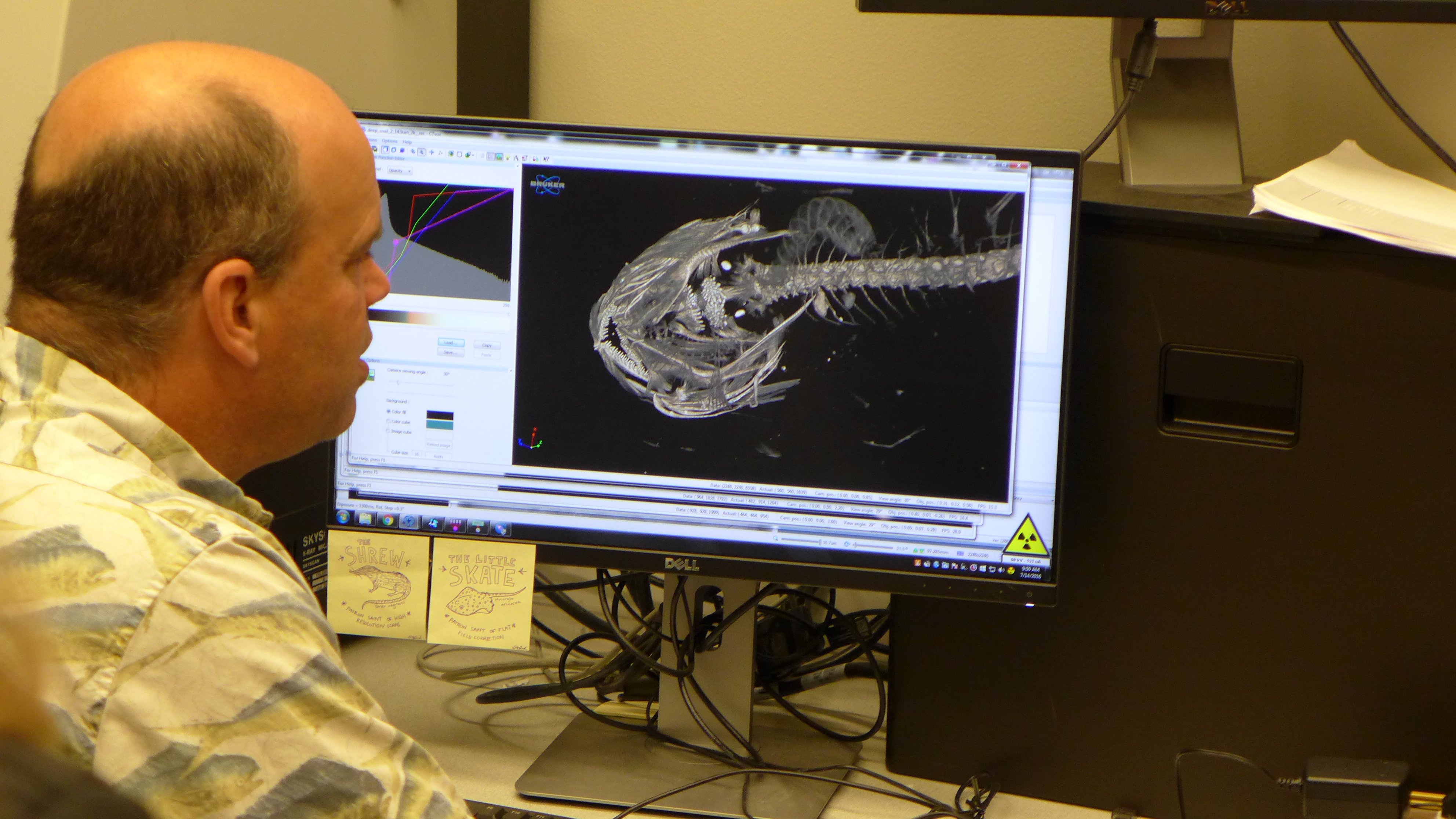
He talked to us about his CT scanner and we got to see scans of beetles, piranhas, and a rare deep sea hagfish.

P1030372

We were also shown his 3D scanner and he showed us a bright yellow yoda head which was a highlight of the trip.

P1030385 P1030403

Also, I think the very most exciting moment was when we got to see the 6 gilled shark that had washed up the day before. It stank very badly, but it was also super exciting. Adam and his students are going to dissect and study it next week.

In the late morning, we finally put all of our data together on a spreadsheet so we could all look at our data together. This took us around three hours including some breaks with music and Pokemon. We then hurried back to the dorm in order to surprise Quinn for his birthday.

P1030420

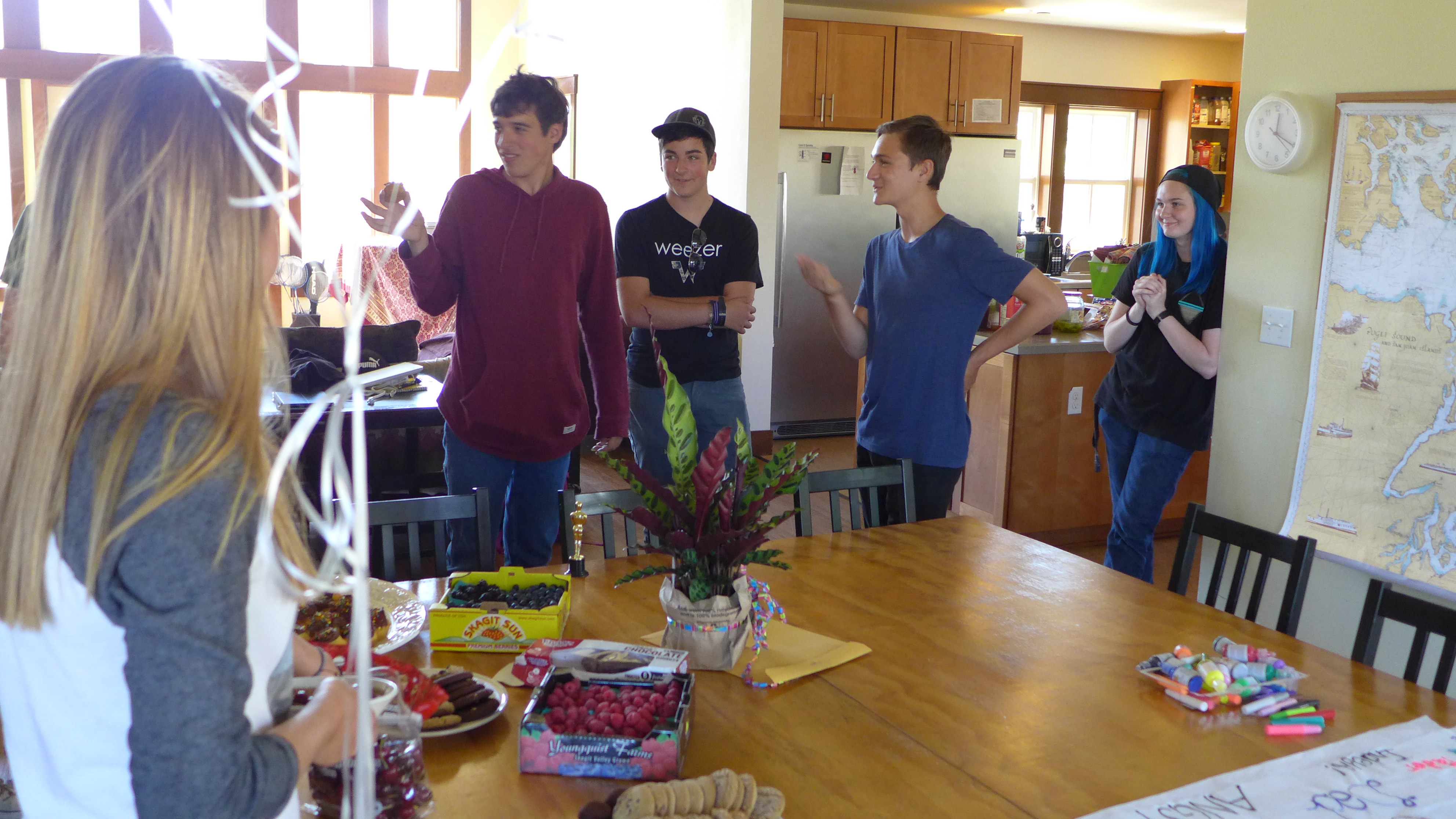
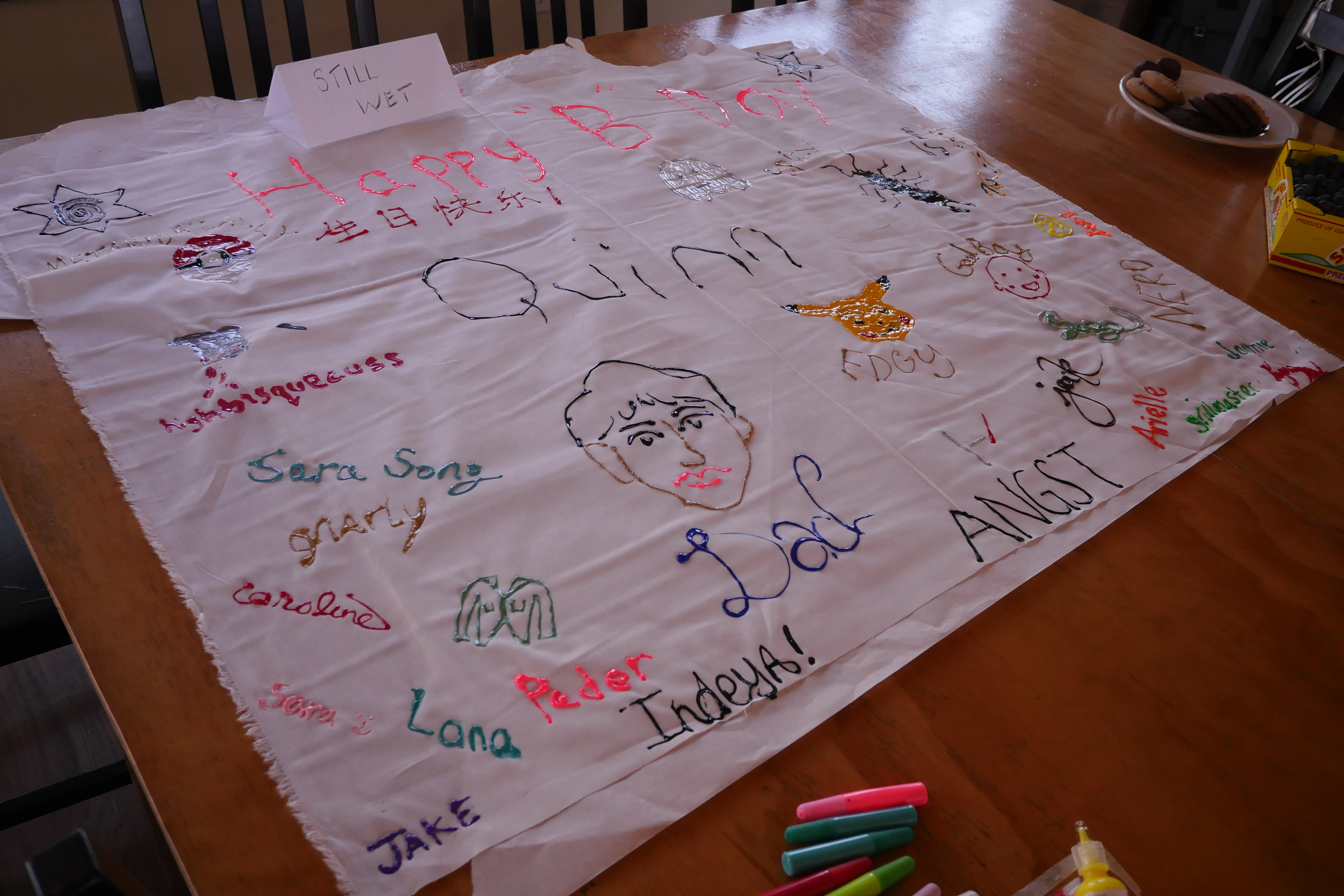
Quinn is officially 16! Happy birthday dad!! We created a giant card for him and had cupcakes, cookies, brownies, and fresh Skagit Valley blueberries and raspberries.

P6300307

Photo by Seth Grant

Quinn was pleasantly surprised. Of course, later we had to get back to work, so we headed back to the Spring Street science lab to input more data.

For our free time before dinner, we explored town collecting Pokemon and going to pokestops. Currently, 8 out of the 10 of us have PokemonGo, and it’s becoming quite the addiction. Of course, we are never more interested in Pokemon than science, but it’s good to pass the time and relax.

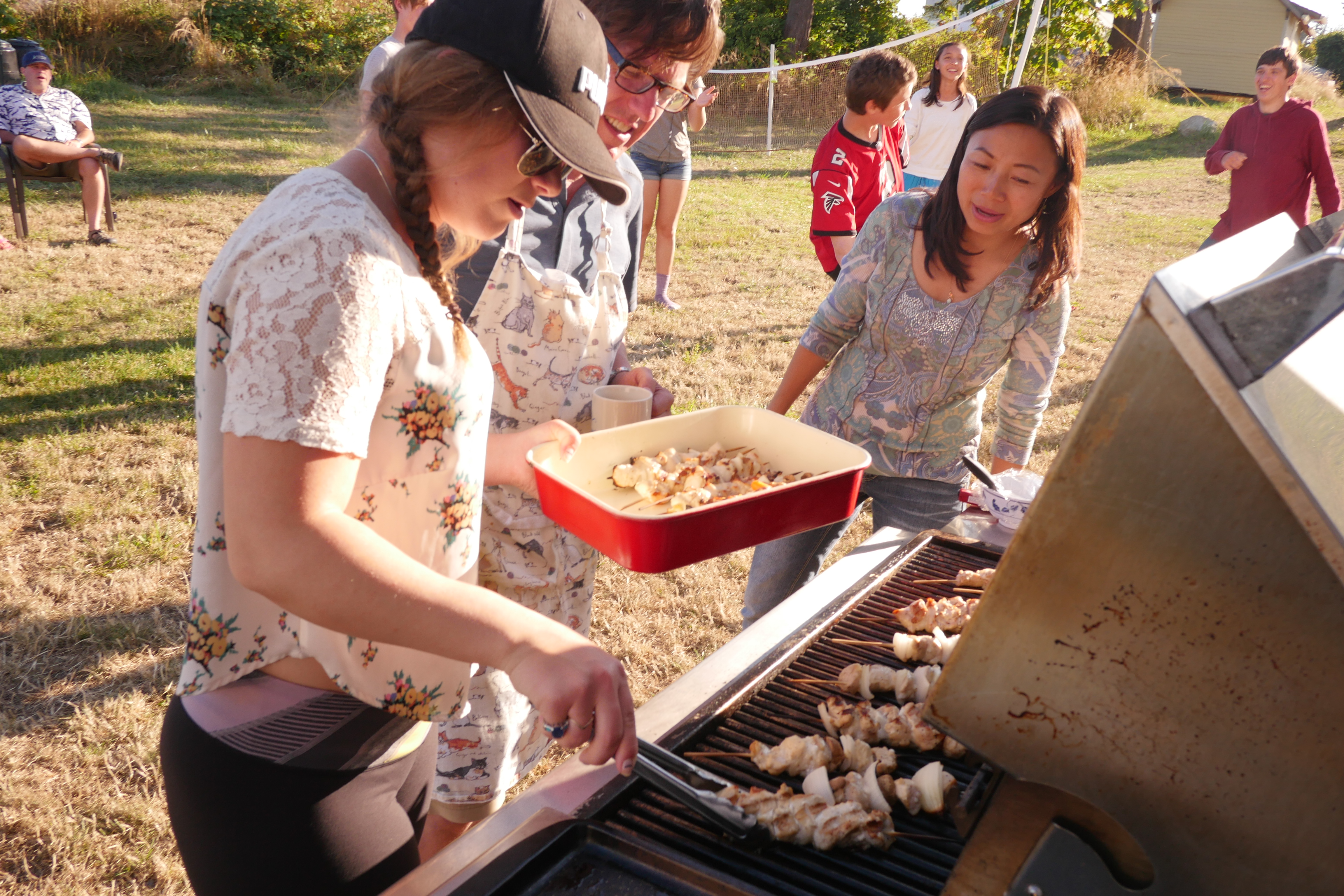
For dinner, we had chicken kabobs, yellow rice, and cuc salad. Because of a resceduled guest presentation, Seth and Tim drove us to Roche Harbor to get ice cream and watch their nightly routine called Colors. They had a VERY small and VERY loud cannon that scared us all. We checked out all the nice boats and watched the sunset.

It was a very long day—goodnight!

Necropsy Day

By Jack, Lynn, and Peder —

Today we woke up at 8 am and sluggishly ate breakfast. Then, we hopped into the van and drove to UW Friday Harbor Laboratories. We hustled to the docks, where we met Joe Gaydos.

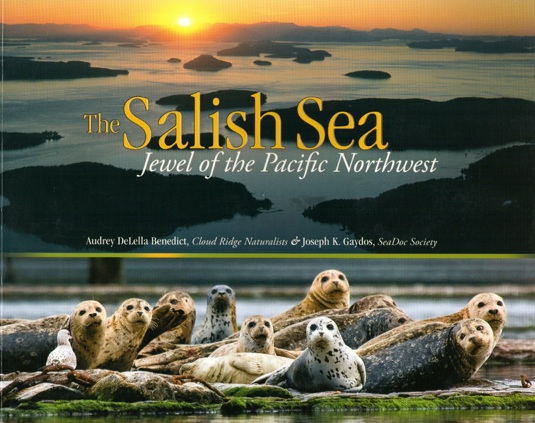
Joe is a wildlife veterinarian, professor at UC Davis, Director of the SeaDoc Society and co-author of our “textbook:” Salish Sea: Jewel of the Northwest. We received the book as a welcome to the Salish Sea Sciences program.

BookCover

Cover photo from Whale Museum website; remaining blog page photos by Seth Grant

Joe kindly signed our books with individual messages in his office, then we went back down to the docks to look at the harbor seals that were going to be examined.

Our hearts burst when we saw the baby seals and how thin they were, but we felt better when we found out that their death was not in vain.

They were stranded and so a necropsy was performed to find the cause of death. We learned so many things while watching the necropsy.

P6260162 sethP6280294 seth

One thing we learned was that they have 7 vertebrae like all mammals including giraffes. Another thing we learned was that harbor seals have some of the biggest eyes of the entire mammal population when compared to body size . Harbor seals are the biggest population of seals in the entire San Juan area.

We then came back to the dorms and collected all our data from previous surveys and compiled them into one spreadsheet to be used for further projects.

Later that day we were excited for our guest that evening, Adam Summers—an expert in biomechanics—because he had a major role for the design of the fish in Finding Dory and Finding Nemo. 

P6290633

We were also happy to meet his two adorable children Elly and Abel ages 9 and 4 respectively.

P6290723

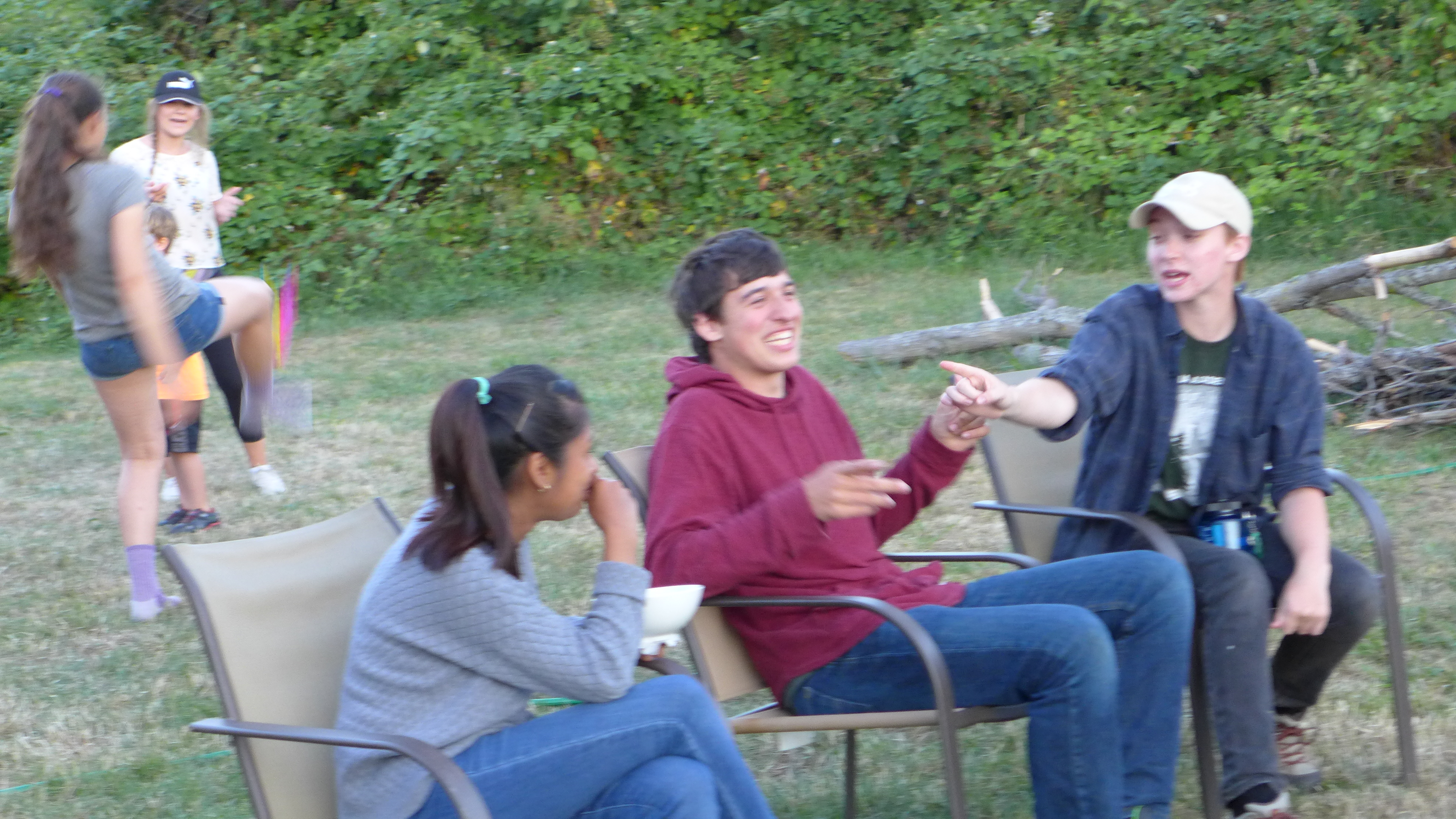
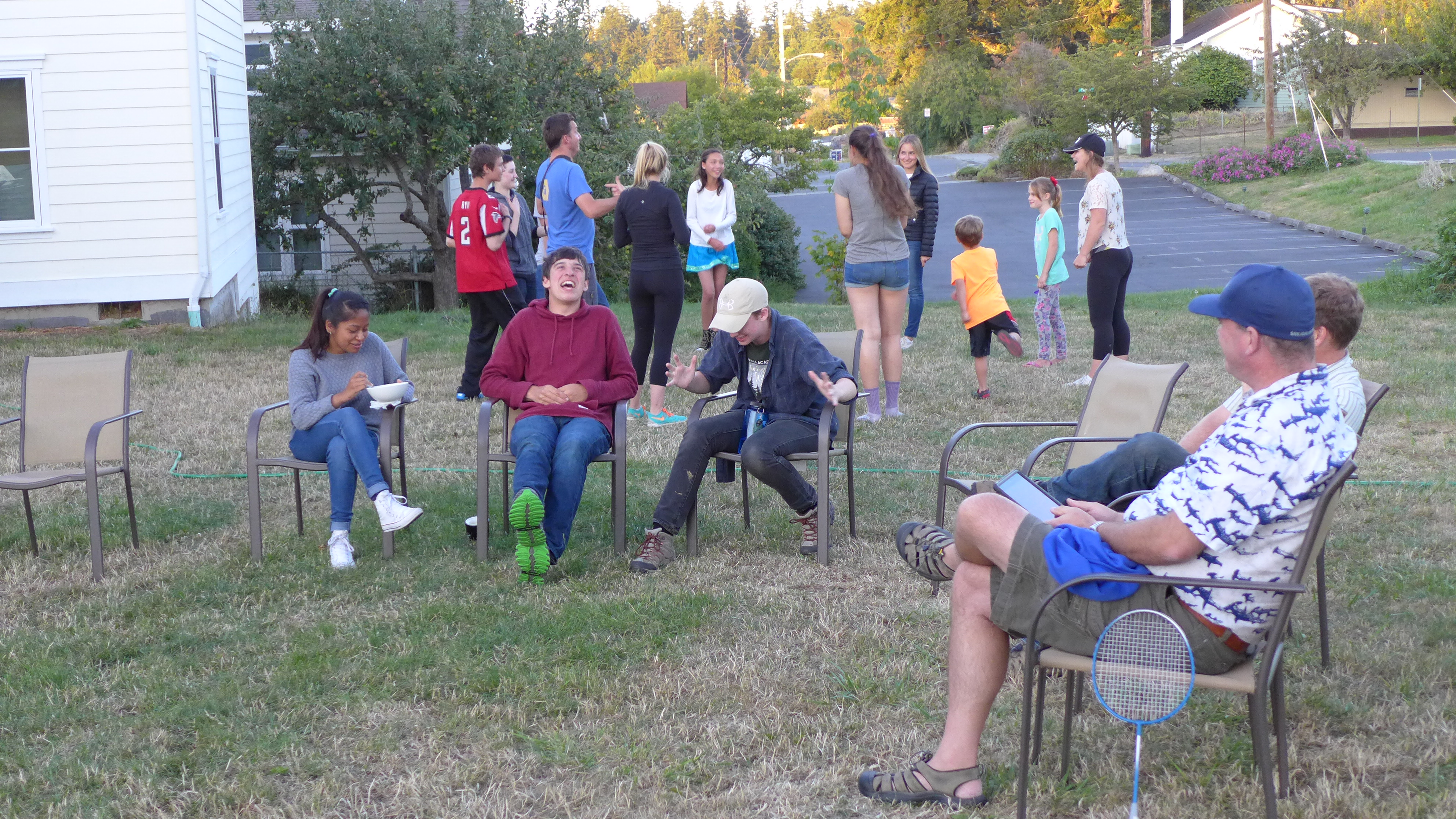
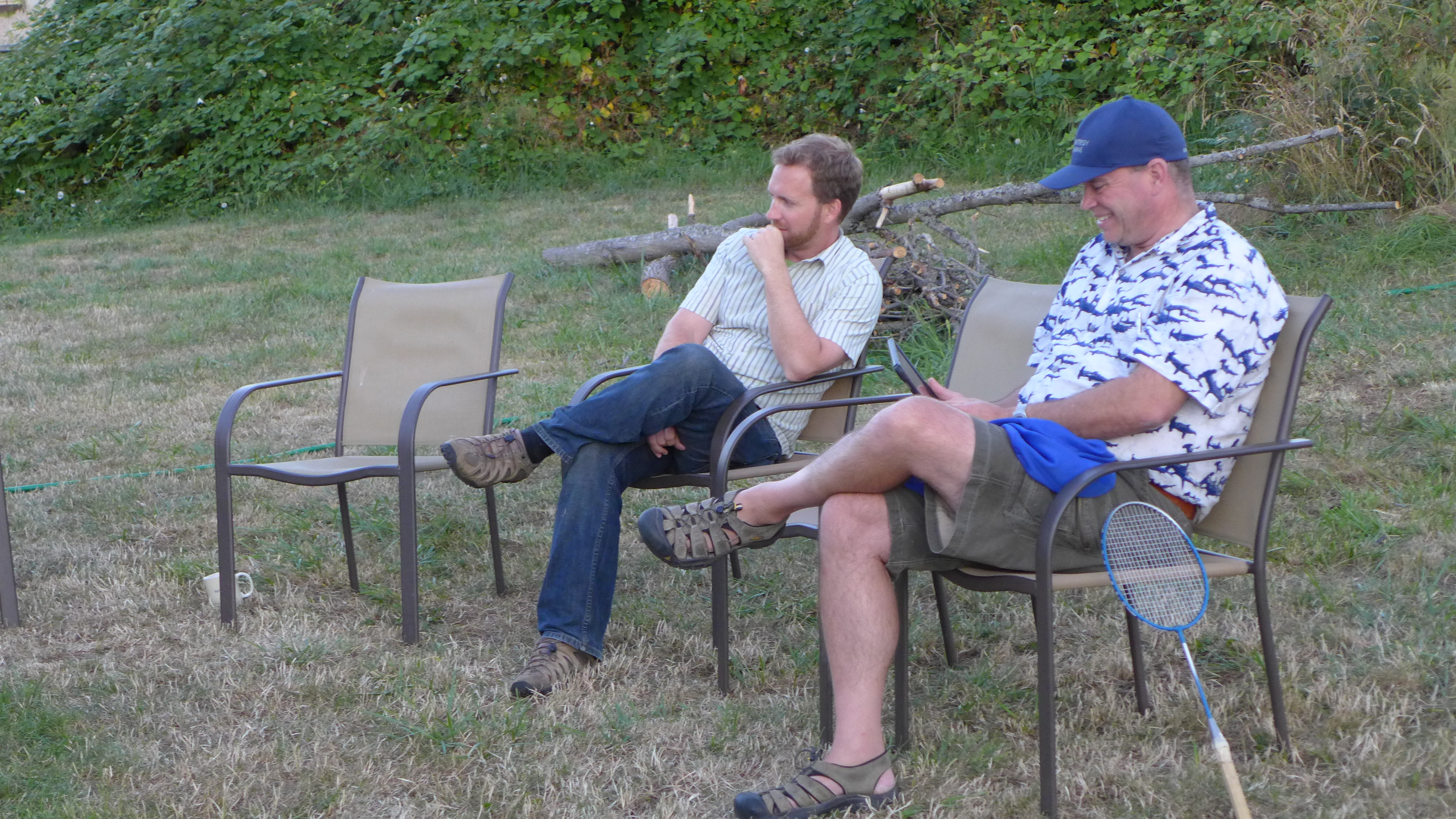
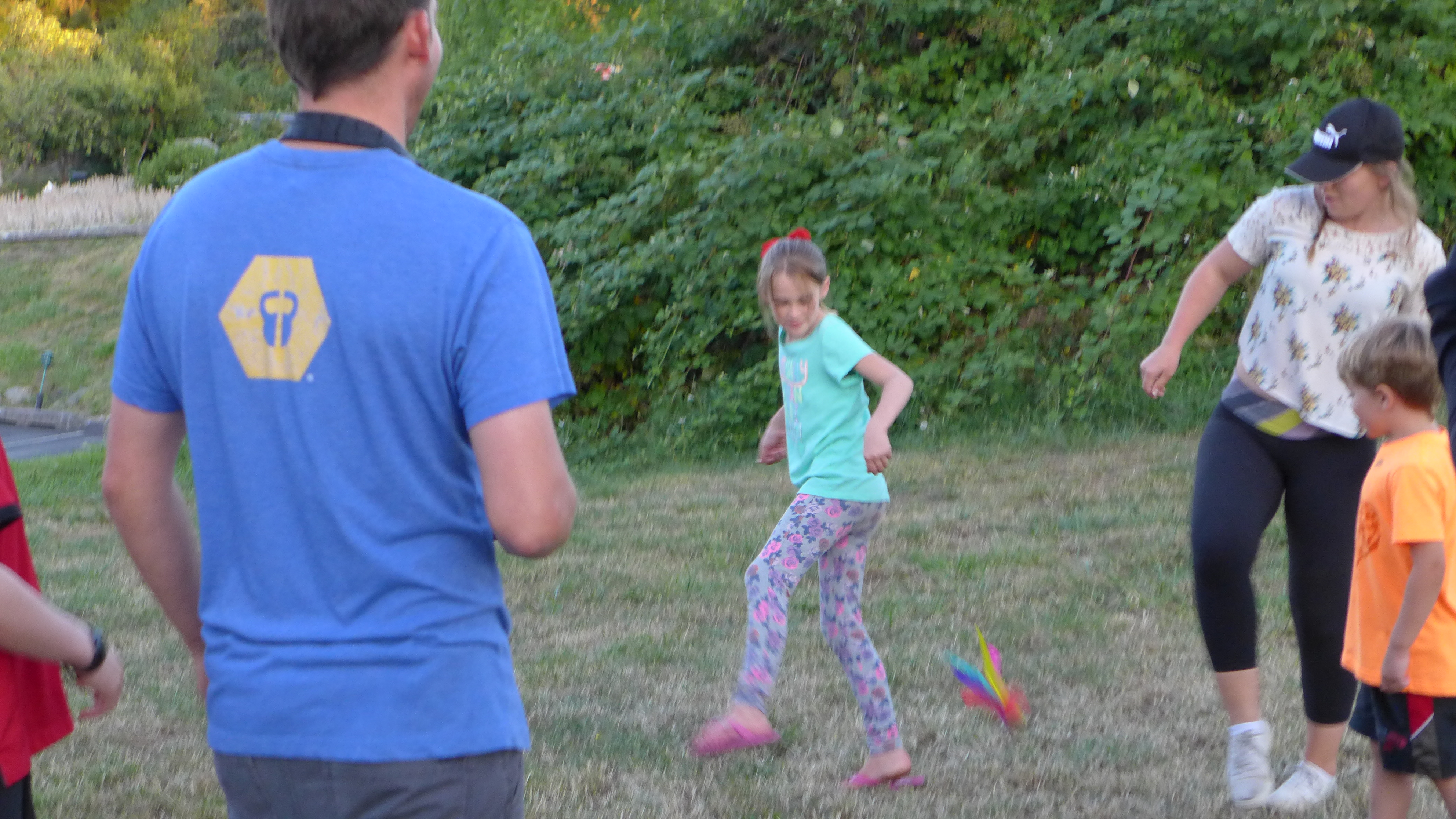
We had a blast eating mediterranean food, playing badminton, and jinzi.

Here are a few pictures from Caroline:

P1030318 P1030319 P1030322  P1030321

Finally, after we settled down, we watched an episode of The X-files and went to bed.
Rabbits and Earwigs

By Sara, Jaimie, Arielle, and Jake —

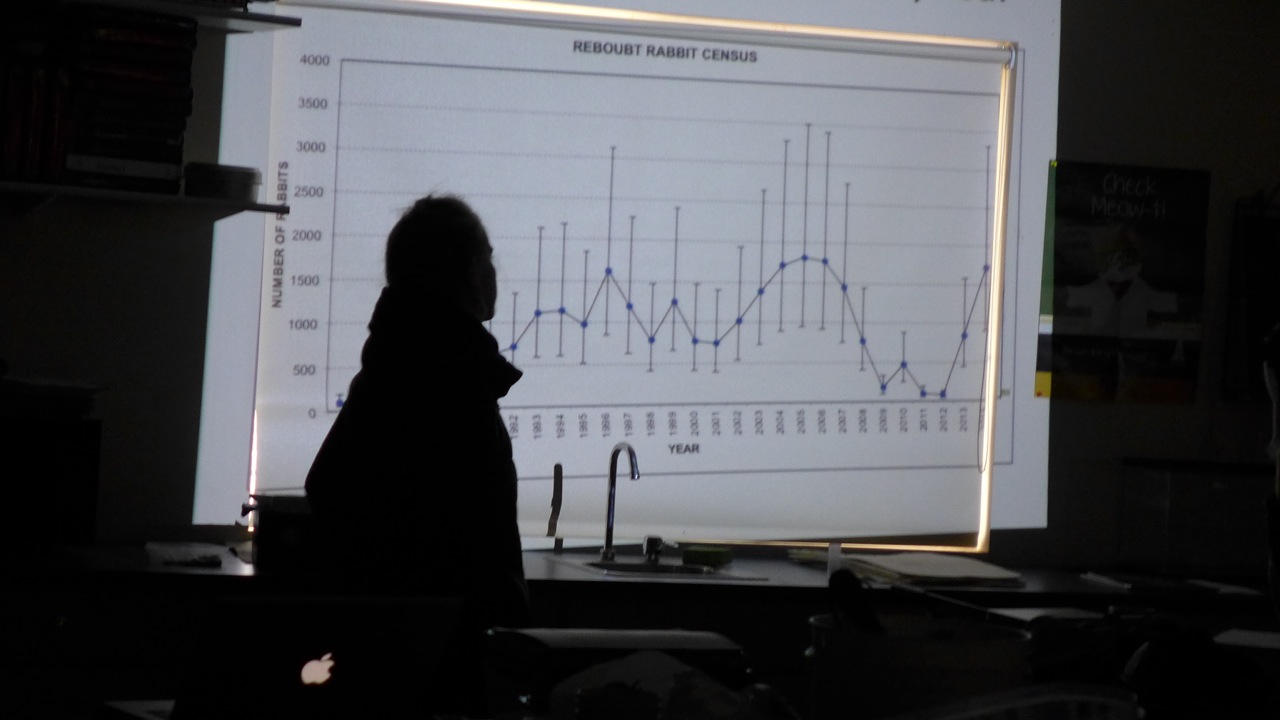
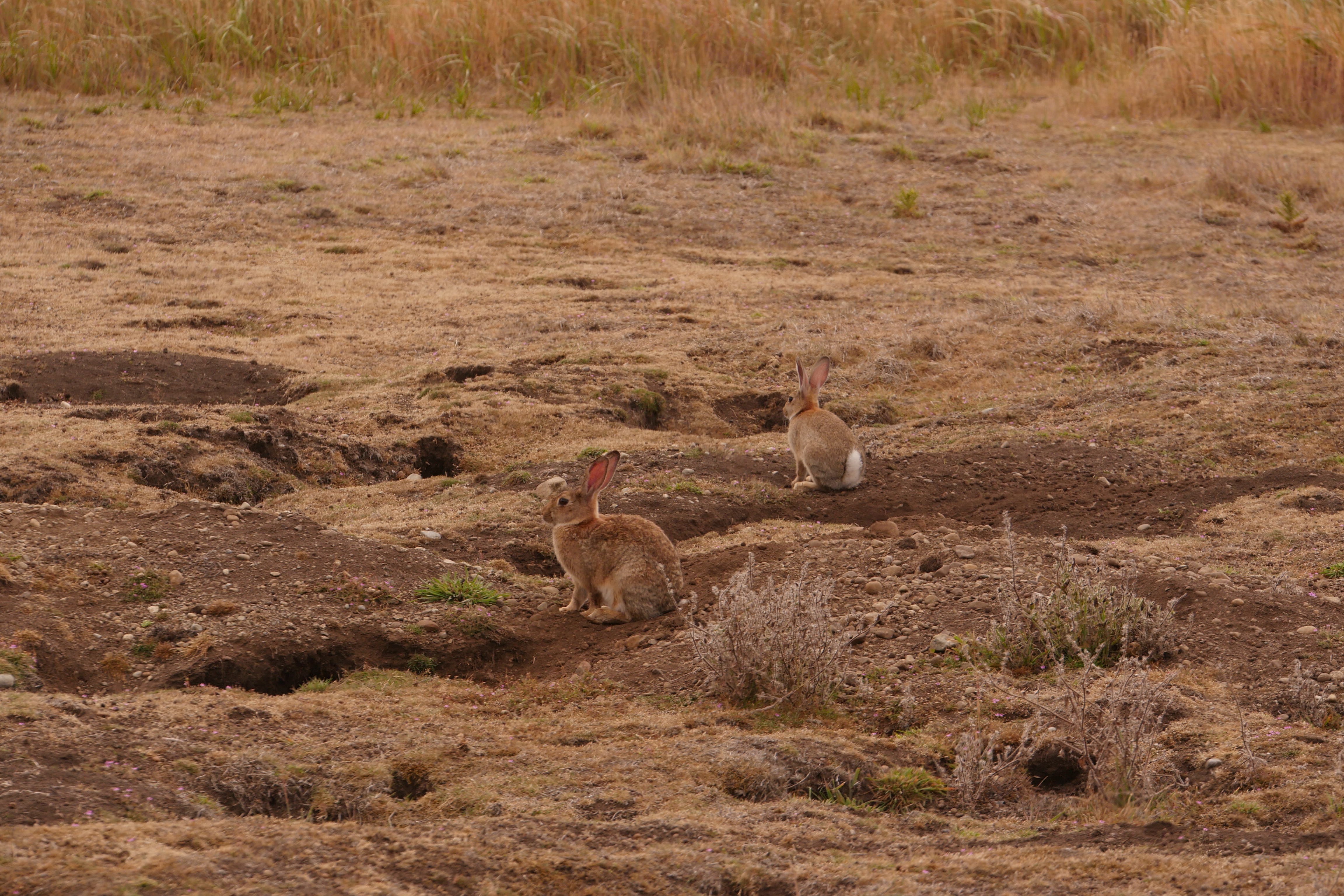
Today we woke up at 8:00am and got ready for the day. We started with breakfast which consisted of the normal: bagels, muffins, and cereal. After breakfast we went to the Spring Street International School’s science lab and learned about the invasive rabbits on the island from Beatrice Grauman-Boss.

P1020984

Photo by Tom Grauman

P6230630 seth

Photo by Seth Grant

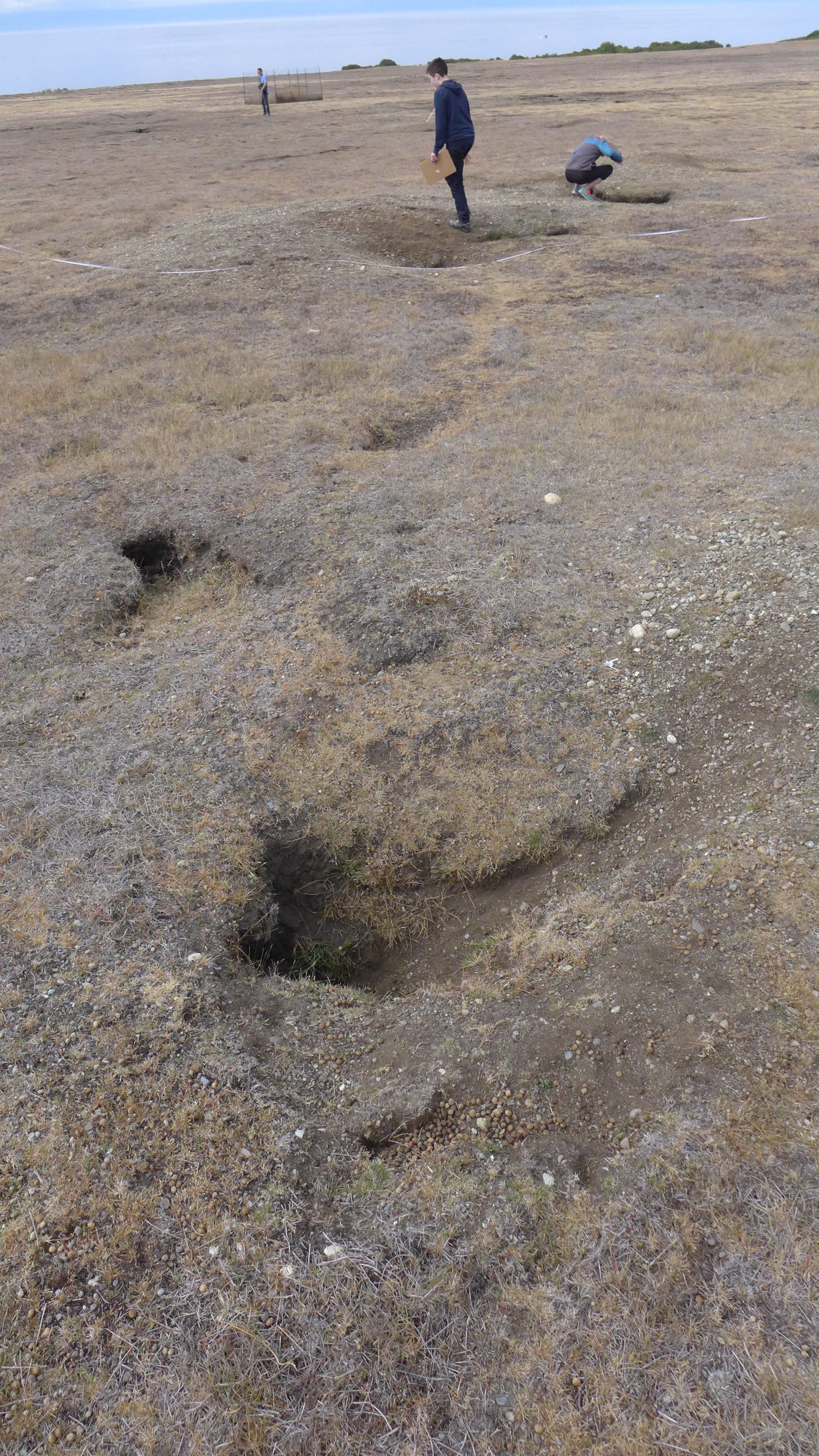
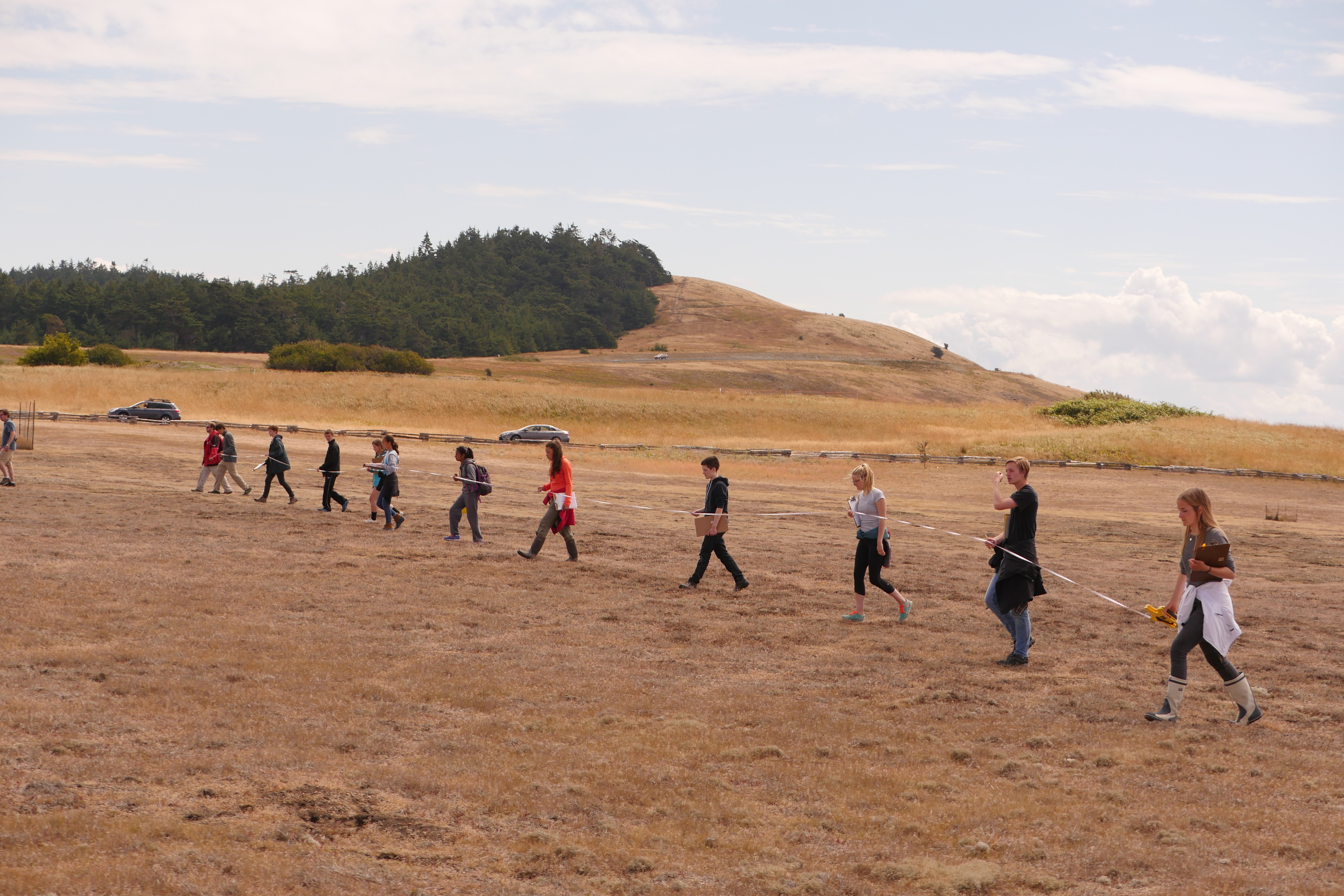
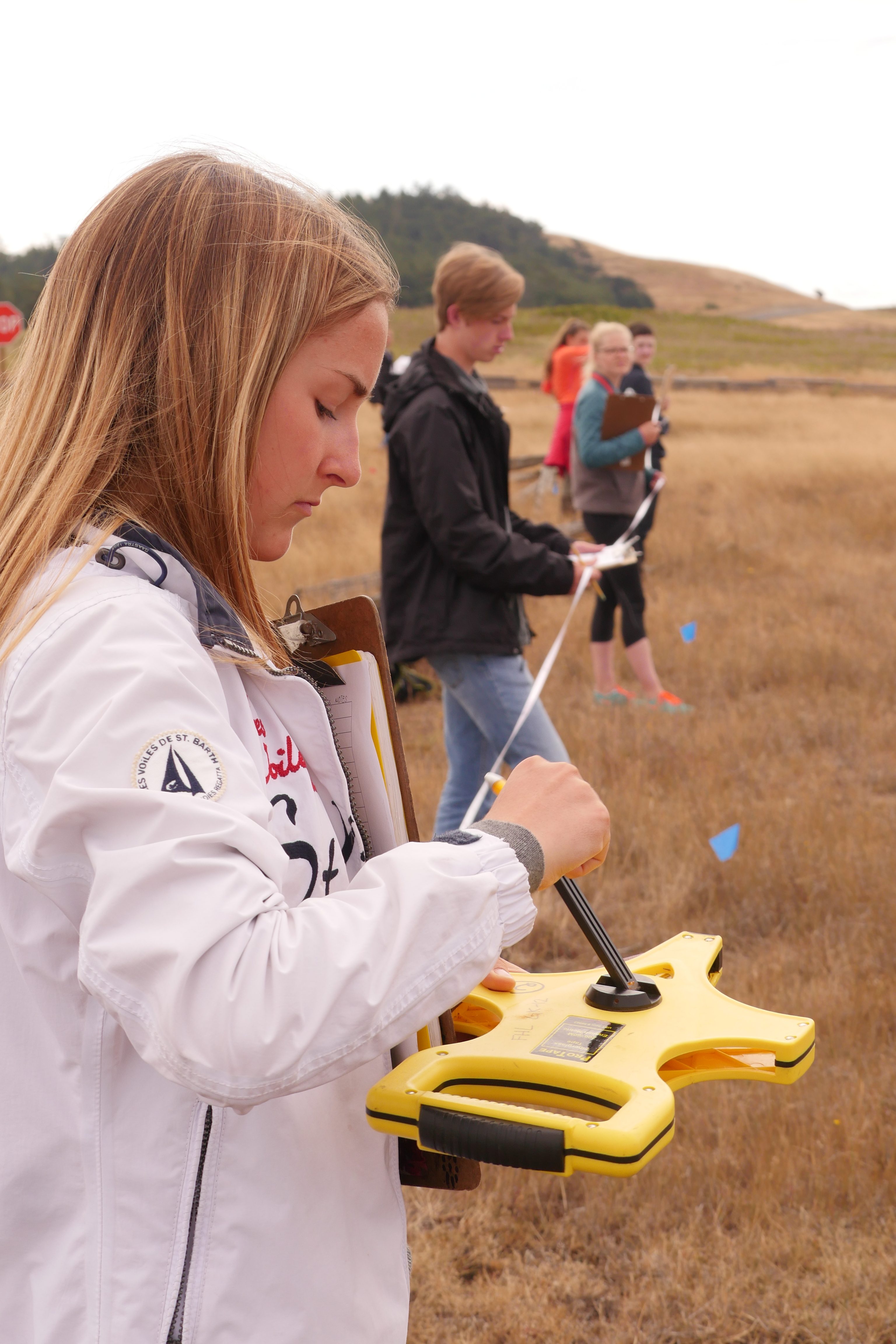
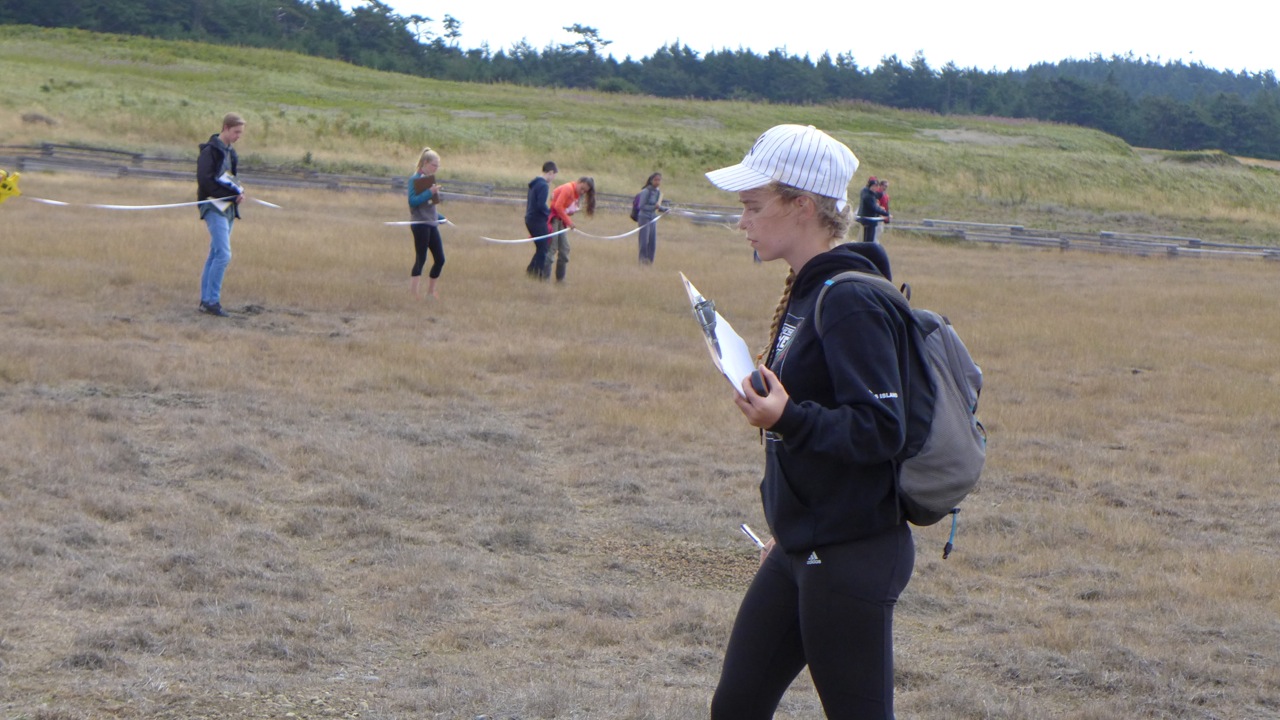
After learning about the rabbits, we got in the van and went to American Camp to survey the warrens and the number of active entrances.

P1030065

Photos by Tom Grauman

P1030046

We learned that there is about 1 rabbit for every sq. ft in American Camp.

P6240445 seth

Photos by Seth Grant

P6230915 seth

P1030079

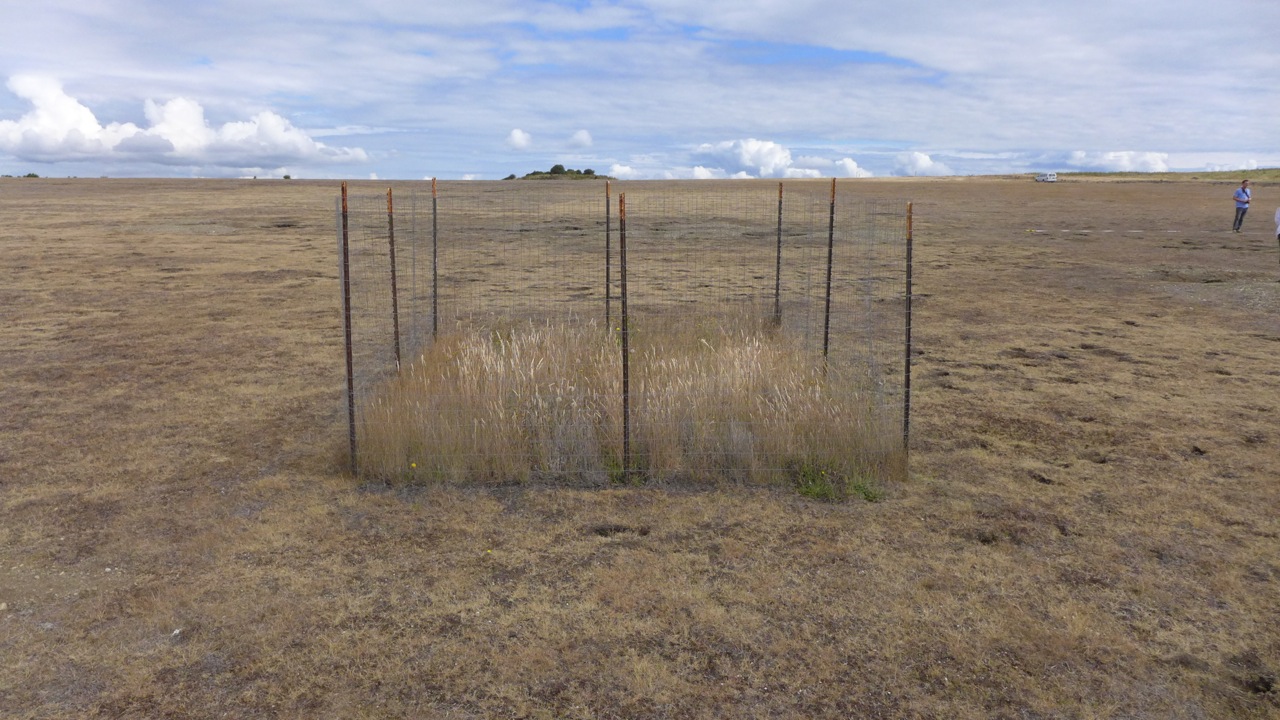
Photo by Tom Grauman — fenced area is (mostly) rabbit-free

We spent about 2 hours surveying the area and then returned to the dorms for lunch.

The survey with Beatrice was part of a longitudinal study on behalf of the US National Historical Parks Service.

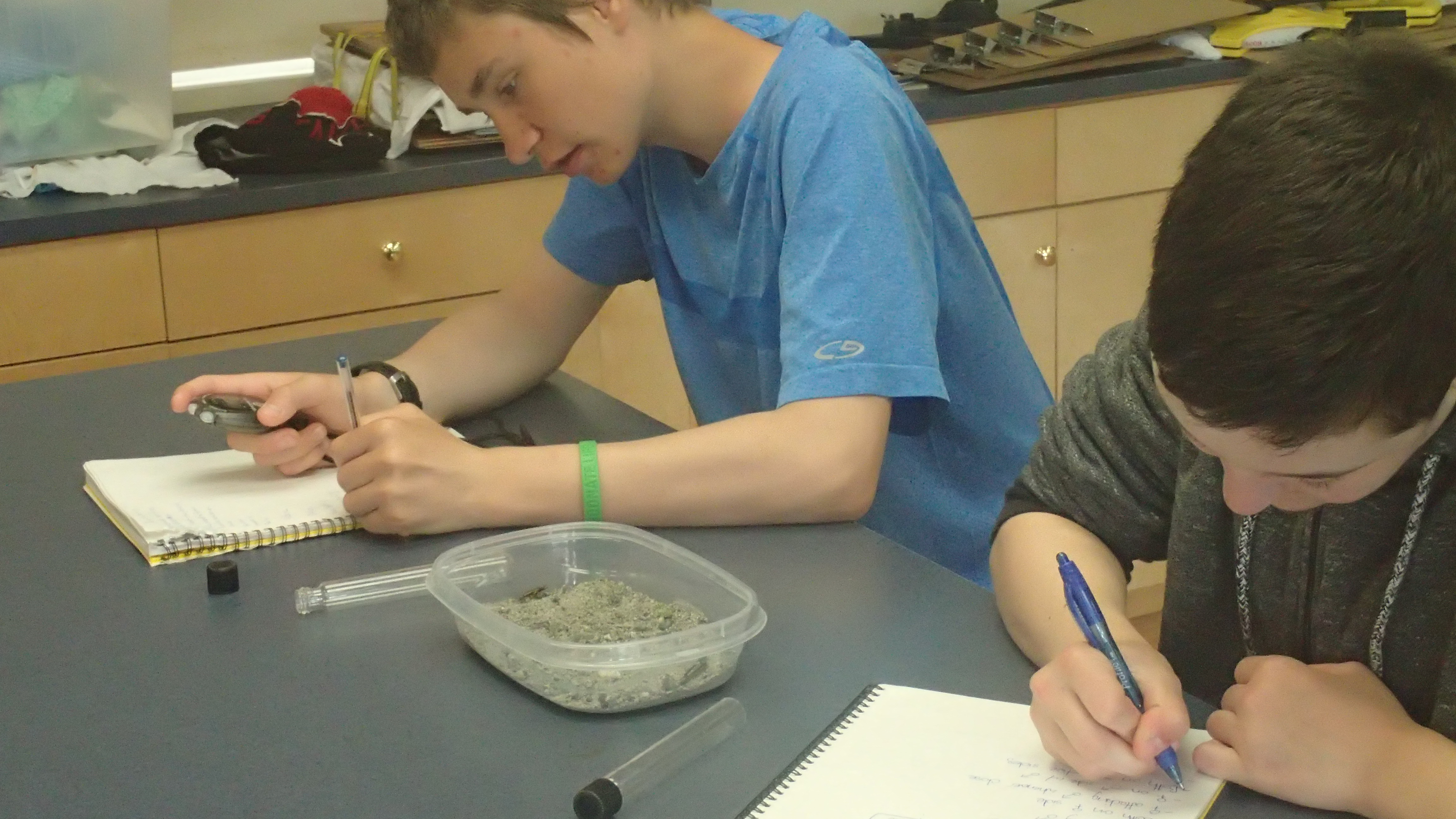
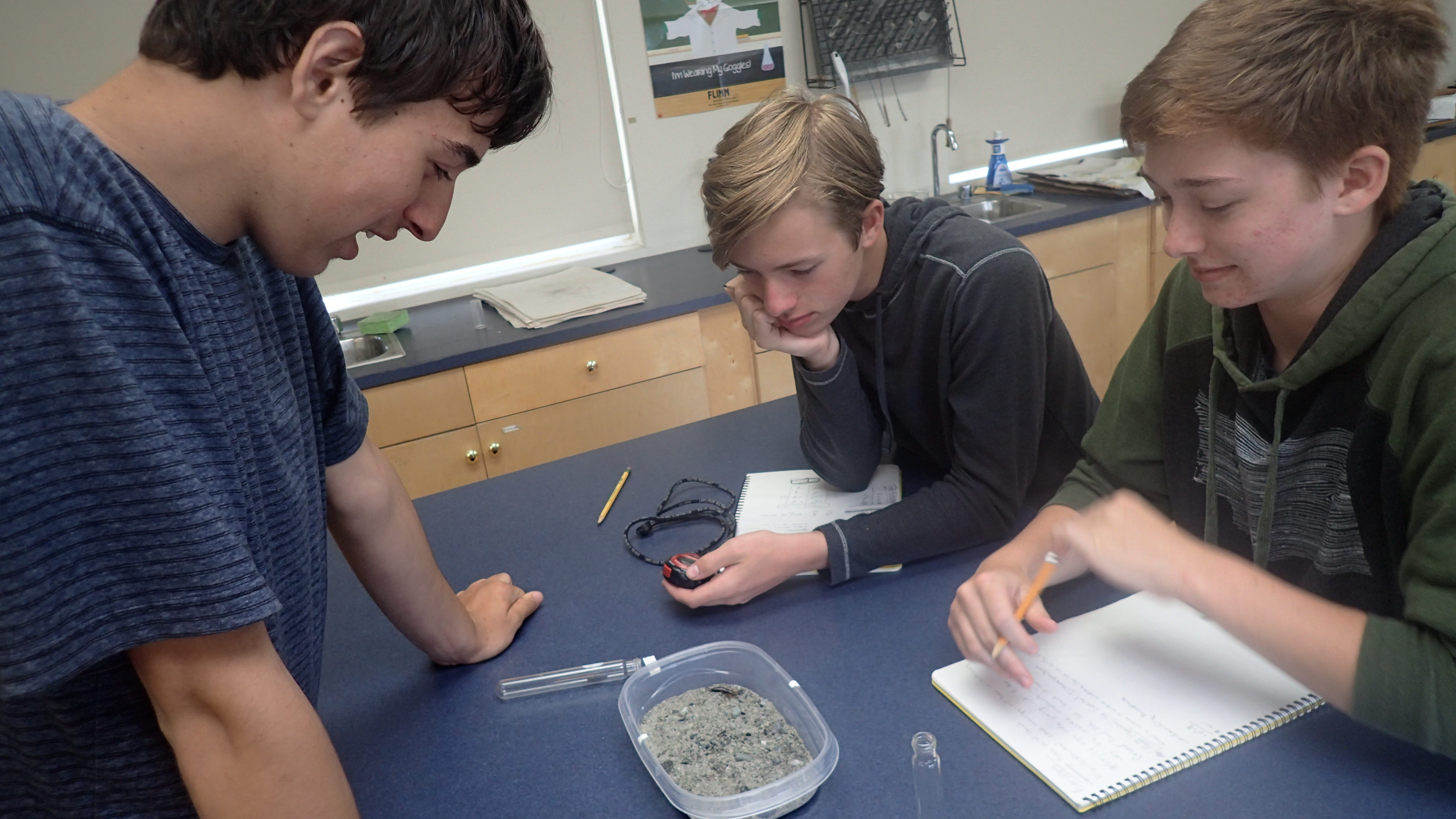
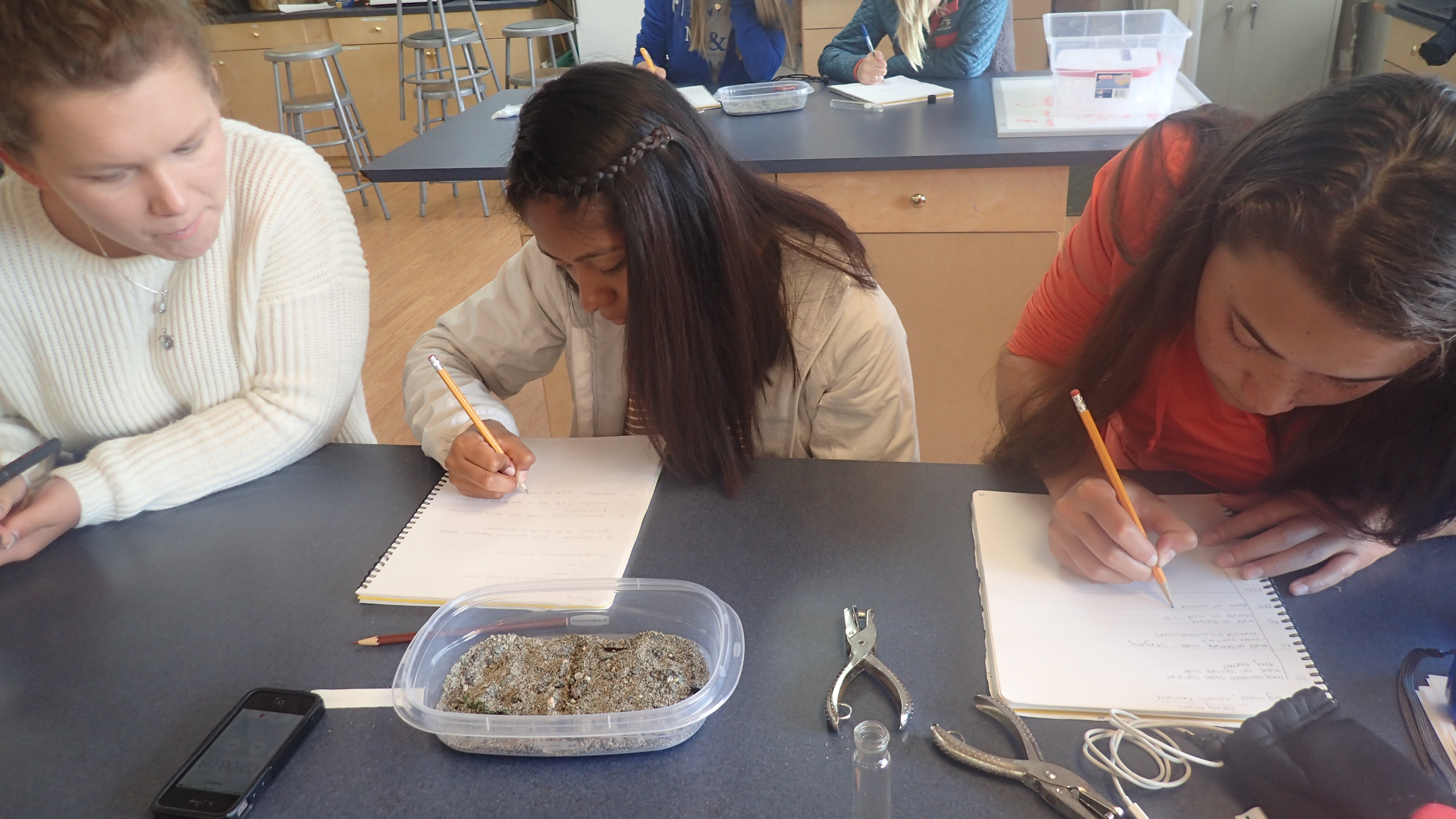
After lunch, we resumed our earwig trials in the science lab.

OLYMPUS DIGITAL CAMERA

The focus of our trials today, was to see how much time it takes for the earwigs to acclimatize to sample arenas (Tupperware filled with sand).

OLYMPUS DIGITAL CAMERA

OLYMPUS DIGITAL CAMERA

Once we finished with our trials, some of us went to return earwigs, while others began to work on dinner prep and blogs.

    Soon it was dinner time and we were joined by Jen Olson, the coordinator for the San Juan County Marine Stranding Network associated with the Whale Museum here in Friday Harbor as well as NOAA and the SeaDoc Society.

P6250691 seth

Photo by Seth Grant

The Stranding Network is a non-profit organization that researches and helps stranded marine mammals. After dinner, Jen gave a presentation about her work and informed us about the necropsy (animal autopsy) we are going to see tomorrow morning.

The Coolest Sandbox Ever Played In

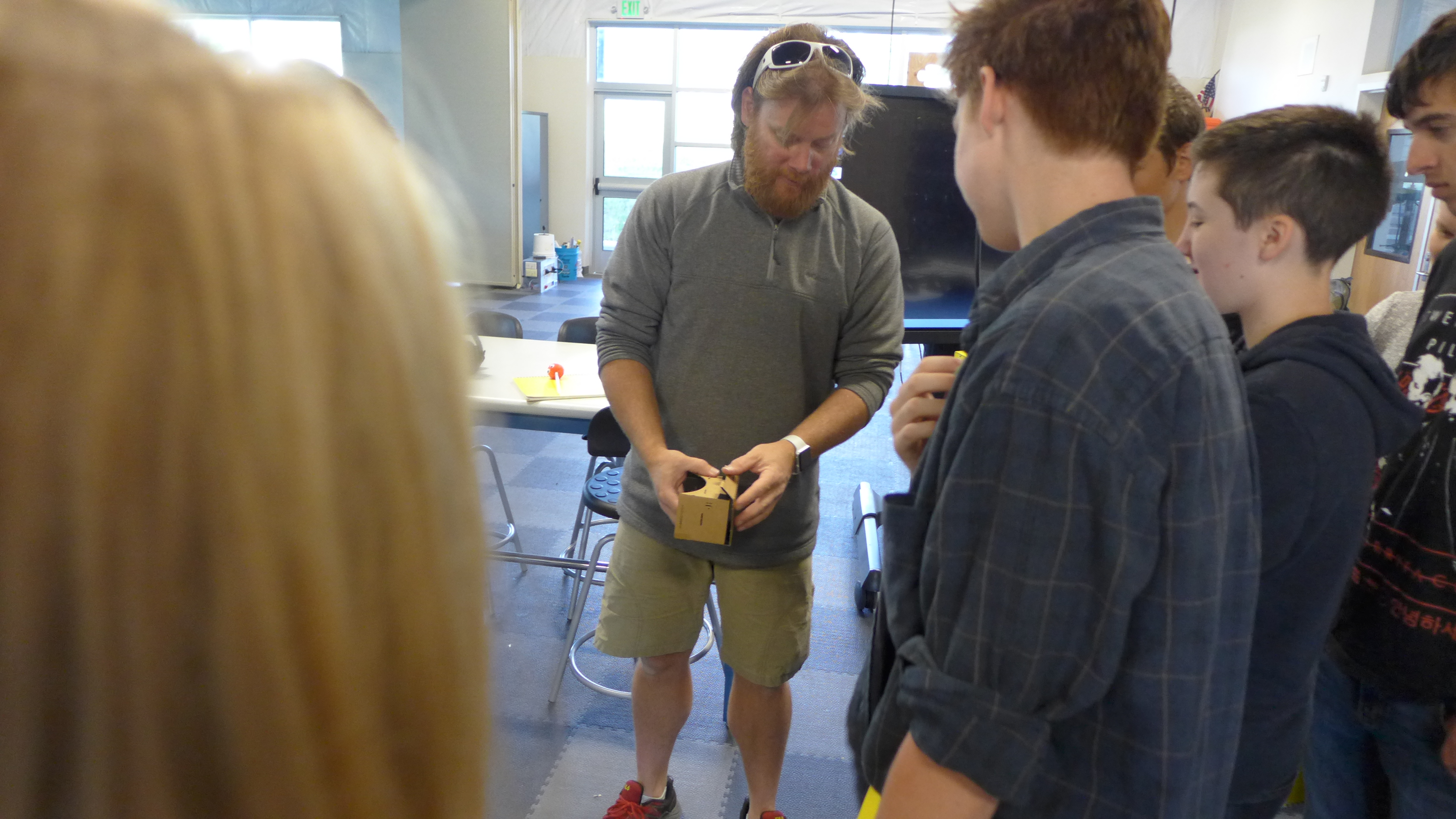
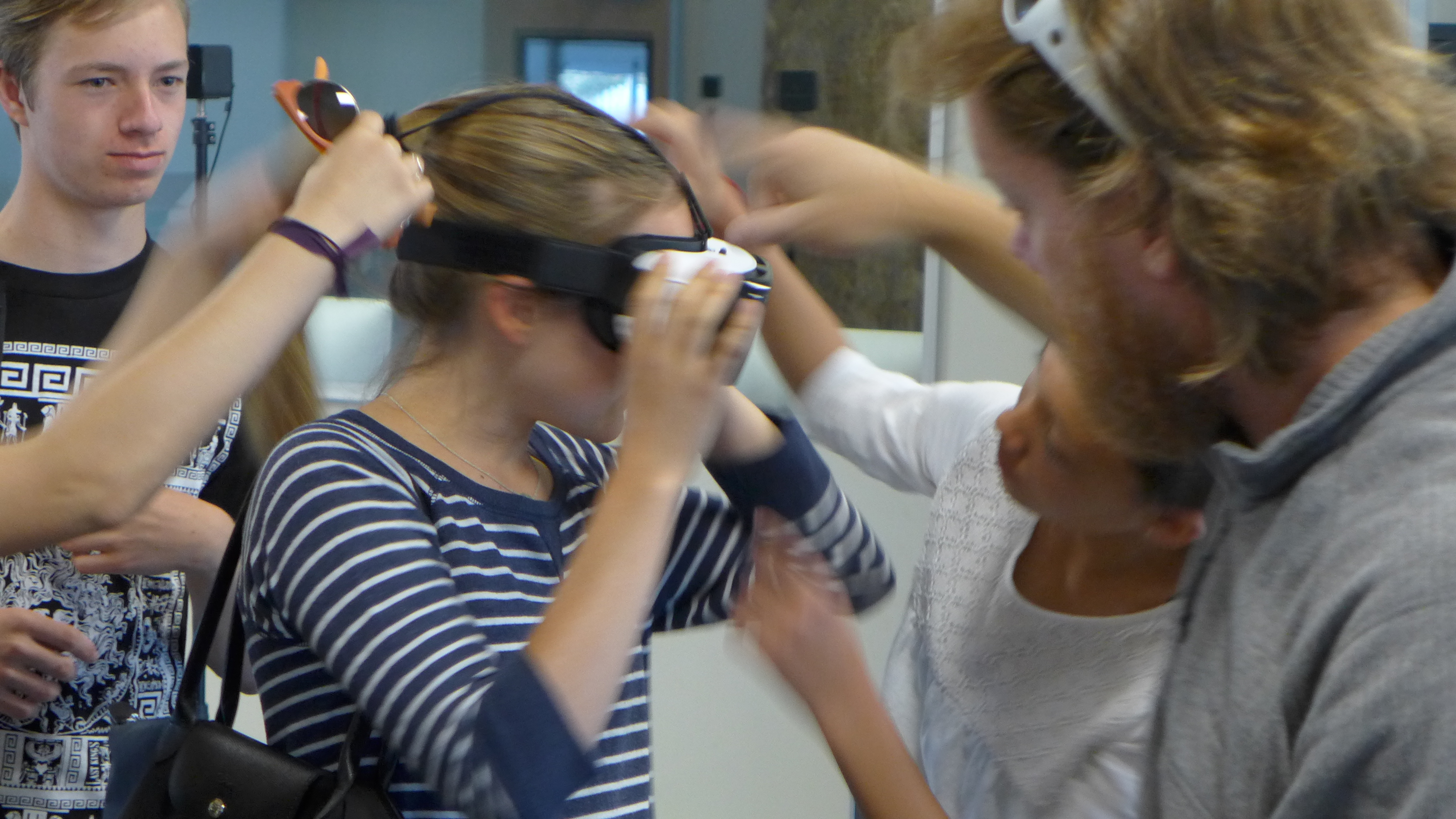
This morning, after getting a 7:45 wakeup call, we got ready and ate breakfast. After breakfast, we headed down to Friday Harbor High School Stem Lab. There, Derek Smith, whom we met earlier in the program, showed us the tools and inventions that he and his students work on and created, such as the 3D printer, virtual reality headset skateboards, & ROV.

P1020846

P1020830

Derek was very generous with the equipment and let us play around with our own 3D design for our earwig experiments.

P1020955

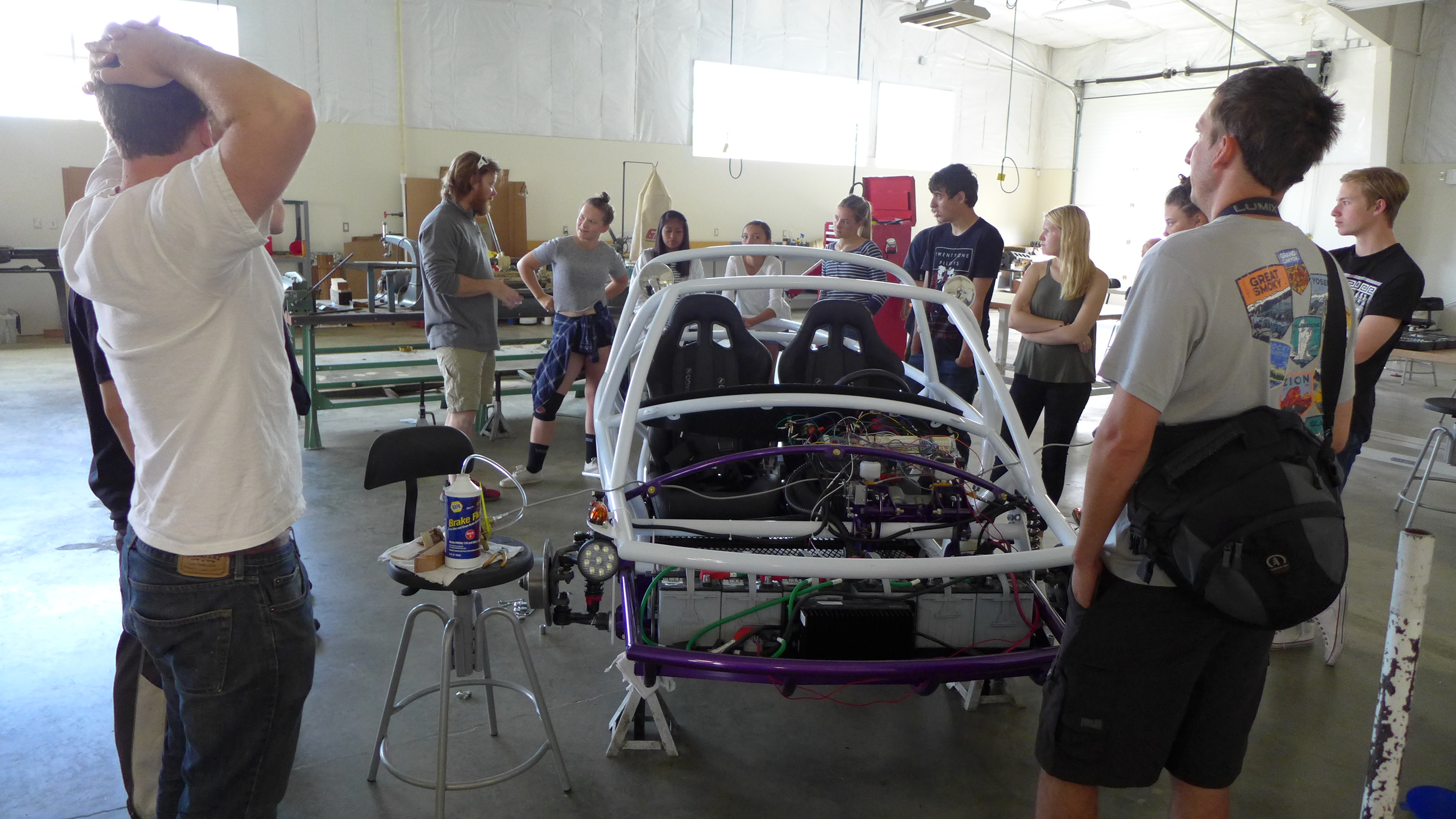
The one that amazed everybody the most was the electric car that his students worked on and mostly completed. Derek told us how proud he was of his students for doing something so amazing with hardly any help. He told us that it is almost 100% ready to be driven. The only problem he has encountered was the brakes. He is very excited to drive it.

P1020945

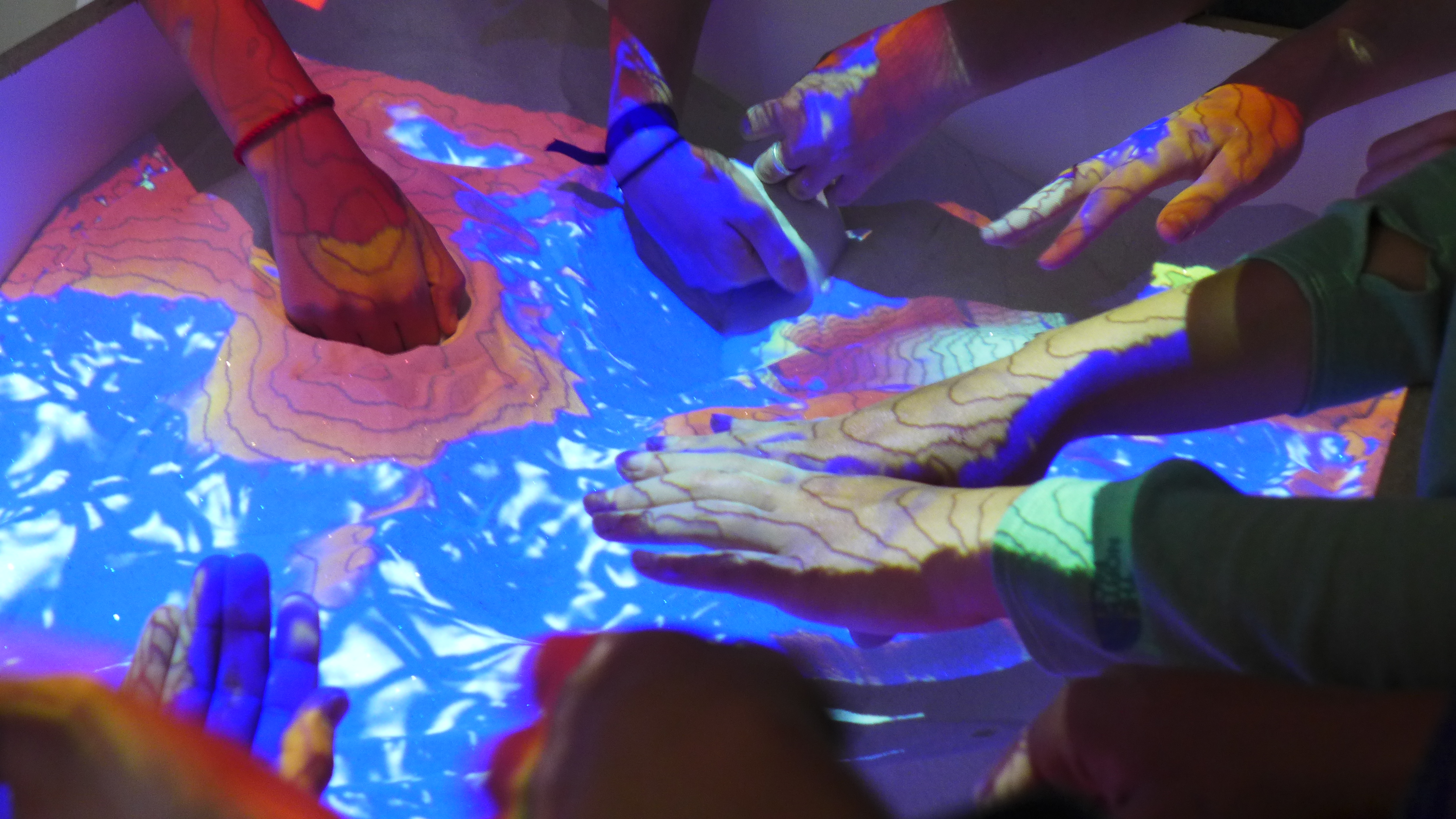
Another creation that he had in his class was the Augmented Reality Sandbox. When we first saw it we thought it was just an ordinary sandbox. We were all wrong once he told us what it can do. It can teach people simple earth science concepts—as you manipulate the sand you can see topographical details come out—you can even simulate rainy conditions!— but it can also be there just for fun. When we got a chance to play with it, we couldn’t leave it because it was just so much fun. 

P1020927

After visiting the Stem Lab, we headed back to our temporary home and we had lunch. During lunch we talked and played games. After lunch, we started to talk about our upcoming projects that we individually are going to do. We also reviewed some of the scientific vocabulary we have learned so far and met to discuss a New York Times article with the provocative title: There Is No Scientific Method.

Later we had exploration time, and some of us used the time to take a quick nap before dinner.

Make An Earwig Out of You!

By Jack, Lynn, and Peder —

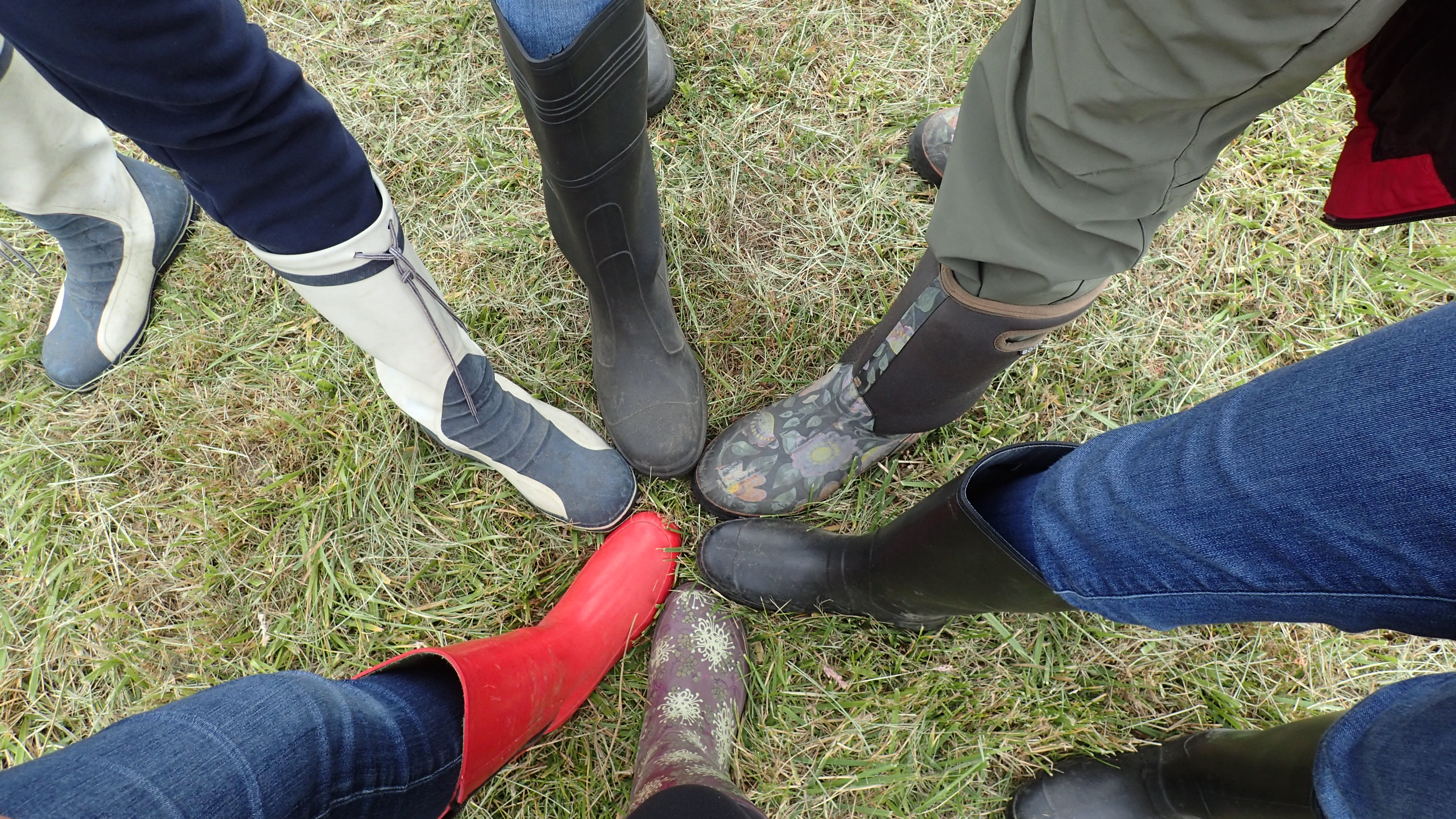
Today we woke up at the amazing time of 8 o’clock. We ate breakfast and grouped together in our silly boots and wind repellant clothes to head back out to False Bay. Last time we were at False Bay it was a long stretch of muddy ground. Today it looked like the dictionary definition of a bay. The name ‘False Bay’ finally made sense to us after seeing the two drastically different scenes in the same place.

Photos by Caroline Grauman-Boss

Next we began to scoop up earwigs in vials to be used in trials later.

OLYMPUS DIGITAL CAMERA

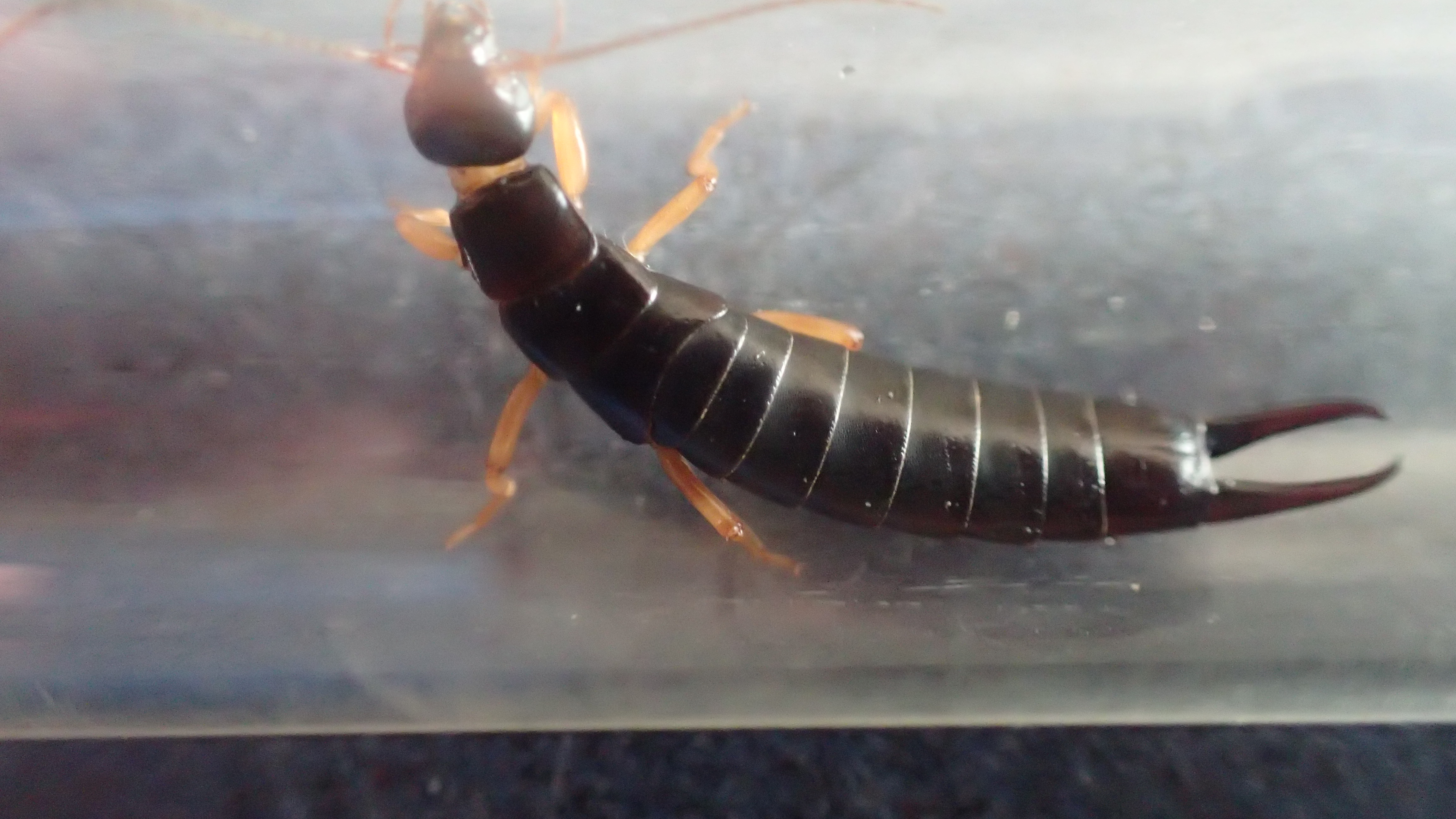
Male earwigs were scarce but we encountered many gigantic females.

OLYMPUS DIGITAL CAMERA

Next we headed back to the science lab to begin our trials with our new lab ‘rats’.

OLYMPUS DIGITAL CAMERA

Many trials were performed including testing of mate selection dependent on size or location.

In between the trials we snuck away to grab a late light lunch. Afterwards, we all headed out to exploration time. Indeya and Peder stayed for the Slip-and-Slide, while Lynn, Jack, and Jaimie went to get ice cream. The rest of us stayed and played cards and chatted.

Later, we had dinner with Susan Middleton the author and photographer for the book Spineless.

P6220618

Photos by Seth Grant

P6220765

Amazing techniques and stories of her photography and journey were shared over and amazing bowl of chili.

P6220745

Finally, we settled down to watch Mulan, which was heavily anticipated. After singing along to all the wonderful songs, we headed off to bed.
Singing Our Hearts Out

By Sara, Jaimie, Arielle, and Jake —

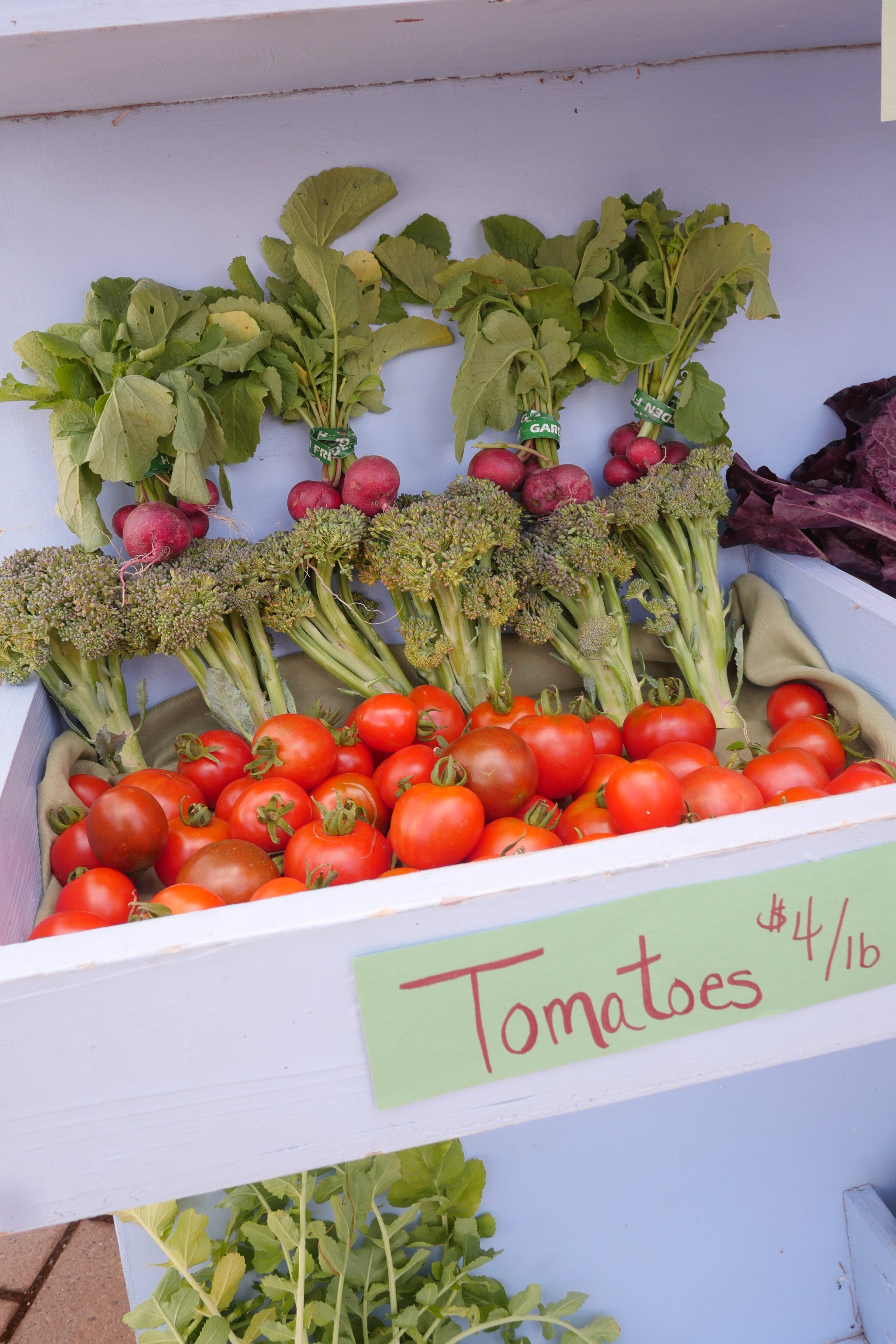
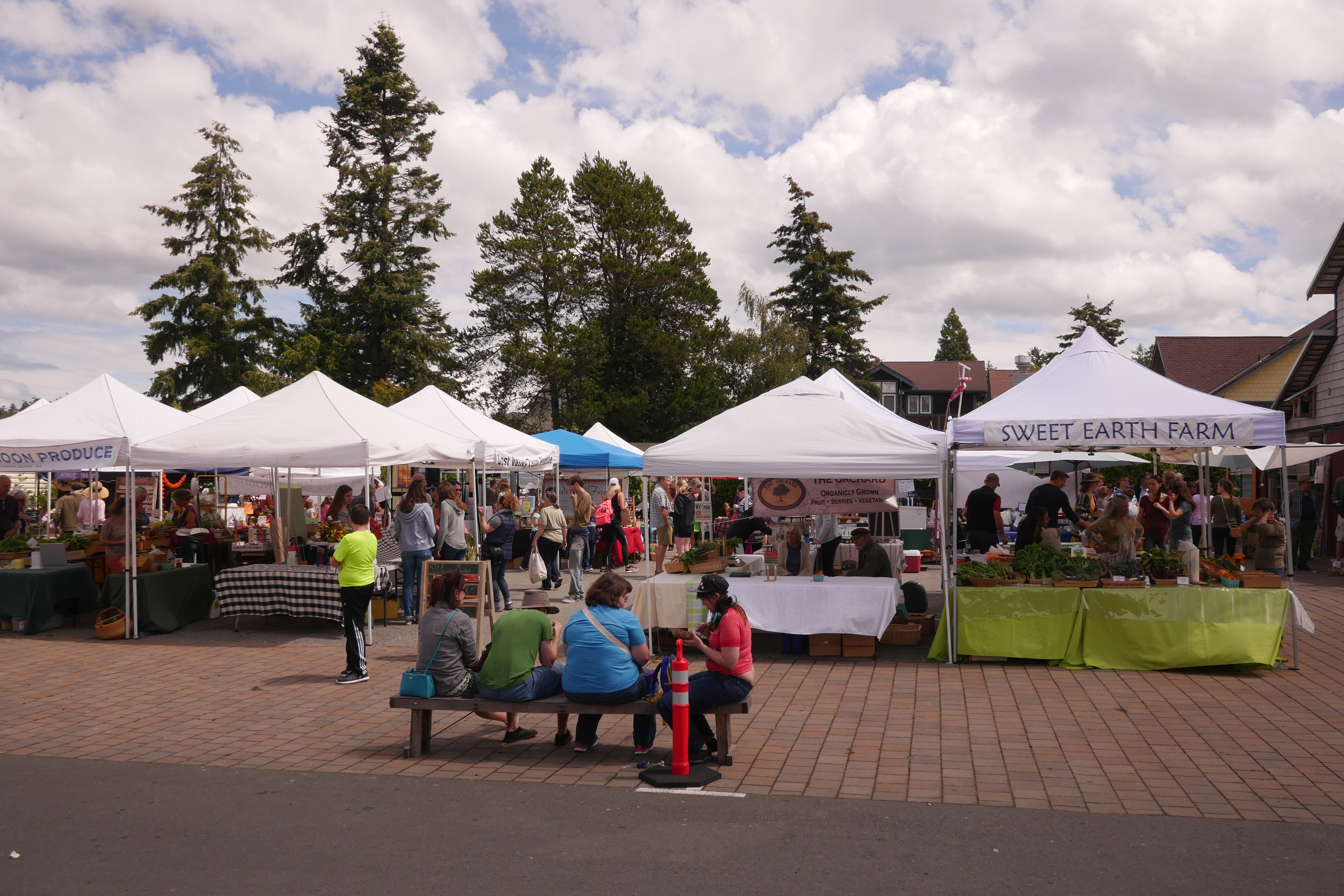
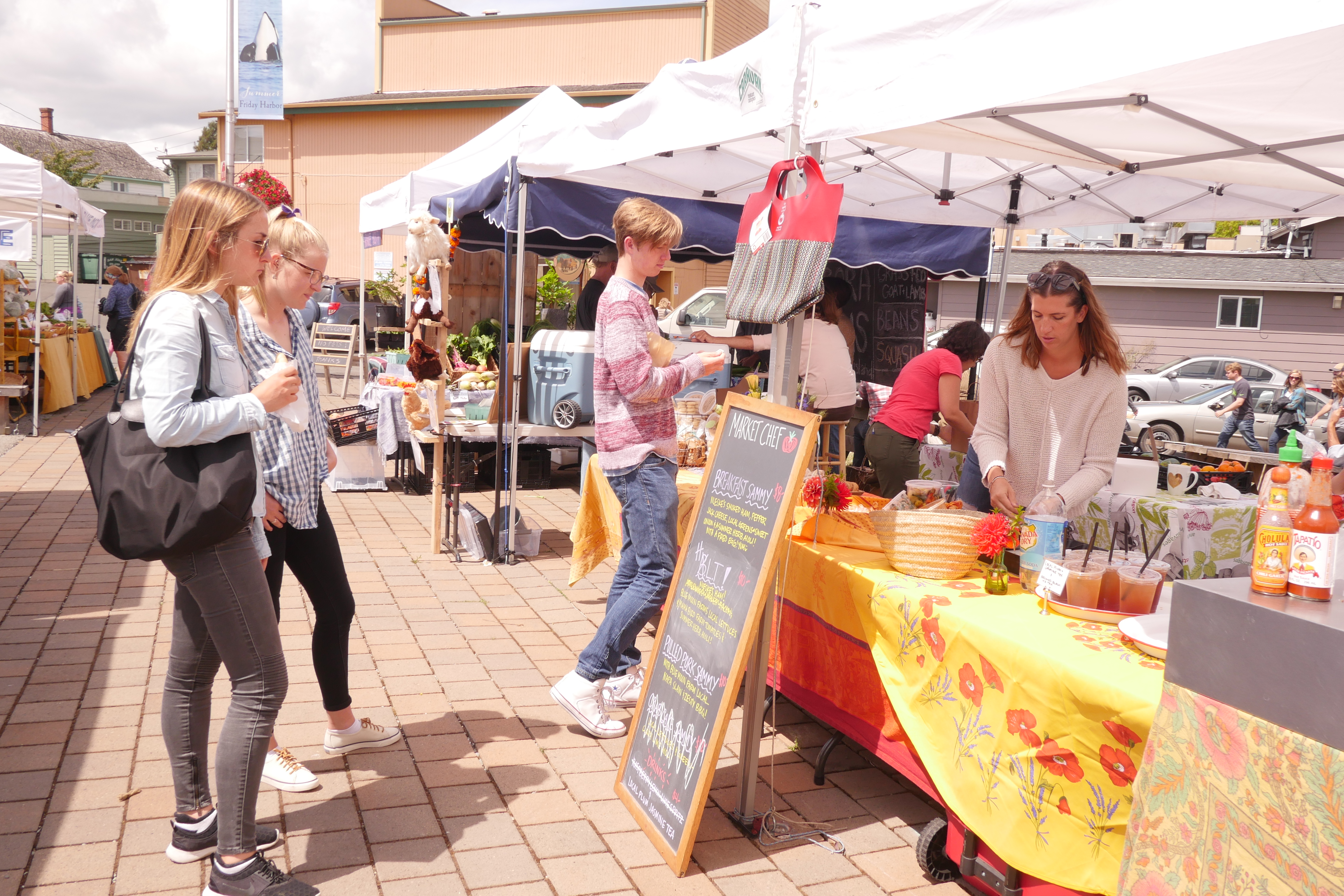
This morning we woke at8:30 am for our normal breakfast. Once we finished eating, we wrote our blogs from the longboat trip and sorted through pictures. We then went to the local farmer’s market where we encountered many stands selling fresh produce and handmade goods.

Photos by Seth Grant

P6210685          P6210645

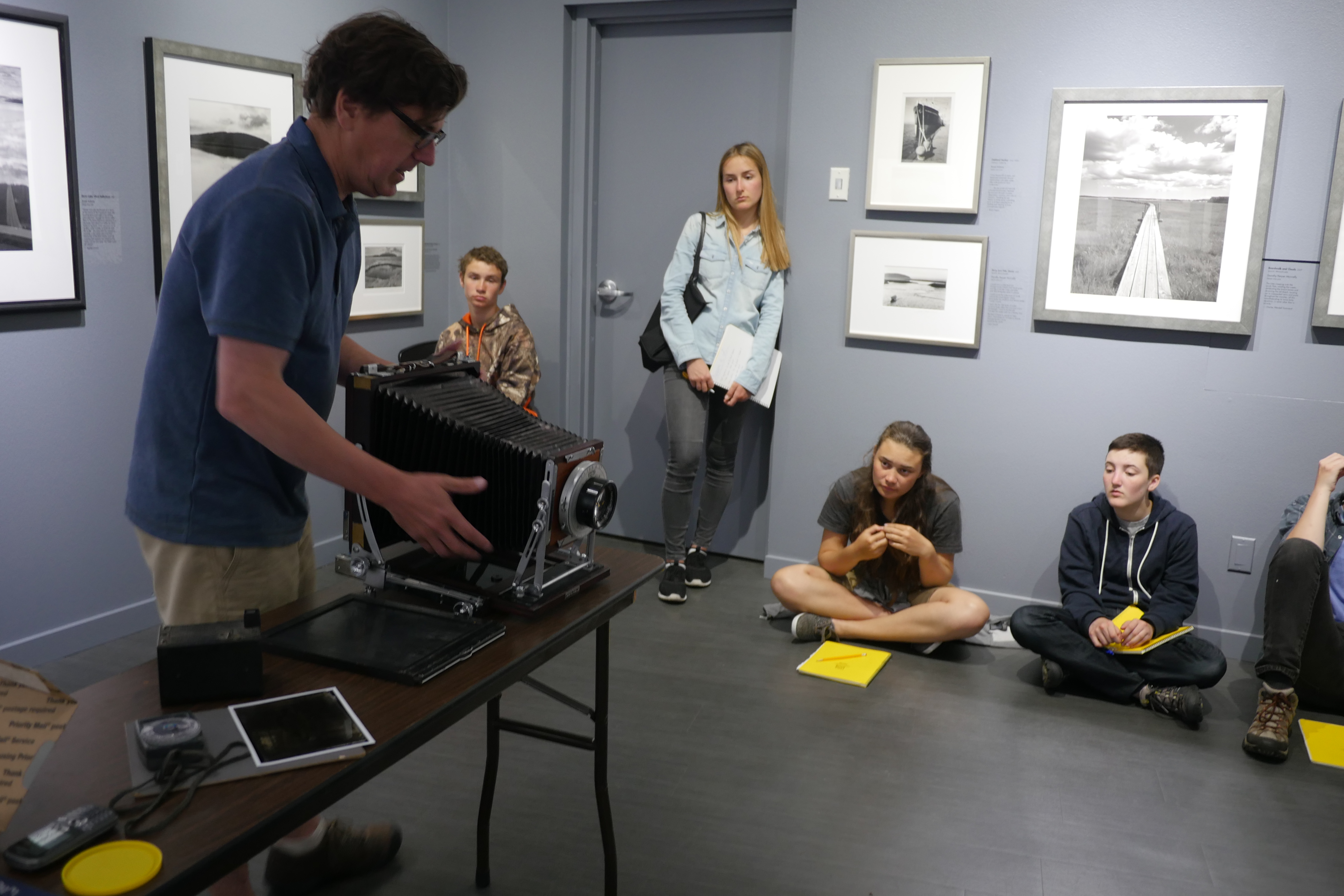
After an hour at the farmers market, we walked back to the dorm for a quick break. Afterwards, we walked to the San Juan Island Museum of Art where we looked at pictures by Ansel Adams, Ernest H. Brooks II, and Dorothy Kerper Monnelly.

Tom, our media consultant, gave us quick lesson on the camera that these photographers use(d). For instance, the brownie camera that Ansel Adams first used. After our lesson from Tom, we had time to browse the museum some more before returning to the dorm.
P6210717

Back at the dorm, we had a debriefing about the longboat trip, where we talked about what we liked and didn’t like about the trip. We then did a self-evaluation of our team skills. After this time of debriefing, some of us helped prepare dinner, while others had time to explore the town and play board games. For dinner, we enjoyed some burritos as well as ice cream for dessert.

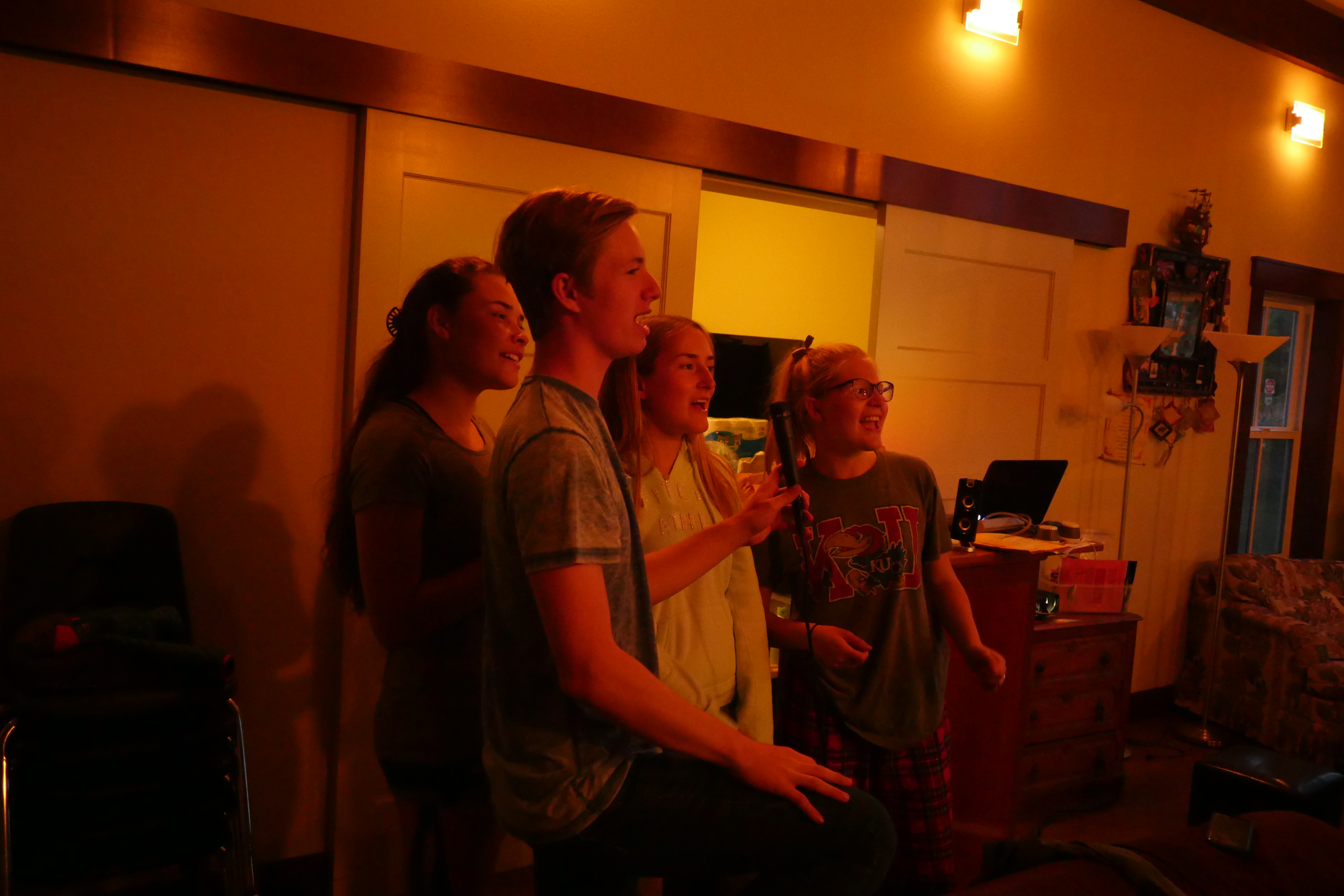
Following dinner, we played a game called ‘Song Wars’ and then the evening resulted in us singing karaoke. The songs selected consisted entirely of Disney soundtracks.

P6220025

Night Lighting at Friday Harbor Labs

By Arielle —

Yesterday we spent the day mostly relaxing after our exhausting longboat experience. However late last night we all had an experience I don’t think any of us will ever forget.

Photos by Seth Grant

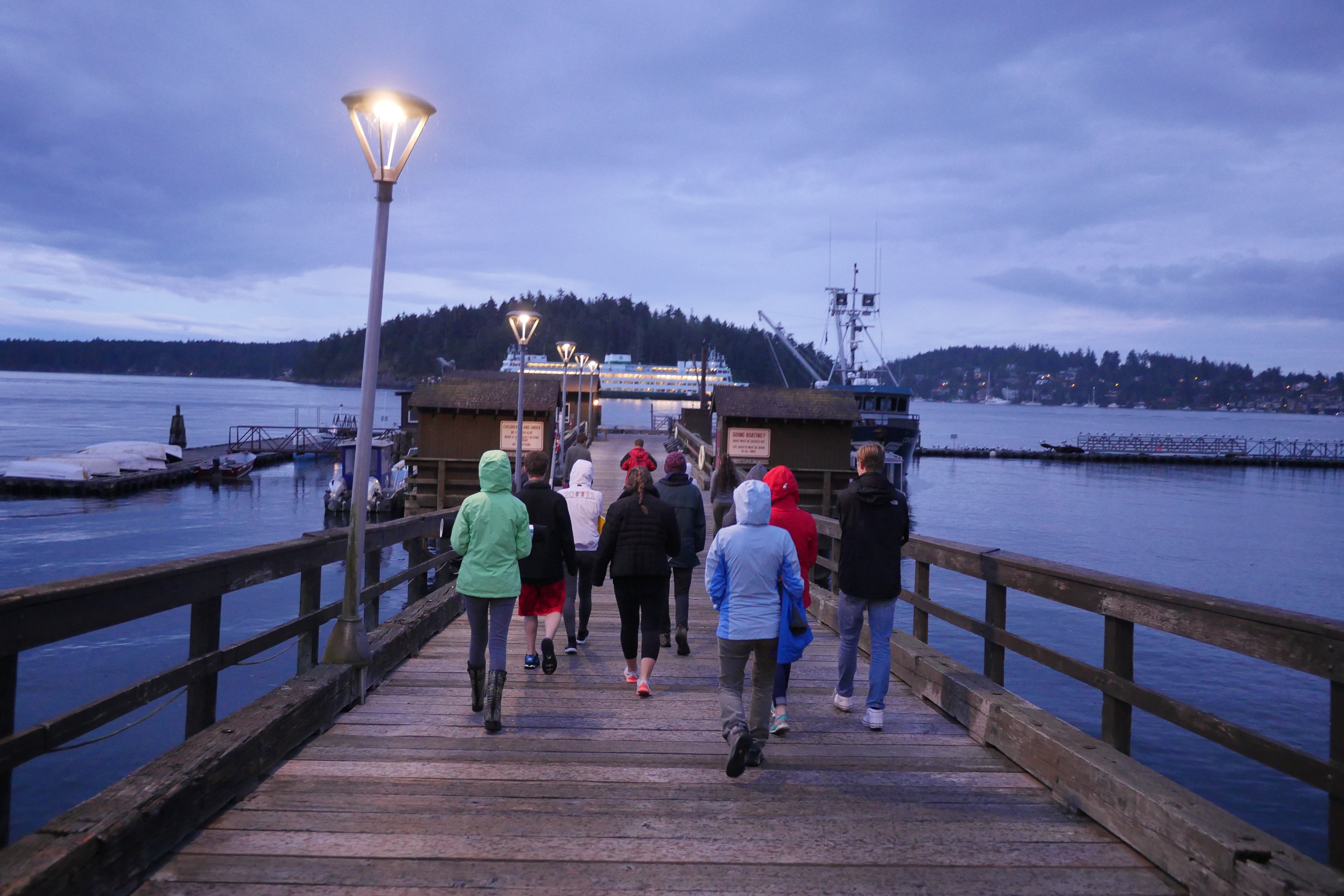
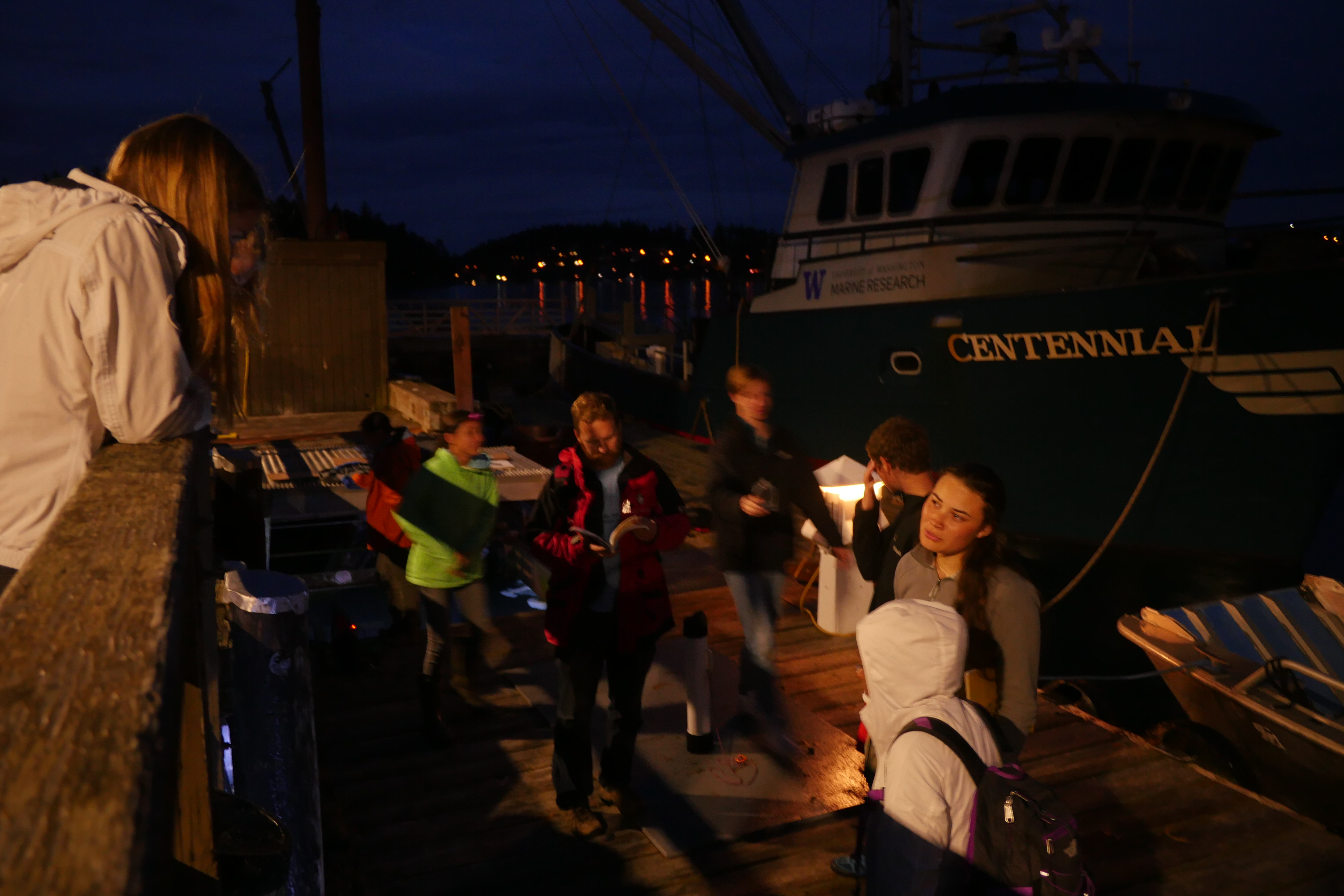
When it was just getting dark we headed down to the Friday Harbor Lab docks with two large waterproof lights.

P6210013 P6210016

DSCN0907

P6210140


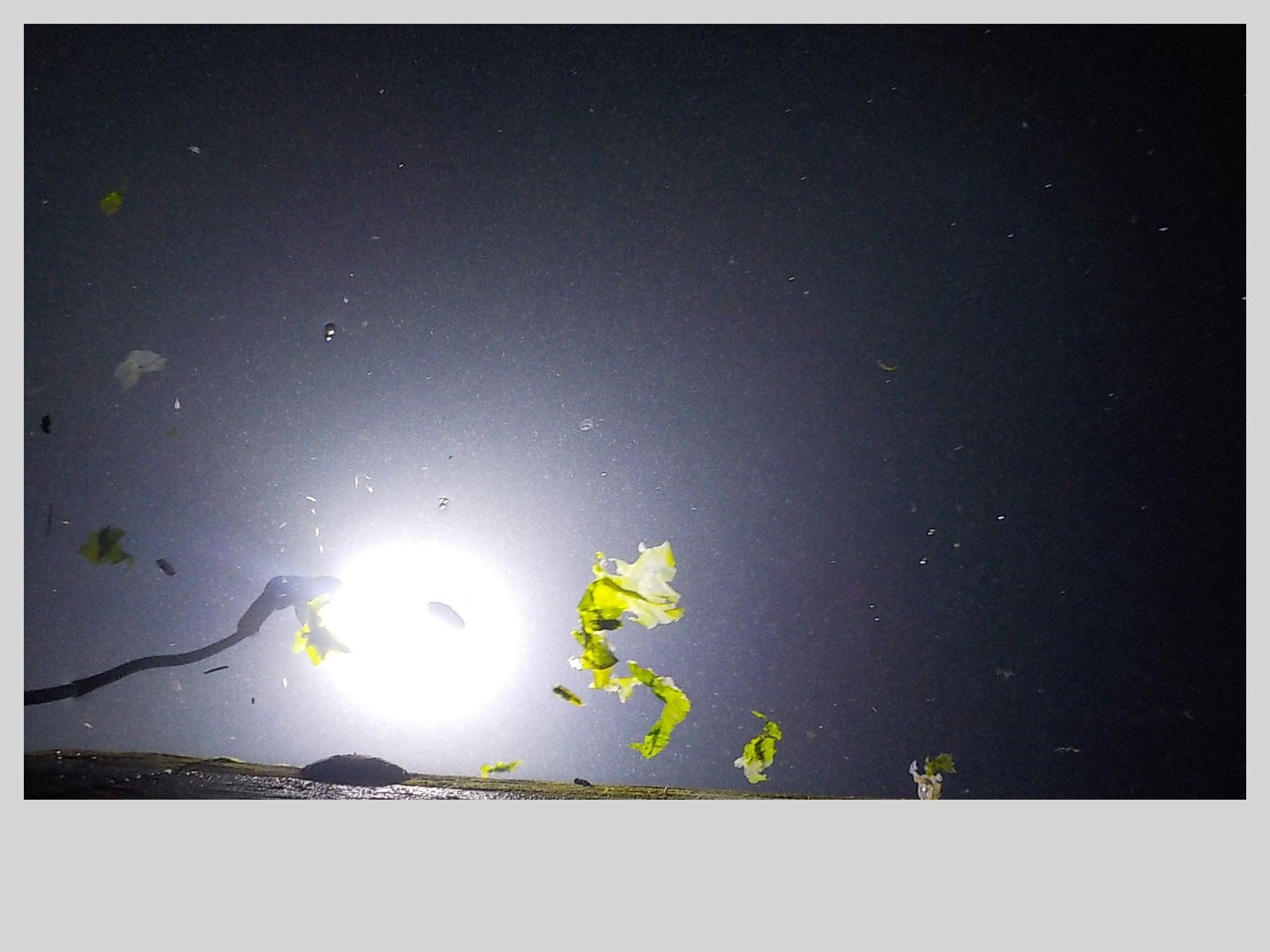
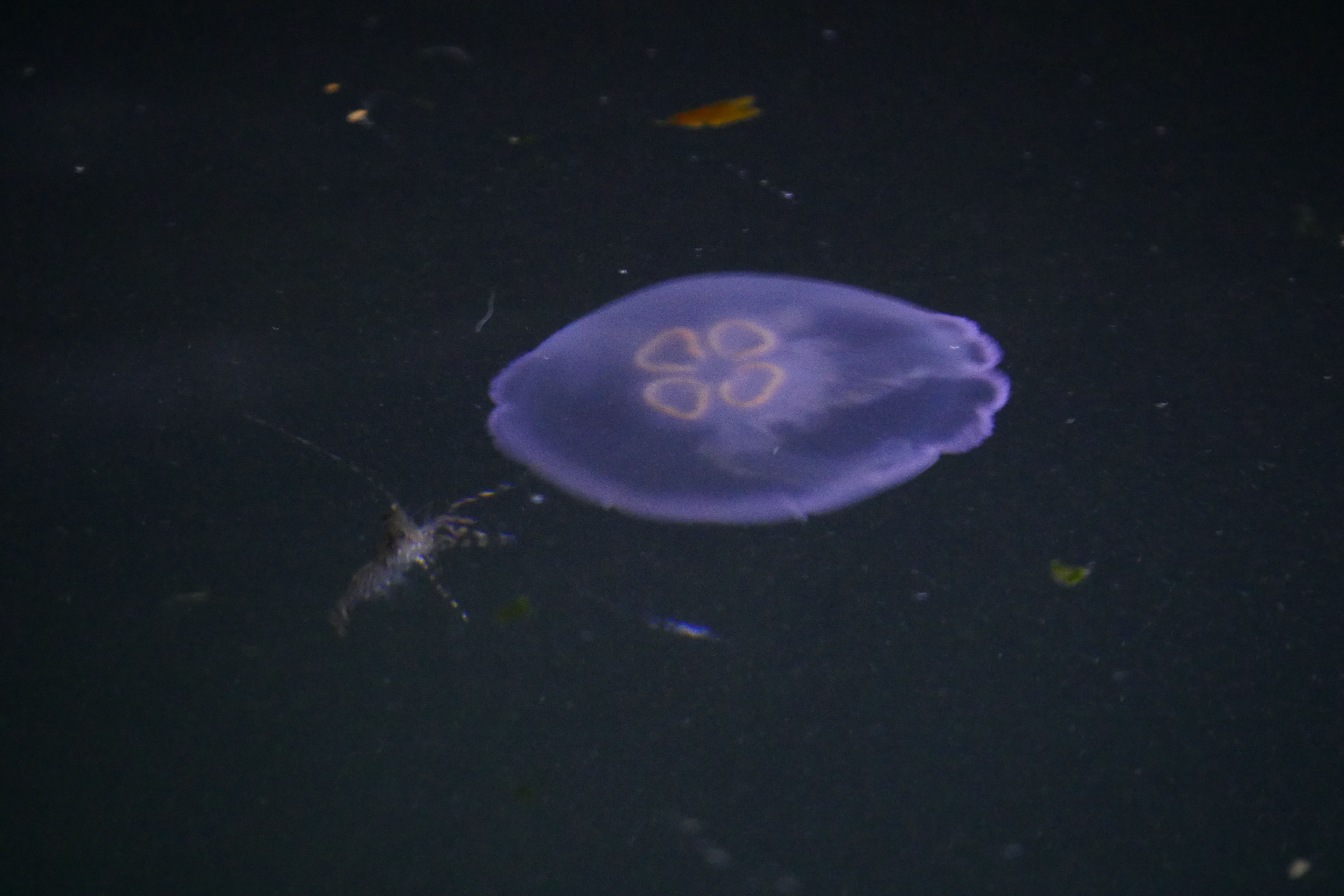
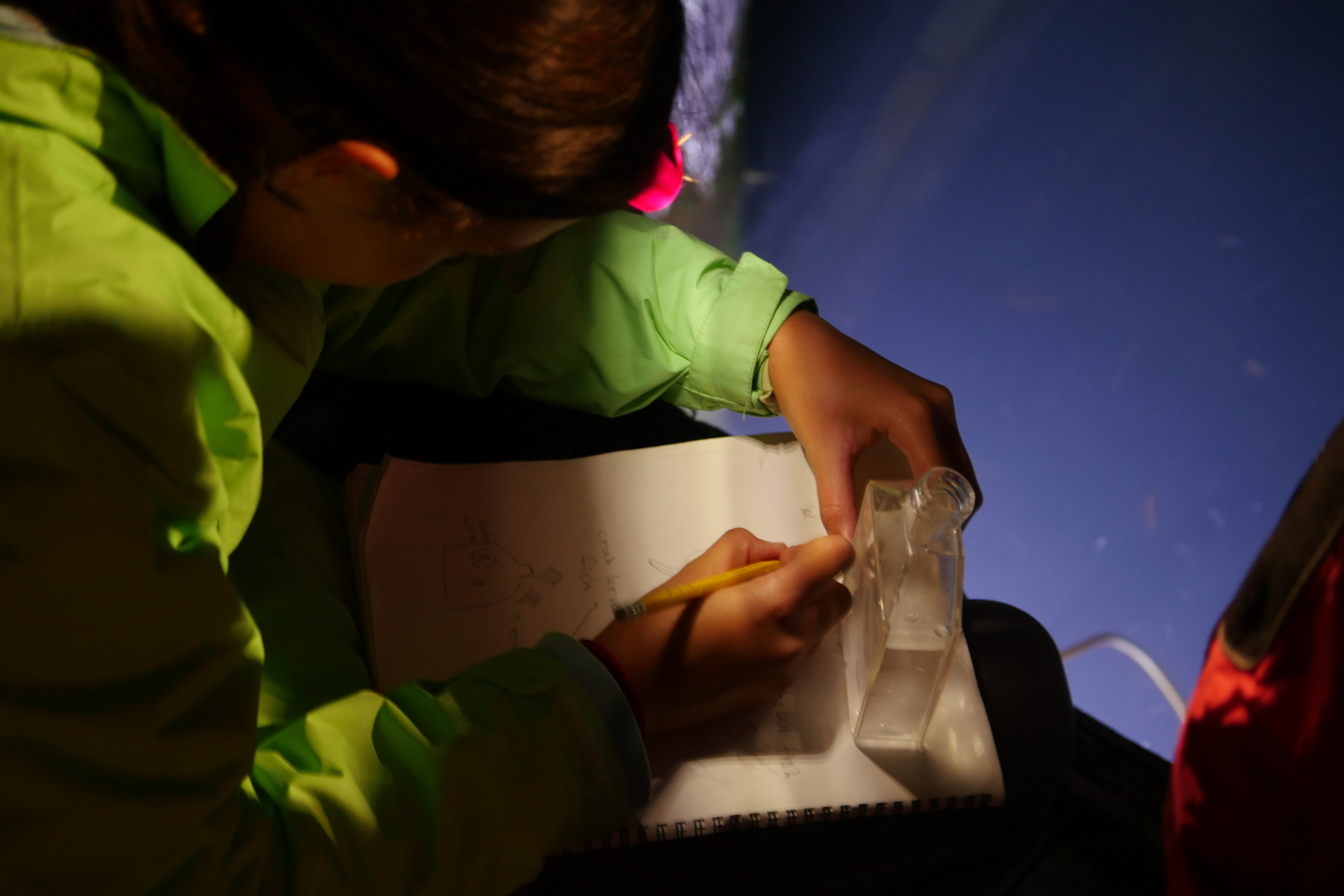
We then dropped the lights about a foot into the water and sat back and watched as the sea just about came to life right before our eyes.

P6210076

P6210045

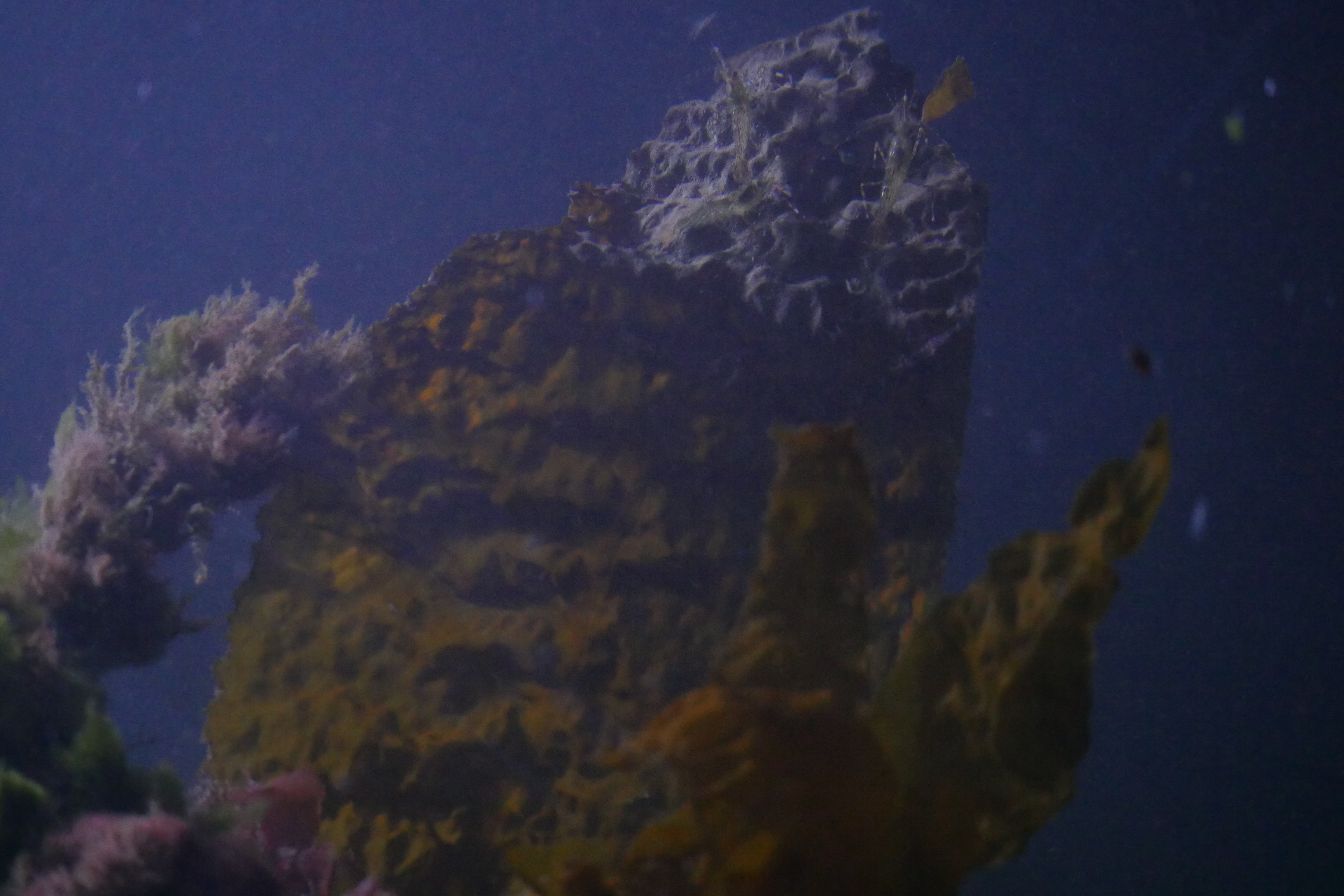
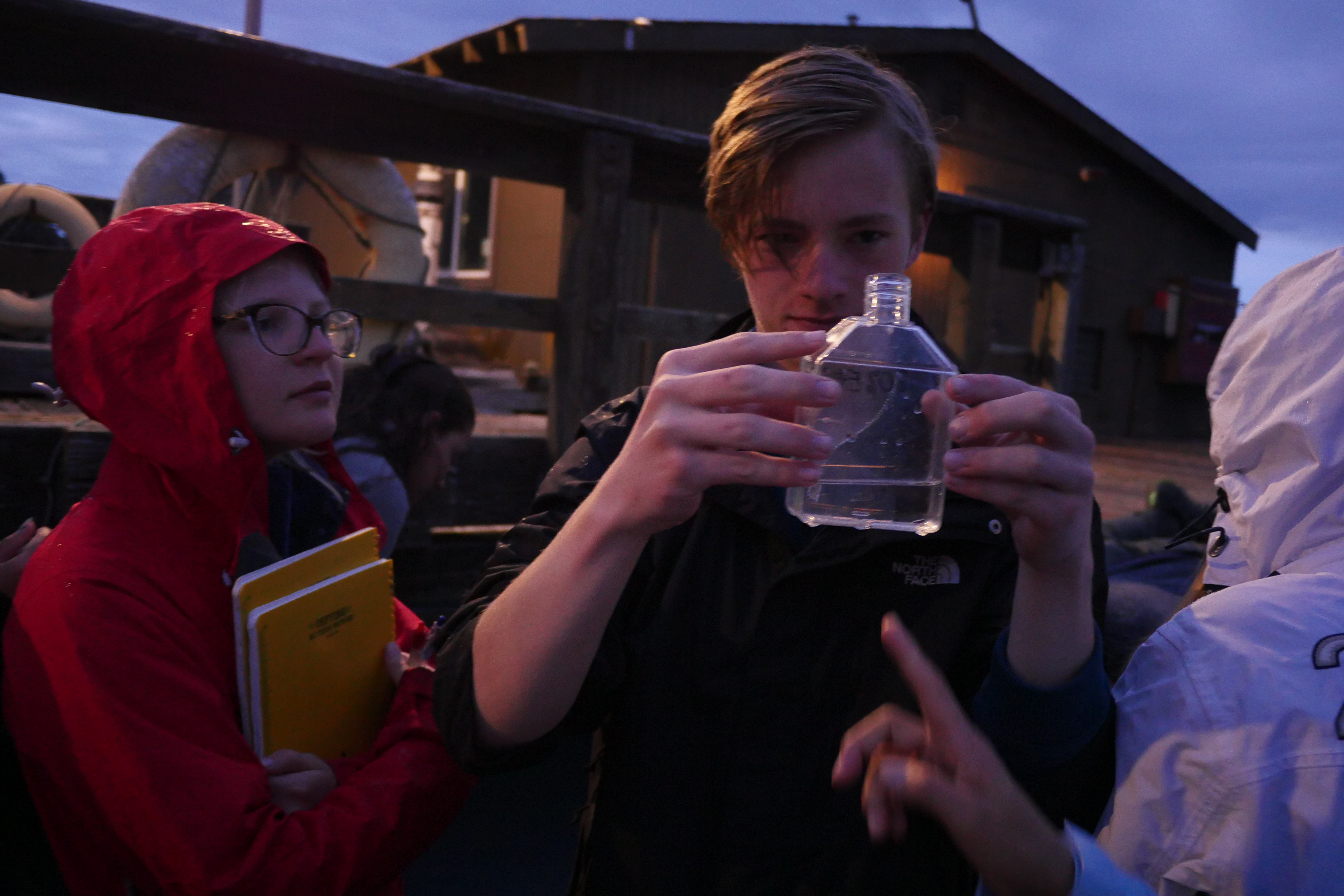
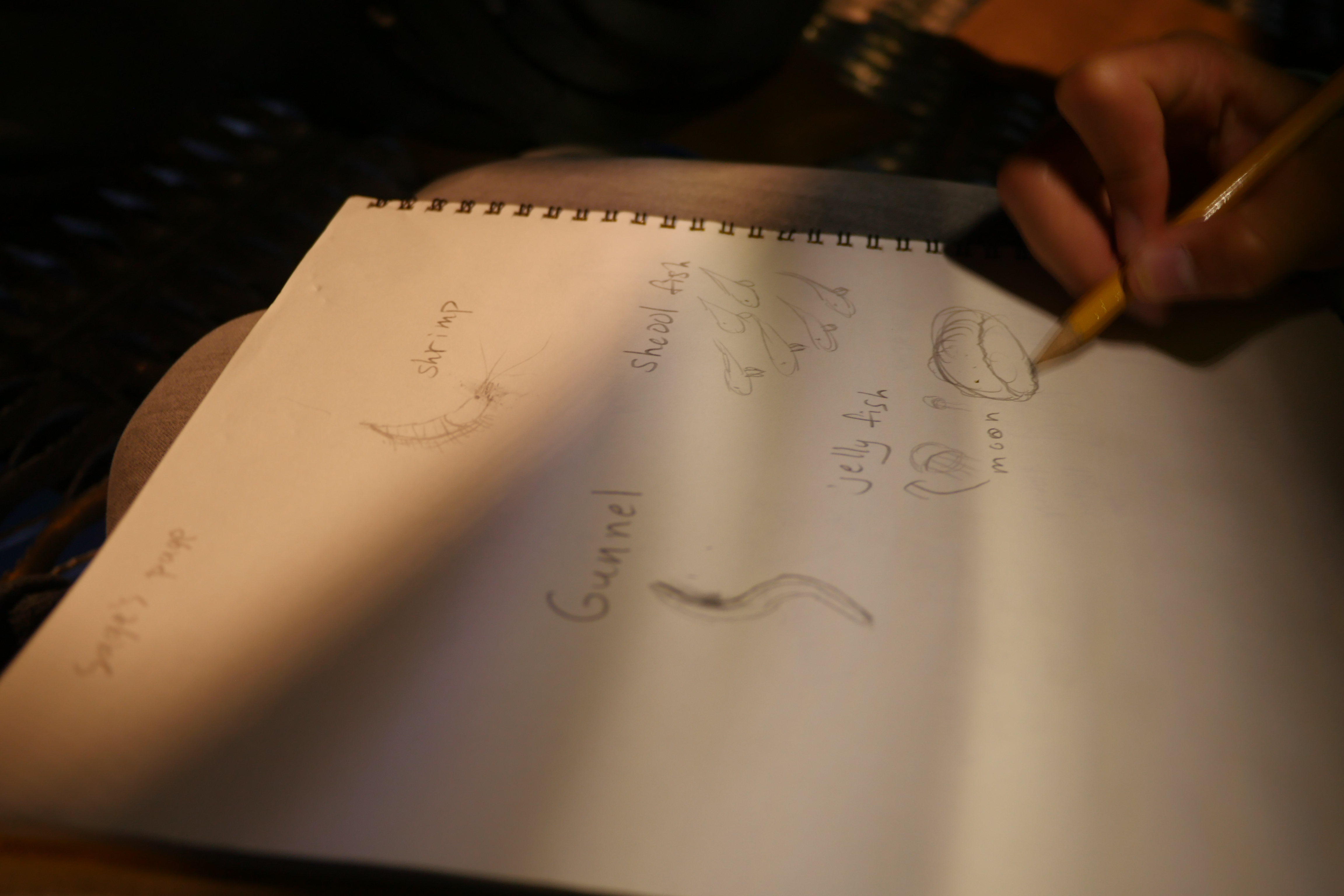
Different creatures from all over came attracted to the light. We saw Gunnels, Shrimp, a collection of fish, and much more as the sun slowly set behind the horizon.

P6210224

P6210480

P6210360

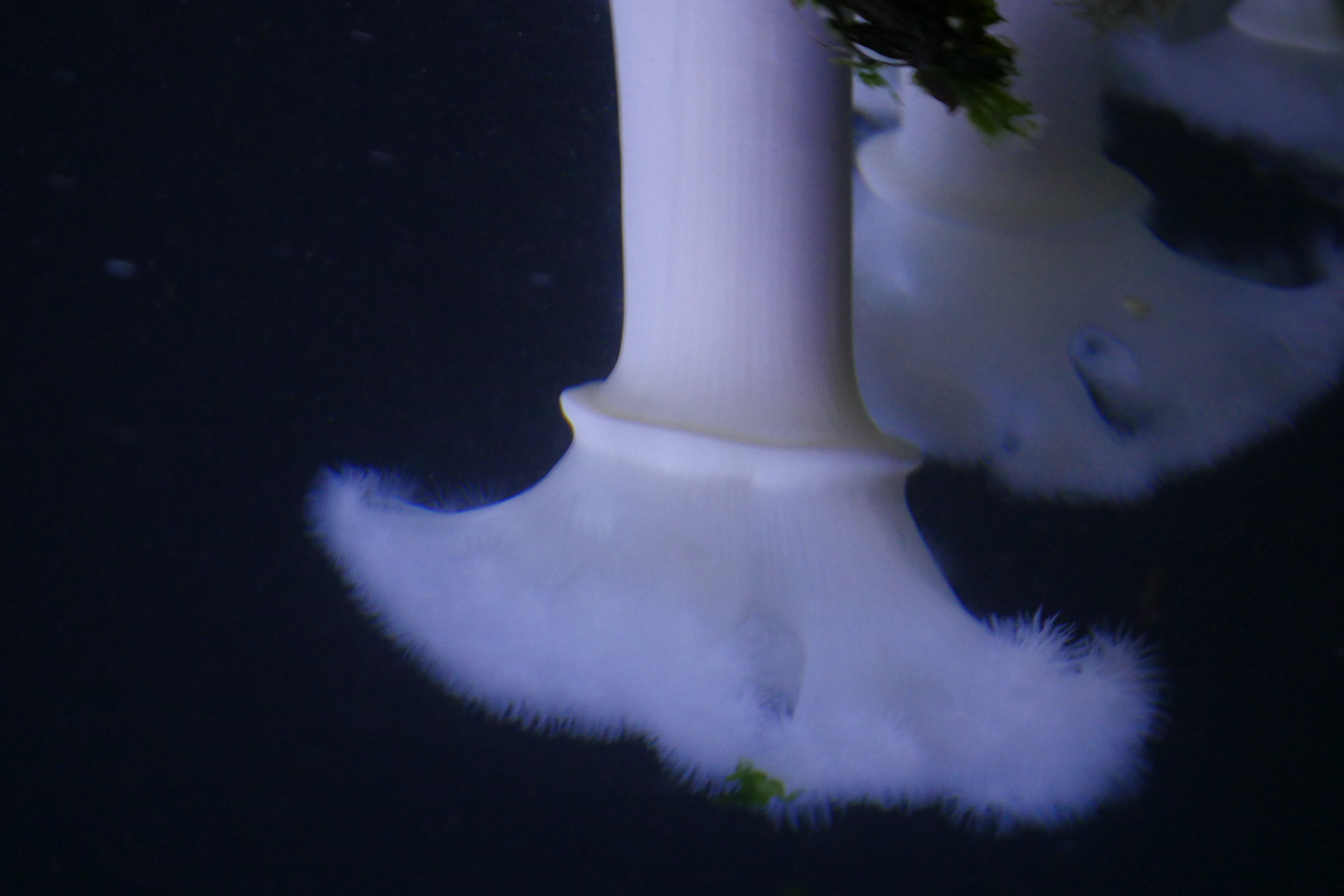
The Sea Anemone coating the underside of the dock practically glowed in the dim bluish shine of the light, swaying softly in the currents. We stayed at the dock until 11:00 pm, watching the life down below in a way that none of us had ever seen before.

P6210275