Necropsy Day

By Jack, Lynn, and Peder —

Today we woke up at 8 am and sluggishly ate breakfast. Then, we hopped into the van and drove to UW Friday Harbor Laboratories. We hustled to the docks, where we met Joe Gaydos.

Joe is a wildlife veterinarian, professor at UC Davis, Director of the SeaDoc Society and co-author of our “textbook:” Salish Sea: Jewel of the Northwest. We received the book as a welcome to the Salish Sea Sciences program.
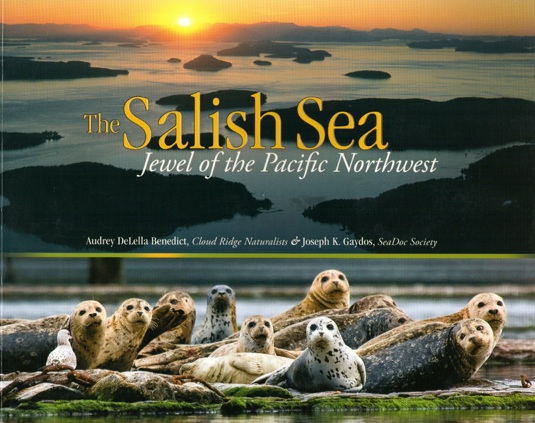
BookCover

Cover photo from Whale Museum website; remaining blog page photos by Seth Grant

Joe kindly signed our books with individual messages in his office, then we went back down to the docks to look at the harbor seals that were going to be examined.

Our hearts burst when we saw the baby seals and how thin they were, but we felt better when we found out that their death was not in vain.

They were stranded and so a necropsy was performed to find the cause of death. We learned so many things while watching the necropsy.

P6260162 sethP6280294 seth

One thing we learned was that they have 7 vertebrae like all mammals including giraffes. Another thing we learned was that harbor seals have some of the biggest eyes of the entire mammal population when compared to body size . Harbor seals are the biggest population of seals in the entire San Juan area.

We then came back to the dorms and collected all our data from previous surveys and compiled them into one spreadsheet to be used for further projects.

Later that day we were excited for our guest that evening, Adam Summers—an expert in biomechanics—because he had a major role for the design of the fish in Finding Dory and Finding Nemo. 
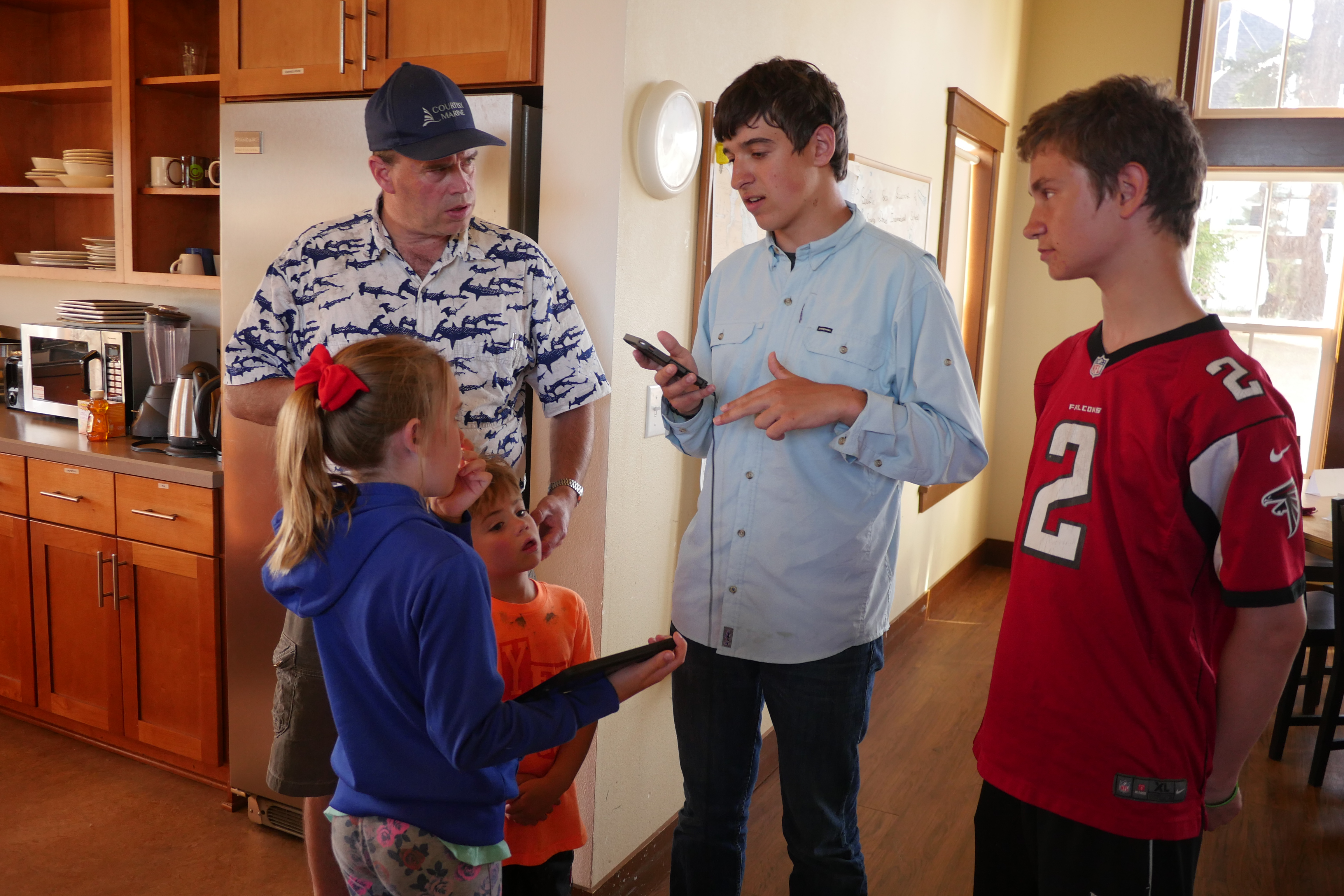
P6290633

We were also happy to meet his two adorable children Elly and Abel ages 9 and 4 respectively.
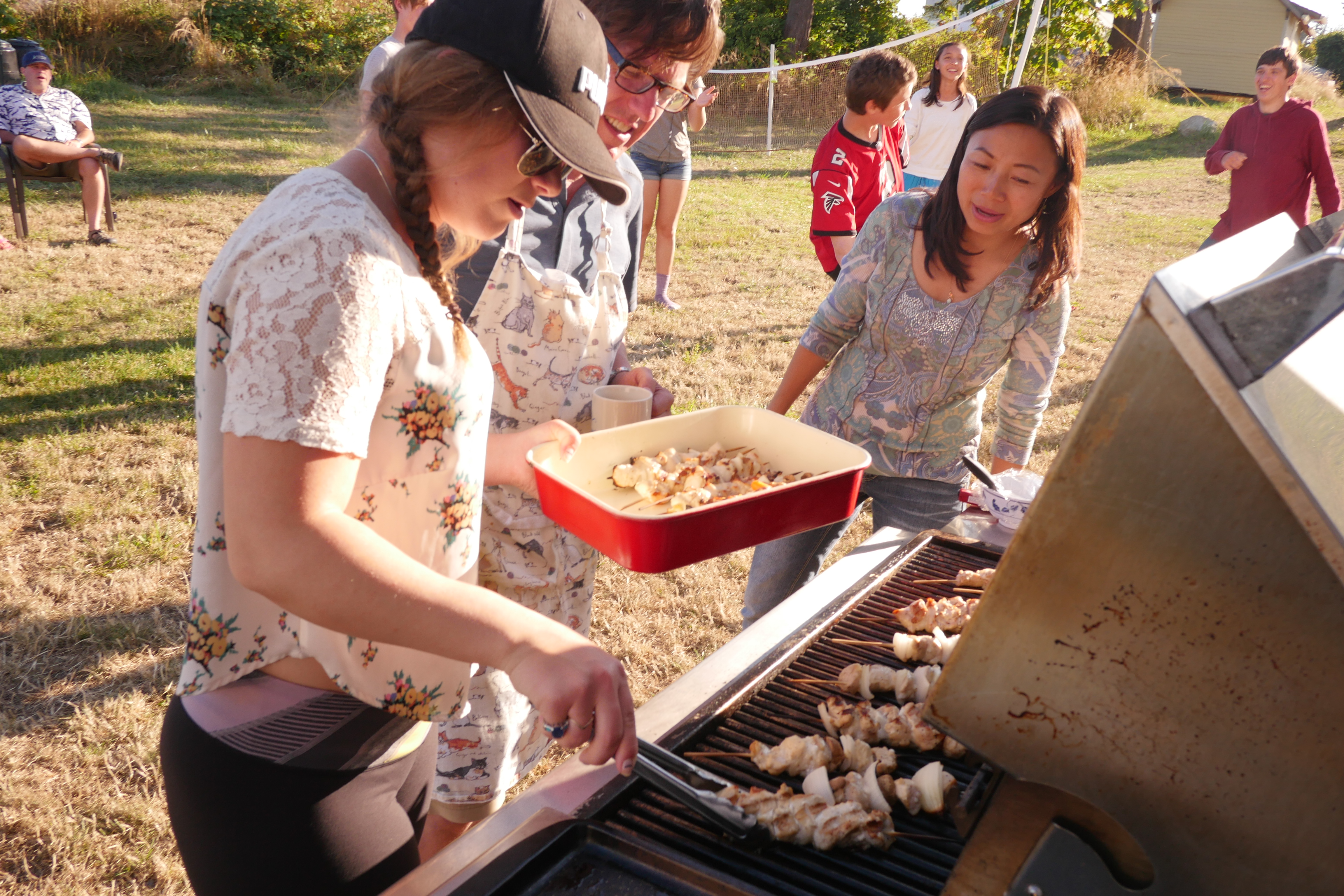
P6290723

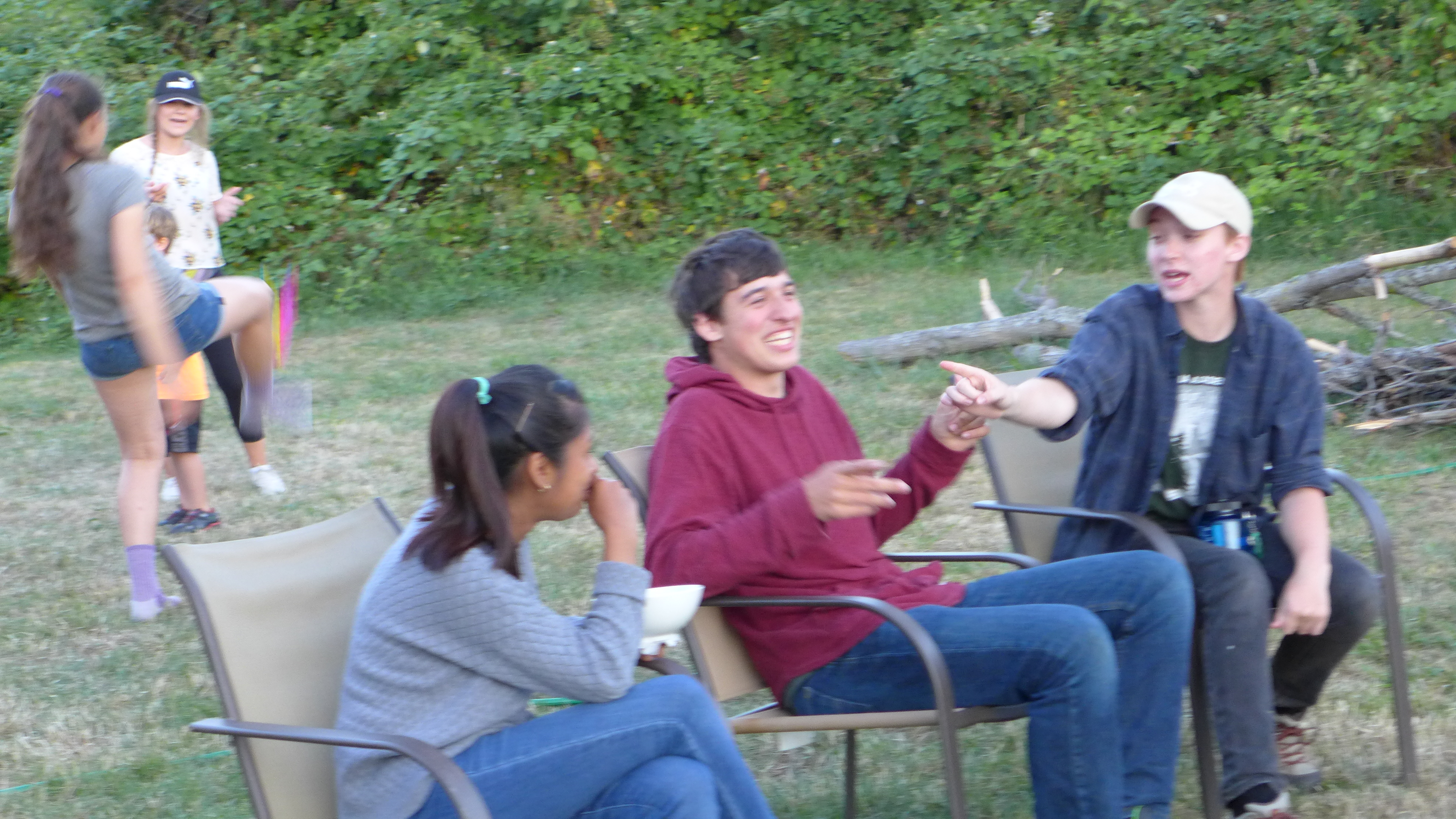
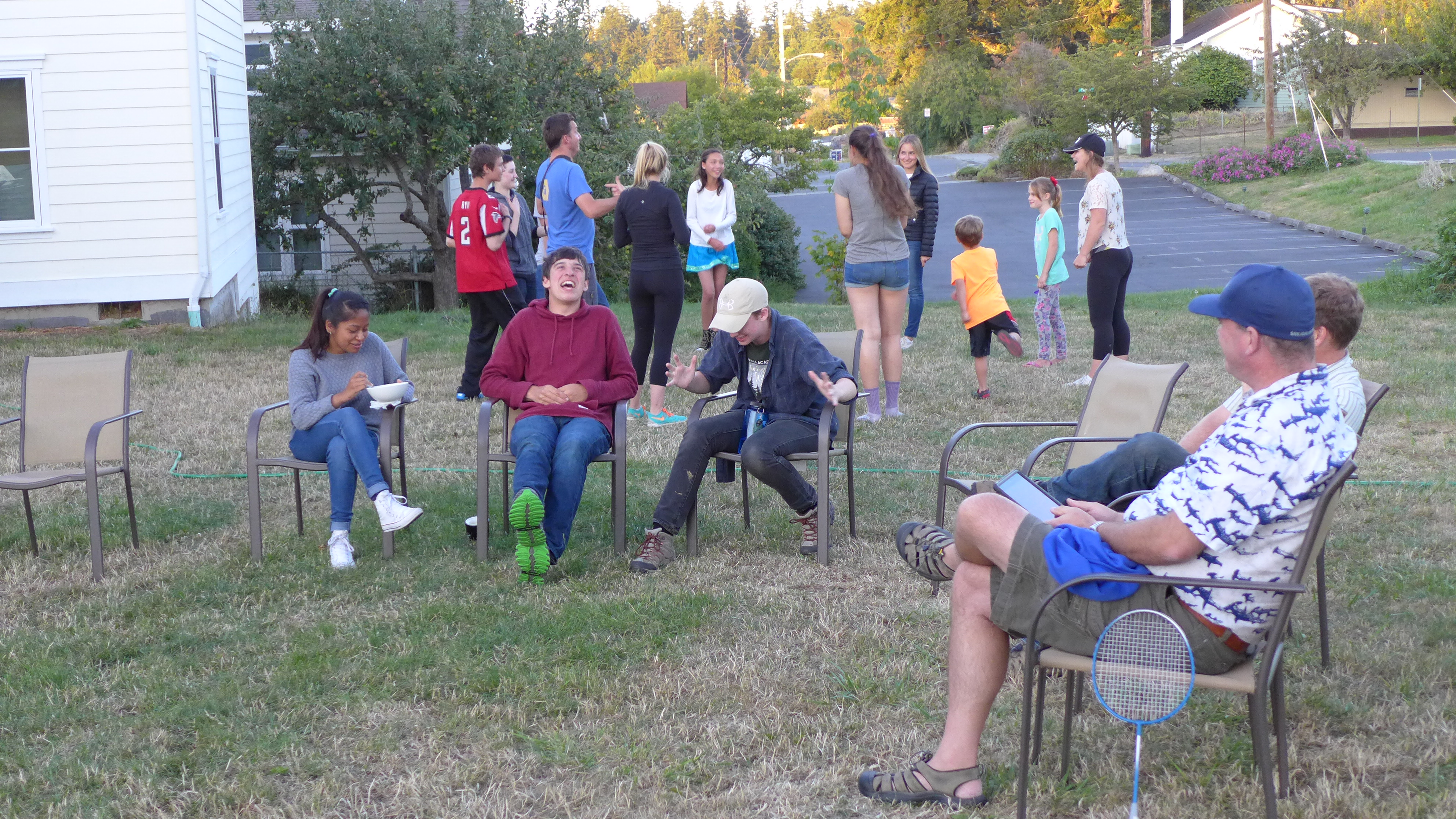
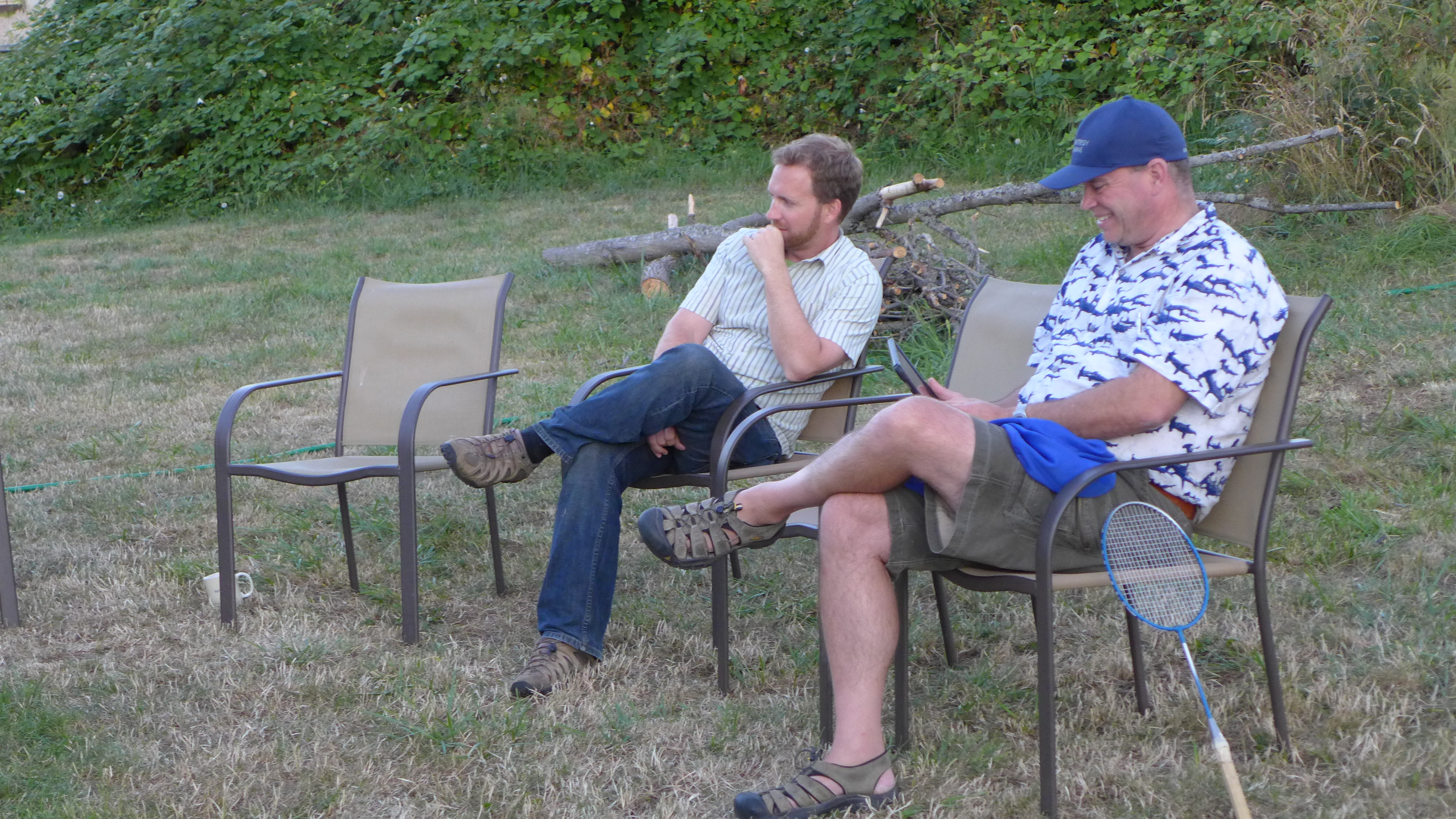
We had a blast eating mediterranean food, playing badminton, and jinzi.

Here are a few pictures from Caroline:
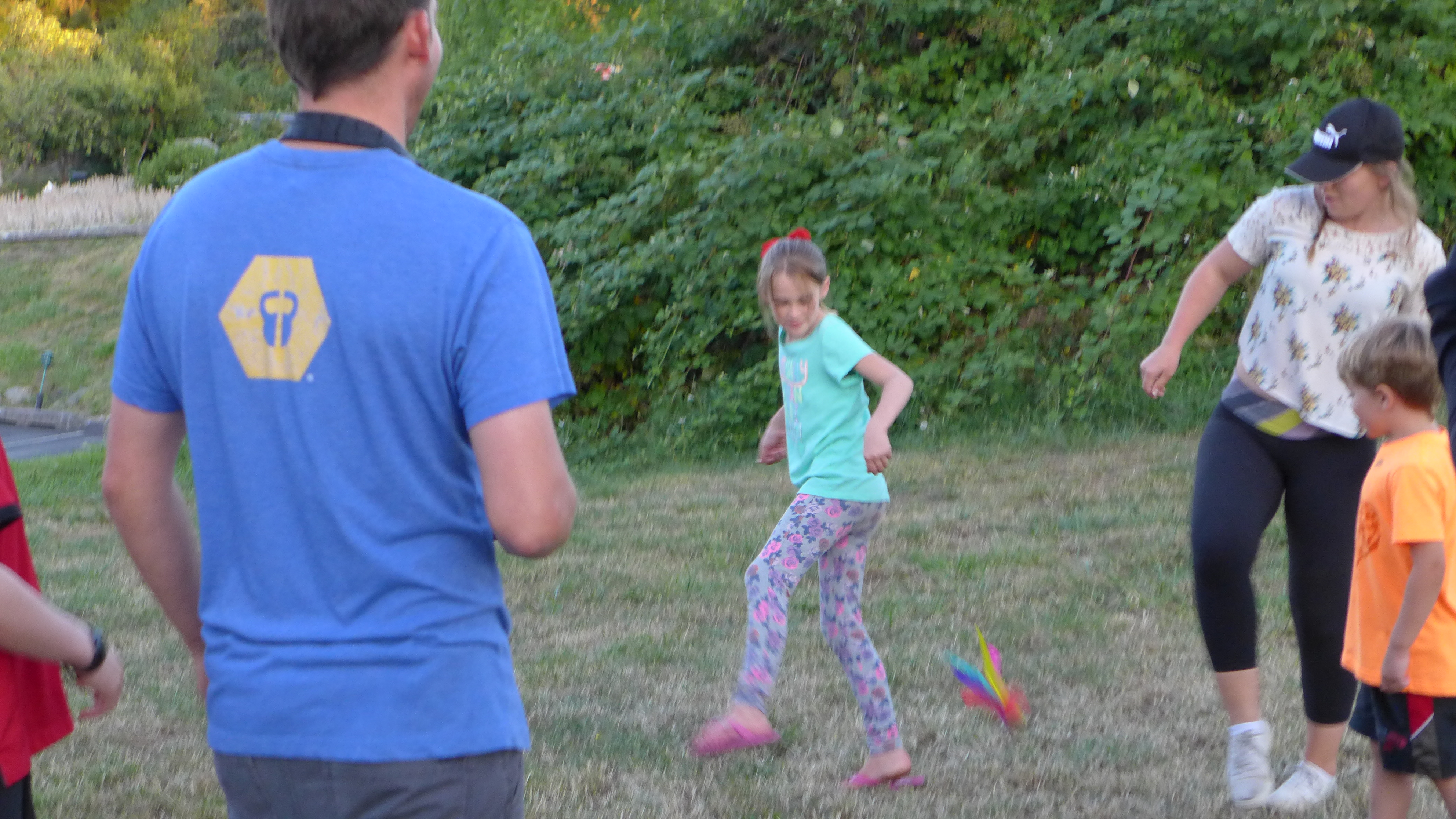
P1030318 P1030319 P1030322  P1030321

Finally, after we settled down, we watched an episode of The X-files and went to bed.
Rabbits and Earwigs

By Sara, Jaimie, Arielle, and Jake —

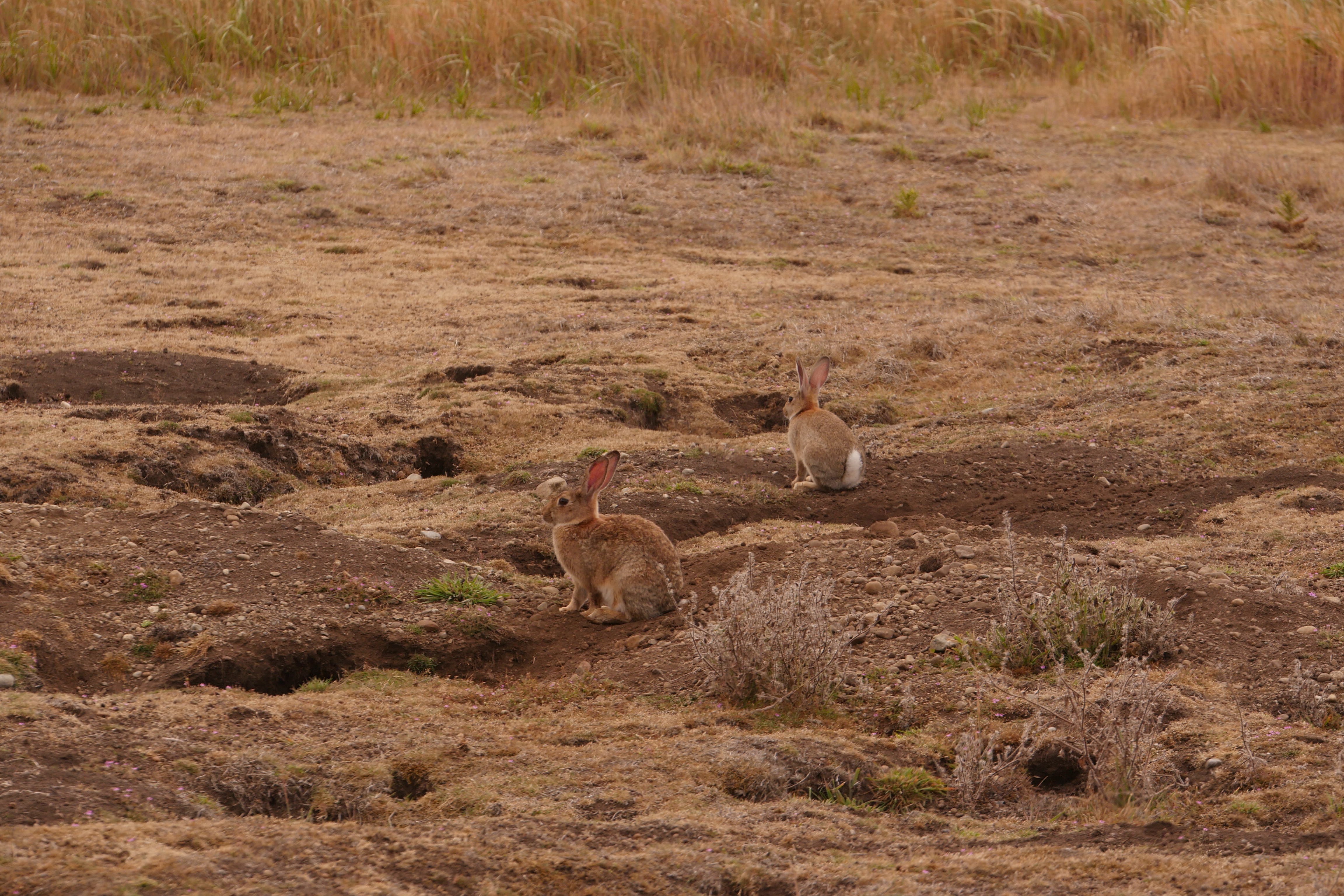
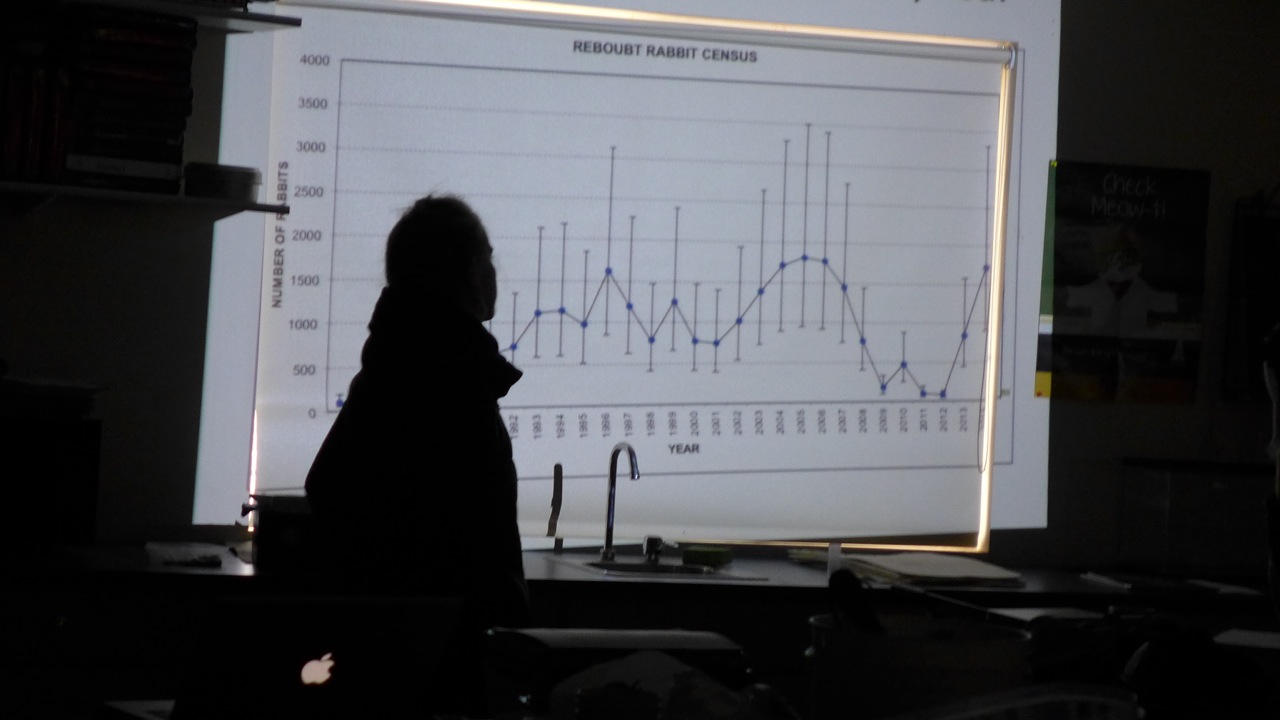
Today we woke up at 8:00am and got ready for the day. We started with breakfast which consisted of the normal: bagels, muffins, and cereal. After breakfast we went to the Spring Street International School’s science lab and learned about the invasive rabbits on the island from Beatrice Grauman-Boss.

P1020984

Photo by Tom Grauman

P6230630 seth

Photo by Seth Grant

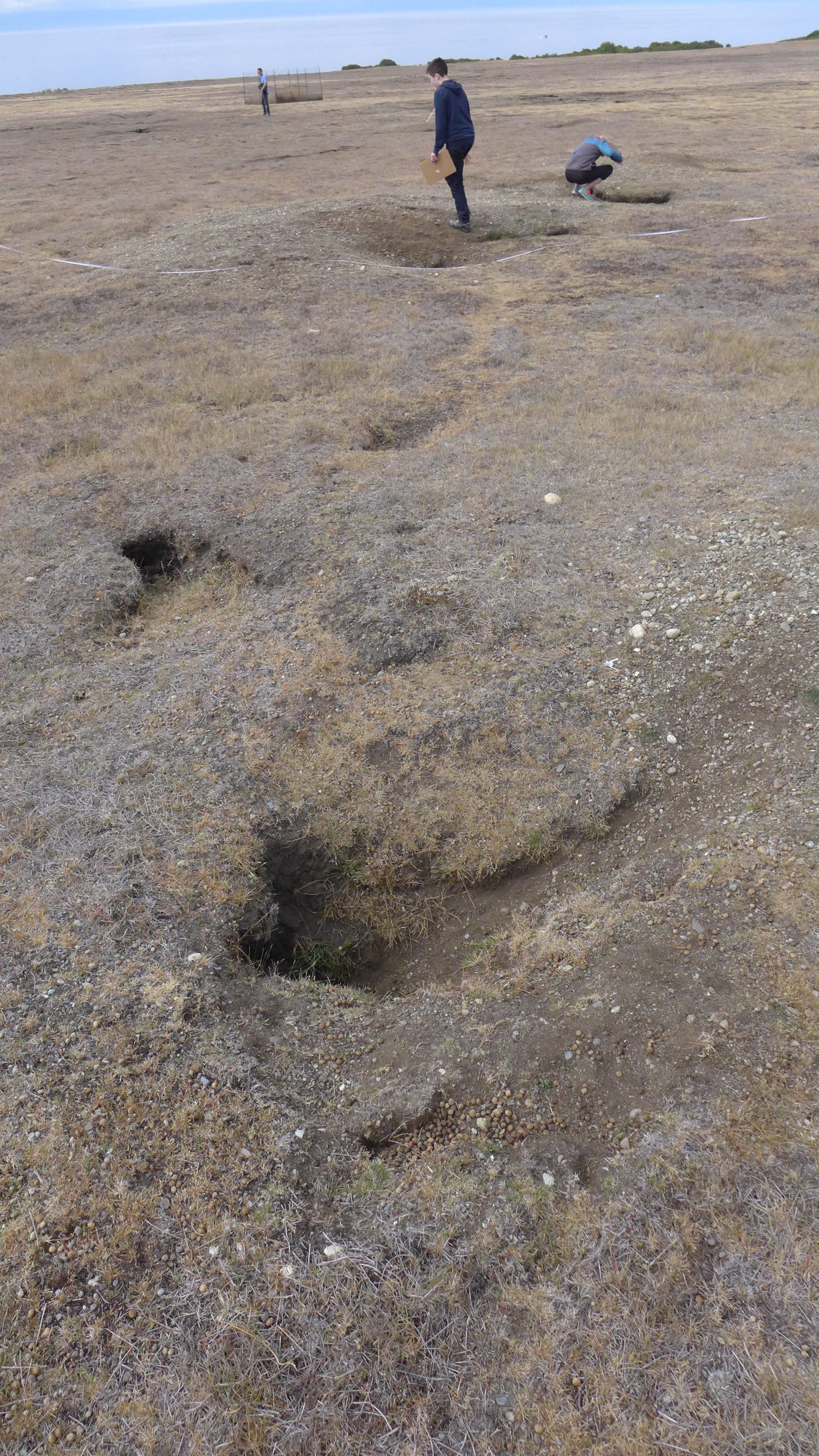
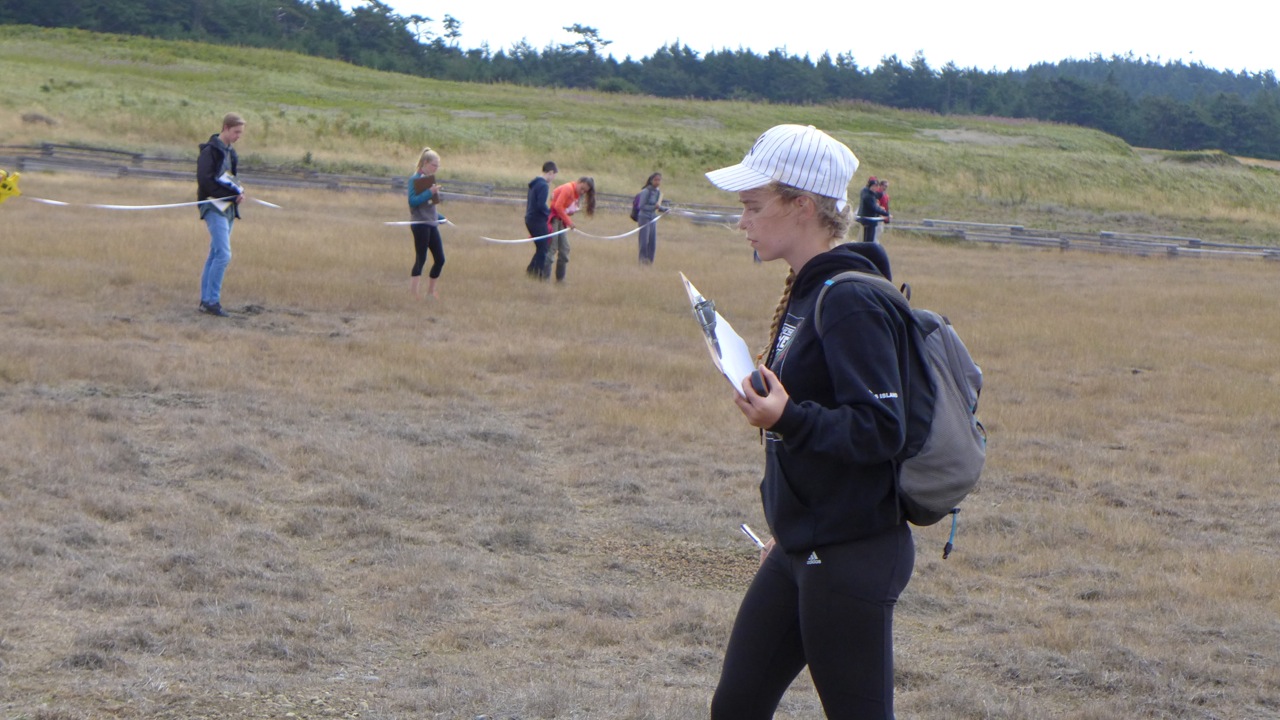
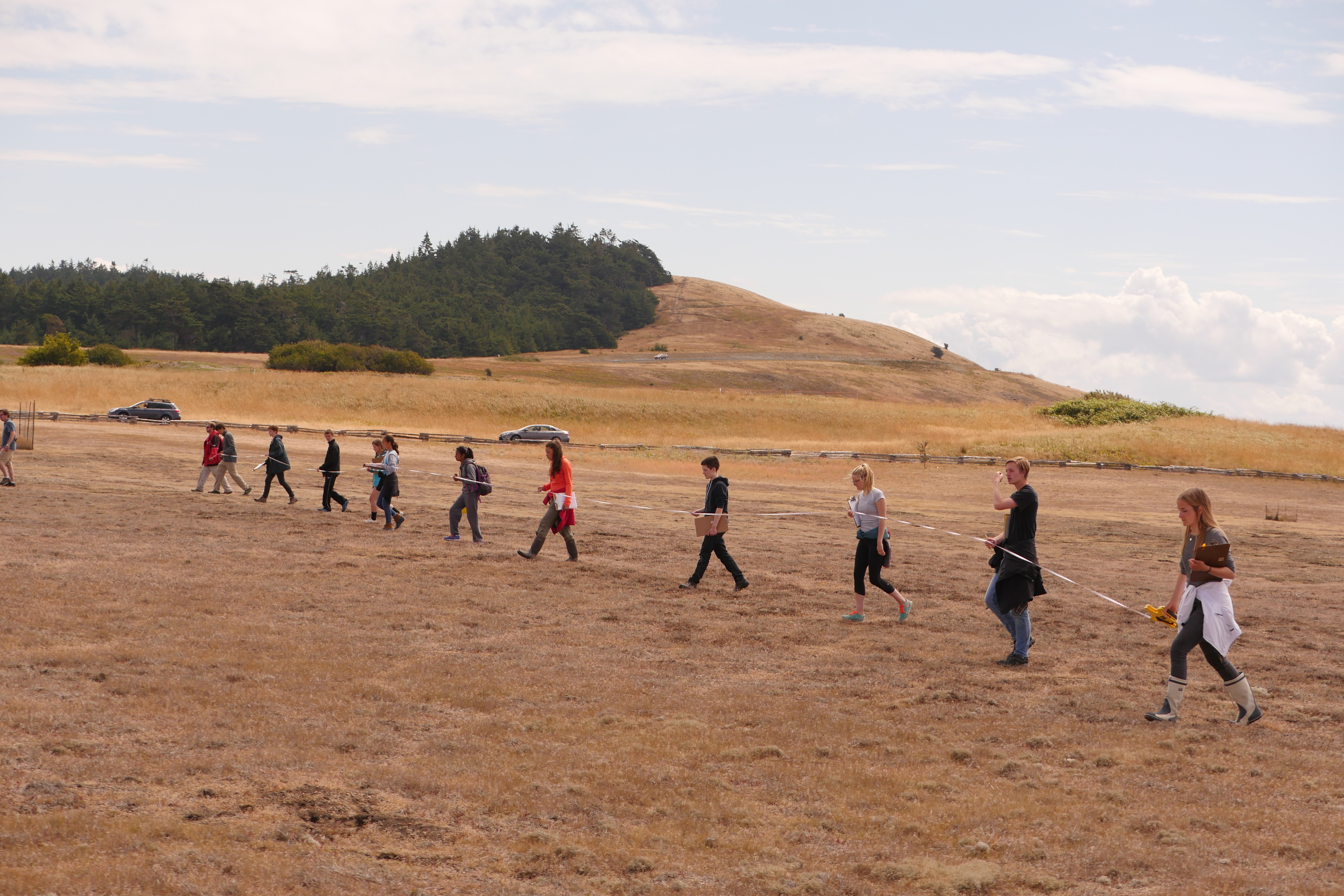
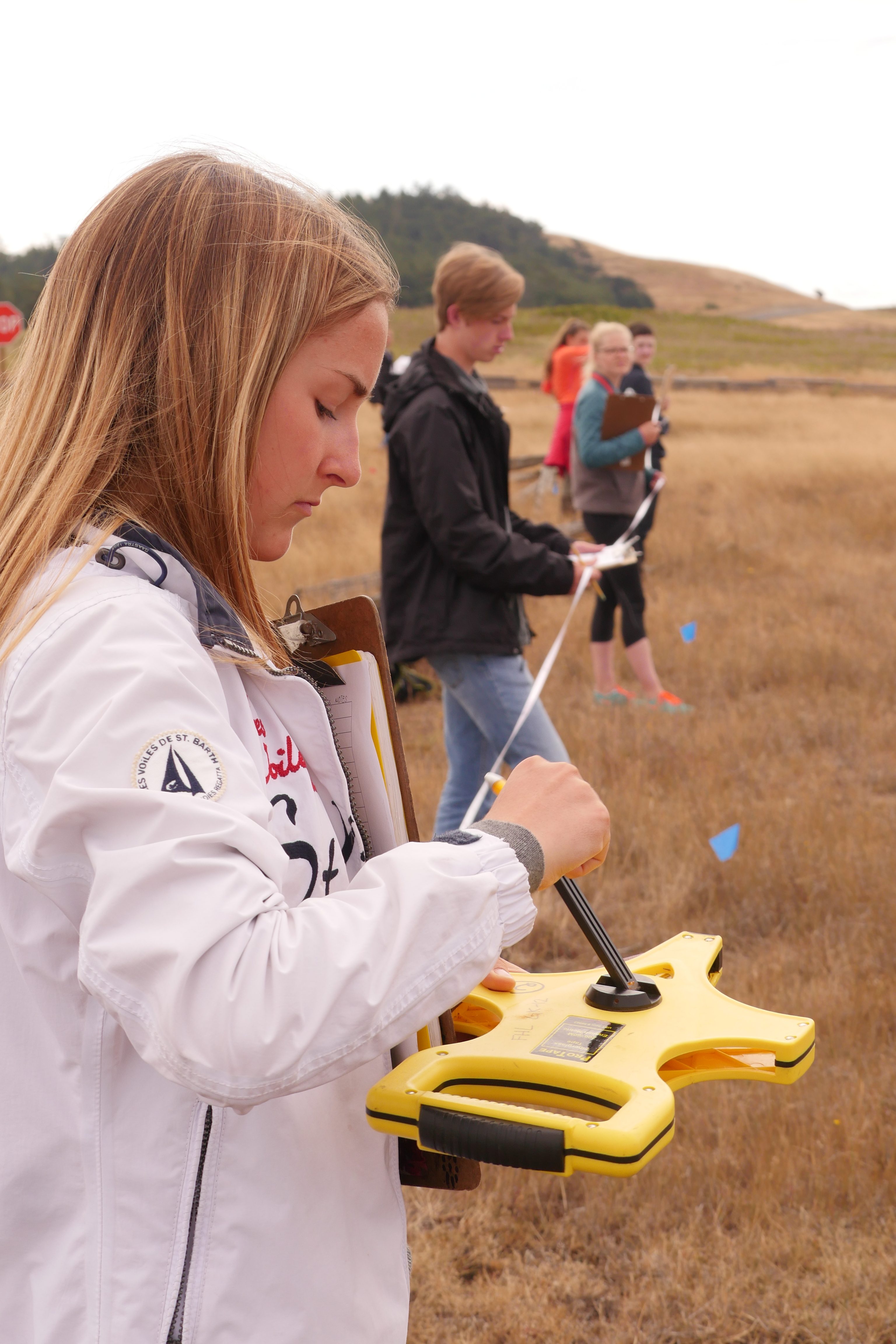
After learning about the rabbits, we got in the van and went to American Camp to survey the warrens and the number of active entrances.

P1030065

Photos by Tom Grauman

P1030046

We learned that there is about 1 rabbit for every sq. ft in American Camp.

P6240445 seth

Photos by Seth Grant

P6230915 seth

P1030079

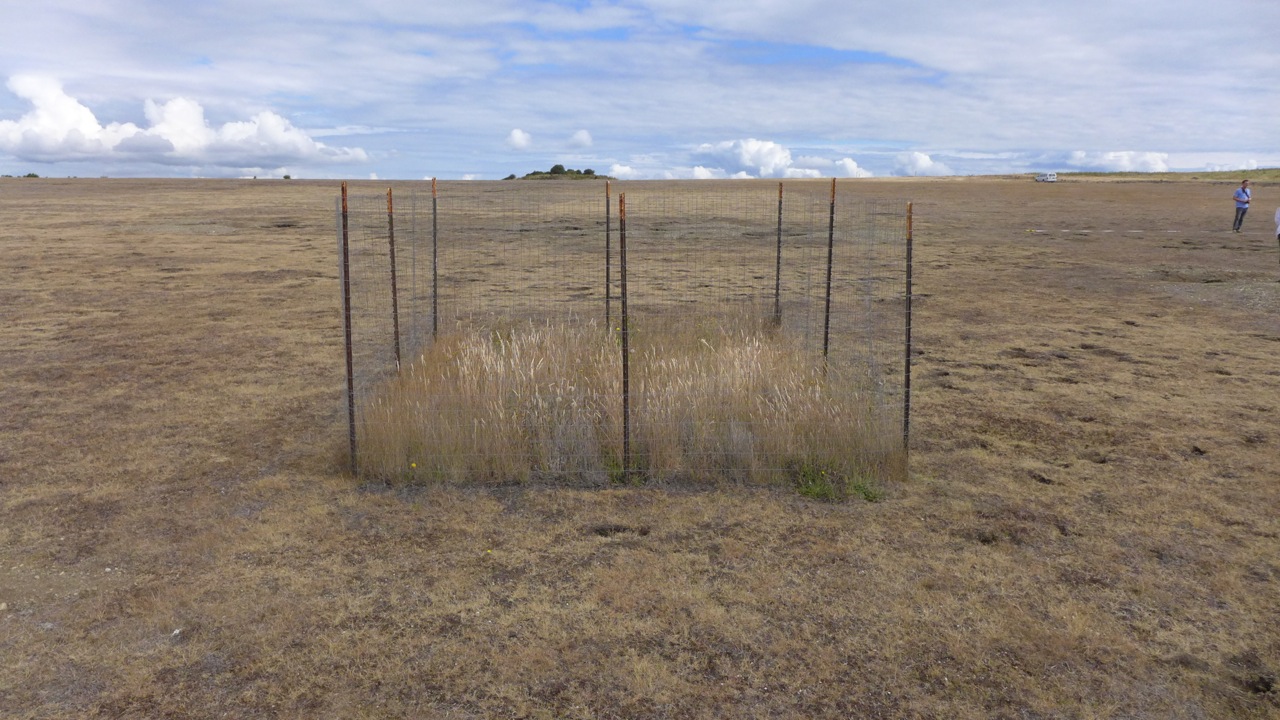
Photo by Tom Grauman — fenced area is (mostly) rabbit-free

We spent about 2 hours surveying the area and then returned to the dorms for lunch.

The survey with Beatrice was part of a longitudinal study on behalf of the US National Historical Parks Service.

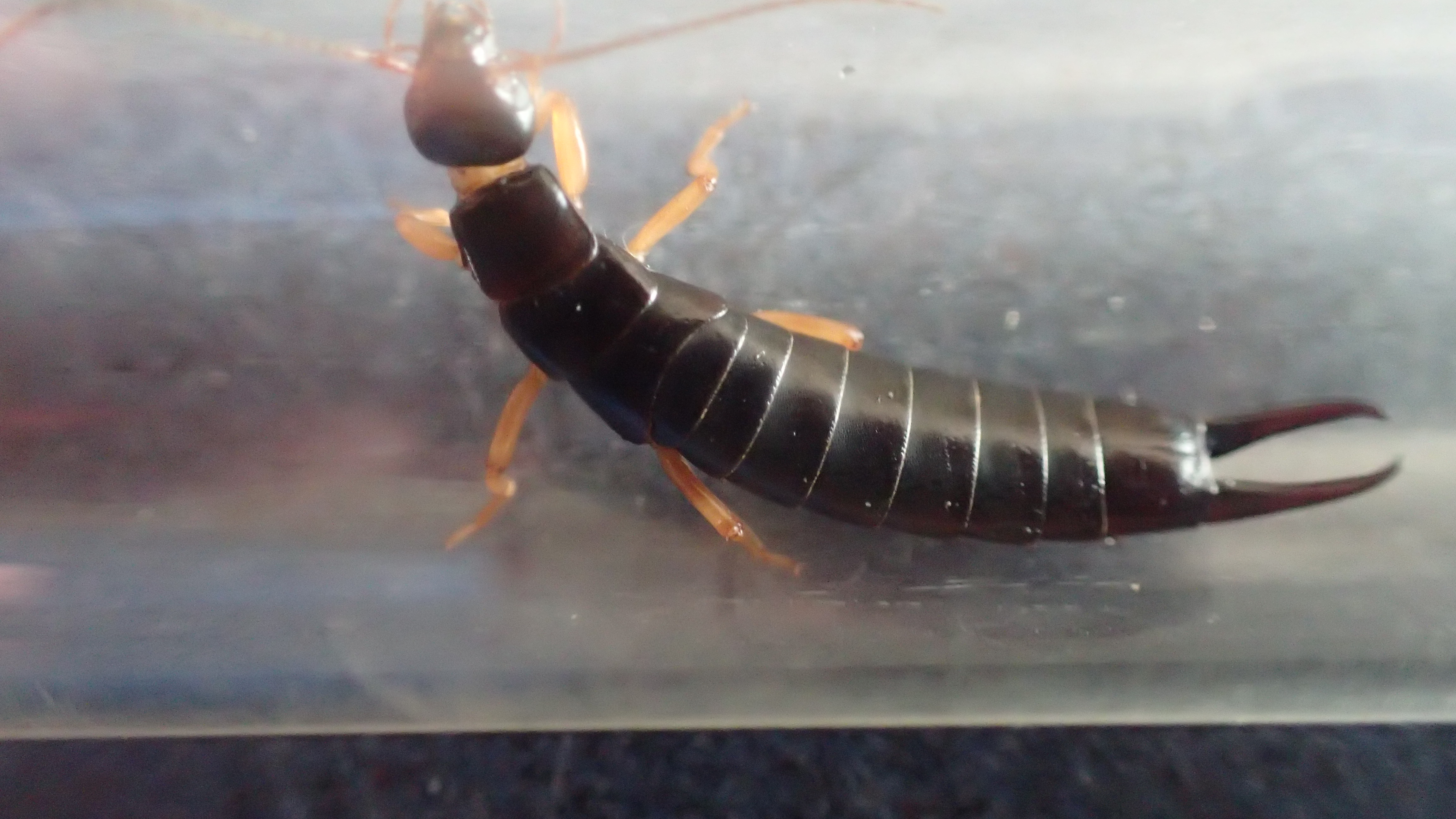
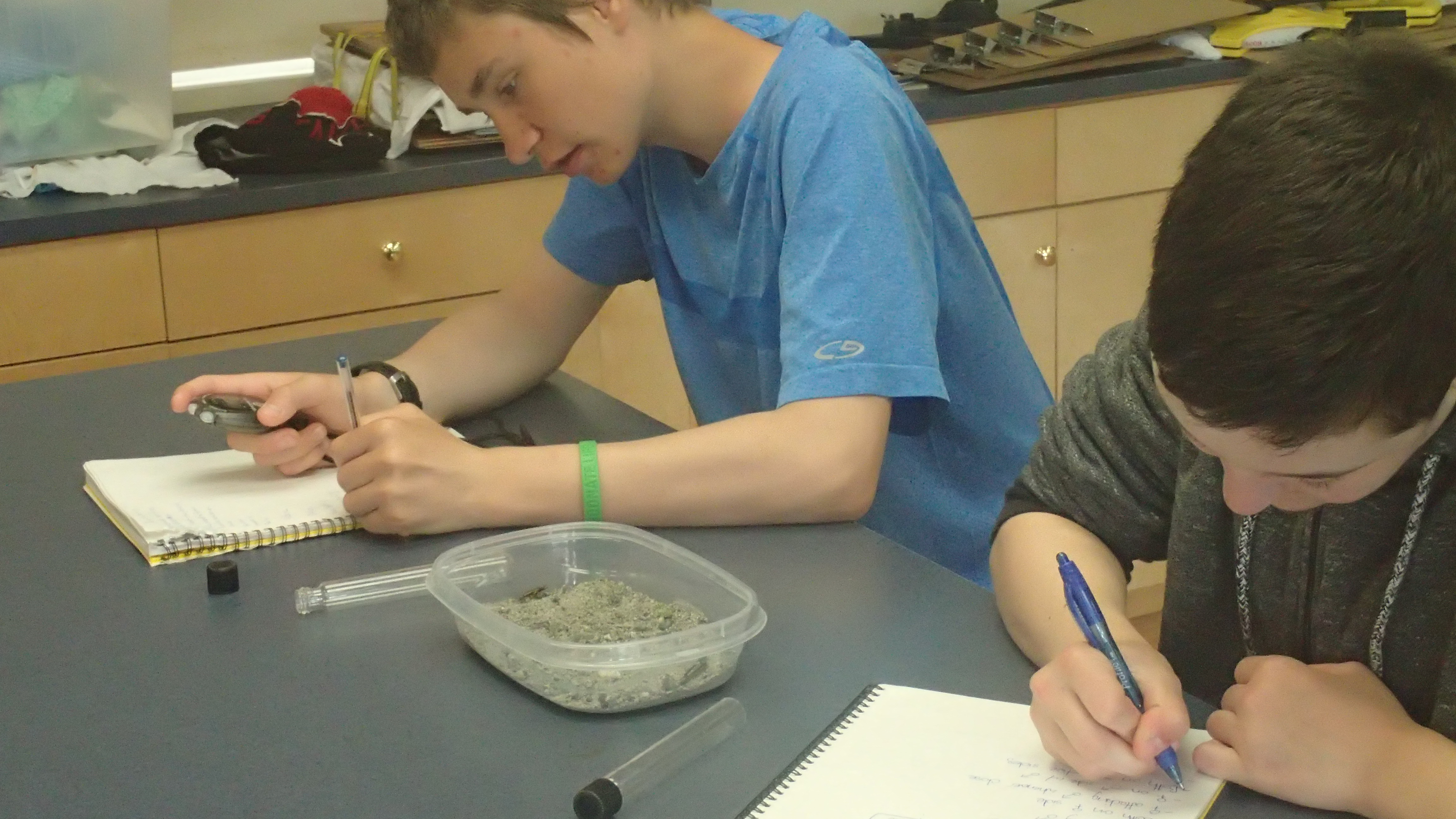
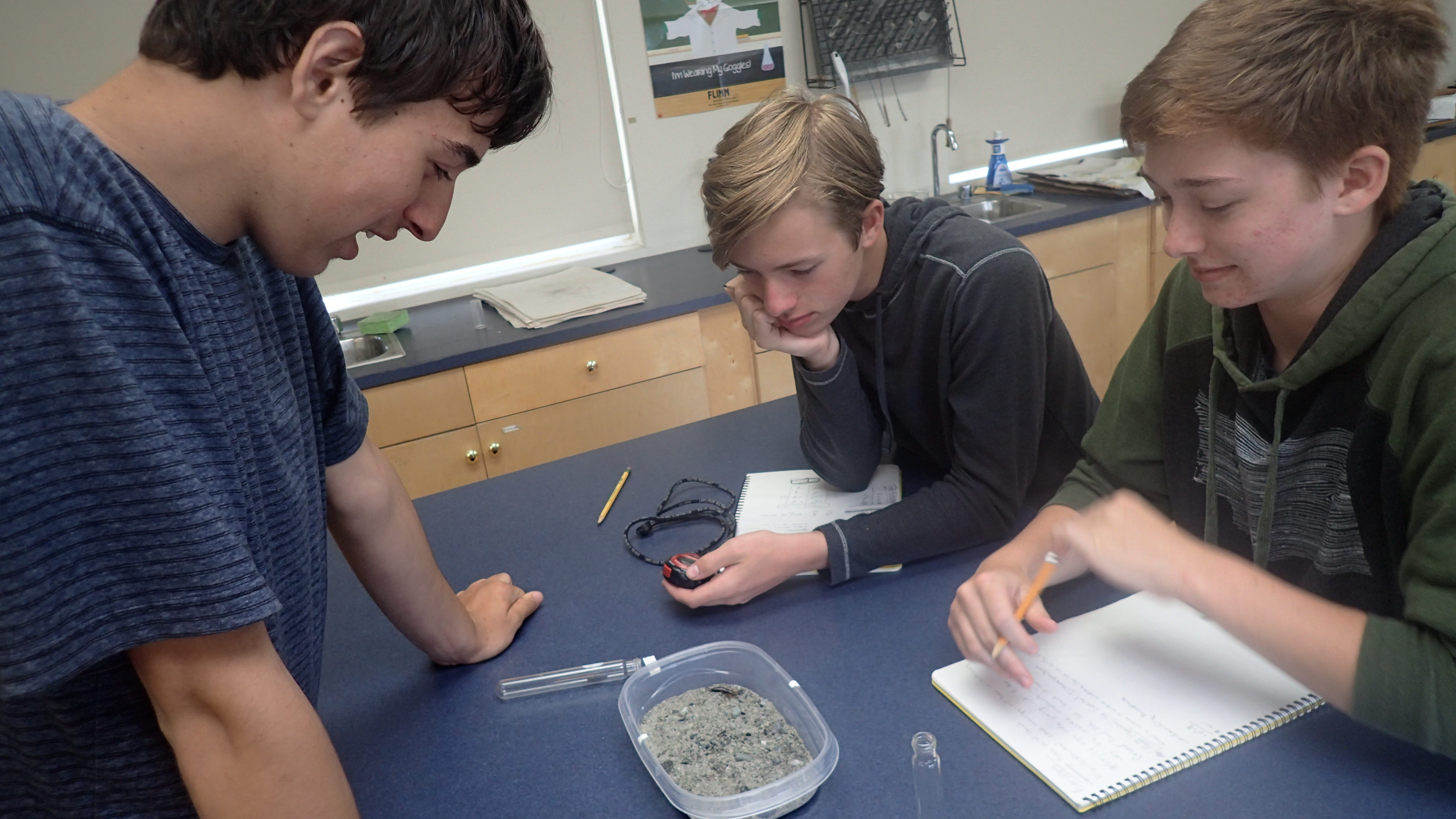
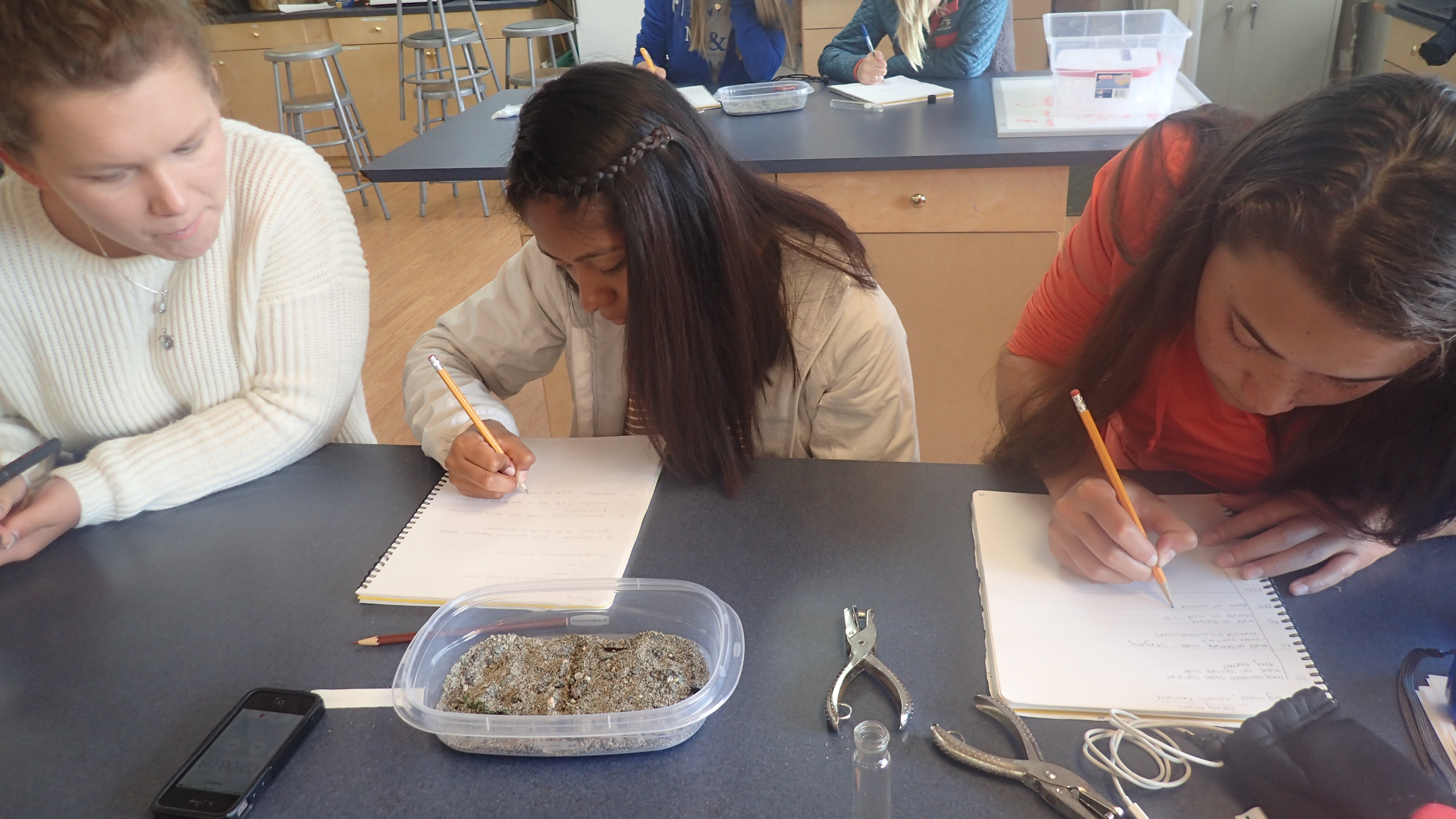
After lunch, we resumed our earwig trials in the science lab.

OLYMPUS DIGITAL CAMERA

The focus of our trials today, was to see how much time it takes for the earwigs to acclimatize to sample arenas (Tupperware filled with sand).

OLYMPUS DIGITAL CAMERA

OLYMPUS DIGITAL CAMERA

Once we finished with our trials, some of us went to return earwigs, while others began to work on dinner prep and blogs.

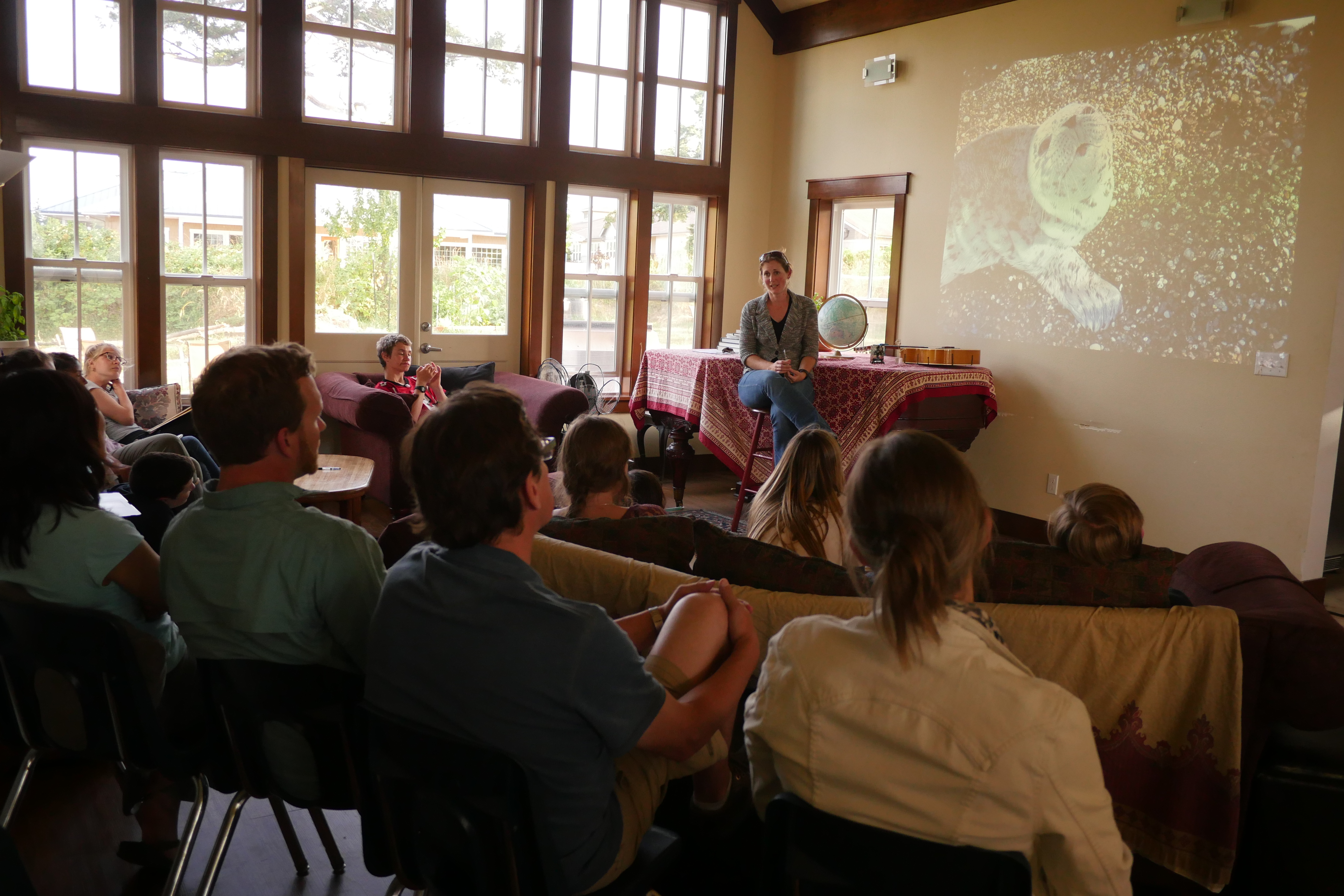
    Soon it was dinner time and we were joined by Jen Olson, the coordinator for the San Juan County Marine Stranding Network associated with the Whale Museum here in Friday Harbor as well as NOAA and the SeaDoc Society.

P6250691 seth

Photo by Seth Grant

The Stranding Network is a non-profit organization that researches and helps stranded marine mammals. After dinner, Jen gave a presentation about her work and informed us about the necropsy (animal autopsy) we are going to see tomorrow morning.