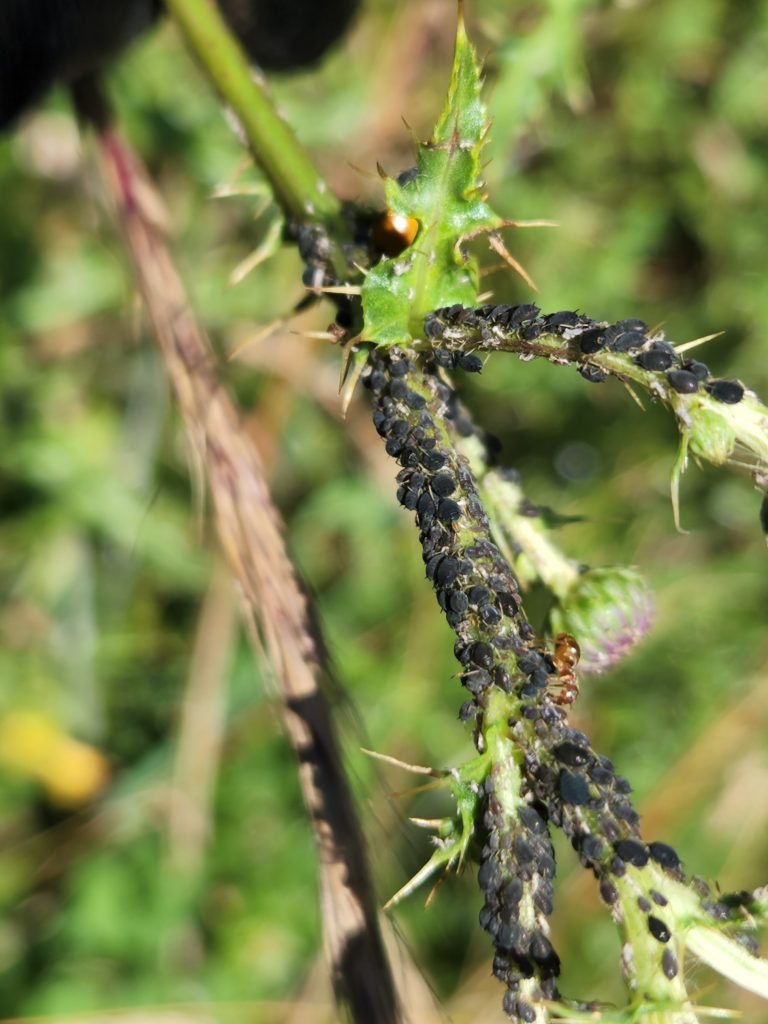
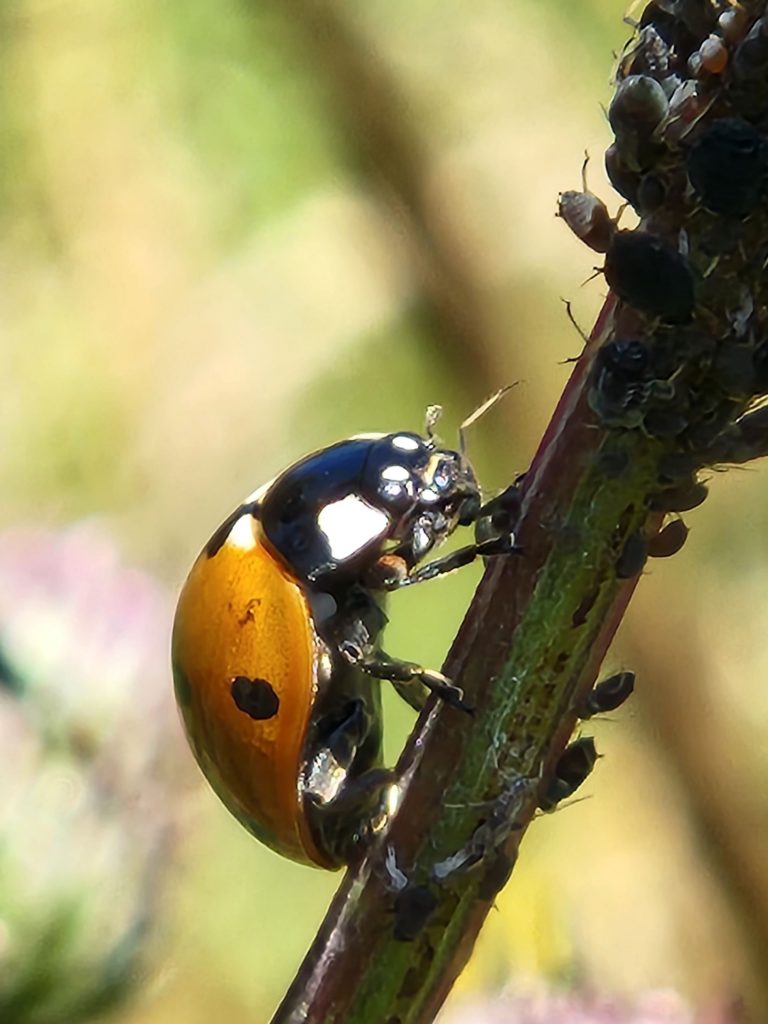
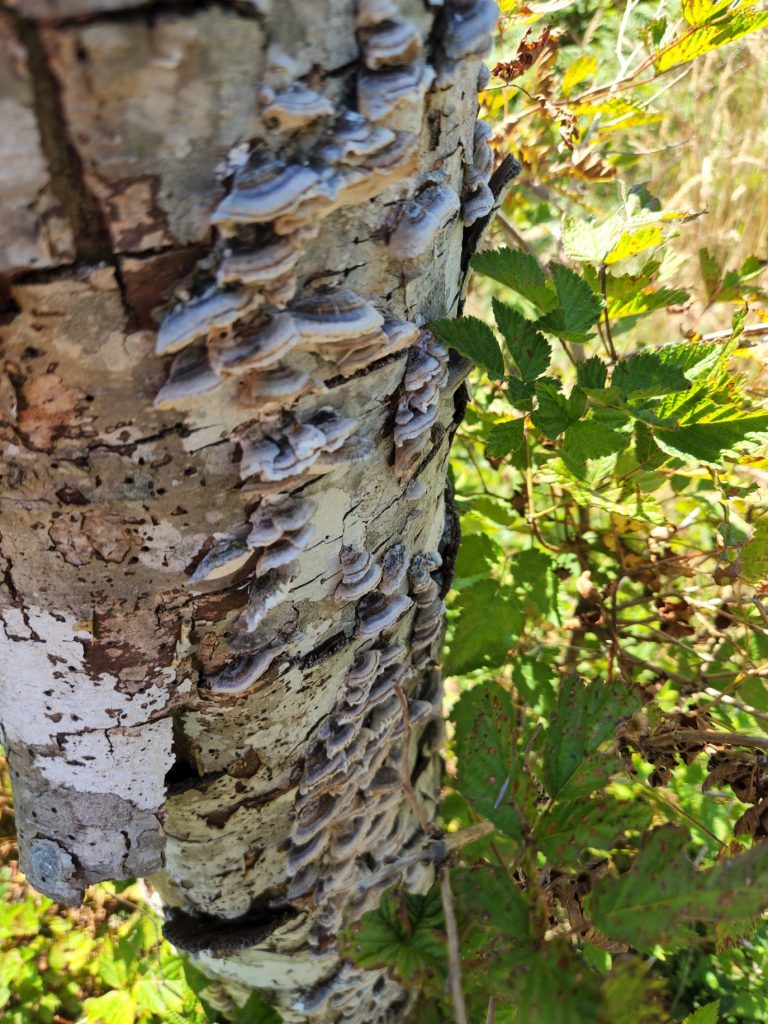
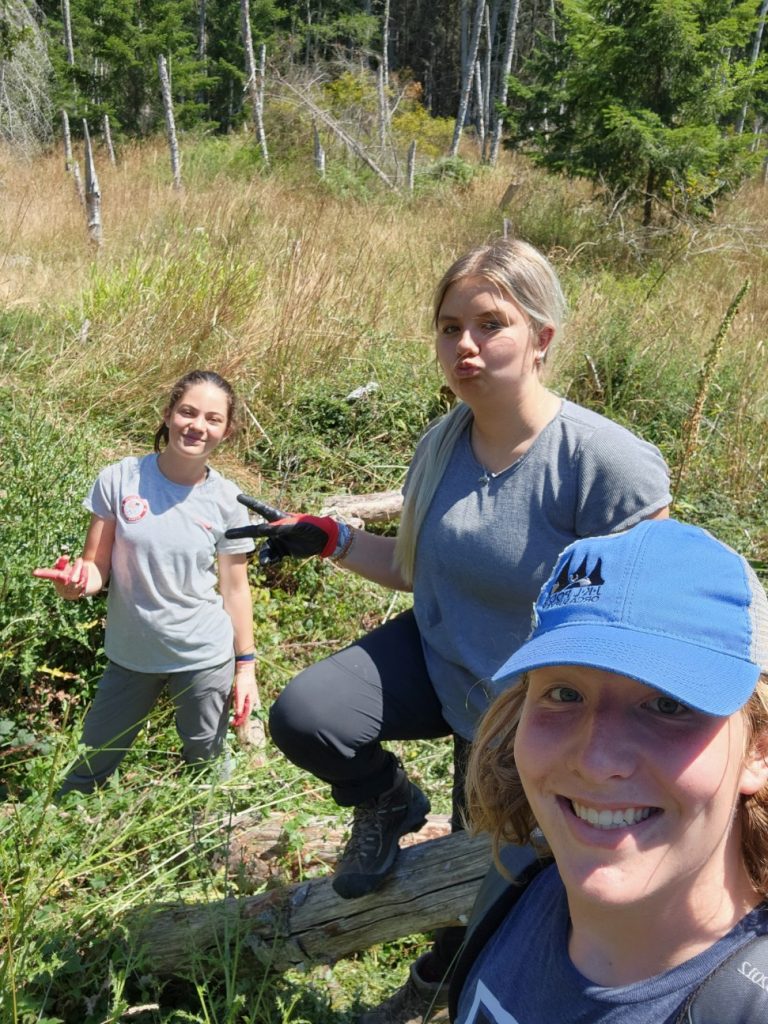
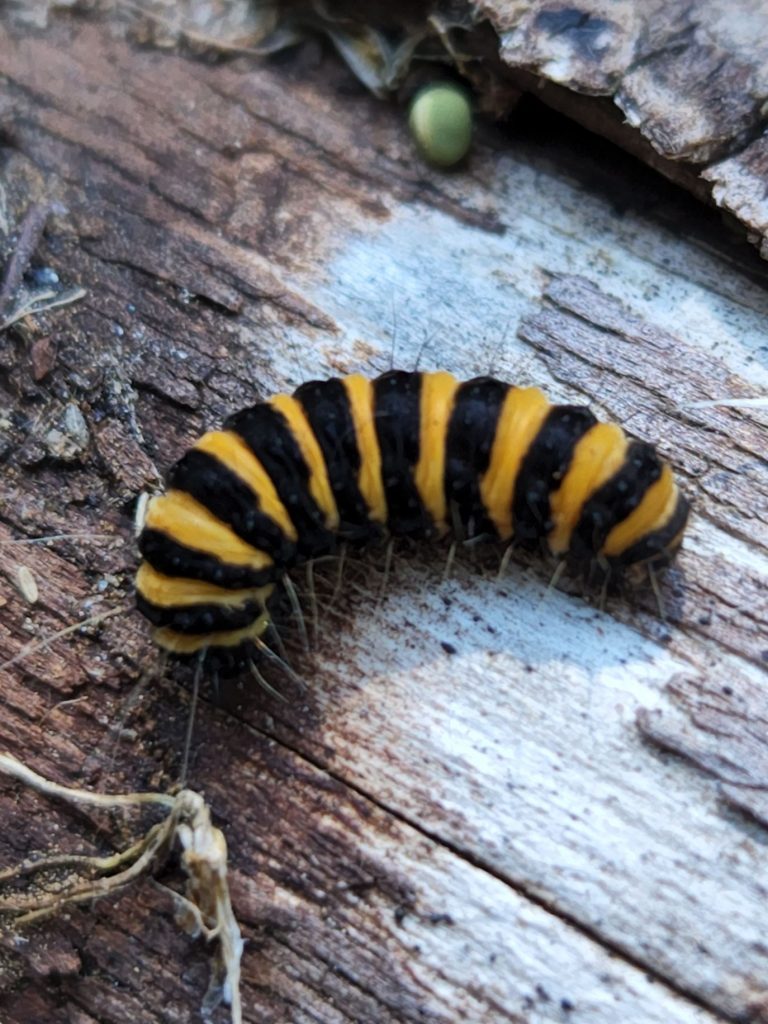
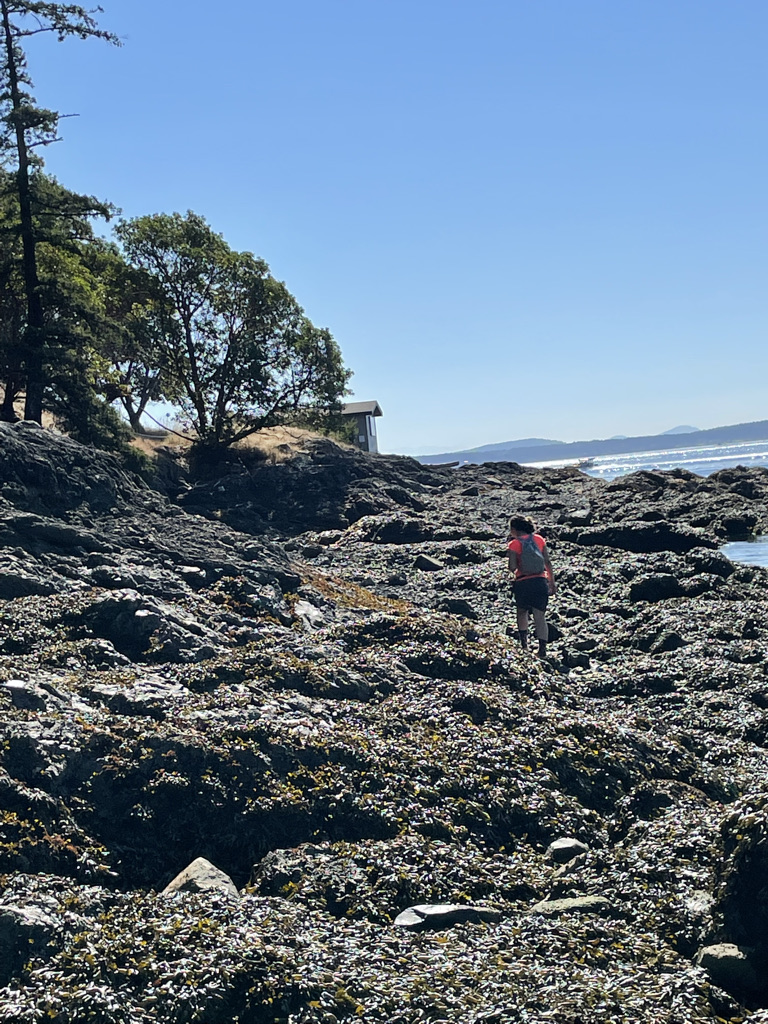
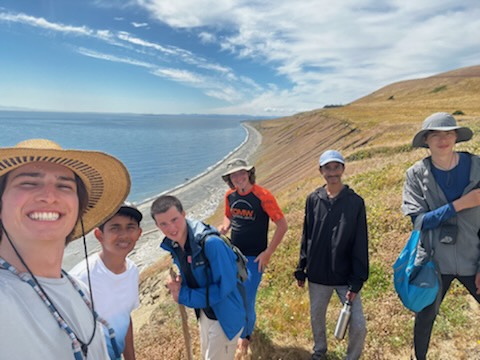
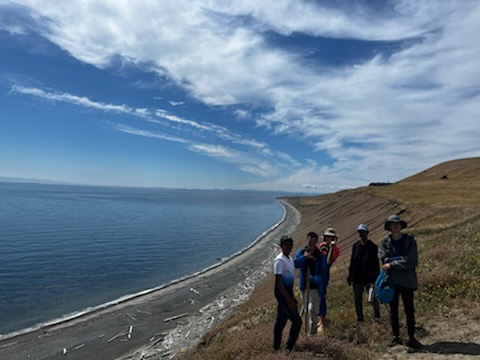
We slept in today, set off at around 9:30, and made our way to Mount Grant to pick weeds. We were greeted by our favorite goofball, Jacob from the San Juan County Conservation Land Bank as his expert volunteers, Bob and Barry. In today’s hot sun, we went after our greatest enemies, and the island’s greatest threat, Thistle and Tansy Ragwort. They have made it on our wanted list because of their prickly personality and invasive nature. Also, there were some cool bugs like… LADYBUGS 🙂 After a short battle, we stopped for lunch, but in the process…ran…out…of…WATER (oh no) !!!!!!!! After our short break, we ventured out to continue the saga. In the end, we “harvested” two bags of #weeds. The rest of the day was filled with working on our projects, cleaning, playing, and having a reunion with Tom. Here’s some pictures. Bye.
Before we begin on day 10, let’s add a bit onto day 9. Last night, we went back to Friday Harbor Labs to learn about eelgrass, from the differences between seagrass and seaweed to conservation efforts.
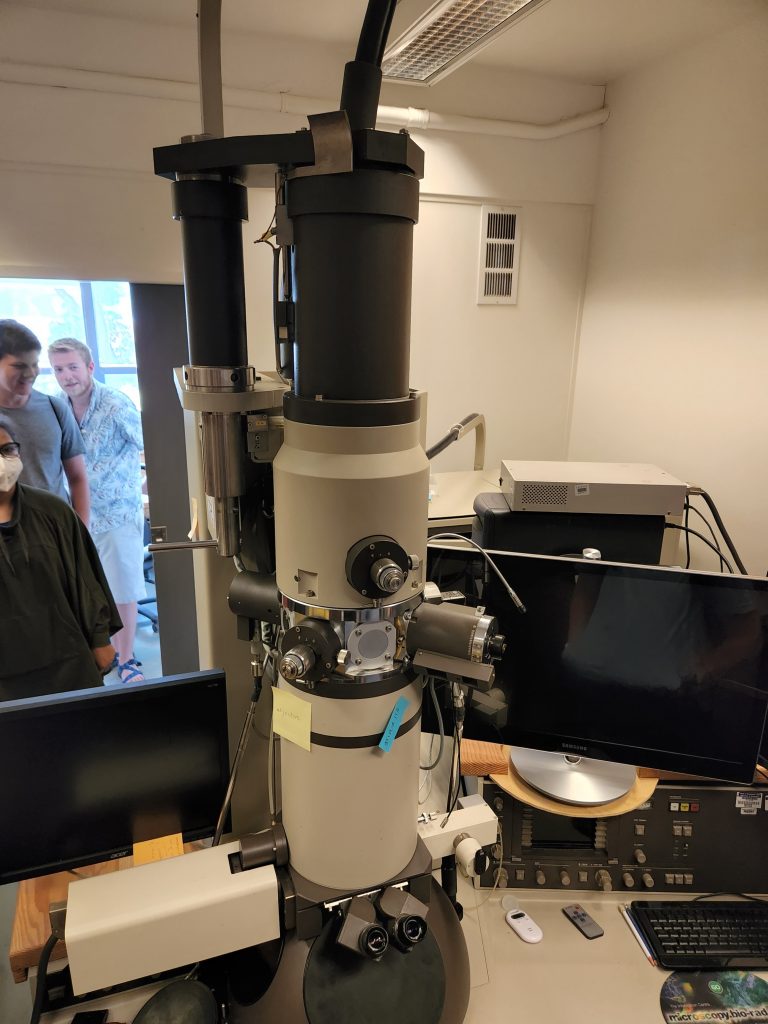
Now let’s begin on day 10. To start the day, right after breakfast, we left to go birdwatching at Zylstra lake with Sharon Massey. We all brought our binoculars and observed bald eagles, turkey vultures, and some smaller birds such as goldfinches, yellow finches, and white-crowned sparrows. We went home for a few minutes, then departed for Friday Harbor Labs. There we went on a tour around the campus, went into different Labs, saw experiments in progress, learned about the green fluorescent protein, a transmission electron microscope, and saw many animals including Spiny dogfish, which are in the shark family. After our tour, we went back to the house, ate lunch, and proceeded to work on our projects for the duration of the afternoon.
Day 9 eelgrass research Photo by Alex McIntire
Bird Watching Photo by Miles Kaludzinski
Experiments in Progress Photo by Alex McIntire
The Transmission Electron Microscope Photo by Carter Kitterman
Today started off early; we were up and out of the house at 8:30! After packing our bags and piling into the van, we drove over to the Friday Harbor labs to observe Dr. Olivia Graham and her intern Katie Philipp. The dynamic duo were in the middle of an eelgrass study to determine at what points eelgrass wasting disease enters the plant. We had the fortune of arriving as they were removing and extracting their samples, and had the opportunity to help and observe the process! After helping remove the samples, we explored the tide pools along the coast of the observatory, checked out their dock, and headed back to the dorm.
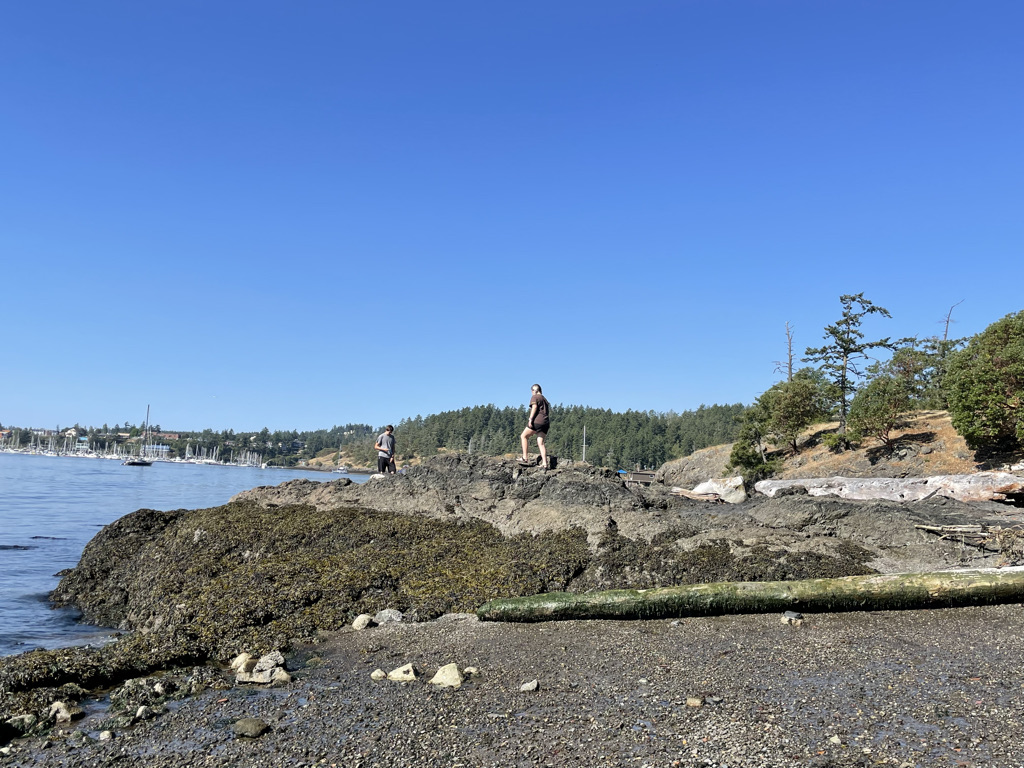
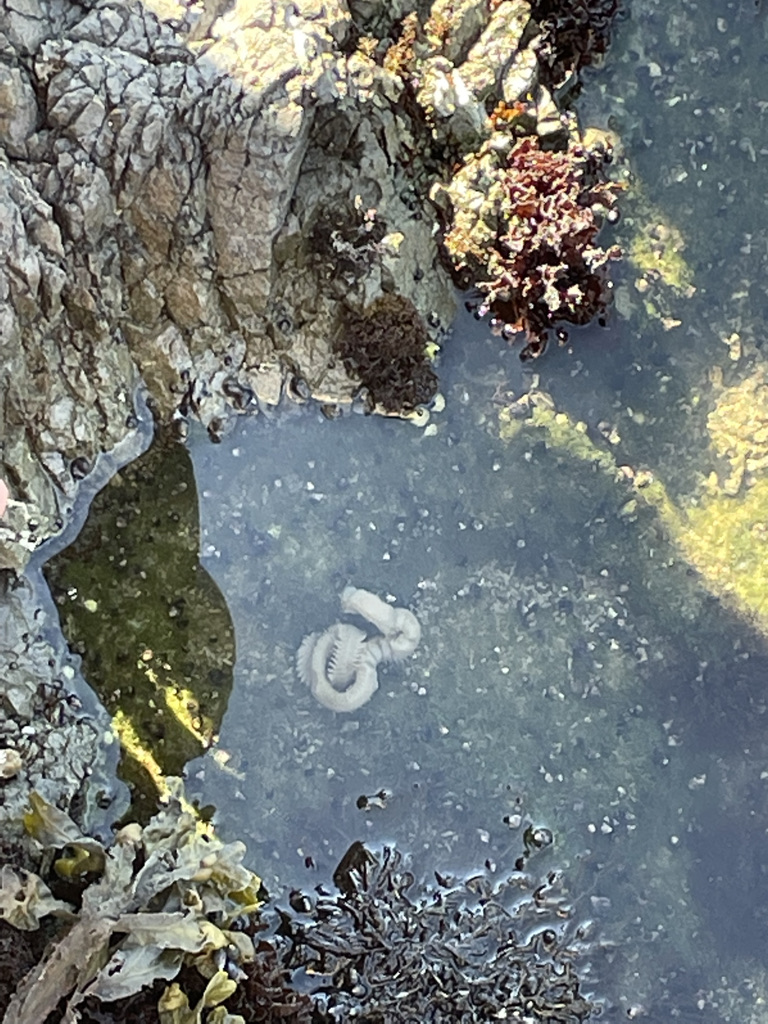
Exploring the tide pools at the Friday Harbor Laboratories
After a little downtime, we headed out again to Fourth of July beach to observe eelgrass beds to take a closer look at them in their natural habitat. Along the way, we stumbled across students of the University of Washington, who were studying at Friday Harbor labs, and were taking a marine disease course. During our conversation, we learned more about the carbon cycle, and what role organisms and eelgrass plays.
After our discussion, we drove back to the dorm and continued to work on our presentations. After working on our presentations for a couple hours, we prepared the house for our guest of the night; Jessica Newley! Ms. Newley works with VR exploration and education, and films 360 degree video of her exploration in the Puget Sound and Salish Sea. With her, we had the opportunity to learn about the salmon lifecycle, and how the Salish Sea plays a huge role in the development of juvenile salmon.
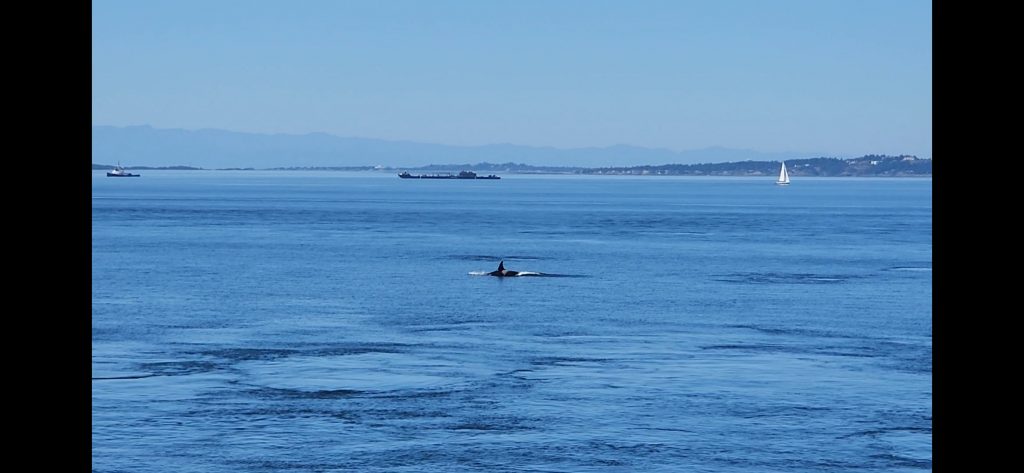
Today morning, we were planning on following up on our photo shoot that we started on Day 2. Unfortunately, before we could embark on this exciting journey, we were notified that the critically endangered resident killer whales’ J pod was passing by near Lime Kiln State Park. We hopped in the van and rushed toward the park, where we were able to see J-38 (Cookie), J27 (Blackberry), and many other orcas pass extremely close to the shore.
Orca (J40 “Suttles”) near Lime Kiln State Park
There were more than ten members of the J pod near us, and we were also able to hear the clicks and chirps of the whales through the local hydrophone. Unfortunately, our whale watching was cut short by the fact that we had scheduled a hike and appointment with Jacob from Landbank. We all grudgingly left the whales to meet with Jacob, who led us up the summit of Mt. Grant, learning about various plant species along the way. The “no-shoe-gang” (Carter, Athena, and Dylan) faced an arduous challenge when they decided to hike barefoot for half the time. Even after hiking to the summit with limited complaints, they were forced to bow down to the higher power which is gravel. This hike was very fun and we learned about lots of different flora in the area.
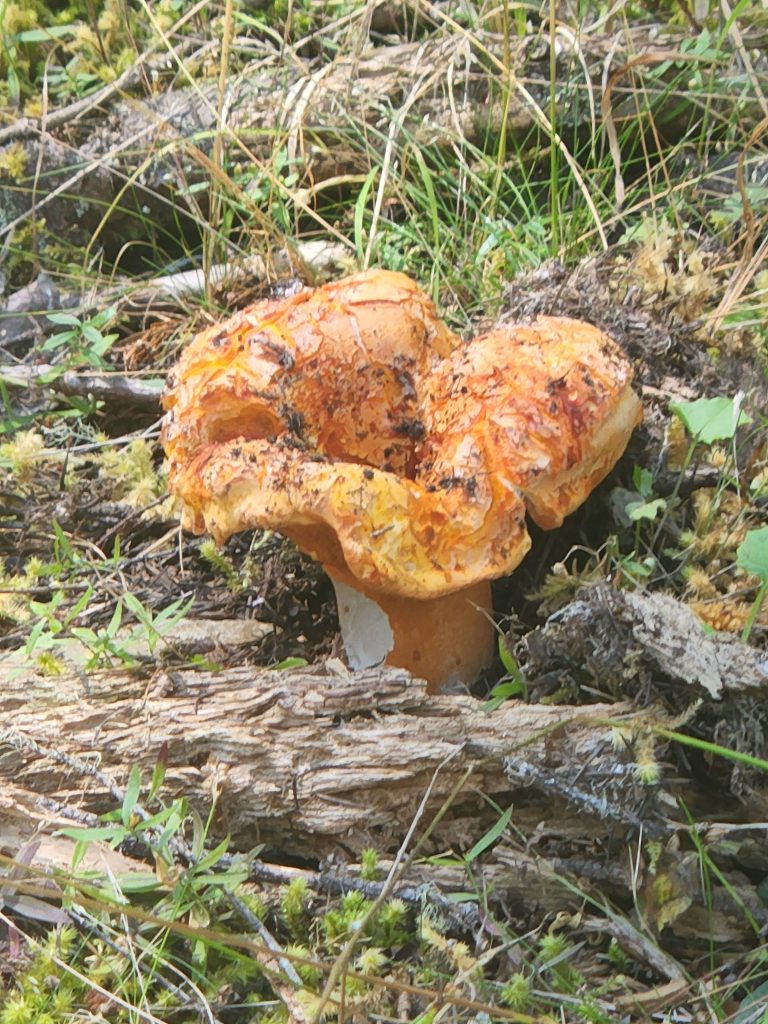
Lobster mushroom that we found on the hike
Once we got home, we were greeted by local solid waste disposers Katie Fleming and Ayla Ridwan. They educated us about the importance of composting and how to make a difference in communities. To put this in practice, we headed off to local restaurants to check if they were aware of the new law that had put regulations on single-use plastic utensils. Even though half of the restaurants were closed, the workers at the other half were kind enough to voice their opinions about this subject, kindly or not. Most thought that it was a great idea.
Later that evening, we were fortunate enough to dine with Jessica Farrer and Eric Guth, researchers and photographers that have had loads of experience with marine mammals. We learned that they had journeyed to Antarctica to learn about the local fauna. They were very fun to talk to and were very knowledgeable. Overall, our day was extremely fun. 🙂
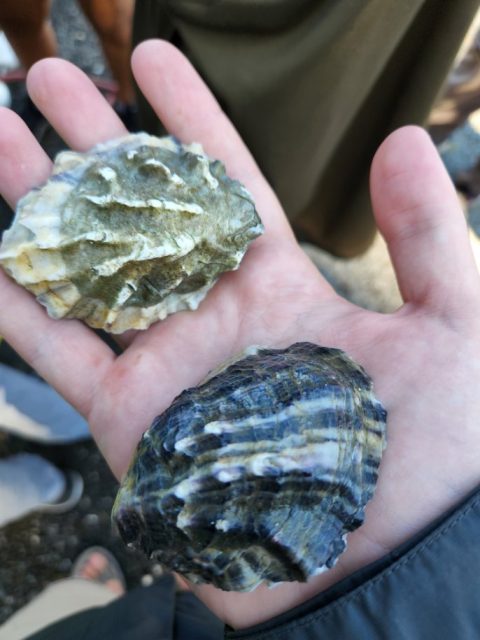
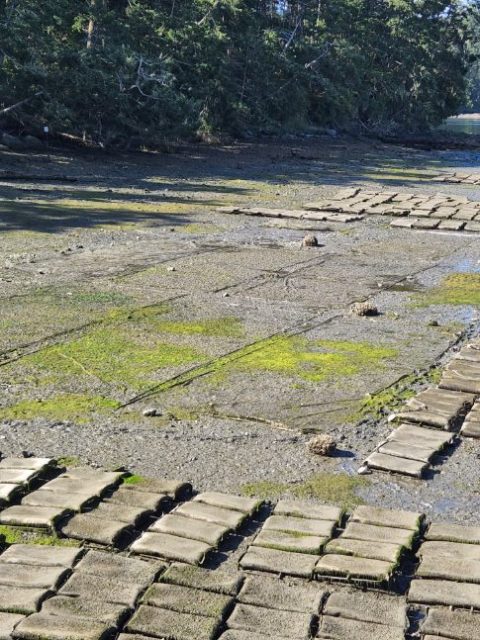
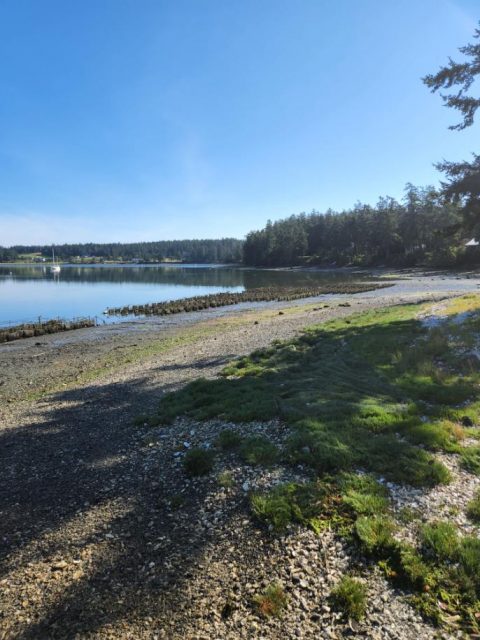
After a long night of playing games together, we woke up bright and early to see SOME OYSTERS!!!! We spent about an hour learning about their operations and sustainable farming methods at the Westcott Bay Shellfish Company.
Photos by Carter
After checking out the farm, we took a hike to English Camp and walked the Bell Point Loop (barefoot gang stroke again). Along this scenic route, we stopped at Bell Point and learned about ocean acidification, kelp, and the importance of the food web. We also saw a view of the oyster farm from earlier.
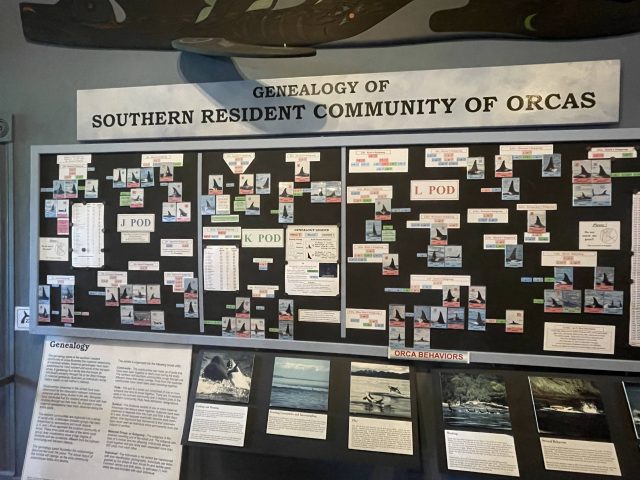
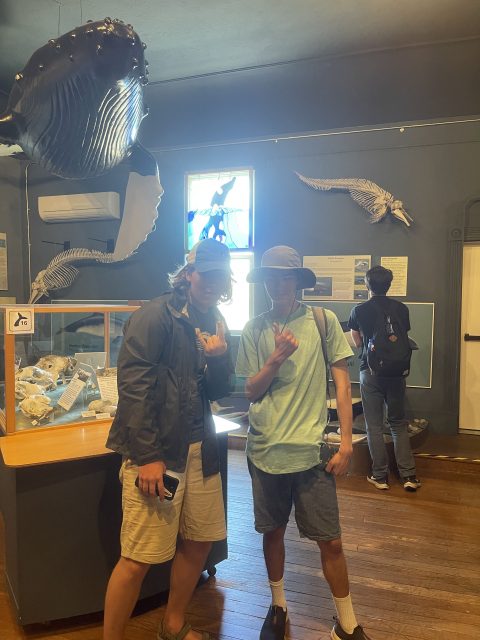
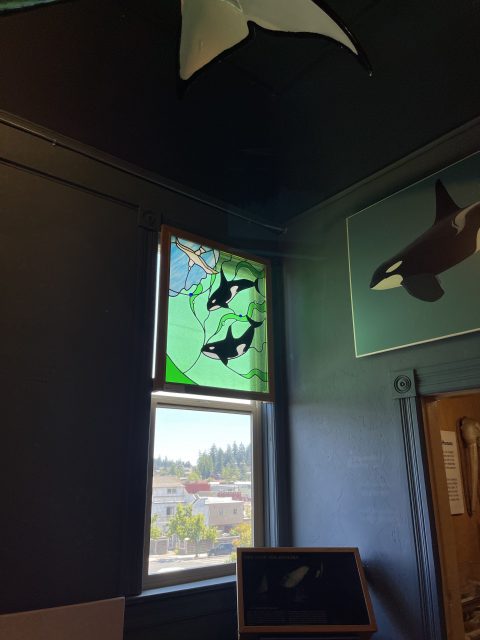
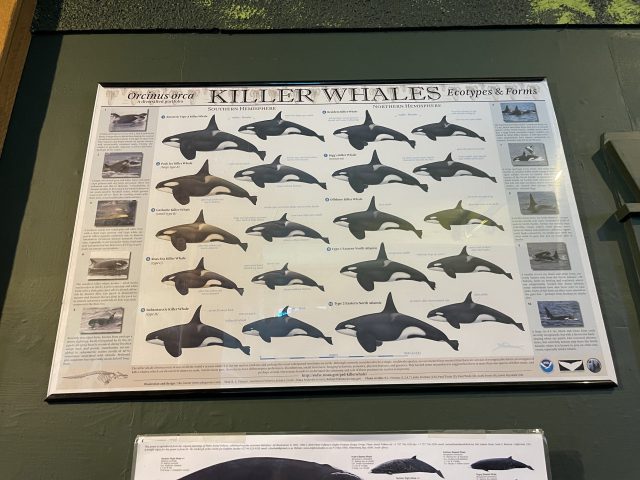
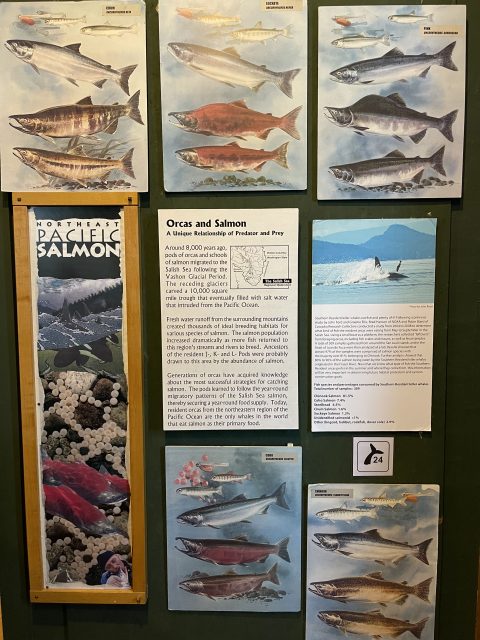
After lunch, we went to the Whale Museum with Big Alex who was able to provide us with some extra insight into all the information we were seeing. Here is some of the sights we saw included below.
Photos by Athena
During our free time, there was an offer from Courtney (dorm mom) to GO SWIMMING!!!! Four brave soldiers (Athena, Uma, Carter, and Dylan) decided to venture out to Eagle Cove for a chilly afternoon swim. Some of our female soldiers took the water with an iron fist while certain others didn’t (especially not our native Florida man).
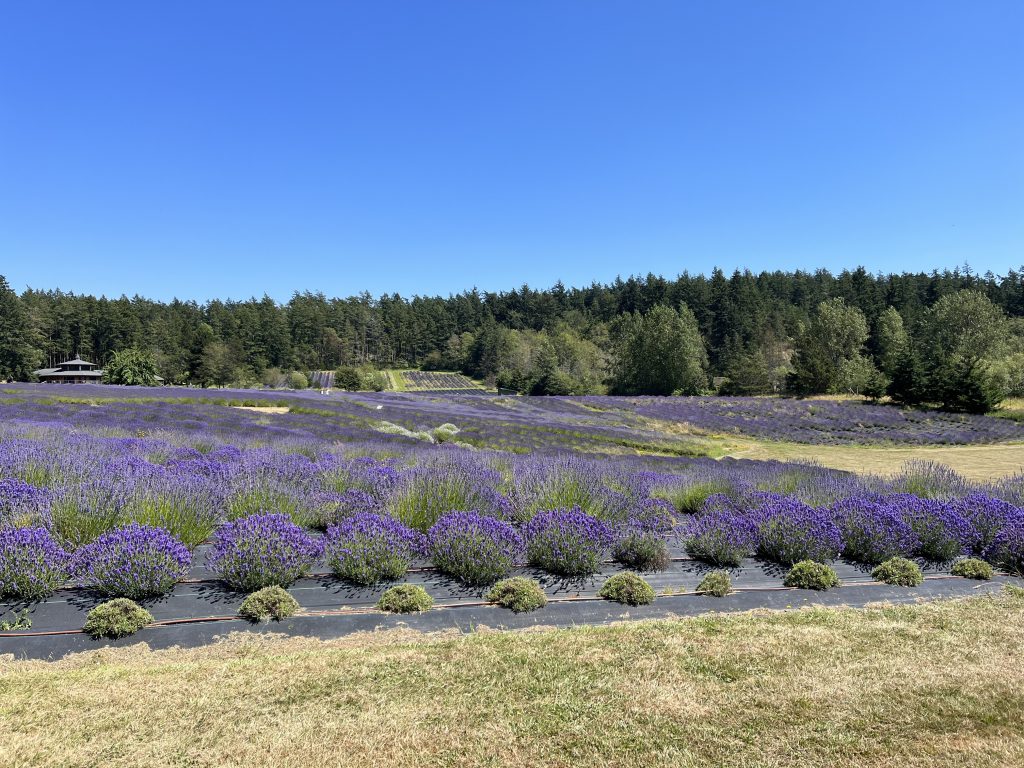
After coming back from kayaking yesterday, today was mostly a day to relax and explore San Juan Island. We were allowed to sleep in late and and a little after 11:00, everyone headed out to the farmers market with $20 to spend. Then we split up in groups to explore Friday Harbor. We visited a local toy store, a book store, and a seafood restaurant called “The Bait Shop” for lunch. Then we returned home and we worked on two separate LEGO sets that were bought at the toy store, both with a marine theme. At 1:30 we drove out to Pelindaba farms to learn about the lavender fields and sustainable business and agriculture on San Juan. We then explored the fields and got to eat lavender flavored ice-cream. After that, we were allowed to have free time and hang out back at the dorms.
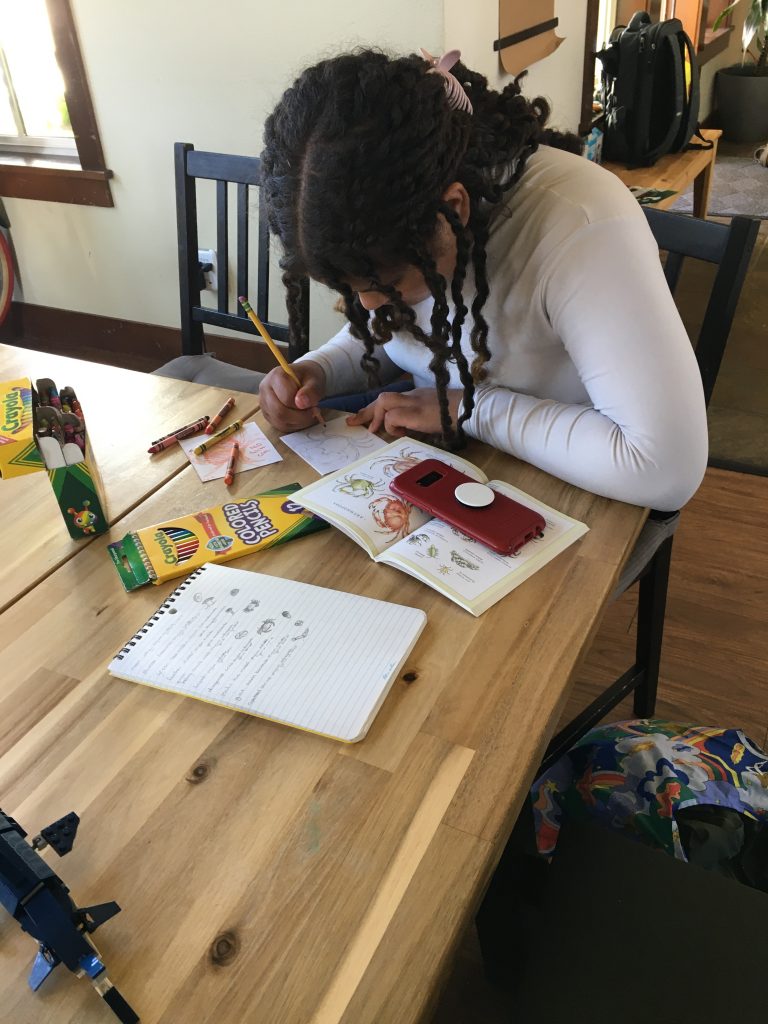
From left to right: Uma coloring during free time, taken by Caroline. Pelindaba fields, taken by Jay
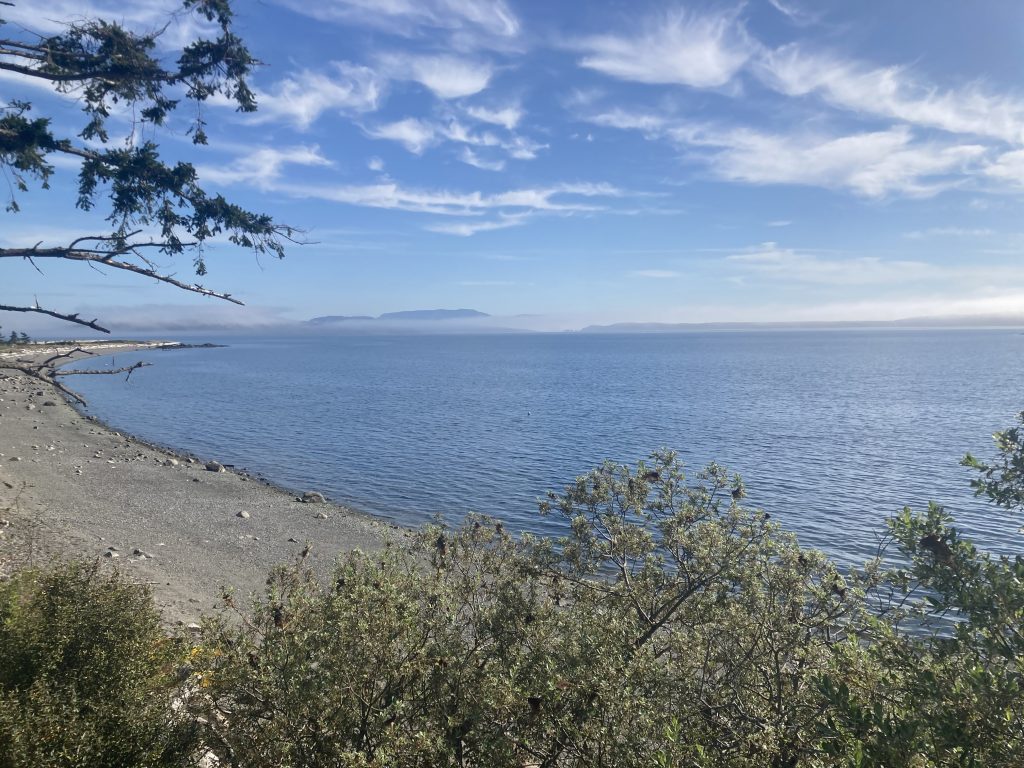
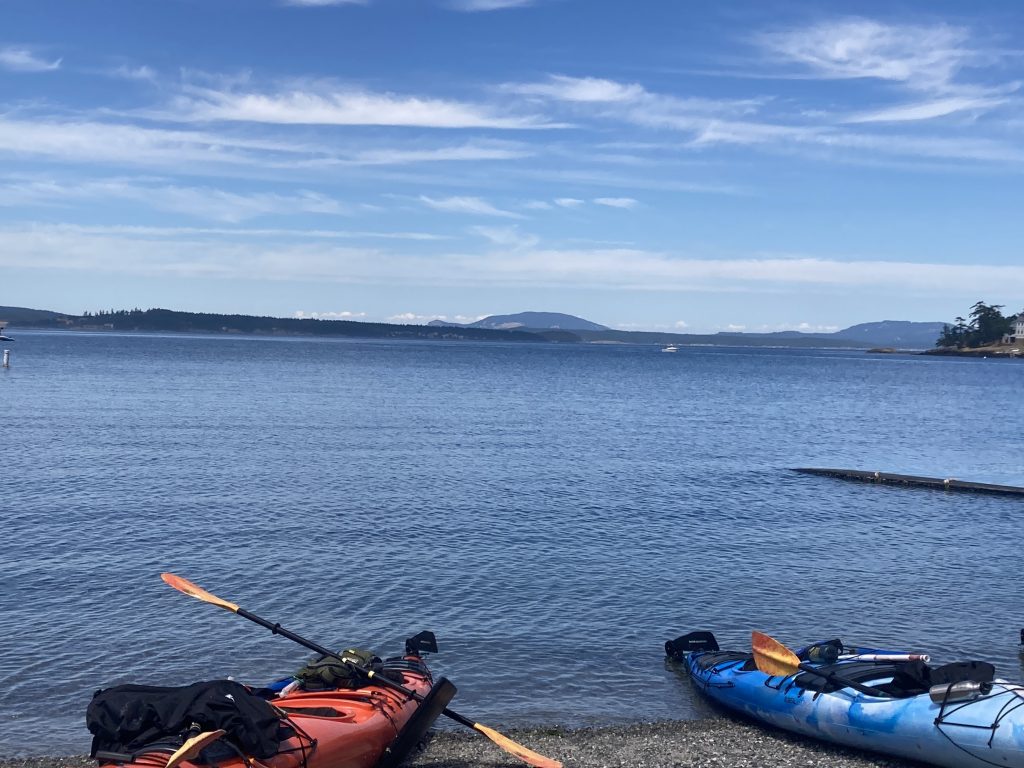
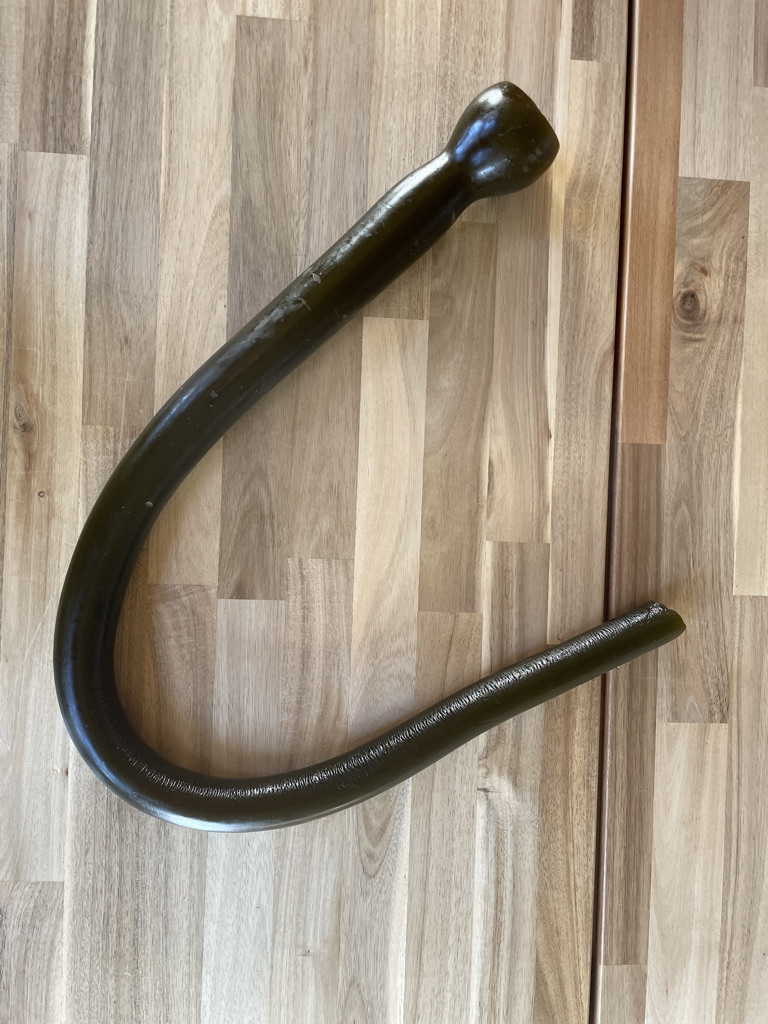
The second day of the trip was the only full day we spent kayaking. Most of our morning was spent paddling out around Cattle Point. We ended up turning around and eating lunch at the beach near Third Lagoon. While there, a few members decided to collect a bit of bull kelp and cut it in a way to make horns, that were fun to make, hard to play, and nasty to use. From there the group split up and half of us went on a hike while the rest went back to the campsite. A few of the hikers were brave enough to take the long walk to Cattle Point lighthouse barefoot after being inspired by our kayak guide Max. By the time the hikers returned to the campground and those who had stayed behind had finished their game of Uno, it was time for campfire chili. We ate around a campfire and some played a few rounds of BS while others experimented with putting s’mores on brownies. Once the fire had been put out and the sky had turned dark, Max and most of the campers headed out to watch the bioluminescence. Max explained the science of the chemicals luciferin and luciferase and the impact of the bioluminescent protists on the ecosystem. We were fascinated by the glow of the plankton and zooplankton. Sadly, their glow was not bright enough to be caught on camera. Eventually, we decided to head back and some returned to sitting around the campfire to make s’mores or to dry off. After that, everyone went back to their tents to go to sleep.
Today was officially the last day of our three day kayaking expedition around San Juan Island! Our day started late; a little extra sleep was needed after staying up late for our bioluminescence kayak (see day 4 blog for details). Breakfast consisted of granola, yogurt, and bagels, which was thoroughly enjoyed with hot tea and coffee. After breakfast, we set out on the difficult task of packing up our supplies and playing tetris with our belongings to fit them back into our kayaks. Along the way, we met a few friends; we stumbled upon a family of Garter Snakes who were sharing the campground with us! Carter, who had dealt with snakes before, was able to gently scoop one of them up for us to see. Surprisingly, the Garter Snake was extremely friendly; we were able to touch and feel it, and it didn’t seem to mind. After greeting our snake-neighbors we loaded up the kayaks and prepared to embark dormwordbound.
After the kayaks were packed we set out and started paddling down the coast of San Juan to the vans on the beach. We heard the reports of Orcas heading South down San Juan Channel! We were all very excited because we were heading in that direction. On our trip we saw many Harbor Seals swimming and relaxing on the rocks. We passed by a very nice old couple on a crab boat and they handed Max a big delicious Dungeness Crab. Dylan and Carter picked up a giant piece of Bull Kelp which they would use for later. After rounding Dinner island, Jackson beach was in sight!
After landing on Jackson Beach, we unloaded our kayaks, packed up the van, and made sandwiches for lunch. While the rest of us were eating, Dylan and Carter fashioned more makeshift horns out of the bull kelp they had collected earlier.
Dylan’s bull kelp horn
Finally, we drove home and said goodbye to our guides, Max and Maya, who had guided us along our kayaking journey. The rest of the day was spent recouping and recovering to compensate for our long journey. With pizza for dinner and a relaxing night ahead, I would call today a success.
We woke in a rush to meet our kayak guides, Max, and Maya. We left from Jackson beach and paddled south around dinner island were we spotted some Harbor seals resting on rocks. We continued down south and stopped at Mulno cove for lunch. After filling our tummies we paddled until we reached the Griffin bay D&R site where we set up camp for the next two nights
After setting up camp we set off to explore Jackle’s lagoon. During our exploration some of are fellow kayakers fell victim to the smelly lagoon (they fell in) after drying off we decided to hike up mount Finlayson. To end our day we paddle back to the campsite to rest after the long day of kayaking, where we had Burritos for dinner.
By Sohum Ratnaparkhi, Carter Kitterman, and Nyomi Garcia
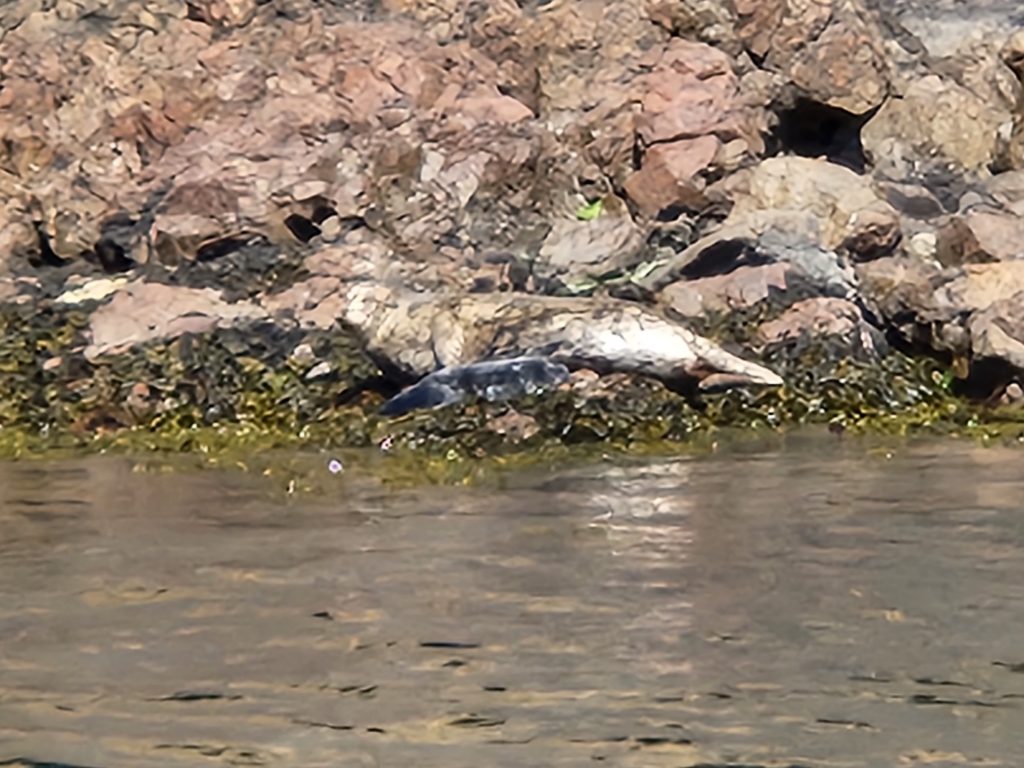
Today, we learned about the species classification of different animals in the area. For those unfamiliar with the term “taxonomy,” it is the process of sorting animals into groups that are easy to understand. For example, an animal we were lucky to see on the shore near the docks of Friday Harbor was the Pacific harbor seal. Its scientific name is Phoca vitulina, the first word being the genus and the second being the species. We also learned about the different orders of classification (kingdom, phylum, class, order, family, genus, species). Then, we went down to the Friday Harbor docks where we saw all sorts of invertebraes and a harbor seal with its pup. We found more than ten different species and wrote down their phylum, genus, and common name, along with quick sketches of the animals.
Harbor seal with pup resting on shore near Friday Harbor docks.
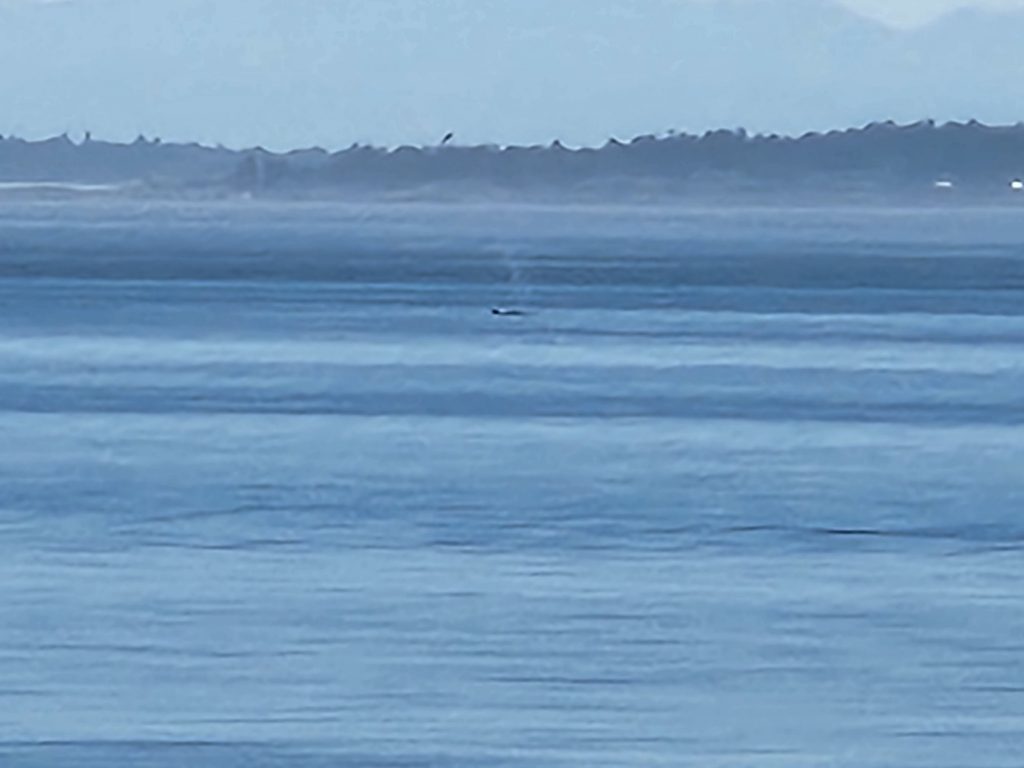
After lunch, we headed west toward Lime Kiln State Park, famous for its land-based whale watching. We met up with Erin, who works at Lime Kiln and told us about the different plant species that made up the park. When we met the coast, we were fortunate enough to see a couple humpback whales off in the distance. The fact that we could see them from over two miles off certainly emphasized their enormous size.
Humpback whale blowhole in the distance (sorry for bad quality).
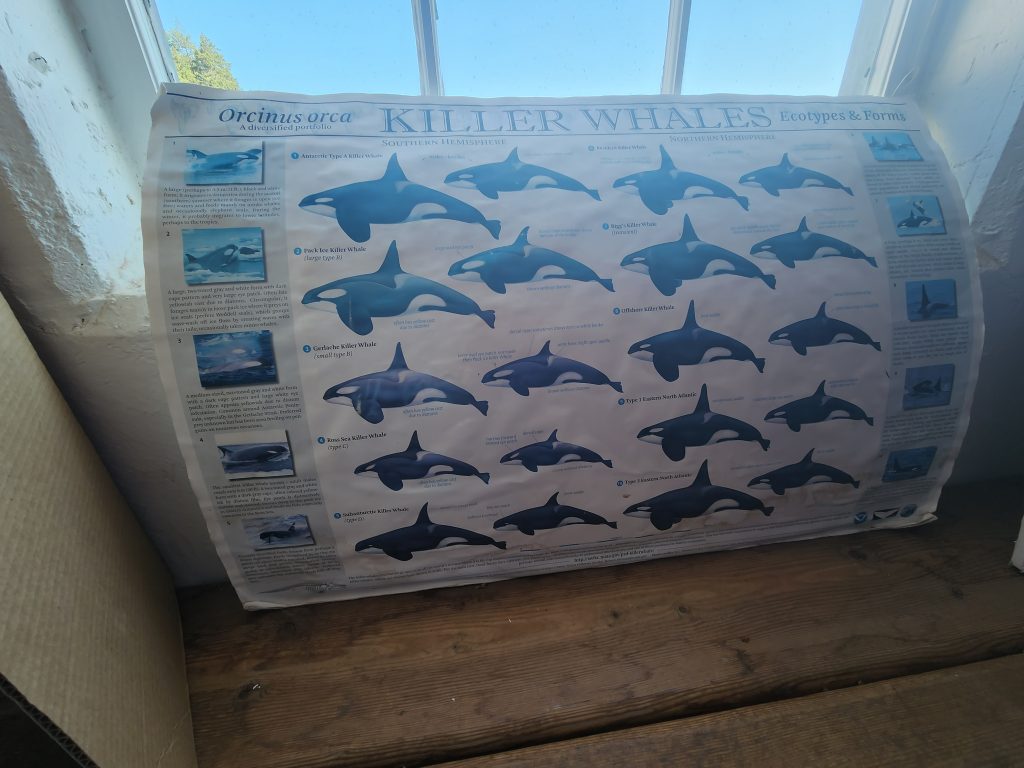
We visited the local lighthouse where we met Dr. Bob Otis, who has been studying orcas for over thirty years. He was able to inform us about the local pods of orcas and the importance of the species as a whole. His sheer amount of knowledge and data surprised us all. Through Dr. Otis, we learned that often data can produce more questions than results.
Different orca ecotypes around the world.
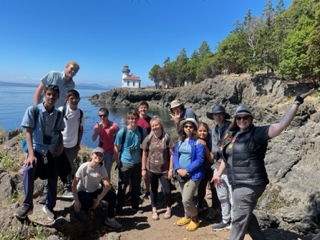
Once we were thoroughly fascinated, we proceeded to go on a small hike up to a limestone kiln which gave the park its name. This experience was also very fascinating in its own way. Our guide Erin told us about the history of the kiln as well as the dangers that workers had to face while working. After learning about this interesting economy, we were able to check out the kiln up close. It was very large and very simple. You could clearly see the way that the kiln had once operated. We were also able to spot a pair of bald eagles perched on a tall tree in the distance. Satisfied with our experience at Lime Kiln State Park, we returned home fueled with excitement and ready to tackle the next project: dinner. And thus, we concluded our second full day at Salish Sea Sciences!
Group picture at Lime Kiln State Park with lighthouse in background.