By: Julie
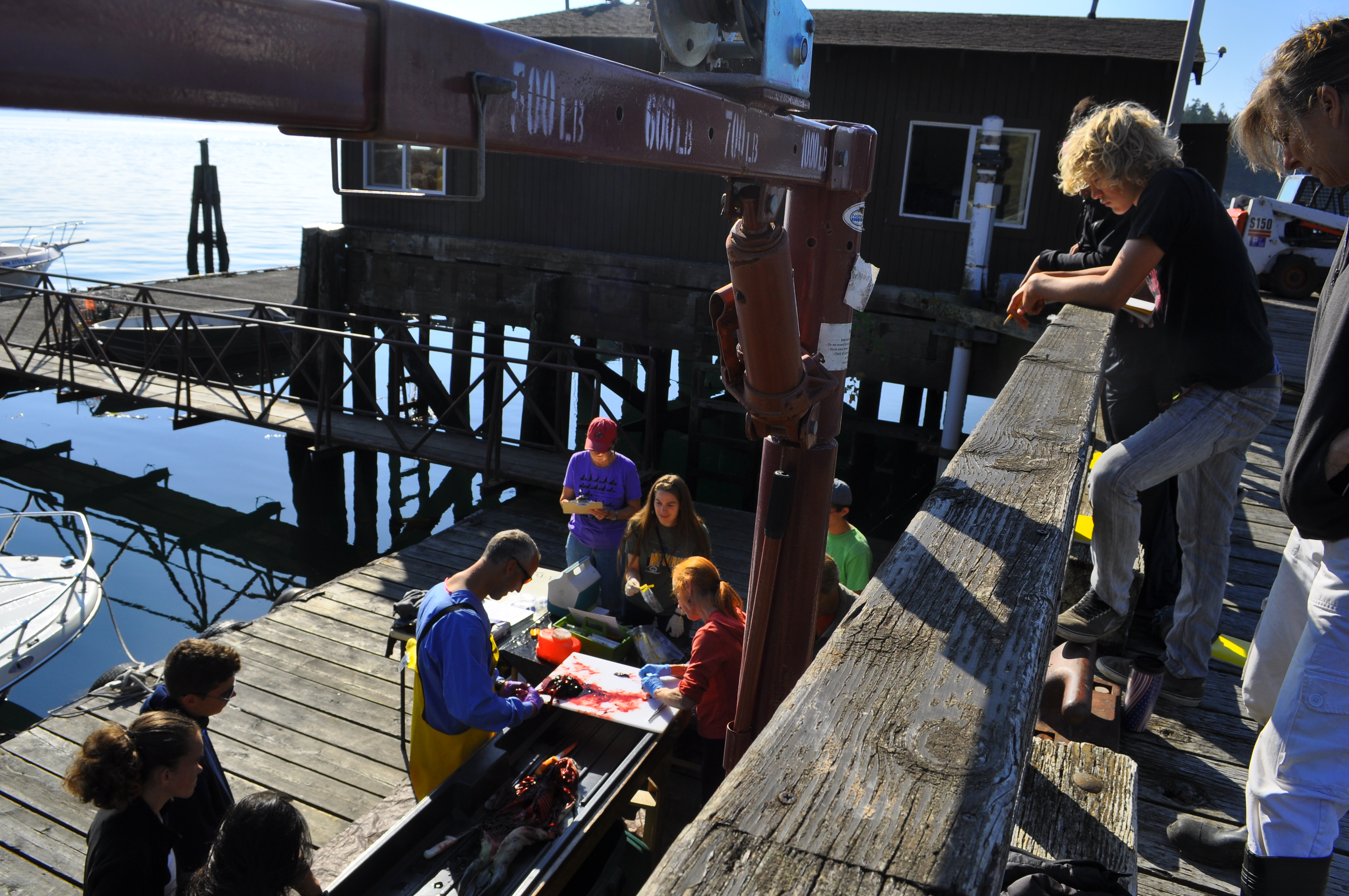
The day jumped out at us as we ate a quick breakfast then headed over to FH Labs for the necropsy of a baby harbor seal; a necropsy is just like an autopsy, only it is performed on an animal instead of a human. Joe Gaydos, a distinguished veterinarian and Director of the SeaDoc Society, led the operation, with assistance from Patrick Charapata and Eric Eisenhardt (our guests from last night), as well as volunteers from SeaDoc and the Marine Mammal Stranding Network. We had a great view from one of the upper docks at FHL, looking down on the procedure from above.
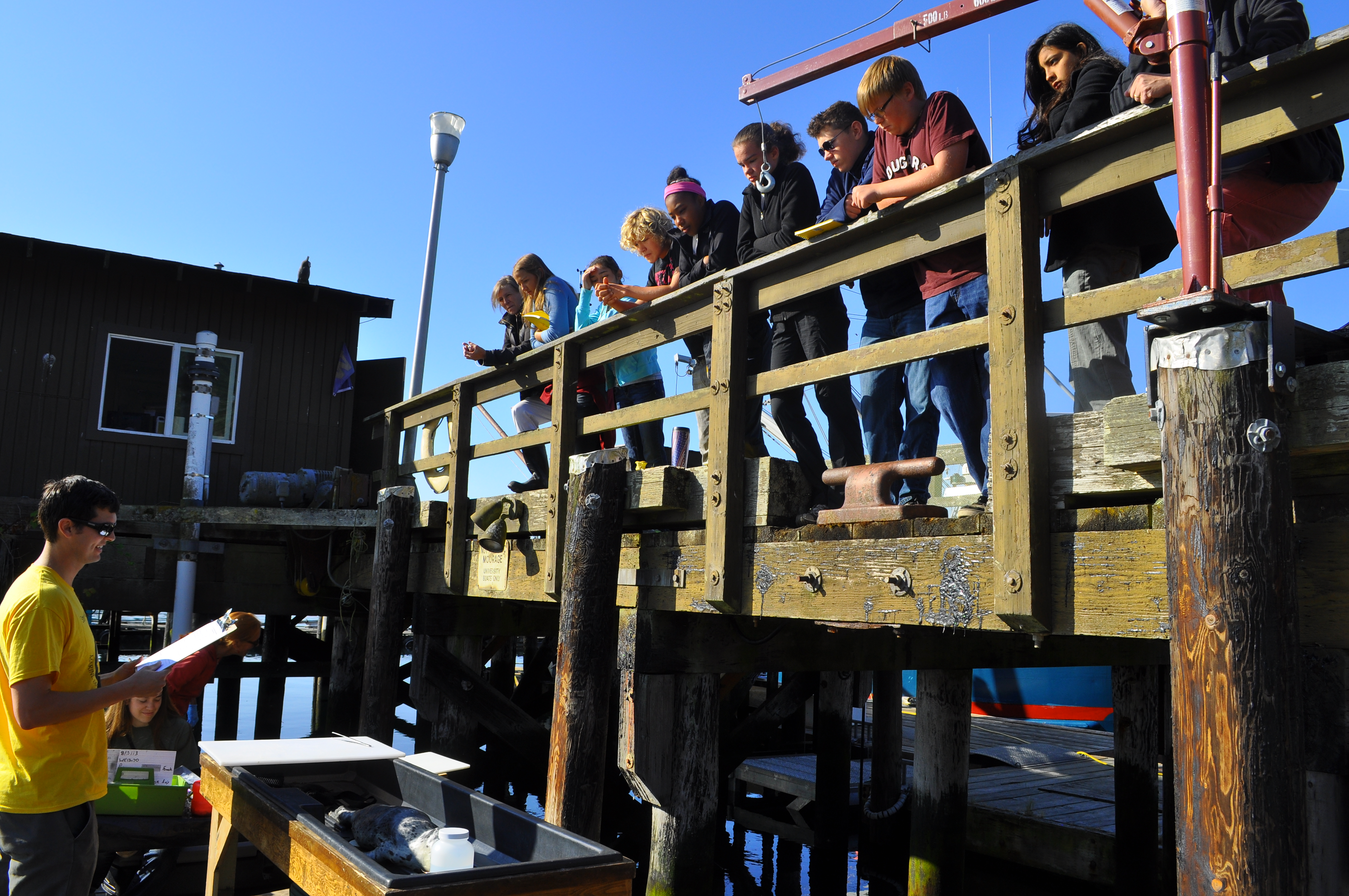
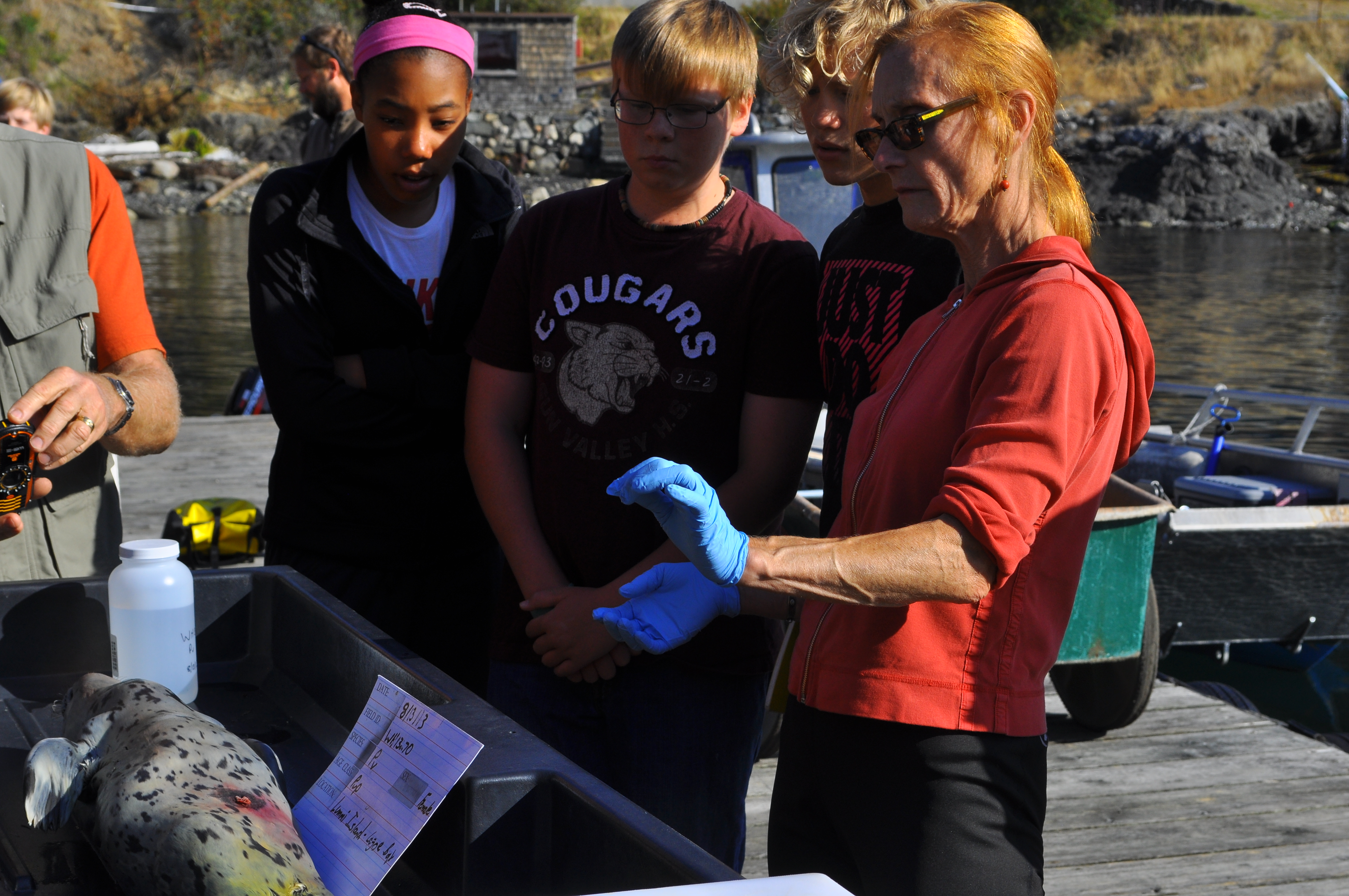
We learned that the harbor seal was grossly malnourished as the necropsy began. The animal also had unusually large lymph nodes suggesting that it was fighting infection before it died. Multiple samples from many parts of the body were removed for testing. The remains were then returned to the ocean in order to maintain the natural order.
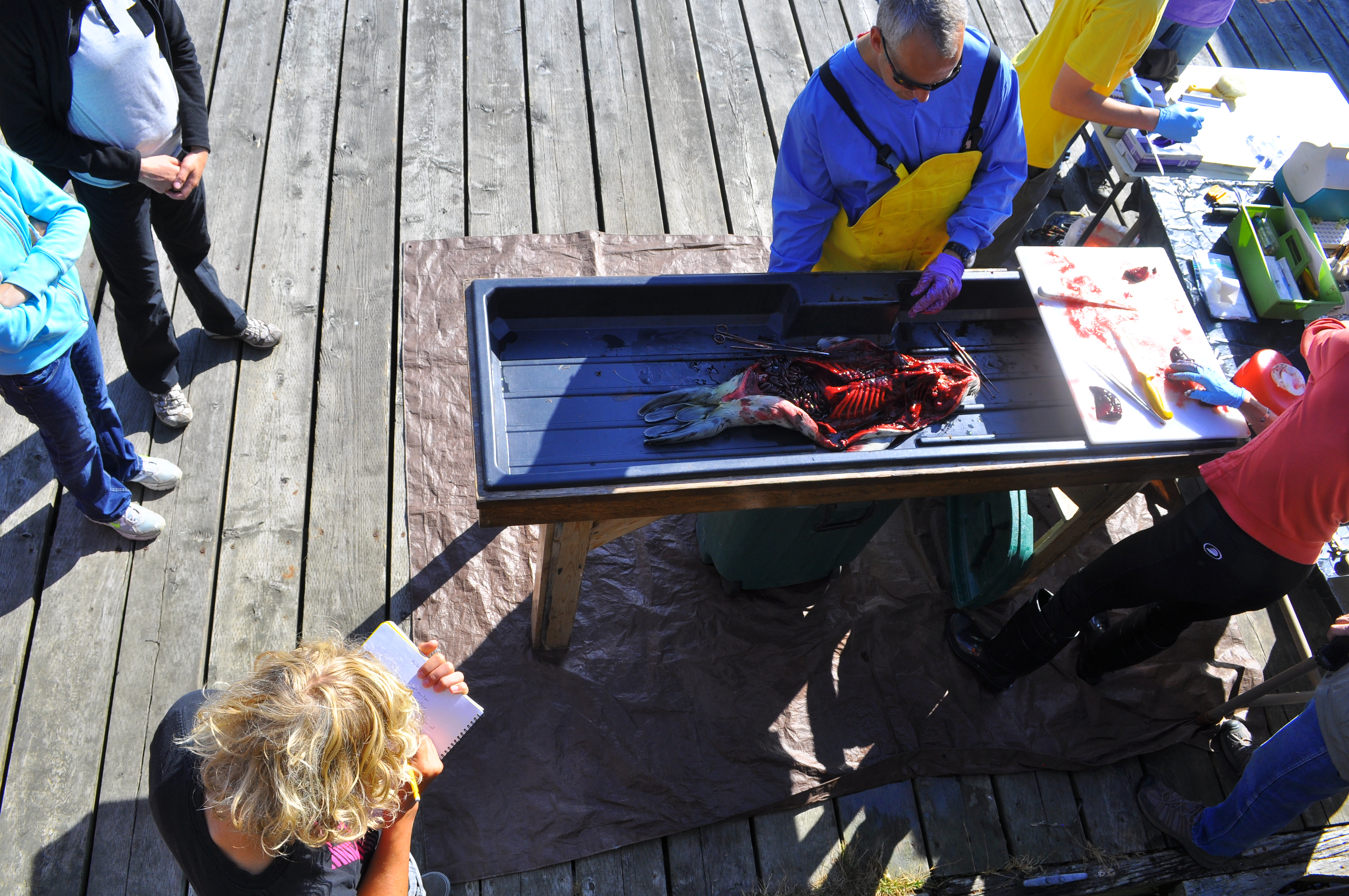
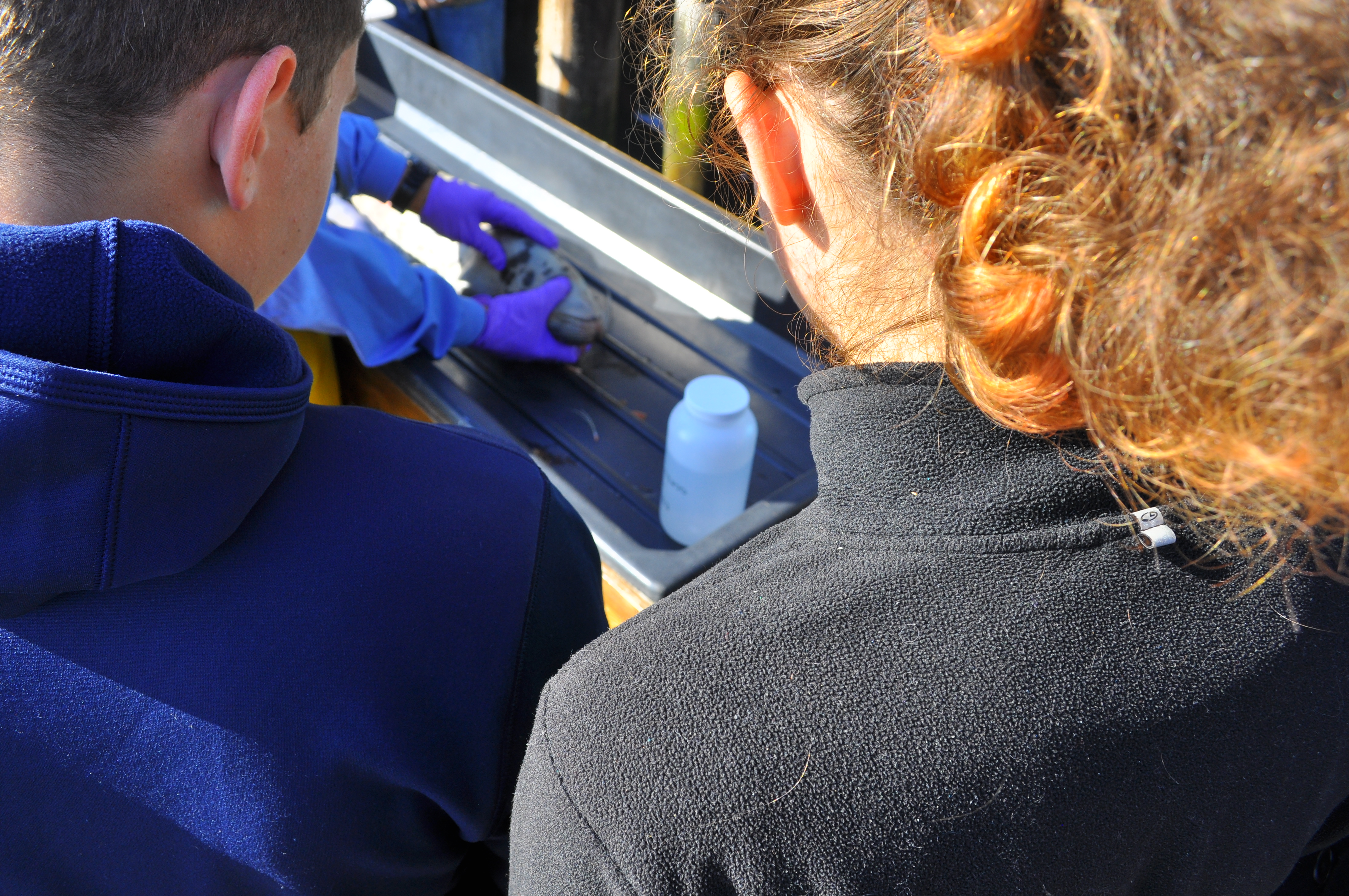
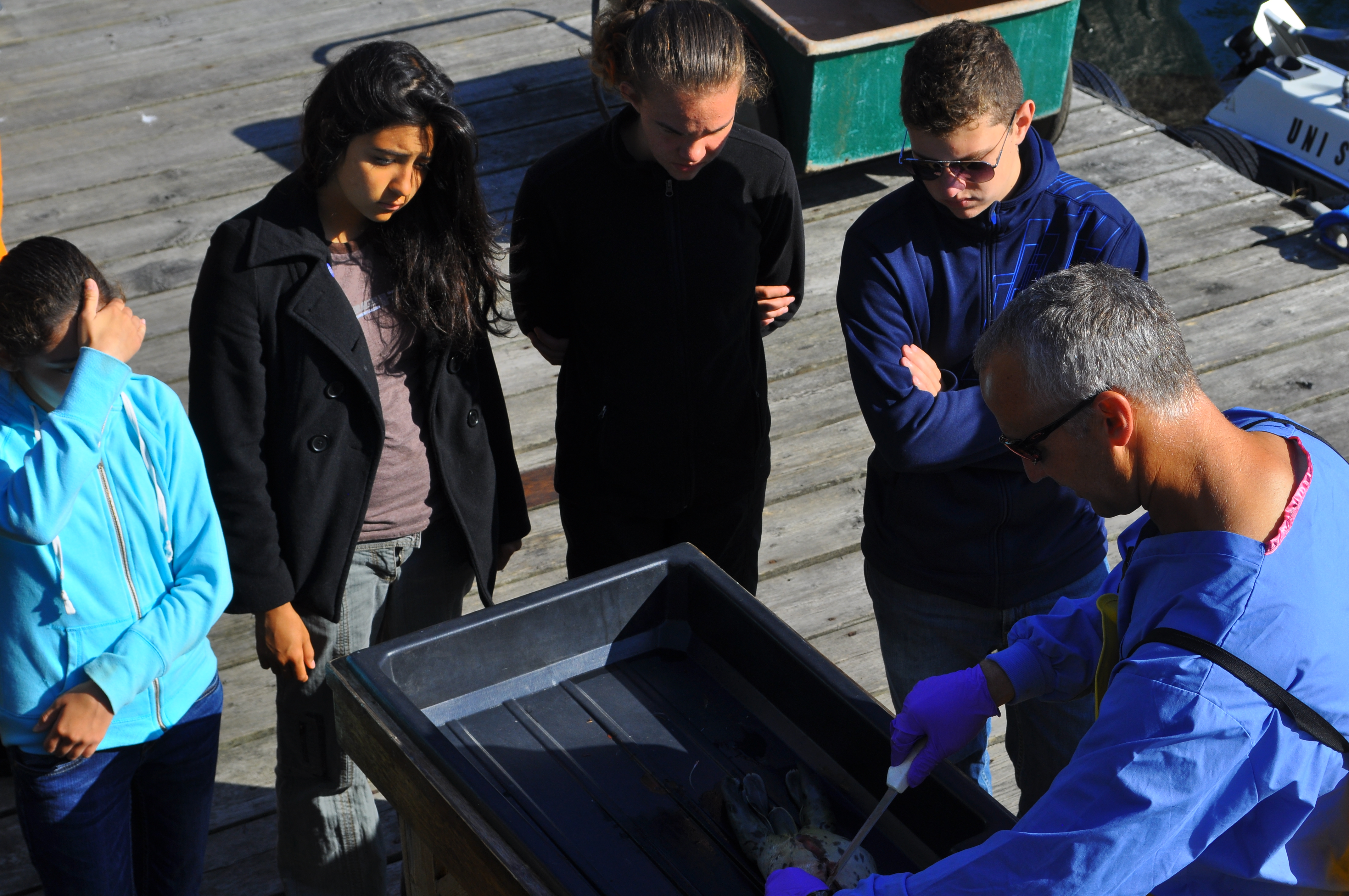
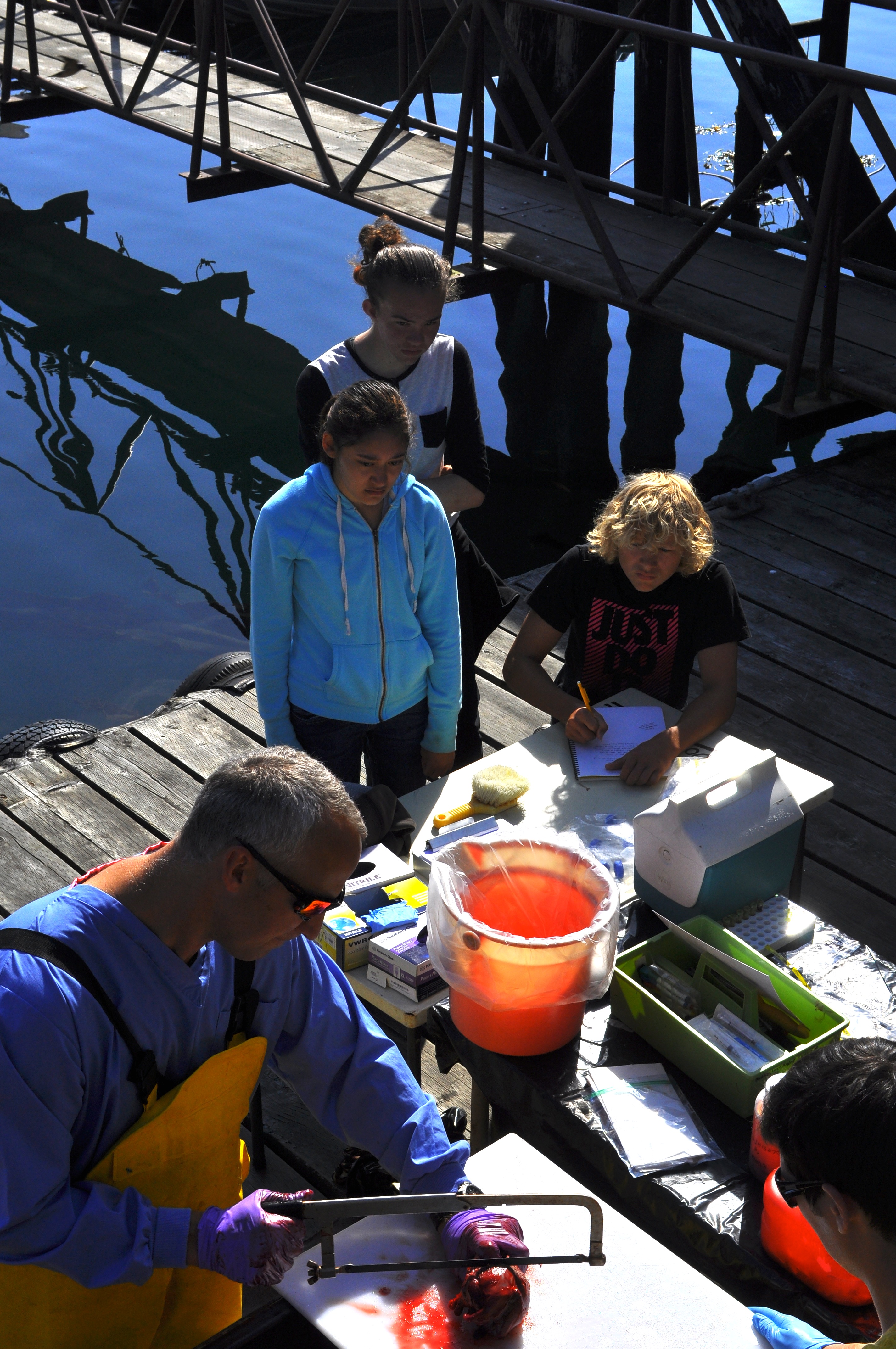
After the necropsy was over we took some time to explore different parts of FHL, including the Stockroom, the Dive Locker, and various different labs and tanks. We also learned how the water system that supplies the many tanks works.
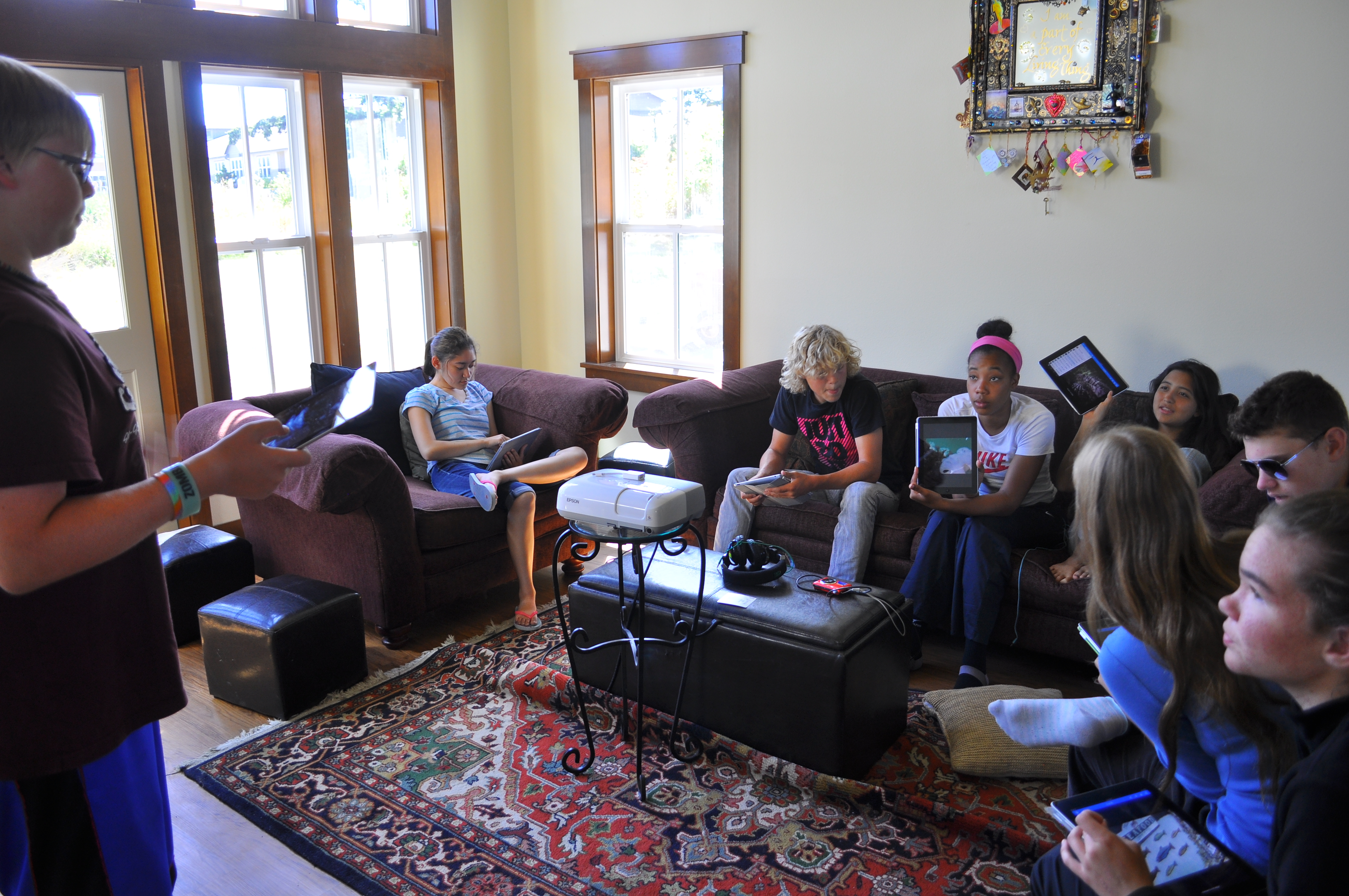
Later, we returned to the dorm for lunch and a meeting about what is happening in the days to come. Then we chose and edited the best of the many photos that were taken on Monday; working together to decide which would be most useful to our presentation.
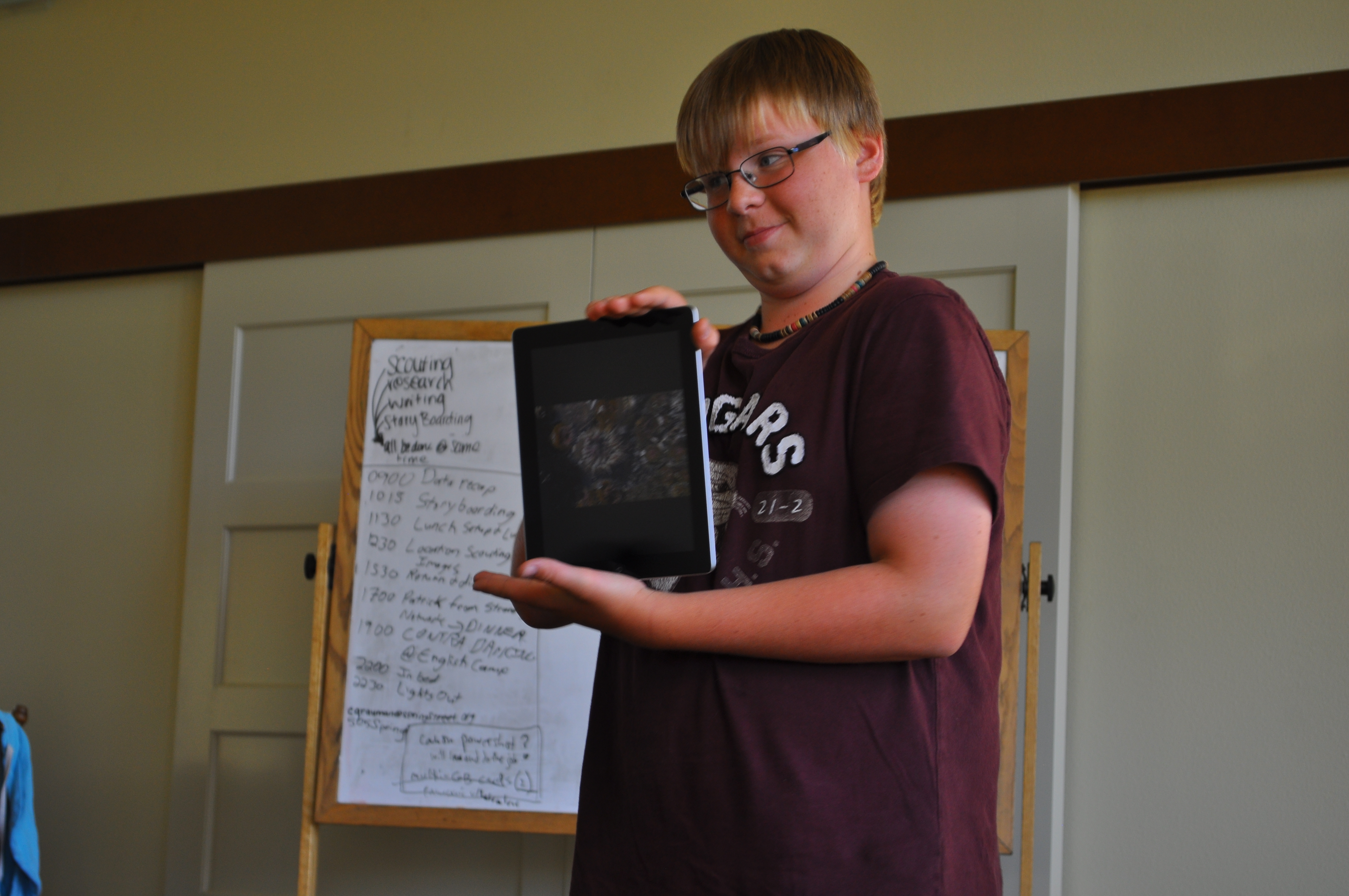
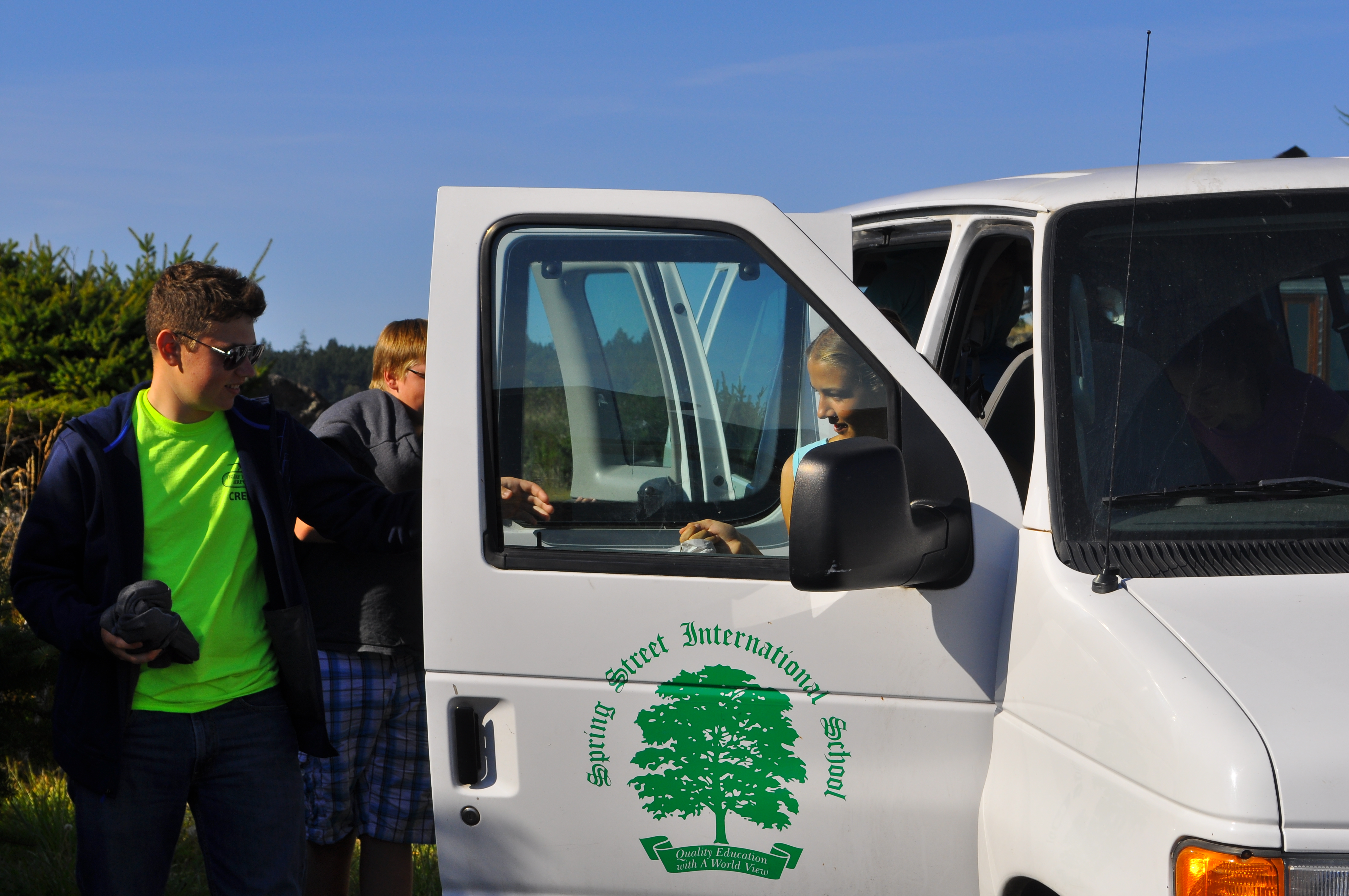
Dinner prep started around 3:45 and we relocated to Patricia Morse’s house to eat. Patricia is Professor Emerita of Biology at Northeastern University. We were also joined by Professors Megan Dethier and David Duggins.
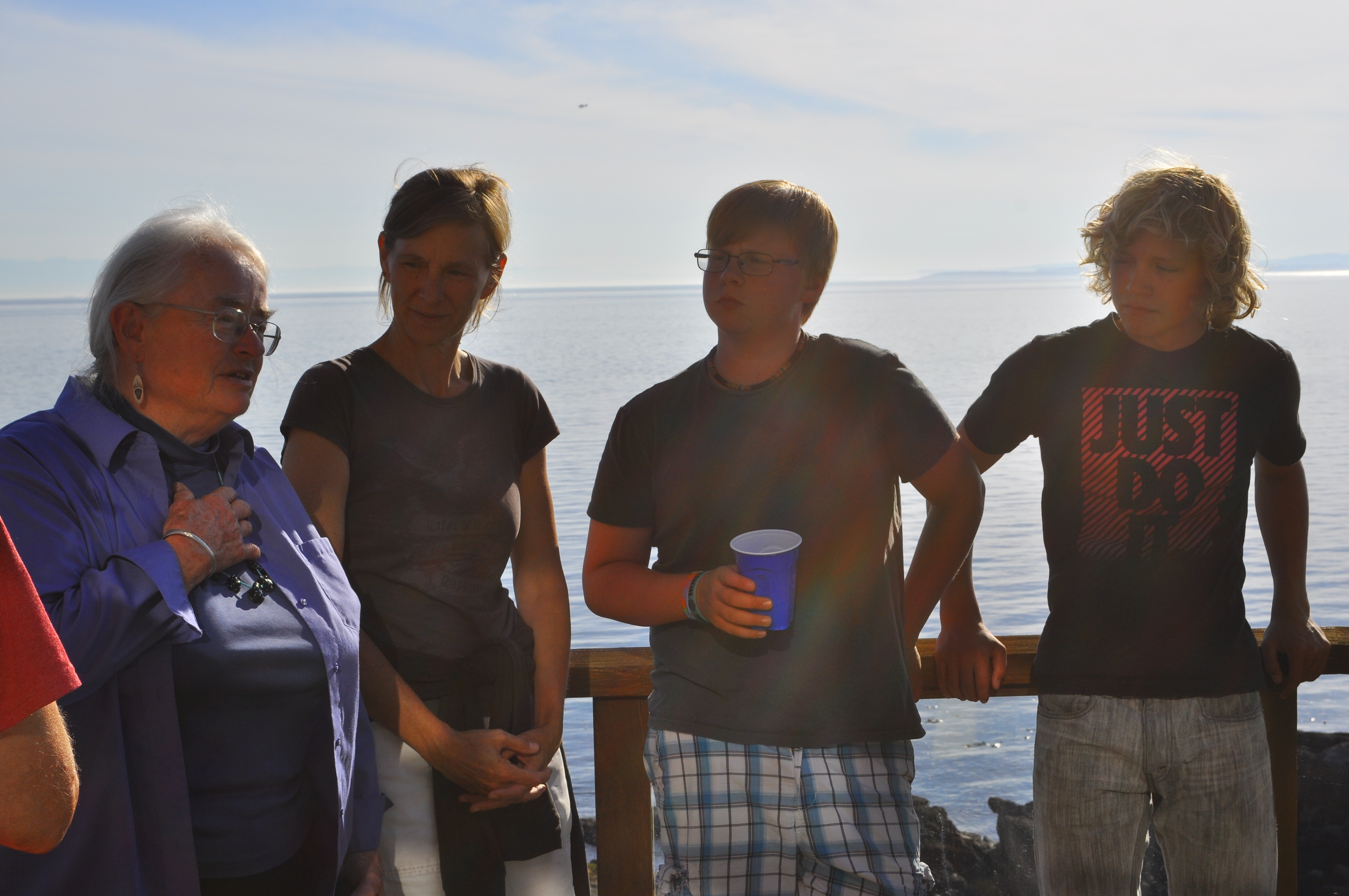
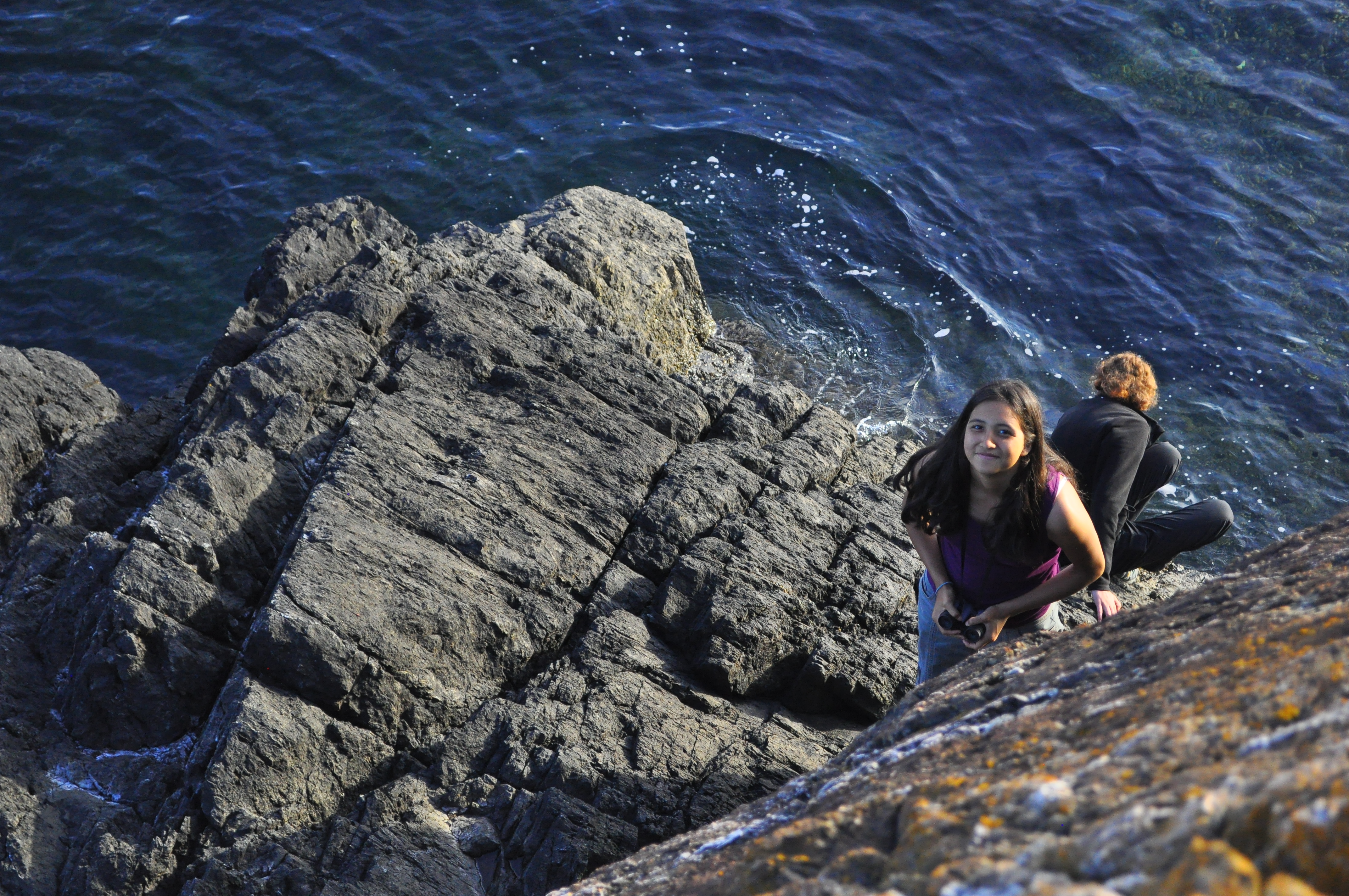
The day closed with some tide-pooling and beach cleanup at Patricia’s, then stargazing at Mike and Diana Stepita’s (Matt’s parents) house, as we looked for shooting stars of the Perseid meteor shower.
I have had the pleasure to get to know each student in this program and I am amazed at their level of enthusiasm for their work. They are engaged and thoughtful in their learning and have been exceptional team mates for three solid weeks.
I was with them as a chaperone on the longboat excursion with Biology Teacher Tim and Boat Captain John. Can they row and sail? Yes they can!! Navigation, bow watch, tiller control, sail raising, marine science research, boat cleaning, supplies organization, cooking, cleaning, tarp raising, knot tying, journaling, illustrating, and so much more.
They all have come away from this experience richer in knowledge of the San Juans and in the friendships they have created. I am happy to know they are on this planet of ours, leading us into the future.
Thank you Tom, Caroline and Tim for your passion and dilligence in envisioning this wonderful program. May it continue to be a pearl of the San Juan Islands.