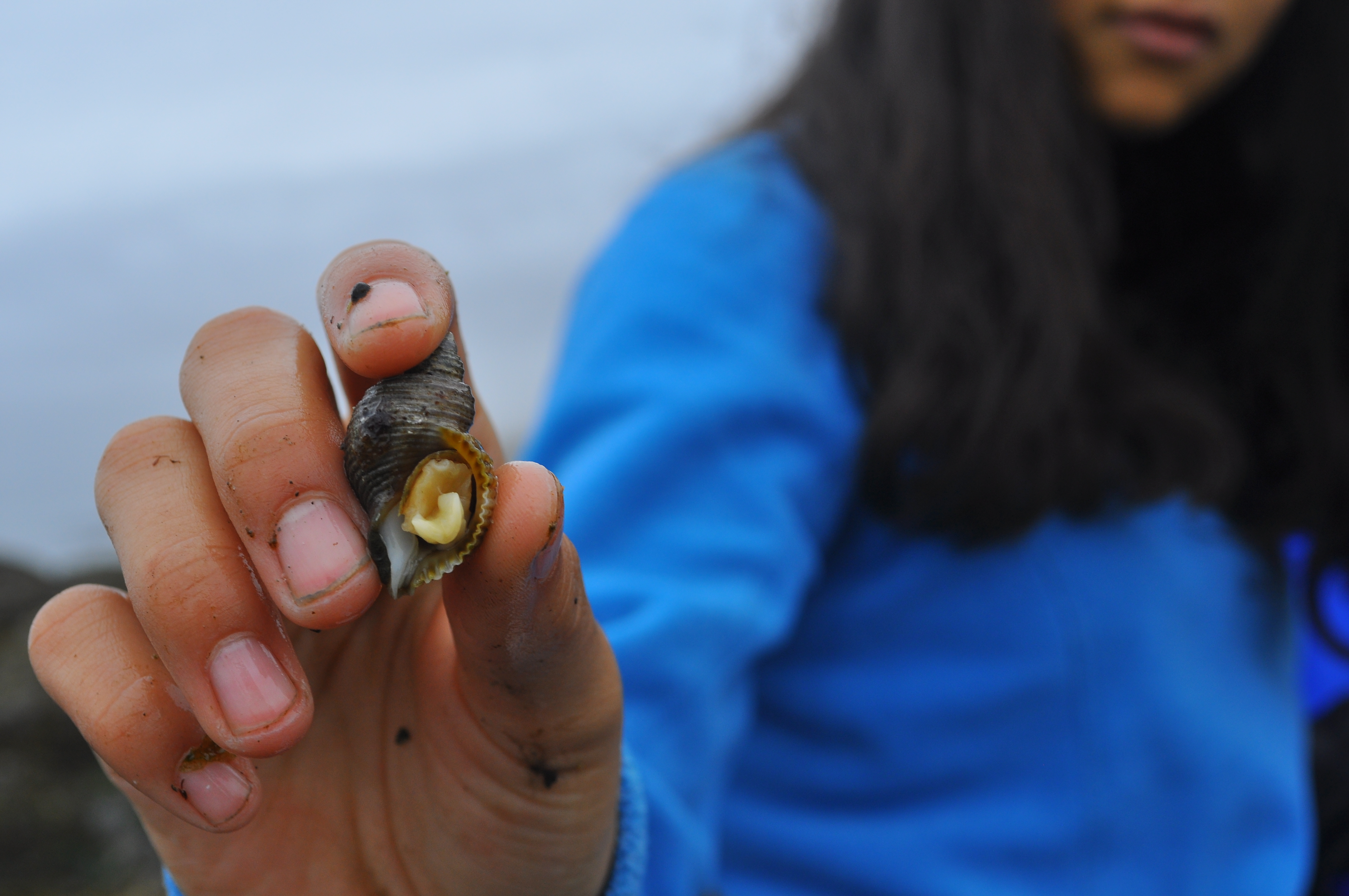
School’s In Session

By Indeya, Lana, and Quinn

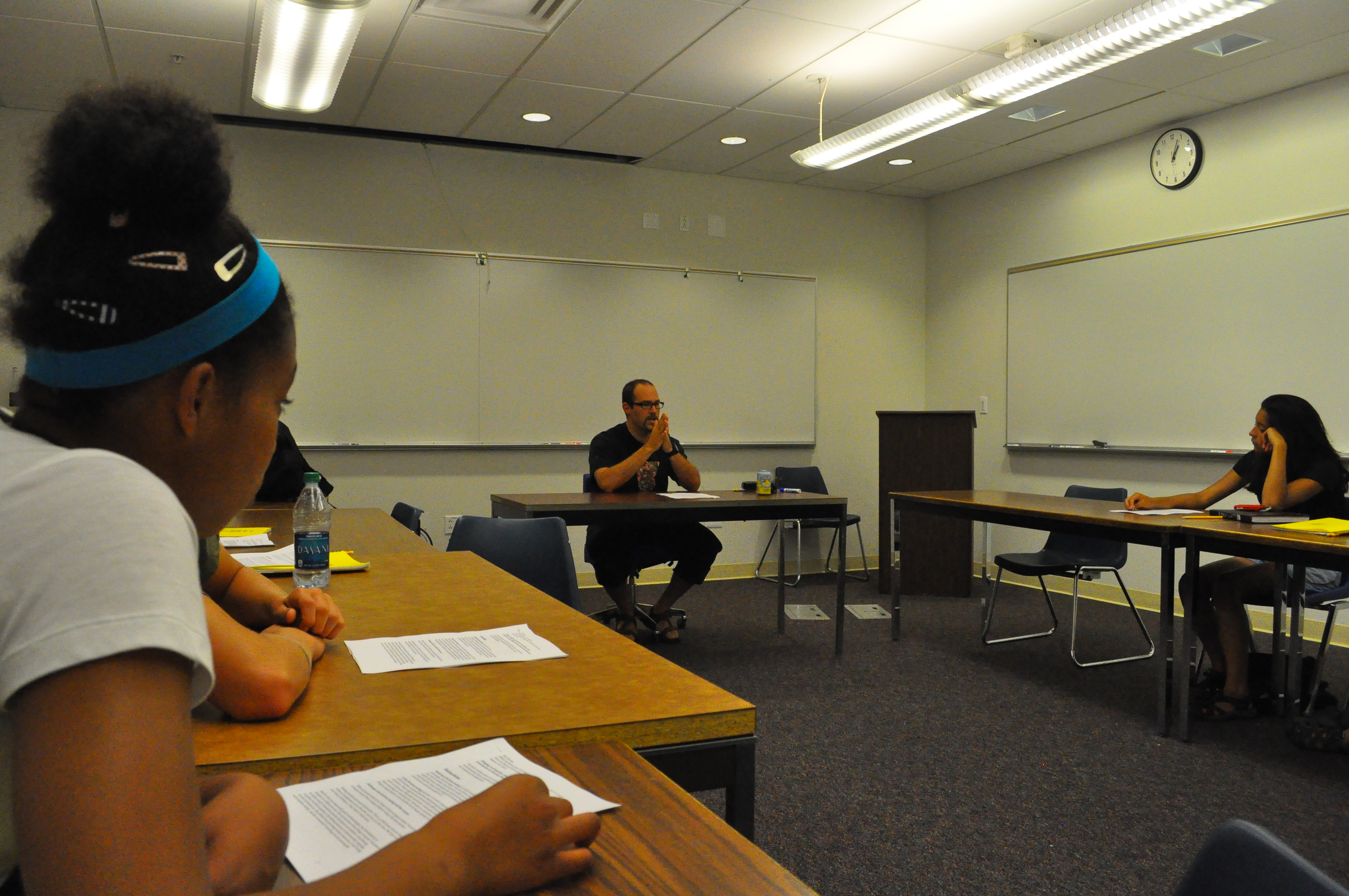
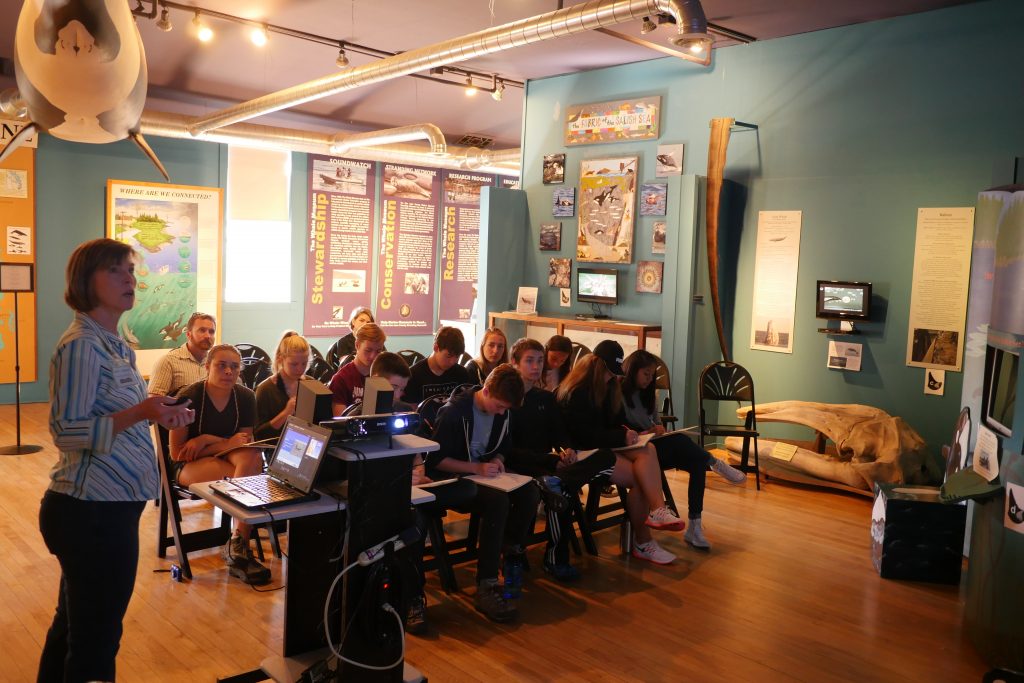
This morning, after an early breakfast, we made sure we were prepared for our longboat expedition starting Sunday. Afterwards we walked to the Whale Museum. The director there presented enriching information on the Orca inhabitants in the Salish Sea.
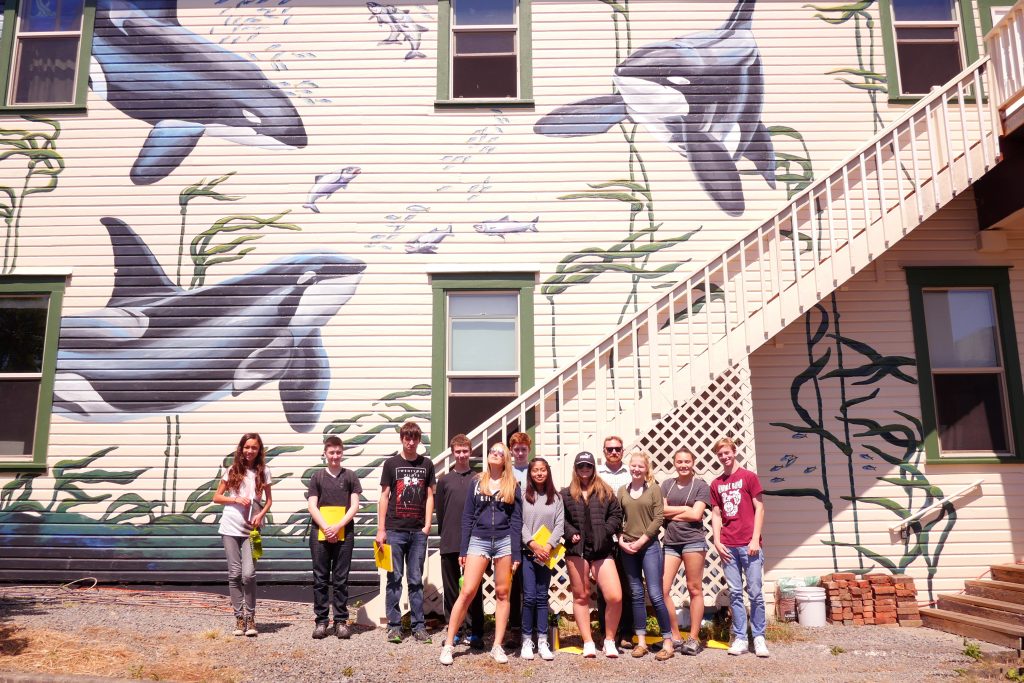
P5980771

Photo by Seth Grant

She mostly focused on the Southern Residents and their characteristics but also went over the other types of Orcas in the area such as Transients, Northern residents, and Offshores. While taking notes, we learned of their hunting techniques, language/tone of voice, prey, size, and environmental issues. We then toured the facilities, seeing various skeletons, fetuses, and brains.
P5980575

Photo by Seth Grant

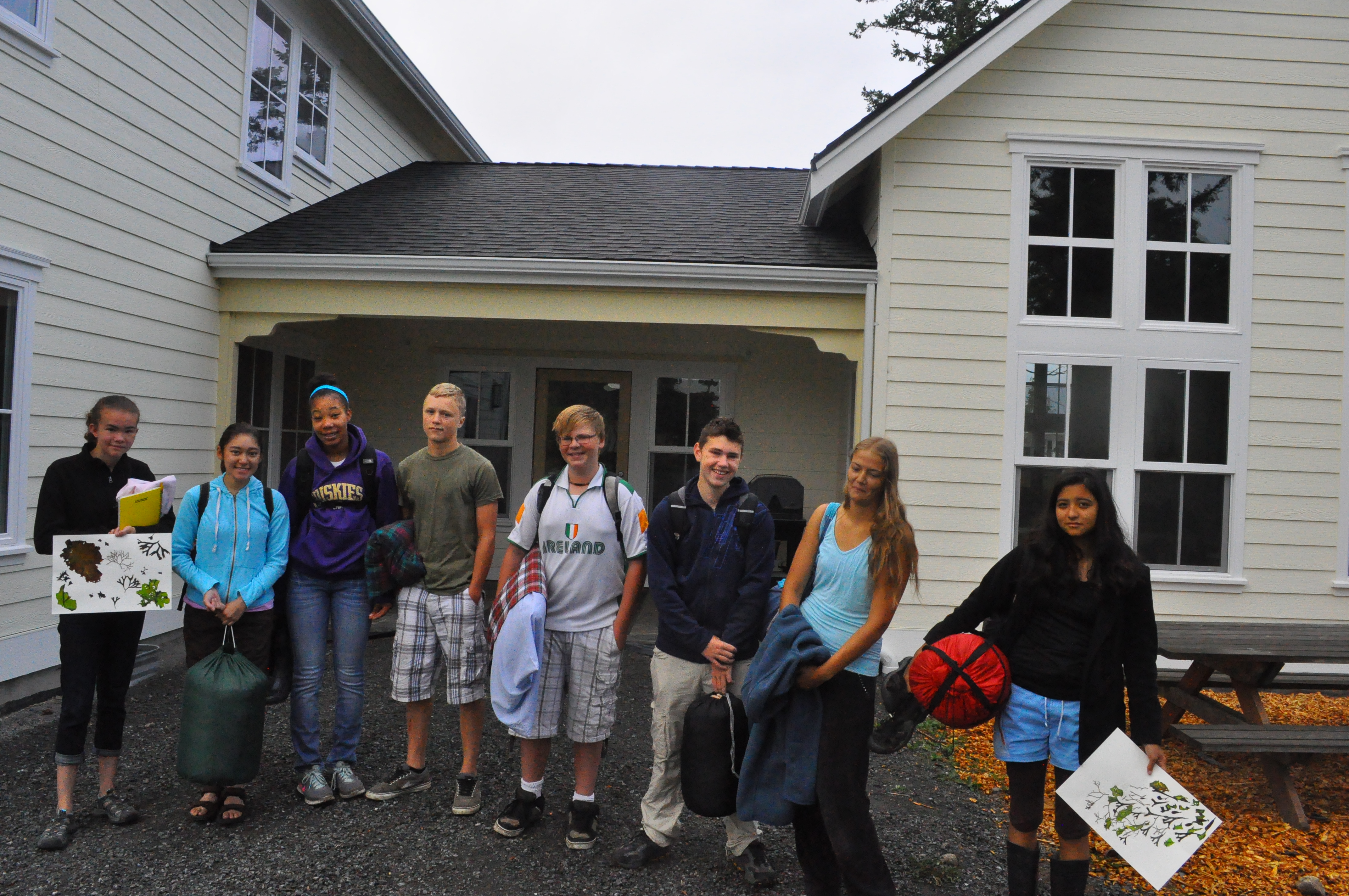
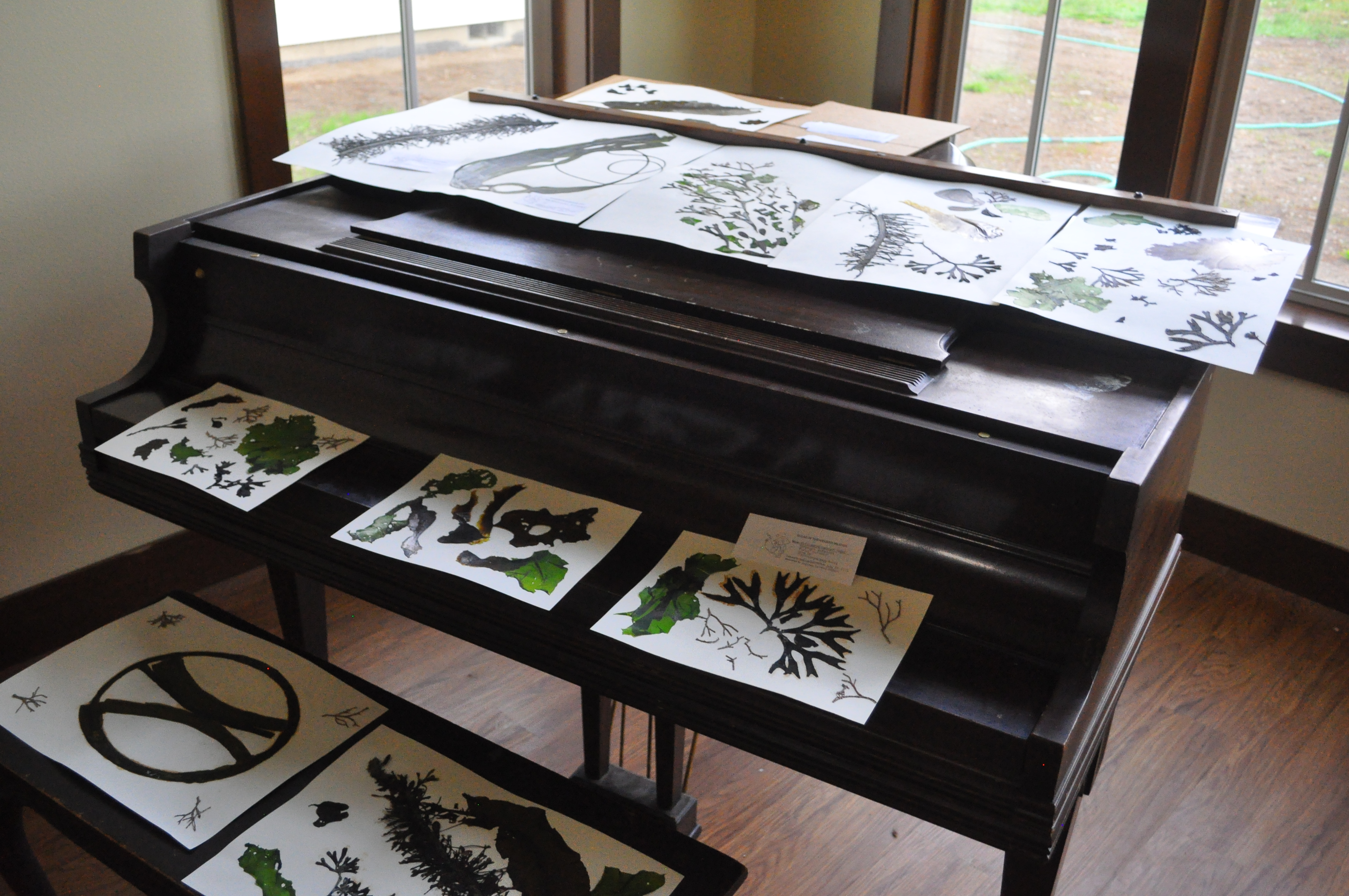
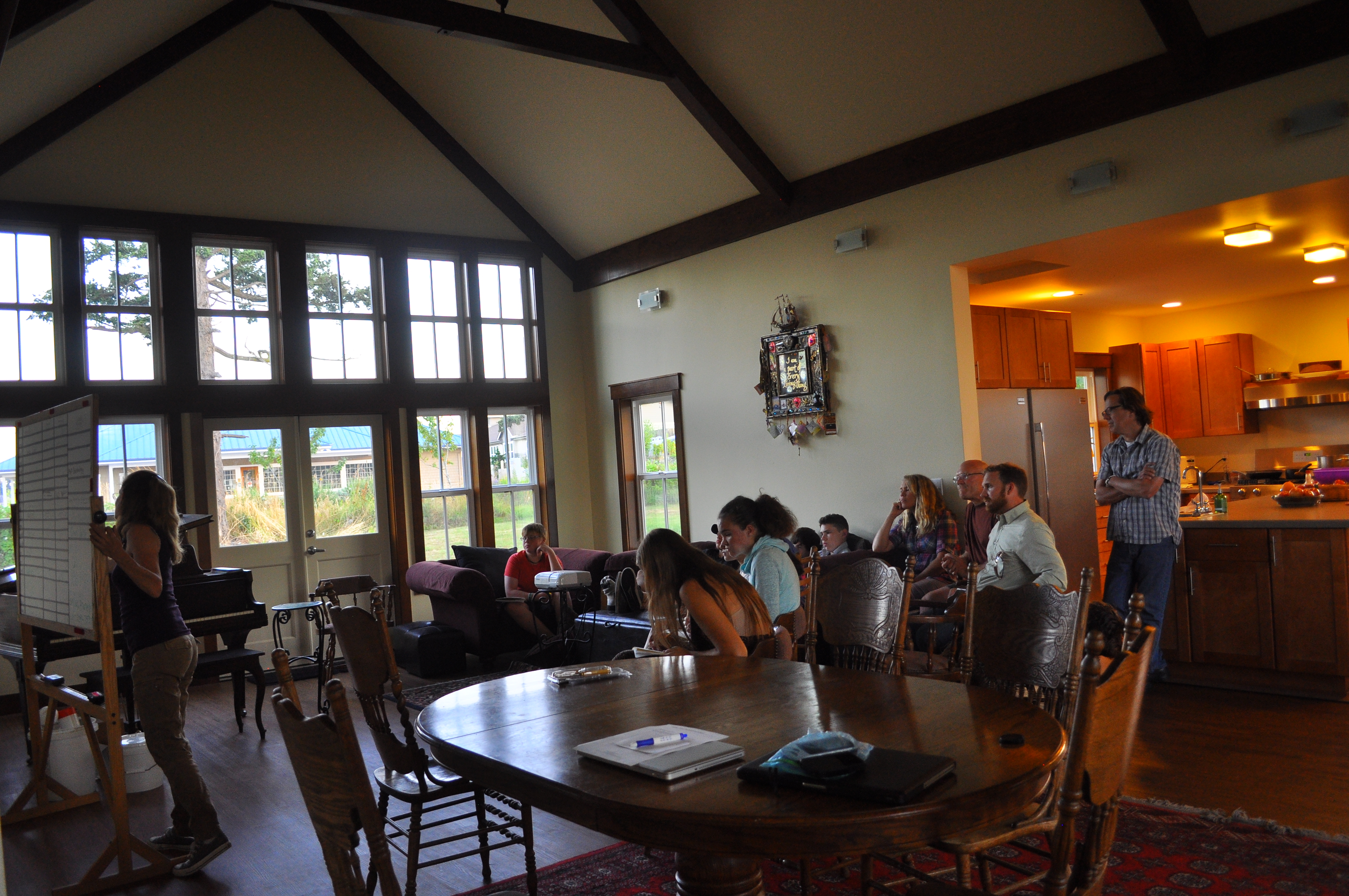
After that we broke for lunch, again having DIY island sandwiches. I personally put chips on mine, it adds a whole new level to the sandwich taste and texture. We then adjourned to the Science lab, where Dr. Rebecca Guenther introduced us to the wonders of algae. Each table had at least one live aquatic autotroph. Dr. Guenther taught us the differences between algae and how to find out which specific algae you have using the Dichotomous Key. We tried out a simplified version of the key to find out the names of the algae on our tables. After working and being focused we finally got to play, and use the algae to create designs and dry them. Tomorrow we will check up on our Dried algae to see the state it’s in.

IMG_8455

Photo by Tim Dwyer

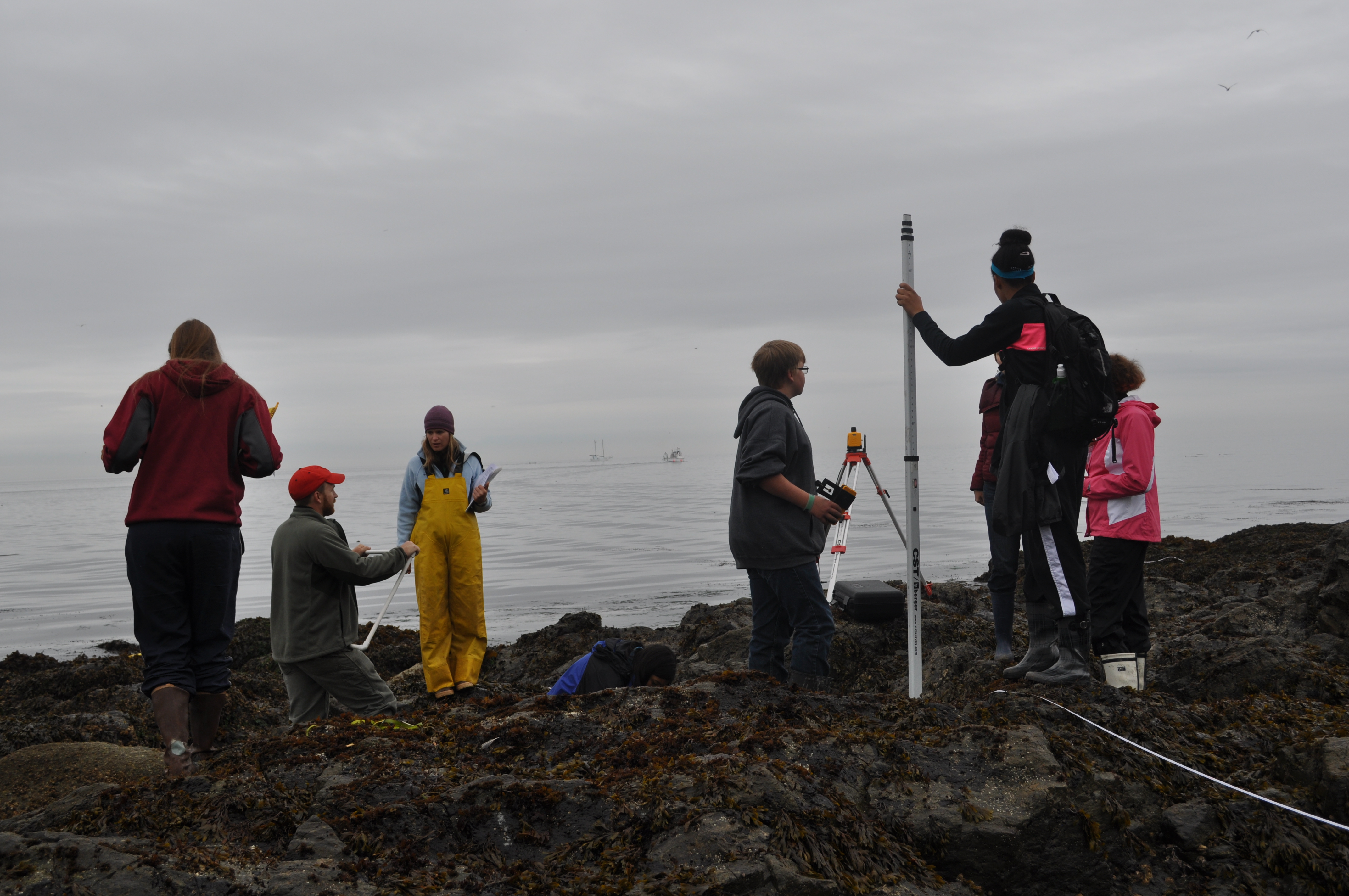
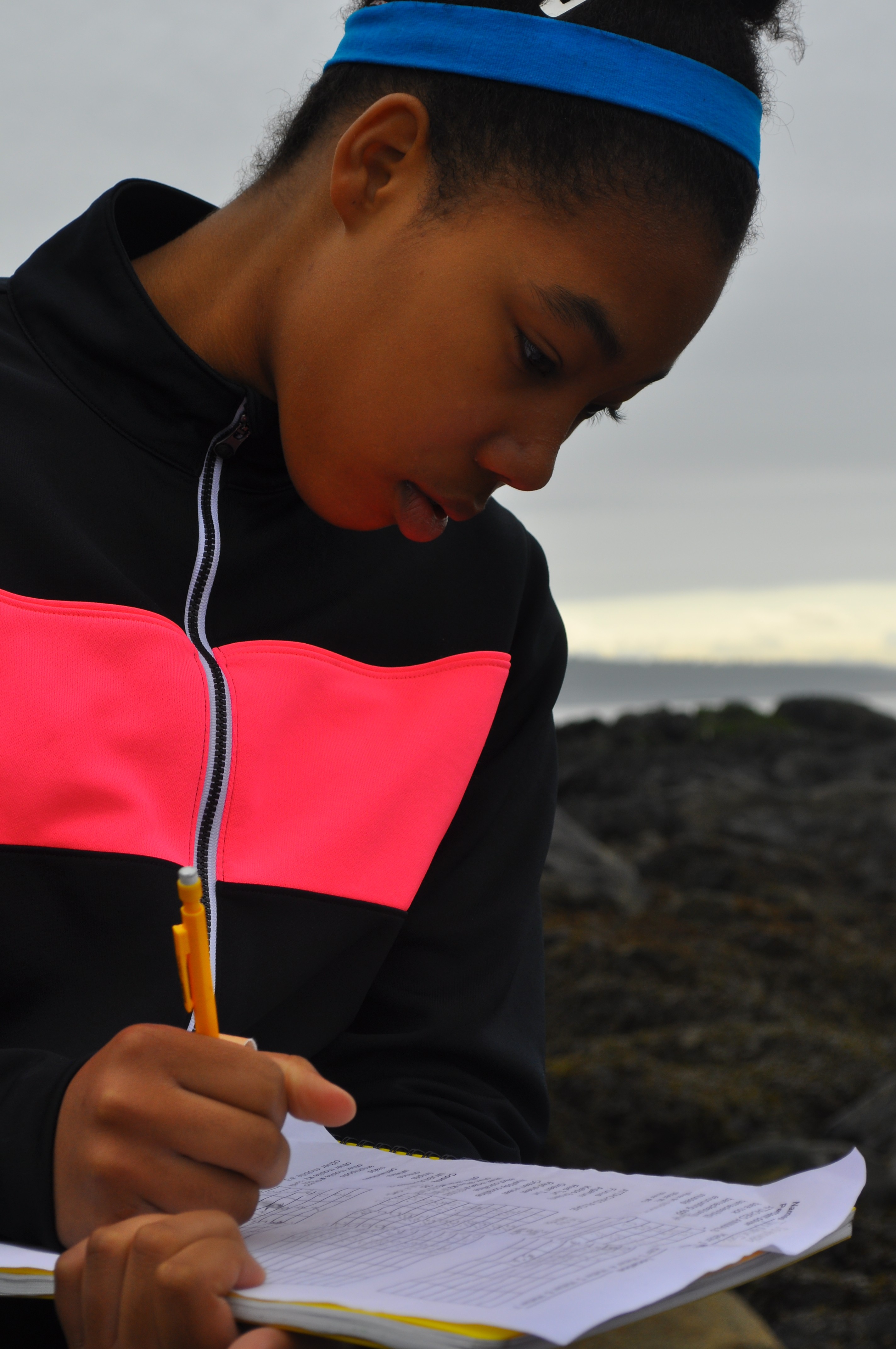
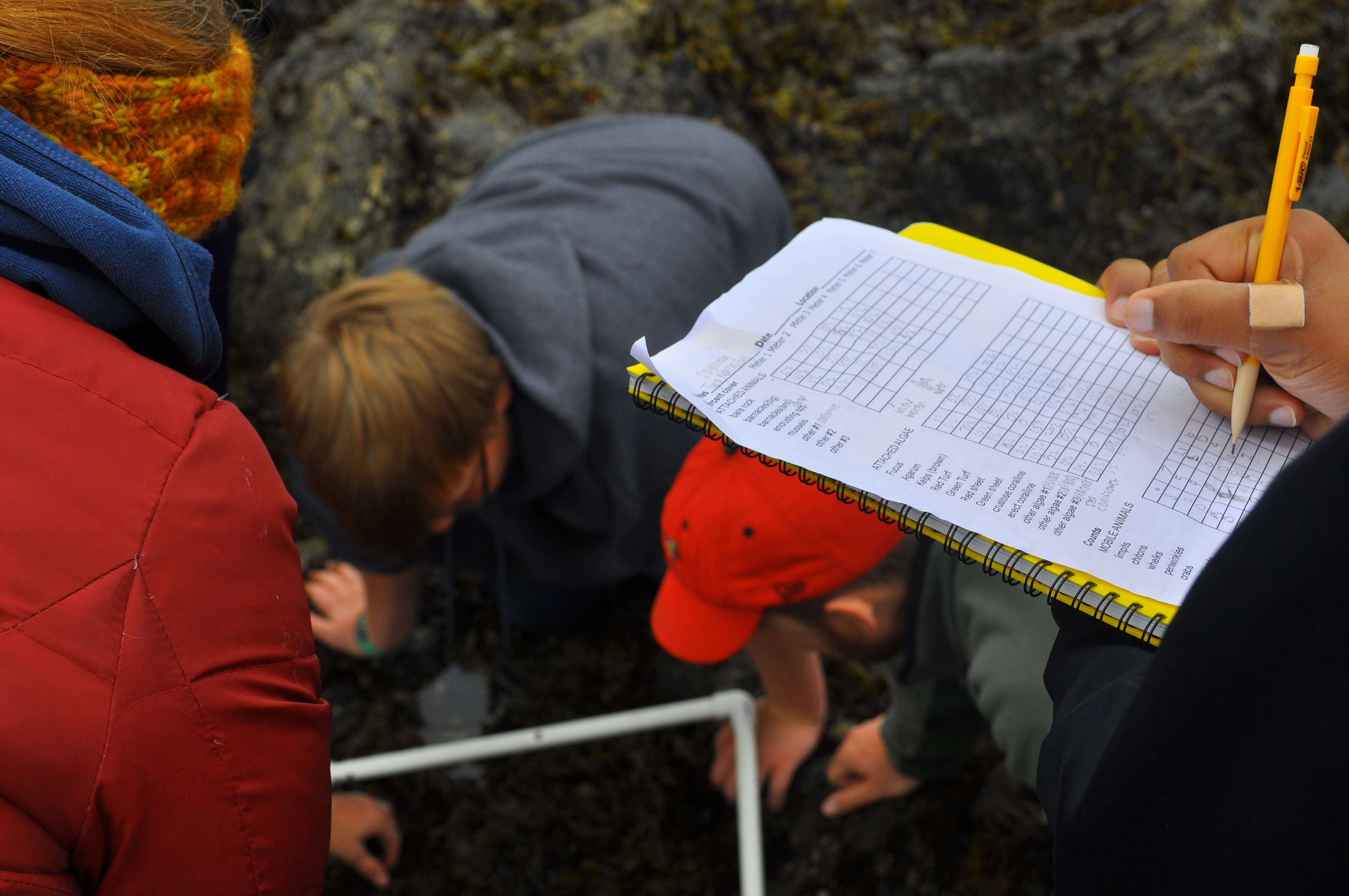
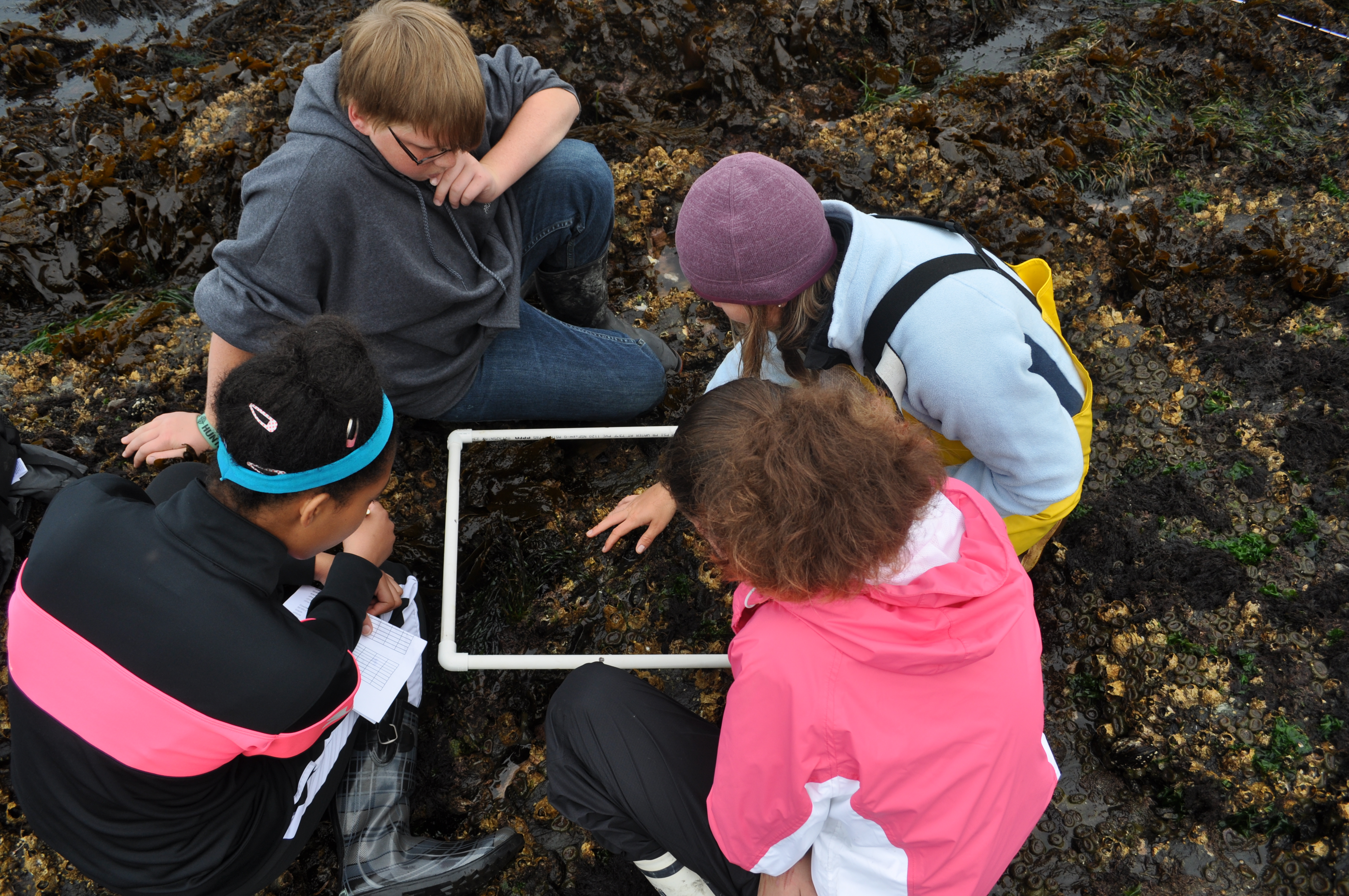
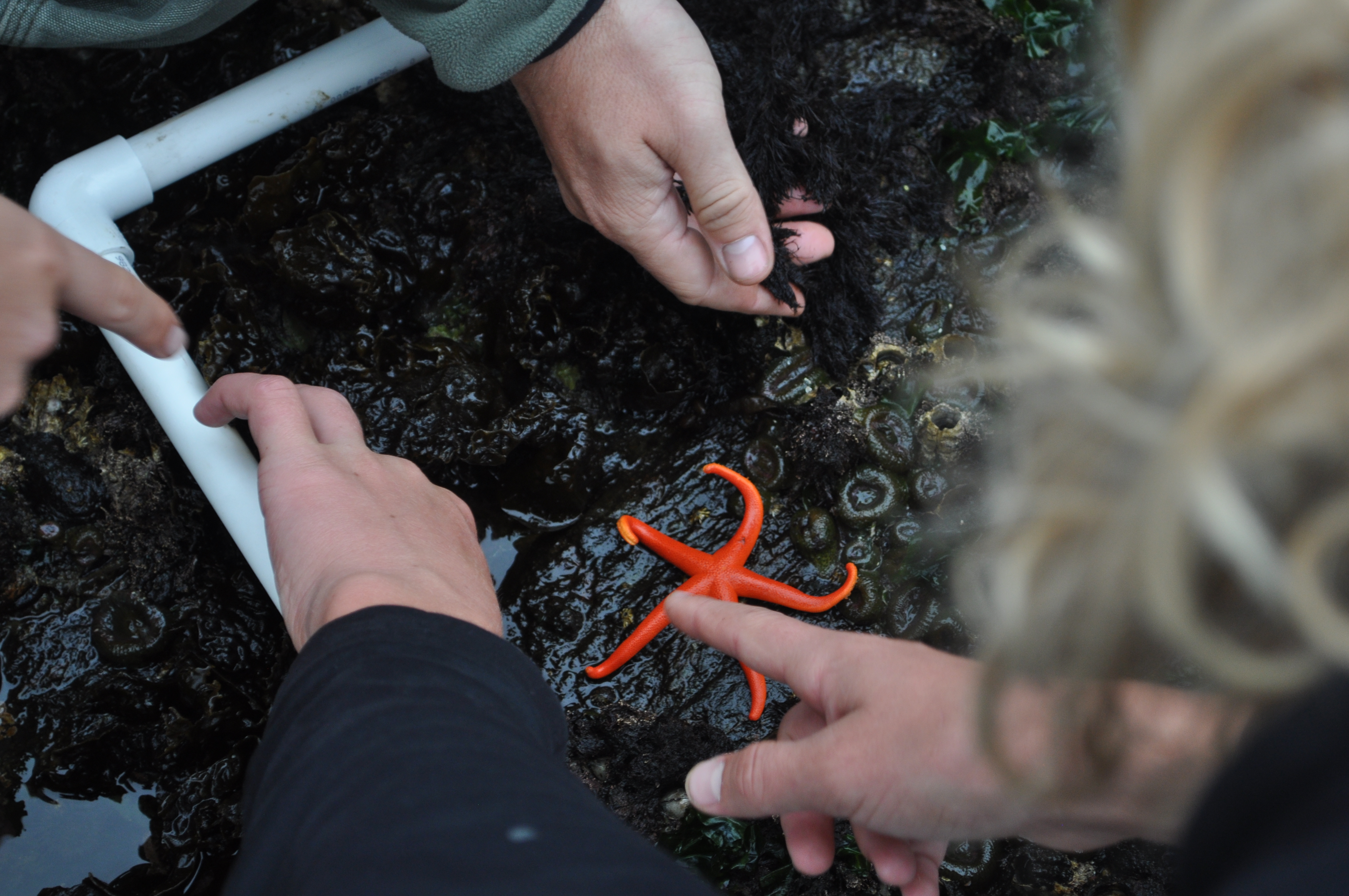
While on break, our Instructor, Tim, put together a simulation to teach us how to survey organisms. Our organisms in this case were actually rocks and although we could have counted them all, we used transect tapes, quadrants, and our meter ropes to find a population estimate. We hope you enjoyed learning about our day! Until Tomorrow!!

IMG_8465

Photo by Tim Dwyer
Day Juan

By Jack, Peder, and Lynn

Today was a magical experience; we woke up too early for those of us from far away, and we had breakfast as a group. We chatted and shared stories from each of our corners of the world. After breakfast we talked about who we were and who we were not. We also discussed some less serious questions like our favorite foods. As a team, we drew closer by each silly anecdote.
P5970315

Photos by Seth Grant

Next we dived into the past and explored with Tom the amazing world of photography. While dodging cars, we recreated photos of the past. We had lunch; DIY island sandwiches.

IMG_8438

Photo by Tim DwyerP5970225

Following lunch, we were introduced to the science lab and its method of choice. We learned about the scientific method and put our skills to the test.

P5970516

Next we had designated ‘exploration time’ where a small group of us headed down to the ice cream shop. Out of 72 flavors it was impossible to choose just one. They did decide however to represent Friday harbor with some stunning hats. We arrived back to pizza. After some time, we headed out to go for our kayak expedition.

P5970832 P5980307

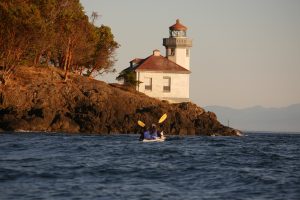
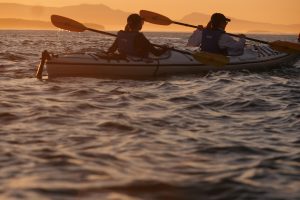
On our kayaks, we raced through the water. Some of us even dare to pick up a harmless Moon Jelly, and some of us did not. Arms aching, we all stopped our furious paddling to finally see the beautiful sunset. After a long pause and quiet tears of enjoyment, we arrived at our home for the month.

P5970210

Day 21: Saying Goodbye

It wasn’t easy to say goodbye.

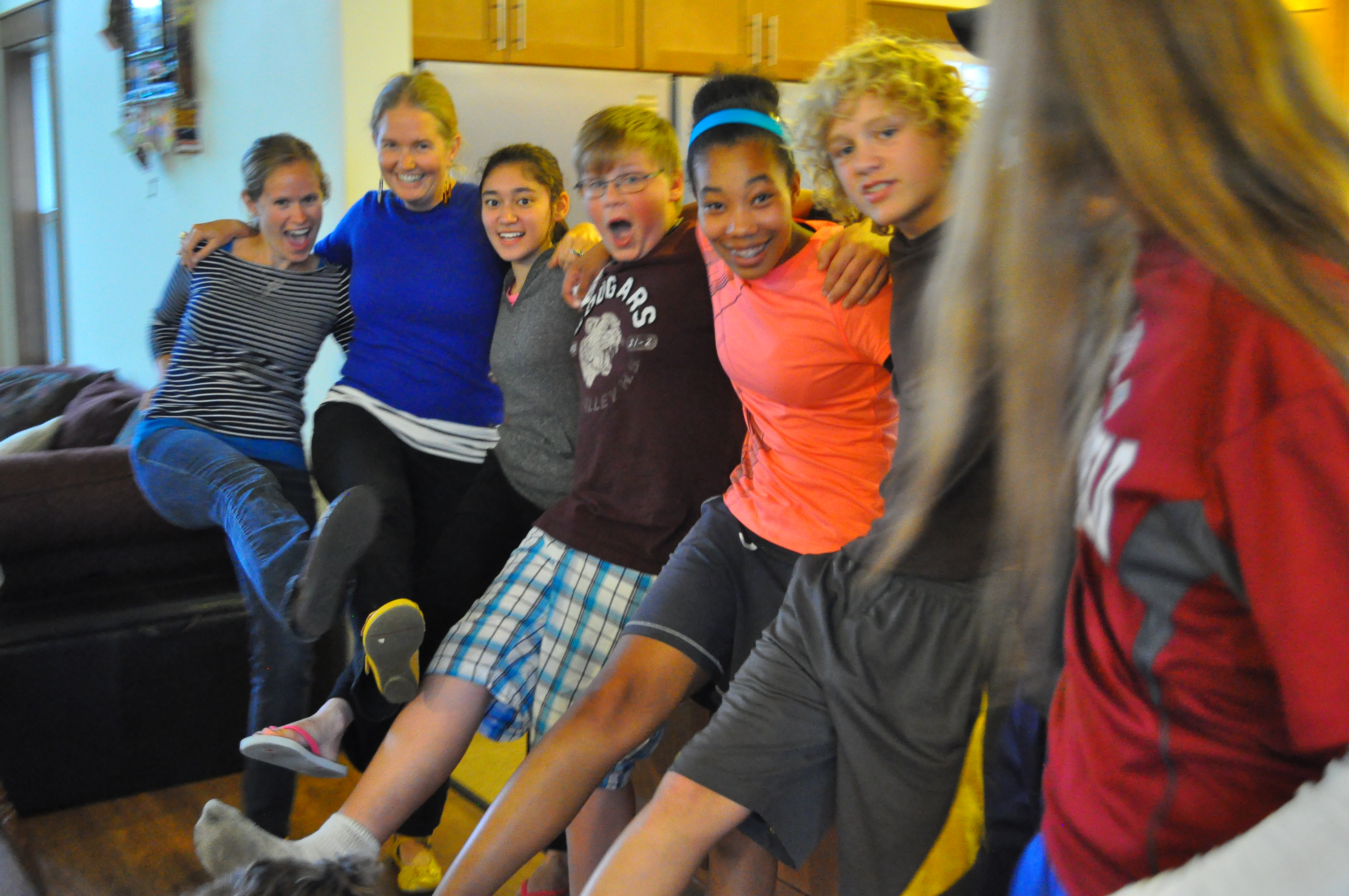
We rose to a day that beckoned us to explore a new estuary, rocky intertidal or row together once again (okay, sail!). The day before, some had said that they wished the program would have lasted four weeks not just three. Others pointed out how much more they were ready to learn. Everyone agreed with the person who said that the group had bonded like a family, noting that by the end of the longboat trip they were rowing completely in synch.

From a programmer’s perspective, this could not have been a better moment.

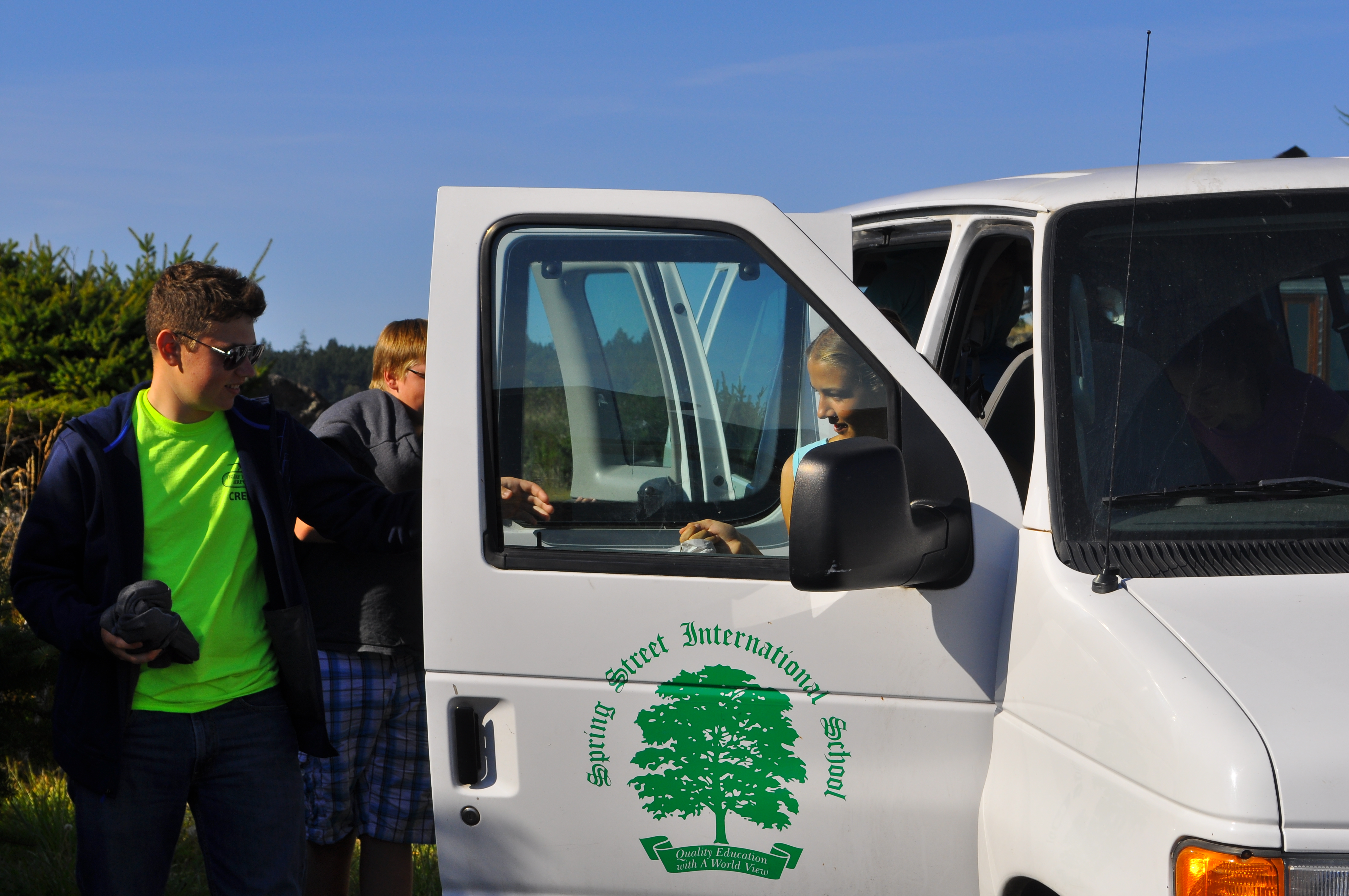
After a filling university cafeteria breakfast, we met with regionally-based family members at 9:00am. The group of program participants demonstrated some of their games and unique greetings to the group of family. A few stories were shared, and one-by-one it was time to go. There would be two more good-byes: at the airport, and upon our return to Friday Harbor. That last departure was sweet; the kids shined up the school van like it was never shined before! Thank you Matt, Will, and Eric!

Thank you everyone for making this inaugural year of the Spring Street International School Summer Marine Science Program a tremendous success. We’re already planning next year!


Day 20: University of Washington Main Campus and Seattle

By Tim:

The group rose bright-and-early to say goodbye to Tom and Toffee the Dog, then boarded the van for the ferry ride and 1.5 hour drive to the University of Washington’s flagship campus in Seattle.

DSC_0242 DSC_0006

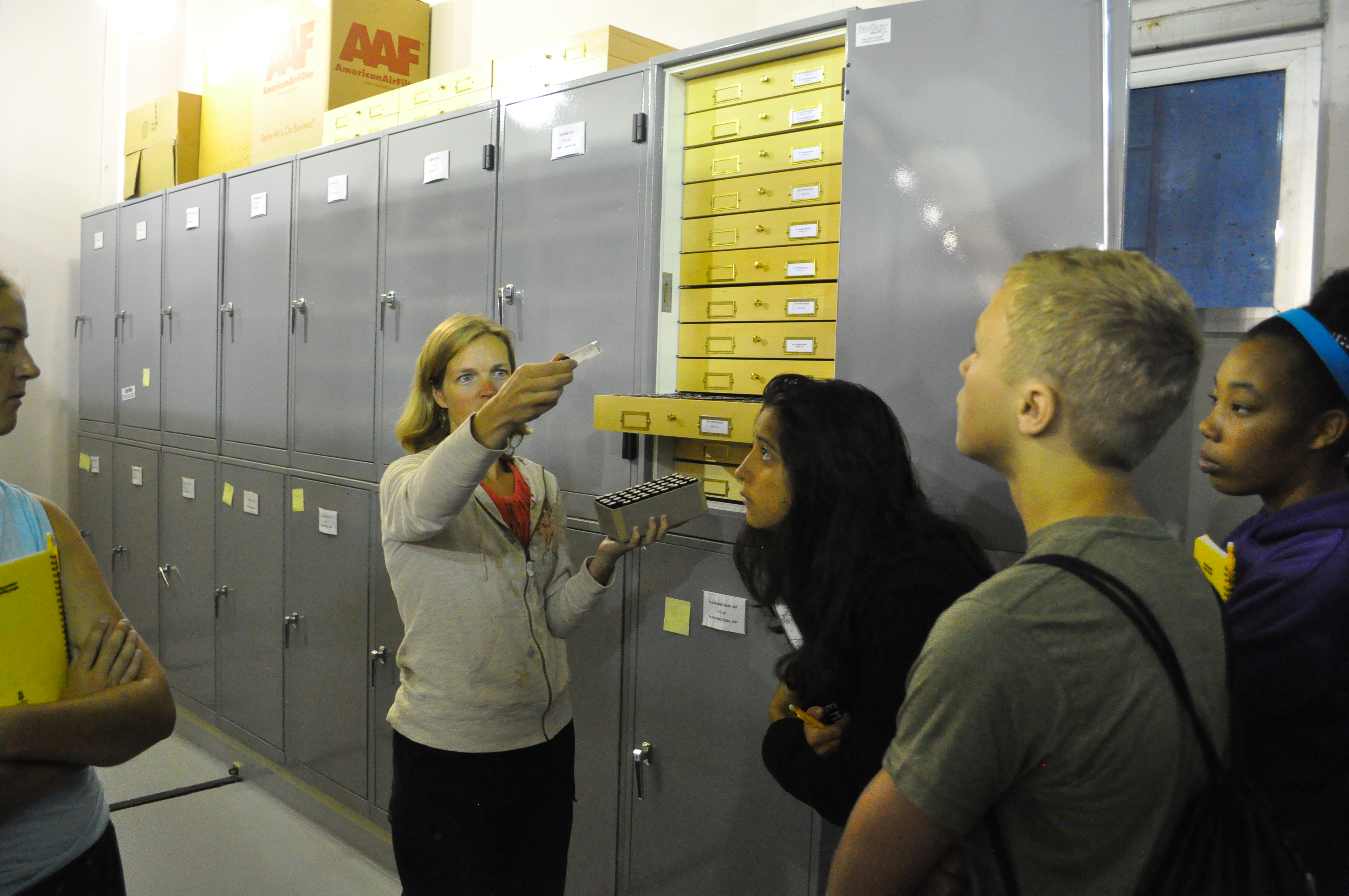
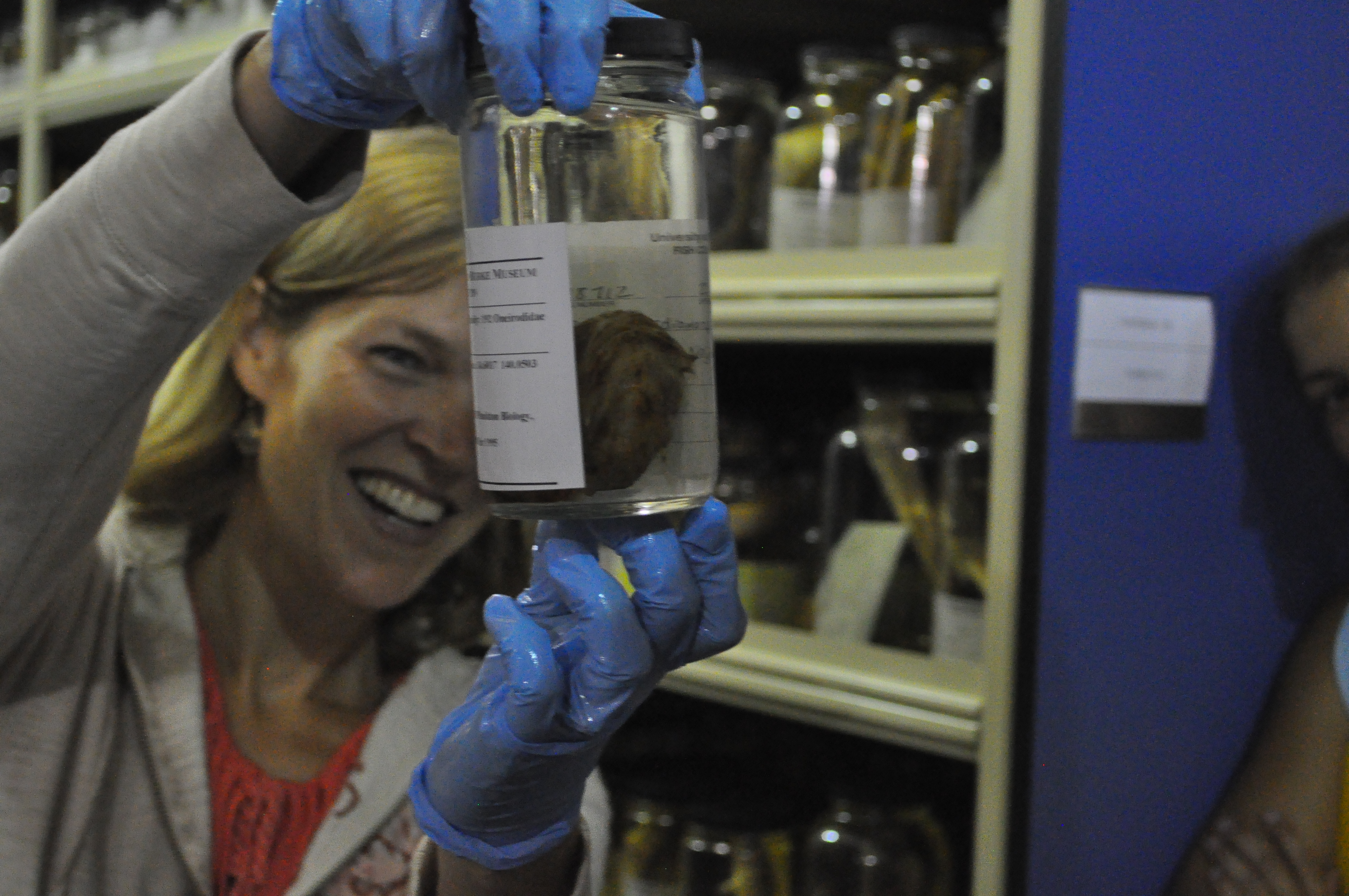
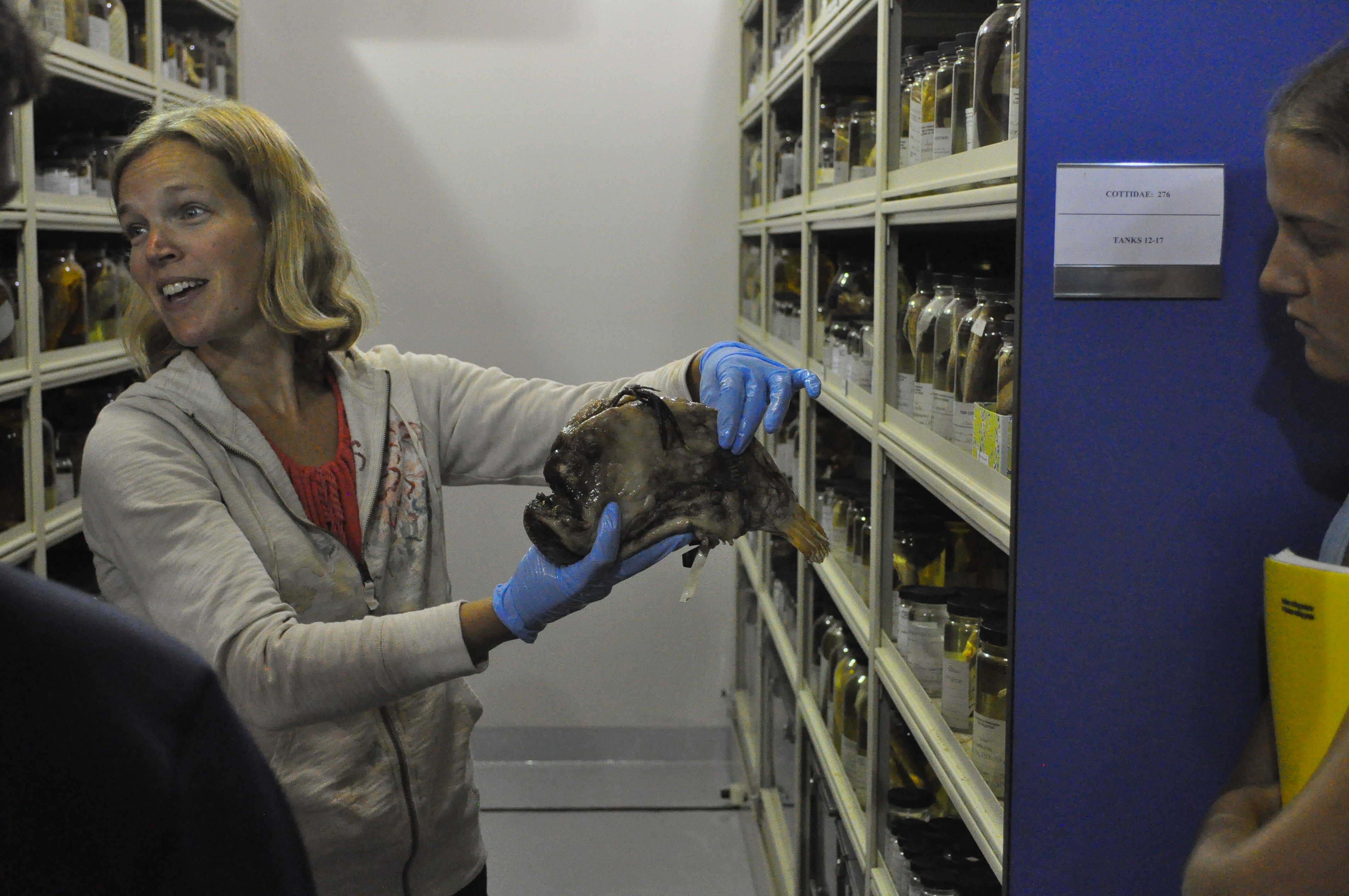
Straight out of the van, we were treated to a tour of the collection of preserved fish maintained by the Burke Museum in cooperation with the School of Aquatic and Fishery Sciences. Participants stood rapt as collection Curator Katherine Maslenikov explained the value of the 8 million specimen collection to research in taxonomy and population biology and then brought us in to see the collection. She showed off small sharks, a sunfish and even a deep sea angler fish!

DSC_0254 DSC_0265 DSC_0264

After a picnic lunch at SAFS, we sat down with School of Marine and Environmental Affairs graduate student Raz Barnea for a discussion on “Wicked Problems.” Raz explained that wicked problems are ones without simple answers; problems that require attention from stake holders, scientists, resource managers, lawyers, legislators and others in order to be solved. The group talked about some of the wicked problems facing the region and the globe and then discussed marine-related careers outside of science.

DSC_0280

DSC_0282

Following our meeting, we all checked in to Haggett Hall (our dormitory for the evening) and got a taste of college life. The swipe cards that gave access to the dorm elevator were quite popular with participants, as were the desserts in the dining hall.

DSC_0284 DSC_0291 DSC_0286

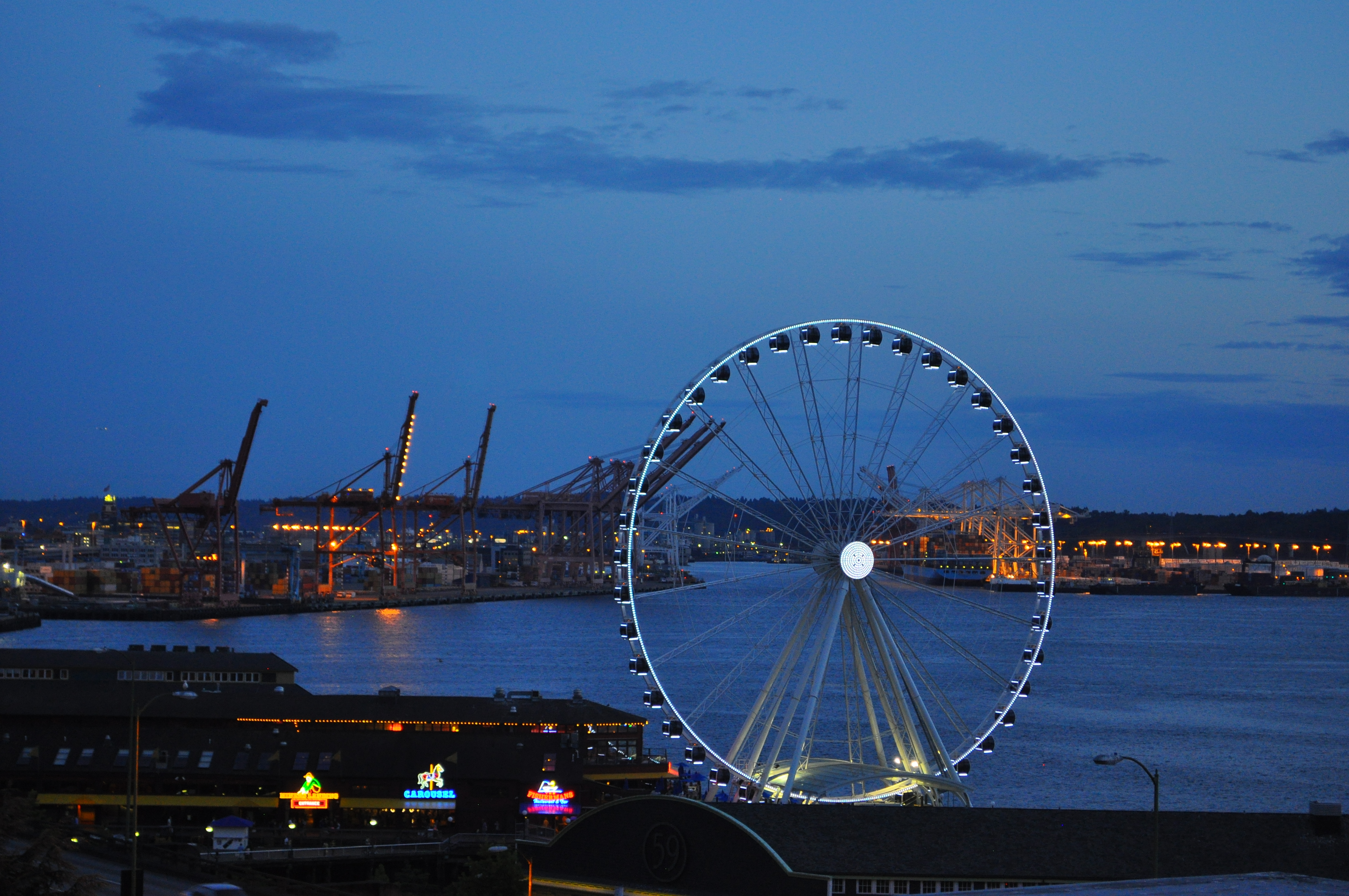
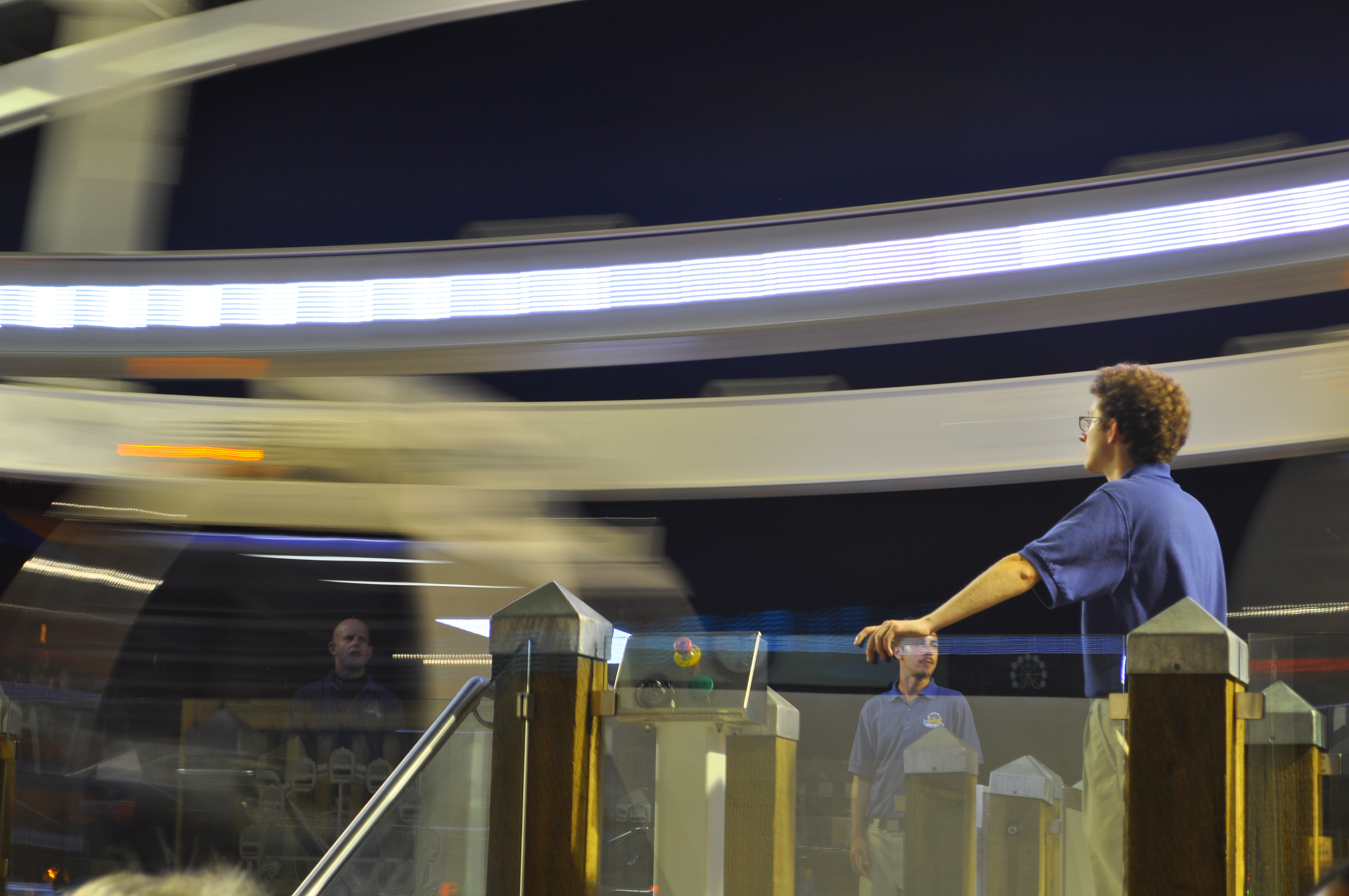
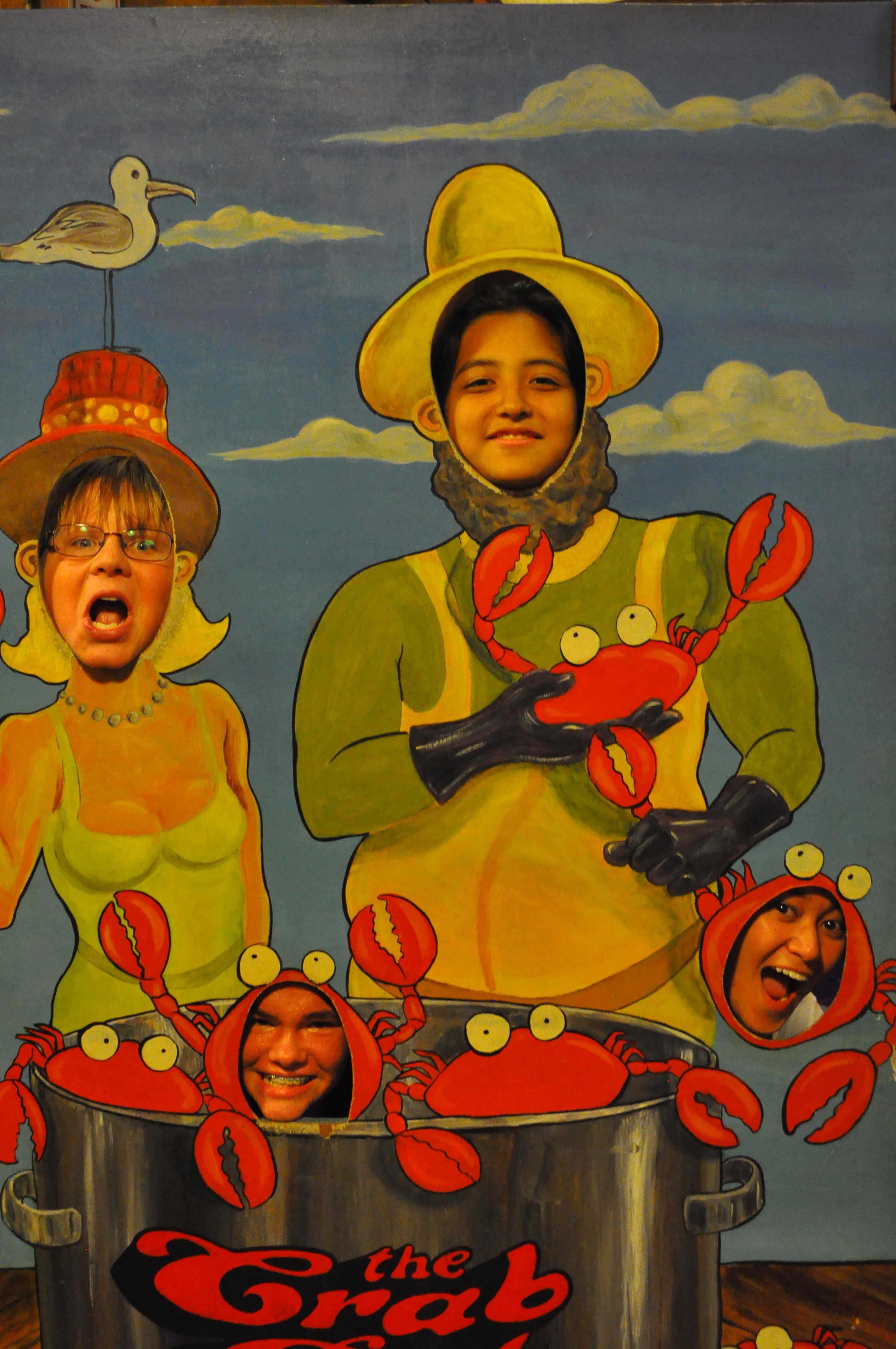
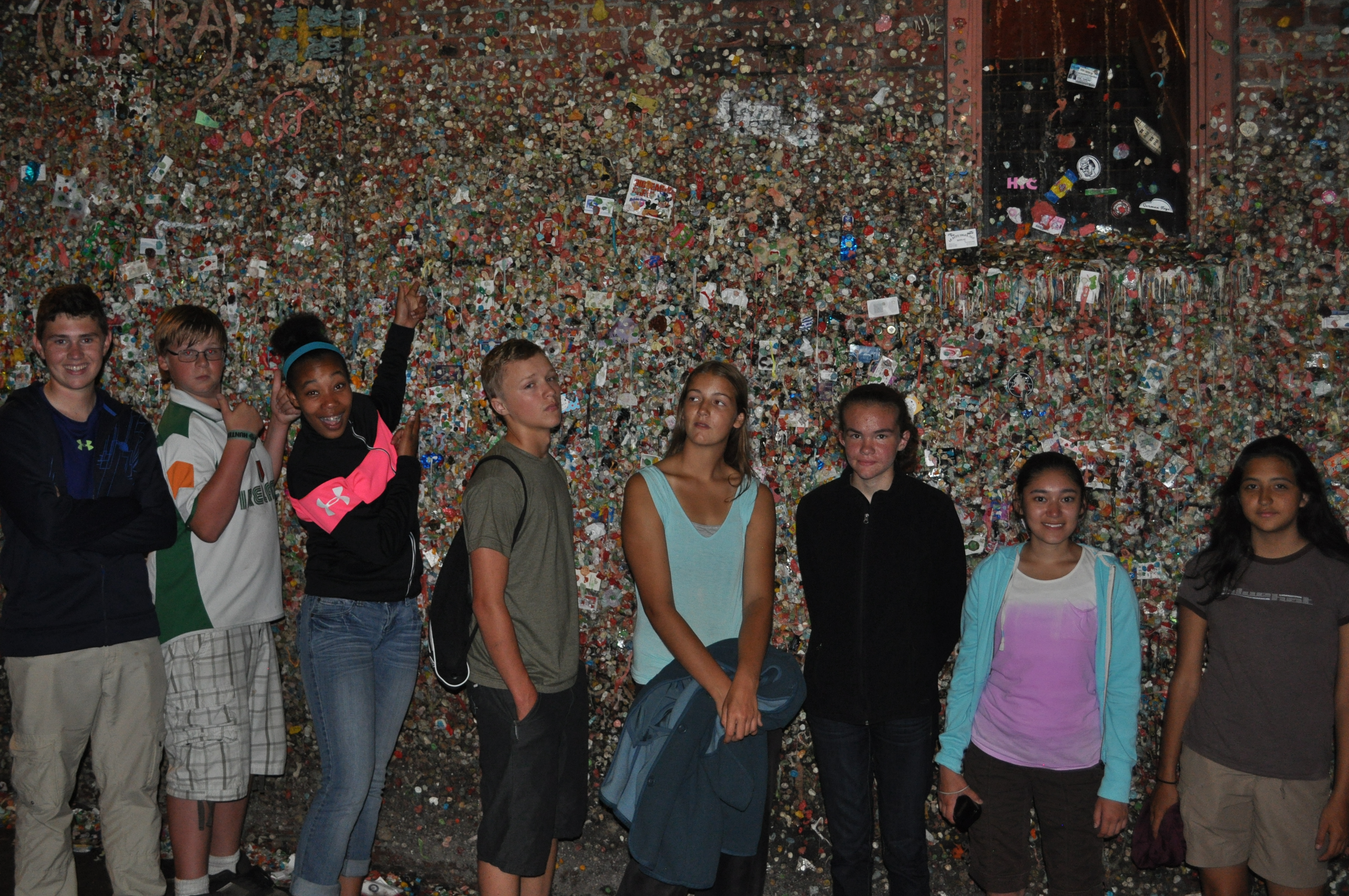
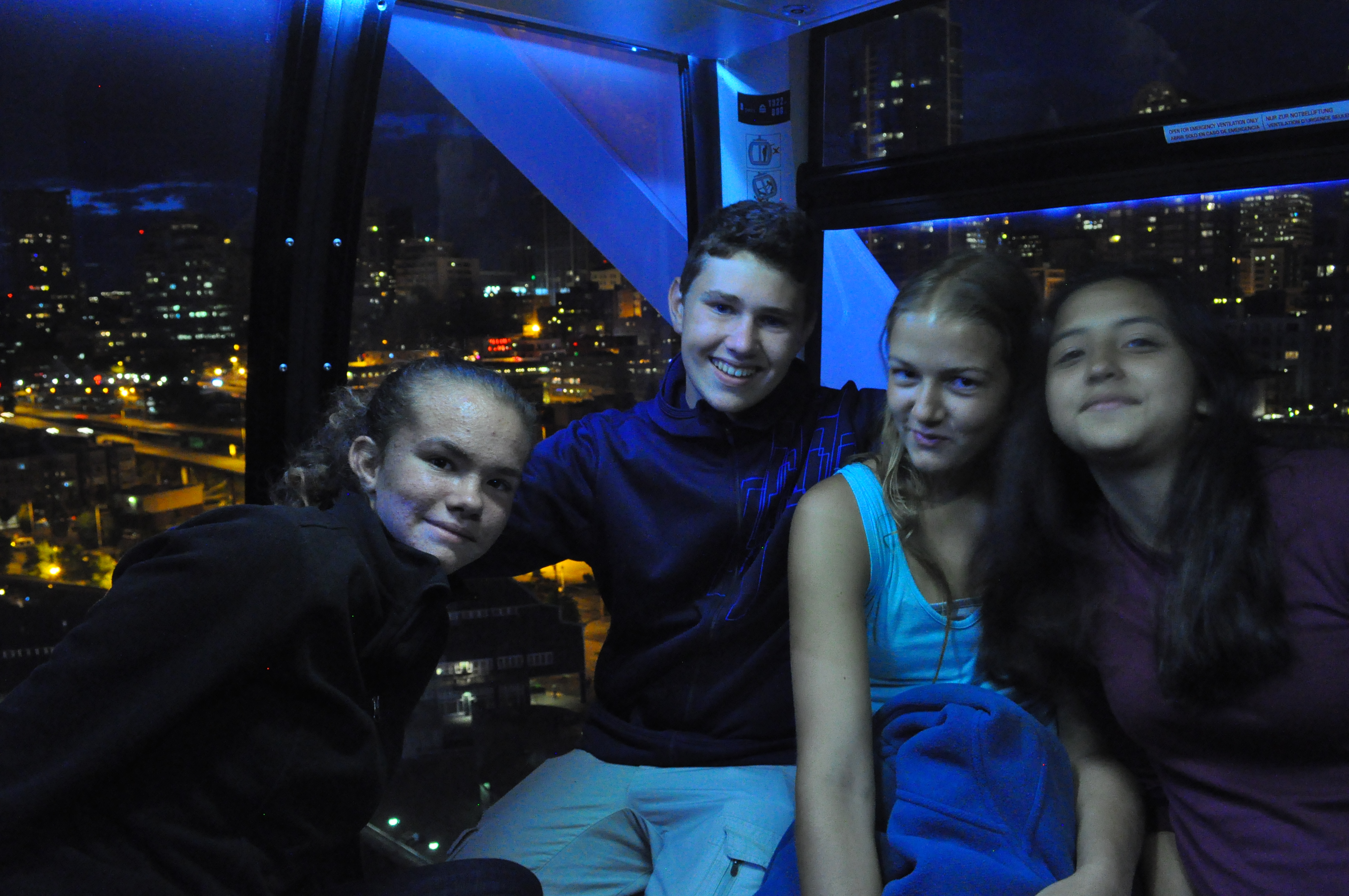
With dinner behind us, we loaded into the vans to visit Pike Place Market and the Seattle waterfront. To cap off the evening, Caroline surprised everyone by treating us all to a ride on the new ferris wheel!

DSC_0012 DSC_0029 DSC_0037 DSC_0066 DSC_0079

Back at the dorm, everyone settled in to the lounge for one last evening together and, exhausted, drifted off to bed one by one.

Day 19: Packing Up, Wrapping Up, Final Barbecue and Nightlighting

By Tim:

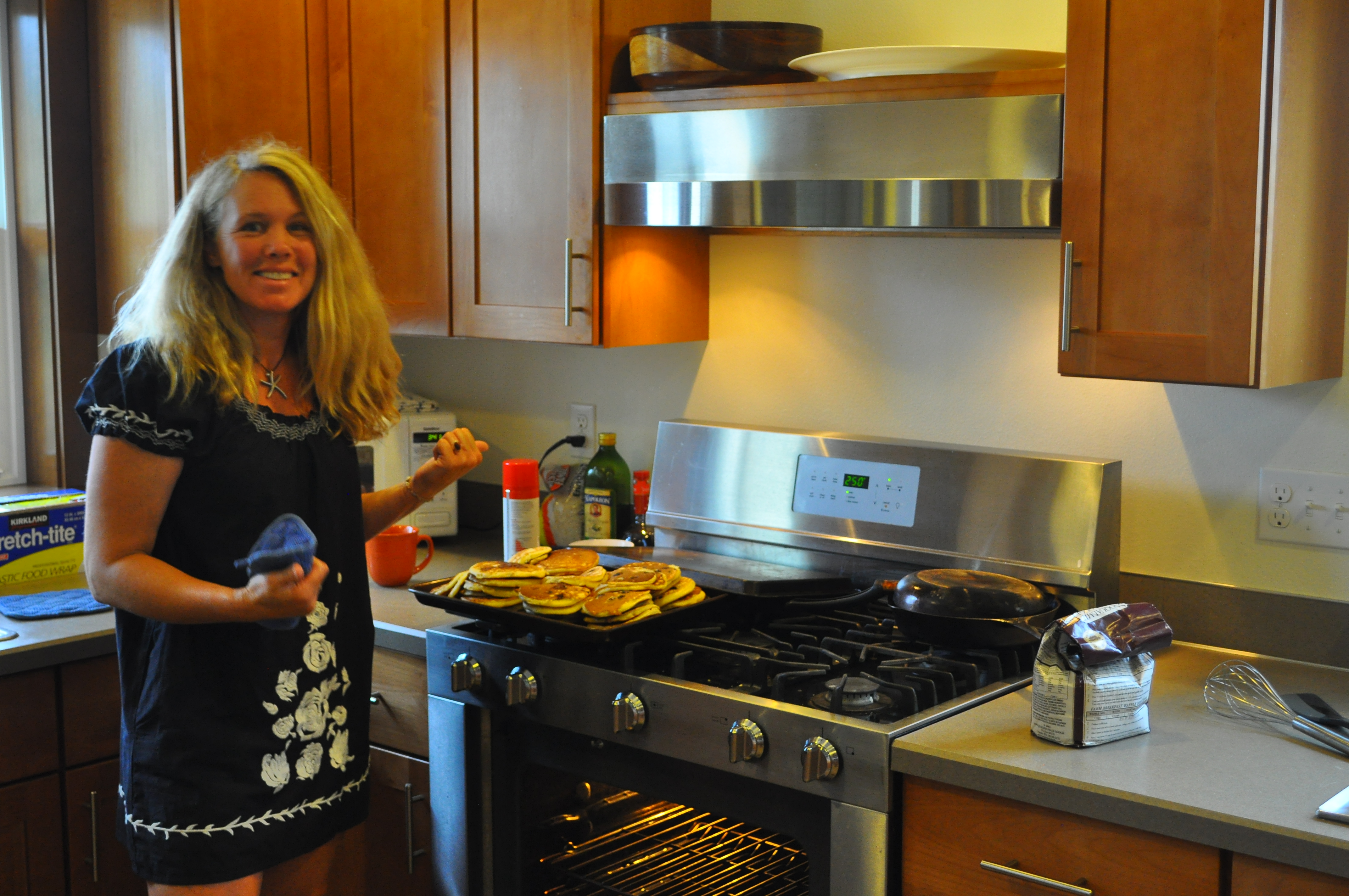
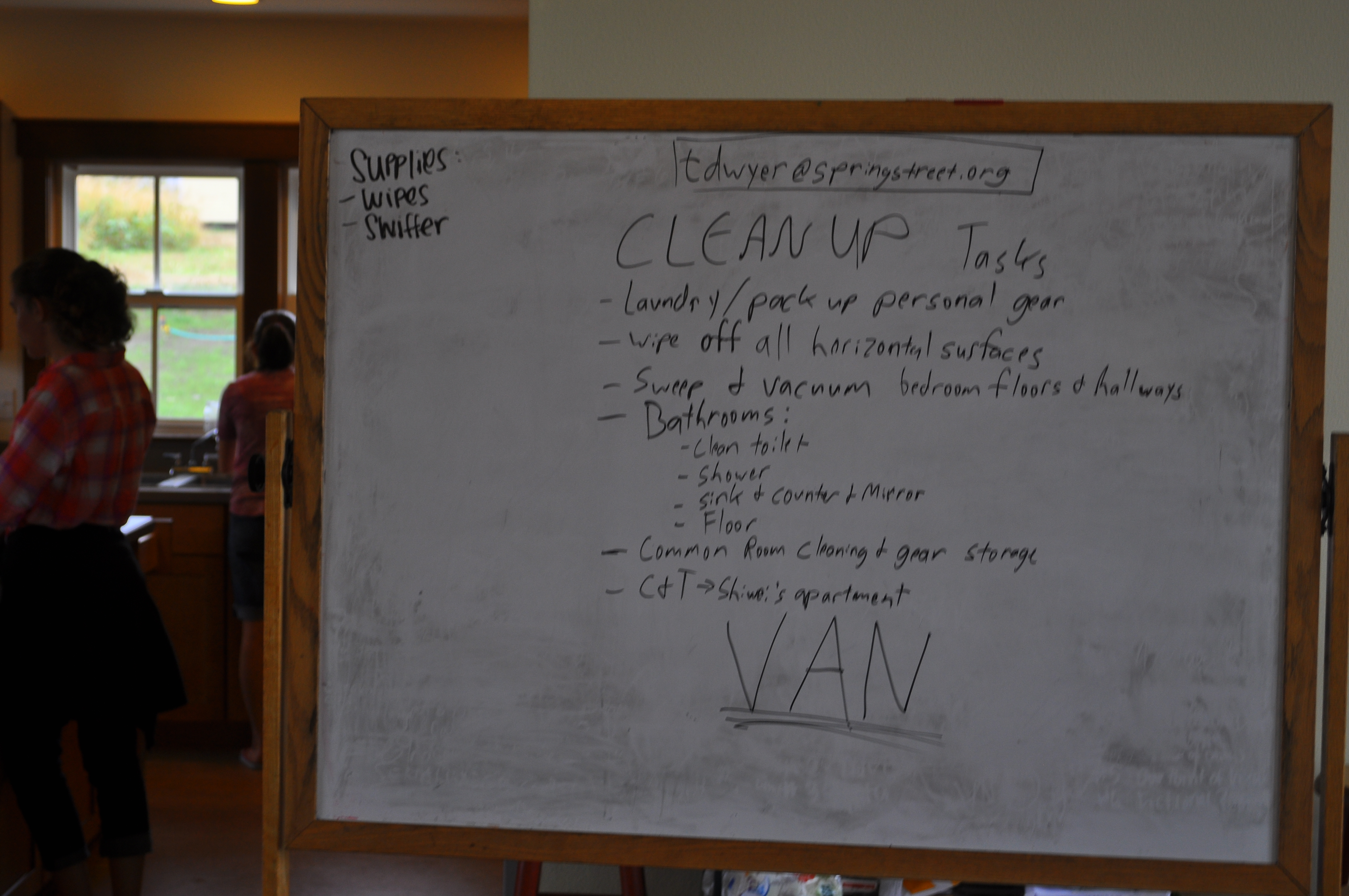
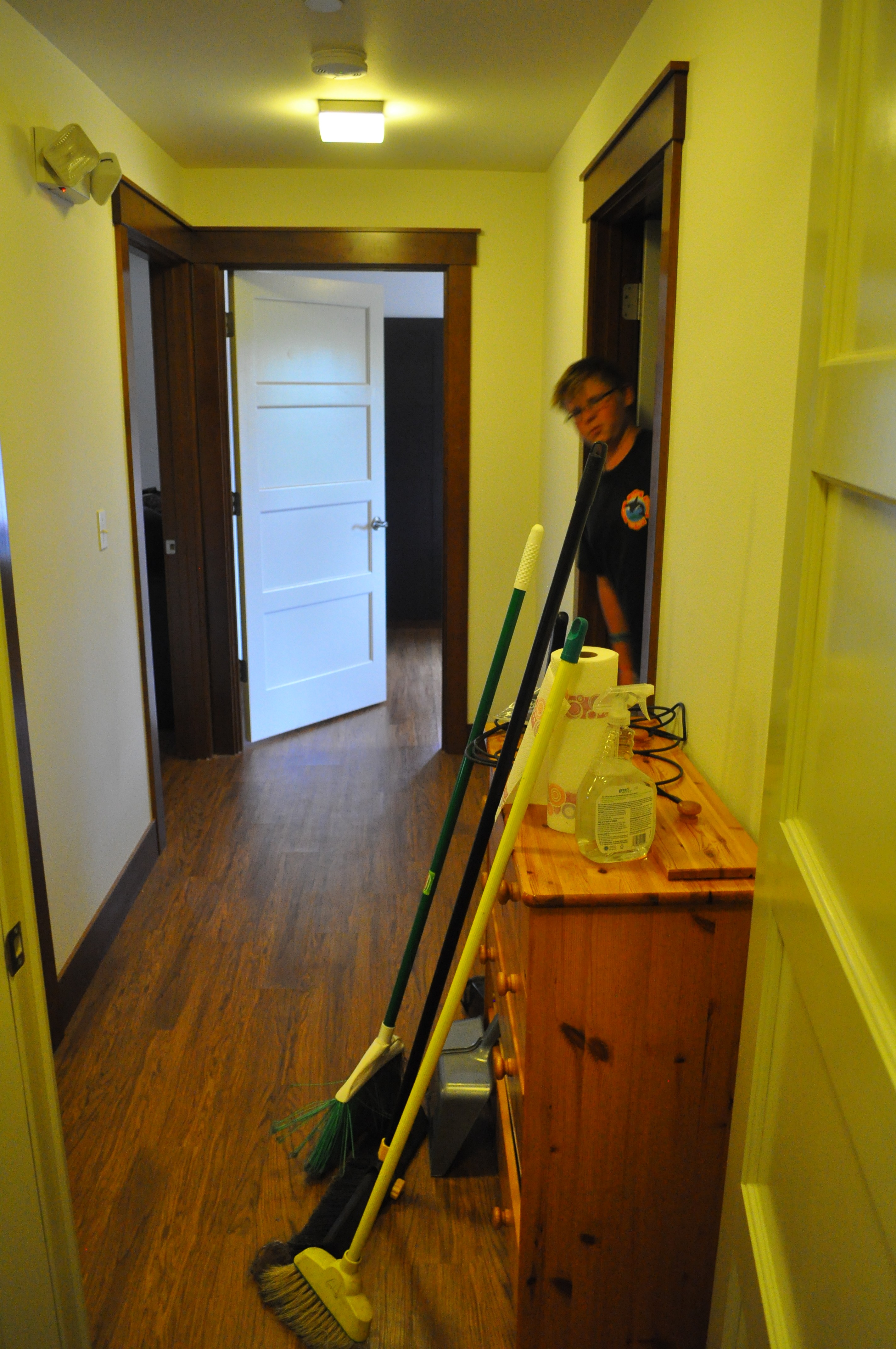
Susan started off our final full day on San Juan Island with a breakfast of blueberry and chocolate chip pancakes, sausages and fruit! Fueled by this high-energy meal, we spent the morning packing our bags and cleaning out rooms to prepare for our guests arriving later in the day.

DSC_0176 DSC_0180 DSC_0179

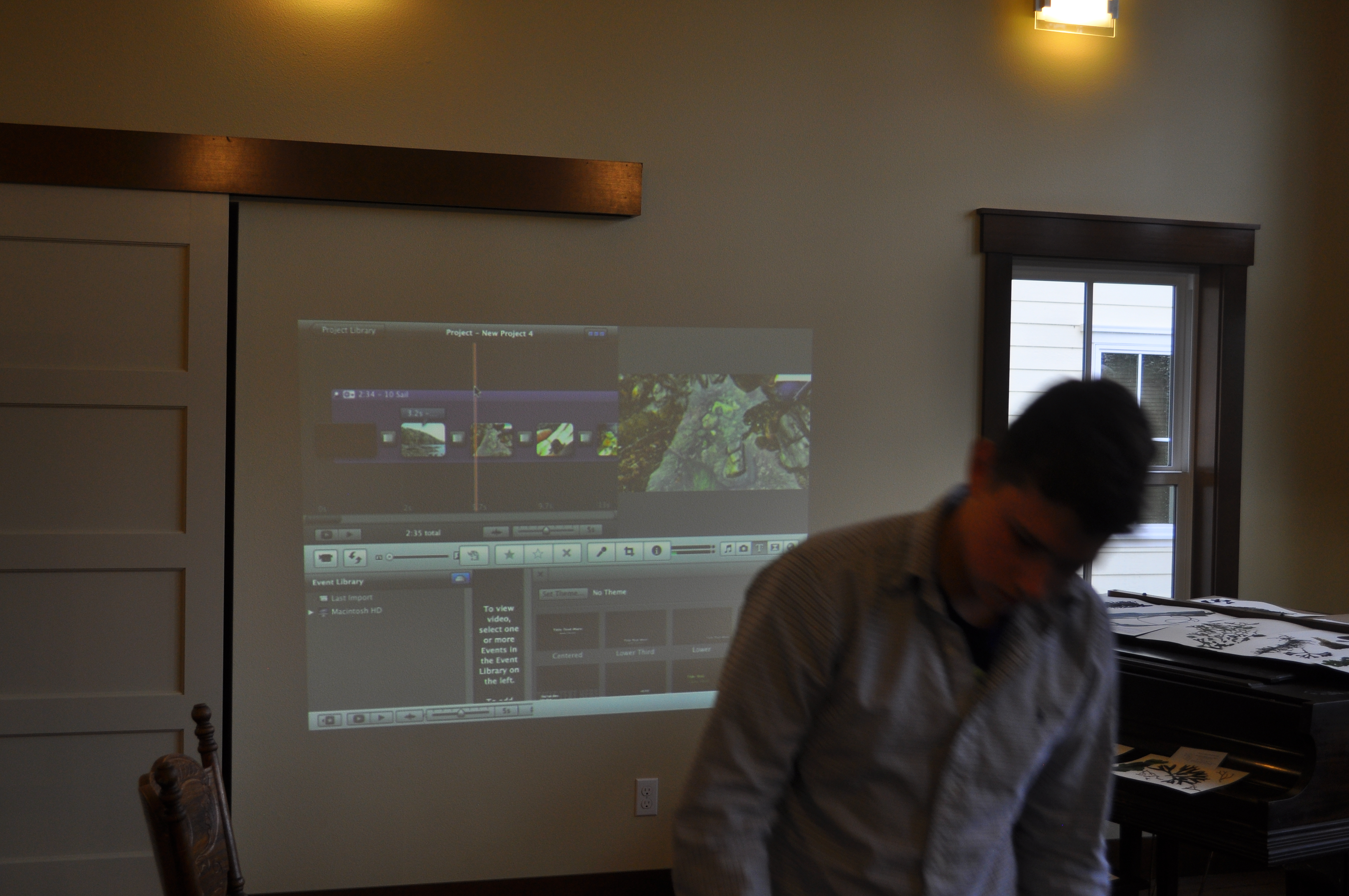
After we all passed the “white glove” test, the group convened with Tom to finalize project image choices and order, and then to give the script a final read-through before recording voice-overs.

DSC_0187

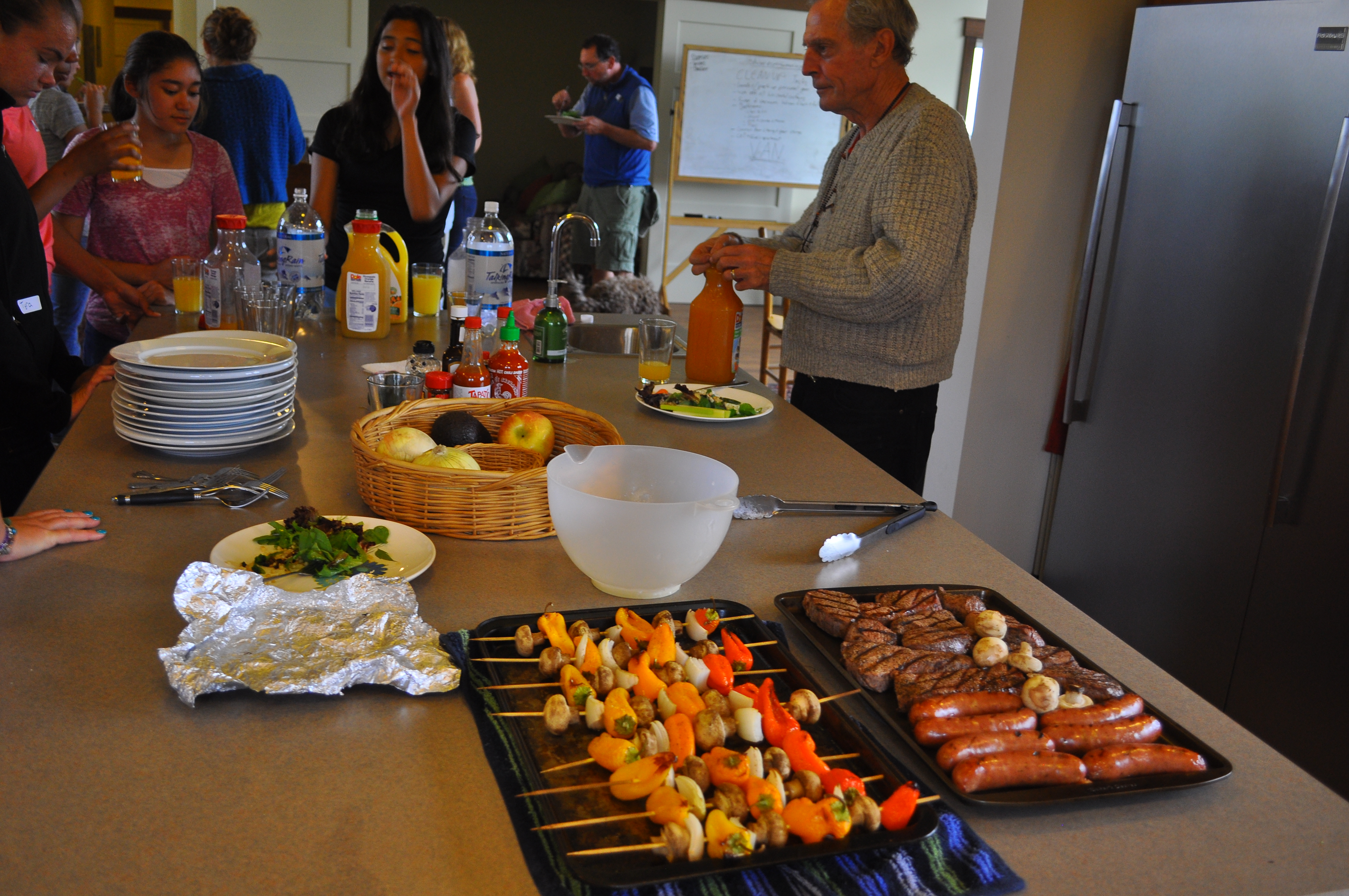
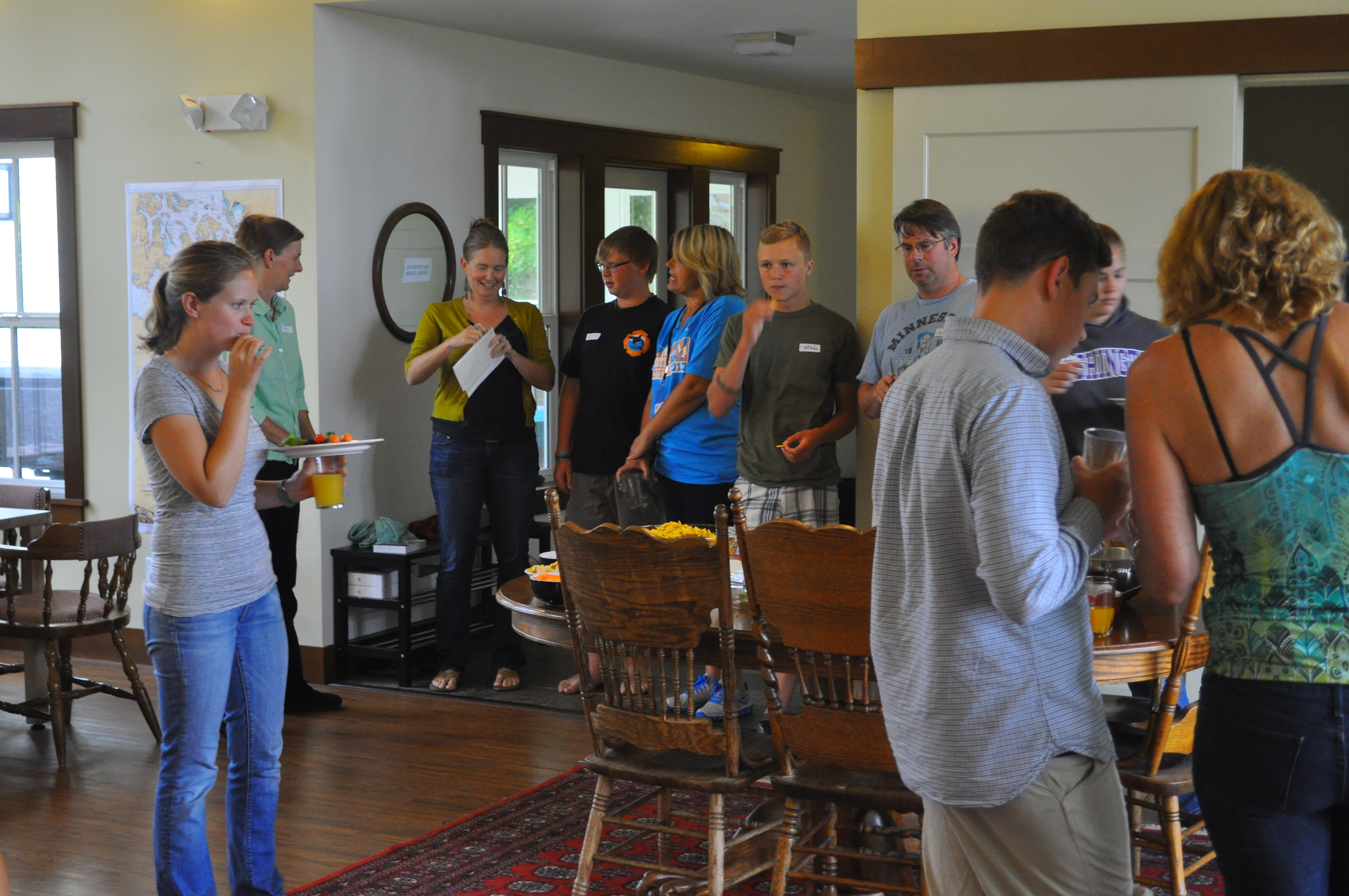
To show our appreciation for all of the numerous scientists, teachers and parents whose assistance and guidance were essential to the program, we hosted a barbecue of steak, shish-kabob and dungeness crab early in the evening. Although though the intermittent rains drove us inside, everyone enjoyed recapping the past three weeks with people they’d met along the way. Becca Guenther even brought us the algae pressings we’d prepared with her during our first week! We concluded the evening by showing off a rough cut of our final documentary entitled “Tide Pools of San Juan Island.”

DSC_0183 DSC_0182 DSC_0193 DSC_0186

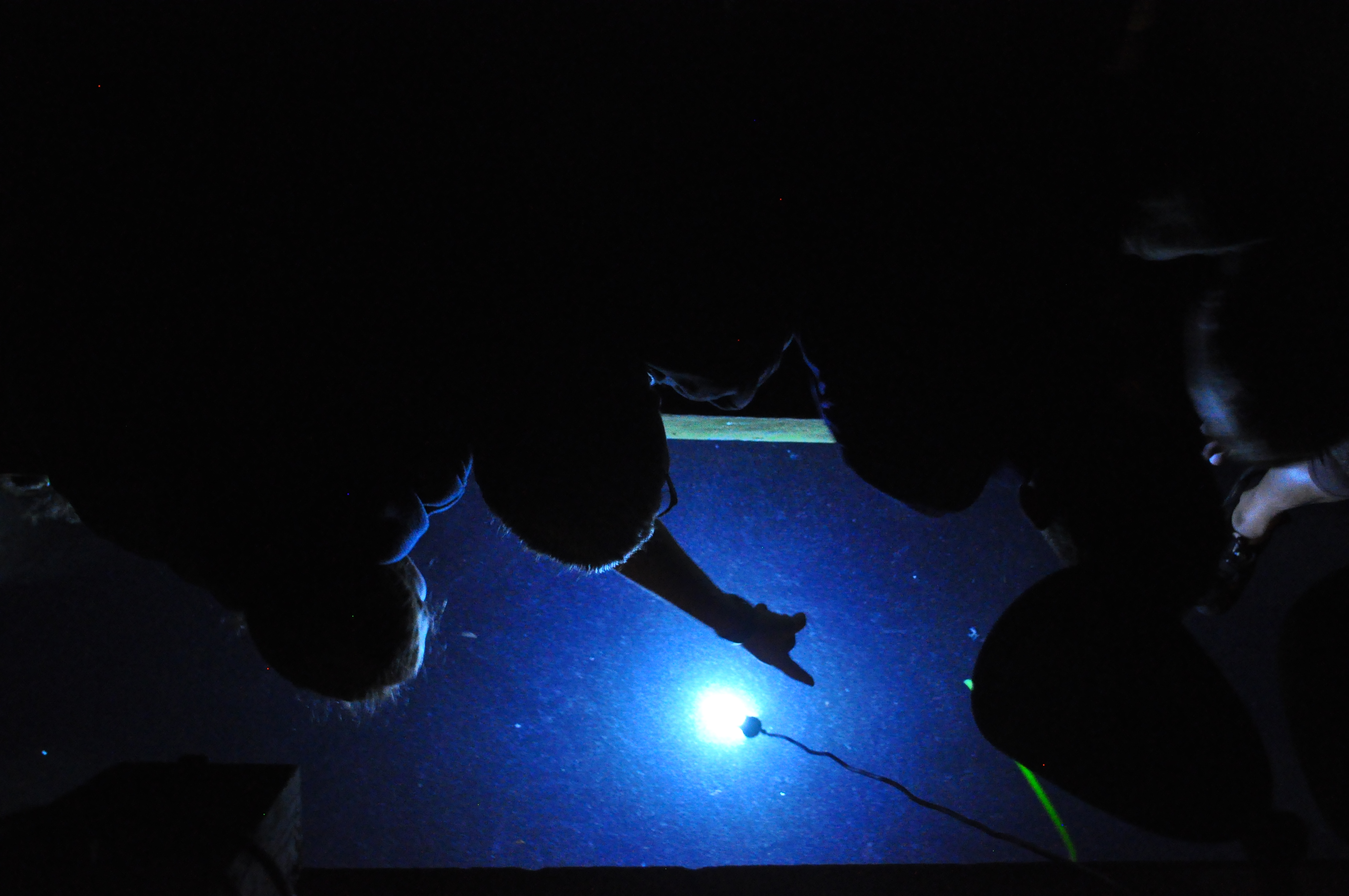
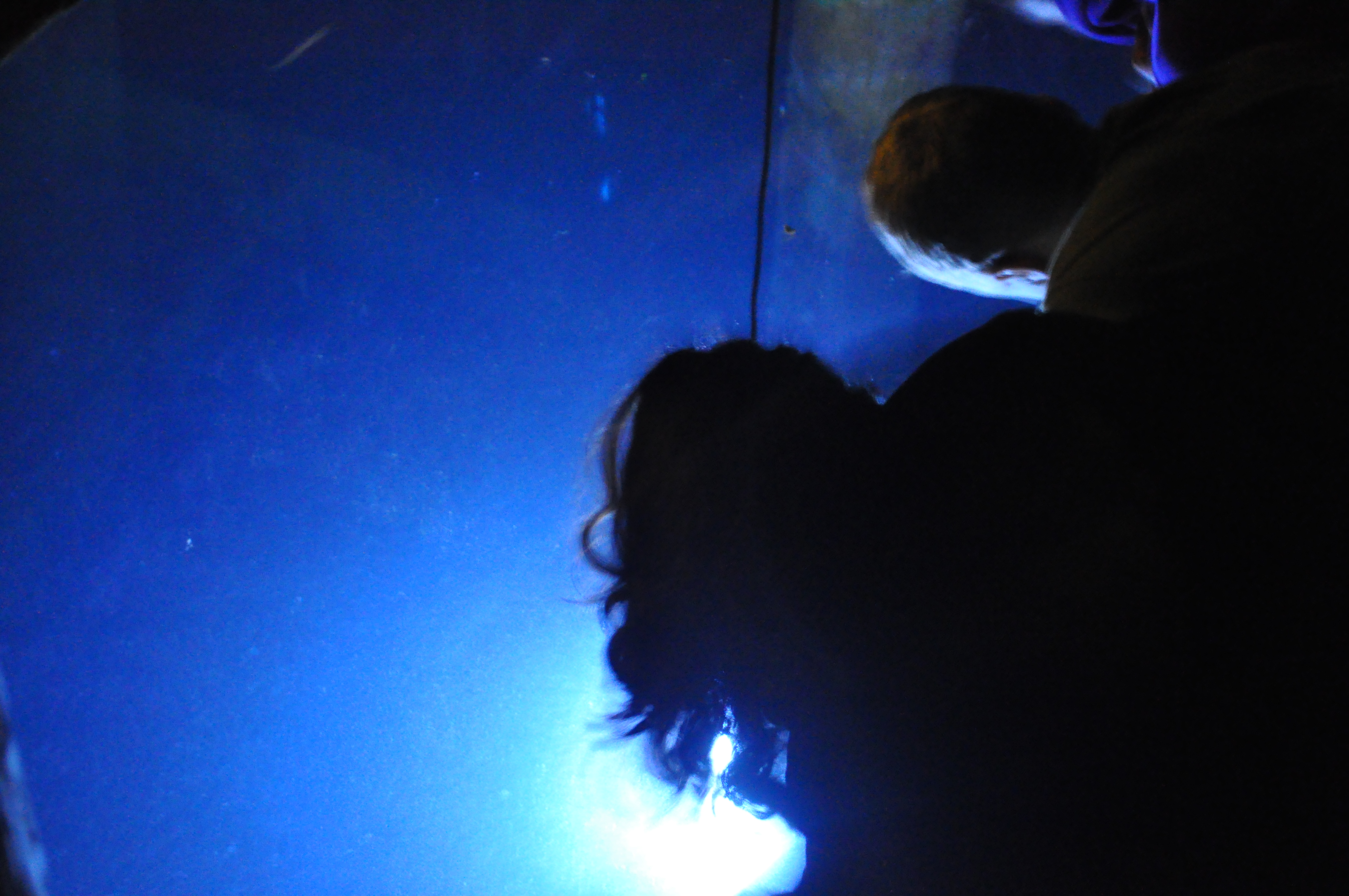
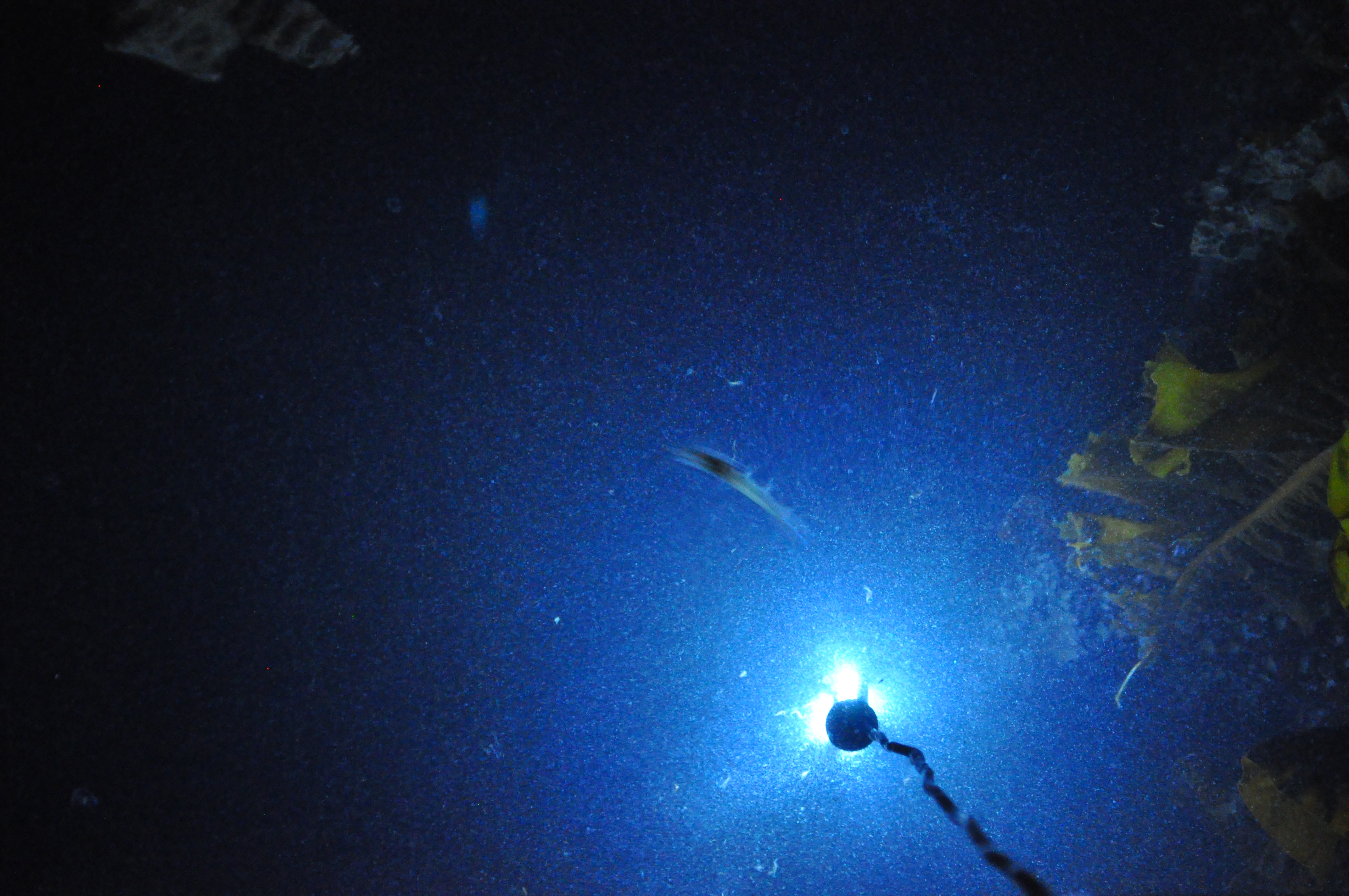
After our guests departed, we loaded into the van for one last trip over to the Friday Harbor Laboratories to experience the time-honored Labs tradition of night lighting. Our coastal oceans are filled with light-sensing zooplankton and other animals; hanging a waterproof light over the side of the dock slowly attracts them to the surface and illuminates other organisms that happen to be nearby. All were delighted when Labs residents Stephanie Crofts, Orissa Moulton and their colleague Connie Sullivan met us on the docks (at 10:30 pm) to share some insights into the creatures emerging from the darkness.

DSC_0197 DSC_0218 DSC_0237

Day 17: Marine Mammal Necropsy and Documentary Development

By: Julie

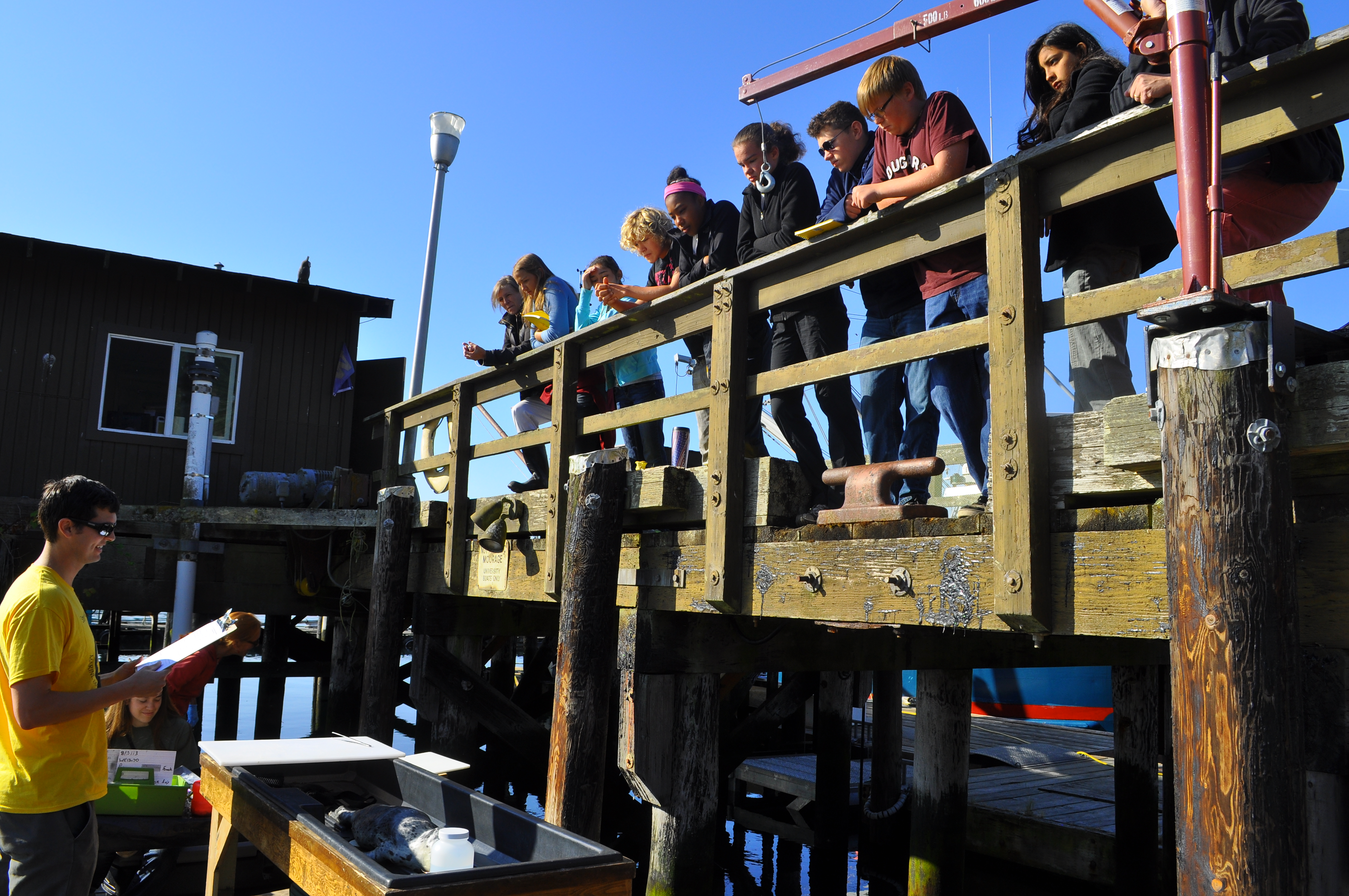
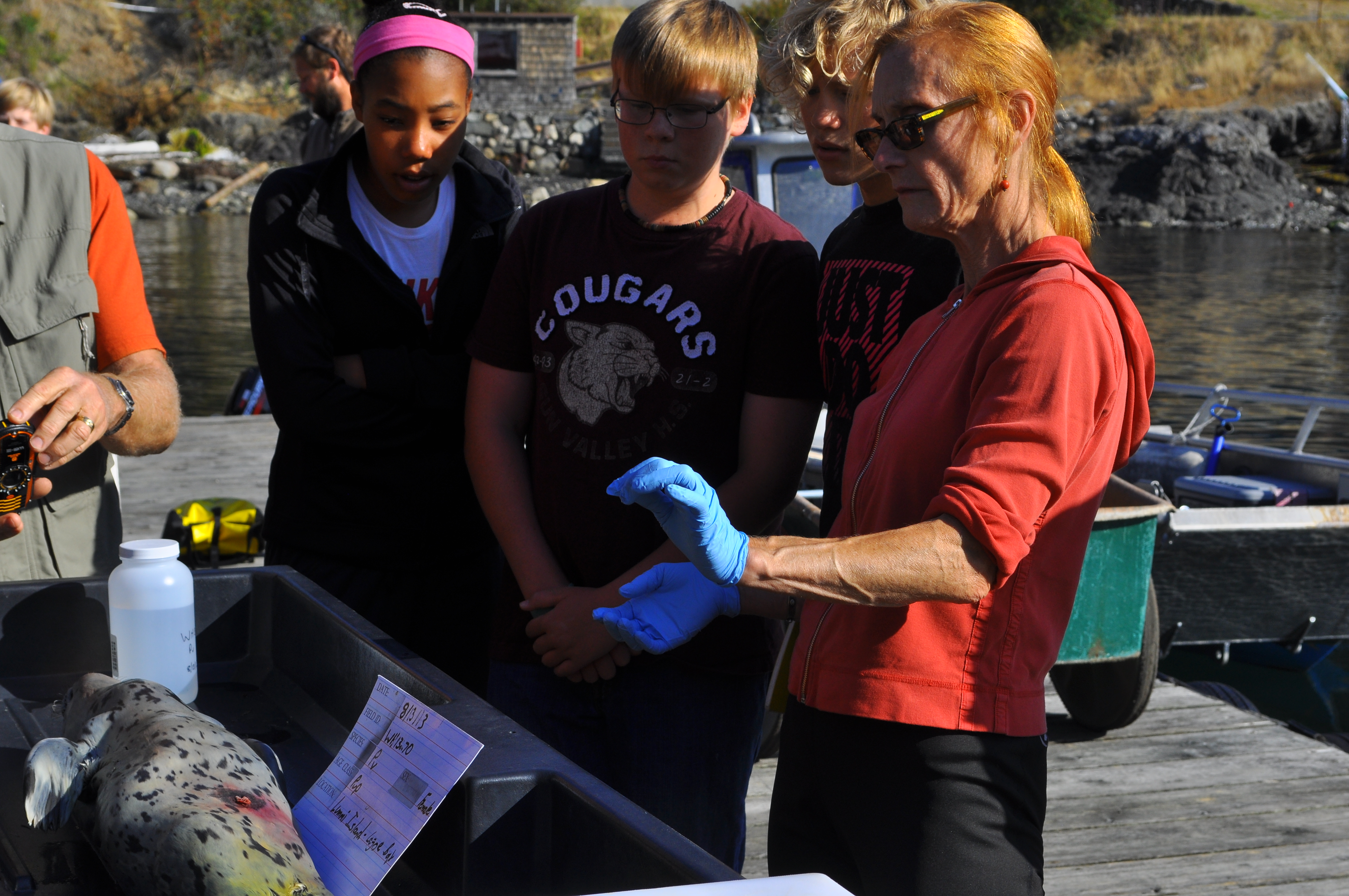
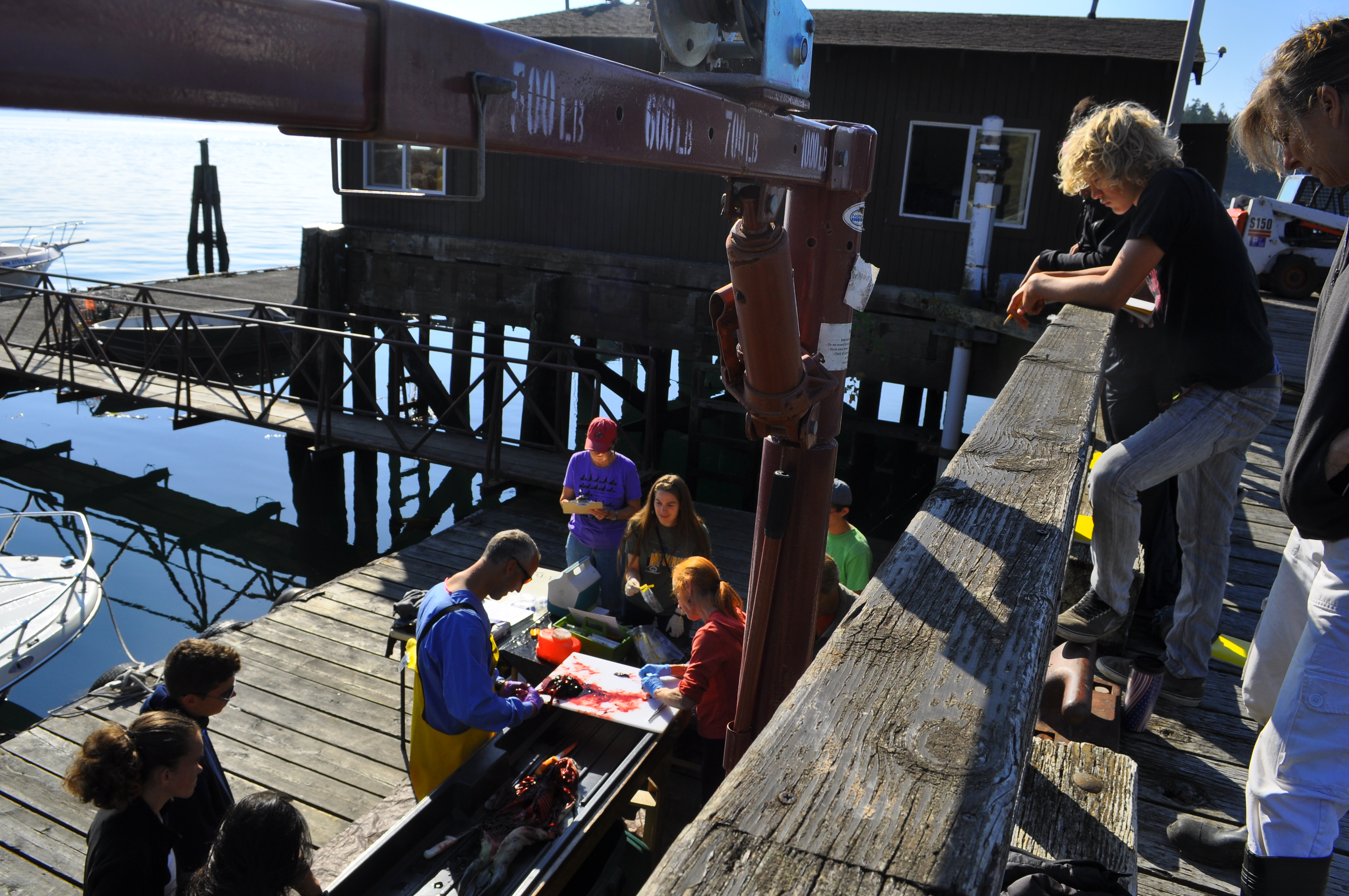
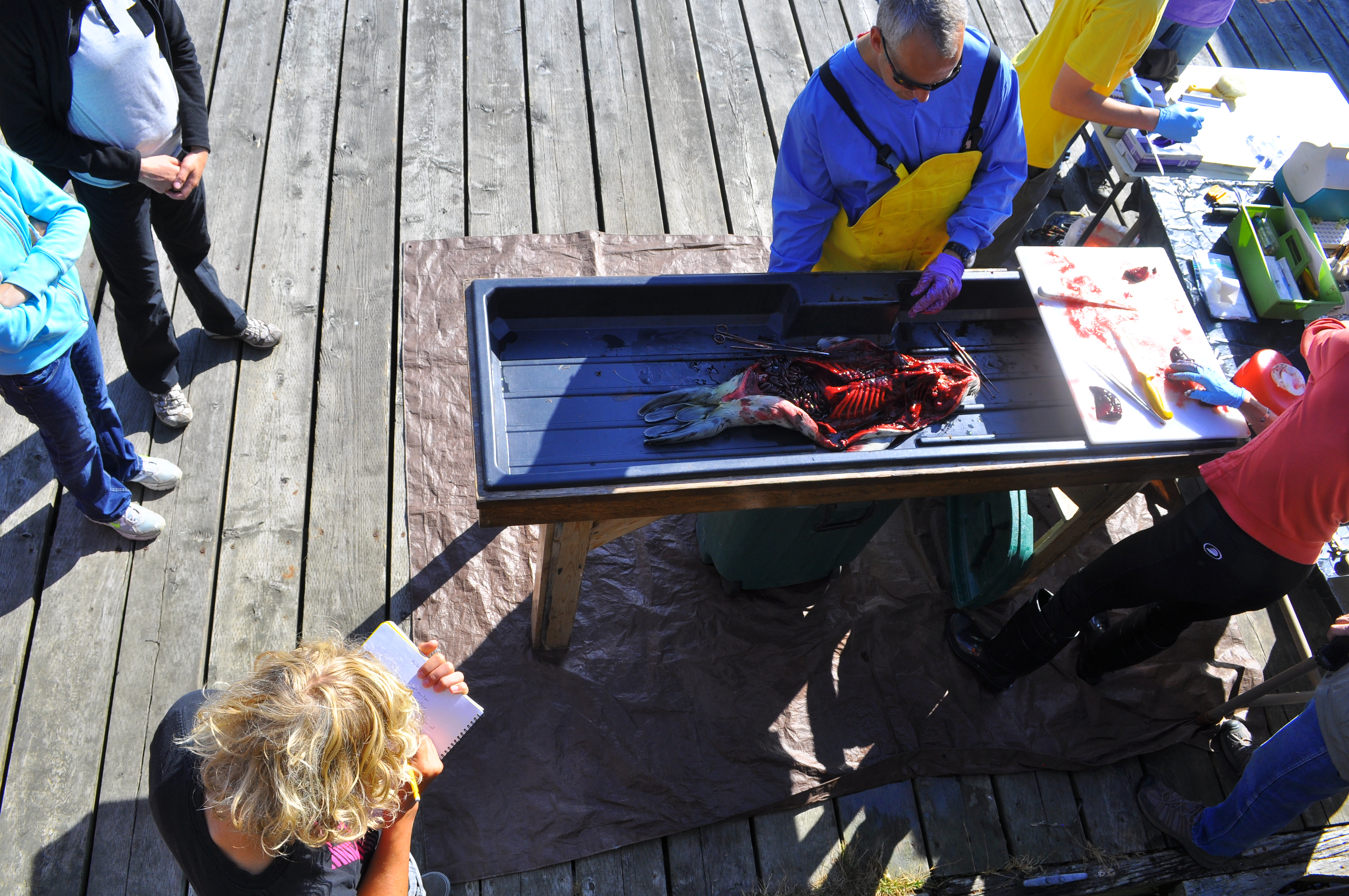
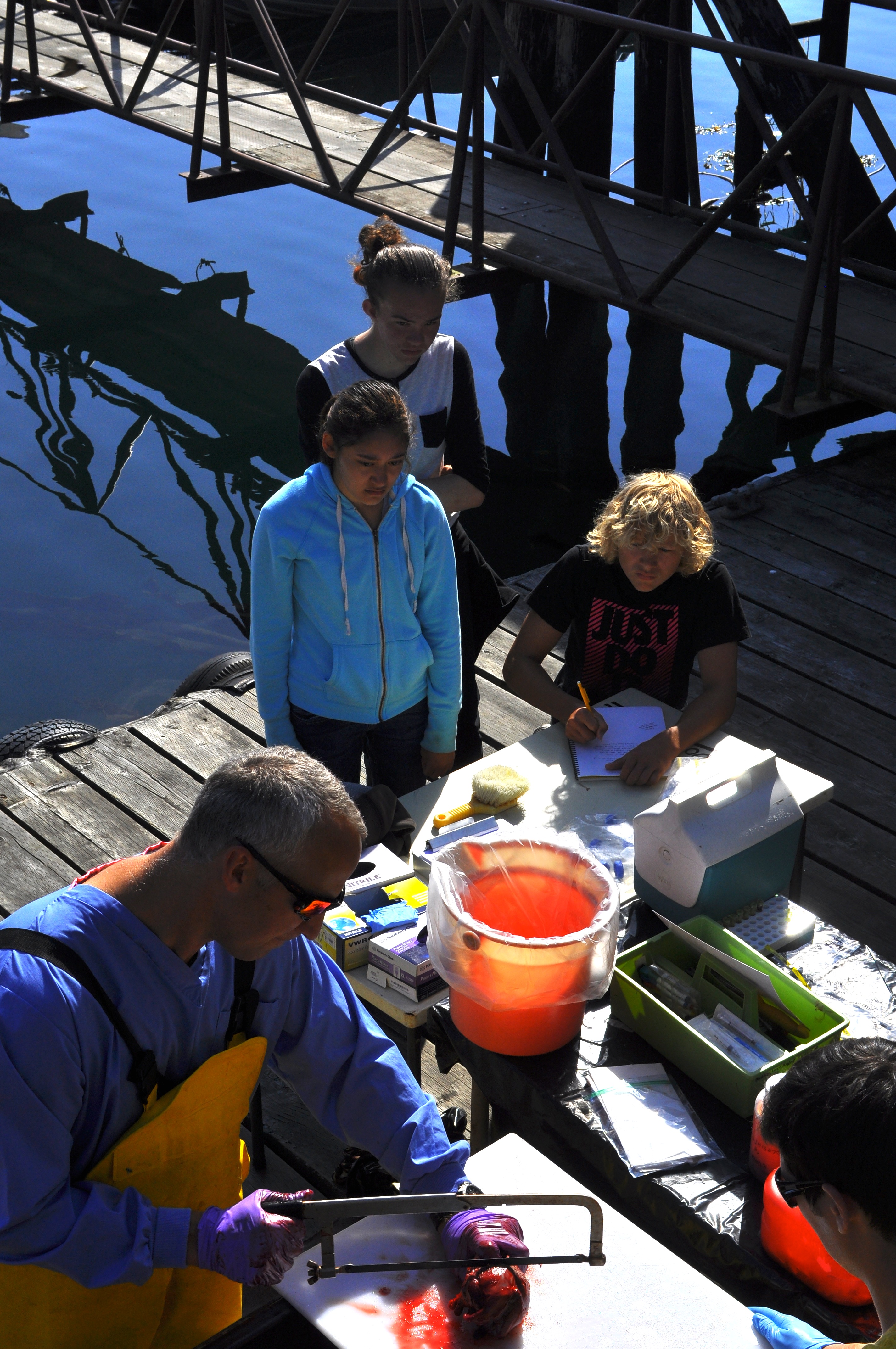
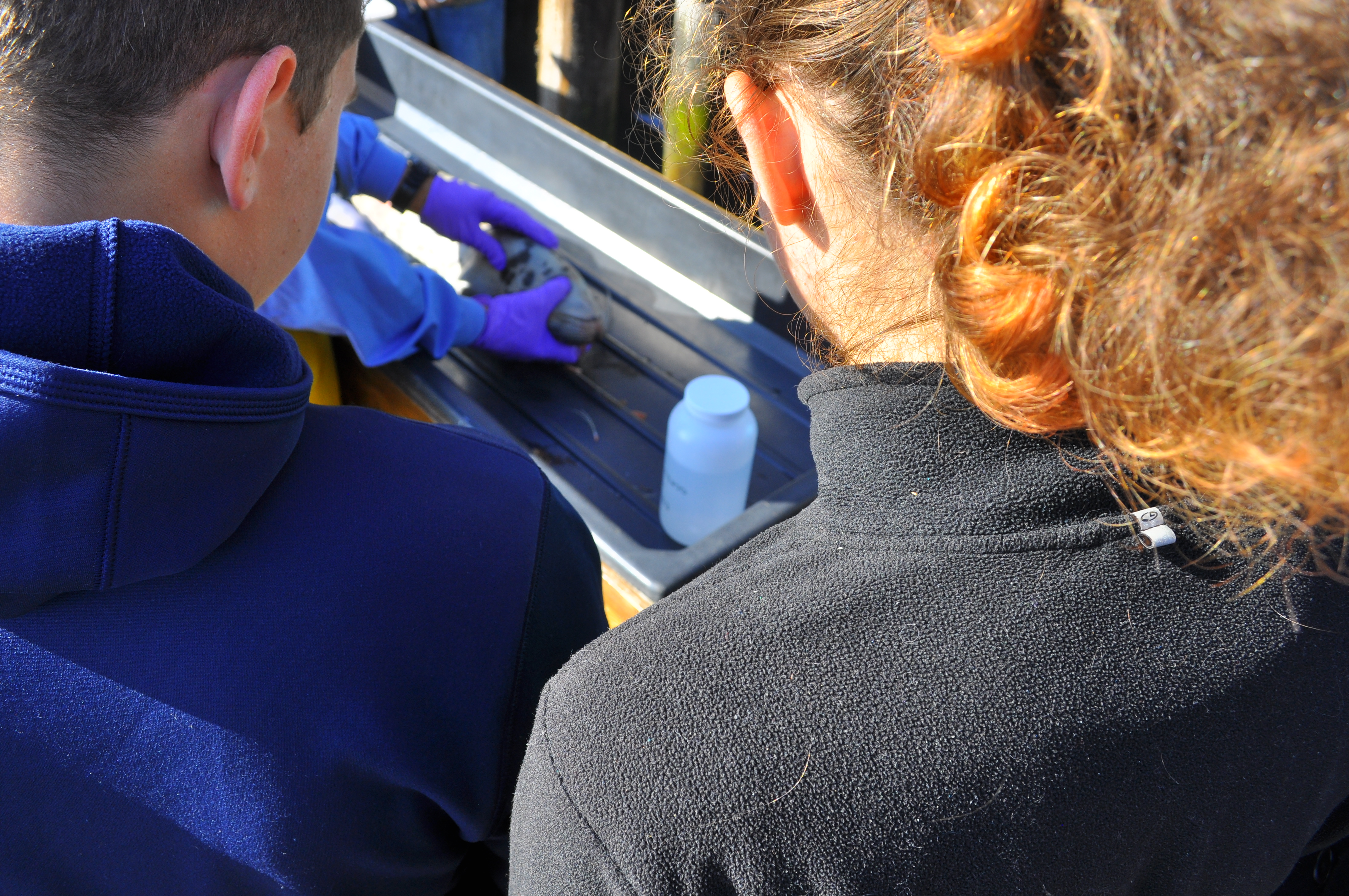
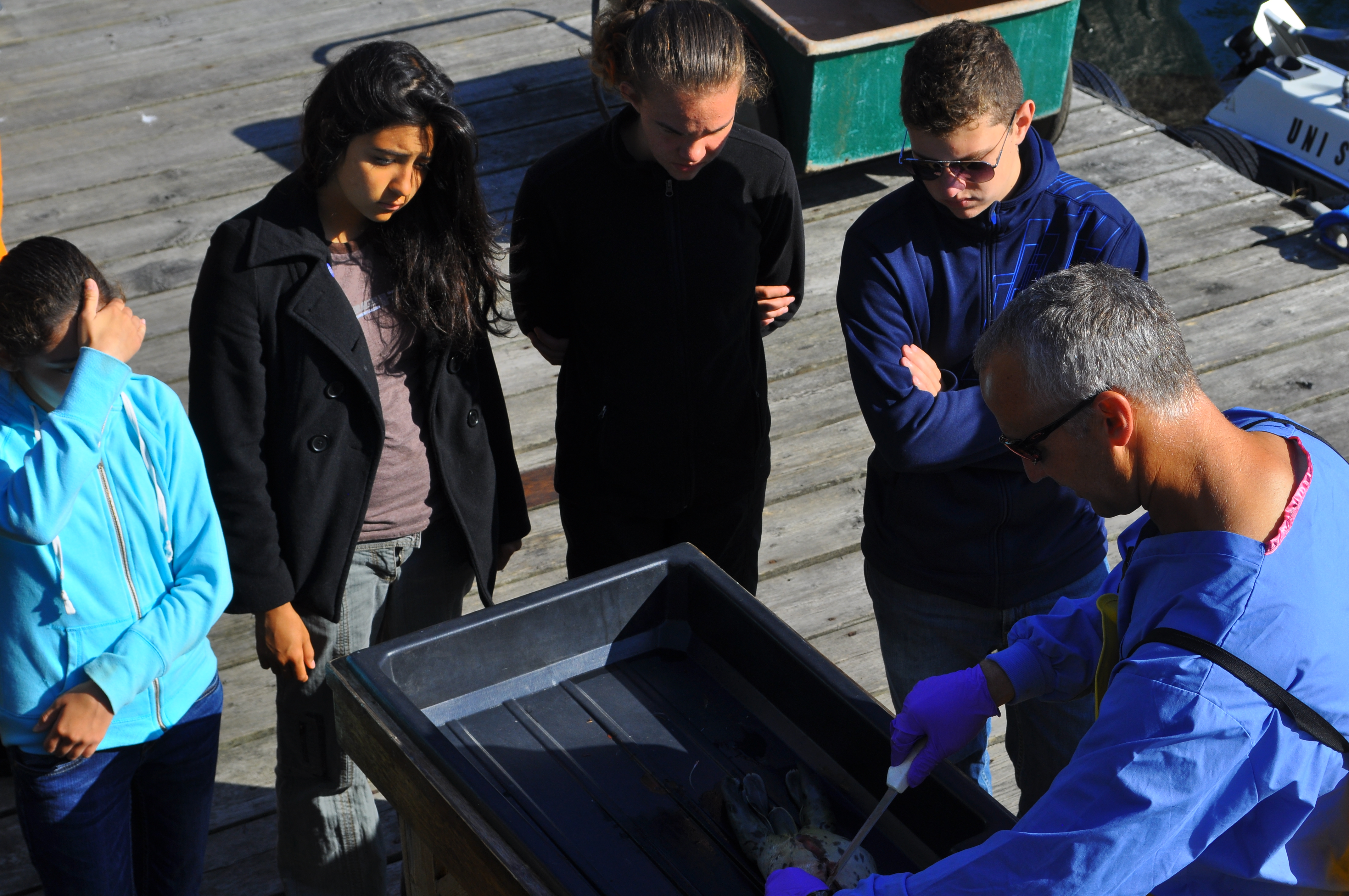
The day jumped out at us as we ate a quick breakfast then headed over to FH Labs for the necropsy of a baby harbor seal; a necropsy is just like an autopsy, only it is performed on an animal instead of a human. Joe Gaydos, a distinguished veterinarian and Director of the SeaDoc Society, led the operation, with assistance from Patrick Charapata and Eric Eisenhardt (our guests from last night), as well as volunteers from SeaDoc and the Marine Mammal Stranding Network. We had a great view from one of the upper docks at FHL, looking down on the procedure from above.

DSC_0144 DSC_0154

We learned that the harbor seal was grossly malnourished as the necropsy began. The animal also had unusually large lymph nodes suggesting that it was fighting infection before it died. Multiple samples from many parts of the body were removed for testing. The remains were then returned to the ocean in order to maintain the natural order.

DSC_0195 DSC_0199 DSC_0170 DSC_0176 DSC_0210

After the necropsy was over we took some time to explore different parts of FHL, including the Stockroom, the Dive Locker, and various different labs and tanks. We also learned how the water system that supplies the many tanks works.

Later, we returned to the dorm for lunch and a meeting about what is happening in the days to come. Then we chose and edited the best of the many photos that were taken on Monday; working together to decide which would be most useful to our presentation.

DSC_0008 DSC_0028

Dinner prep started around 3:45 and we relocated to Patricia Morse’s house to eat. Patricia is Professor Emerita of Biology at Northeastern University. We were also joined by Professors Megan Dethier and David Duggins.

DSC_0002 DSC_0003 DSC_0026

The day closed with some tide-pooling and beach cleanup at Patricia’s, then stargazing at Mike and Diana Stepita’s (Matt’s parents) house, as we looked for shooting stars of the Perseid meteor shower.

Day 15: Documentary Development and E/V Nautilus

By: Saymirah

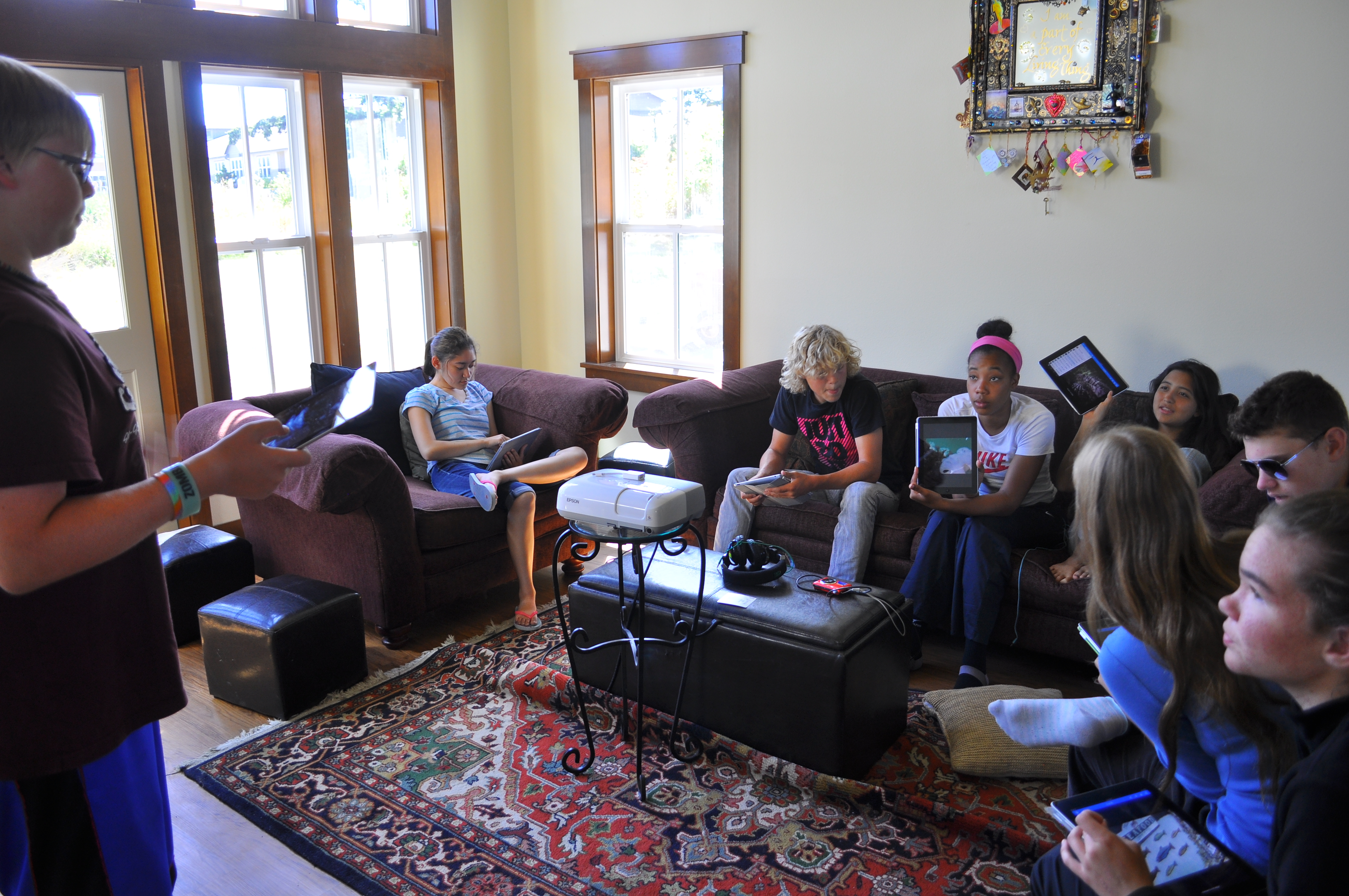
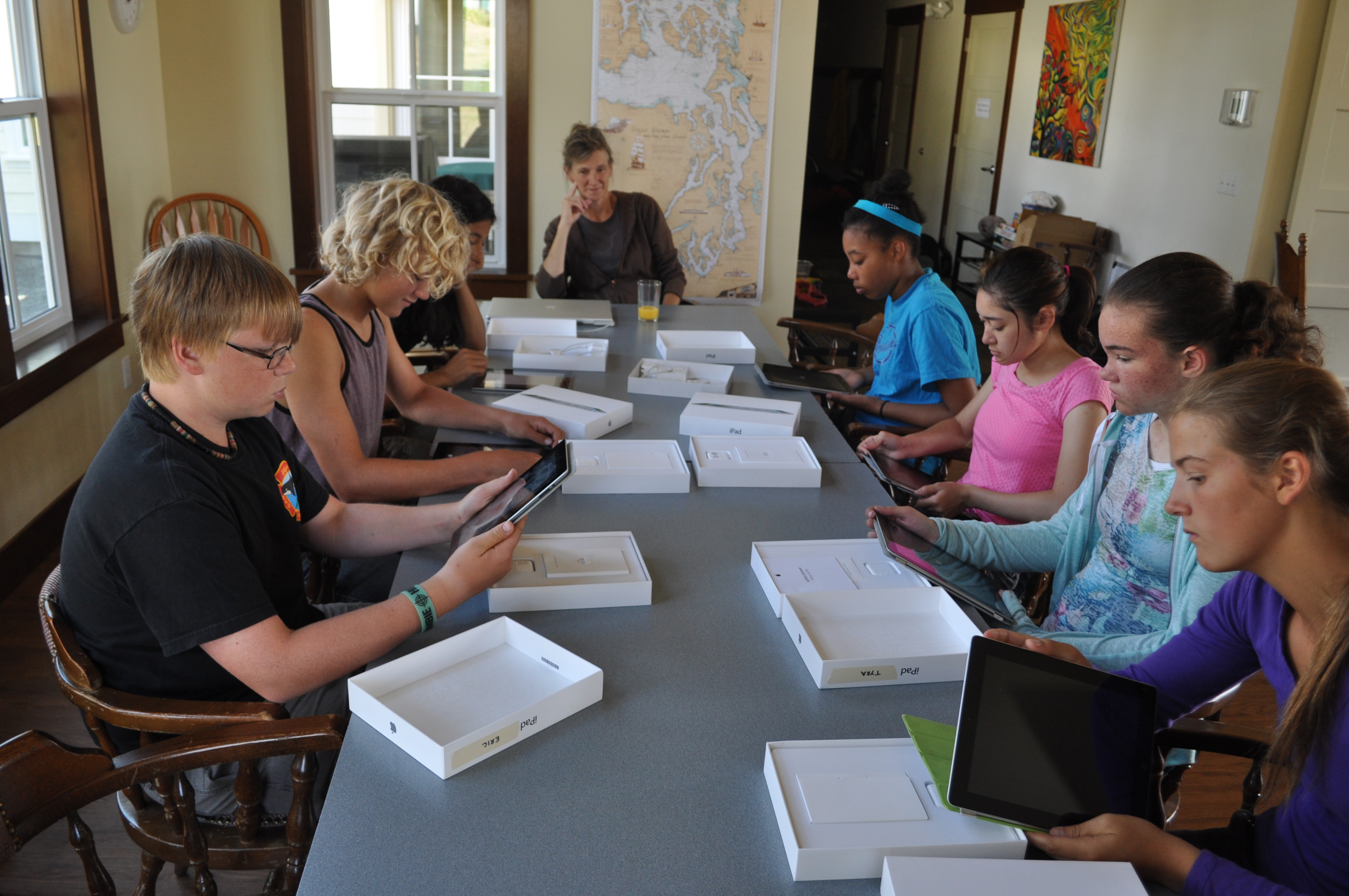
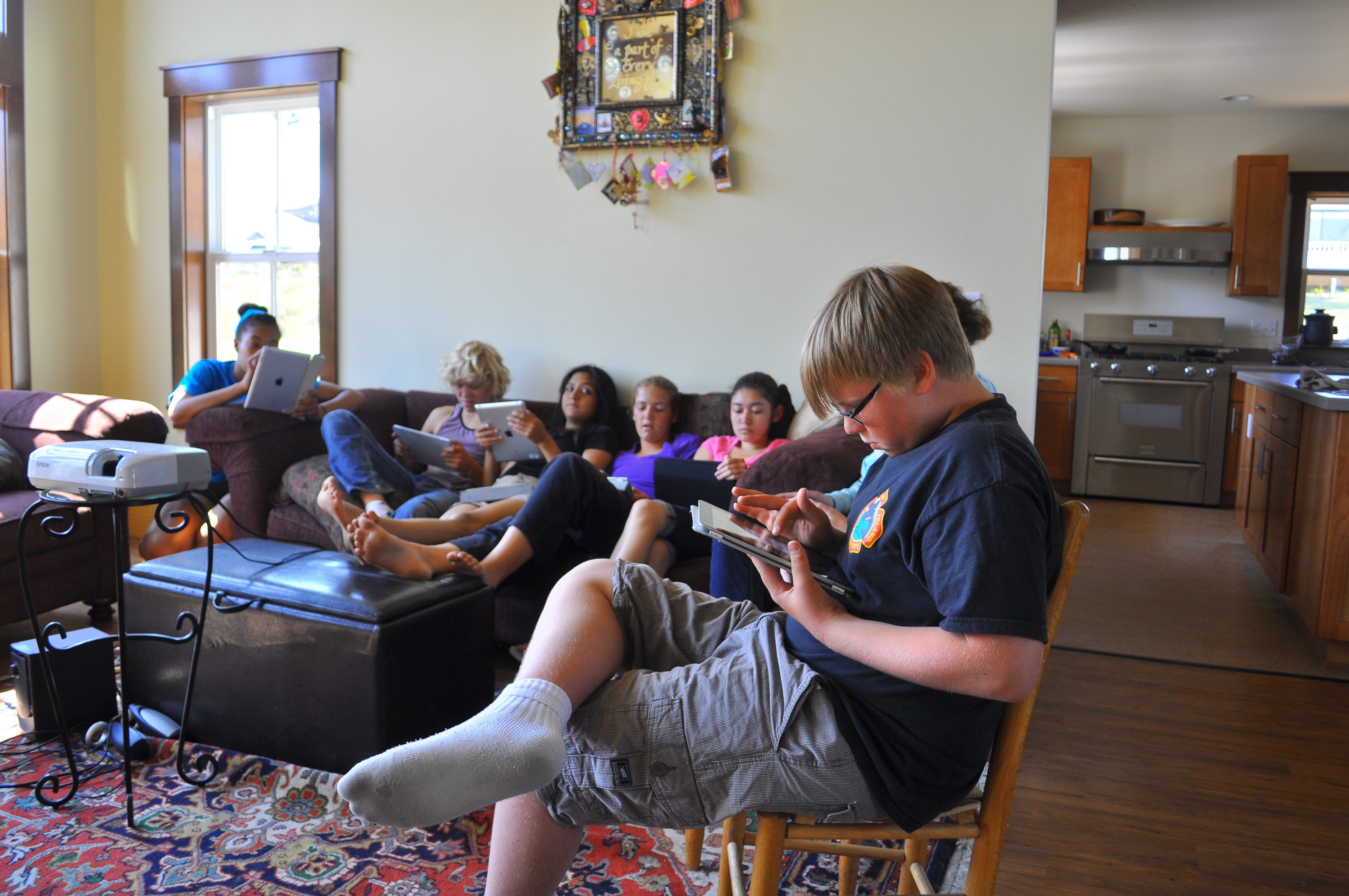
Being considerate, Caroline let us sleep in after a late night at the play, which led to a nice brunch of chocolate chip pancakes and eggs with cheese. Afterwards,we had down time to either go to the Art Market or walk around town. When we got back to the dorm, we were surprised to get iPads from the Friday Harbor Laboratories for our documentary on tide pools. Tom gave us an introduction to how to document the photos we took.

DSC_0303


DSC_0304

Dennis Willows joined us for dinner. He is a retired professor of neurobiology as well as a former Friday Harbor Labs Director for over 33 years. He explained how he found his way into biology research and his experiment of testing nudibranchs and other marine animals for their reaction to the earth’s magnetic field.

To end the night, we had a teleconference with Megan Cook, a science writer who was aboard the Exploration Vessel Nautilus. She explained her journey with a team of scientists into the Gulf of Mexico looking for hydrocarbon seeps and brine pools deep down on the ocean floor using remotely operated vehicles.

Day 13: Saddlebag Island to Anacortes and cleanup

By Tim:

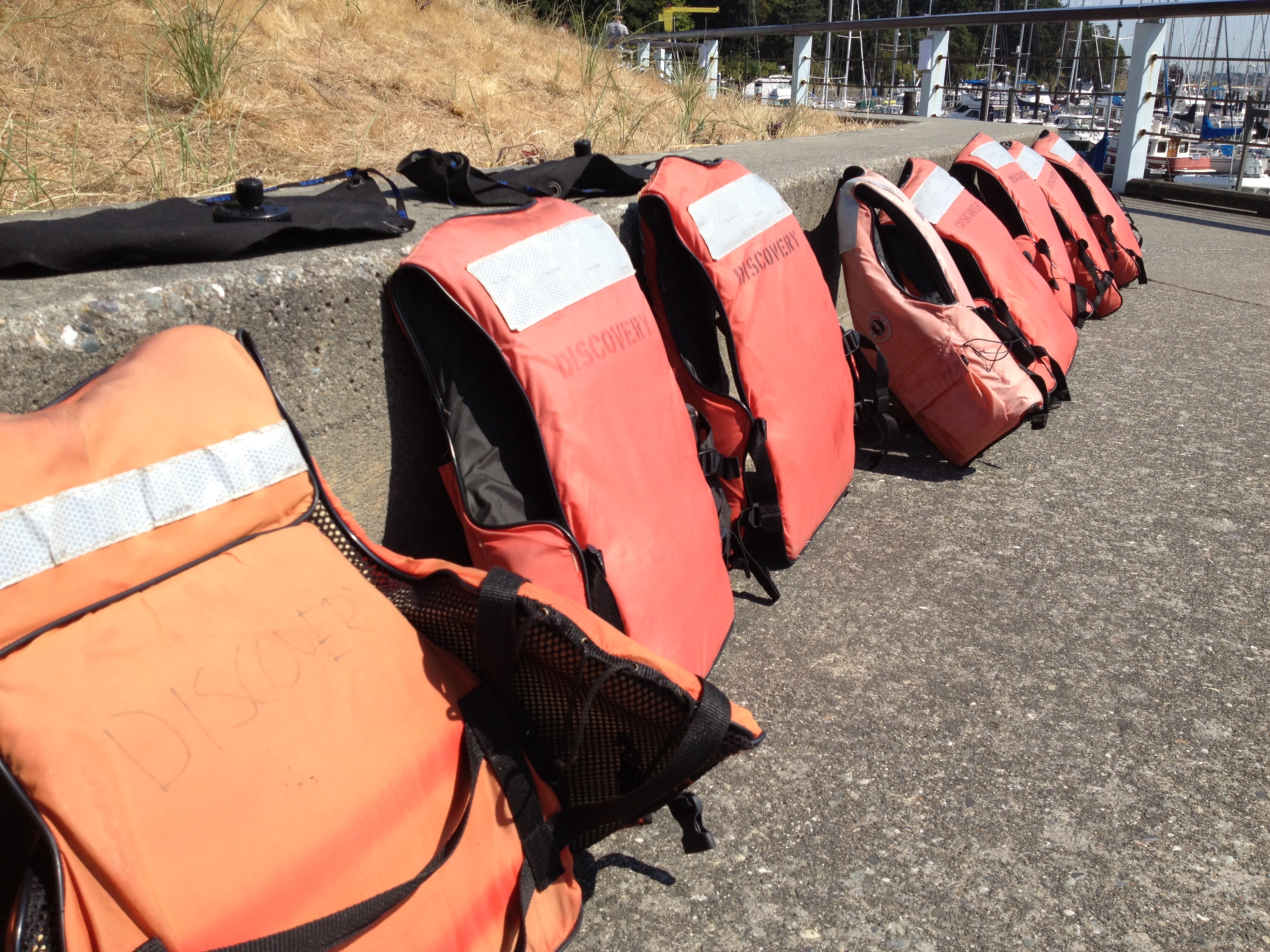
After a long row yesterday afternoon, we spent the evening on Saddlebag Island once again. After a quick breakfast of oatmeal, nuts and the last of our snacks, we broke camp, loaded up Discovery and rowed back to Cap Sante Marina in Anacortes. Once there, we completely emptied the boat and washed everything with freshwater; every dry bag, every tarp, every mug, every bowl, every utensil. After the van was loaded, we crewed Discovery one more time through the marina for her haul out at the boat lift. After giving three cheers for Captain John “Sockeye” Calogero for an unforgettable voyage (and for delivering us safely back to land) we boarded the late afternoon ferry back to Friday Harbor. Everyone is now deeply involved in the process of cleaning themselves and their personal gear.

IMG_0704

Day 7: Rocky Intertidal Zonation and Longboat Trip Prep

By: Tim

Just a quick note because we’re in full-scale preparation for departure on our longboat trip early Sunday.

Laser Leveling at the Cattle Point rocky intertidal zone

Laser Leveling at the Cattle Point rocky intertidal zone


DSC_0217DSC_0097

DSC_0222

DSC_0203

DSC_0102

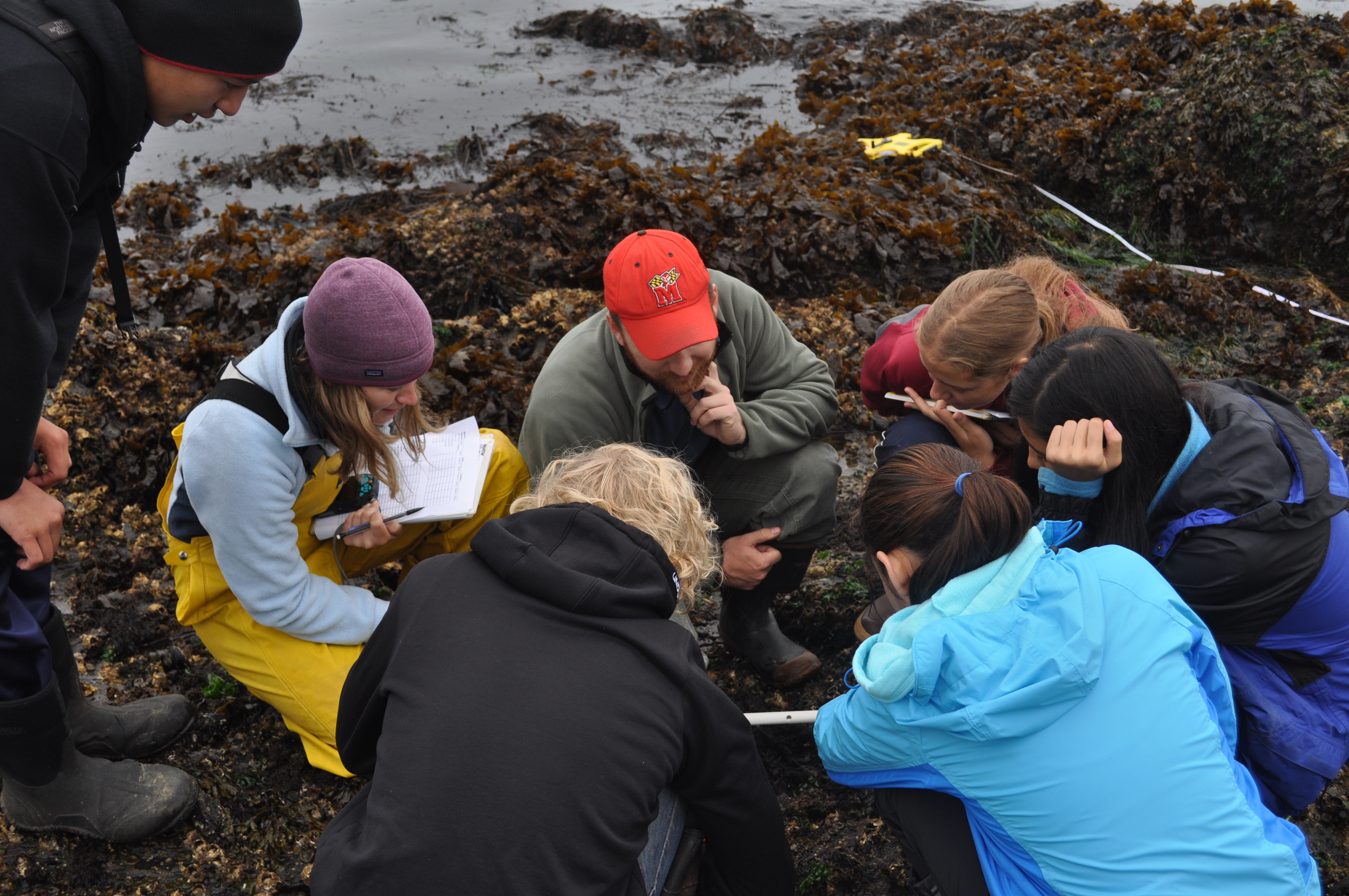
The crew got up for our third early morning in a row and headed down to Cattle Point for some biodiversity surveys of the rocky intertidal zone. Intrepid ecologists Orissa Moulton and Hilary Hayford came along to show us how to standardize quadrat elevations above low water (laser levelers are pretty cool) and to help us ID invertebrates and algae. Afterwards, Tom surprised us with a hearty breakfast in the dorm; a welcome change from the on-the-run break (intentional space here) fasts we’d been consuming in order to meet the tide schedule.

DSC_0245

DSC_0052

DSC_0177

DSC_0054

DSC_0247

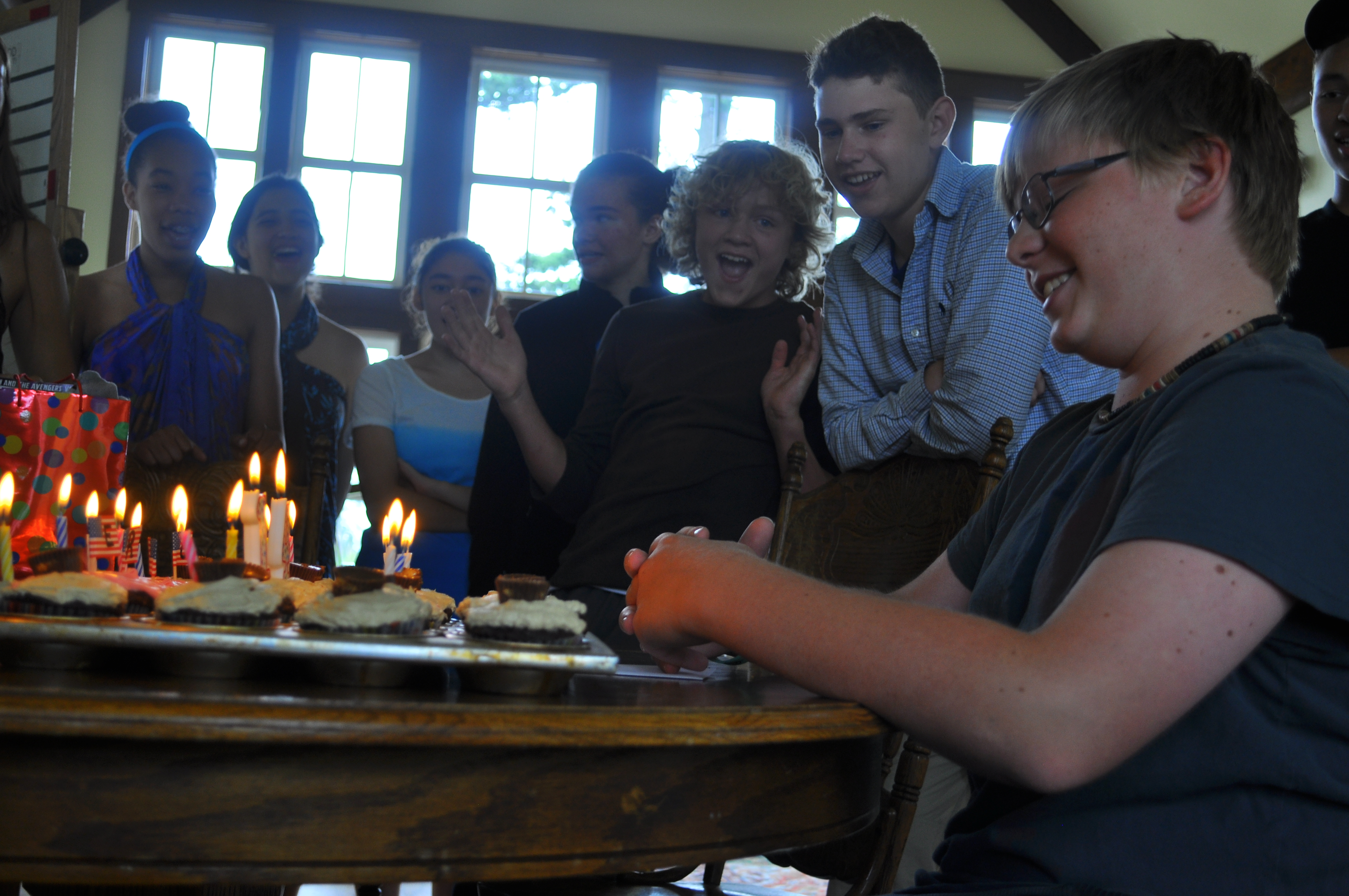
This afternoon, we celebrated Eric’s birthday with cupcakes, cookies, ice cream and lemonade. The rest of the afternoon was spent housekeeping and prepping group and personal gear for the longboat trip.

DSC_0265

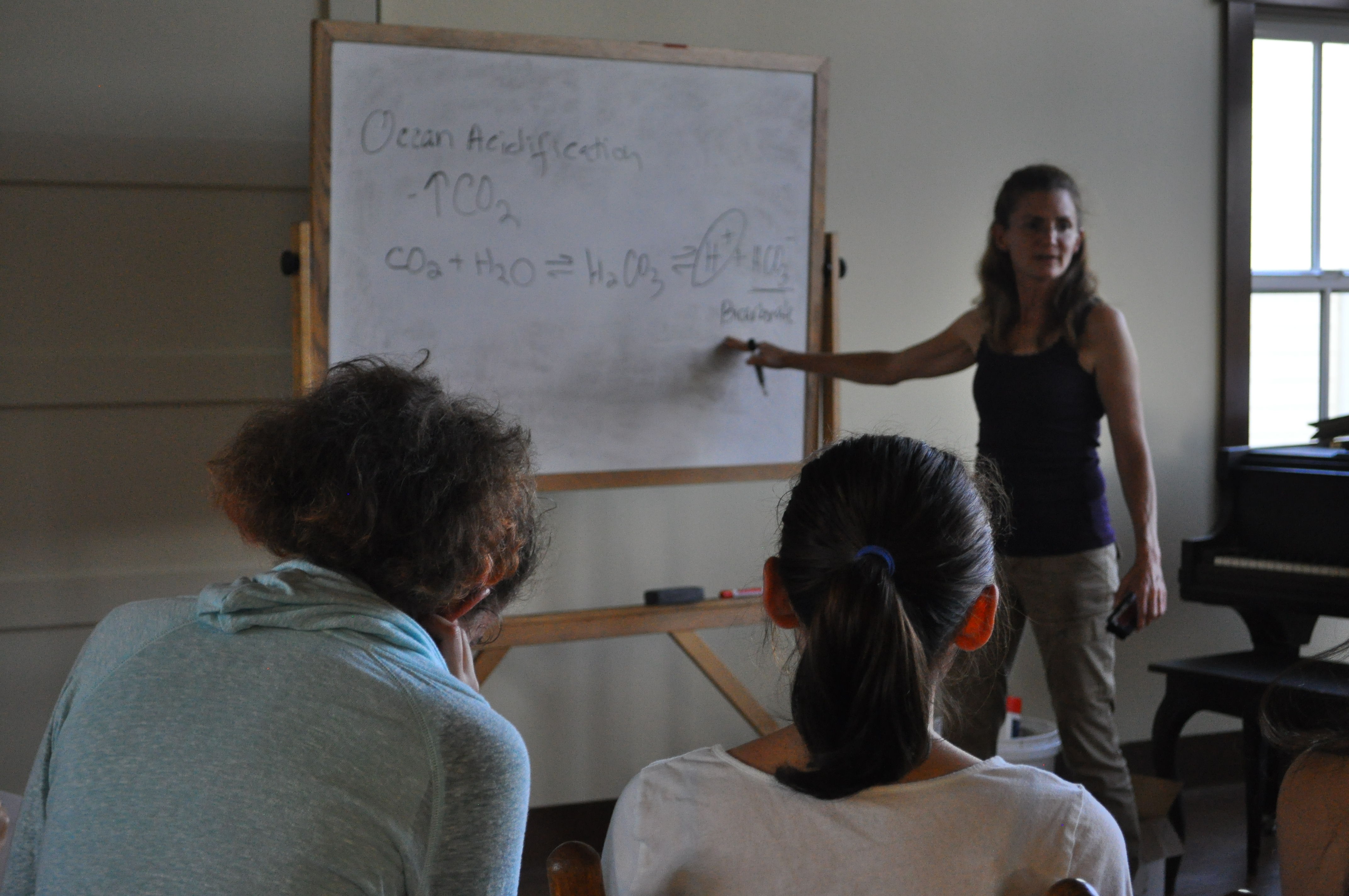
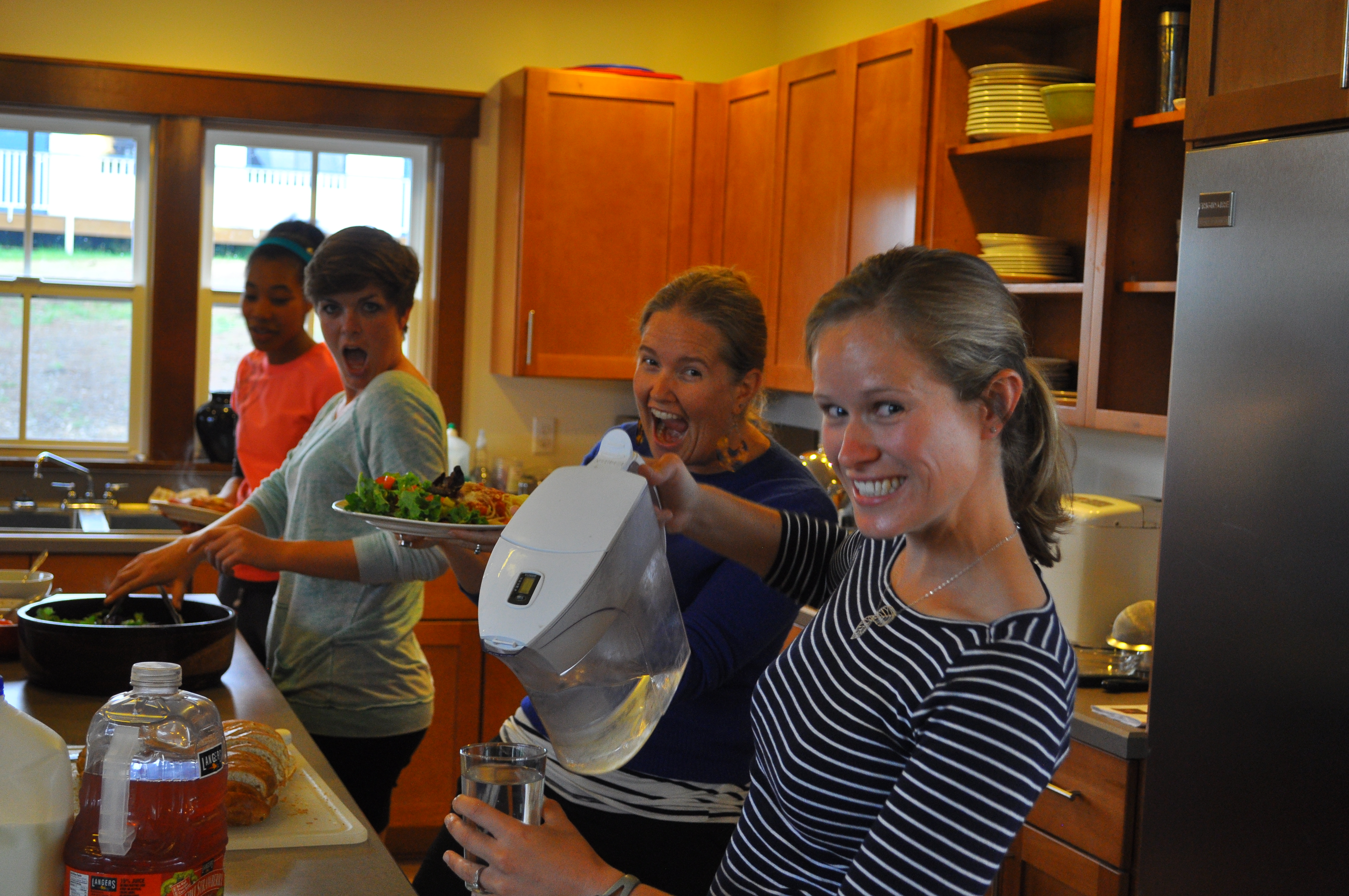
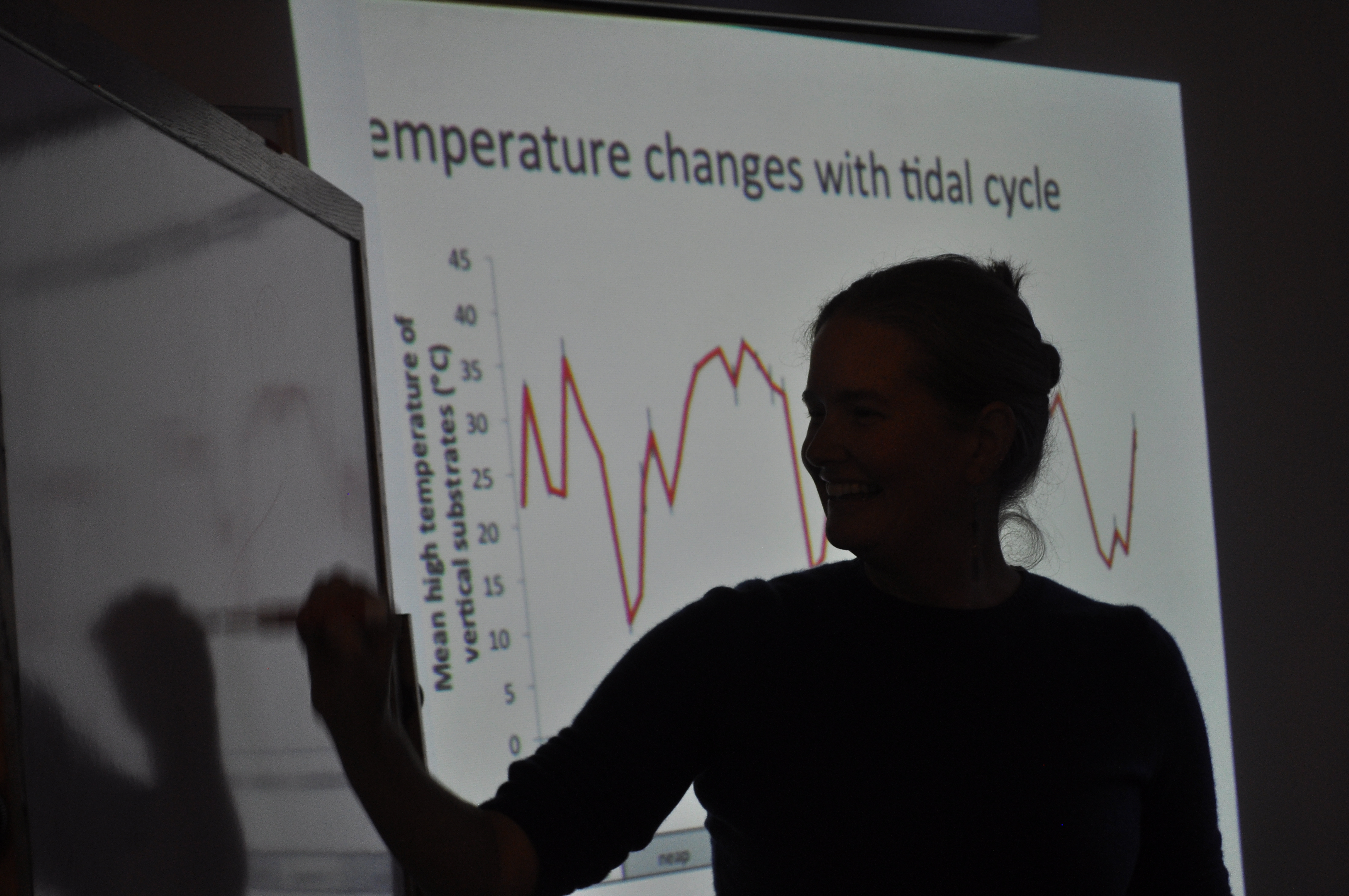
Guest chefs Ken and Susan joined us to relieve personnel from cooking responsibilities while prep continued. Professor Carolyn Friedman and son, Nick, joined us for dinner and a lesson on ocean chemistry and the ocean acidification project we’ll be conducting while out on the longboat this week.

DSC_0271

DSC_0281

We’re headed out for six days in the wilds of the San Juan Islands and waterways so the posting will be intermittent. But the weather has broken, our dry bags are packed (well, almost) and we are excited to go!

IMG_0176

Day 6: Biodiversity and Scientific Illustration


By: Tyra and Emily

DSC_0013

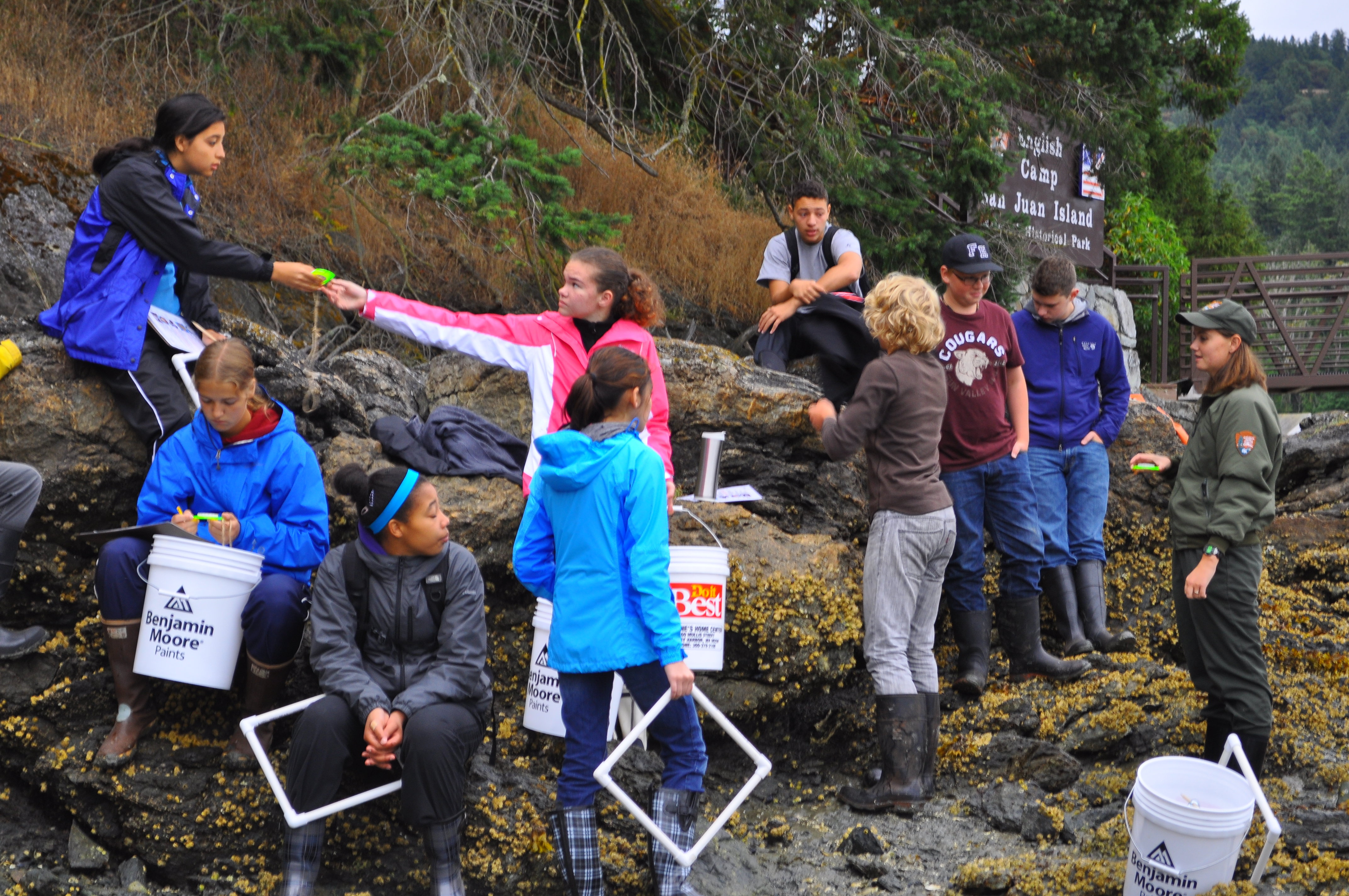
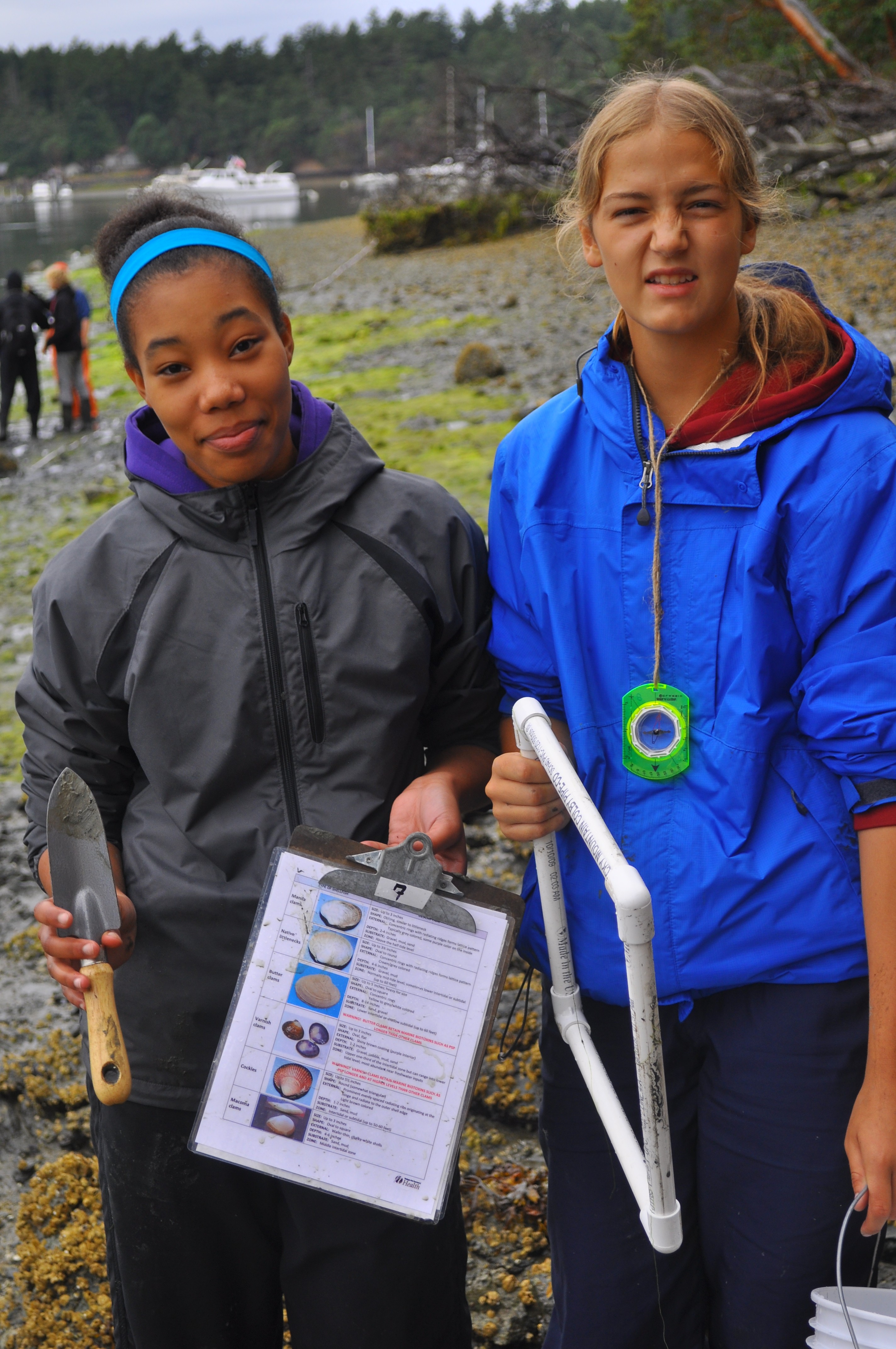
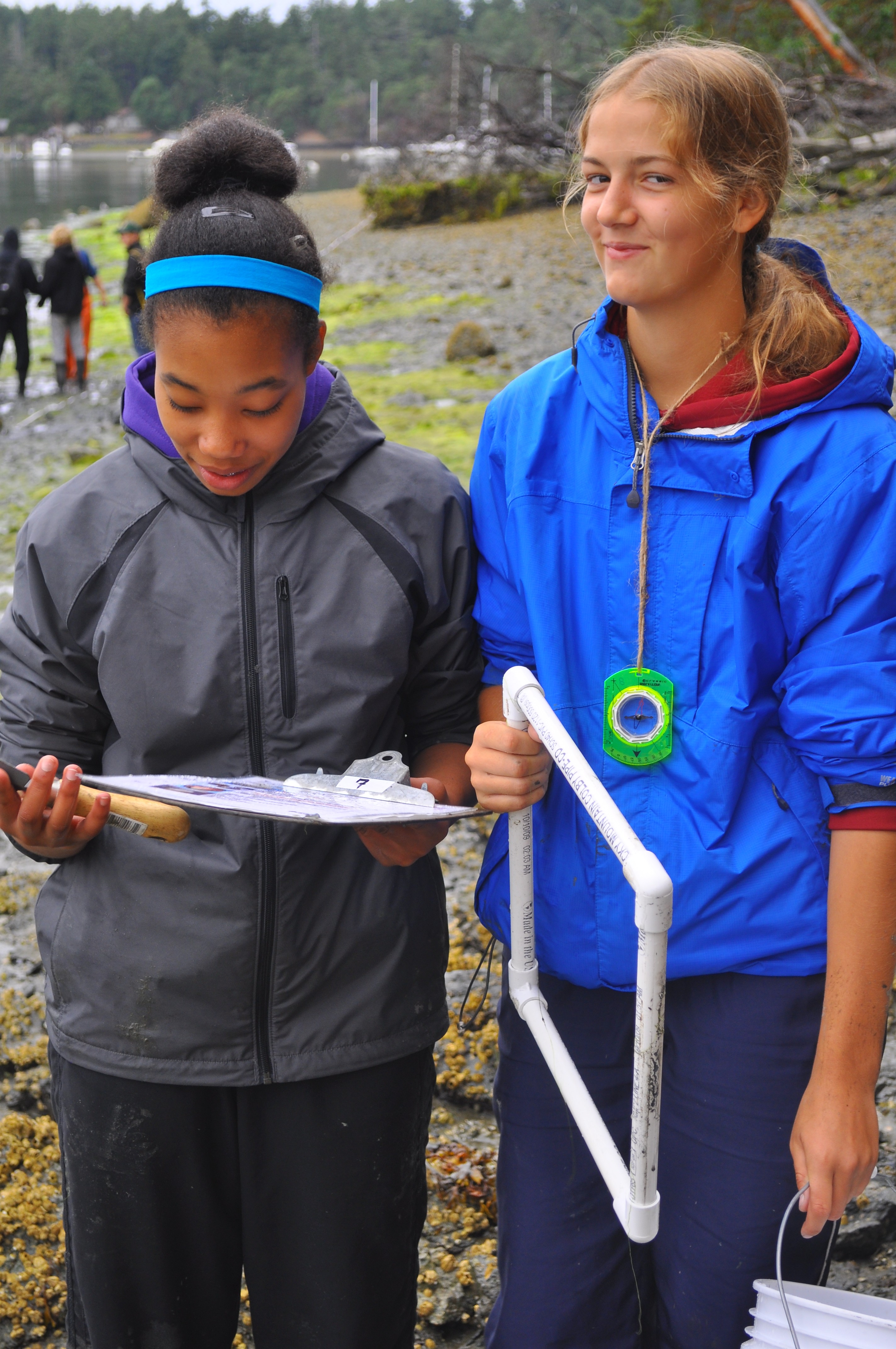
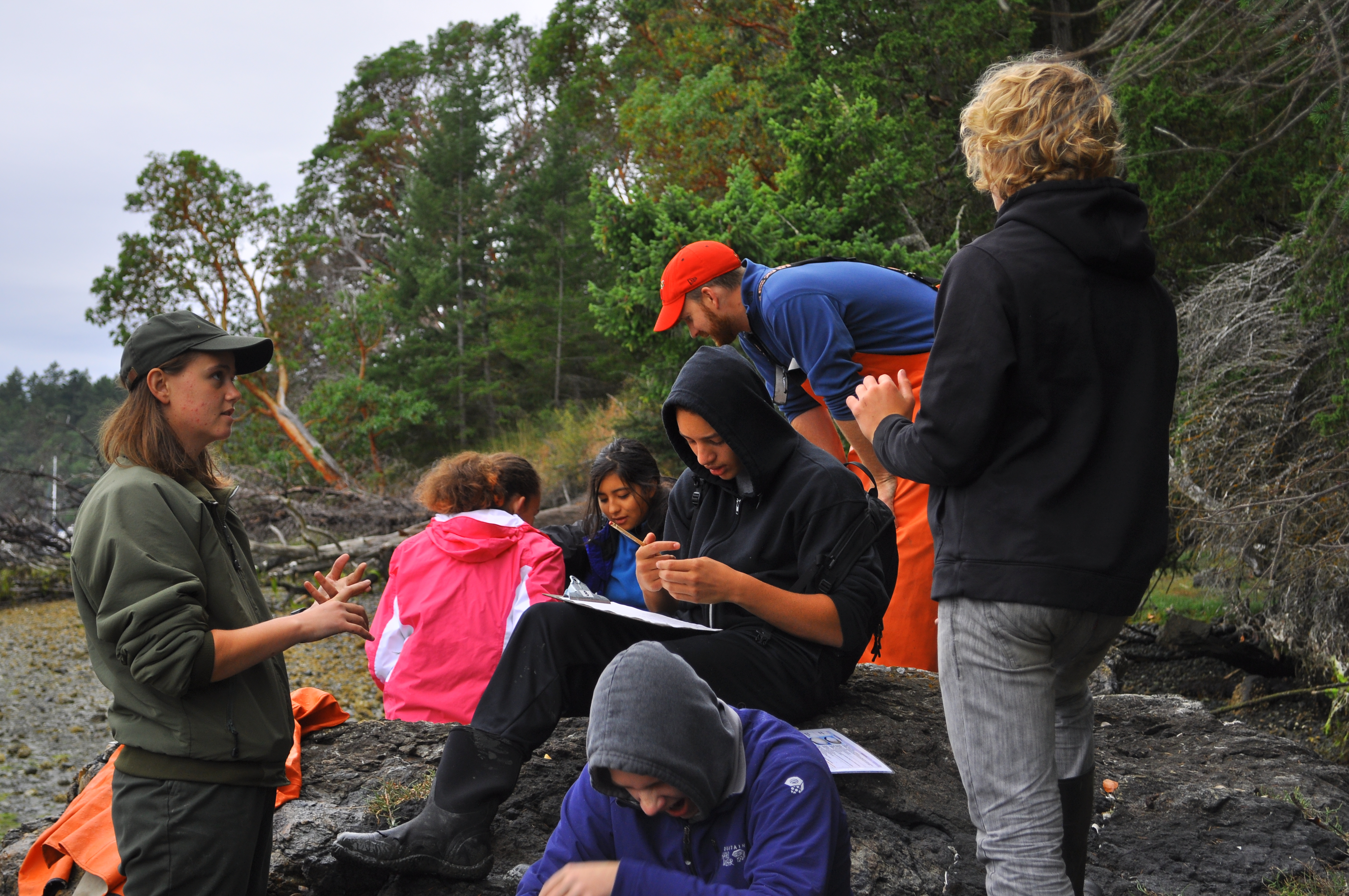
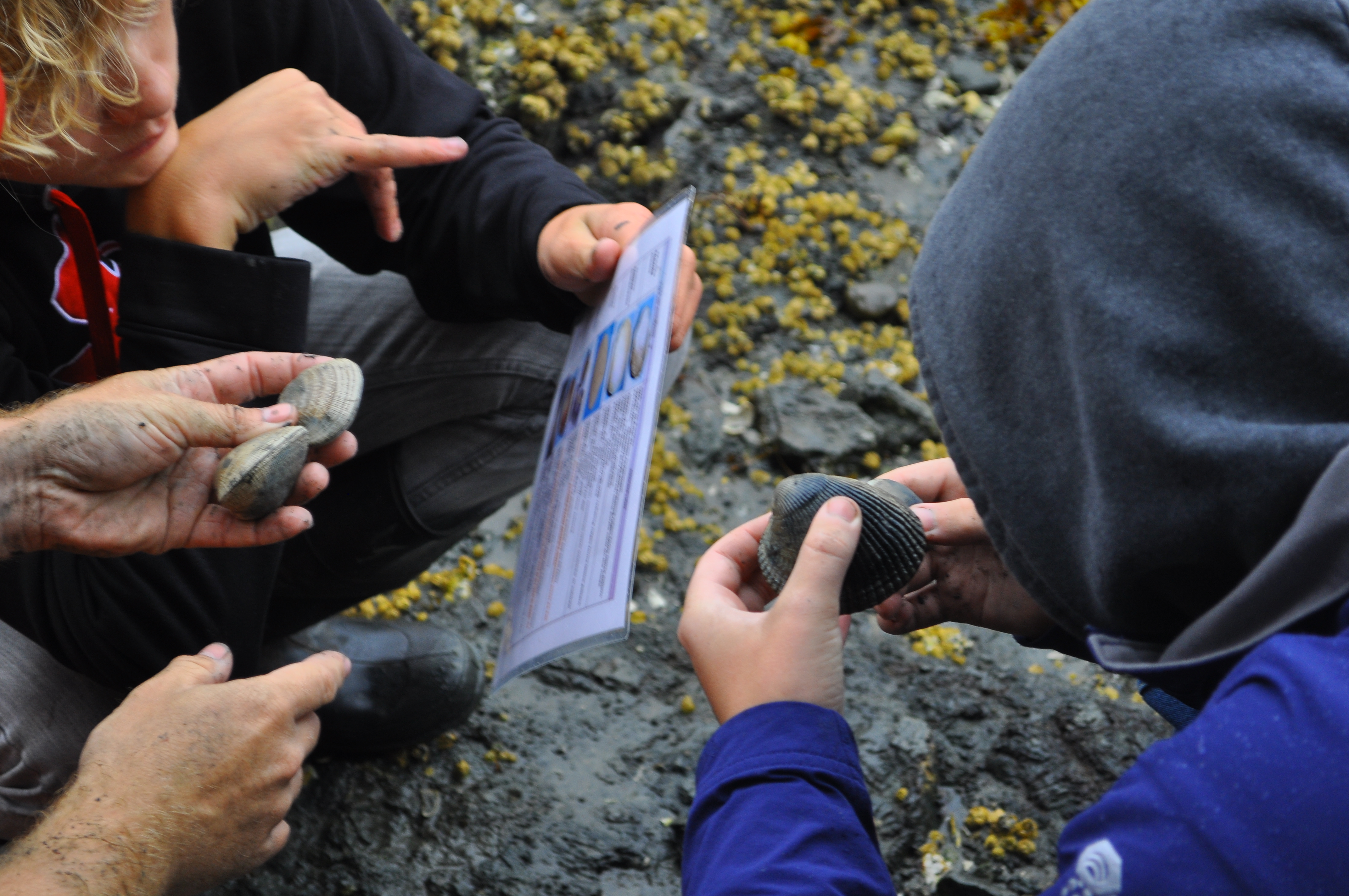
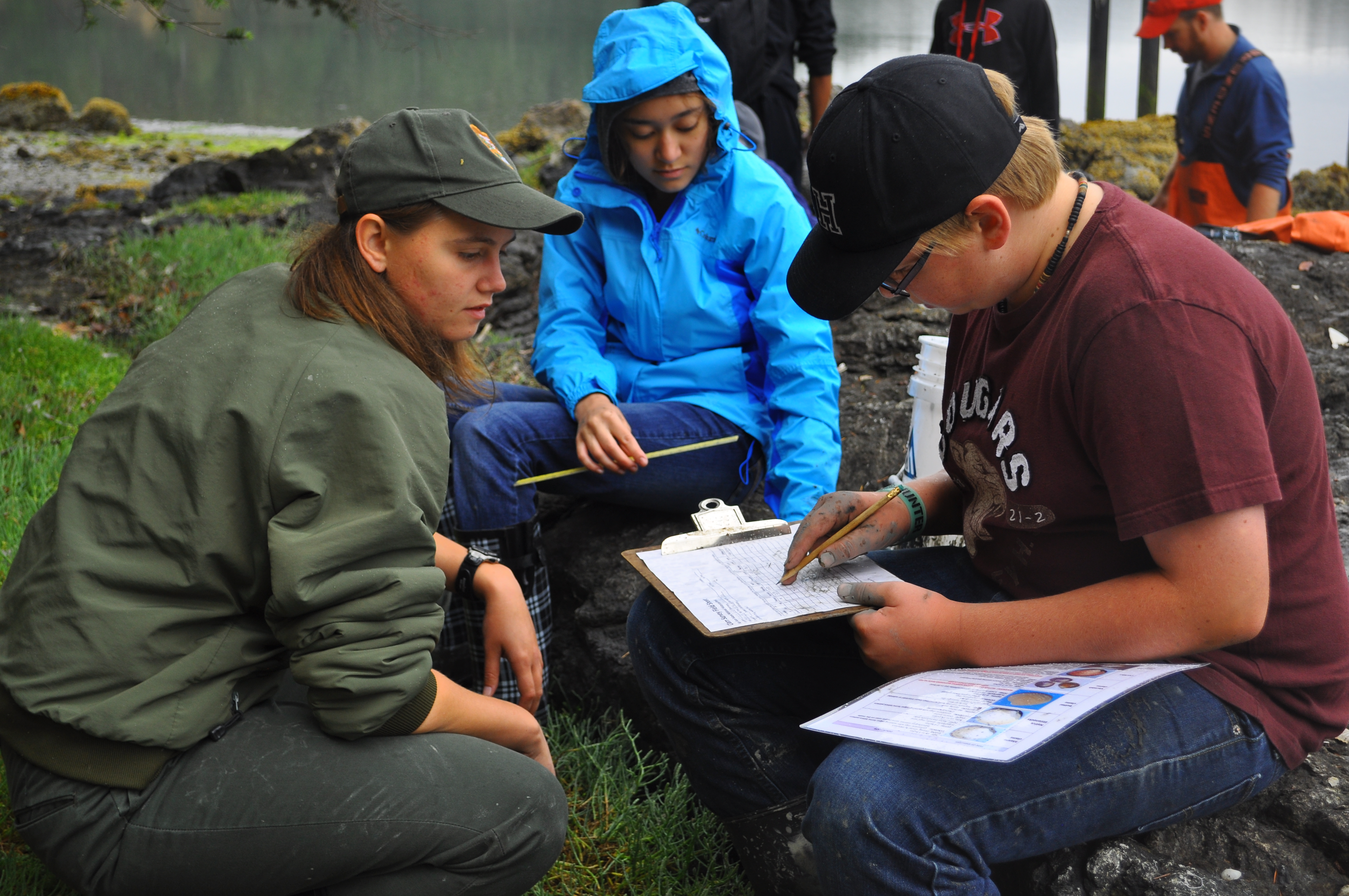
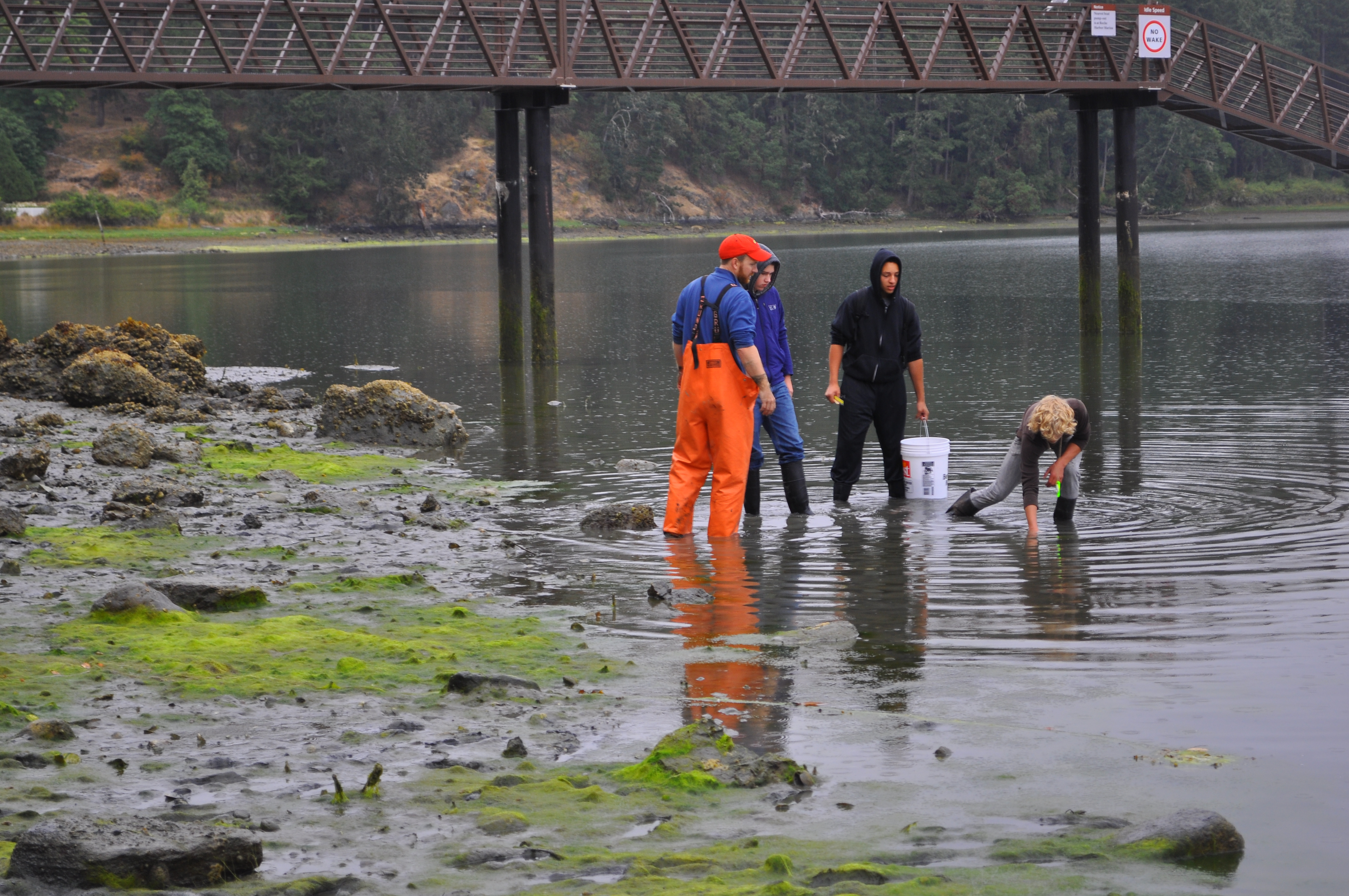
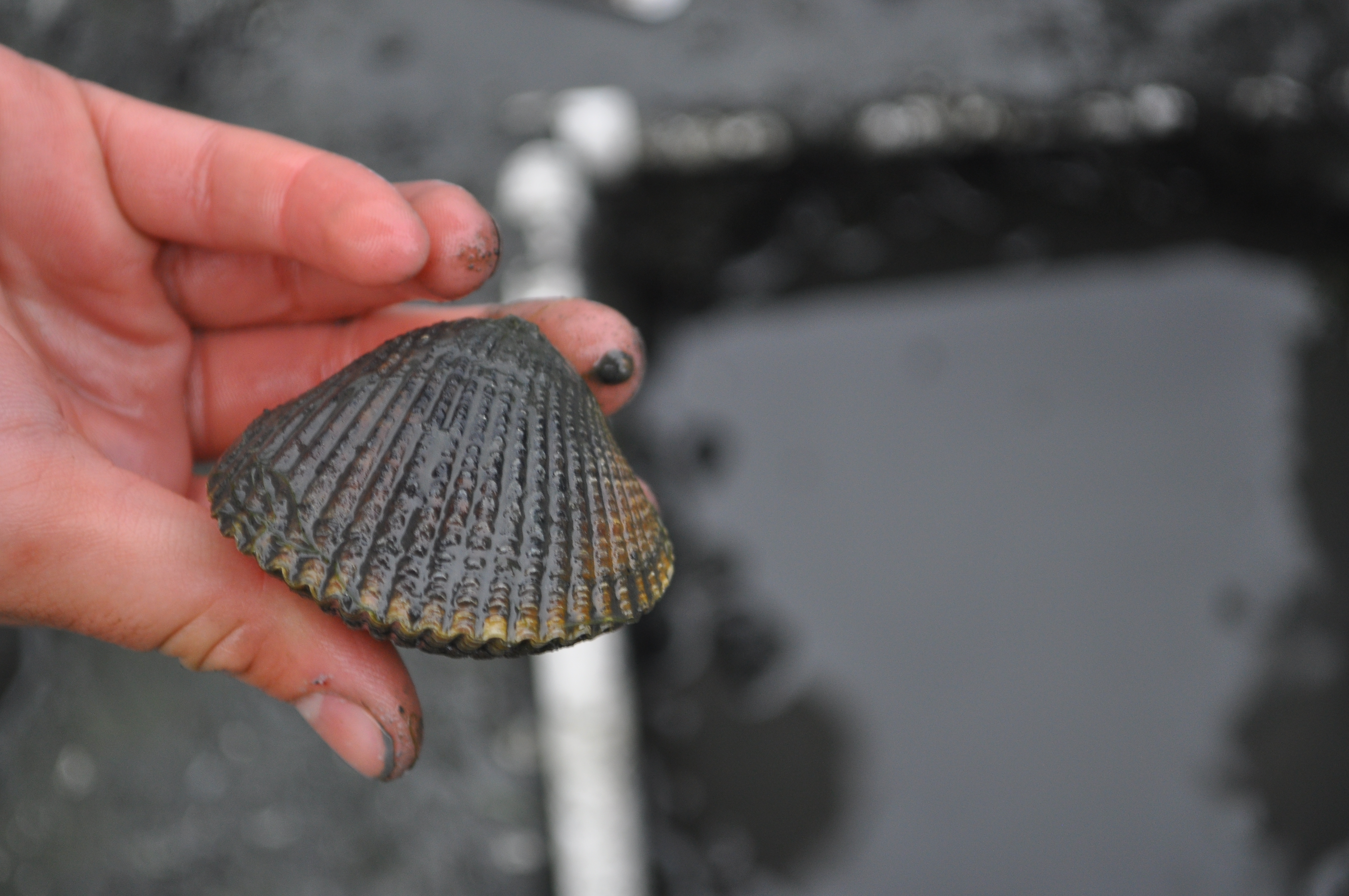
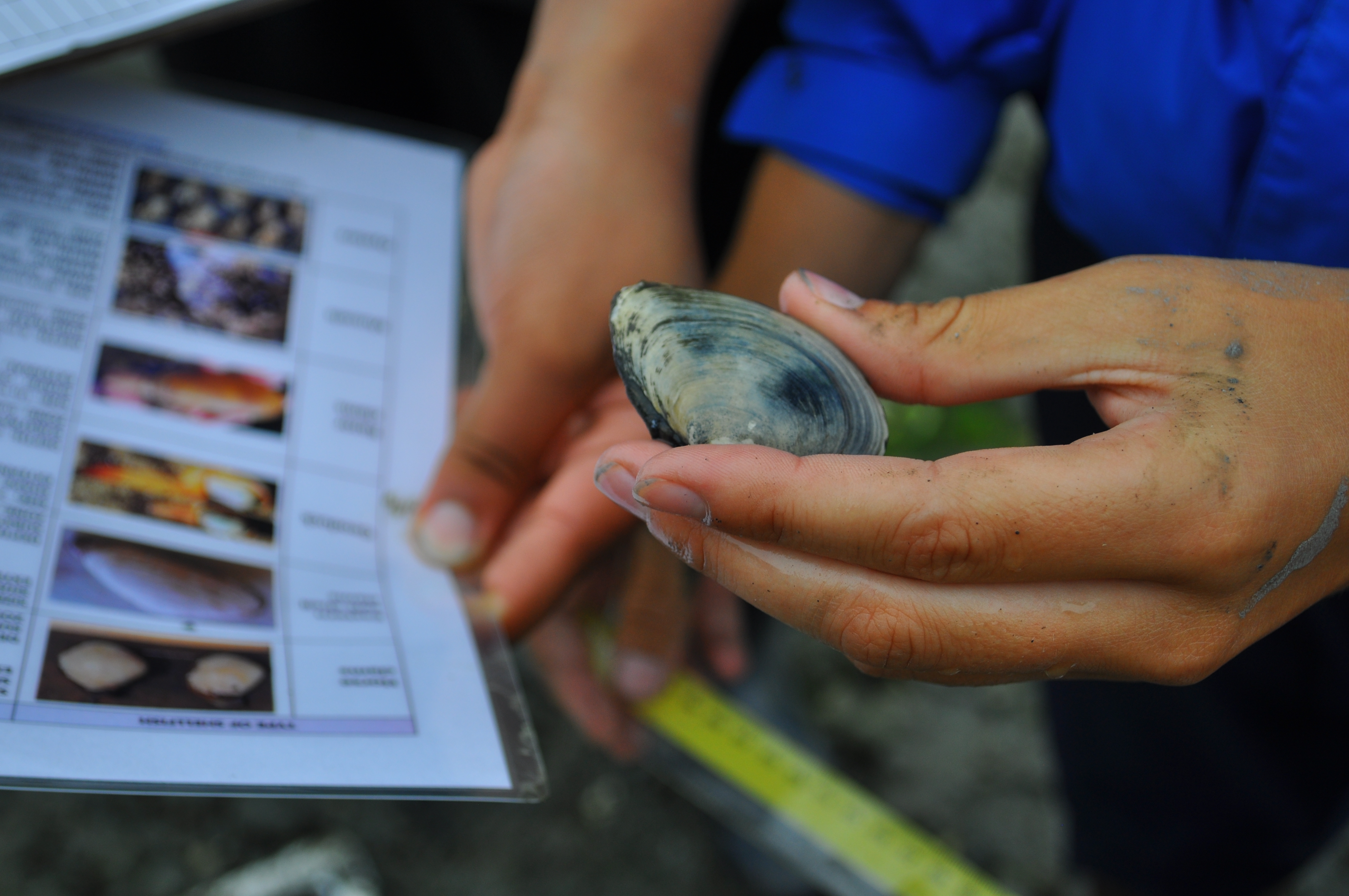
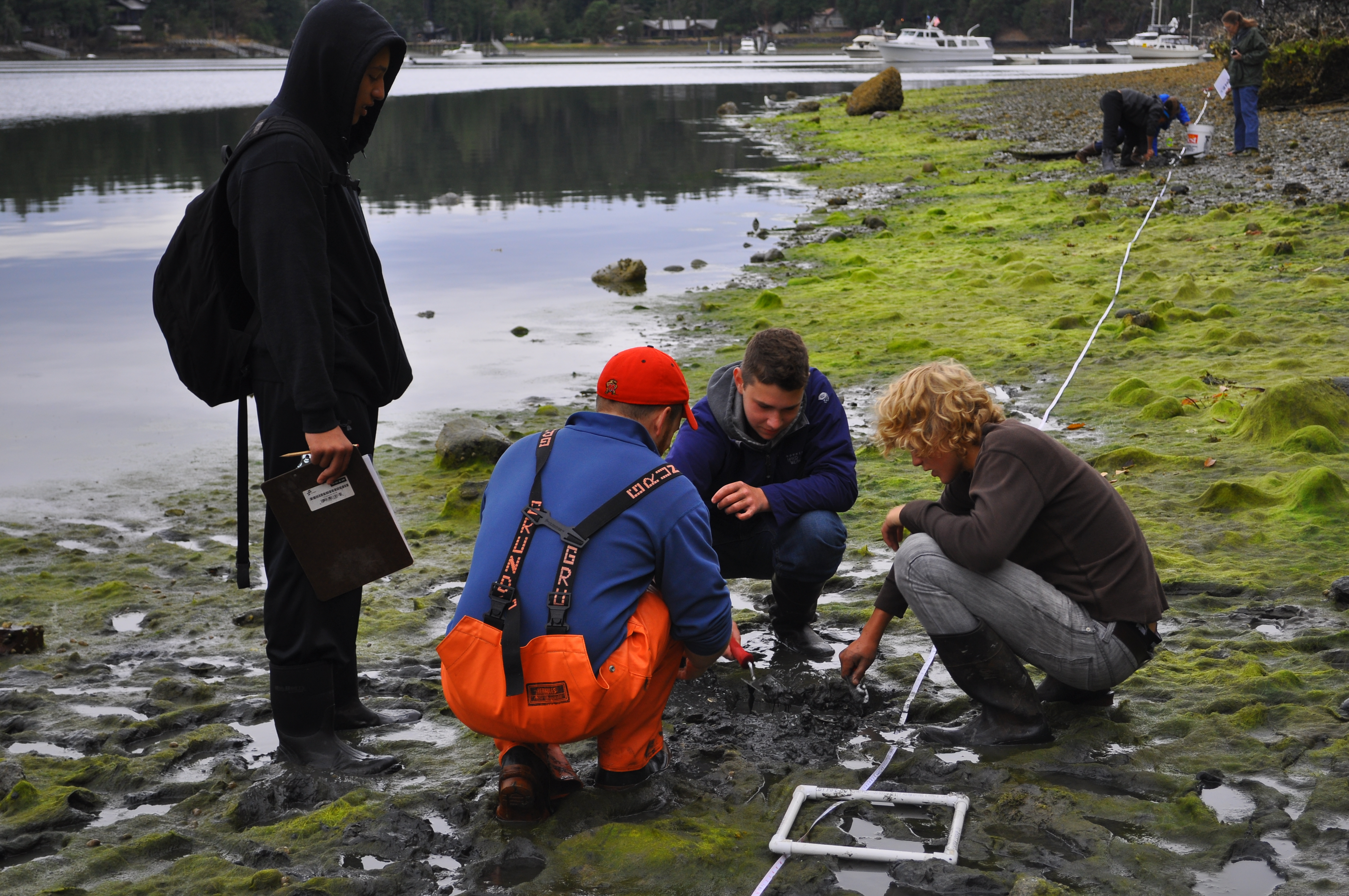
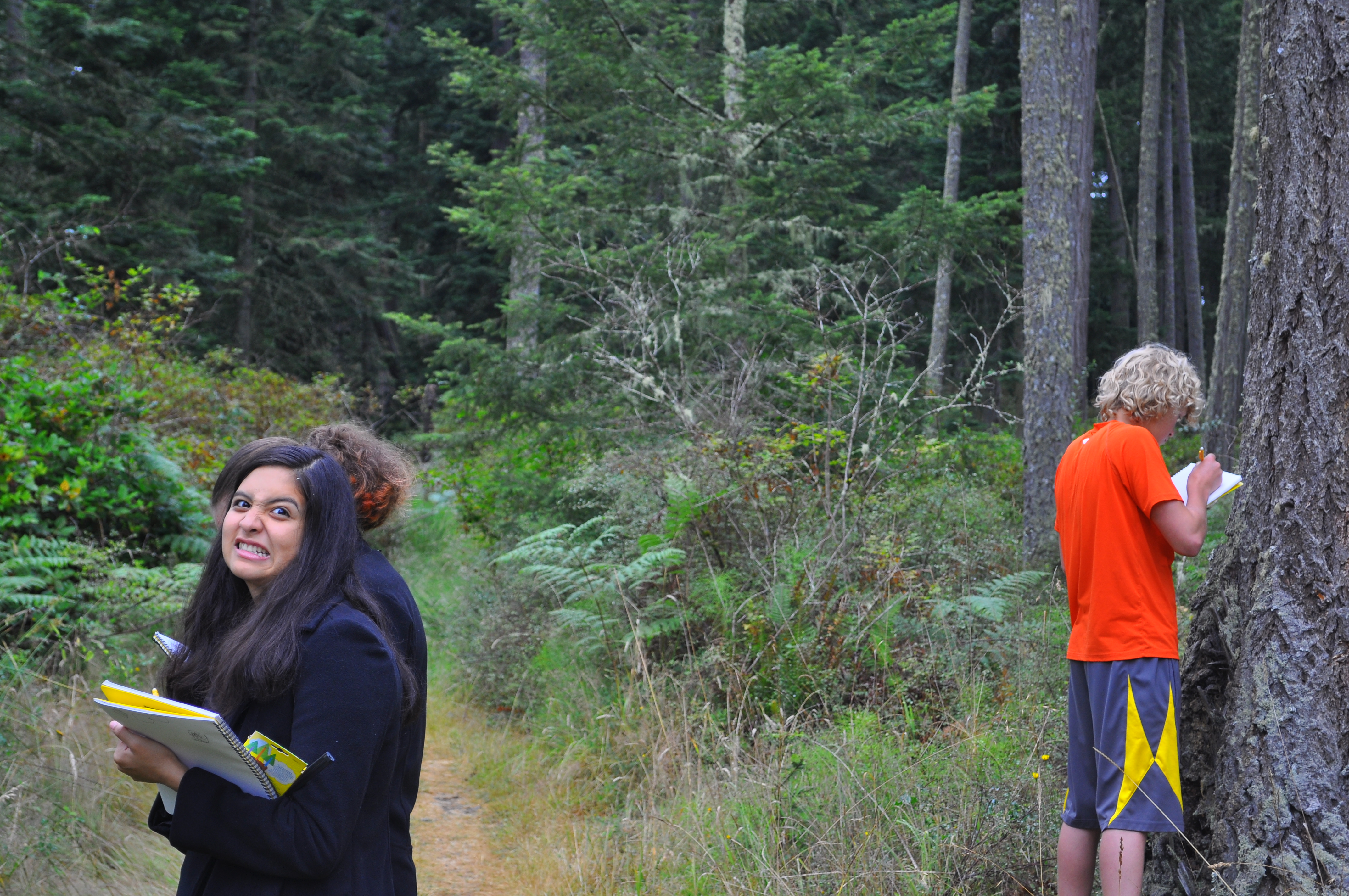
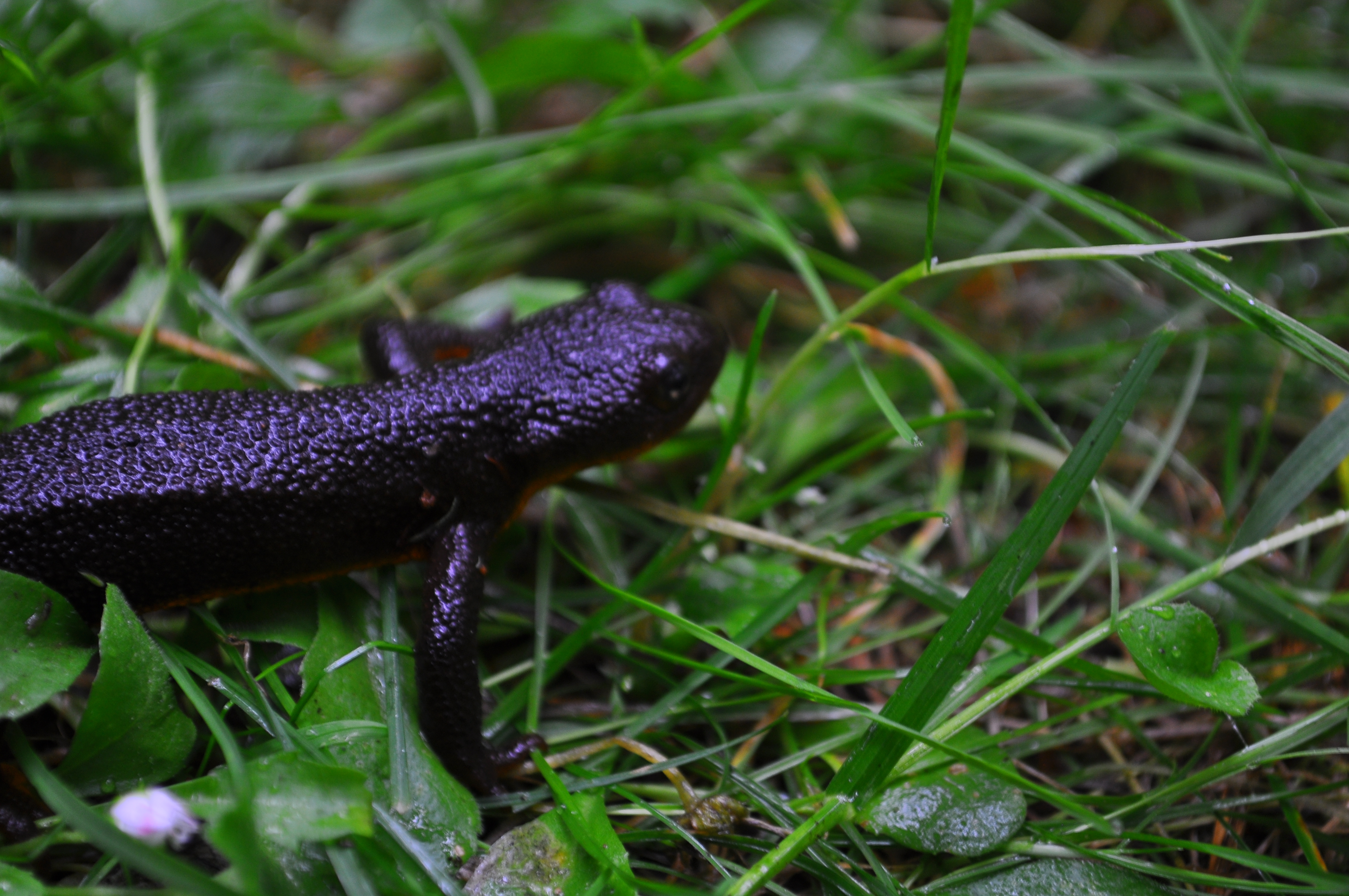
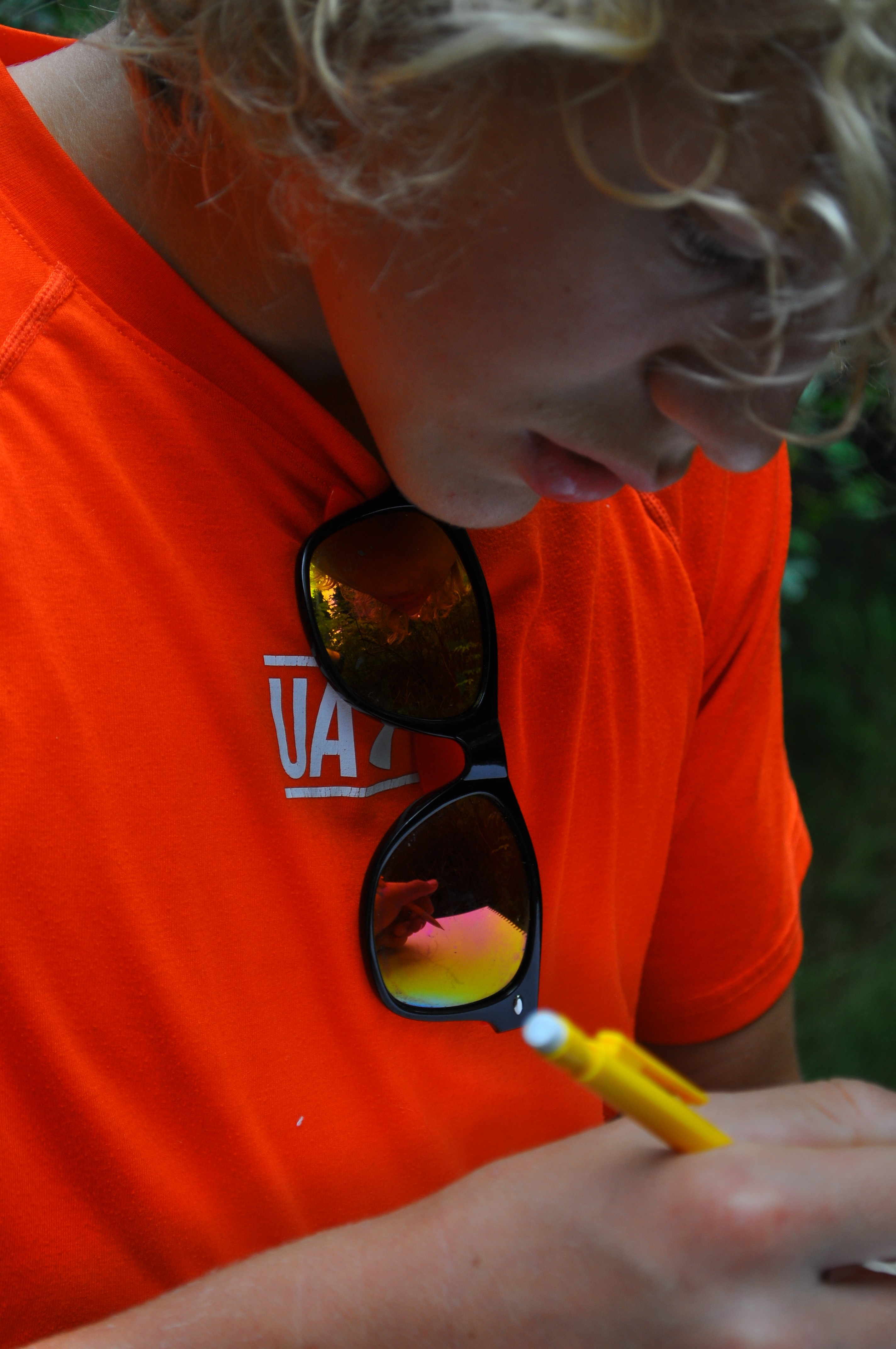
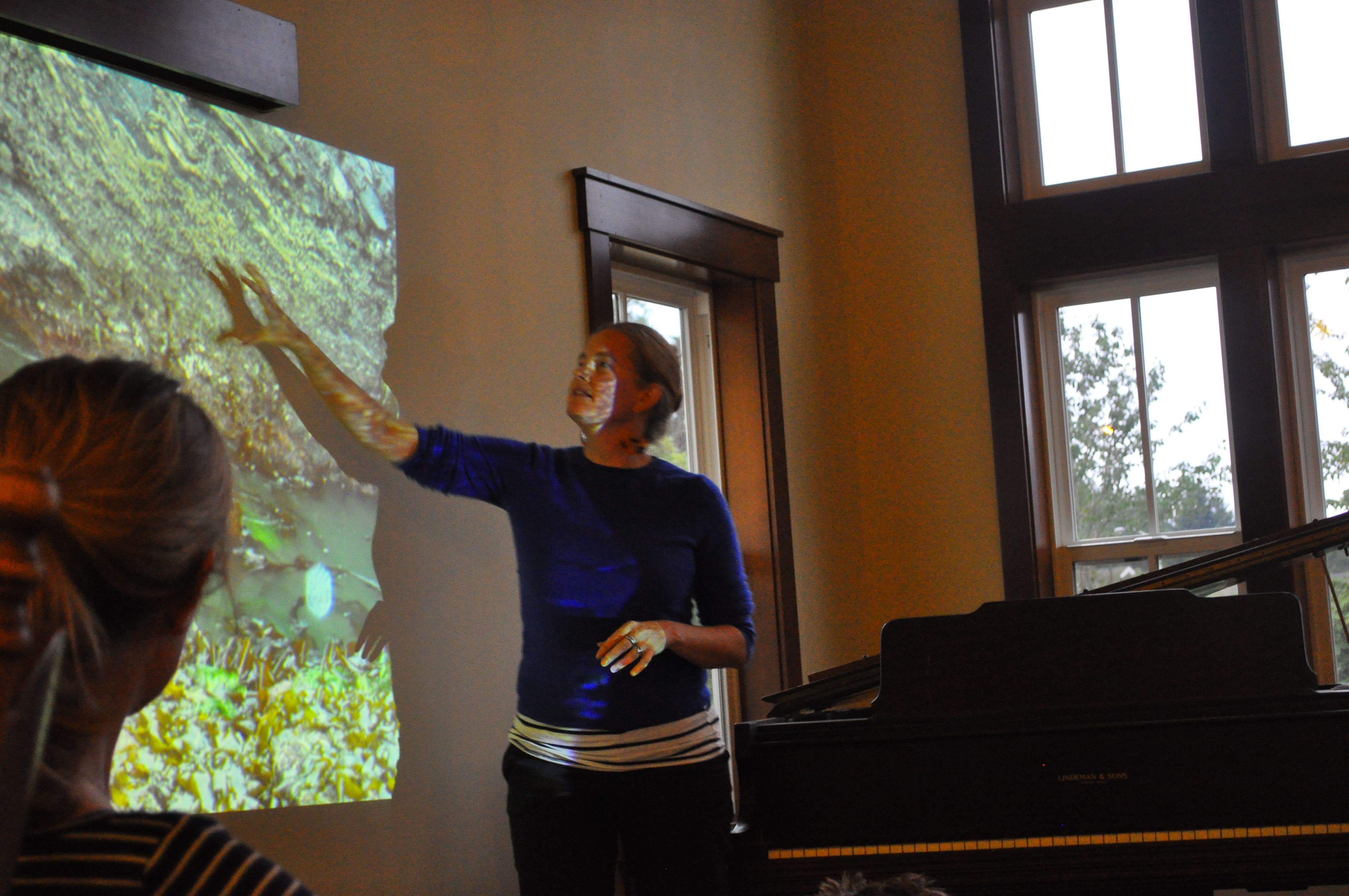
Today as a team we ventured out into the cold but beautiful weather so we could visit English Camp. Although it was early, we had lots of fun meeting Raena Parsons, ranger at the awesome San Juan Island National Historical Park. We not only learned how to dig up clams and identify them but also document them in a systematic and scientific way.  After getting dirty in mud, water and seaweed we came back to the dorm to relax from the early morning. After a good nap we took a hike with Alicia, an art and biology double major, to compare and observe patterns through scientific illustrations. As it got darker we settled down to play card games, listen to music and arrange dinner before our guests visit.  Alicia joined us for dinner and we also had the pleasure of meeting Hilary Hayford and Orissa Moulton, who are both graduate students. They gave us excellent and interesting presentations on their PhD research in the rocky intertidal zone.

DSC_0135 DSC_0137  DSC_0132 DSC_0106 DSC_0077 DSC_0068 DSC_0063 DSC_0038 DSC_0029 

DSC_0189

DSC_0238 DSC_0231 DSC_0242 DSC_0232 DSC_0251 DSC_0264 DSC_0300

DSC_0304 DSC_0316