Day 11: Exploring Cypress

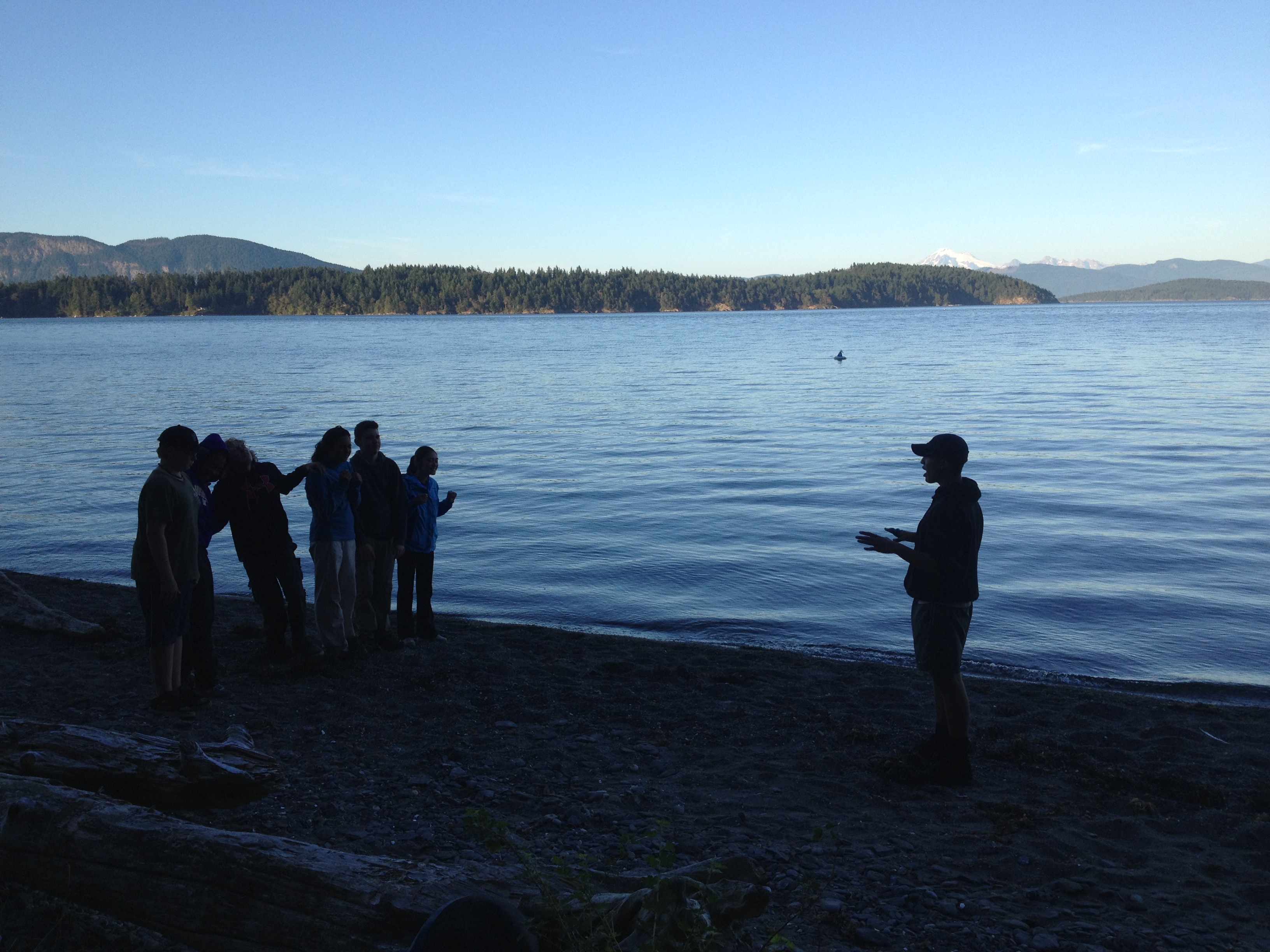
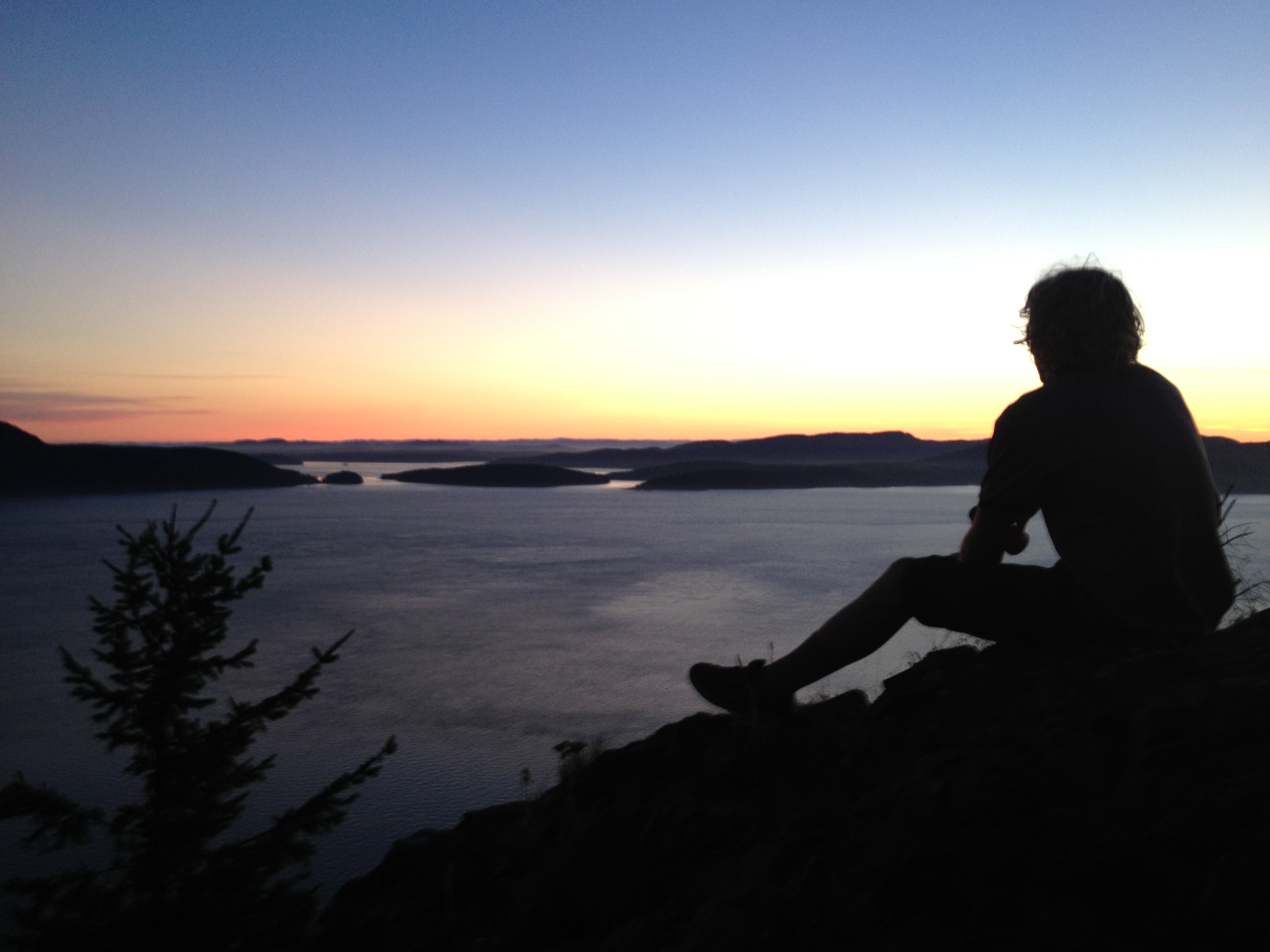
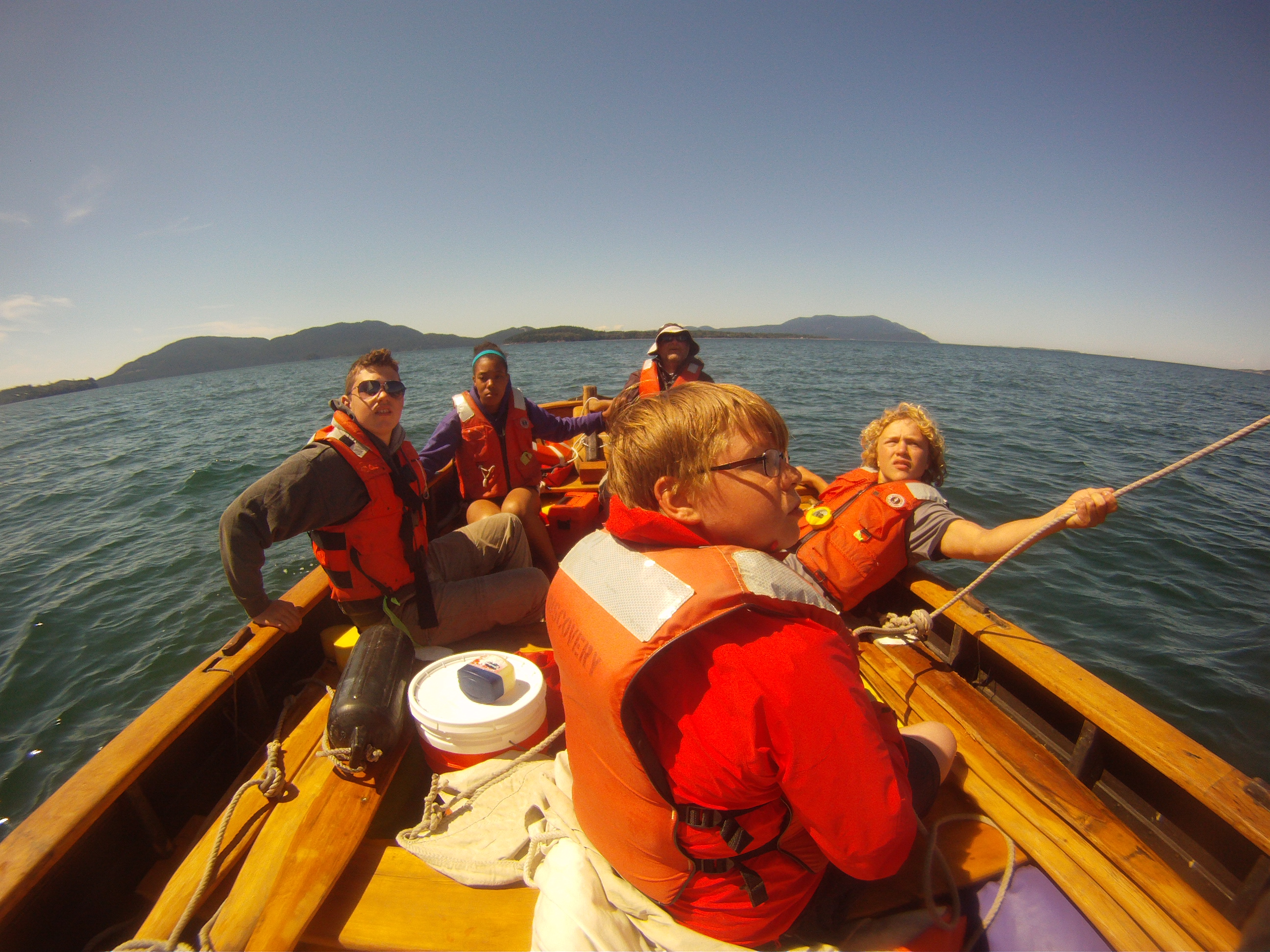
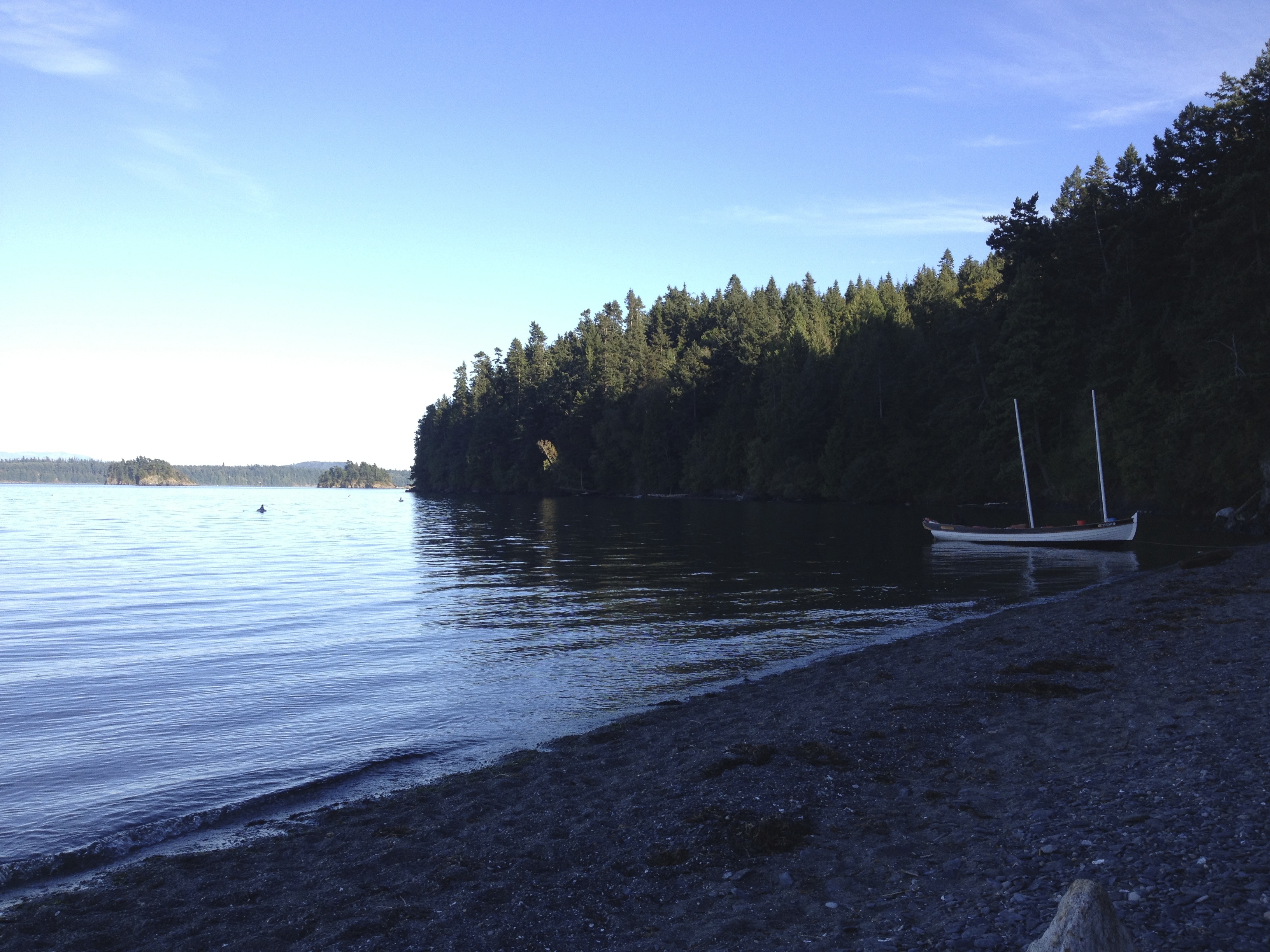
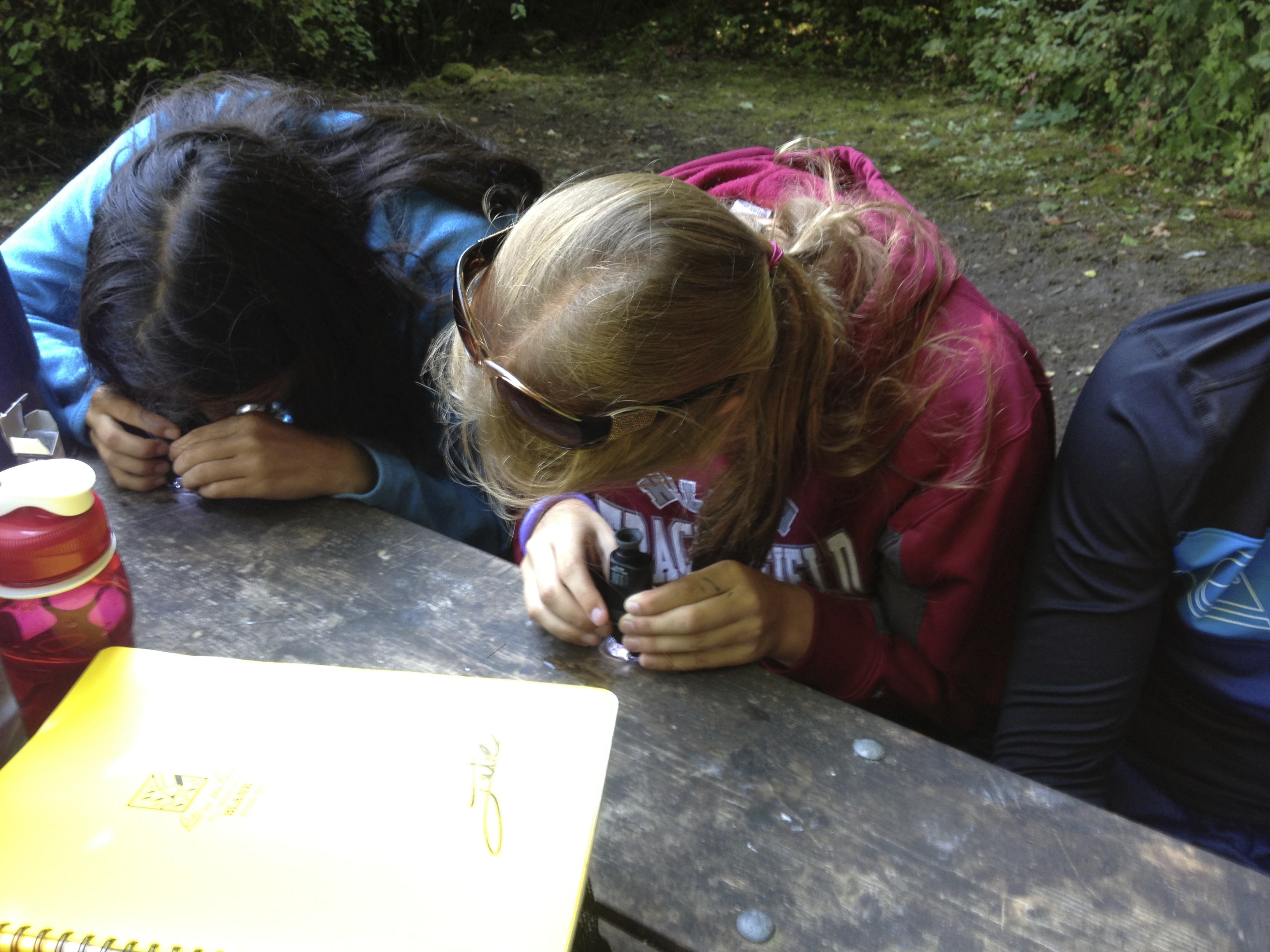
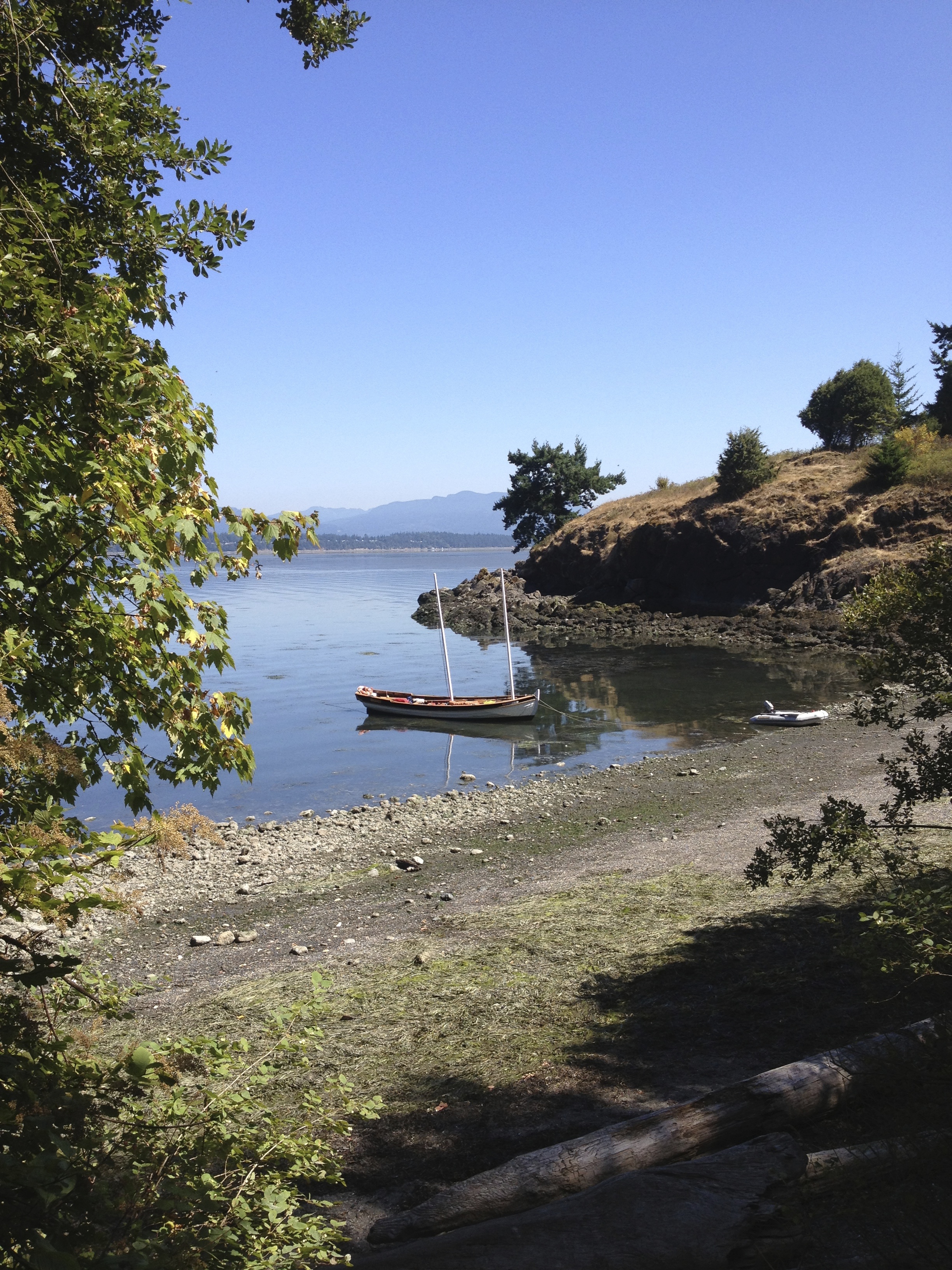
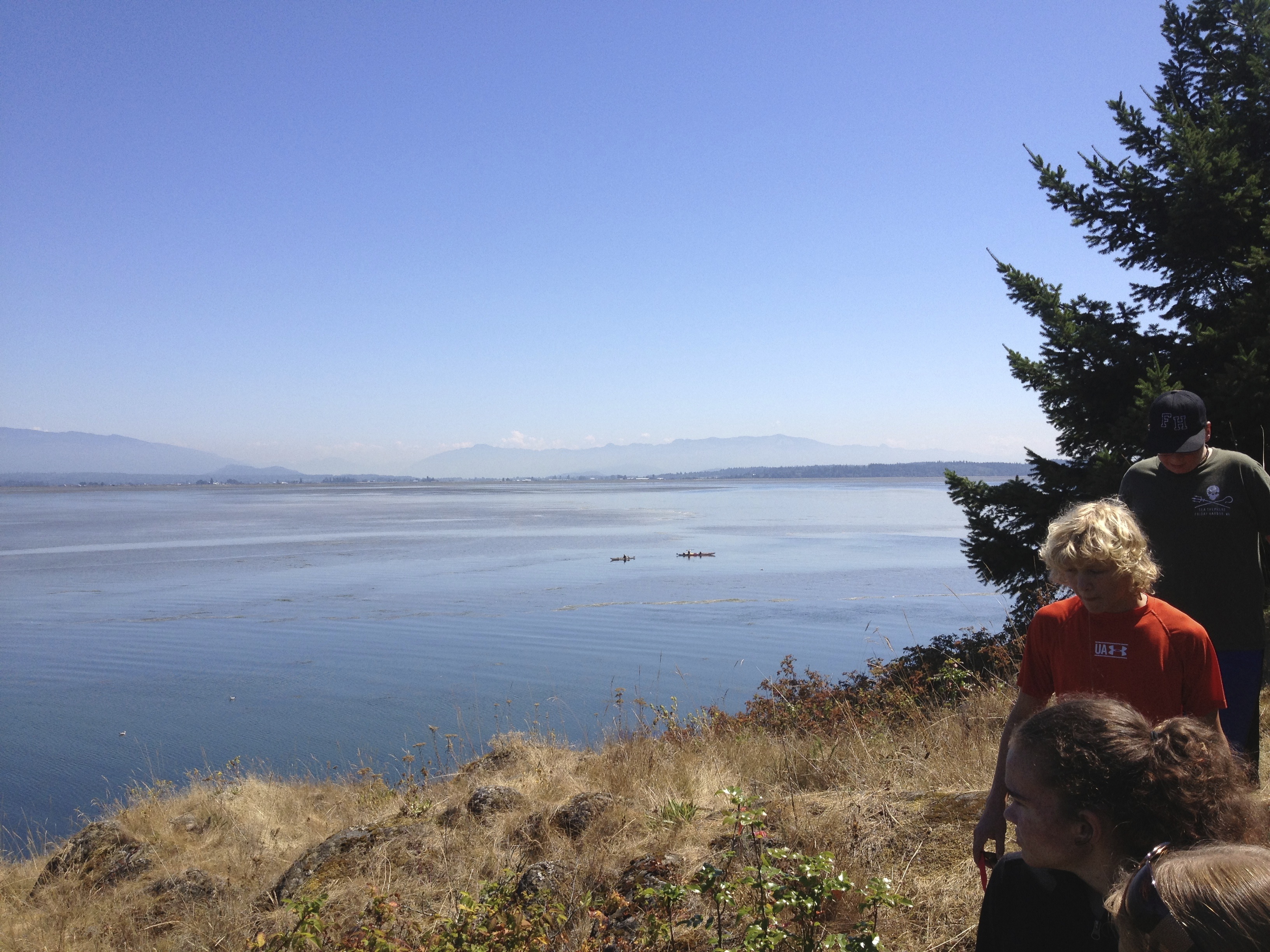
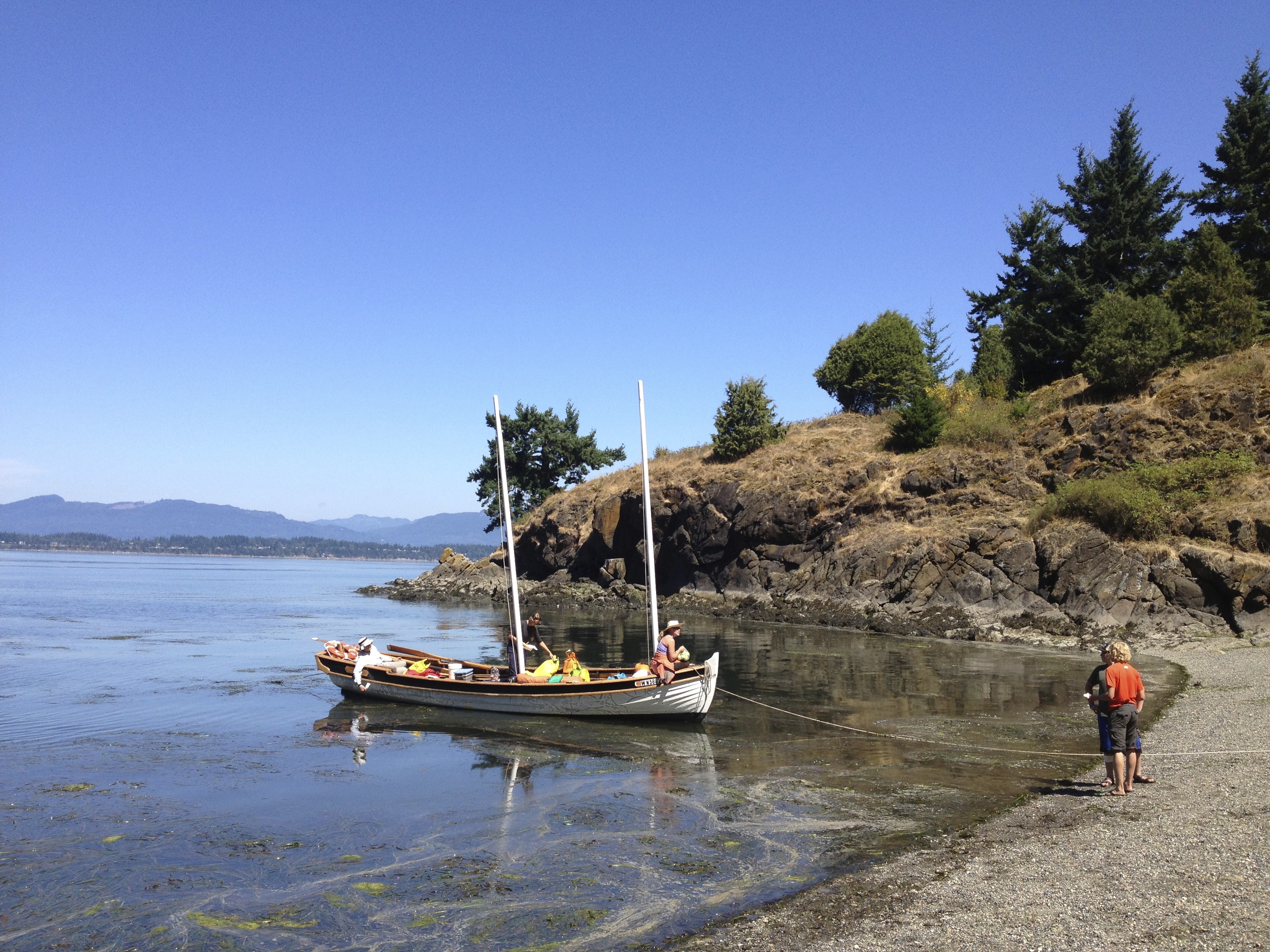
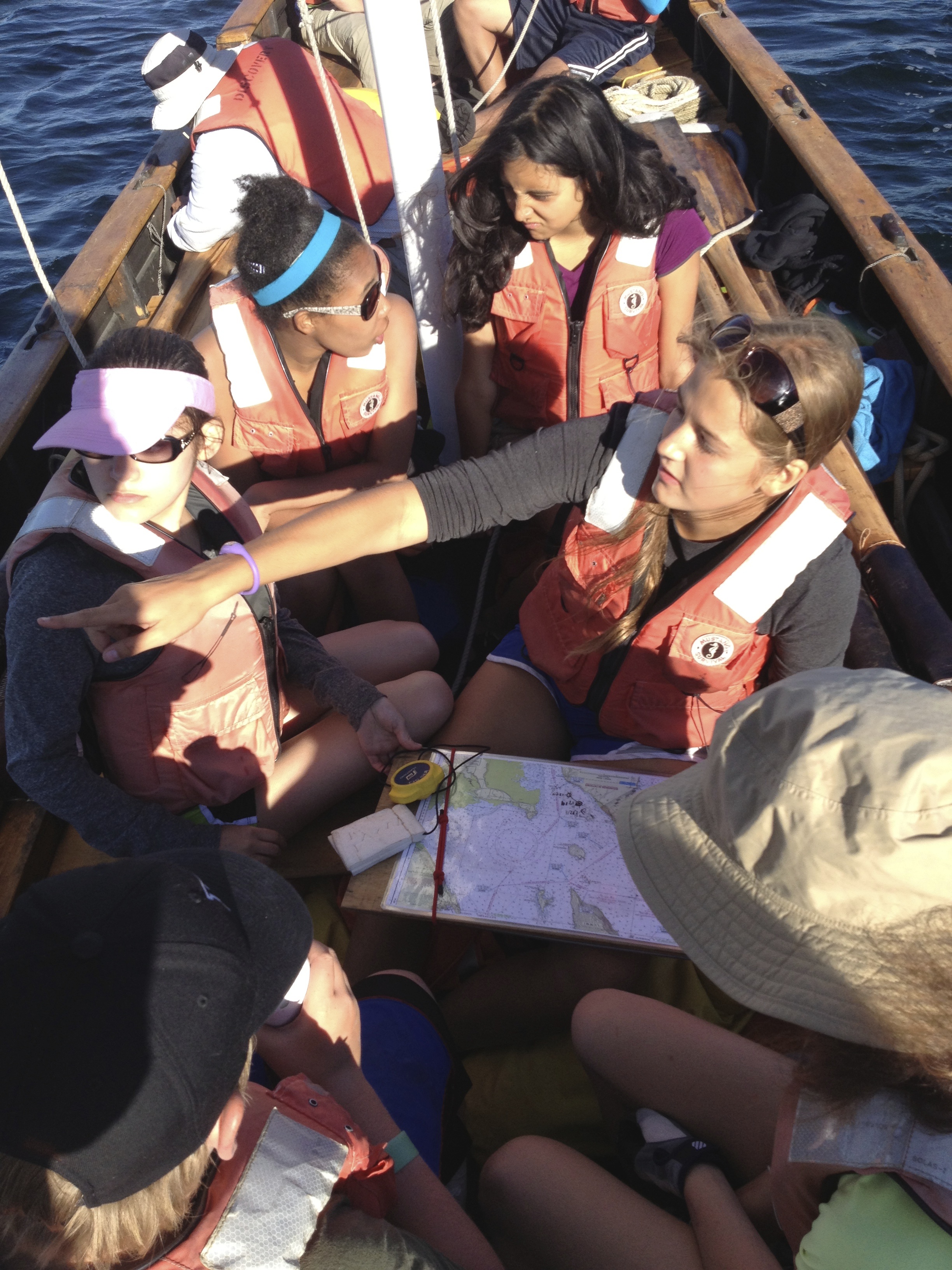
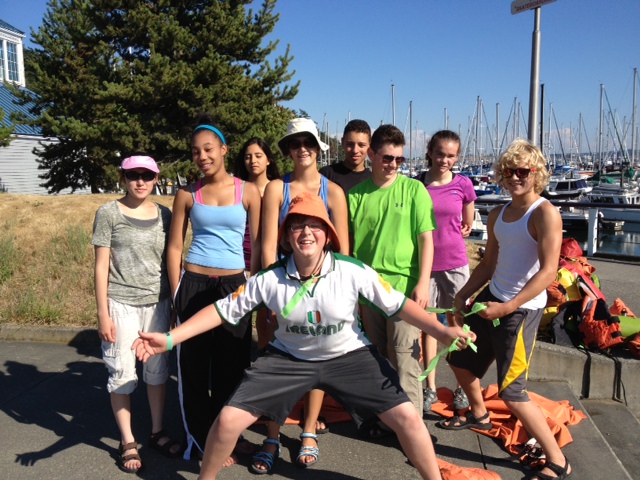
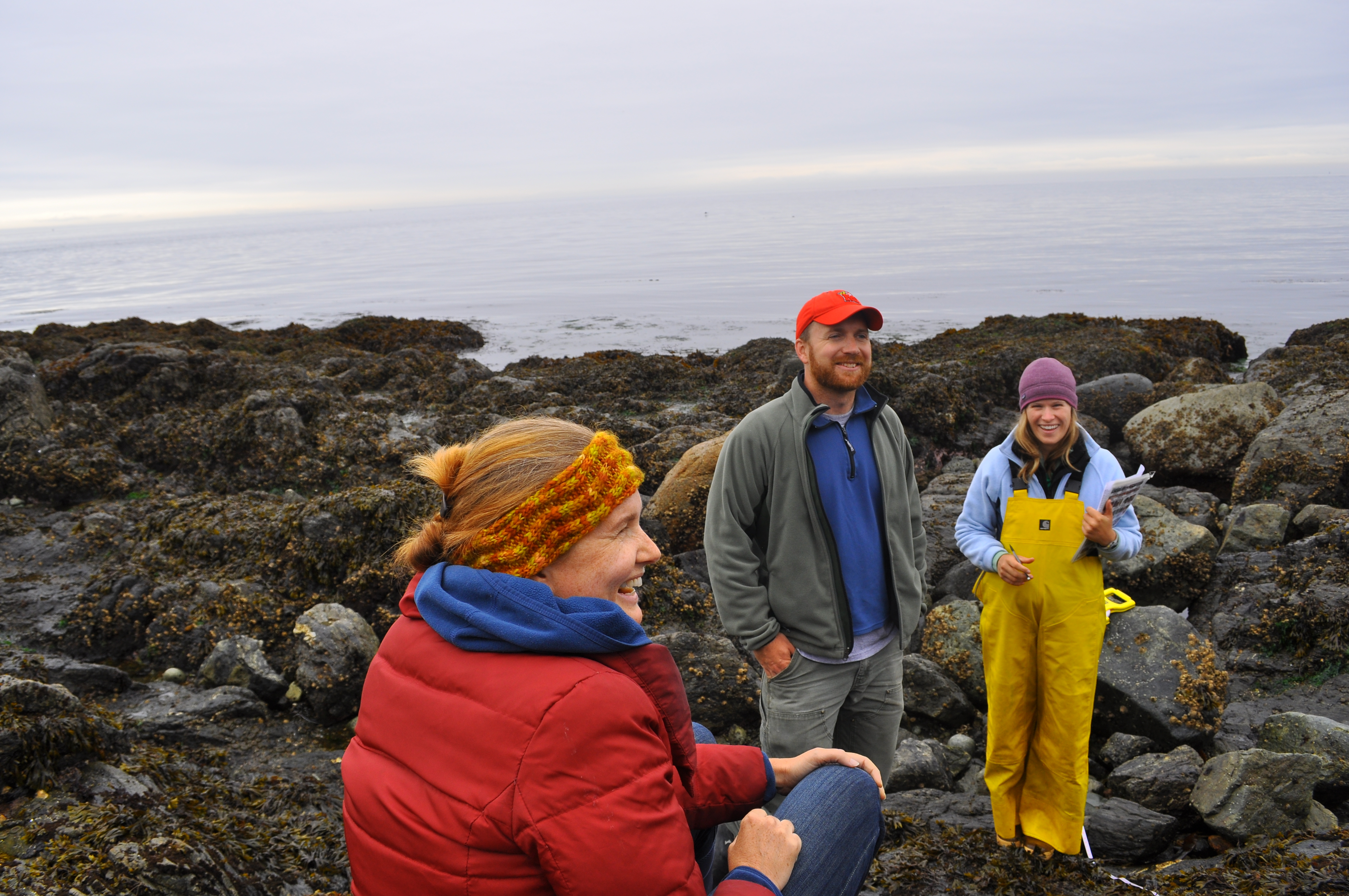
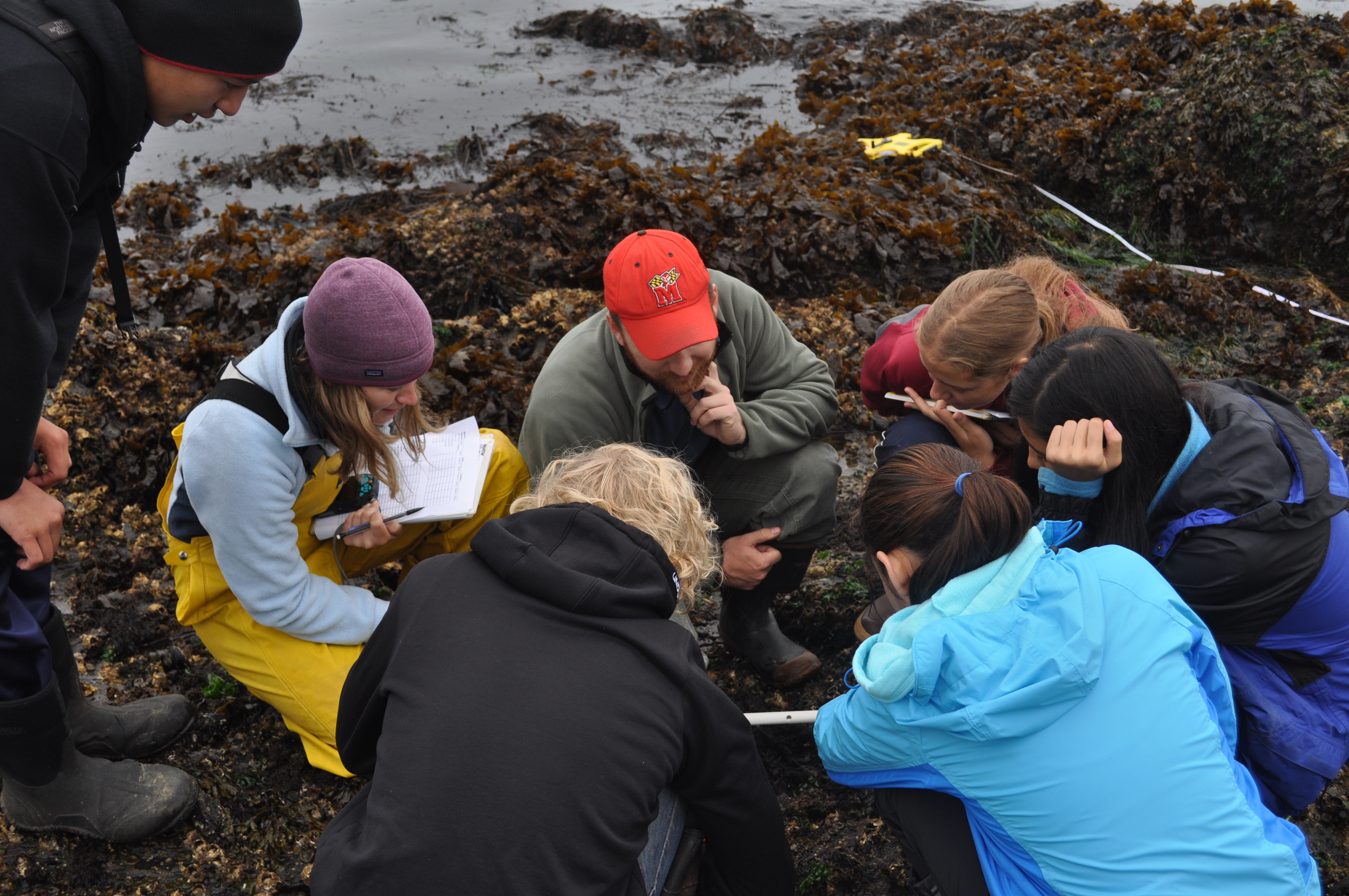
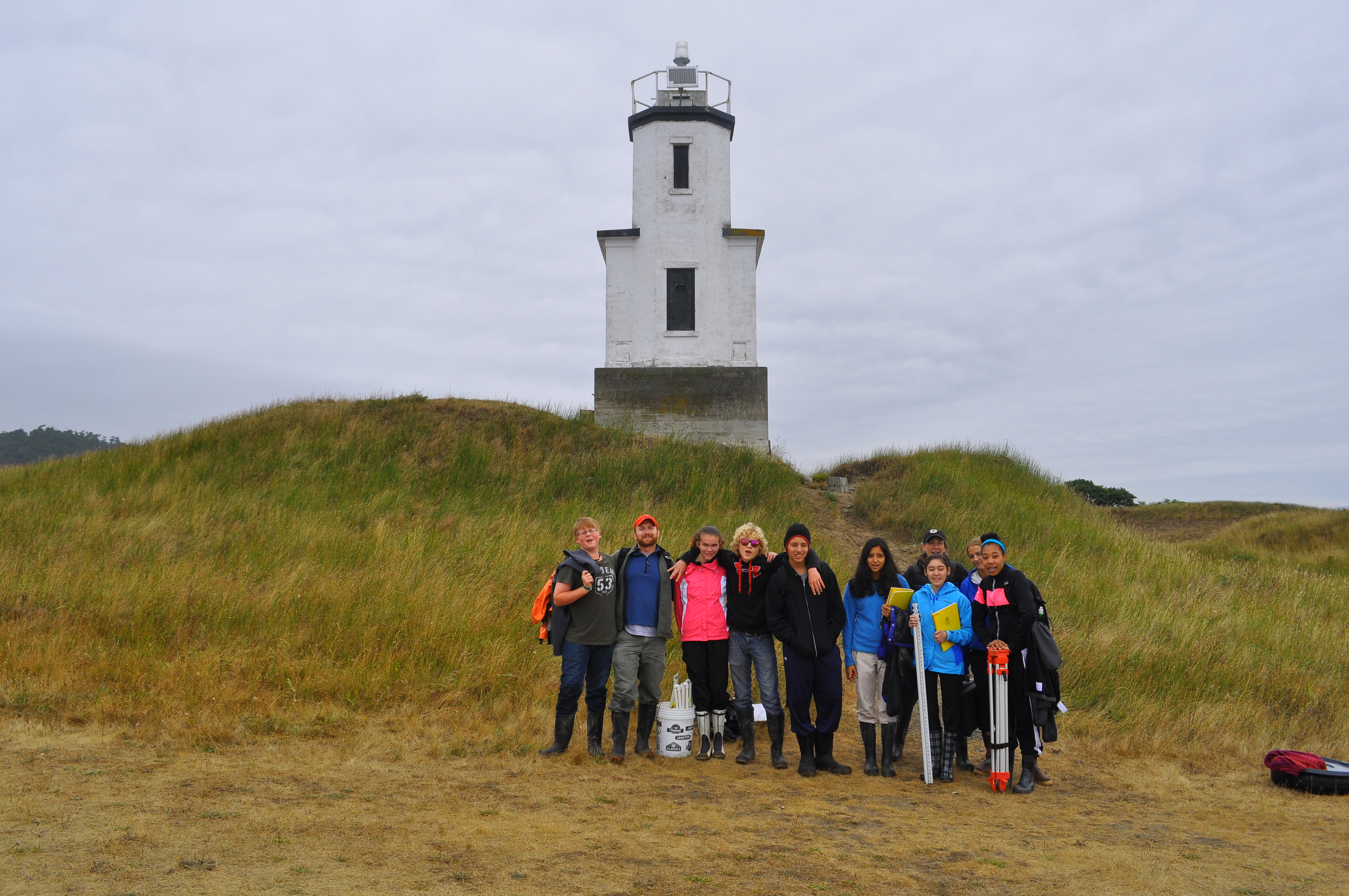
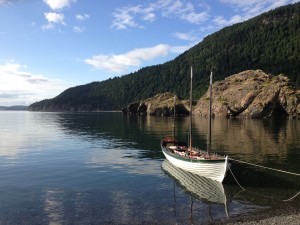
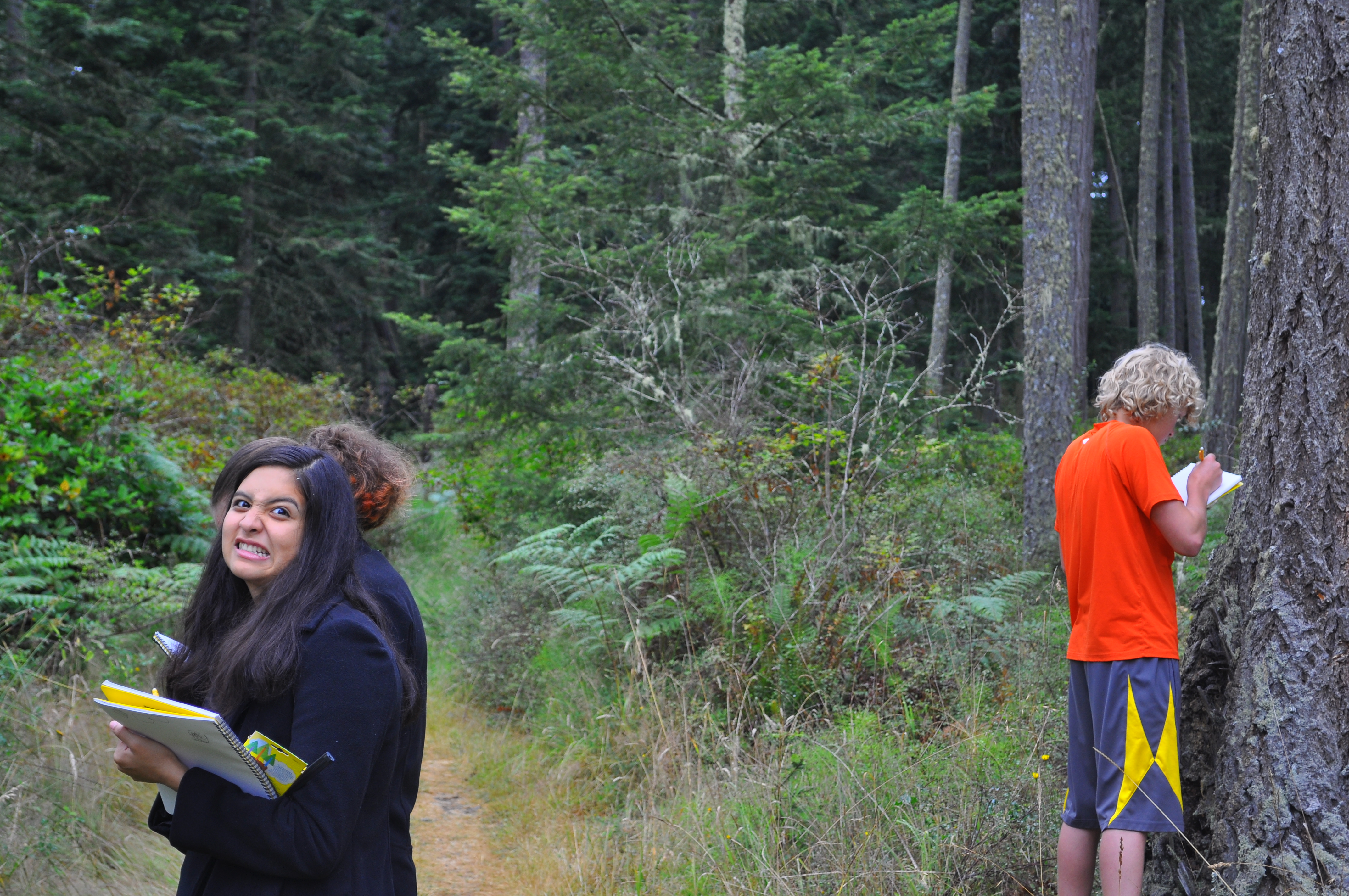
Tim reports that after a big breakfast, and with such beautiful weather and such a special spot, the crew spent the better part of the day hiking across and up and down Cypress Island. The crew also spent some time on the subject of navigation, learning about tidal currents and reading charts. The day ended with a spectacular sunset hike up Eagle Cliff.
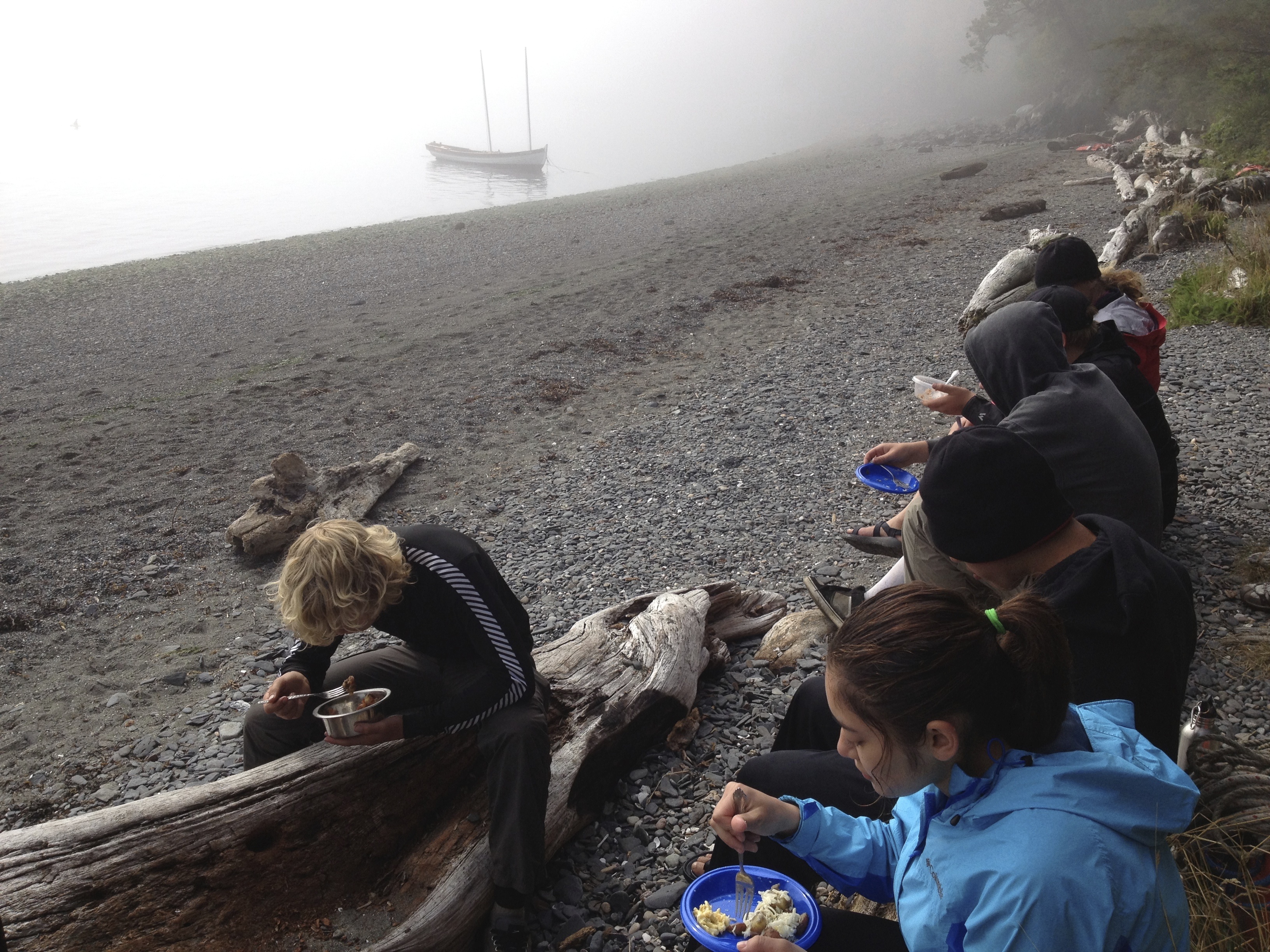
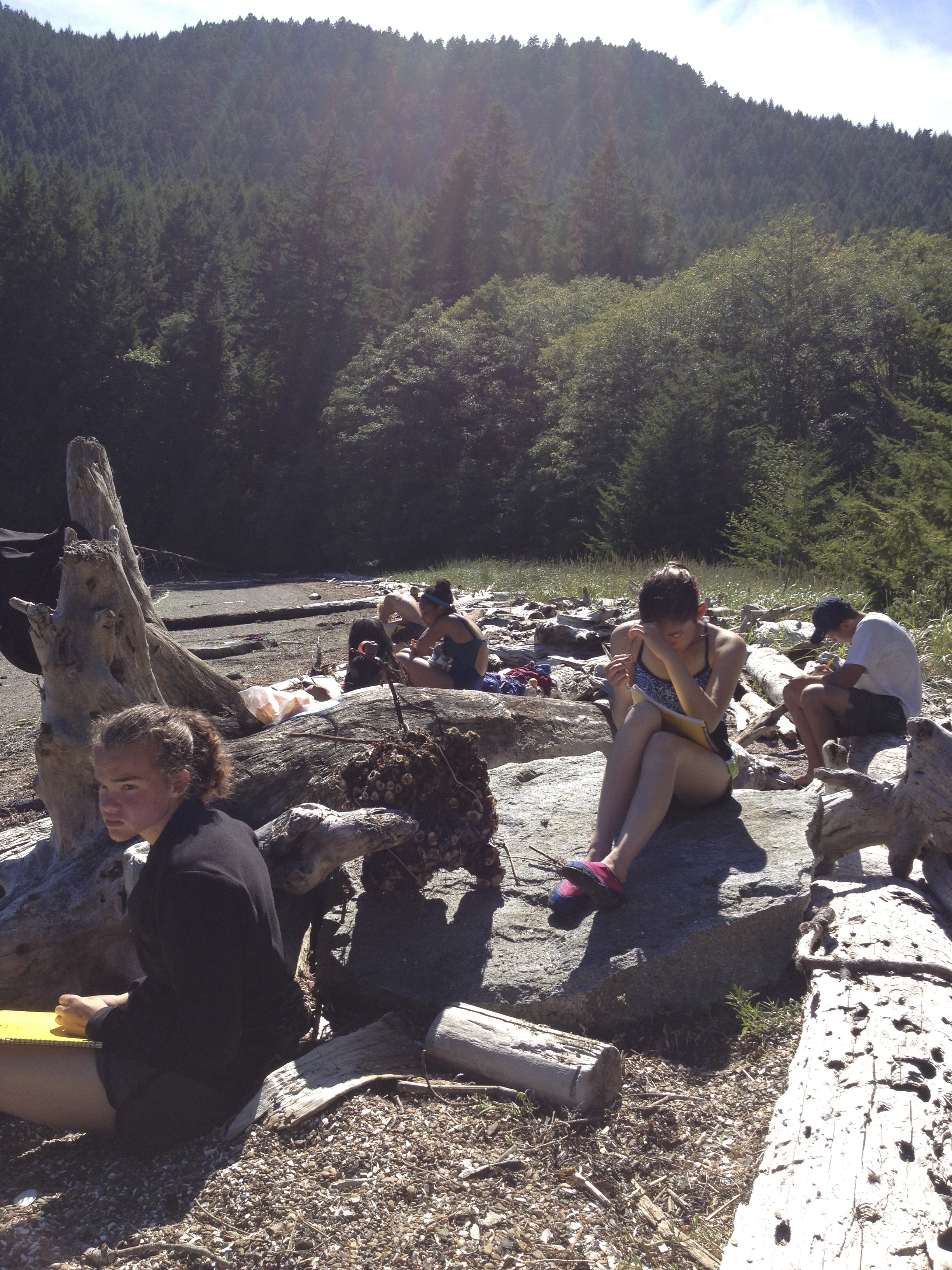
6IMG_0520  3IMG_0531 2IMG_0656 1IMG_0666

Here is a description of Cypress Island from the Department of Natural Resources website:

“Cypress Island contains unusual geological characteristics, outstanding examples of native biological communities, critical habitat for federally protected species, and significant marine and cultural resources. Cypress Island protects more than 5,100 acres of high quality forest, wetland and grassland communities and surrounding state-owned tidelands, and includes the only protected low-elevation serpentine forest in Washington…. The island offers a scenic reminder of conditions in Western Washington prior to European settlement.  Steep Island topography provides vistas of the San Juan Islands, mainland Washington and the Olympic and Cascade mountain ranges.”
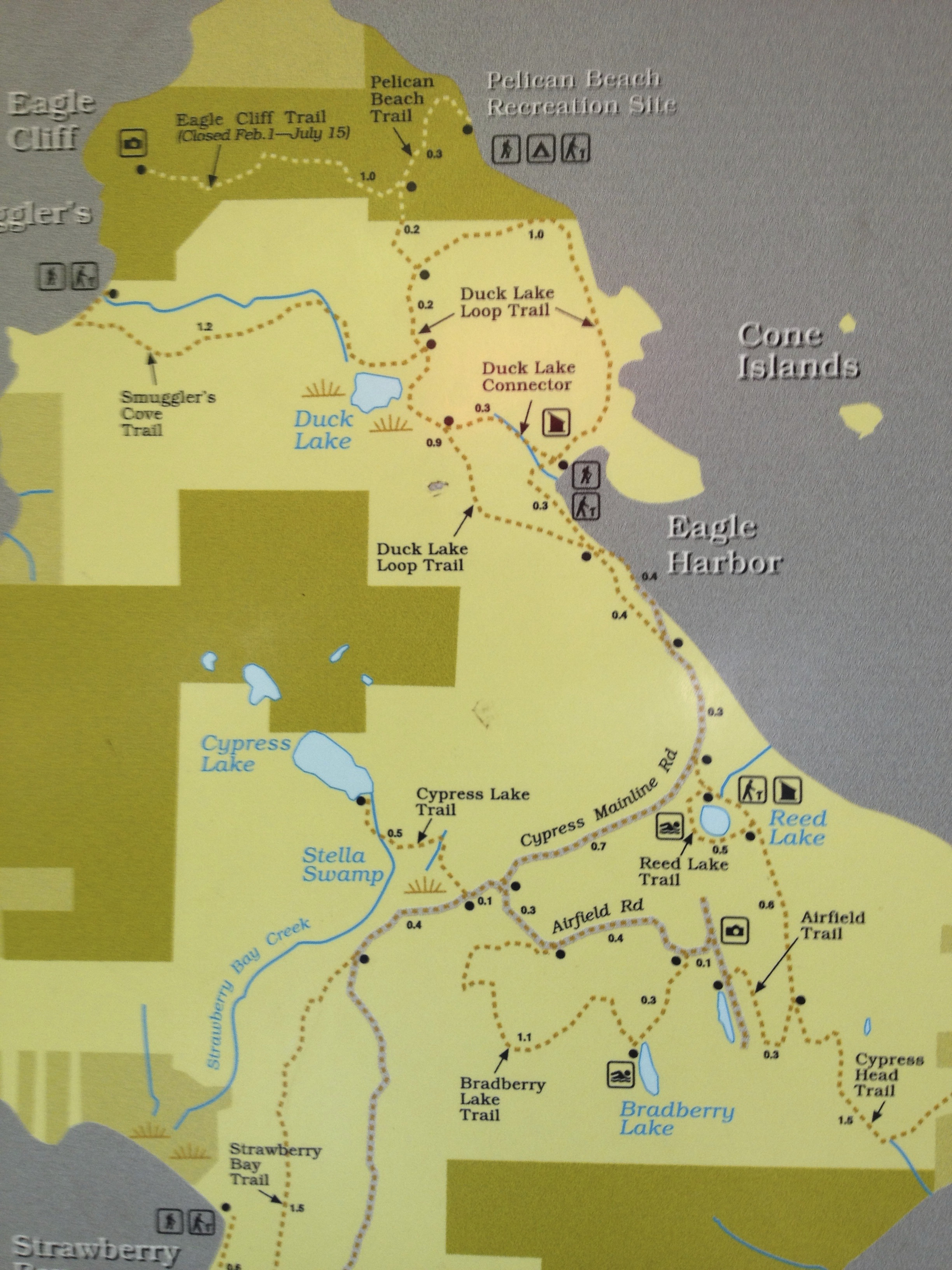
IMG_0525

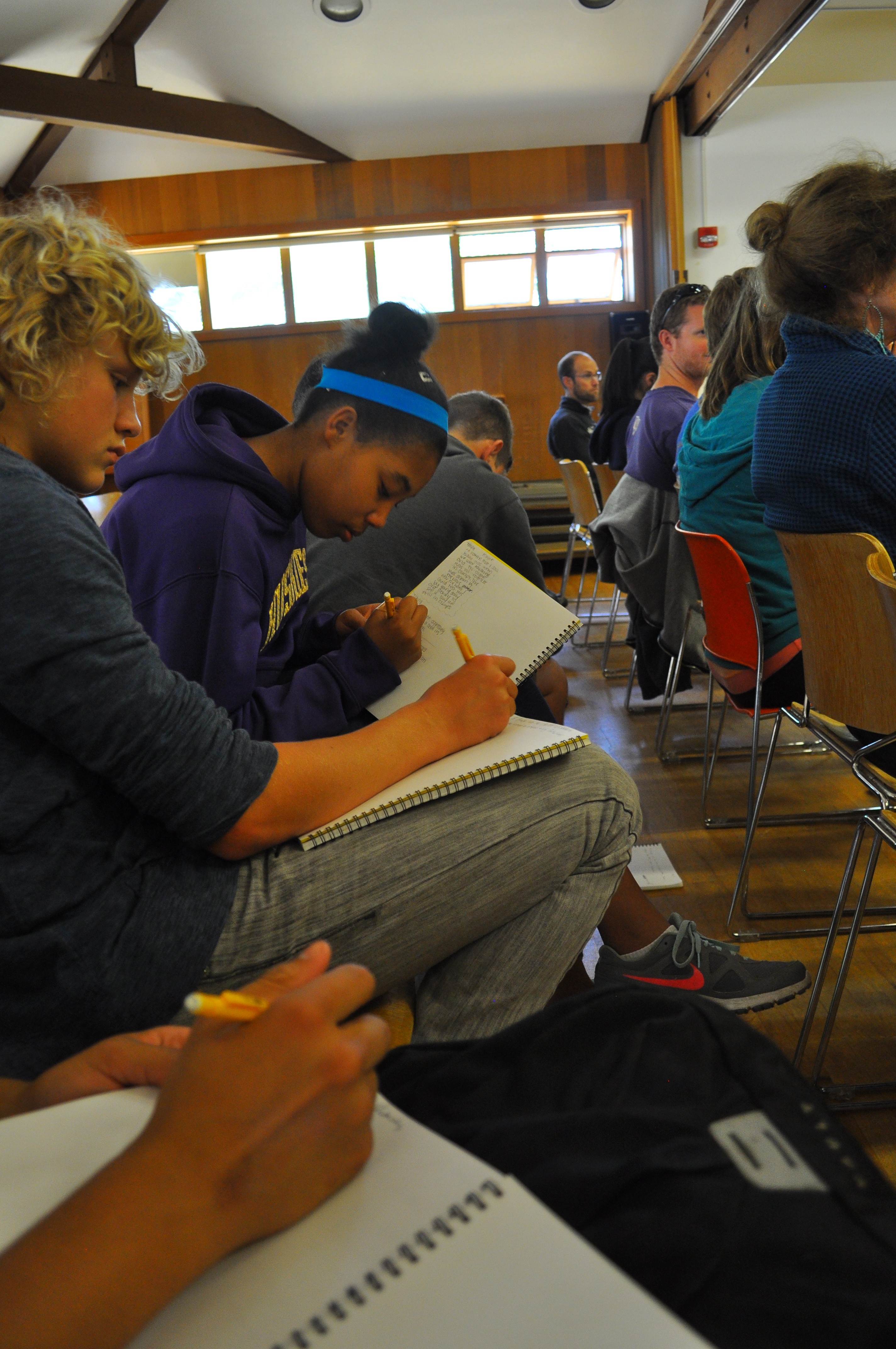
The Longboat Voyage offers individuals a unique opportunity to practice their skills at team membership and leadership. With this in mind, the crew took time during this mid-voyage day to reflect on their progress with Expedition Behavior. Spring Street International School, and its Summer Program, have adopted the the National Outdoor Leadership School (NOLS) guidelines for Expedition Behavior. We have found that what pertains to the safe and successful ascent of Denali applies equally well to school trips, classroom study, scientific fieldwork, and other endeavors where individual mastery and team membership come together.
5IMG_0521

Day 10: From Cypress Head to Pelican Beach

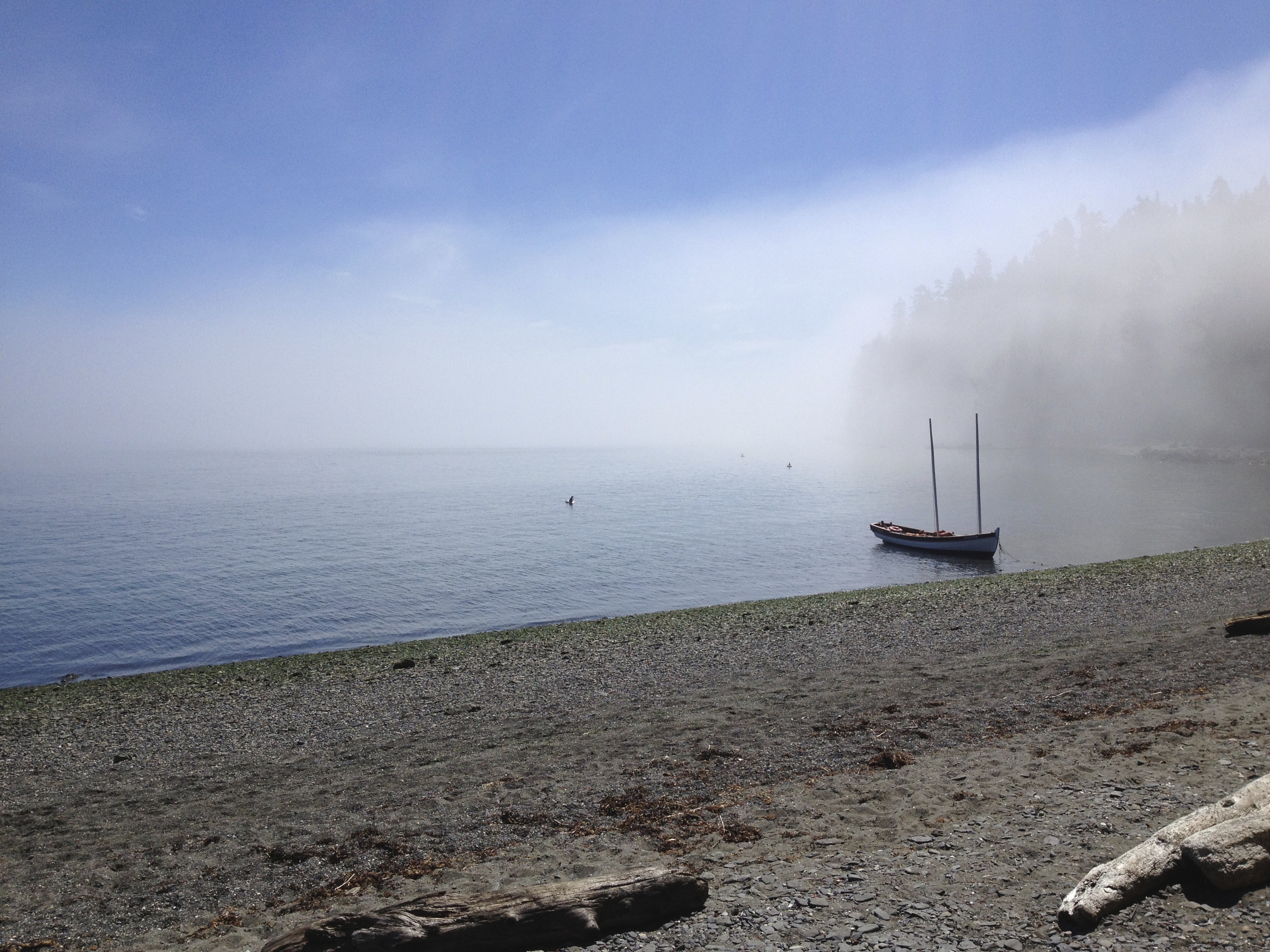
The day began enveloped in a light fog that soon gave way to bright, warm skies. This day would be one for learning about navigation, tidal currents, rowing and sailing. We’ll learn more when everyone returns to San Juan Island, but the word from Tim is that everyone pulled together and had a good time. The currents encouraged the group to return to Cypress Island in the evening, but this time at the protected north end at Pelican Beach.

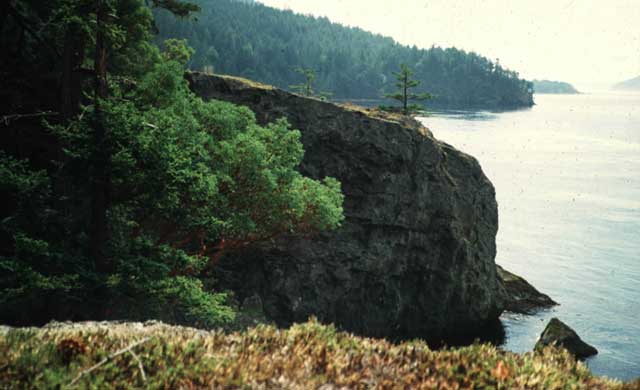
Cypress Island is almost entirely protected land under the jurisdiction of the Department of Natural Resources. Please enjoy the Department of Natural Resources (DNR) webpage about Cypress Island. The island is known for its unique geological phenomena, beautiful lakes, and Eagle Cliff: the third highest point among all the islands and from which one can admire the San Juan archipelago as well as the many peaks of the Cascade and Olympic mountain ranges.

AMonCypress


4IMG_0514 3IMG_0173 DCIM100GOPRO 1IMG_0517

cypress

This photo is from the Washington Wildlife and Recreation Coalition; I’ll change it when travelers return with their own photos!

Day 9: From Saddlebag to Cypress Island

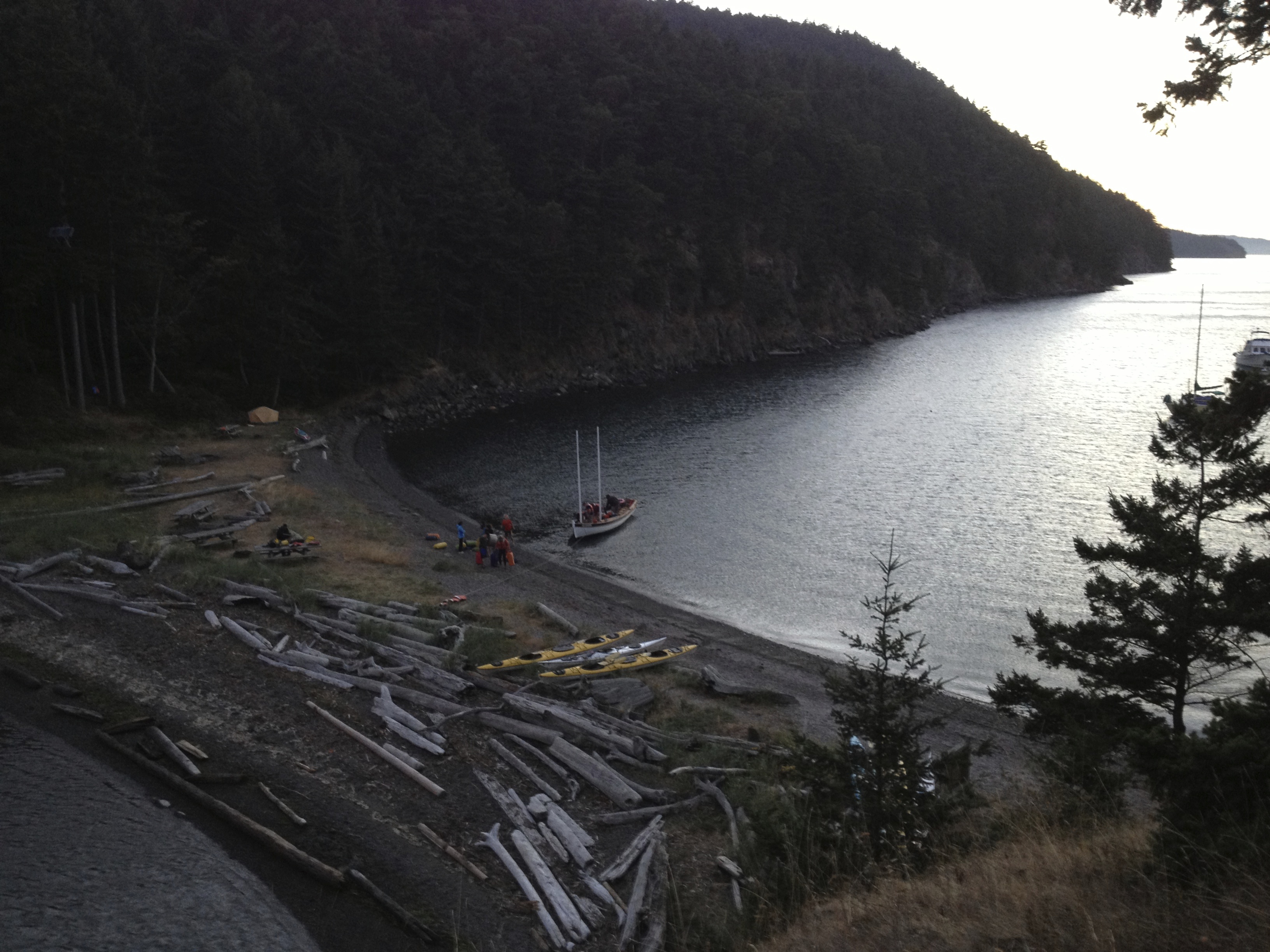
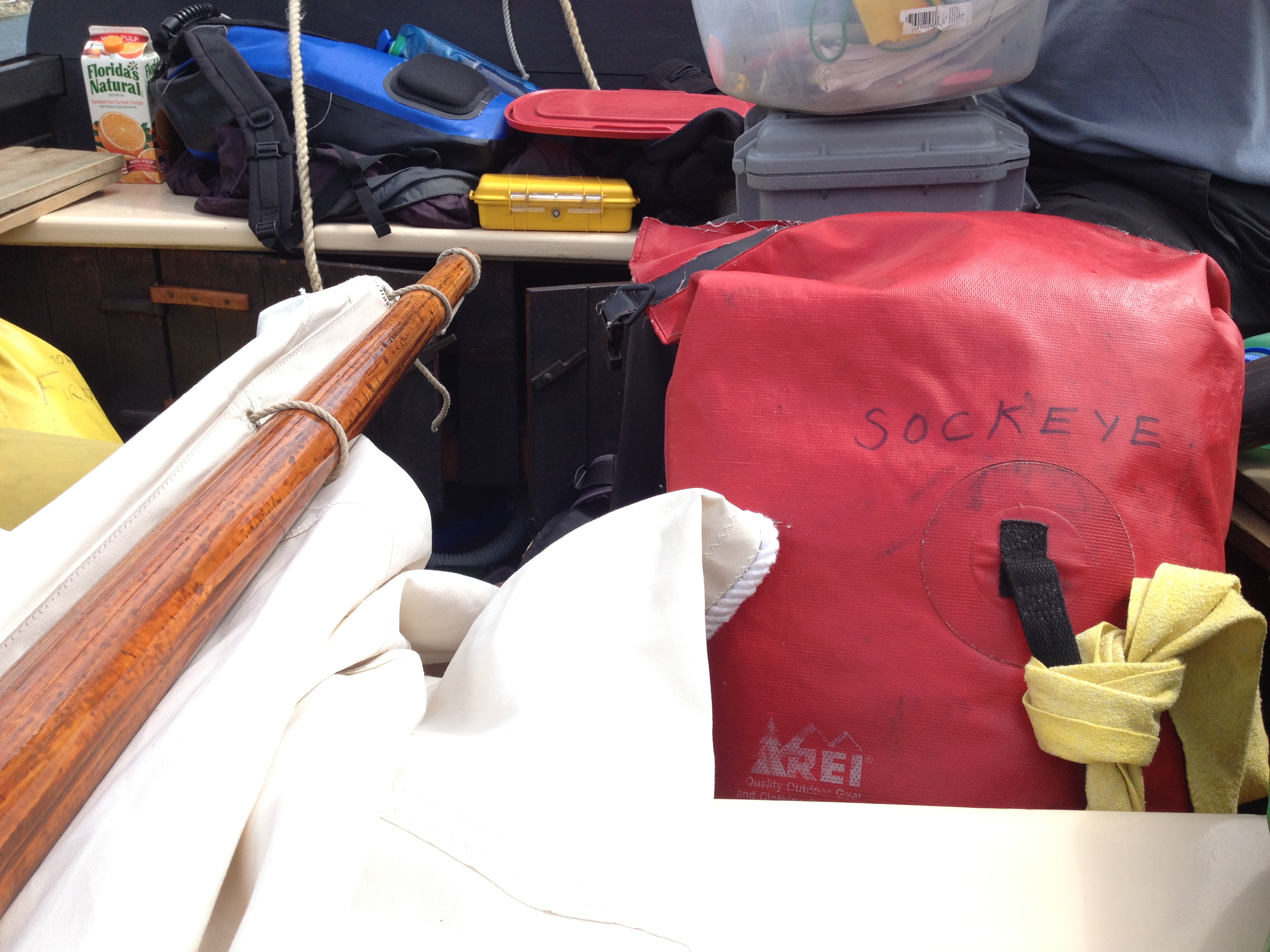
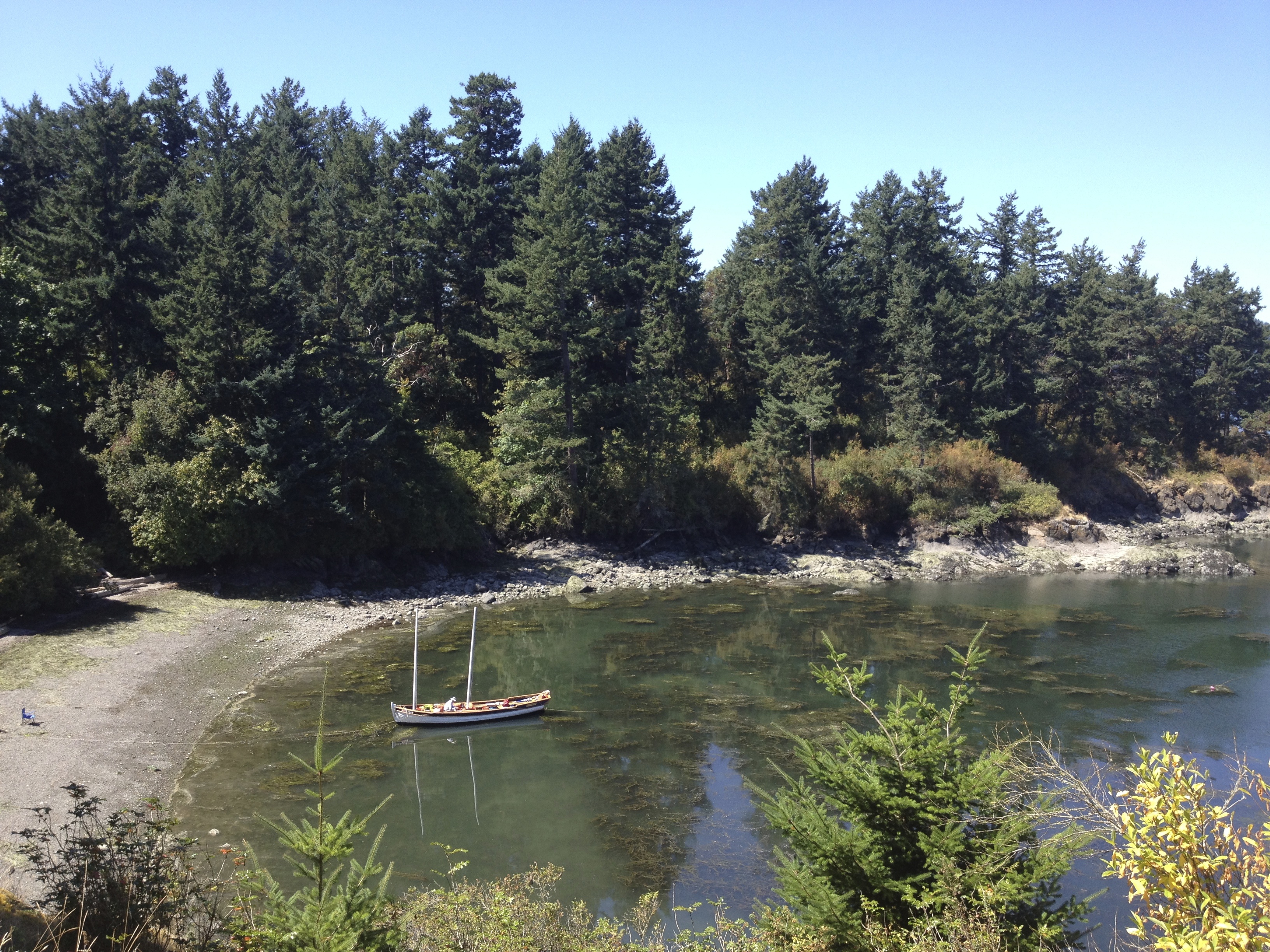
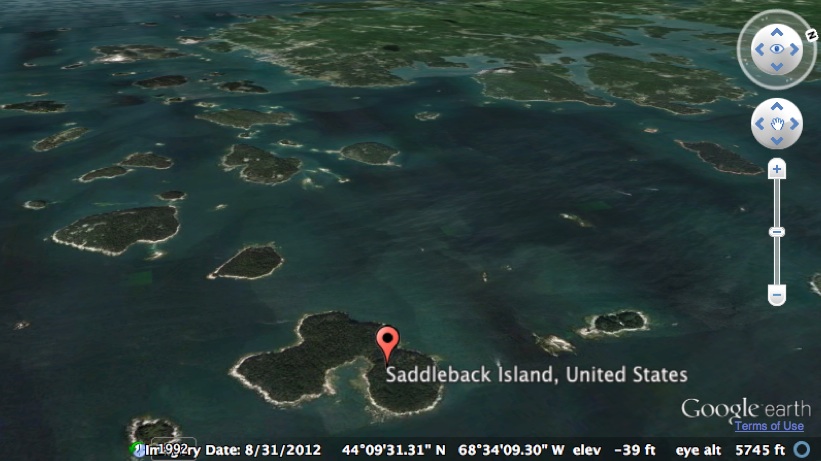
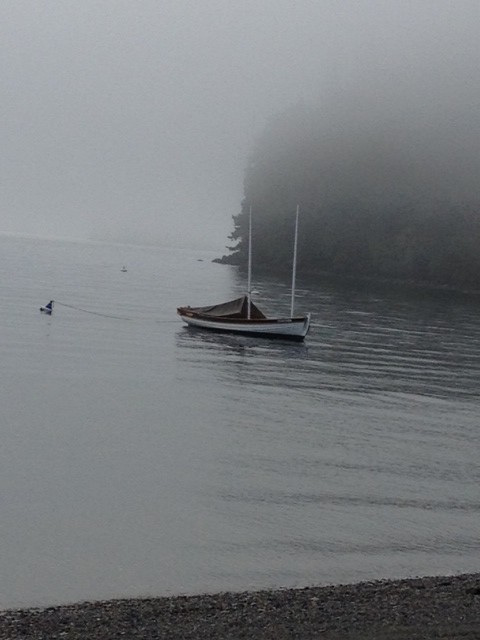
Captain “Sockeye” John, Science Director and first mate Tim, second mate and assistant Susan, and a crew of nine wonderful teenagers took advantage of August’s morning fog on Saddleback Island to sleep in for a change, study some plankton collected from the cove and re-pack the boat for a more comfortable voyage in the days ahead. The crew took to Salish Sea waters with the sun.

6IMG_0476 5IMG_0480 4IMG_0489 2IMG_0495 1IMG_0501

In the evening, Tim called in with a short report. A transcription follows:

“Hi! It’s Tim. It’s about 5 to 9pm on Monday and we are just off the water. We had a hard time getting going to day; we had to organize the boat and that took a few hours. It was: “about to leave, about to leave” for a while. Anyway, we are now over at Cypress Head. We came up from Saddleback Island around Guemes Island and came over to the north end of Cypress Island, which is Pelican Beach. Because of the late start, the campground was full so we turned around and headed back south to Cypress Head. It is wind swept, Susan is laughing right now, but we’re getting set for dinner and camping. Everyone is okay. We had a great row for 3 or 4 hours, but it’s time to get to work! Signing off for now!”
Day 8: The Longboat Voyage Begins

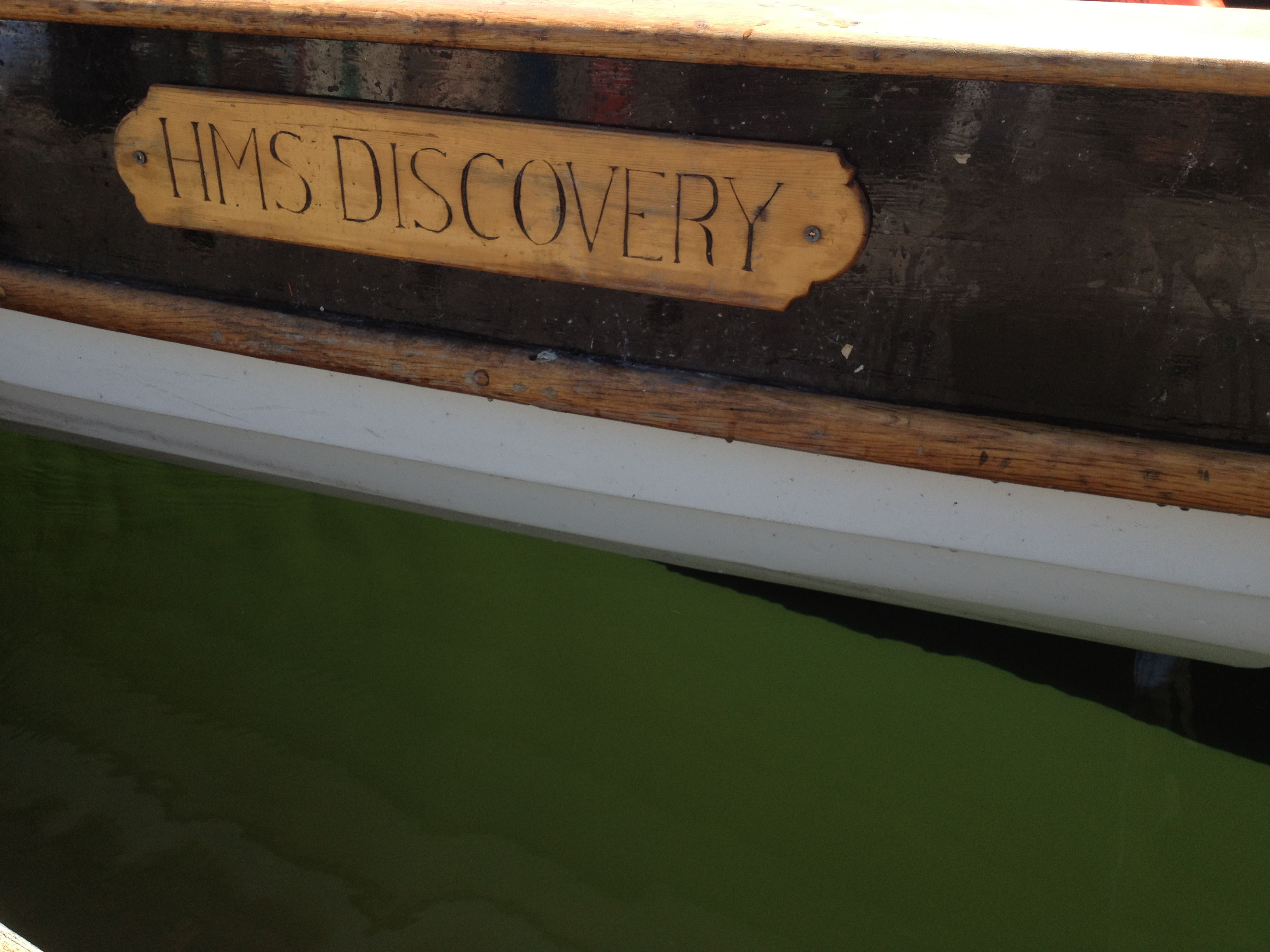
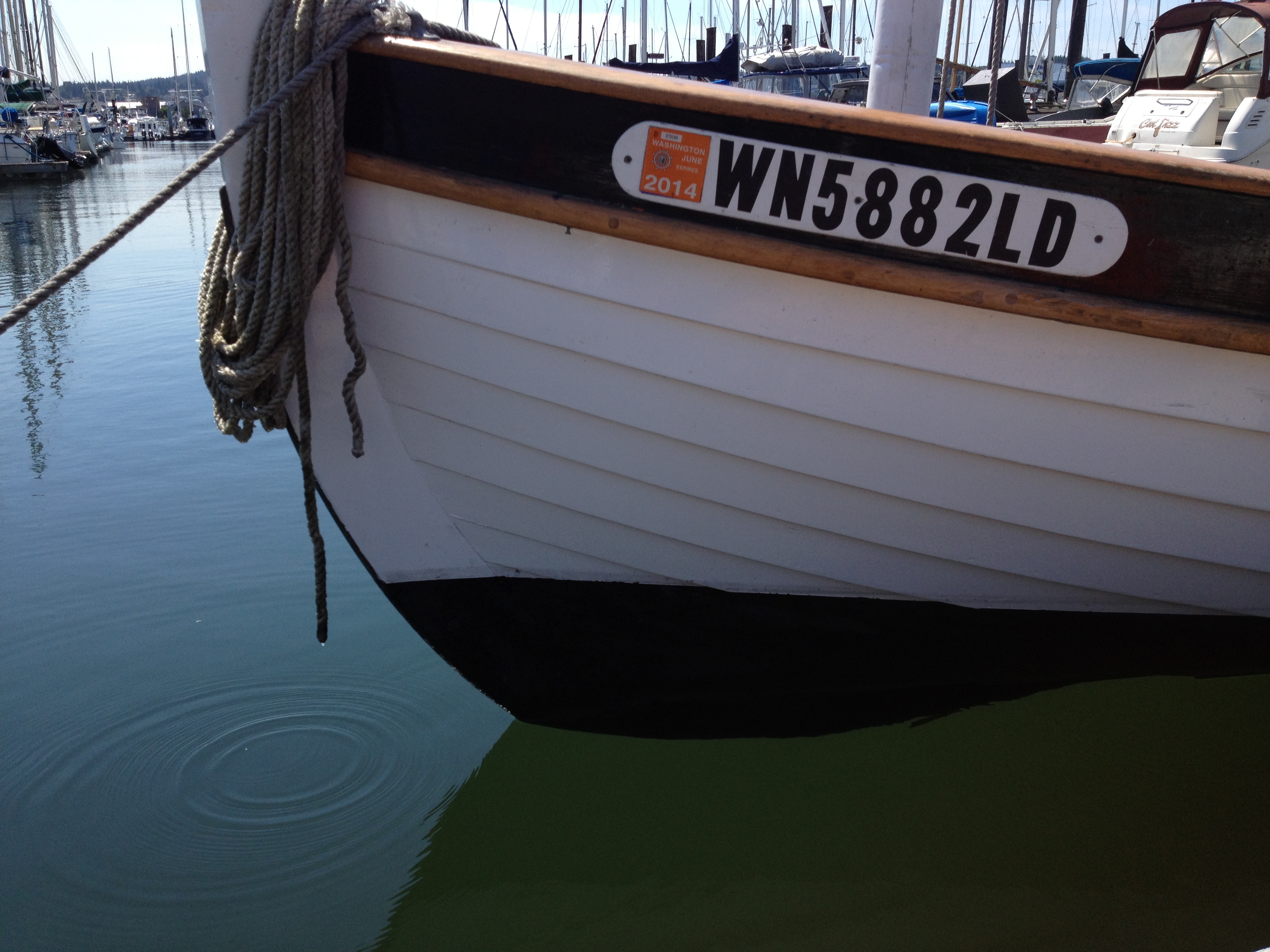
It is a beautiful Sunday morning and the van has been in the ferry line since 6 am in anticipation of the trip to Anacortes to meet up with “Sockeye” and the beautifully crafted replica of the longboats used by Captain Vancouver’s crew to chart the Salish Sea during the summers of 1792-1794. Happily the van is stocked with all kinds of food for sleepy program participants to find when their hunger is piqued.

They walk on the ferry at 7:45 am and they’re off for a 6 day / 5 night adventure!

Ready to embark!

Ready to embark!

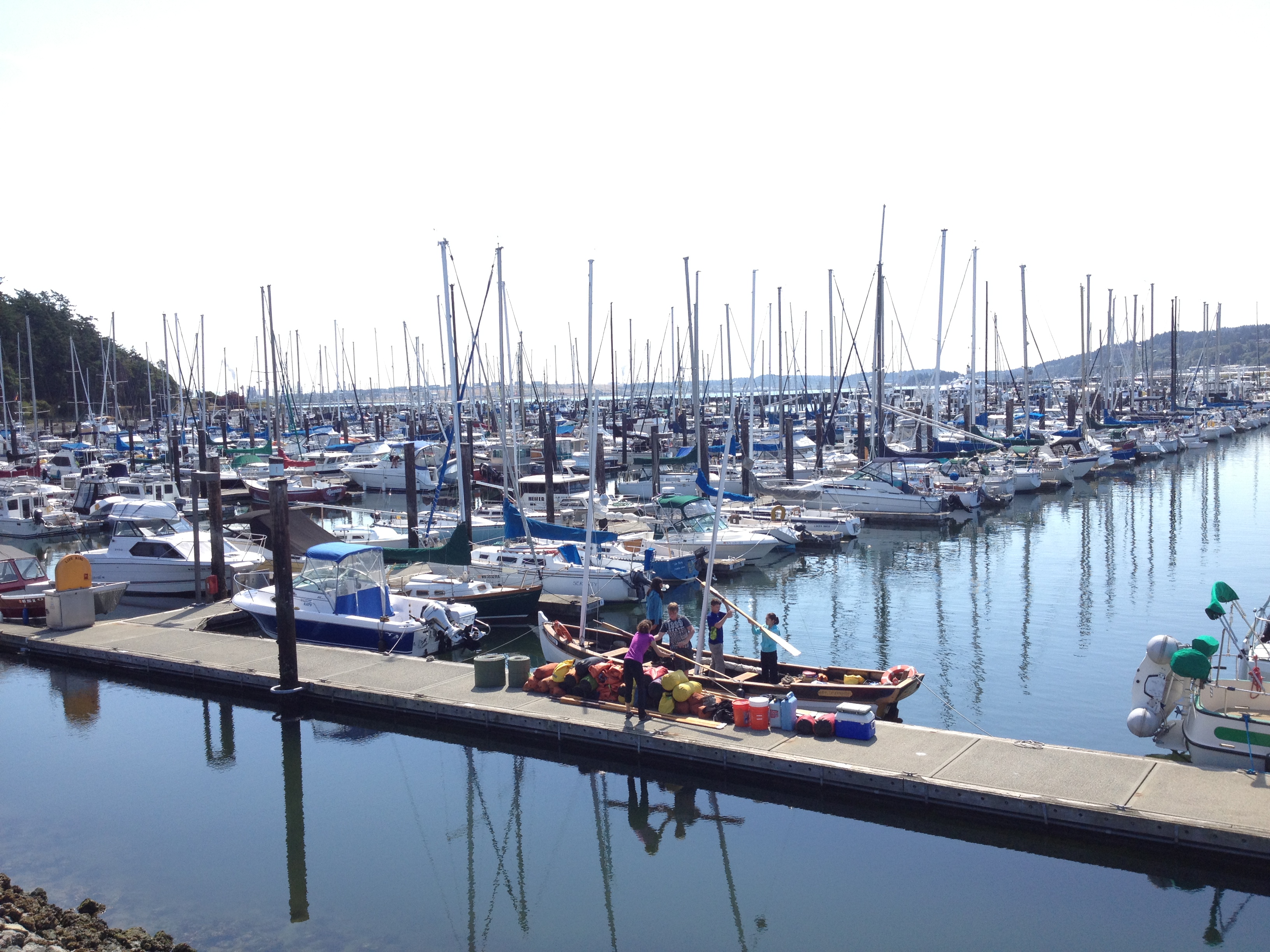
Once in Anacortes, they work together to help stock the boat with supplies and pack all the gear in dry bags.

IMG_0698 IMG_0697 IMG_0696


By mid-afternoon they take their first strokes at the oars and head to Saddleback Island where they rest on their first night of camping under stars and in tents. The sea laps lazily at the shore and the sunset is glorious.

3IMG_0491

SaddlebackScreenShot

Day 7: Rocky Intertidal Zonation and Longboat Trip Prep

By: Tim

Just a quick note because we’re in full-scale preparation for departure on our longboat trip early Sunday.

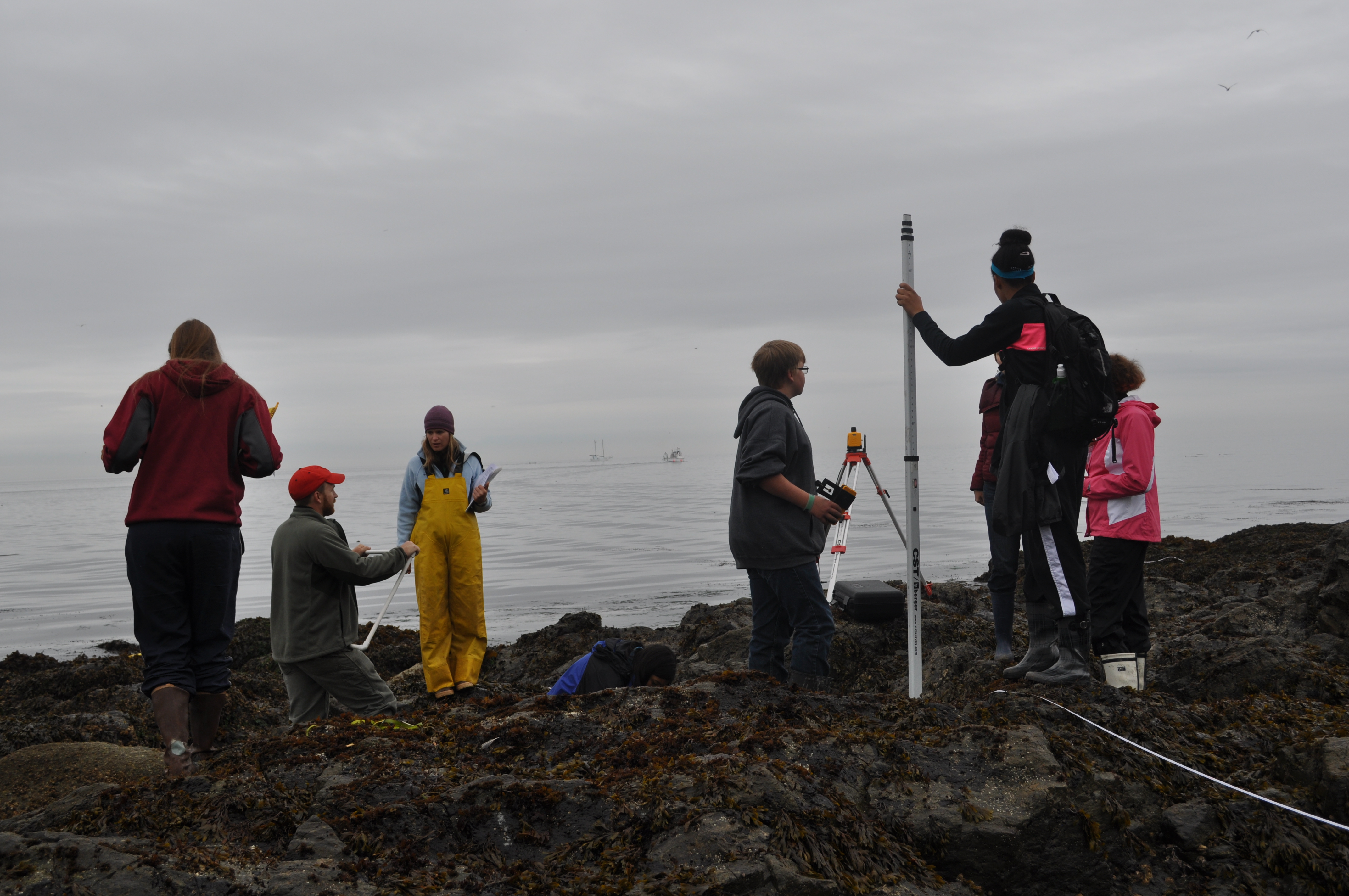
Laser Leveling at the Cattle Point rocky intertidal zone

Laser Leveling at the Cattle Point rocky intertidal zone


DSC_0217DSC_0097

DSC_0222

DSC_0203

DSC_0102

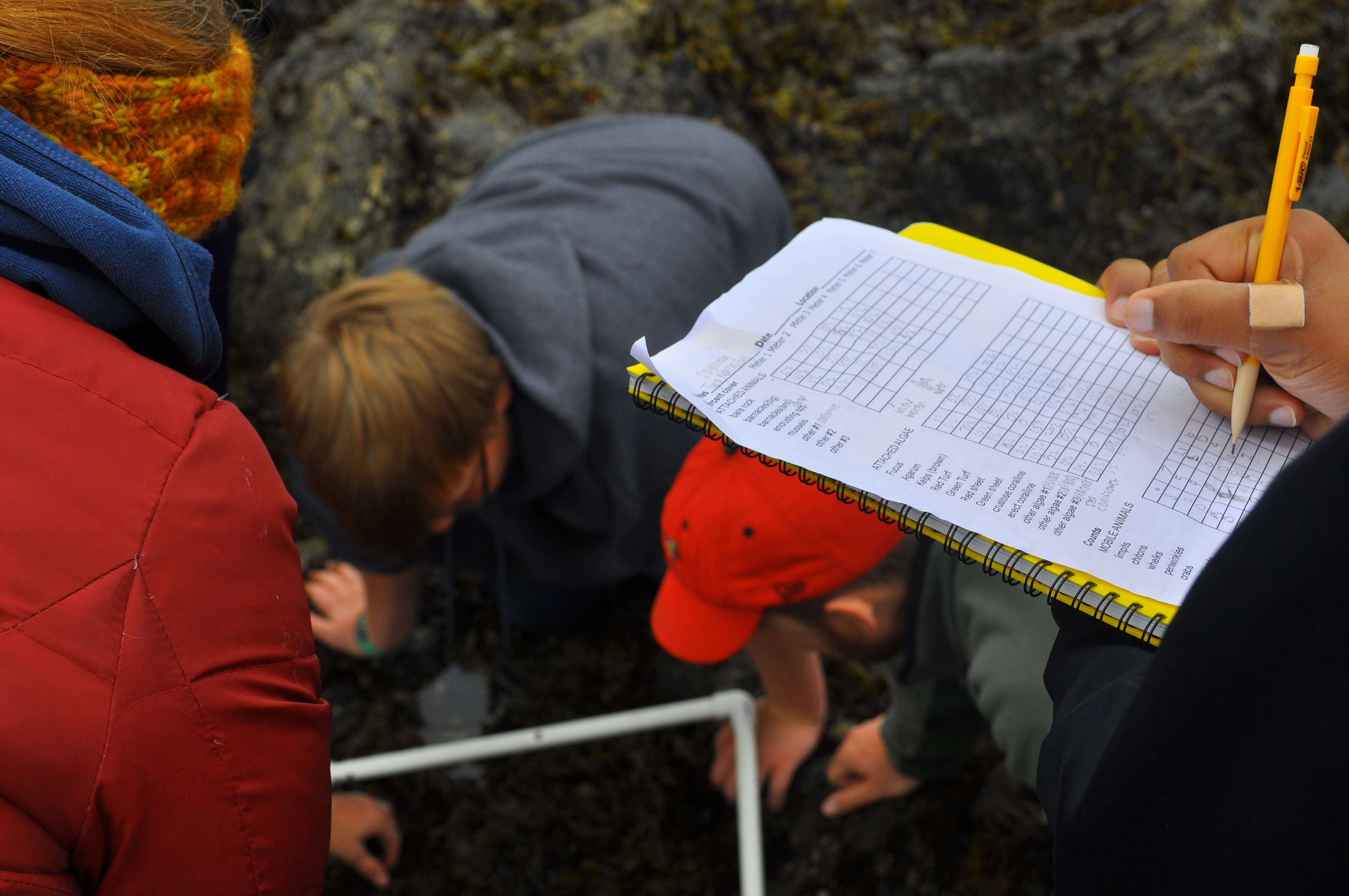
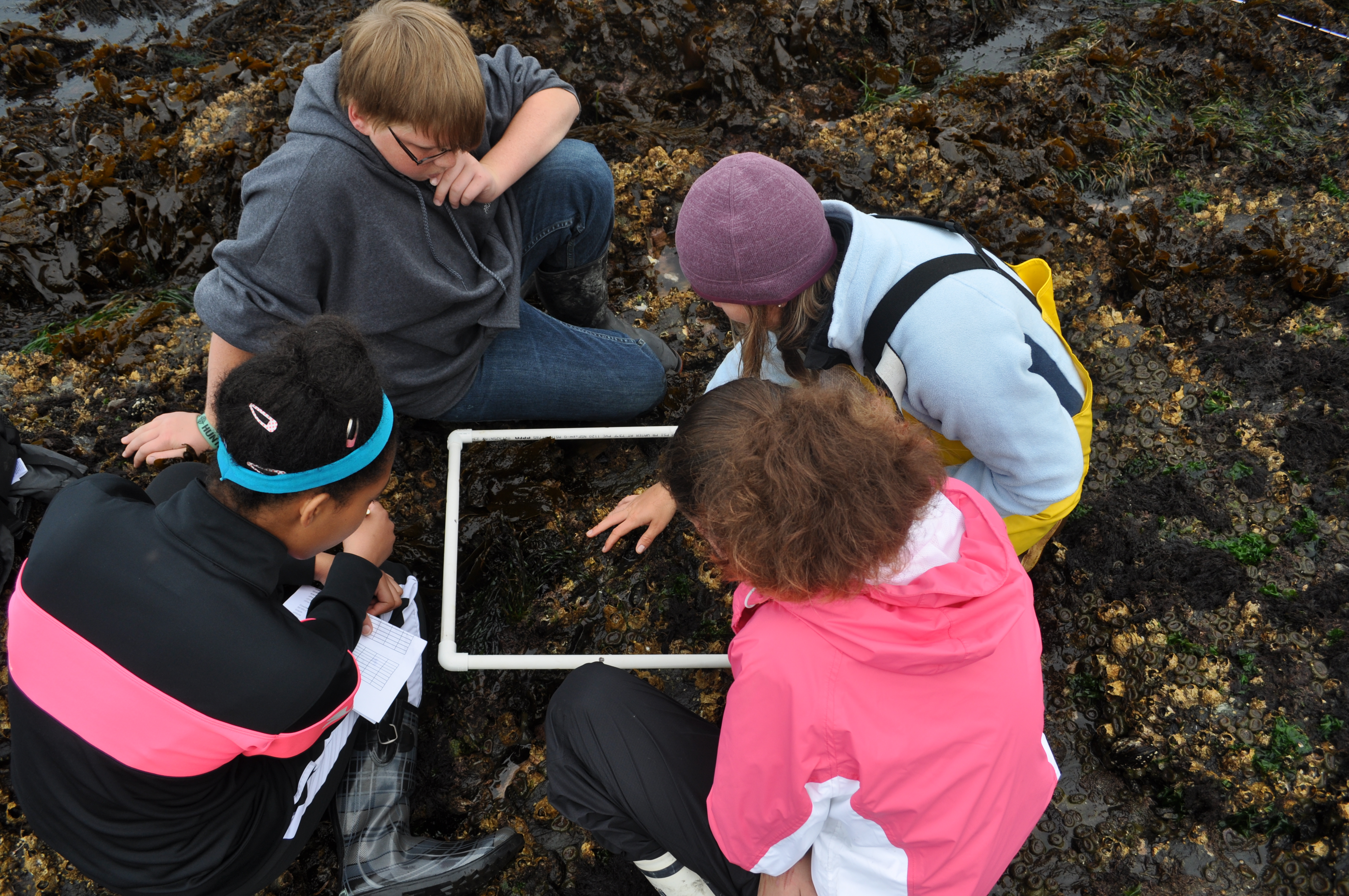
The crew got up for our third early morning in a row and headed down to Cattle Point for some biodiversity surveys of the rocky intertidal zone. Intrepid ecologists Orissa Moulton and Hilary Hayford came along to show us how to standardize quadrat elevations above low water (laser levelers are pretty cool) and to help us ID invertebrates and algae. Afterwards, Tom surprised us with a hearty breakfast in the dorm; a welcome change from the on-the-run break (intentional space here) fasts we’d been consuming in order to meet the tide schedule.

DSC_0245

DSC_0052

DSC_0177

DSC_0054

DSC_0247

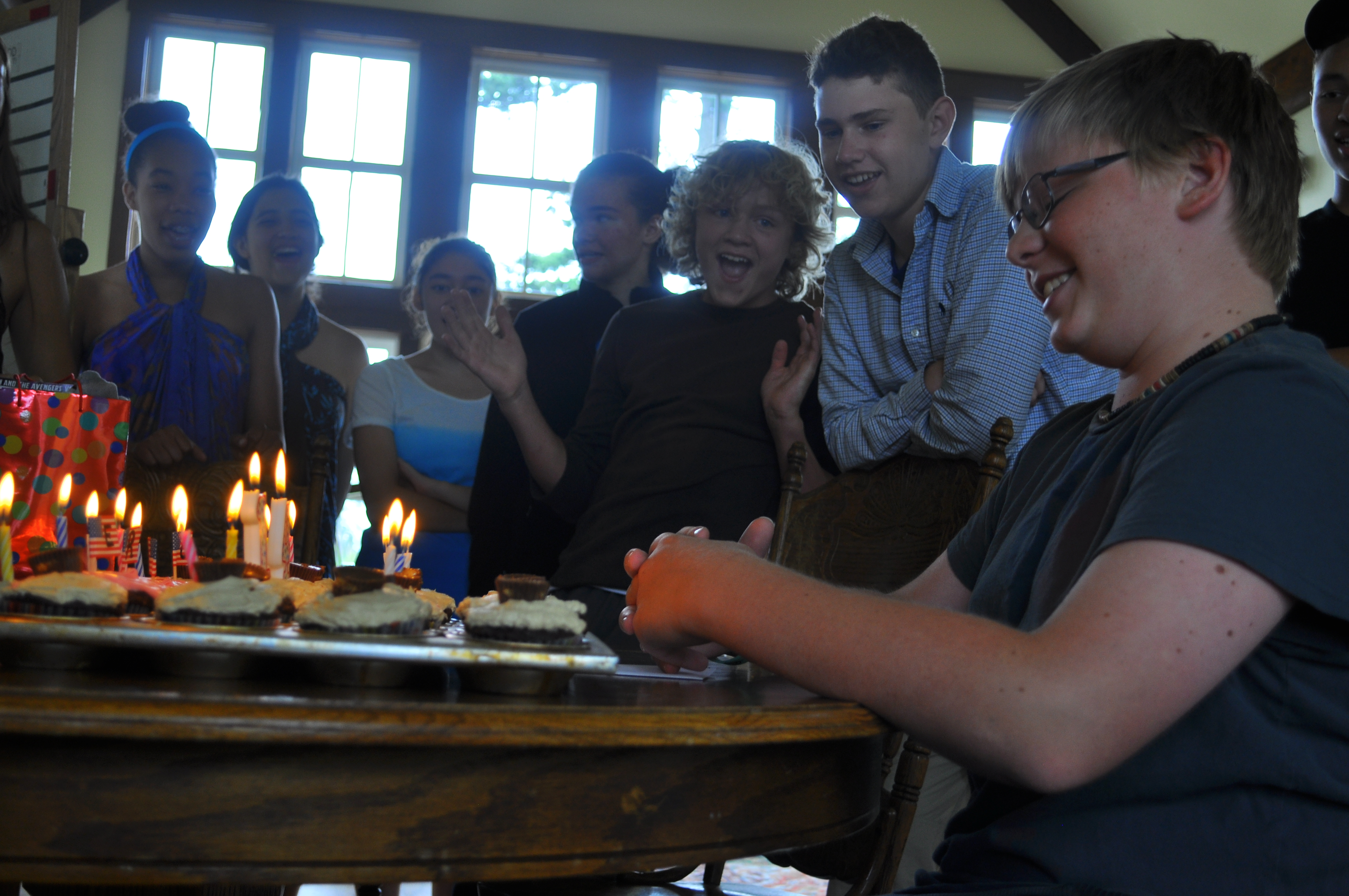
This afternoon, we celebrated Eric’s birthday with cupcakes, cookies, ice cream and lemonade. The rest of the afternoon was spent housekeeping and prepping group and personal gear for the longboat trip.

DSC_0265

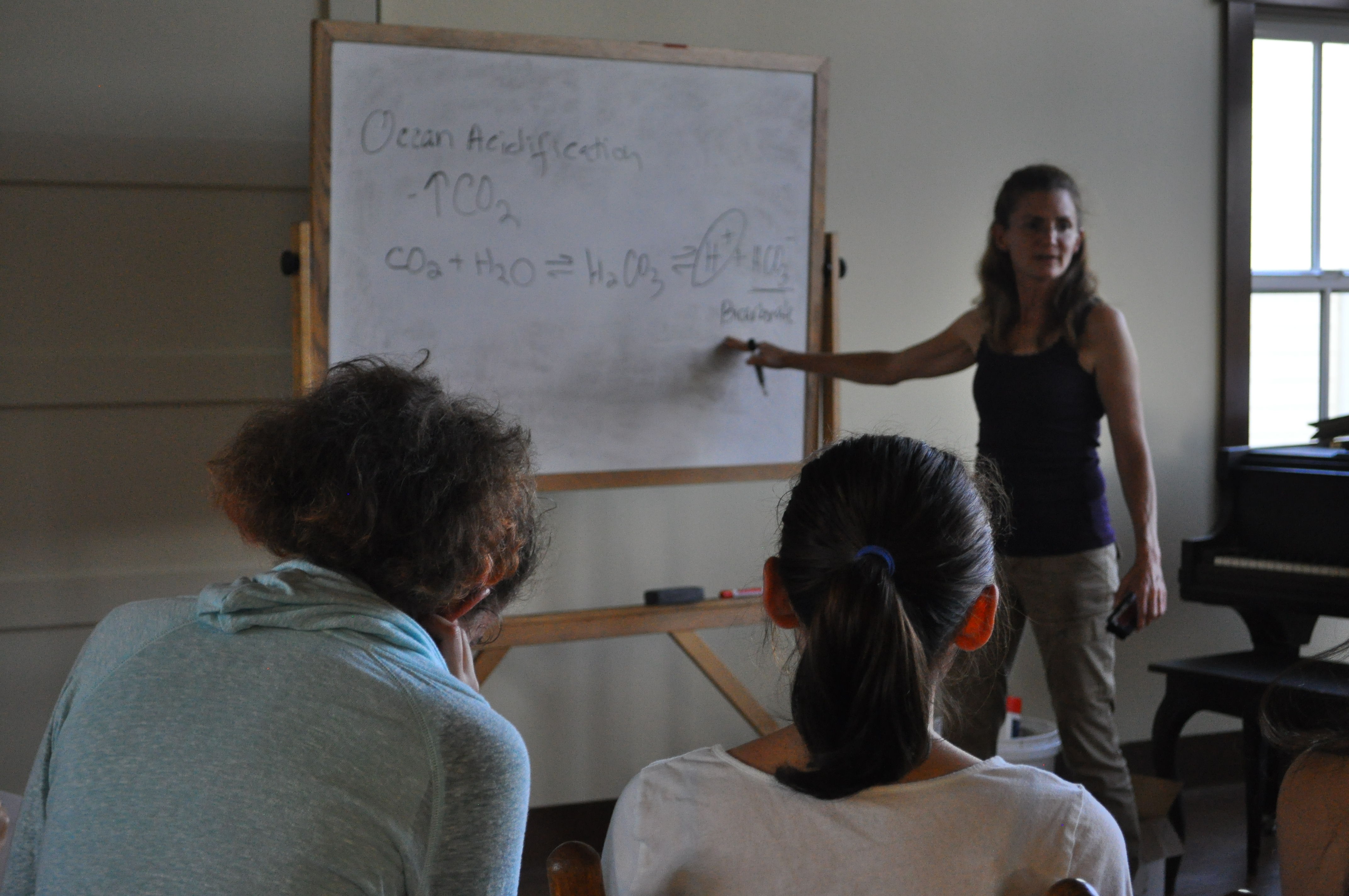
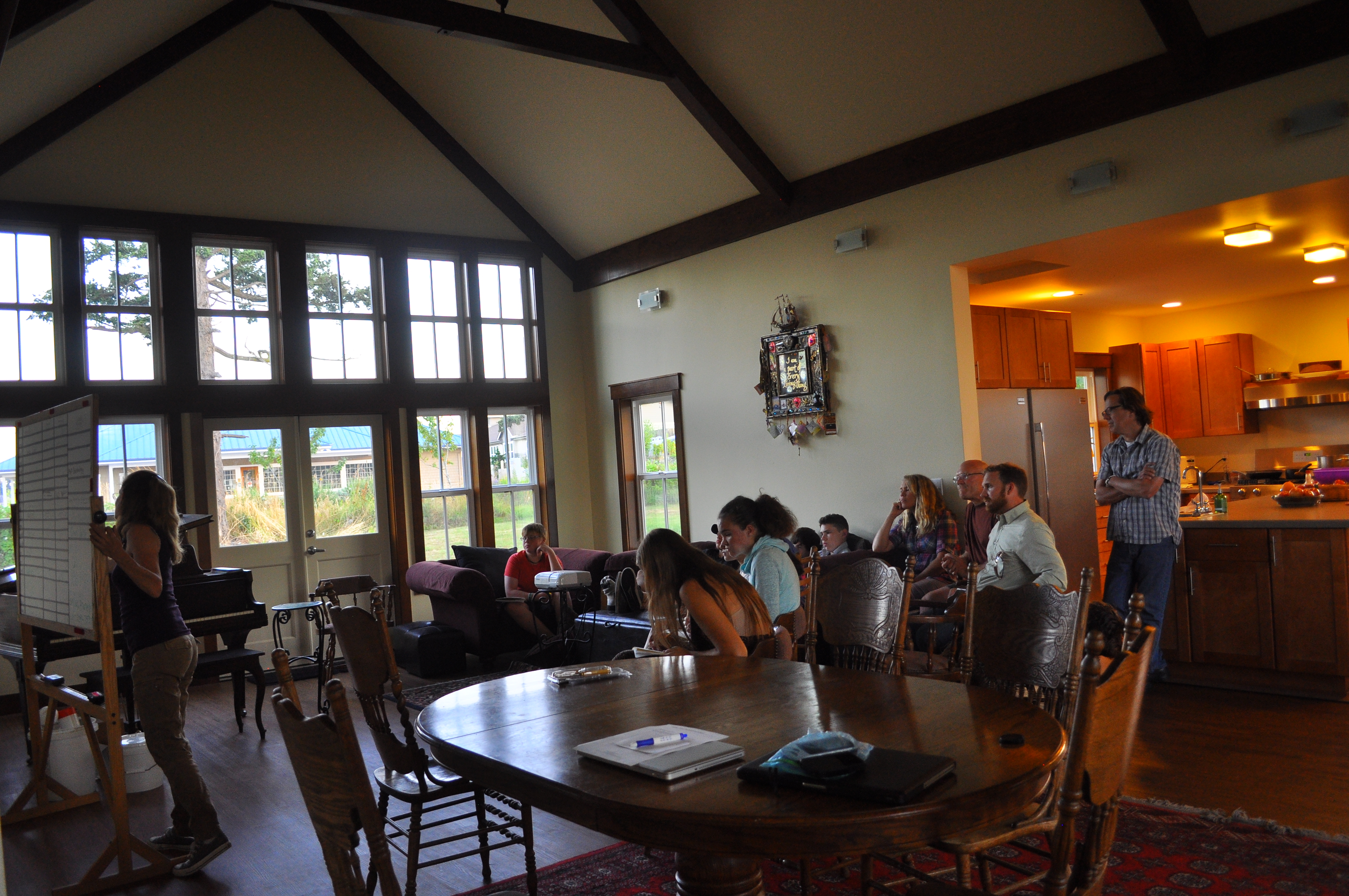
Guest chefs Ken and Susan joined us to relieve personnel from cooking responsibilities while prep continued. Professor Carolyn Friedman and son, Nick, joined us for dinner and a lesson on ocean chemistry and the ocean acidification project we’ll be conducting while out on the longboat this week.

DSC_0271

DSC_0281

We’re headed out for six days in the wilds of the San Juan Islands and waterways so the posting will be intermittent. But the weather has broken, our dry bags are packed (well, almost) and we are excited to go!

IMG_0176

Day 6: Biodiversity and Scientific Illustration


By: Tyra and Emily

DSC_0013

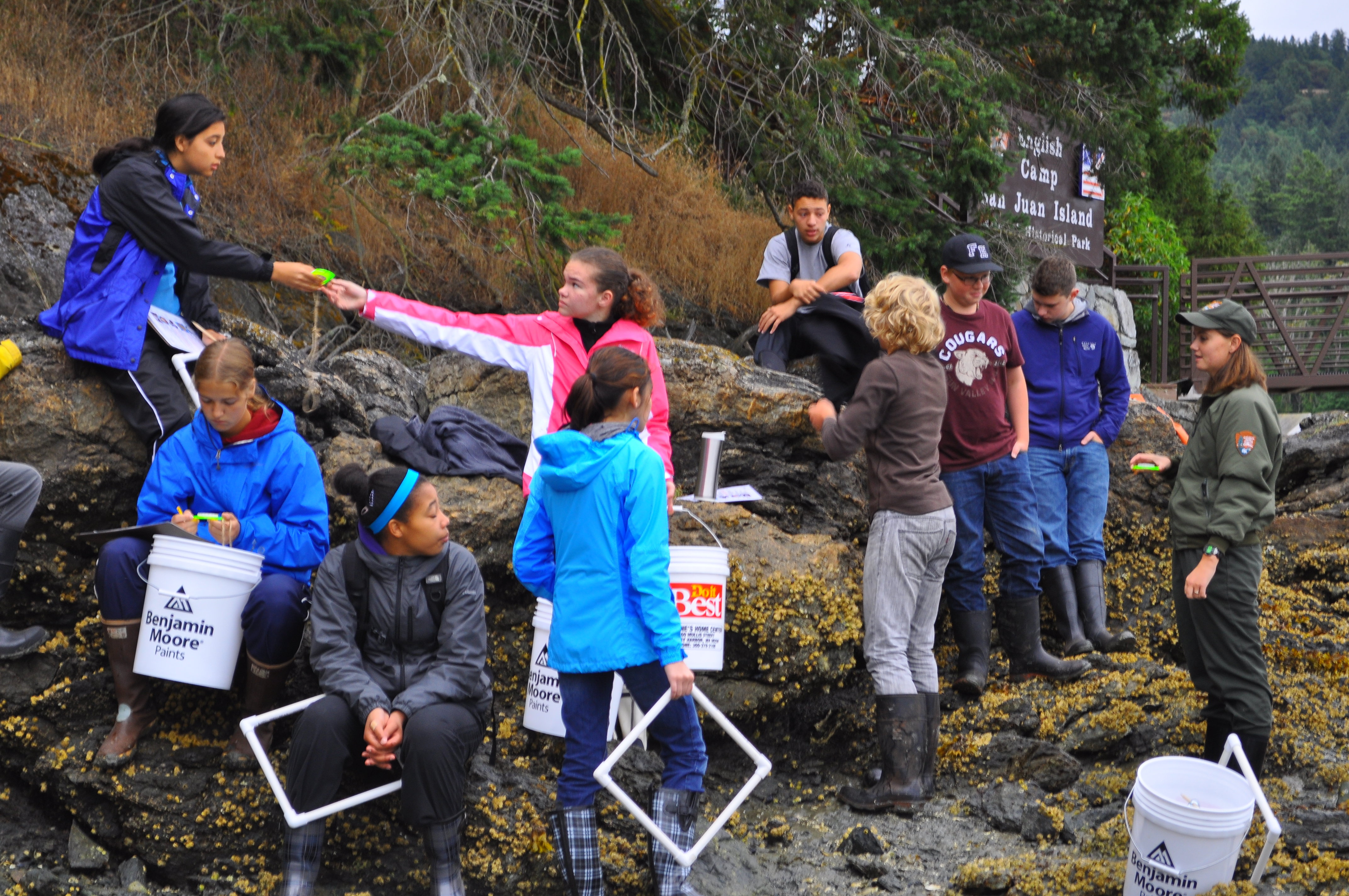
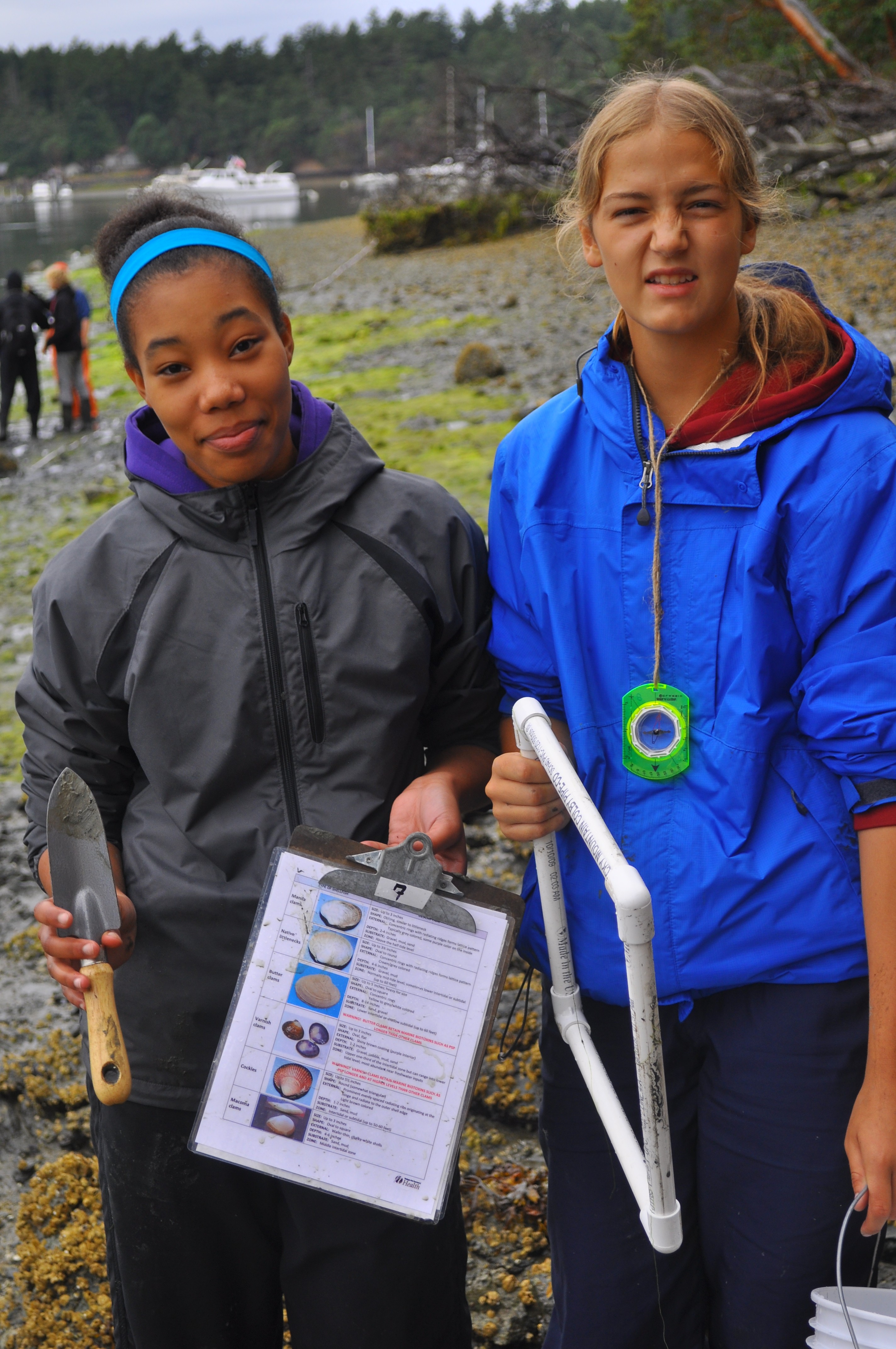
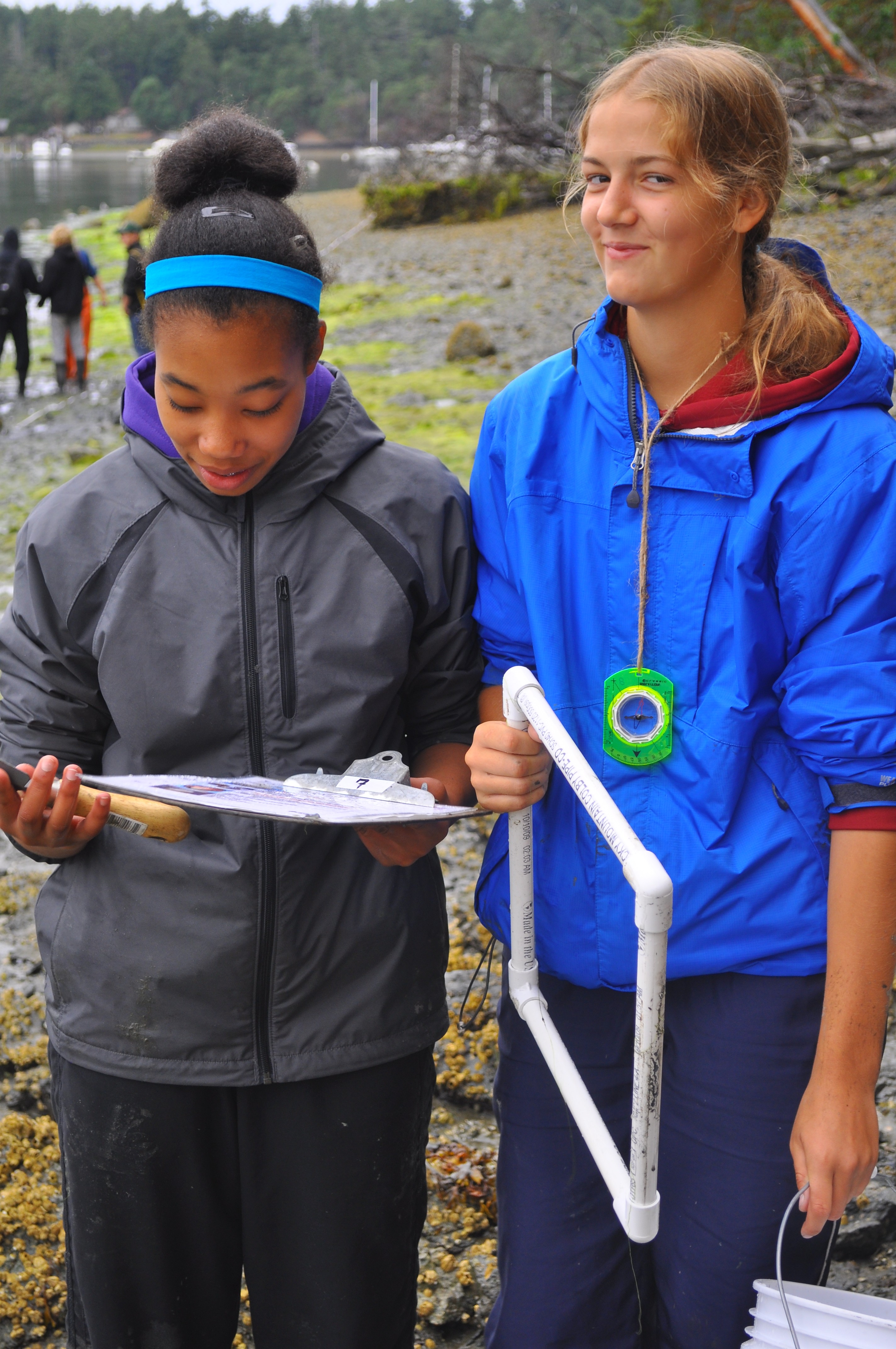
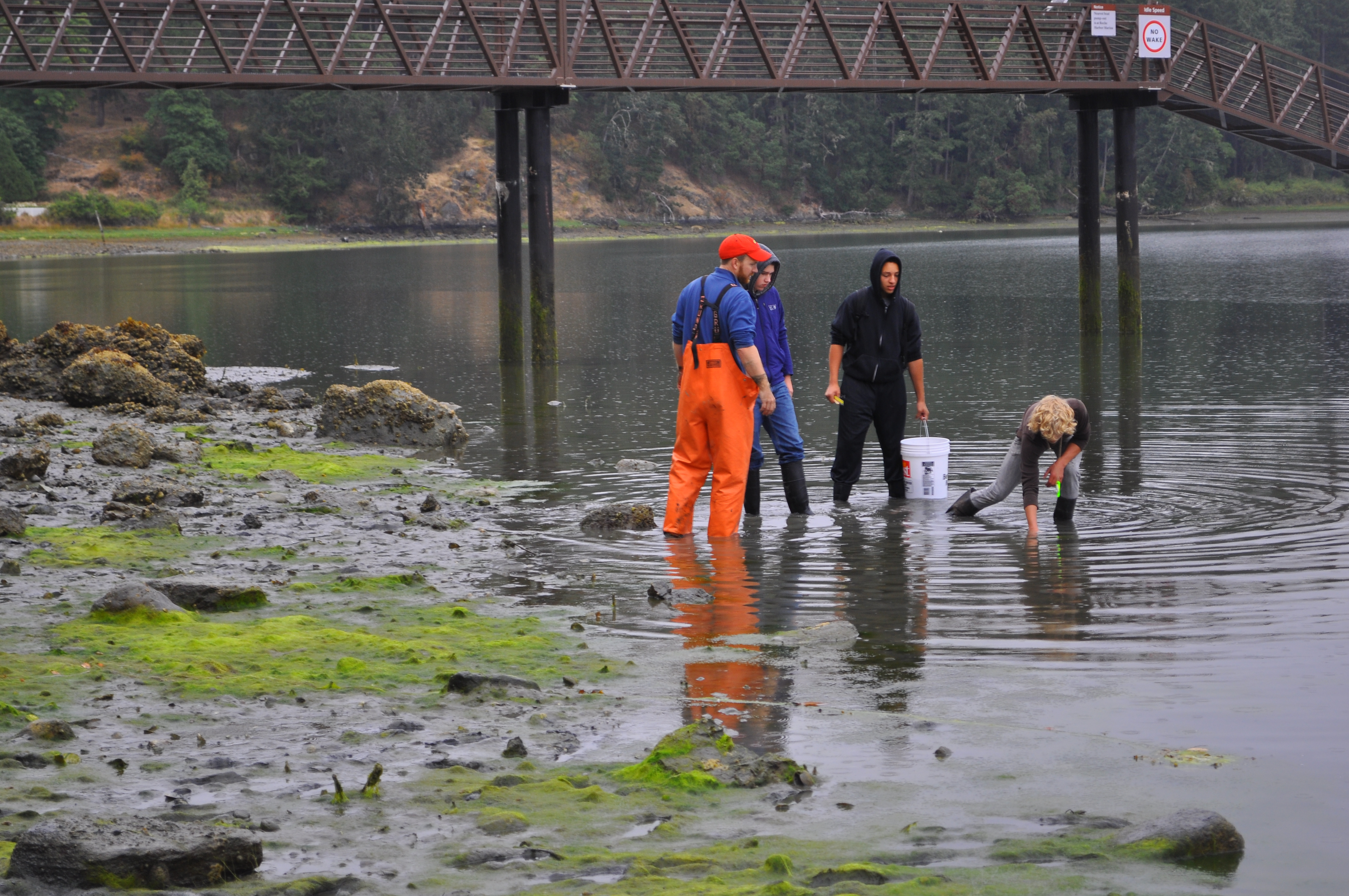
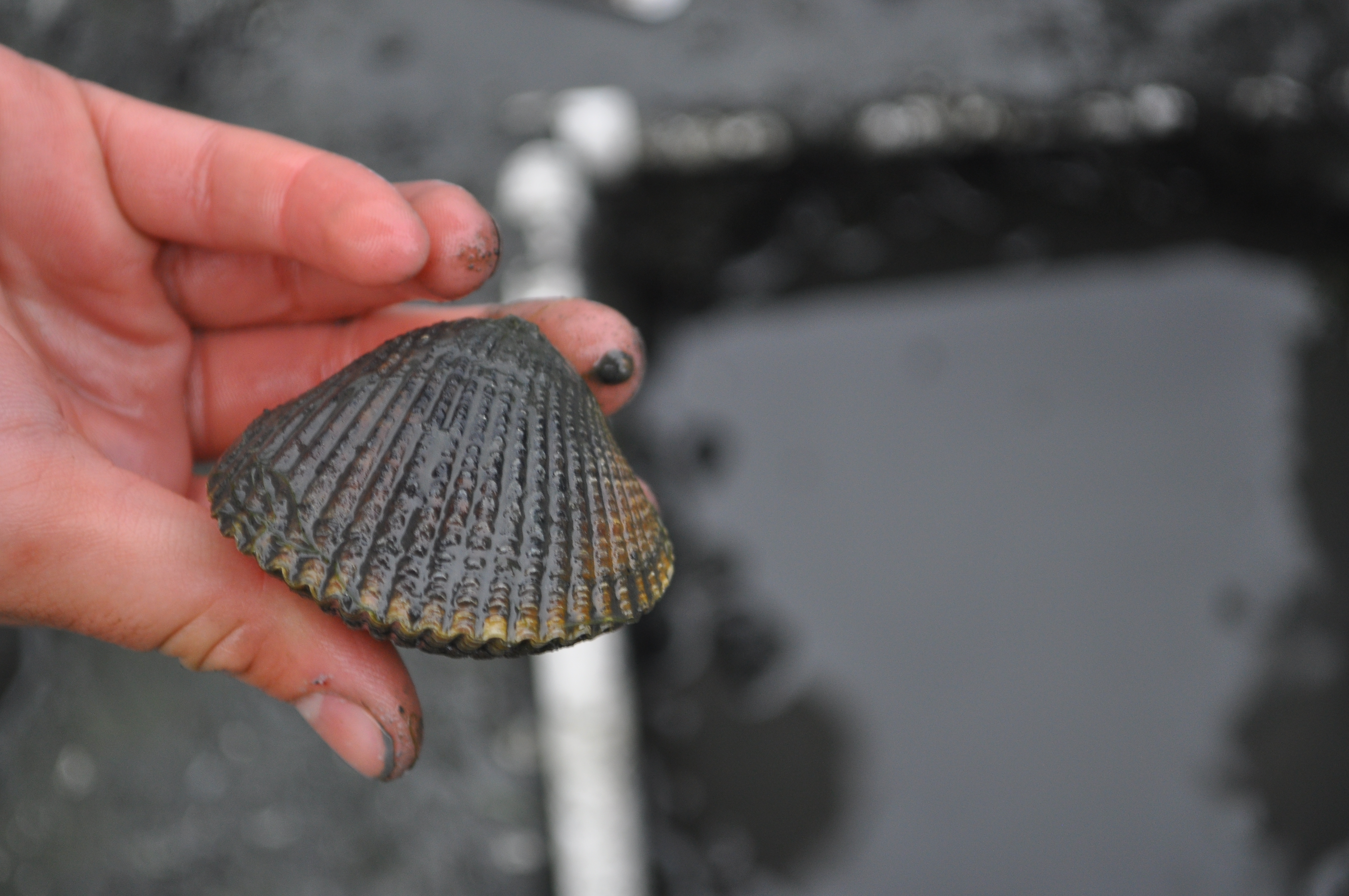
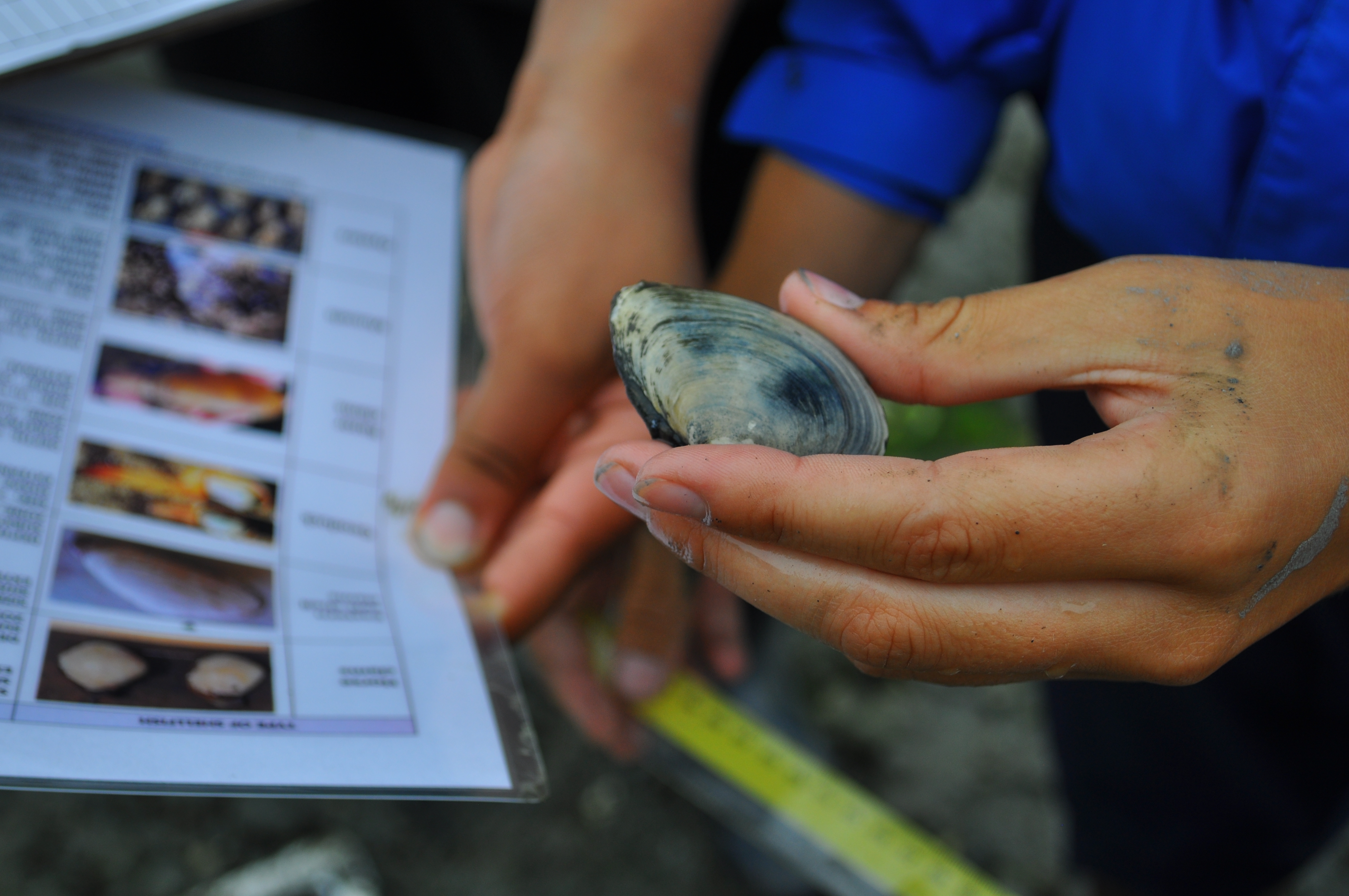
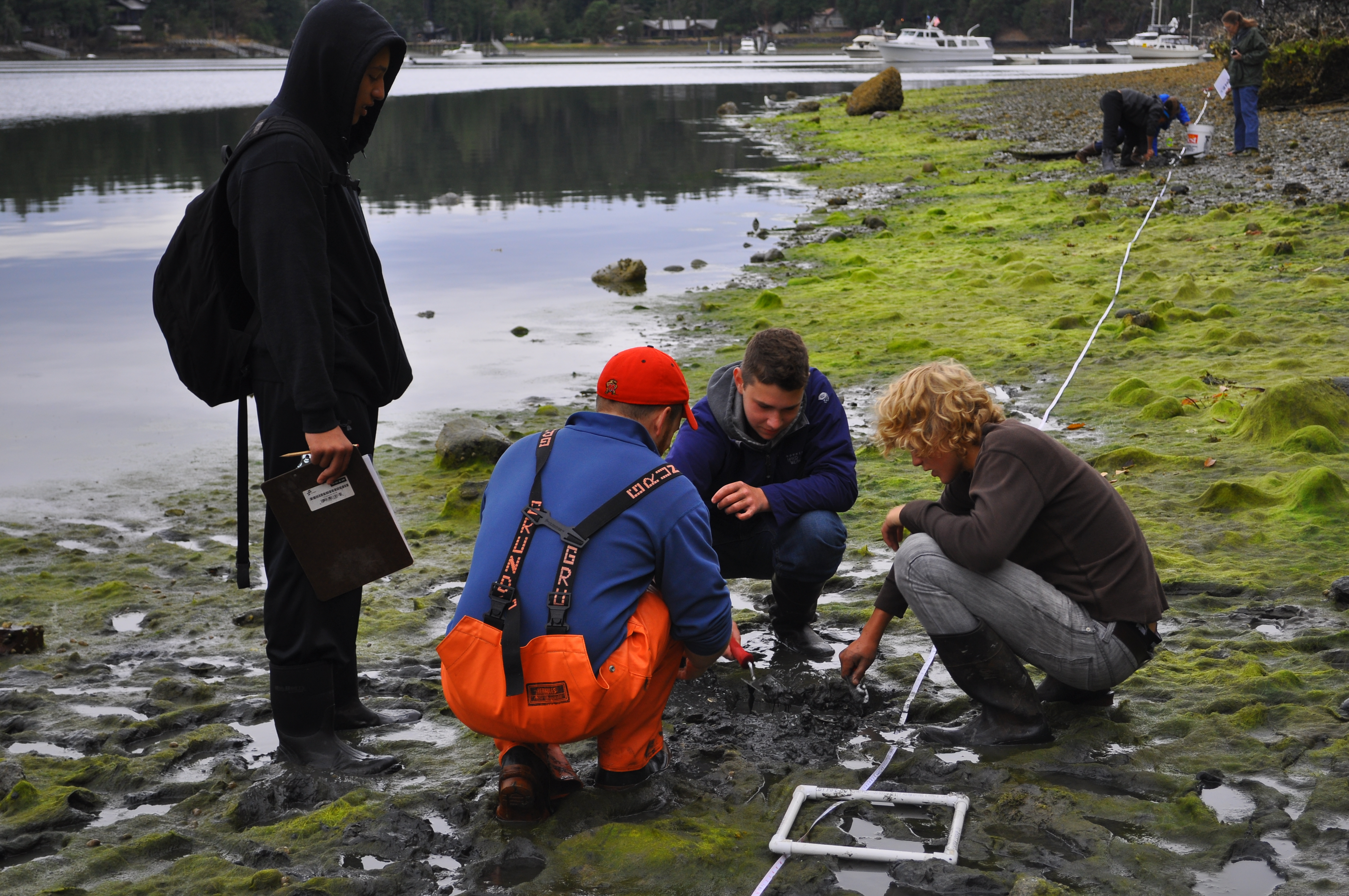
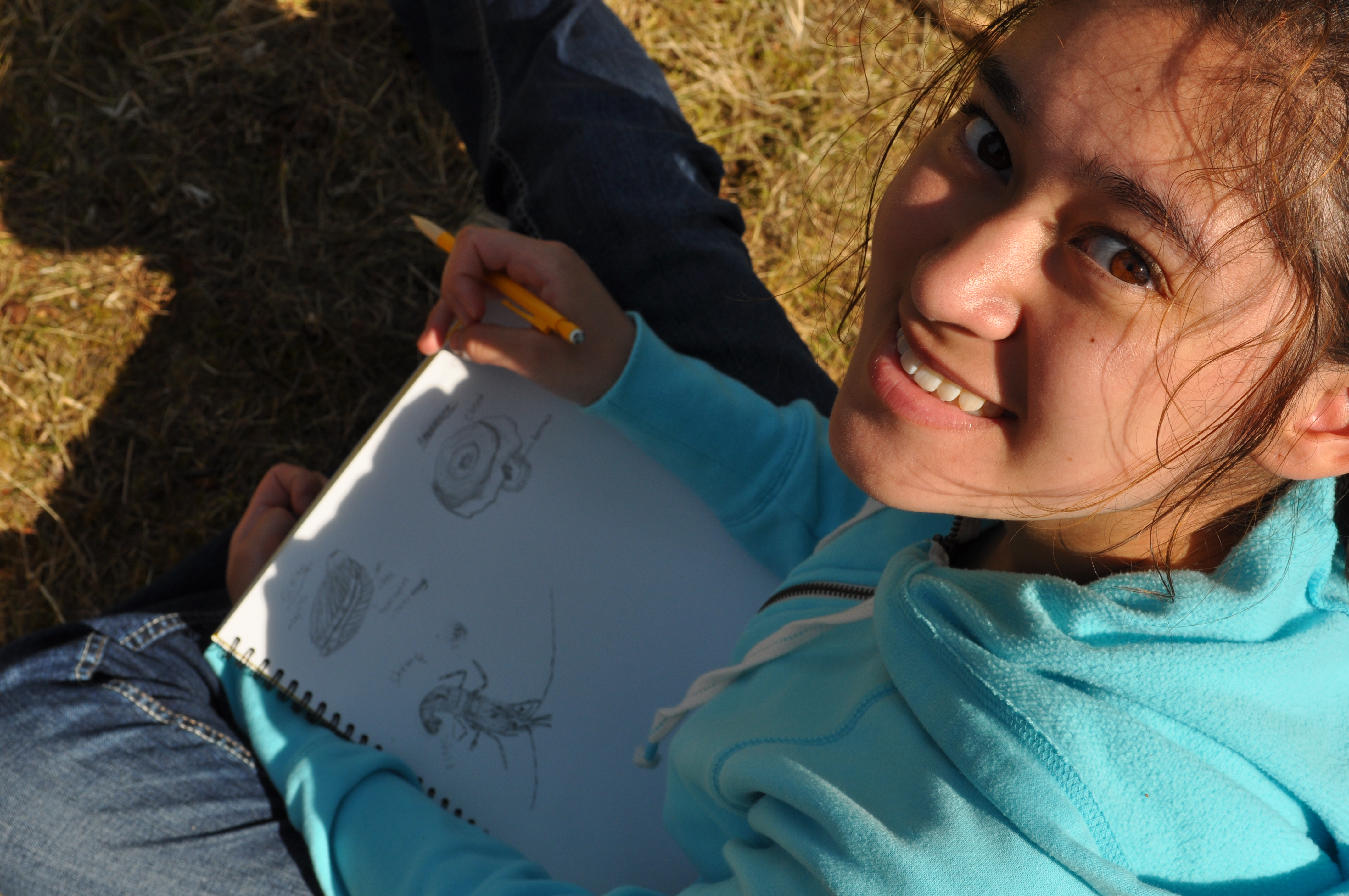
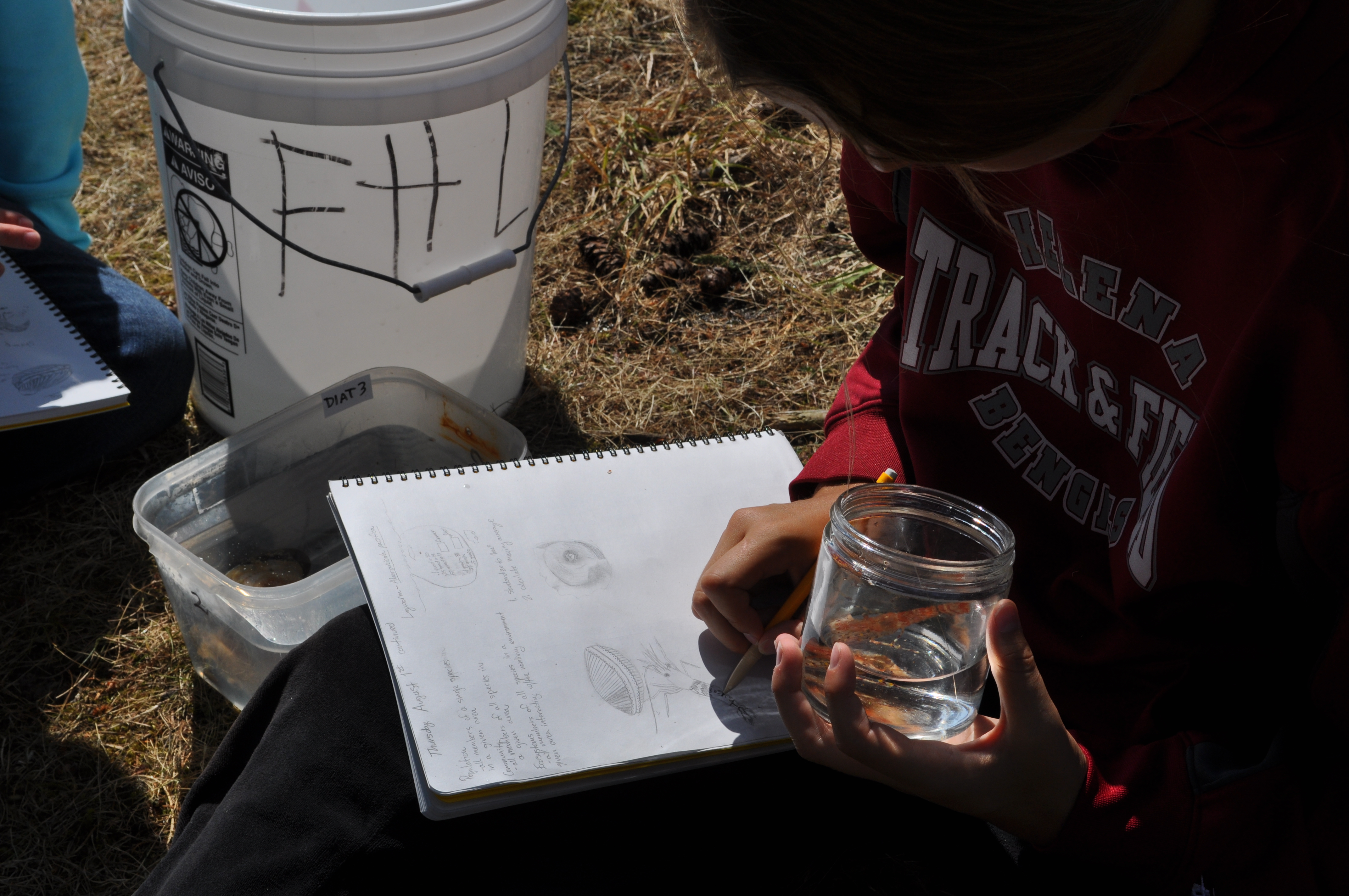
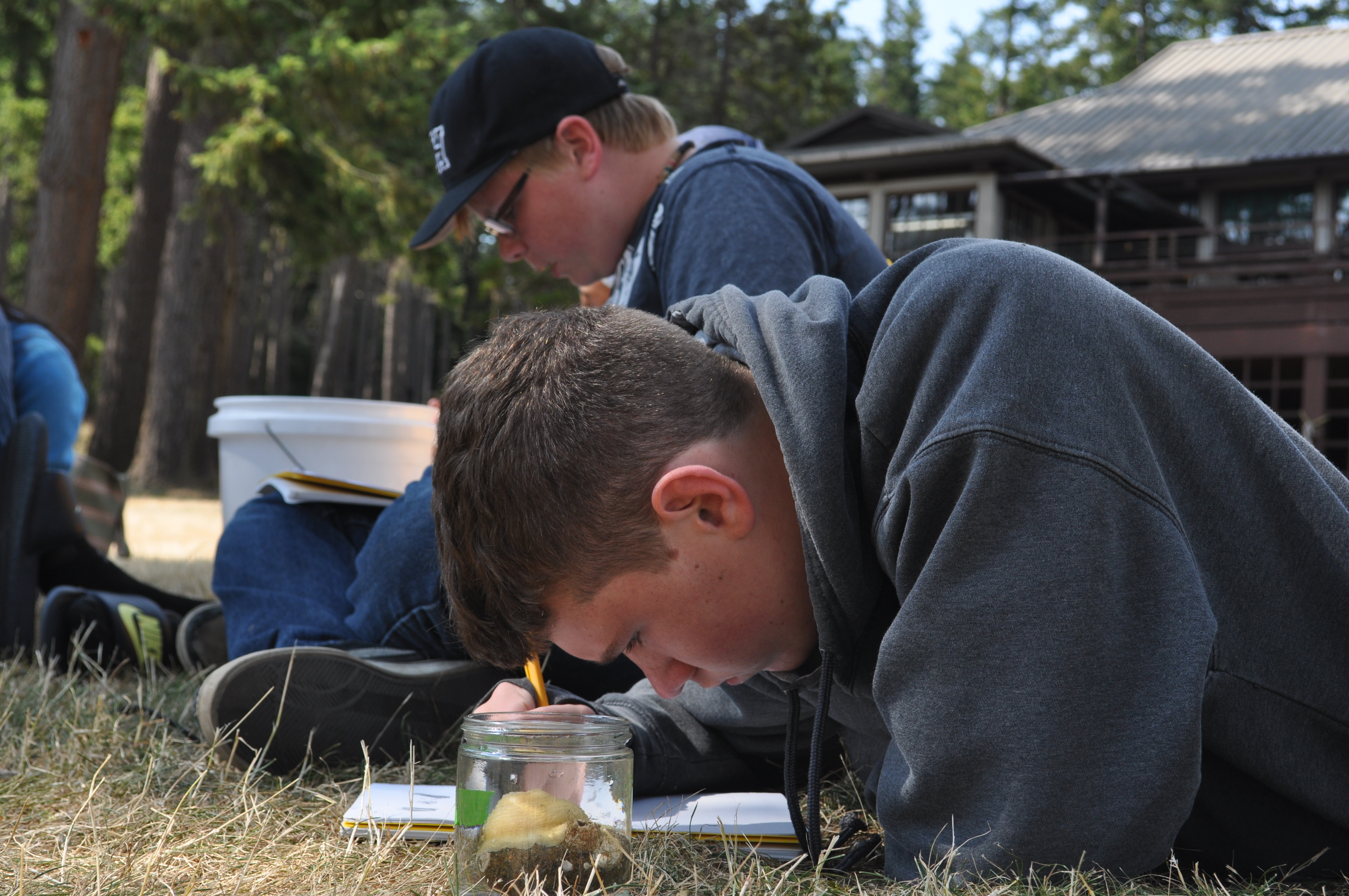
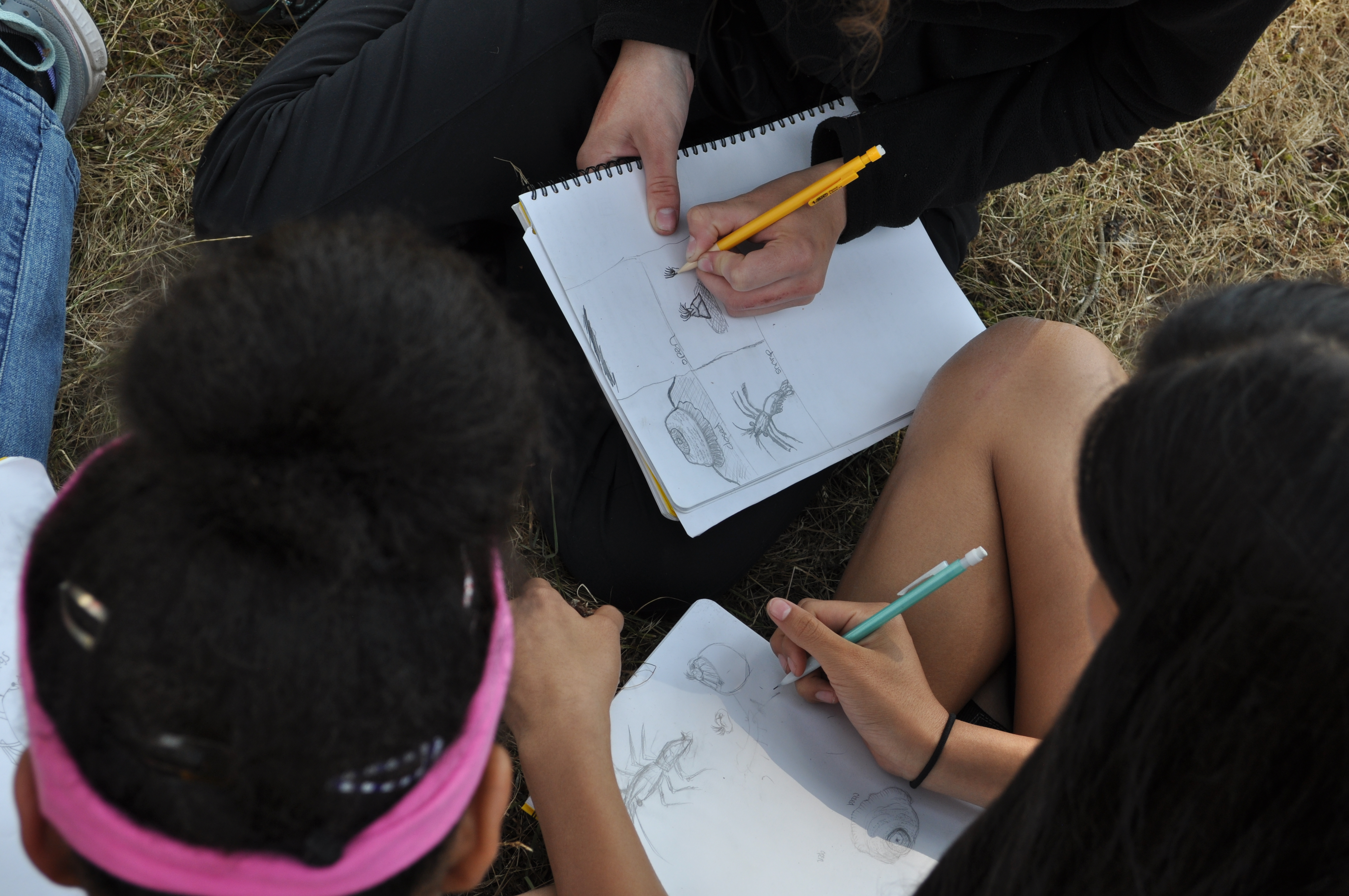
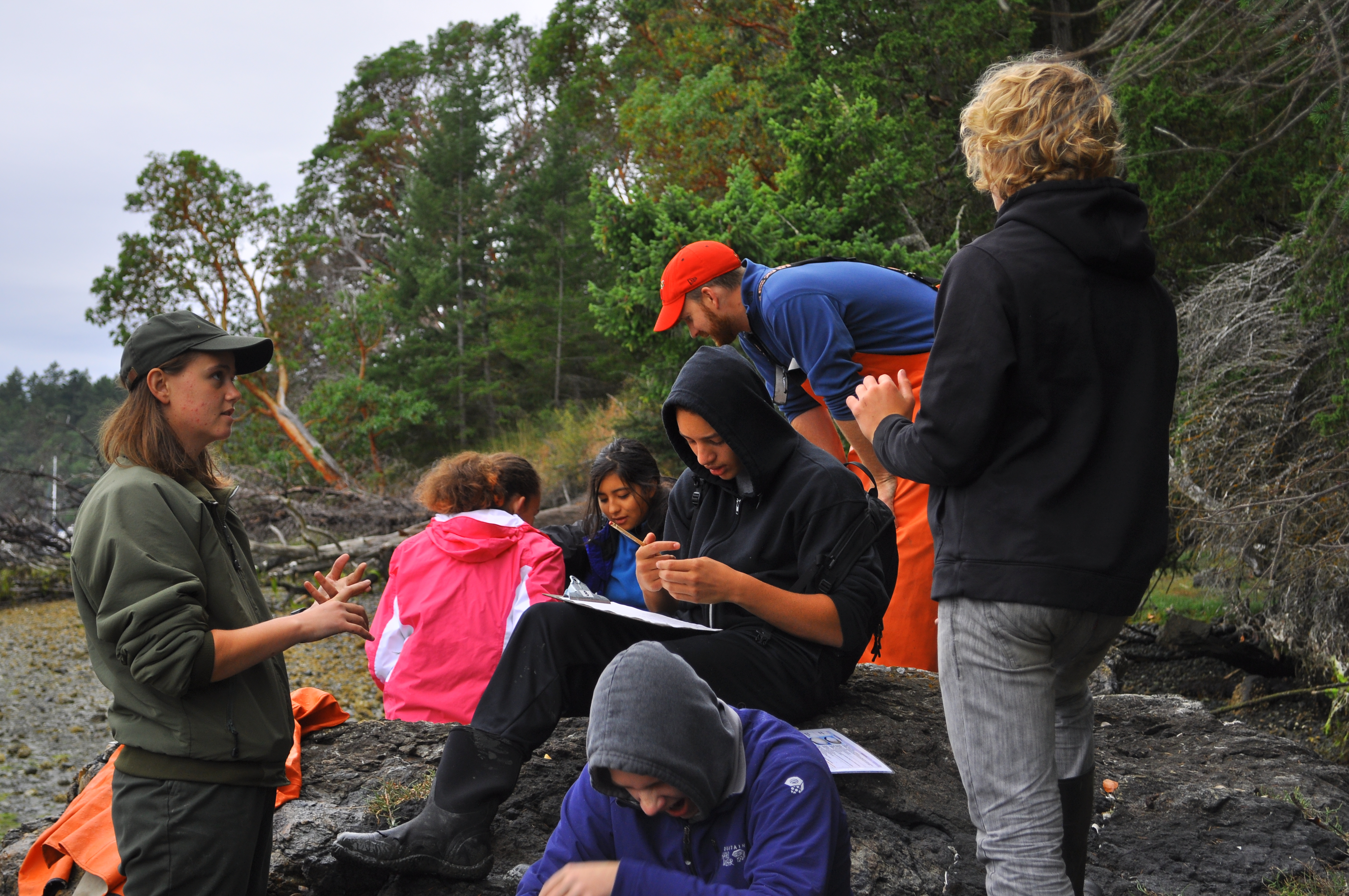
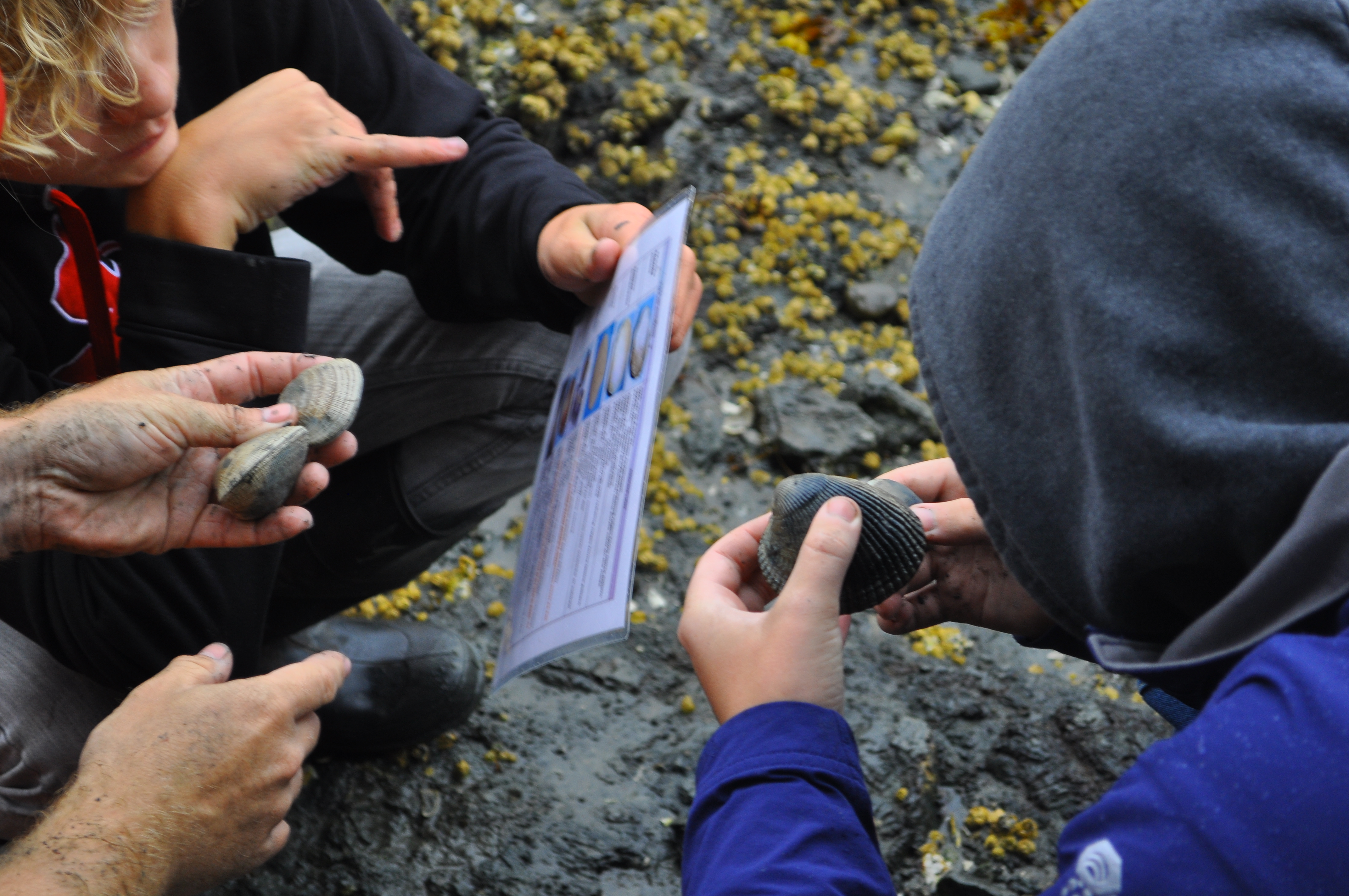
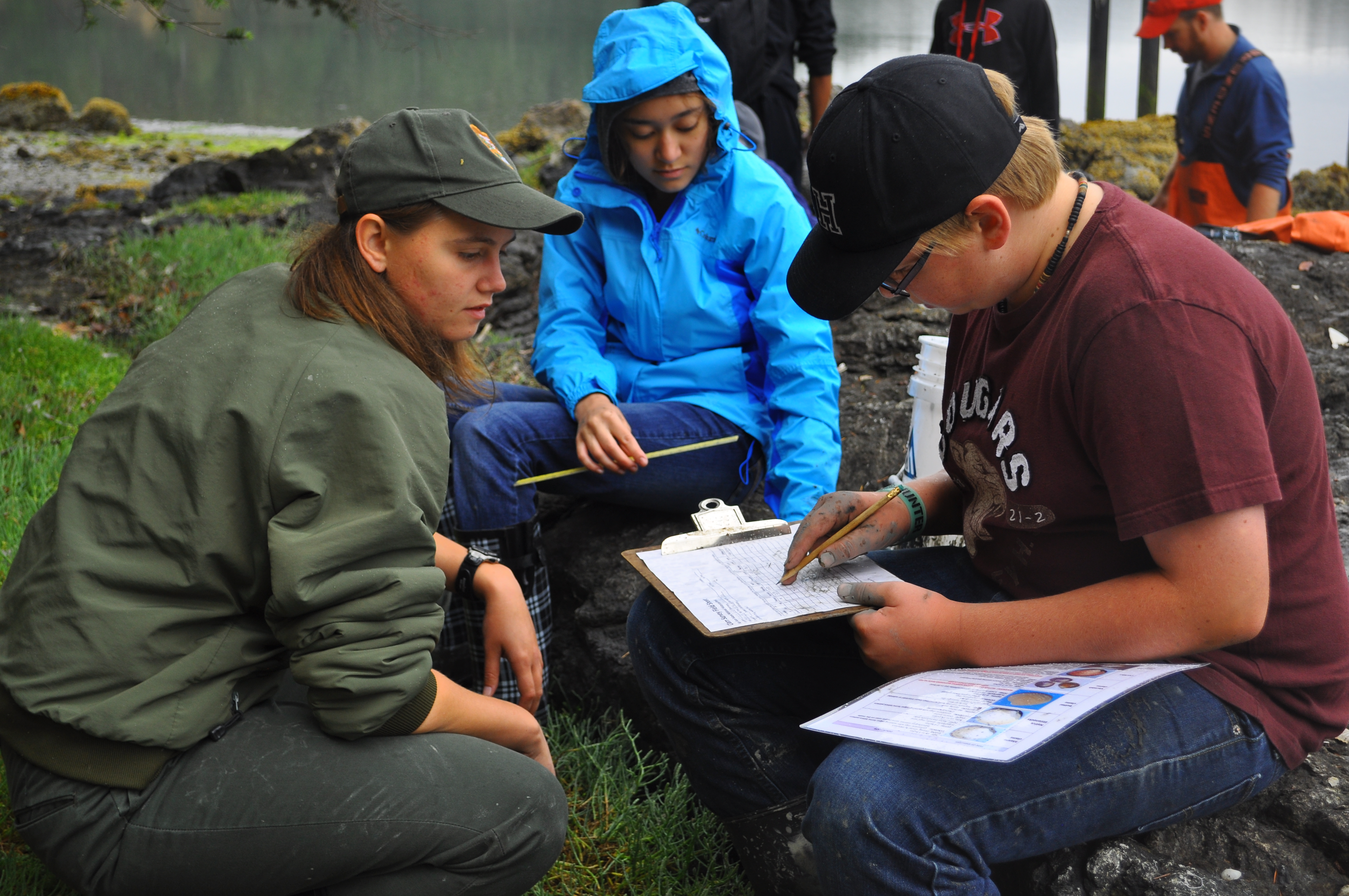
Today as a team we ventured out into the cold but beautiful weather so we could visit English Camp. Although it was early, we had lots of fun meeting Raena Parsons, ranger at the awesome San Juan Island National Historical Park. We not only learned how to dig up clams and identify them but also document them in a systematic and scientific way.  After getting dirty in mud, water and seaweed we came back to the dorm to relax from the early morning. After a good nap we took a hike with Alicia, an art and biology double major, to compare and observe patterns through scientific illustrations. As it got darker we settled down to play card games, listen to music and arrange dinner before our guests visit.  Alicia joined us for dinner and we also had the pleasure of meeting Hilary Hayford and Orissa Moulton, who are both graduate students. They gave us excellent and interesting presentations on their PhD research in the rocky intertidal zone.

DSC_0135 DSC_0137  DSC_0132 DSC_0106 DSC_0077 DSC_0068 DSC_0063 DSC_0038 DSC_0029 

DSC_0189

DSC_0238 DSC_0231 DSC_0242 DSC_0232 DSC_0251 DSC_0264 DSC_0300

DSC_0304 DSC_0316

Day 5: Population Surveys and Scientific Illustration

By: Will, Saymirah, and Lisa

DSC_0041 DSC_0018DSC_0007 DSC_0002DSC_0016 DSC_0002

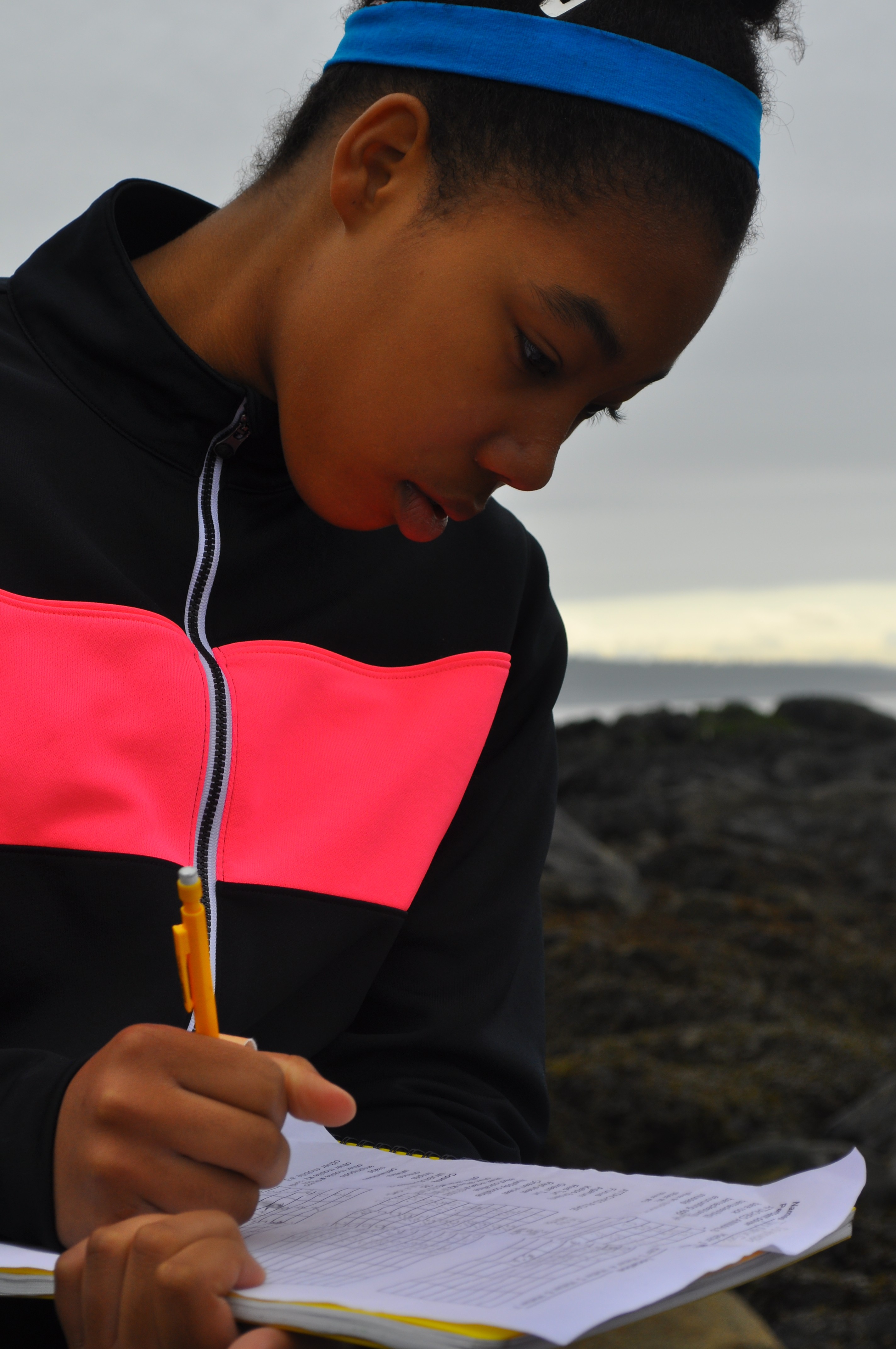
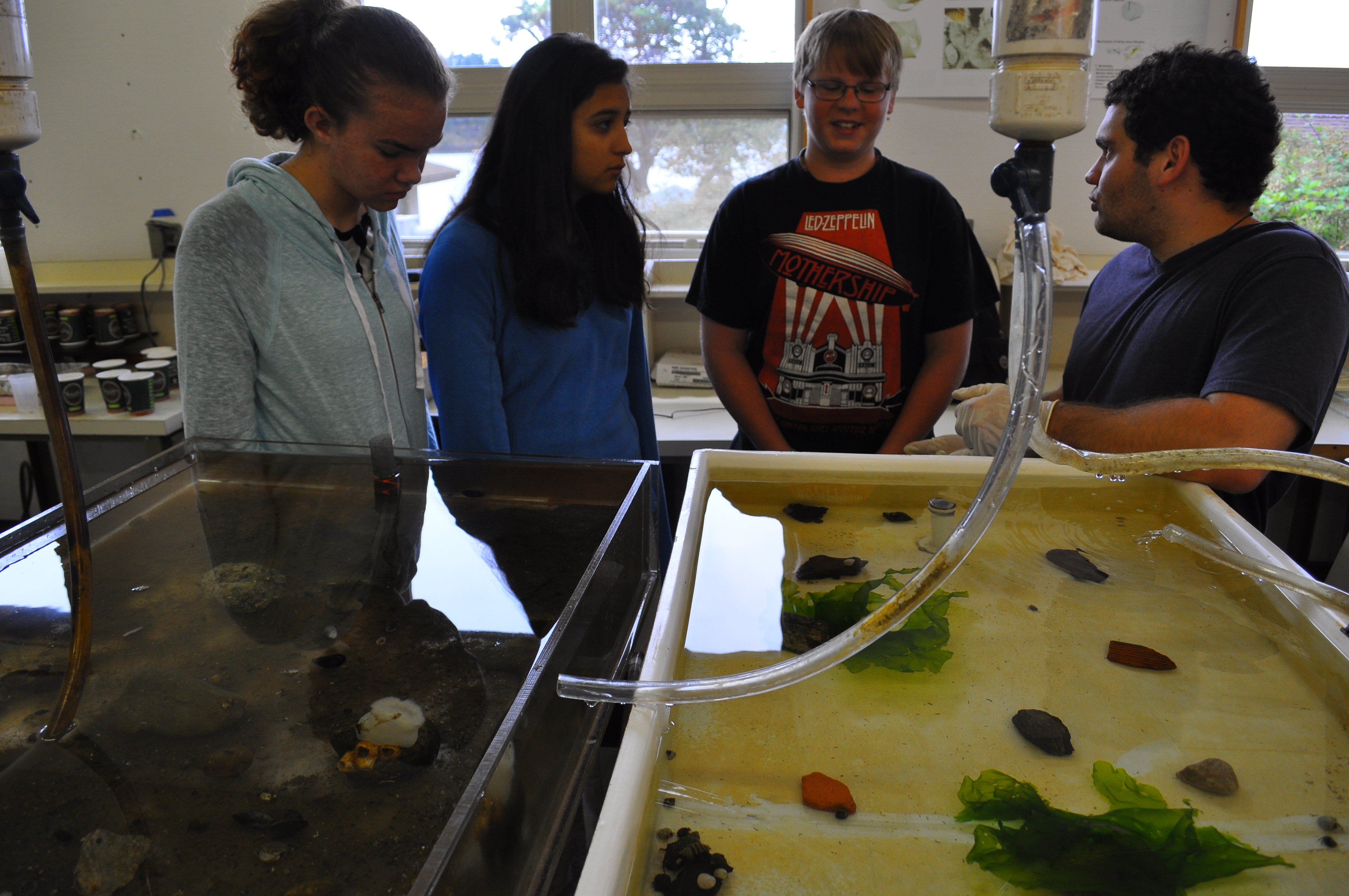
We began with an early start when we woke at 5:30 AM to travel to False Bay where we began our Lugworm Population Survey and Fecal Casting Measurements. We used quad-rats to isolate certain areas in which we counted worm holes and measured the width of fecal castings (poop) with a special tool called a caliper. Our dinner guest the night before, Professor Rachel Merz, stopped by to give us a lesson on Lugworm biology. We thought it was hard to stay focused in the strong winds and low temperatures that came upon us. After that we headed back to the dorm for a proper breakfast that satisfied our stomachs. We also played games and rested from the long morning that we had. After lunch we celebrated Tyra’s 15th Birthday with cake and ice cream, which of course was fun! Tim taught us how to make graphs of the data that we collected. We met with Alicia again at the Friday Harbor Labs to illustrate details and differences in our marine specimens. Raena Parsons and Sean Robertson joined us for dinner where they talked about their careers with National and State Parks.
 

DSC_0061 DSC_0055DSC_0054 DSC_0060 DSC_0062

Day 4: Biomechanics, Materials Testing and Scientific Communication

By: Julie, Matt and Marcus

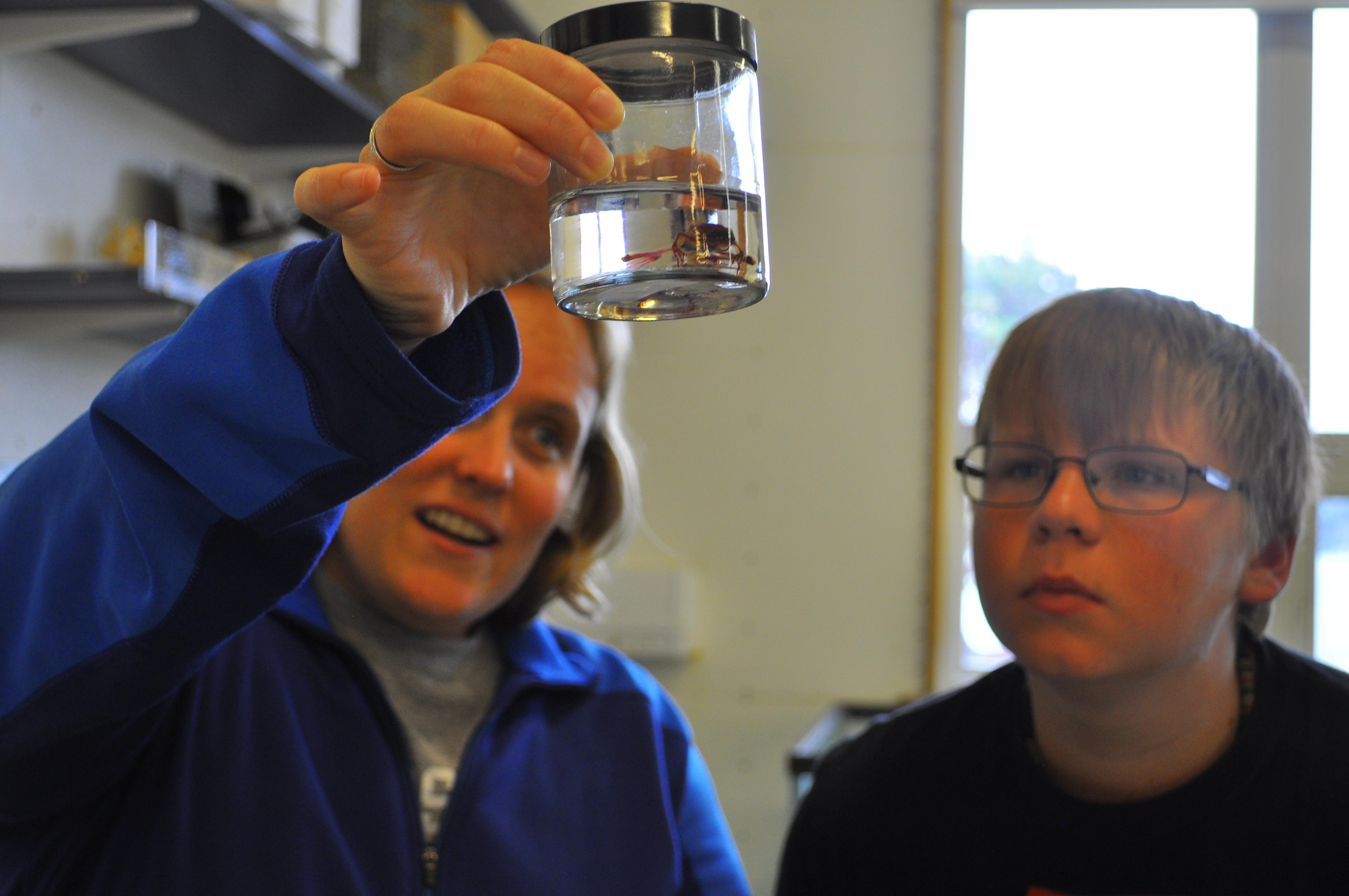
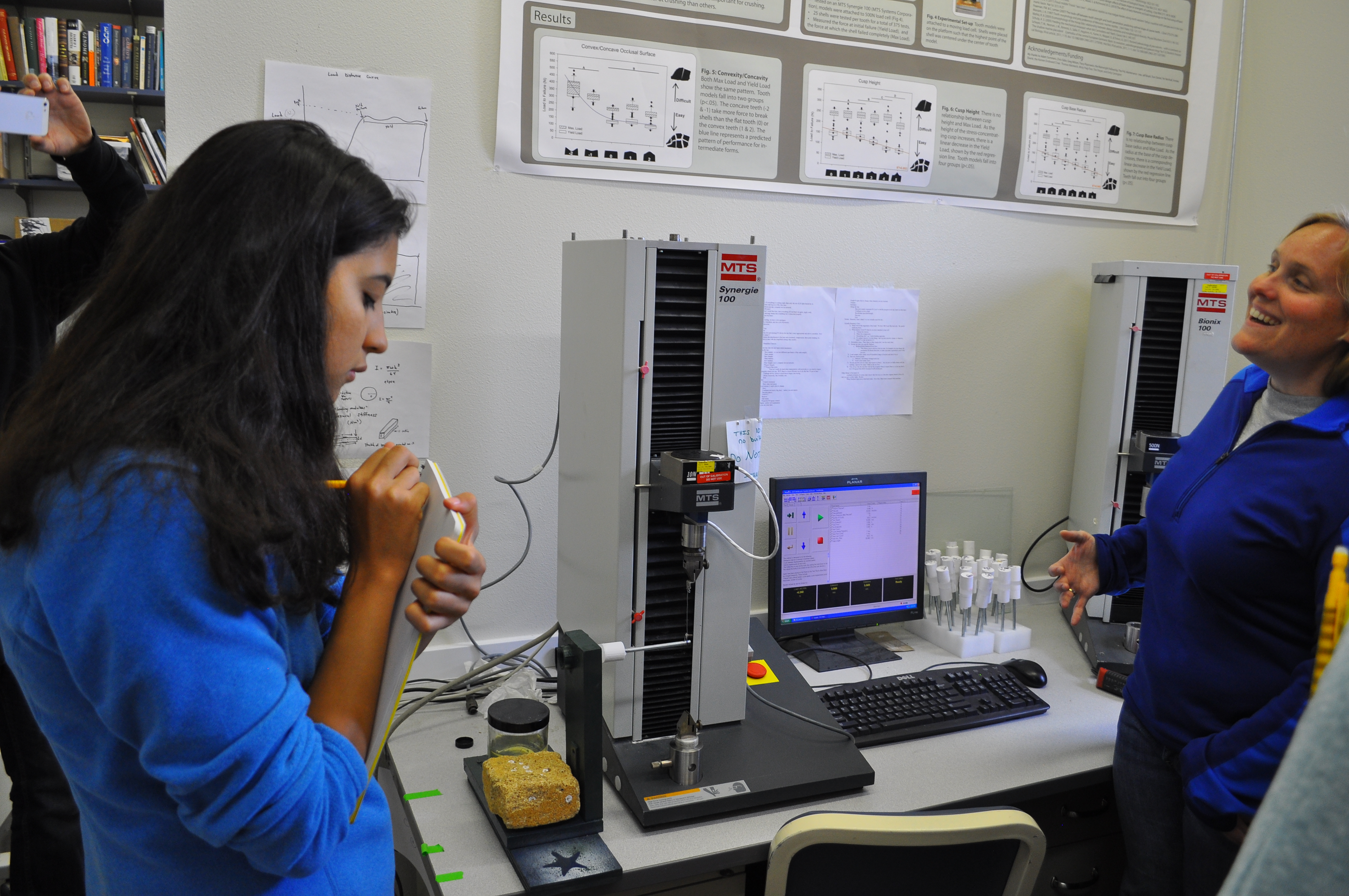
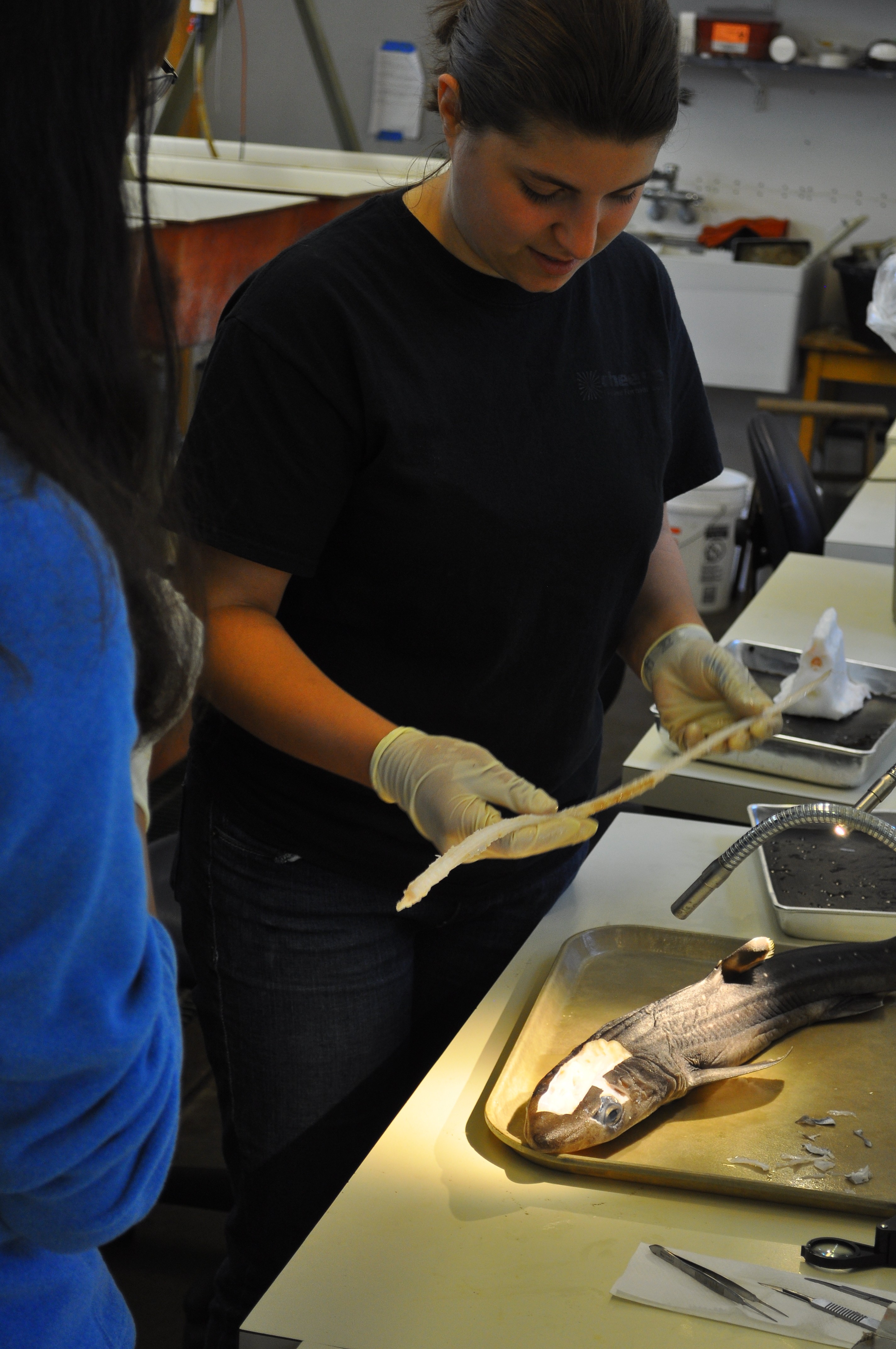
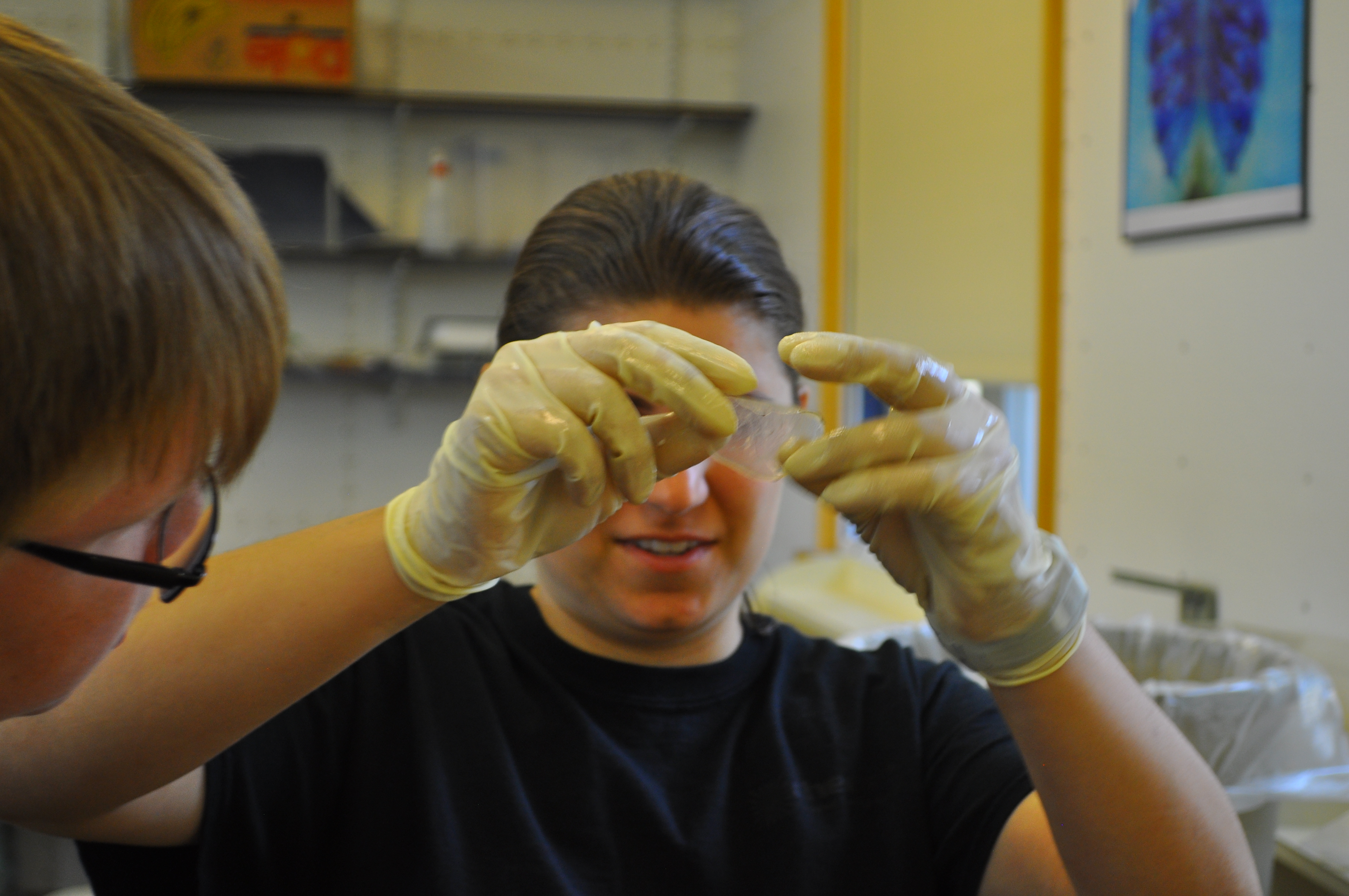
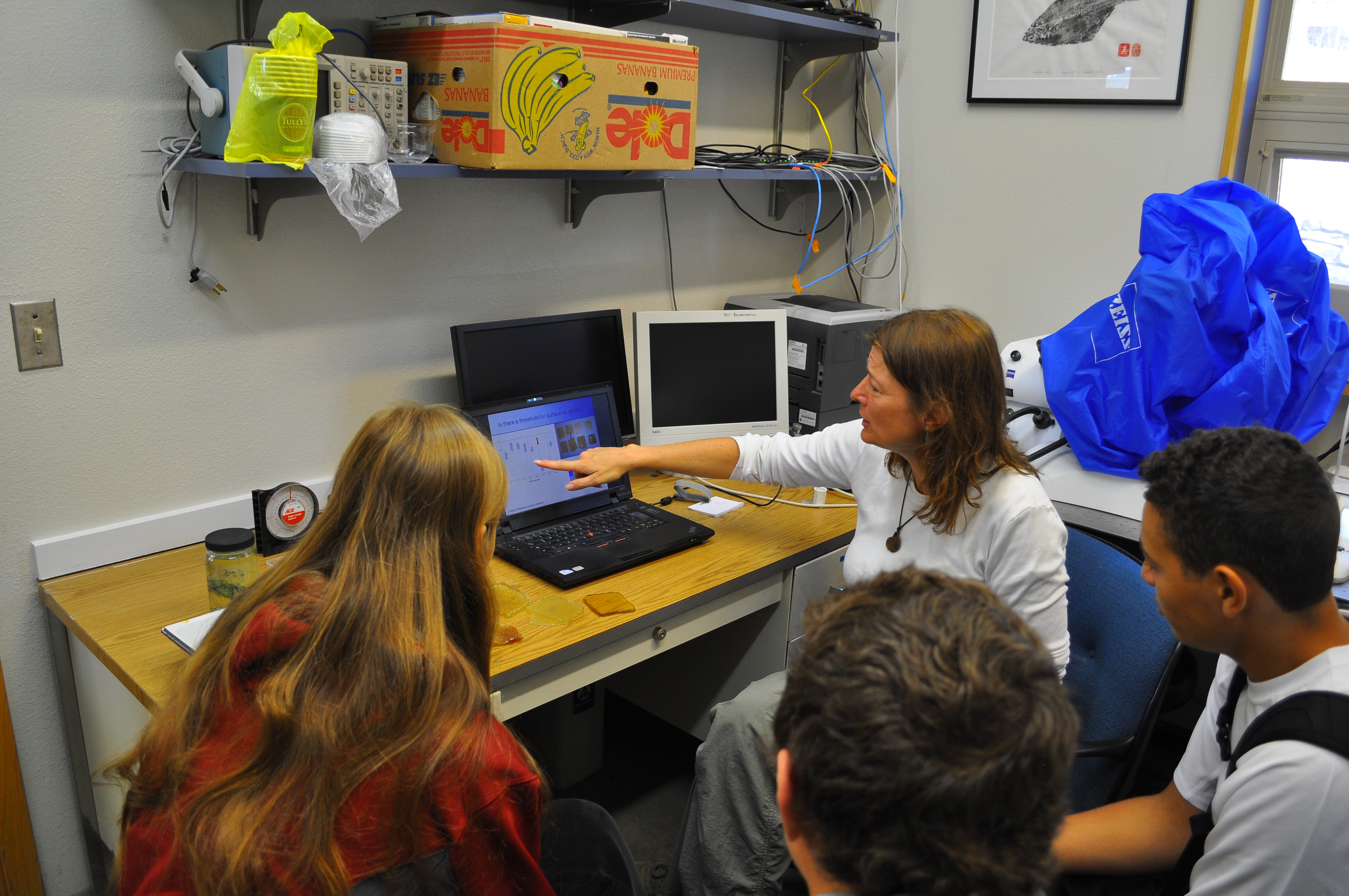
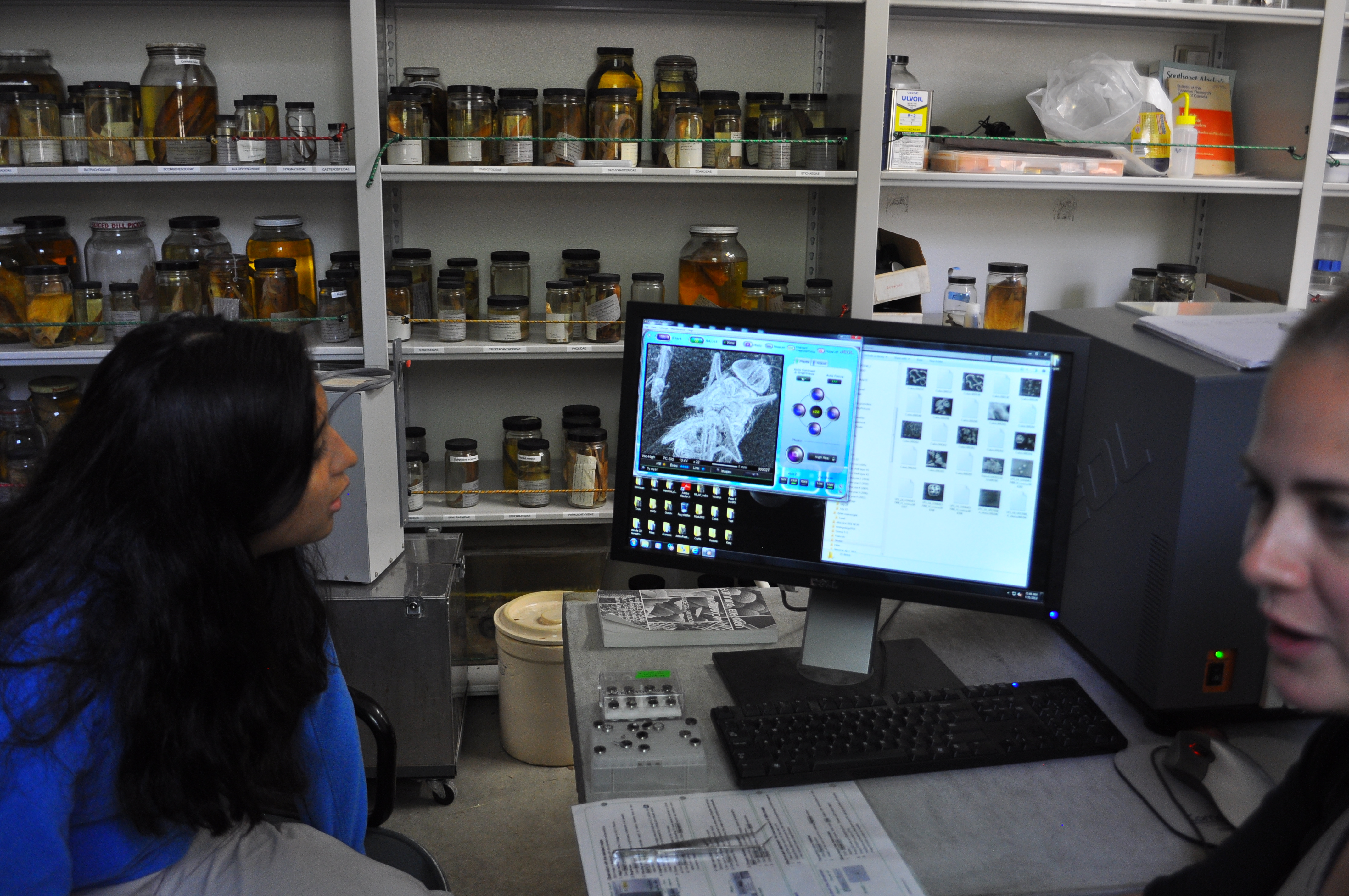
We started the day at The Friday Harbor Laboratories working with different scientists in Professor Adam Summers’ research group. With Dr. Marianne Porter we learned about cartilaginous fish and observed an MTS (Materials Testing System) at work. Dr. Thomas Kleinteich explained the 3D printer that he works with and how the 3D computer images are created with a CT scanner. With Cassandra Donatelli we dissected and explored the body of a dogfish shark using surgical tools. Dr. Petra Ditsche-Kuru described her work with clingfish attachment strength and what she plans to do in her future work. Stephanie Crofts helped us view a housefly and pieces of shell with the use of a Scanning Electron Microscope. Finally, David Shapiro displayed his work on hermit crabs’ selection and preference of different shells. For sharing their amazing work with us, we shared a lunch of pizza with them.


DSC_0006 DSC_0020DSC_0009 DSC_0023 DSC_0031 DSC_0037

DSC_0050 DSC_0058

DSC_0059 DSC_0066

After returning to the house, we had two hours of free time before going back to The Labs for the 4:00 Wednesday seminar. The first talk; A glimpse into the life of echinoderm larvae exposed to intense salinity fluctuations, was given by Professor Sophie George. It was an interesting talk on the effects of salinity fluctuation on Pisaster starfish during the larvae and juvenile stages of their life. The second talk; Marine invaders and aquaculture: sources impacts and consequences, was given by Professor Dianna Padilla. Twas a thought-provoking discussion that addressed the consequences of aquaculture organisms spreading and becoming invasive and destructive to native creatures.

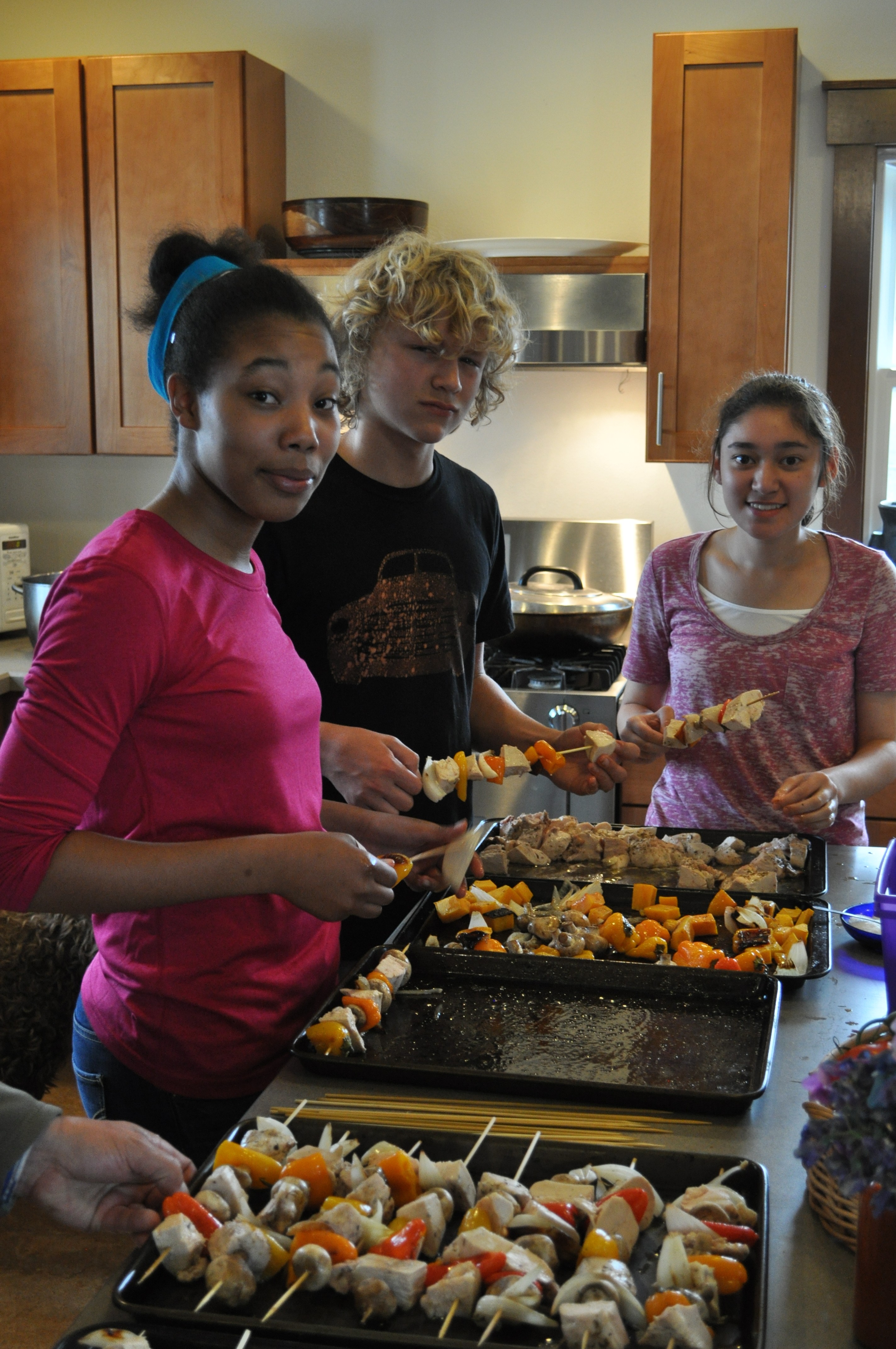
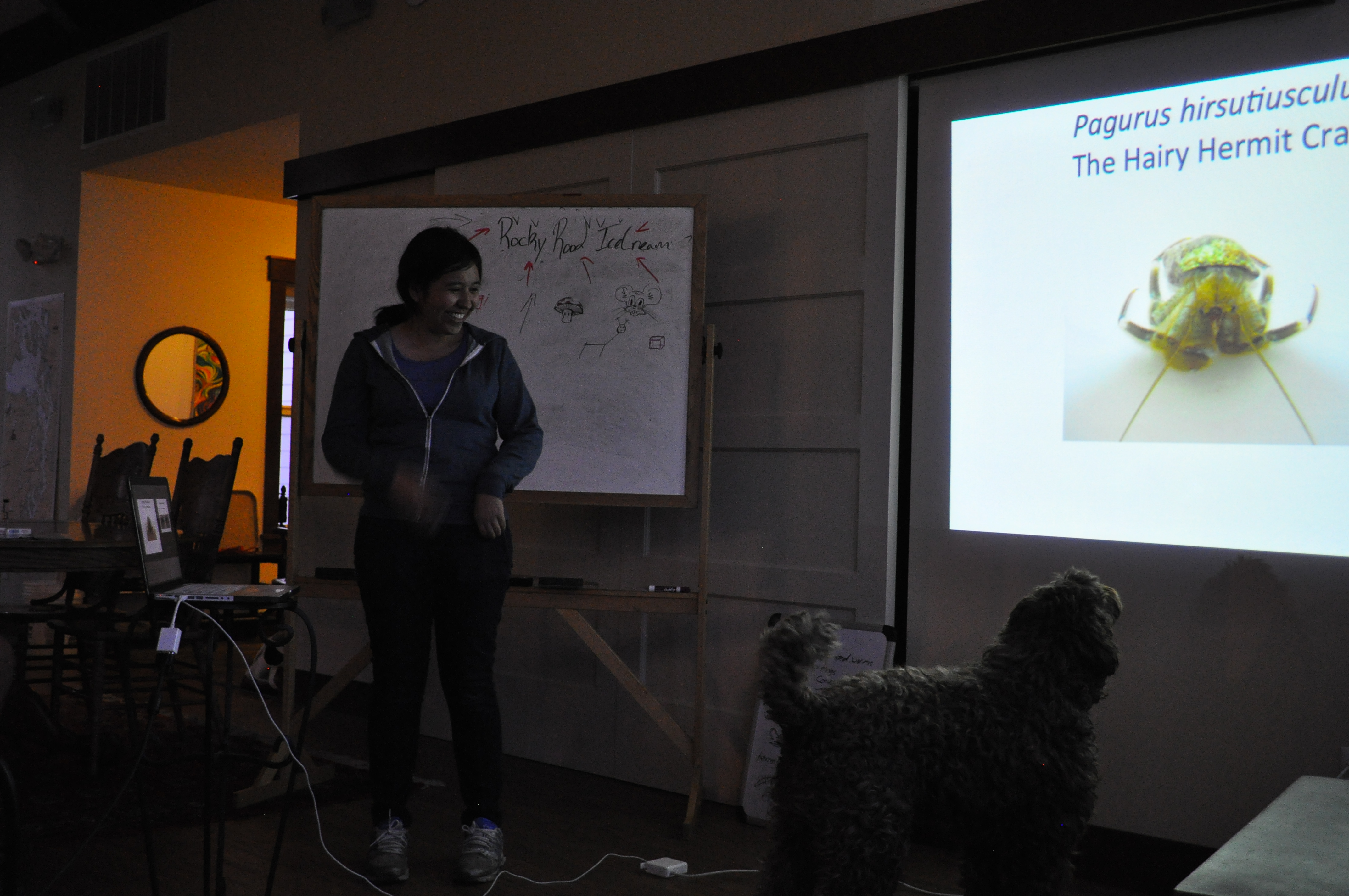
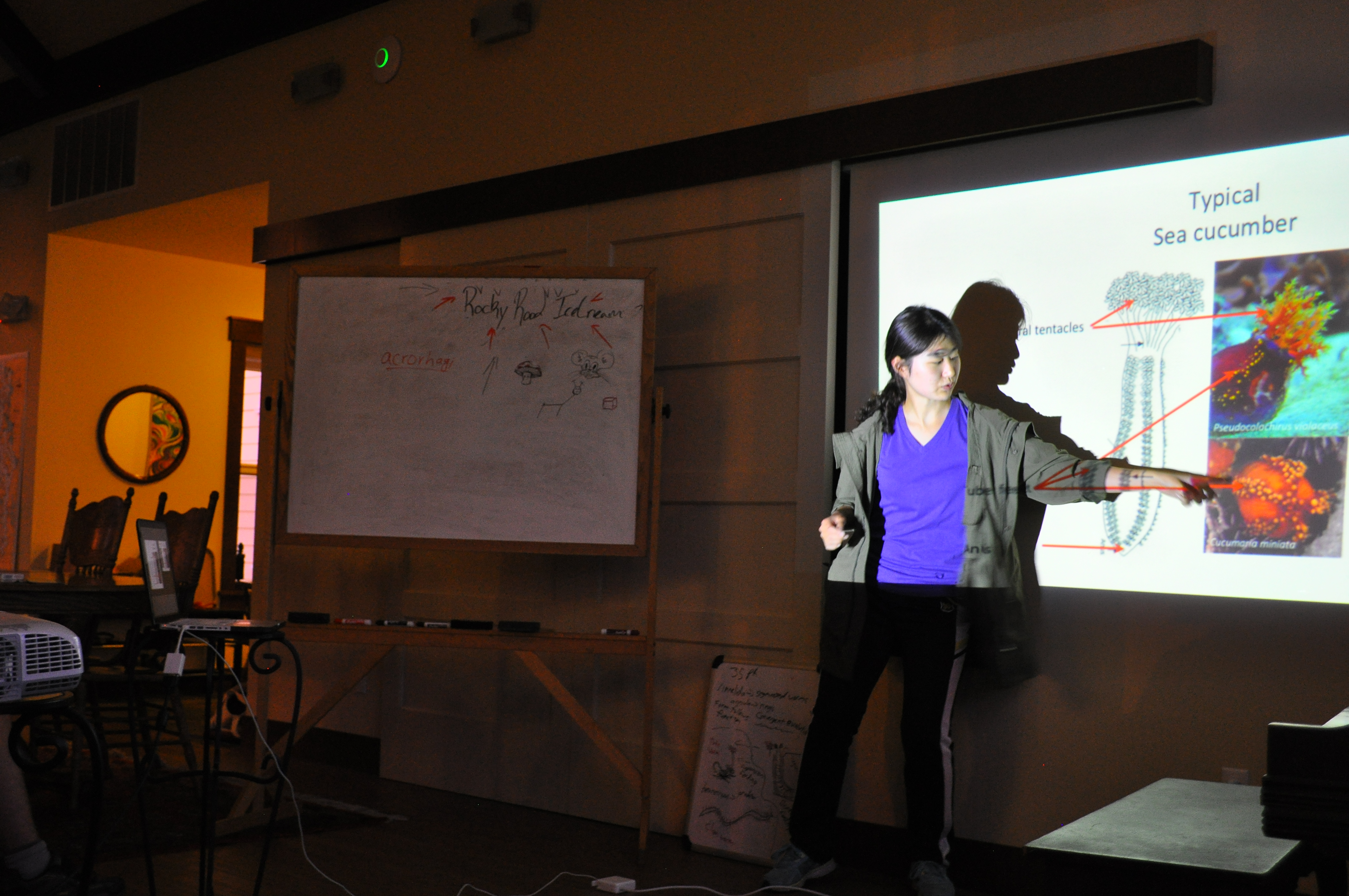
At dinner tonight we had Professor Rachel Merz, as well as her students Mark Levine-Weinberg, Samantha Chavez, and Leah Lee over for Shish Kabob. Desserts were accompanied by presentations of the students’ summer projects, which will be presented to The Friday Harbor Labs community next week. Mark showed us his work with fighting sea anemones and told us about his frequent travels to Cattle Point to collect new specimens. Samantha Chavez presented her studies on Hairy Hermit crabs and their habit of abandoning their shell when picked up. Lastly, Leah Lee shared her investigations of burrowing sea cucumbers, which make tunnels in soft sediment. Now off to bed and up early to catch the tide!


DSC_0072 DSC_0078DSC_0081 DSC_0087

DSC_0091 DSC_0096