Day 11: Stinky, Slimy, Slippery

By: Avery, Aiden, Elle, and Chloe H

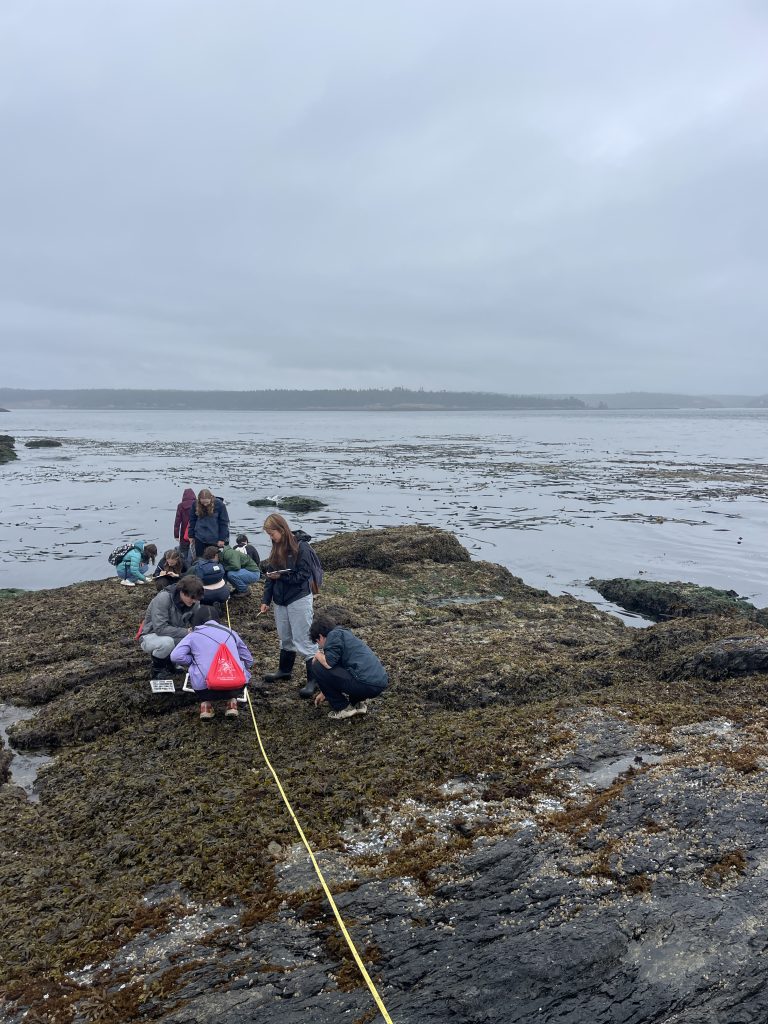
Our day started with a van ride to Cattle Point to conduct algae surveys on the behalf of Dr. Katy Dobkowski. Working in groups of 4, we trekked across beds of seaweeds and clamored over algae covered rocks. Our groups were hard at work cataloging the density of different species of algae. All the data will add to an important data base, and aid Dr. Dobkowski in her research.
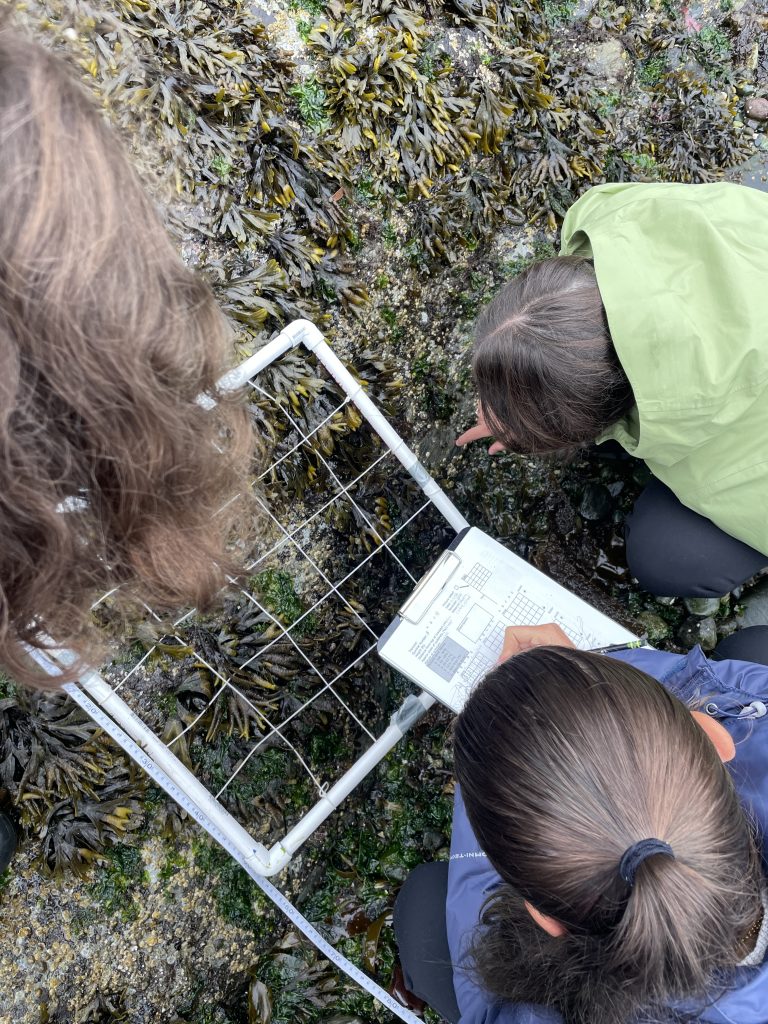
Algae population survey; Photo credits: Avery
Conducting population surveys along a transect line; Photo credits: Avery

We all enjoyed the views and abundance of organisms at Cattle Point.
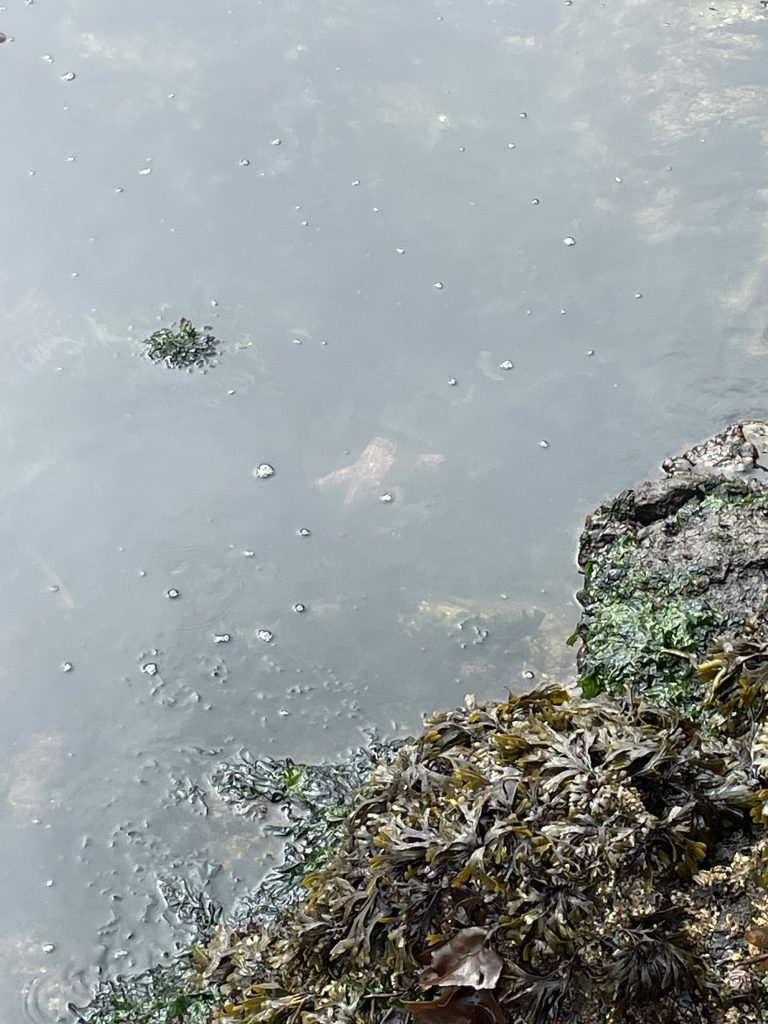
A huge sea star concealed beneath seaweed at Cattle Point; Photo credits: Avery

After gathering data on the different species of algae, we headed back to the dorm for our long anticipated debate. We were split into pro and con groups for each of the two topics: Island Marble Butterfly conservation, and the implementation of OPALCO’s pilot tidal energy project. After a stressful ten minutes of last minute preparation, impassioned debaters argued their side. The pro side won for the Island Marble Butterflies, while the con side won for OPALCO’s tidal project.
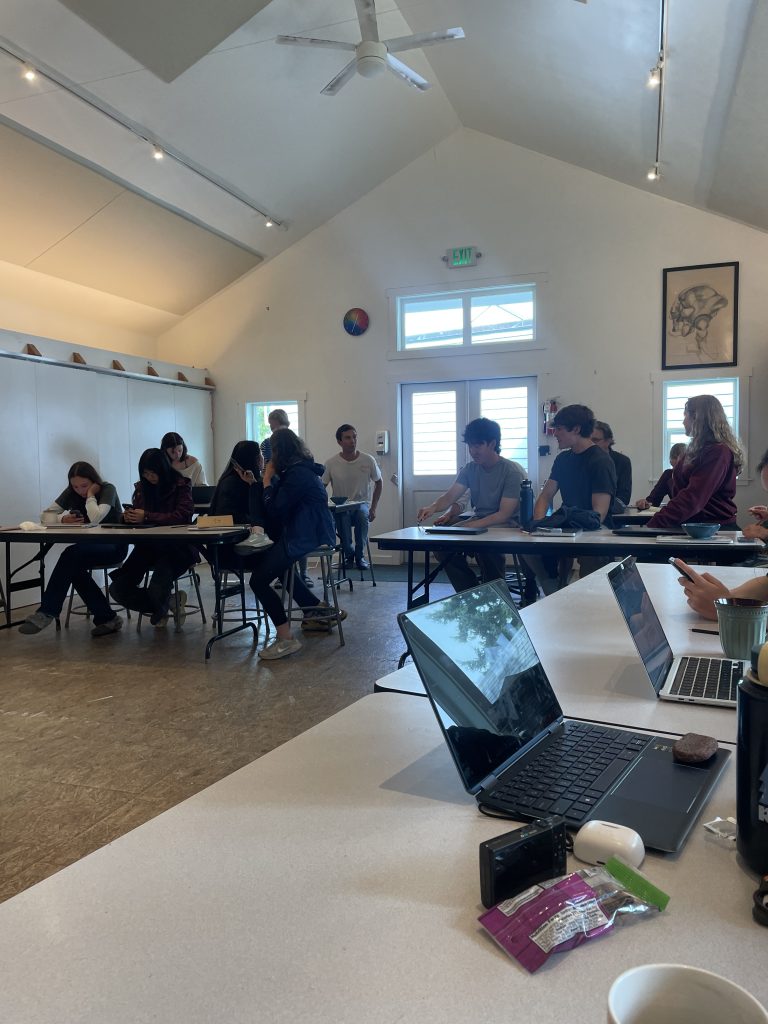
Teams waiting to debate; Photo credits: Avery

After a quick lunch of leftovers, we hurried back into the vans and drove to False Bay. When we got there, we were introduced to Beth Tate, a Washington Department of Fish and Wildlife employee. At False Bay, we learned about the invasive fish, the Northern Pike, and sustainable ways to preserve and restore salmon spawning locations, as well as the complexities of renewable energy sources.
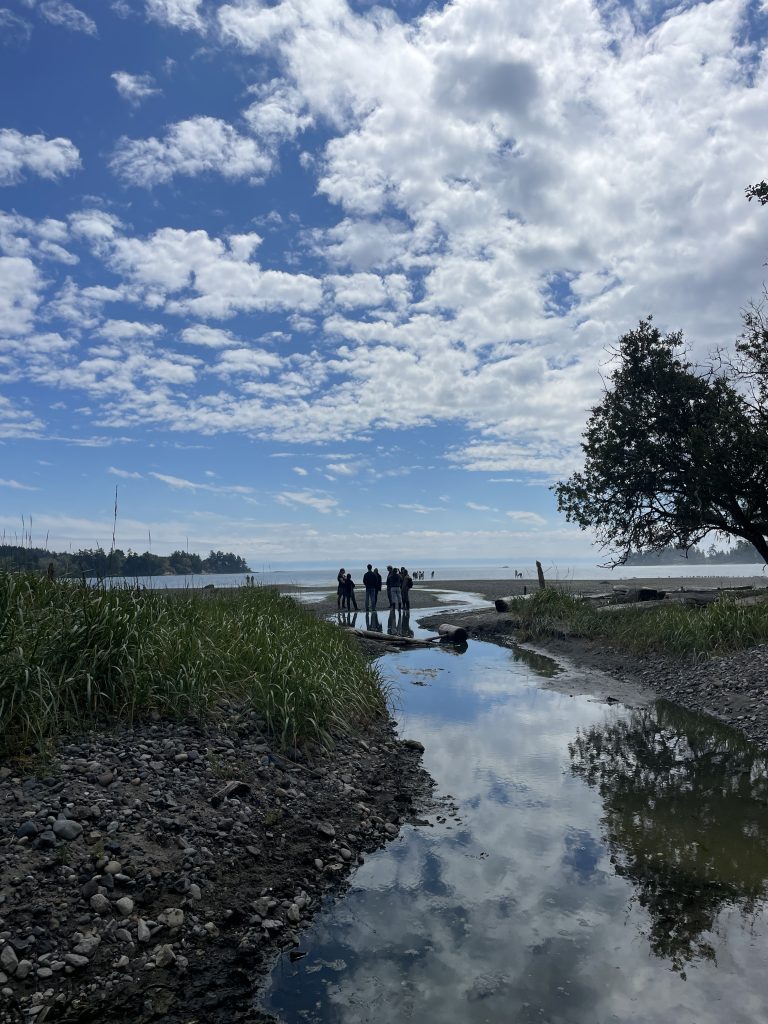
View of the freshwater creek running into False Bay; Photo credits: Avery

We explored the beach, which was littered with stinky algae, for around an hour, before piling back into the vans and heading back to the dorms for some project work time.
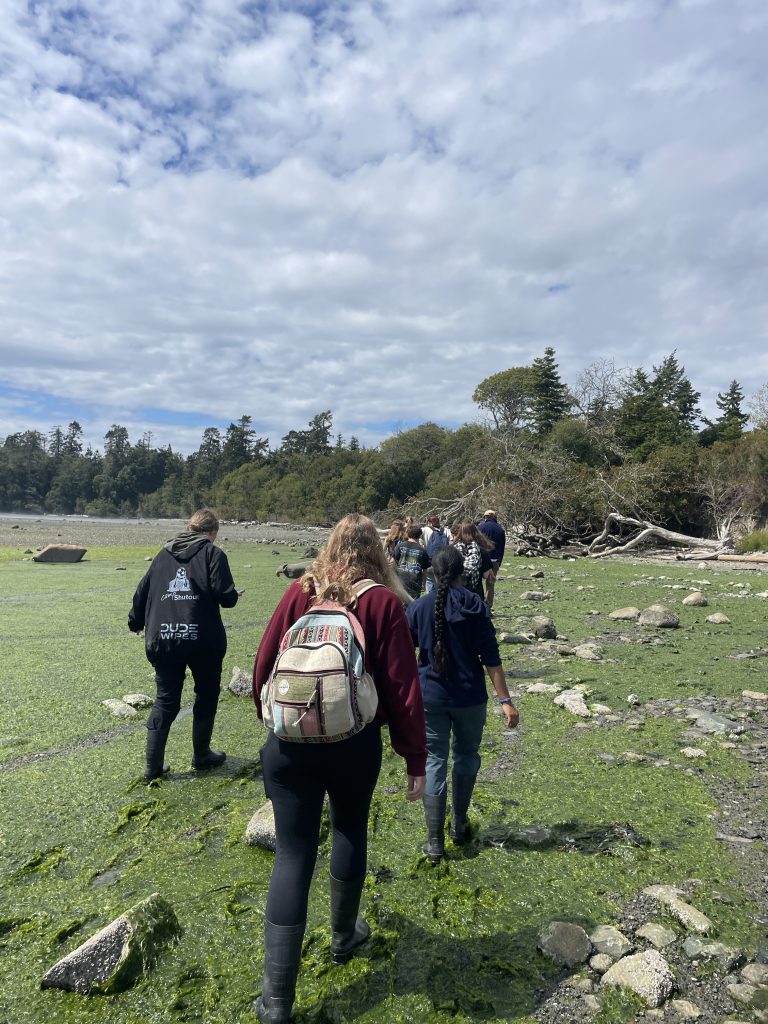
Trudging through the stinky, slimy, slippery algae at False Bay; Photo credits: Avery

Tonight we are having Aisha Rashid, a member of the SeaDoc Society over as our dinner guest, and then heading back out for a final night of karaoke!
Day 10: Farming and REU with a Side of Crabs

By: Shristi, Kendall, Kaiya, Dylan

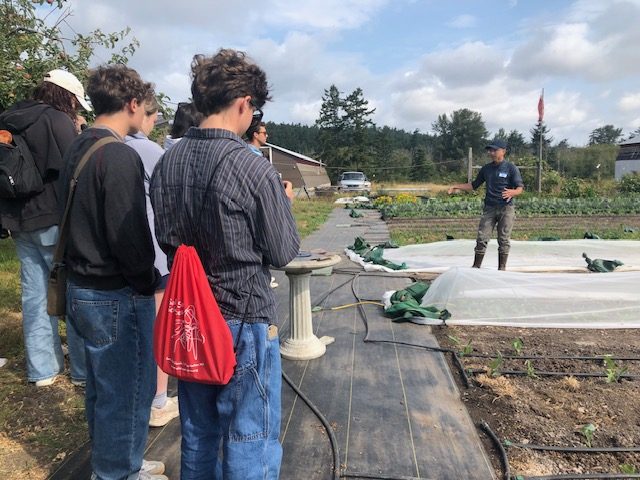
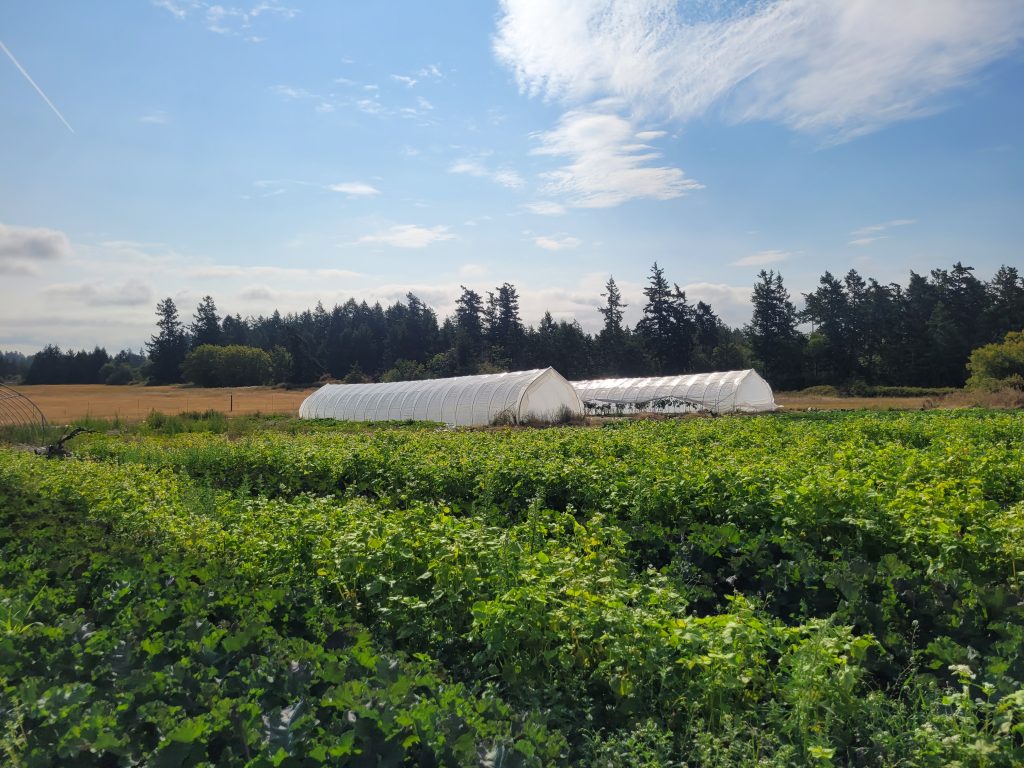
After an early breakfast, we piled into the vans with our lunch boxes packed for our busy day ahead! Our first stop, New Hannah Farm, where the lead farmer Zach Chan gave us a tour, while explaining the sustainable farming practices he uses!

Zach explaining the irrigation system – Photo Credit: Shristi

Zach taught us all about how different it is to work on a small-scale farm compared to the usual farming practices throughout the country that prioritize big yields in a small amount of time. He also showcased some of his impressive projects on the farm, including the upcoming greenhouse-on-wheels he is working on that will be super beneficial in the future!

Greenhouses at New Hannah Farms – Photo Credit: Kendall

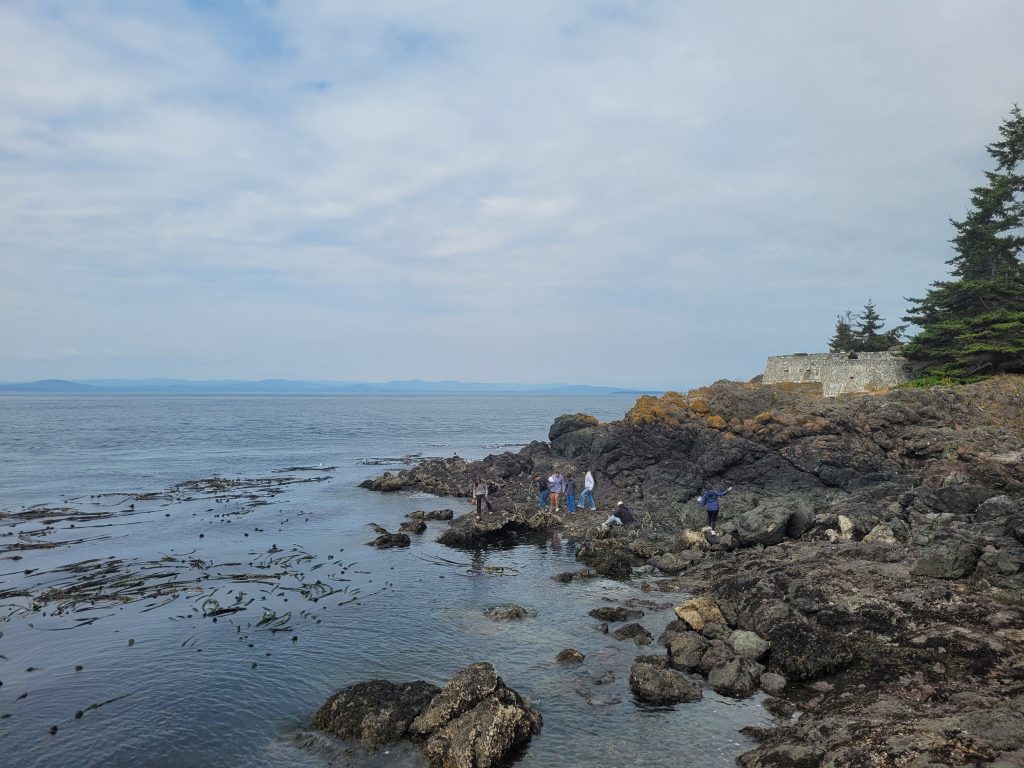
After the farm, we headed for Lime Kiln Preserve for lunch, where many people purchased hotdogs at the small snack shack, the Blow Hole, and hung out by the tide pools after lunch!

Lime Kiln Tide Poolers! Photo Credit: Kendall

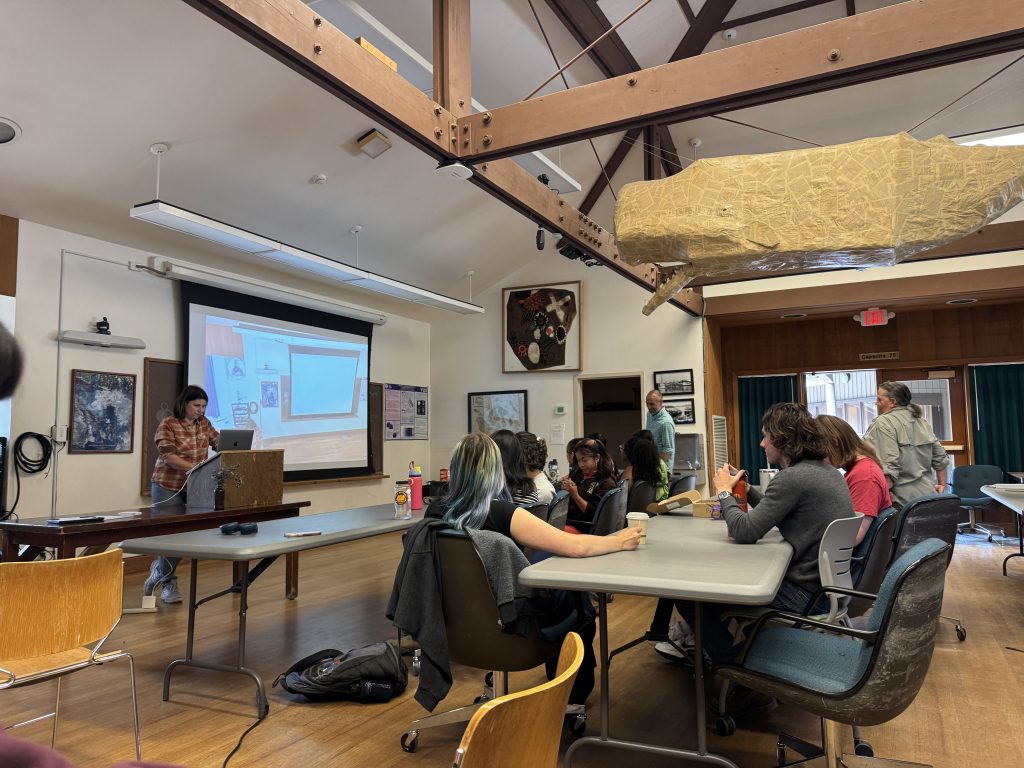
From Lime Kiln we went to the Friday Harbor Labs where we listened to some REU (Research Experience for Undergraduates) presentations. The presentations talked about their research, some of which covered sea urchin movement in relation to patterns and brain functioning, as well as exploring the role of water temperature in the development of sea stars and sea urchins.

REU Presentations – Photo Credit: Kaiya

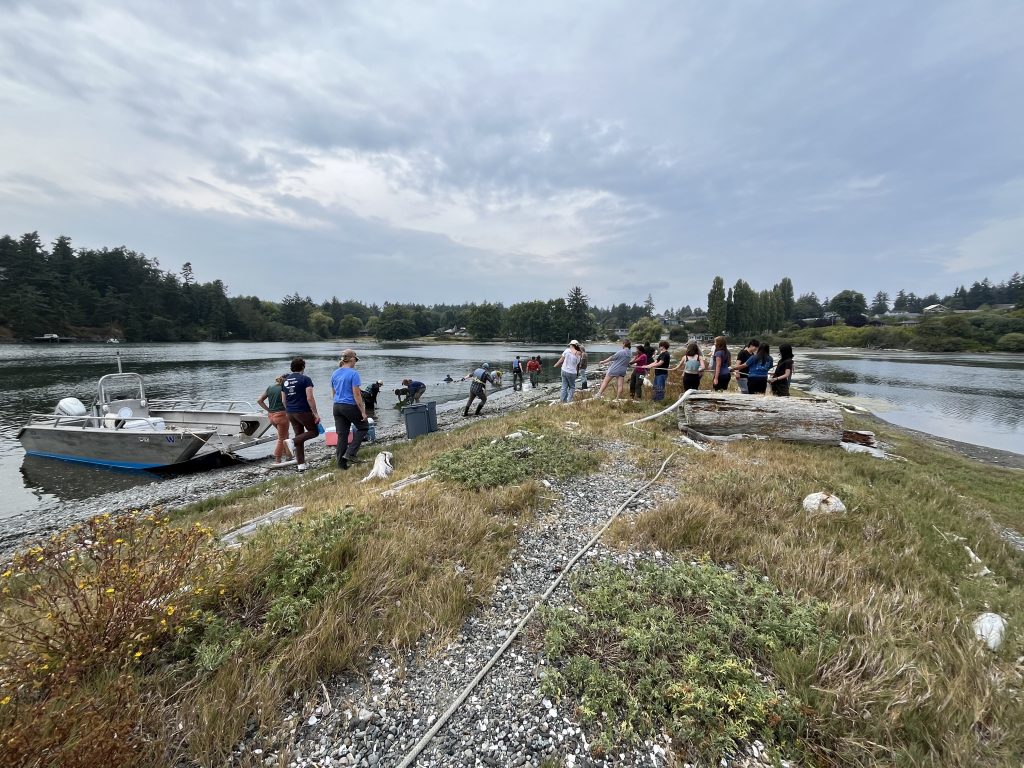
After the presentations we headed to Jacksons beach and performed crab molt surveys lead by Jess and Katherine from the Friends of San Juan. Before we started the surveys we got sidetracked on a mission to held some people from the Friday Harbor Labs pull up a net! It was really deep in the water and their small crew was super grateful for our help. We even shared some popsicles after pulling up the net!

Tug-O-War With a Net – Photo Credit: Dylan

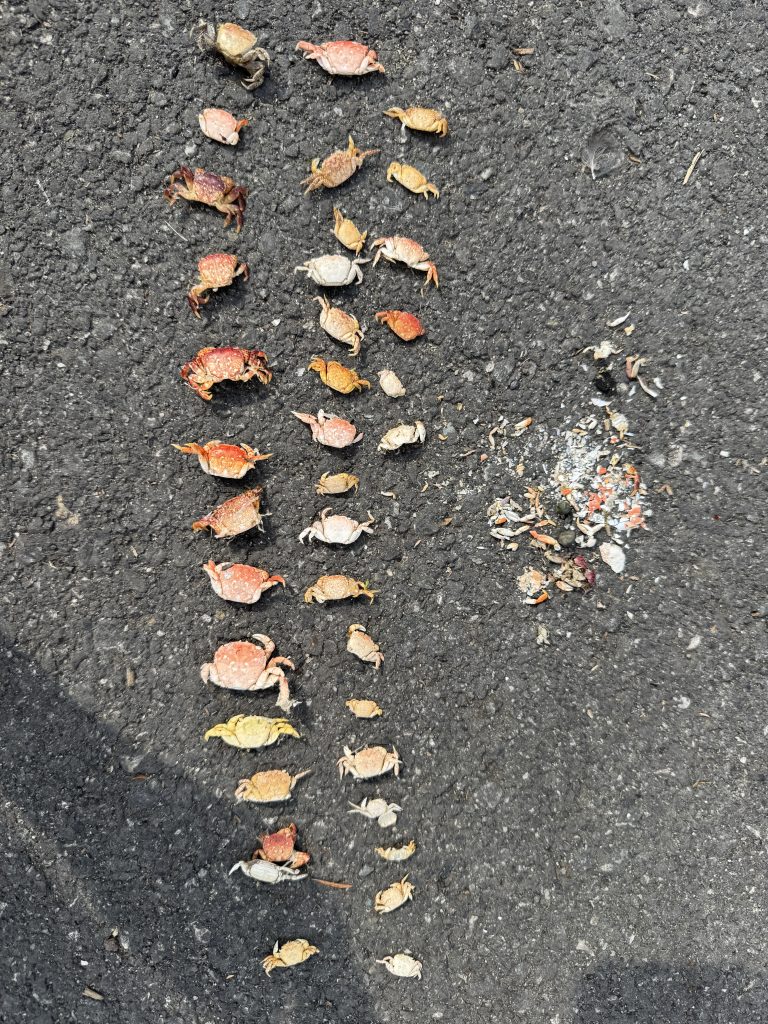
Then we continued on with the crab surveys, recording our findings of any European Green Crabs and Dungeness Crabs. European Green Crabs are invasive in the San Juan Islands, so our goal was to collect any of the crab molts we could find and identify them all. Thankfully, we didn’t find any European Greens!

Line Up of Crab Carapaces – Photo Credit: Kaiya

To end off our day, we’re looking forward to a chill evening without a dinner guest. We are going to relax and enjoy our pizza dinner!