We Miss You Clarissa!

Blog for 7-16-18

By: Ela, Zoe

Today we woke up at the abnormally late time of 7:45 with little knowledge of the long day ahead.  After breakfast, Caroline came to talk to us about the longboat trip.  We reflected on some questions that she asked us for about thirty minutes. And even though the longboat trip was only six days ago, it feels like an eternity, because our days are so jam packed with science.

We went up to the lab to analyze the eelgrass scans we had made with Morgan the previous day.  It was tedious work, but very rewarding, we ended up with an extensive set of data.  With all fifteen of us, we made speedy work of measuring the eelgrass and finding the area of the diseased lesions.
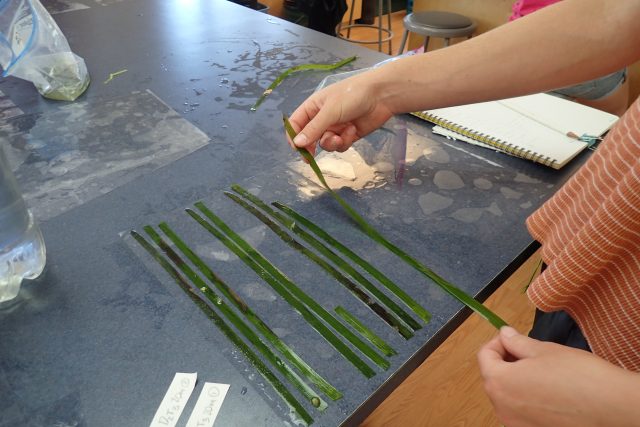
Laying out eelgrass to scan

Lunch was a nice break from the eelgrass state of mind before going back up to the lab to make scans.  We worked on separating the leaves from the eelgrass plants and laying them out on transparency sheets. After three hours, we prepared an early pack- dinner for the evening canoe venture.
 

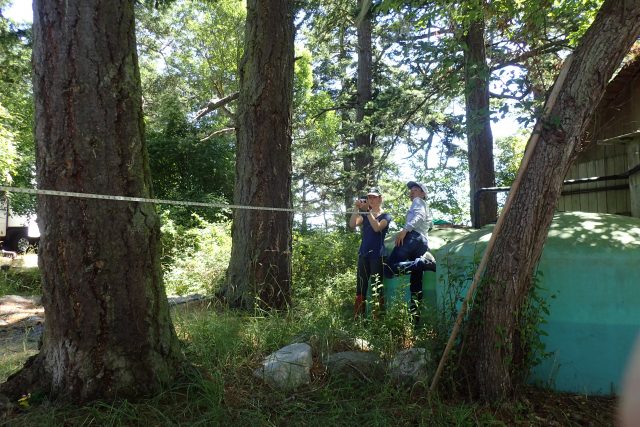
Unfortunately, before we left, we had to say goodbye to our lovely group member and friend, Clarissa. Clarissa left for a wedding in California and it already feels different without her. Saying goodbye to her was the most difficult part of the day. We hope that she has a great time in California and knows how much we miss her!
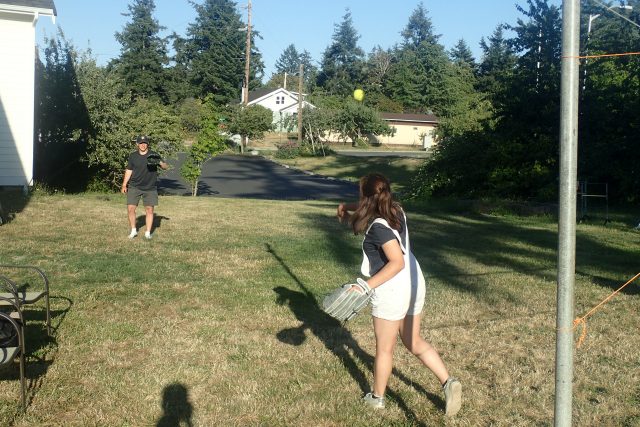
Clarissa the Softball master

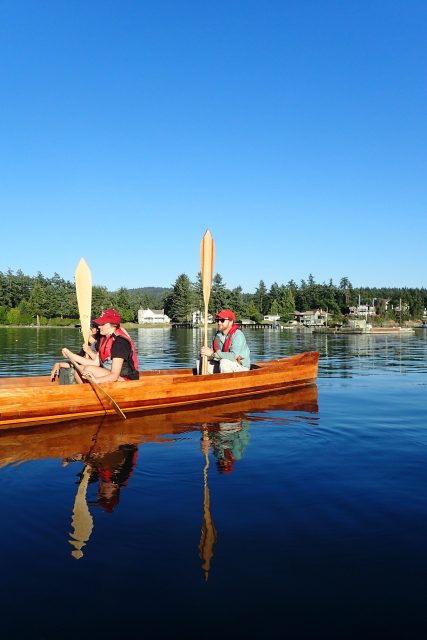
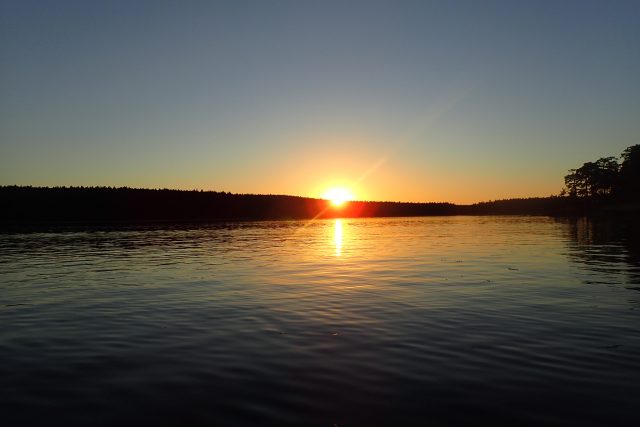
We went to Westcott Bay to paddle and learn about the history of Native American and Hawaiian voyaging canoes. Being out on the water in the evening was a serene and peaceful experience. It was very quiet too, the only thing disrupting the silence was the sound of our voices singing to keep our paddling rhythm.  Once we reached our destination, we tied up to a dock, and some of us went swimming. It was refreshing and cold!
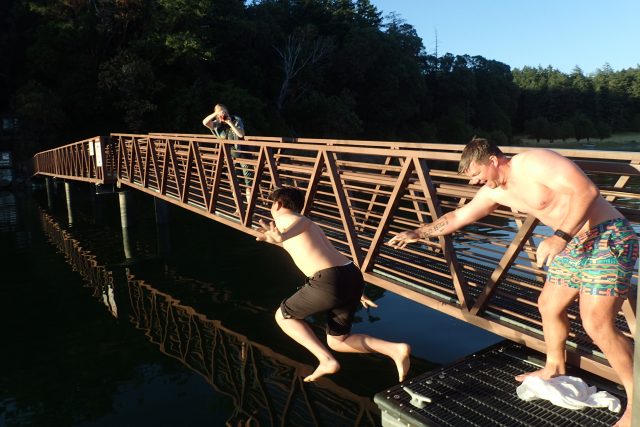
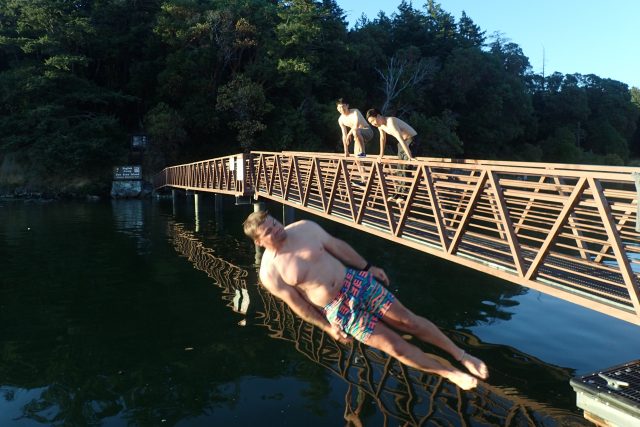
We came back exhausted at 9:30 after canoeing for two and a half hours. We were all ready for bed.
Digging into History

By Ela, Kaylee, Kenneth, and Zoe

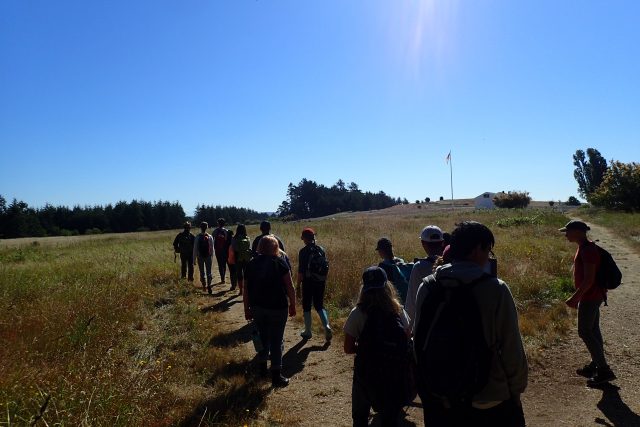
Trying to get back into the swing of things, we woke up at 7:00, which is much too early for most of us. We started the day off by going to American Camp, on the South part of the island, where we learned about the archaeology that they are working on in preparation for the new buildings.

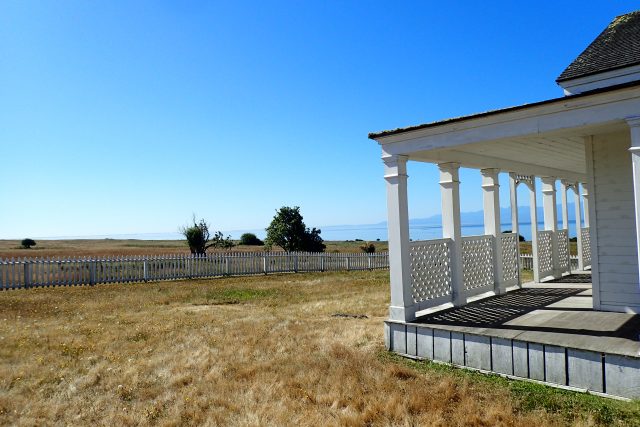
View from American Camp

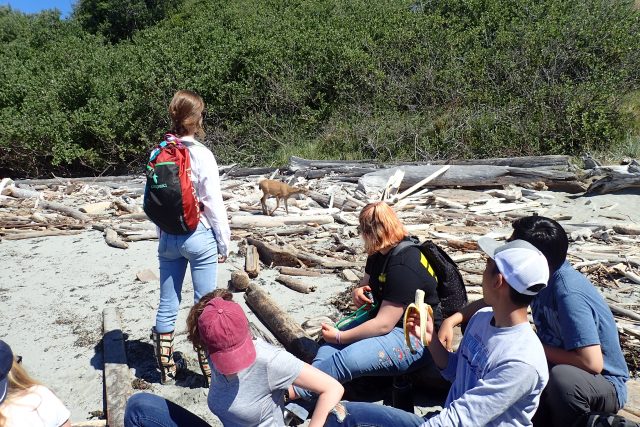
While touring the camp, we got a history of the Pig War and how the uses for American camp changed over time. Around the time of the civil war, the British and the Americans were fighting over who owned San Juan Island, which was eventually granted to the Americans by the Kaiser Wilhelm of Germany. We got to see the process used in creating a time capsule of what American camp once looked like.  We explored American camp more, eventually making it to Granny’s Cove and looking at the beautiful view.

Granny’s Cove

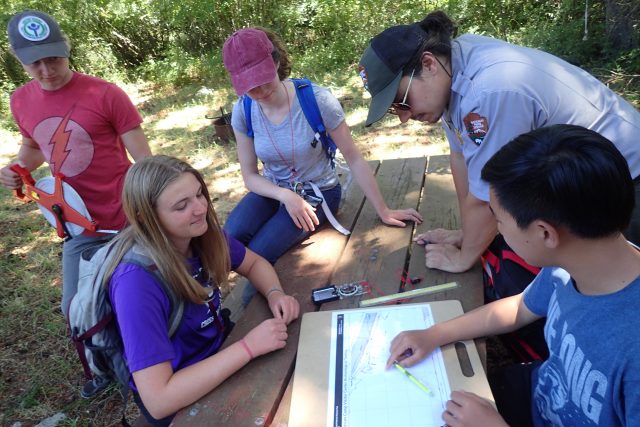
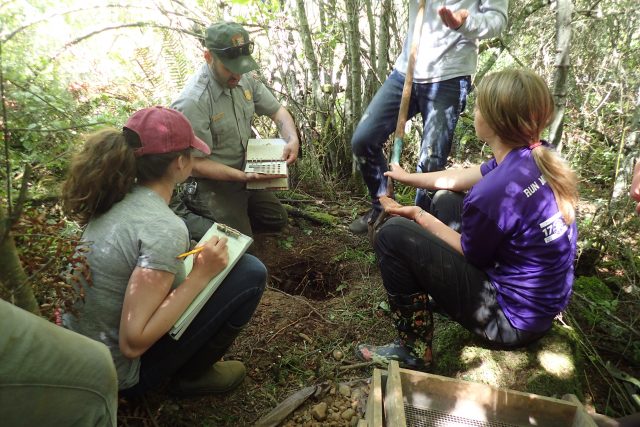
We got very hot and tired spending three hours in the sweltering sun.  Lunch came just in time before we all collapsed.  With renewed energy, we went to work on the ongoing archaeologic dig. We split up into two groups, one group would map out an area in preparation for a dig and the other would go to the site that was already mapped out to dig holes.  After about three hours of digging, sifting the silt, and mapping we got in the van and went back to the dorm.

Mapping

Mapping

Digging

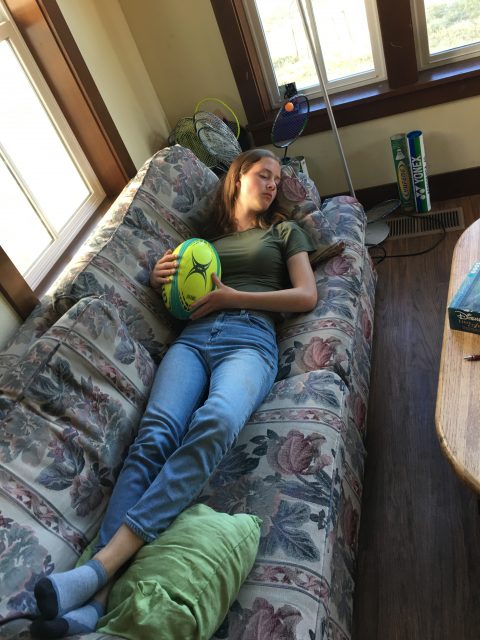
Getting back to the dorm and out of the sun was a nice break from the long day. We took naps, played foosball, and prepared for dinner.

We had four very interesting and engaging guests for dinner, two of them being Salish Sea alumni. Lisa Yuodelis, one of the alumni, gave us a presentation on the Soundwatch program she is interning with. This program helps educate boaters about whales and makes sure they stay at a safe distance from the whales. Noises from boats can affect foraging and mating patterns as well as hurt the ears, so the work that Lisa is doing is very important to maintain the endangered orcas. The other alumnus was Eric Sable who let us know about The Center For Whale Research and that it just opened a visitors center in Friday Harbor just above the ferry parking lot on front street.

Dr. Jason Wood, our next presenter, continued with a similar topic. His presentation was on his work with bioacoustics and marine mammals. He builds and adapts hydrophones to listen to orca calls at Lime Kiln, and he is working on a project with the Port of Vancouver to get cargo ships to drive slower through the San Juans to reduce noise pollution. Dr. Wood originally developed acoustic devices to monitor African elephant populations. His wife, Wendy, runs the Africa Foundation, an organization dedicated to conservation and empowering communities.

After a long day, we were ready to hit the hay.

A Sluggish Day

By: Ela, Kaylee, Kenneth, and Zoe.

Today, we woke up extremely early to go investigate the slug population around the Friday Harbor Labs.  When I say early I mean 4:00 AM to be exact! Normally this would not be a huge problem except for the fact that we stayed up late listening to Doctors Erika and Vik Iyengar present about slugs and earwigs. We were informed the night before about the early morning and slug survey but did not know what to expect. We learned that the early morning is a great time to go looking for slugs because the ground is moist and damp, even if you may be very sluggish while searching.    

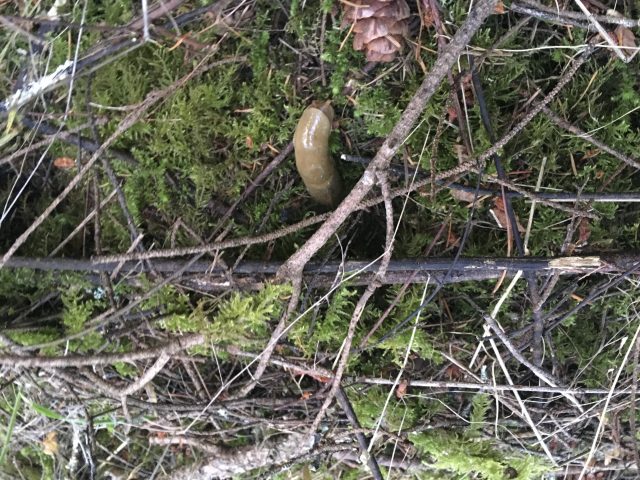
A slug on the move.

In the survey we conducted, we were given the task of looking for slugs in three unique areas.  One group surveyed between the road and the water close to the entrance of the Friday Harbor Labs, another group surveyed along the fire escape path, and the final group surveyed beyond the path in the freshly dew-dropped woods.  The expedition turned up a good amount of slugs, which compiled of both the native banana slug and the invasive European slug.  After this data collection, we headed back to the dorm for a normal breakfast at 8:30 AM.

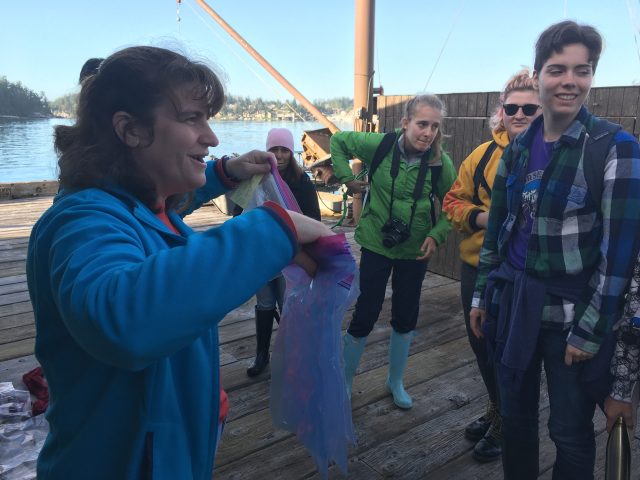
Dr. Erika Iyengar talking to us after collecting slugs. Later in the morning 🙂

Later we went to the STEM building where we were captivated by technology, such as 3-D printers, virtual reality, and an electric car built by 8th graders.  At the STEM center, we met Dr. Derek Smith who is a teacher that encourages and inspires students to design and create what they would like. He even allowed us to design our own t-shirt logos for the Salish Sea Science program. After the three hours of fun, we went to have a delicious and refreshing lunch at Tina’s Tacos.

In the afternoon, Megan Cook presented about her extensive and fascinating experience on an ocean exploration ship, called the Nautilus.  She fell in love with the ocean and all its mystery, after all, 95% of it is undiscovered and undocumented. After listening to her attention-grasping presentation, we are now inspired to take part in that life-changing experience. Luckily, there is a chance for college students to intern on the Nautilus.


Image result for nautilus live

This picture is from the International Society for Presence Research website. https://smcsites.com/ispr/files/2013/07/Nautilus_Live.jpg

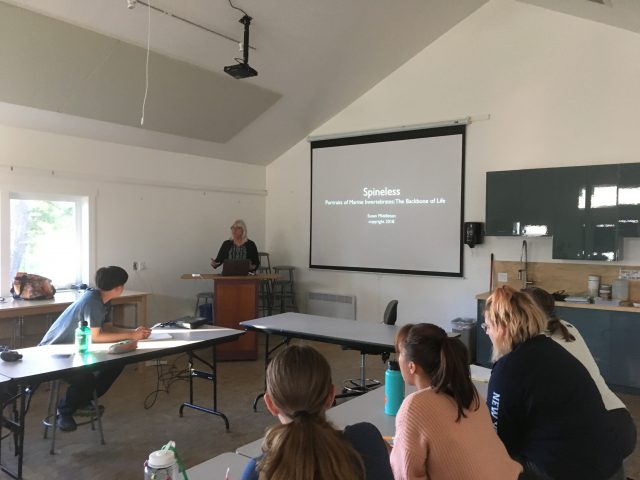
Today’s dinner guest was the world-known photographer Susan Middleton.  She has traveled the world taking pictures of a variety of animals and organisms. In 2014 she published her book, Spineless, an extensive collection of invertebrate photos that were taken over 6 years. She selected 50 photos to show us in her presentation, which were all spectacular. They had the kind of detail you only get from studying an invertebrate for many months. From traveling the world and her experiences are expressed in all of her photos. Now, with some downtime and a bowl of ice cream, we finally have time to reflect on our day.


Susan Middleton giving her presentation.


We had a WHALE of a time!

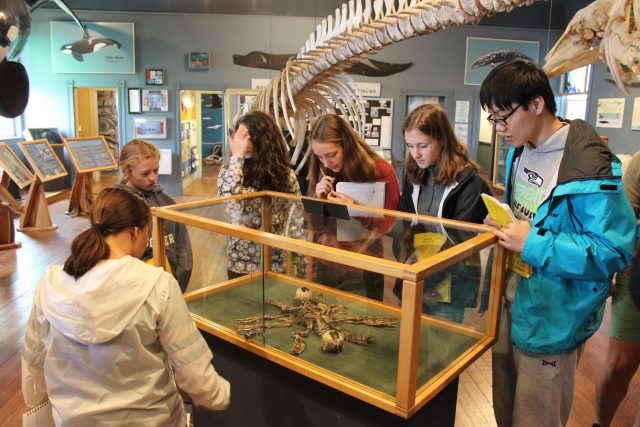
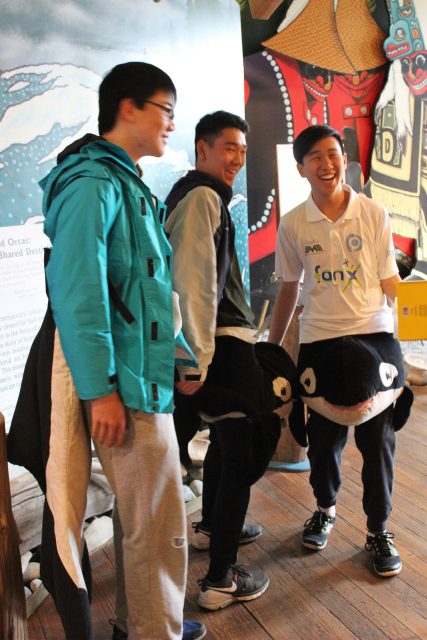
We woke up to a surprisingly unsurprising morning of rain. Although it was gloomy outside, we were brave enough to walk all the way to the Whale Museum, a staggering 15 minute walk. At the museum Tracie gave us a 30 minute presentation on the different pods of whales that you can see in the San Juans at different times of the year. After the presentation, we explored the upstairs exhibits, which included dressing up in whale costumes.

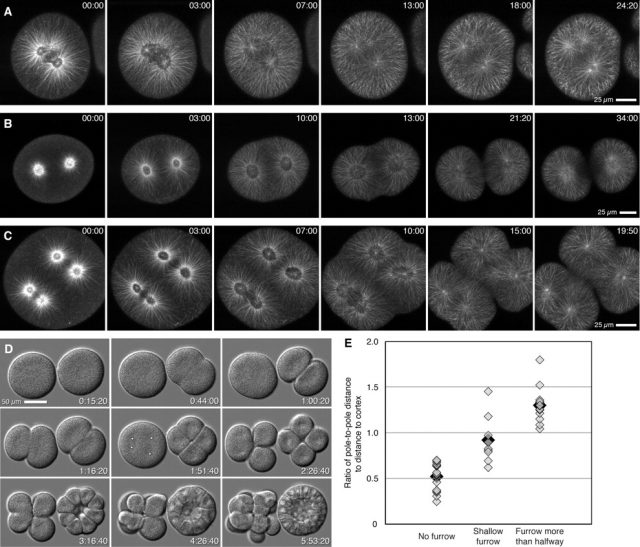
We then walked all the way back in the rain to prepare our picnic lunch and headed off to Friday Harbor Labs. There we met Lauren and Beatrice who let us observe them spawn sand dollars, as a part of their research in the molecular mechanisms involved in cloning.  For most of us it was a new experience to be in a lab and look through the high-tech microscopes. We even got to see cell division!

George von Dassow et. al , 2009

After labs and lunch, we hiked to a vista with a breathtaking view. With further inspection we noticed many boats in the water before us and realized that they were chasing the orcas. We got our binoculars out and were able to see the orcas for ourselves, which we deduced were transient because of the terrified seal, not wanting to enter the water.

After this, we went to a different part of the labs to learn about scientific illustration from Sharon Massey, in which we drew some of the invertebrates that we caught earlier this week. We enjoyed this relaxing break from the rain as we all discovered our artistic talent.

We returned to a revitalizing dinner of burgers with Dr. Hilary Hayford, who we researched with earlier on intertidal snails and barnacles. We enjoyed learning the context for the research we did with her previously.

Slimy Sea Stars and Sailing on the Centennial

After the first night in the dorms, we got up and enjoyed a breakfast of cereal and oatmeal. We then started the day off by going over the guidelines, expectations, and schedule for the program.

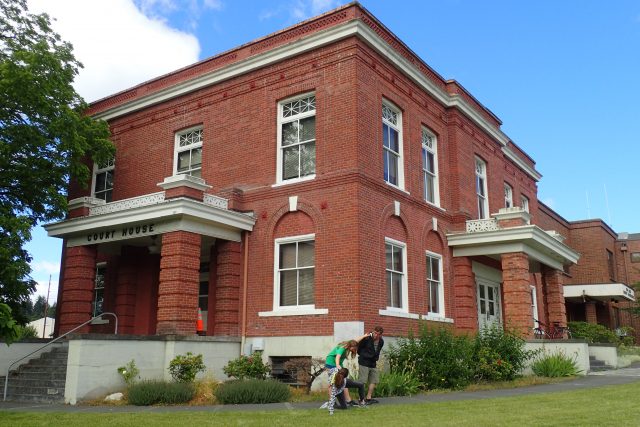
We took a walk across campus which woke us up, and we also got to see the Spring Street International School ground and the incredible laboratory. Back at Hope House (where our dorms are located), we went over the behavioral guidelines for the next few weeks, but quickly got back to the fun after we were assigned to go on a photo safari!

We were given a packet of old photos of the island and were given the task of finding the current location and taking the same photos decades after they were initially taken. This gave us a chance to tour the town and see the sights for ourselves.


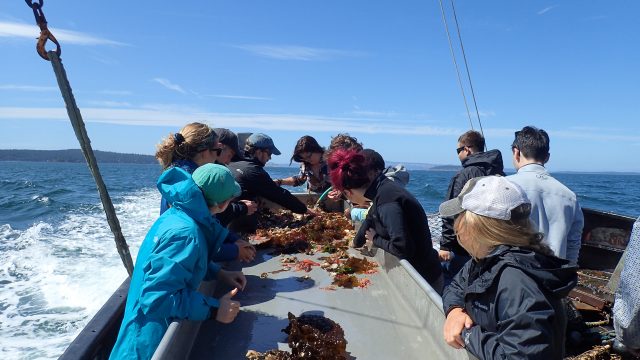
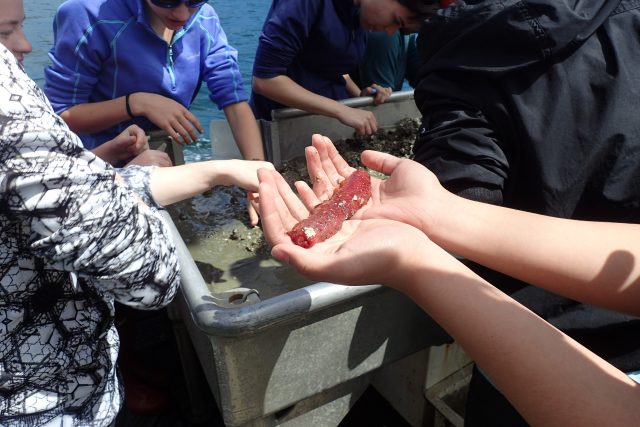
We returned with an empty stomach and were excited to see that sandwiches and apples were on the menu for lunch. We then drove to the Friday Harbor Lab. The most exciting part of our day was boarding the Friday Harbor Lab’s boat, the Centennial, and collecting marine life through dredging. We had many interesting finds, from sea sponges to sea cucumbers, we even got to see a slimy sea star!

Afterward, we got a tour of the Friday Harbor Lab and learned a little bit about the history. We then headed back for a bit of exploration time where some of us relaxed while others prepped for dinner and began introducing the guest.


Our guest, Dr, Rebecca Guenther, arrived for a delicious pasta dinner. After dinner, she captured our attention with a presentation on ocean acidification and its effects on algae, which is what she specializes in.

We were all tired out from a long first day and relaxed a little bit before going to bed, excited for the next day!