Day 10: American Camp and Hard at Work on Projects!

Blog by: Greta, Trevor, Pax, and Susanna

Today we woke up at 7:30 am and were greeted by a nice fog cover over the island. It was not raining however so we were looking forward to our exploration of American Camp around 9:00.

We loaded up the vans and were met by Emilio Santiago, a park expert who gave us a personalized tour of the visitors center. There, we learned about the histories of the Coast Salish people who have lived on the land around us since time immemorial. After the visitor’s center, we embarked on an interpretive walking tour of the American Camp park. We saw the quarters of some of the soldiers and learned about the history of occupation in the area.
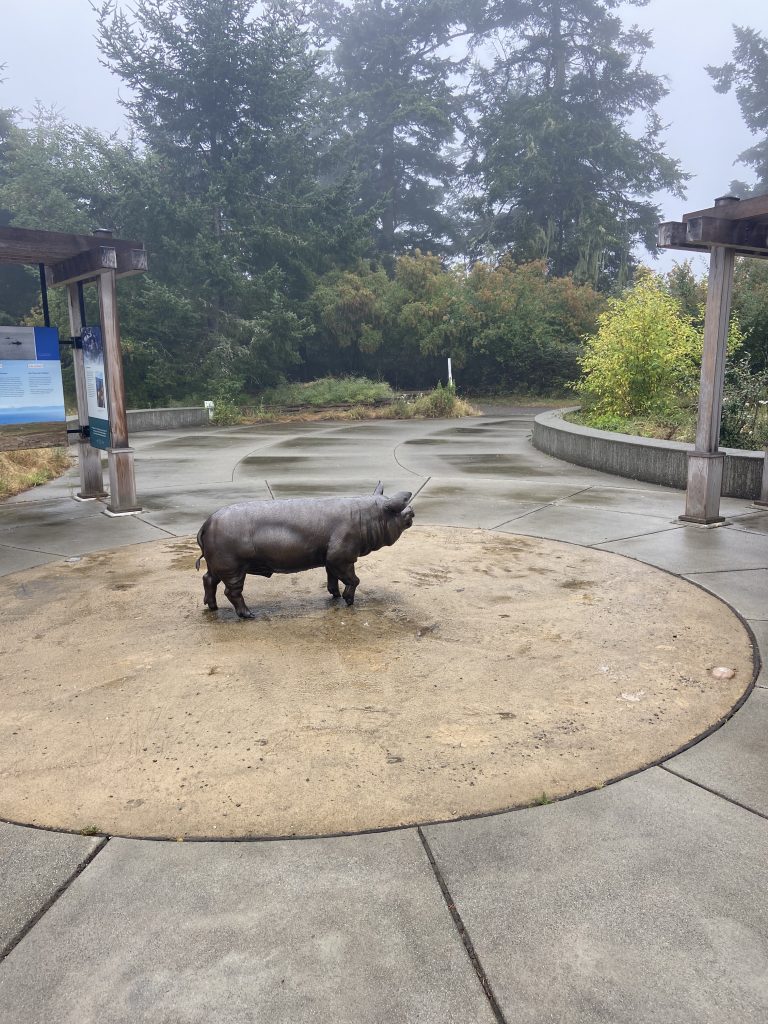
PC: Greta- American Camp Plaza
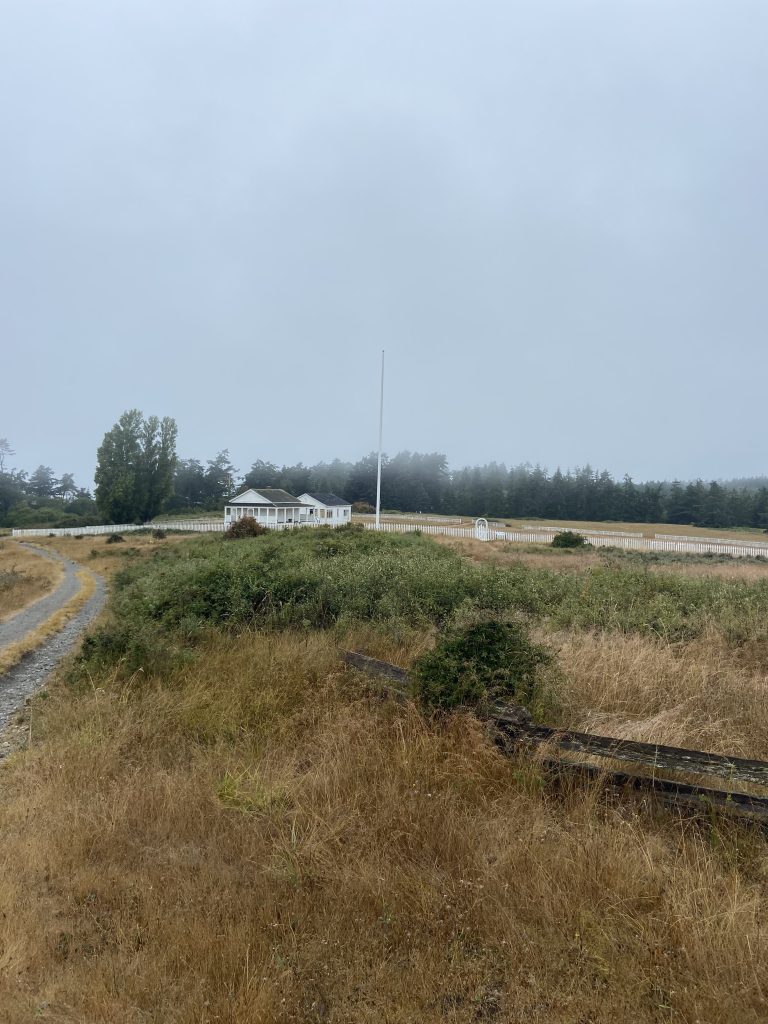
PC: Greta- American Camp Buildings

We have been working hard on our projects, and with lots of time to review today we are getting closer to our final goals. With help from Adam and Emma, we are moving toward the best pitches for our conservation hopes. we are looking forward to presenting our ideas to all of you after our revisions and research. We had two sessions of project time today!
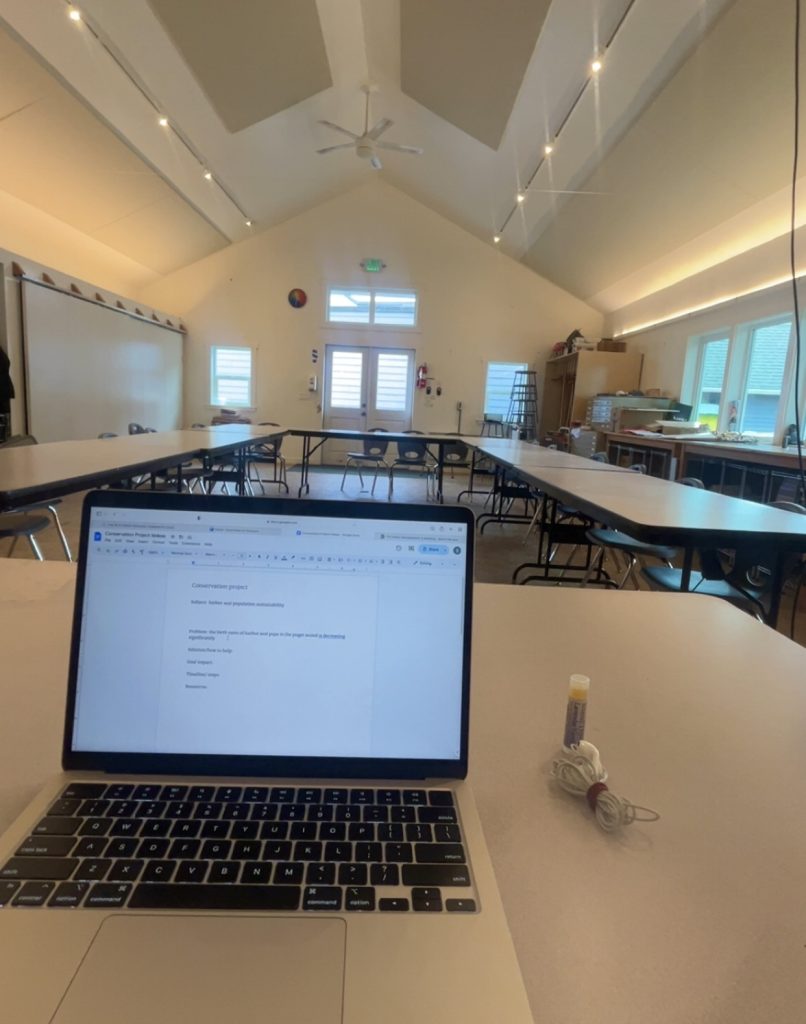
PC: Susanna- Project Work Time

At 1:00, we went to see scientific study presentations from UW undergrad students. We learned about many cool things, ranging from sea star larvae to eelgrass disease. The presentations were short, but we managed to keep captivated due to the energy the students exerted while presenting. They had been working on their studies for several weeks and it was evident that they had put in much work to make their research matter. Many thanks to Friday Harbor Labs for providing us with this excellent learning opportunity!

Tonight we will have spinach pie with Dr. Ken Sebens who focuses his studies on benthic and coral reef ecology.
Day 3: Creatures & Habitats

Blog by Trevor, Greta, Susanna, and Pax

This morning we woke up at 7:30 again and after enjoying our breakfast together listened and read about our session capstone project. The project will be an environmental proposal aiming to solve an environmental problem or execute continuing research to further conserve our environment. We saw some project examples and then made our lunches together. This project will be completed throughout the session, and we are excited to begin brainstorming.

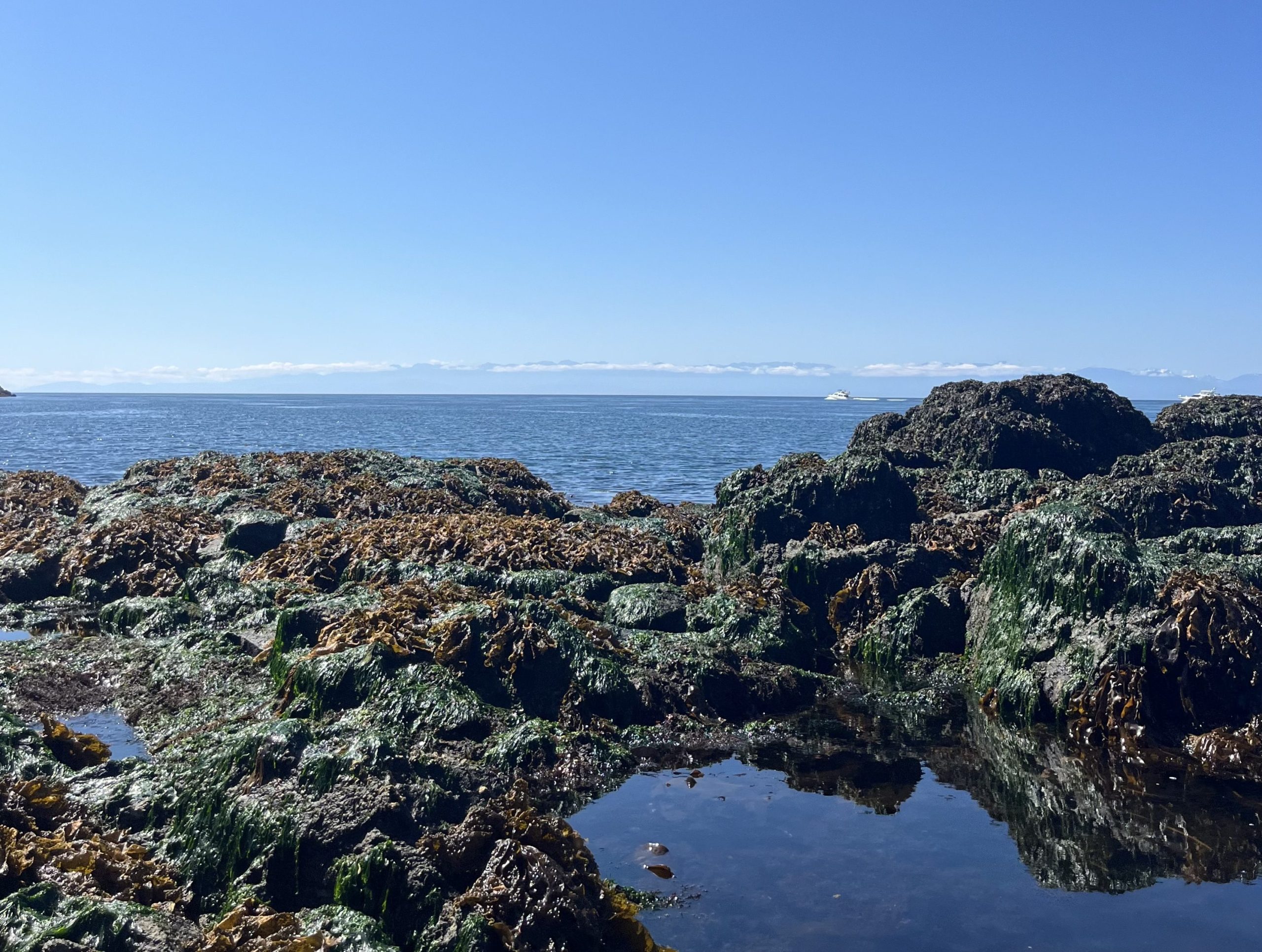
Tide pools at Deadman’s Bay

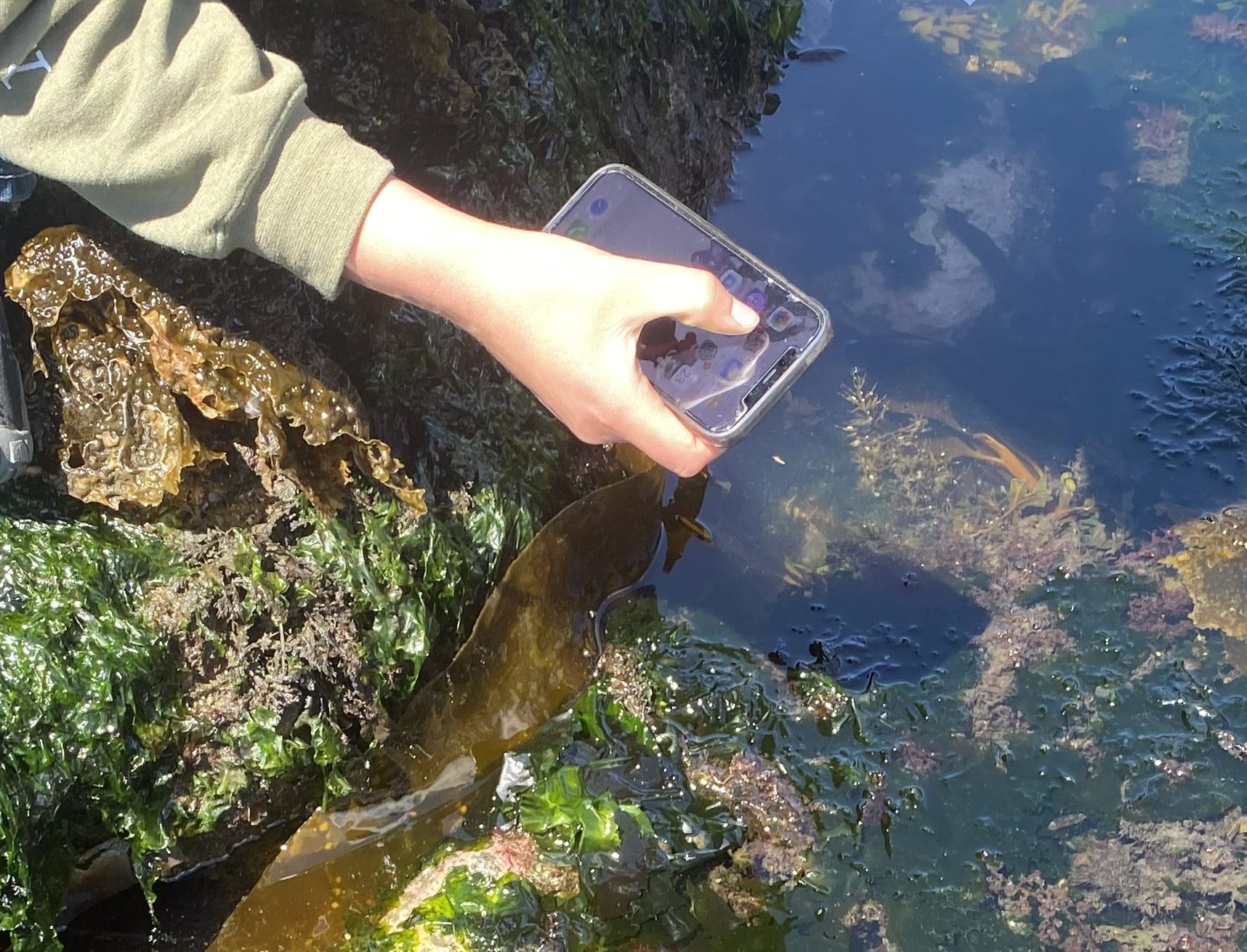
At 10:00, we left for Deadman’s Bay, crawling over plenty of seaweed to find different species for a game called Intertidal Bingo. We crossed off squares based on how many separate species we could find in the tide pools and on the beach, and thanks to a bit of teamwork, many of us were able to black out our bingo cards. The sea lettuce caused the rocks to become slippery, but luckily none of us sustained notable injury. This was a great opportunity to learn about the different creatures living in tide pools and how they interact with one another.

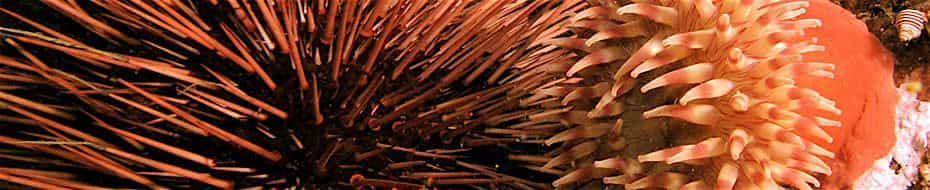
Finding a Sea Urchin to help complete Intertidal Bingo!

After tide pooling, we sat down on some large driftwood for lunch before piling back into the vans and heading to the Whale Museum.

In the afternoon our group toured the Friday Harbor Whale Museum, our tour guide explained the different groups of orcas living in the Salish Sea. We learned about many types of whales and porpoises living in our area. The tour guide talked about the endangerment of the orca whale, human impact, and that there are many ways that we can help.

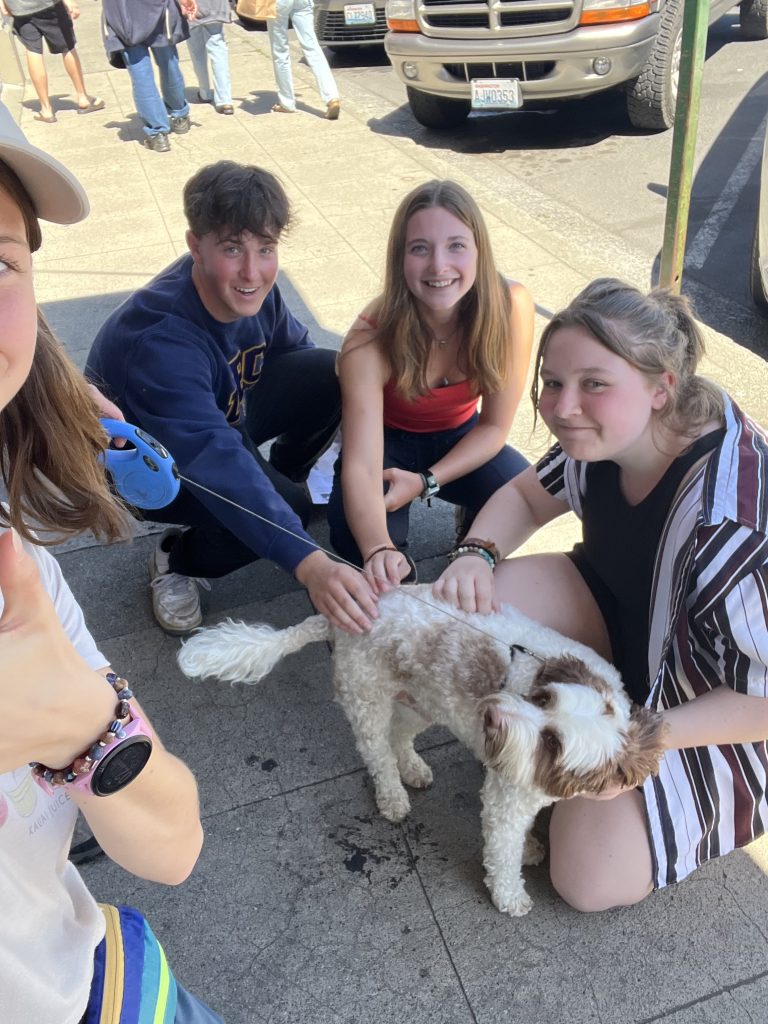
After a quick drive back from the museum we prepared for our next activity, team town scavenger hunt. Each team had to find specific locations or actions and take a photo of everyone at or doing the task. Each team had a blast exploring the town and finding all sorts of different places. In the end, every team did quite well, with three teams getting over 375 points and the winning team getting a total score of 405. Tonight we will meet with Tim Dwyer who is currently co-teaching the Marine Subtidal Ecology course with Dr. Katie Dobkowski at the Friday Harbor Labs and was the founding Science Director for Salish Sea Sciences. Mr. Dwyer will teach us more about marine biology in the Salish Sea as we enjoy a delicious dinner and, afterwards, he will regale us with his experience with marine science research and communications in Antartica!