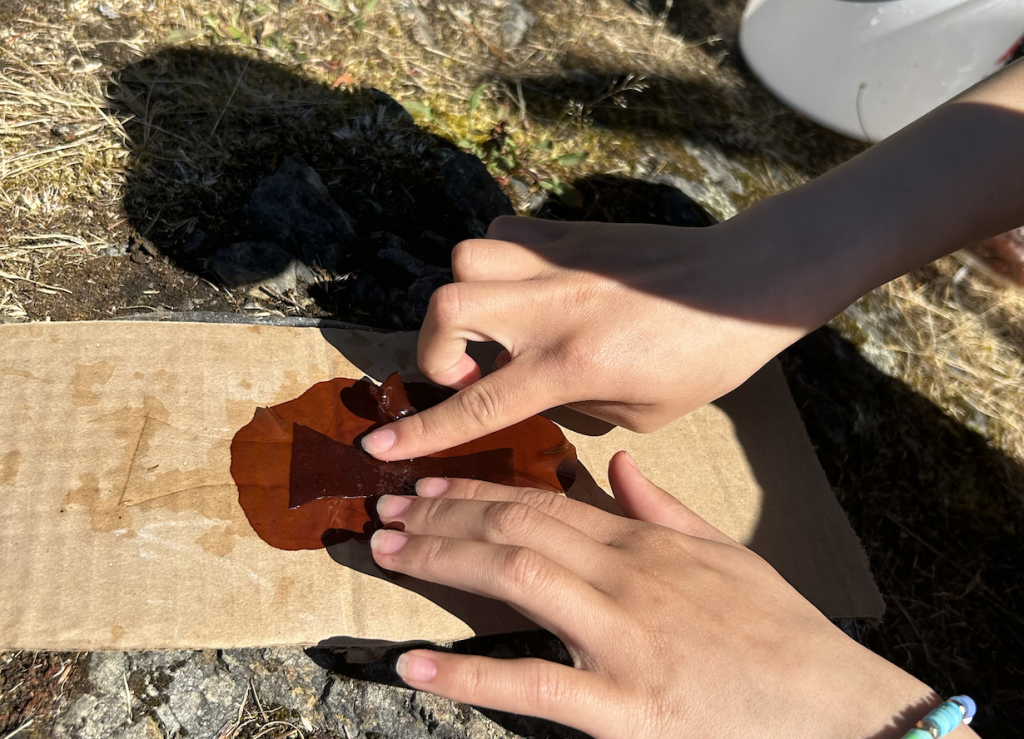
We spent the morning testing kelp and seaweeds with Lucy Hensley, an undergrad student at Bates College. We cut out standardized shapes of bull kelp (and other seaweeds) and used their MTS machine to pull the seaweed apart to test the strain and stress. Seeing and participating in the data collection at Friday Harbor Labs was super interesting.
Credit: Alaina Cutting Seaweed
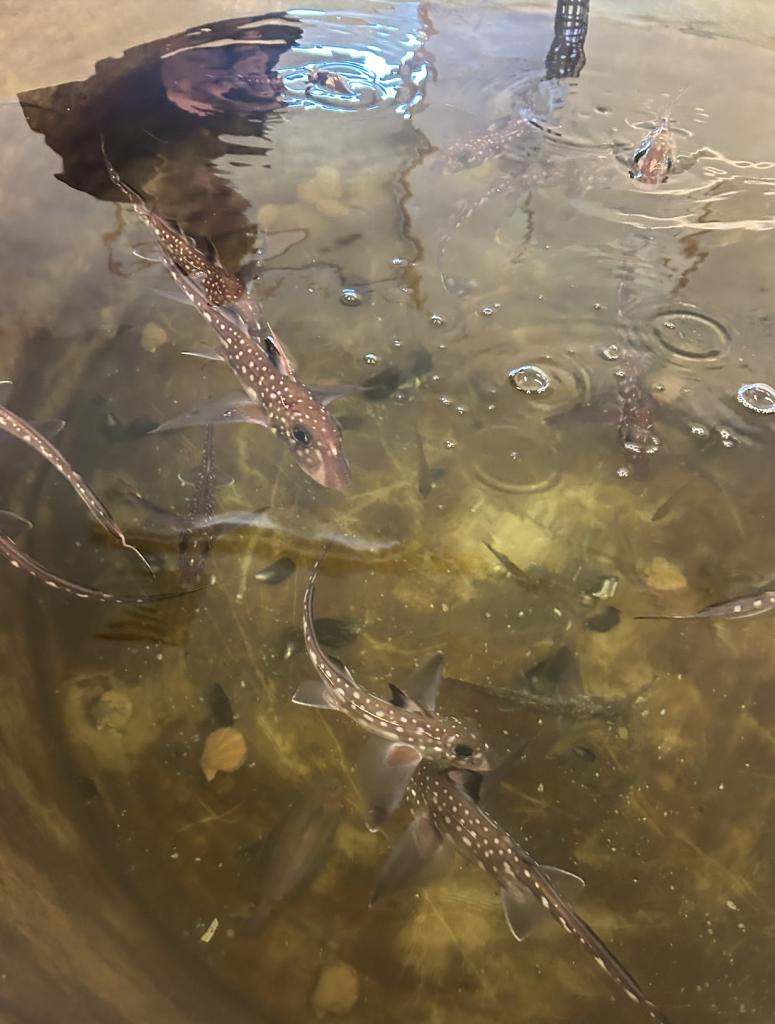
There were lots of cool ratfish in the labs!
Credit: Alaina Ratfish!
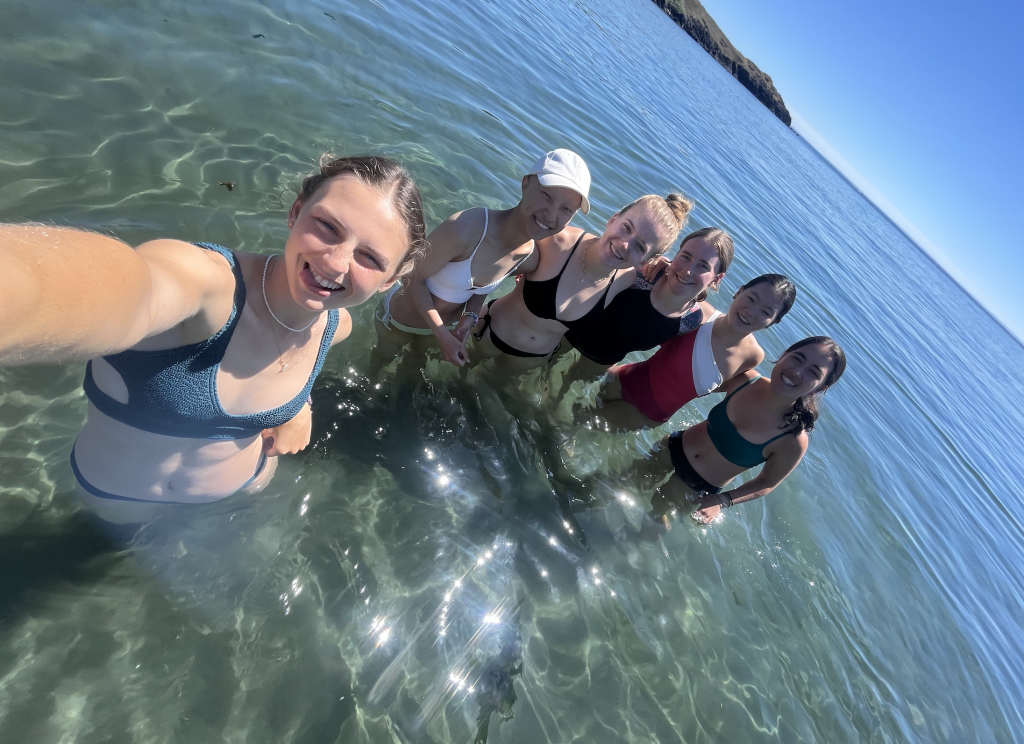
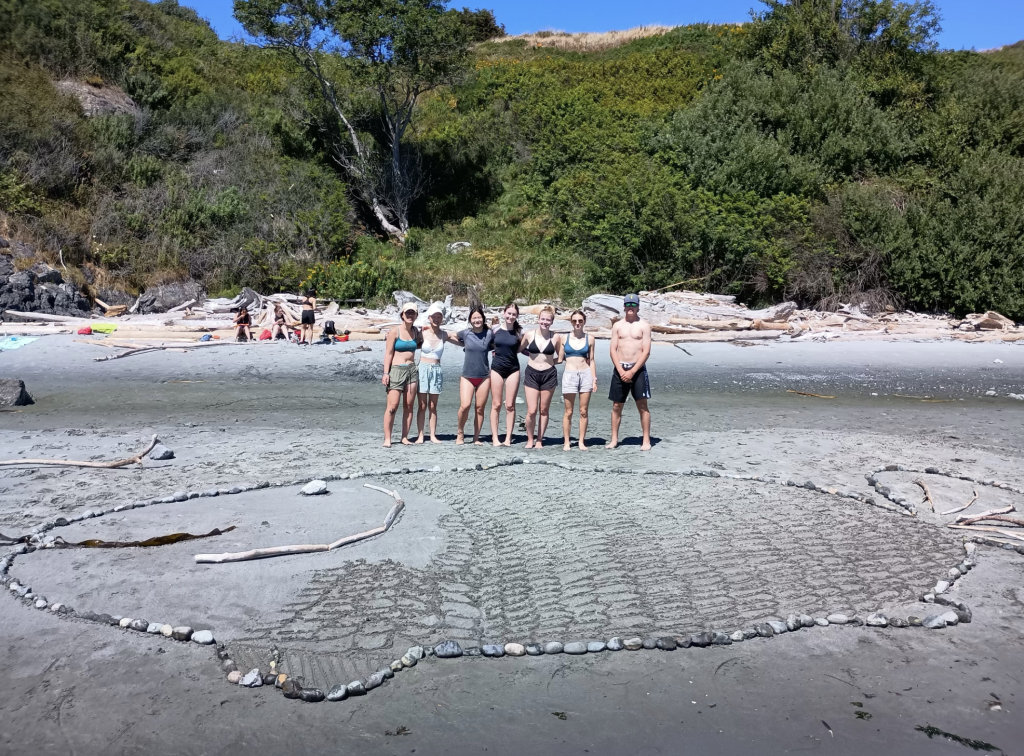
Later in the afternoon, we headed to Eagle Cove for a fun beach day, where we had sandwiches and graham crackers for lunch. The water was super cold, but we braved it anyway.
Credit: Susanna Credit: Maddie
We took advantage of the low tide to draw a big fish on the sand. Super fun!
Credit: Adam
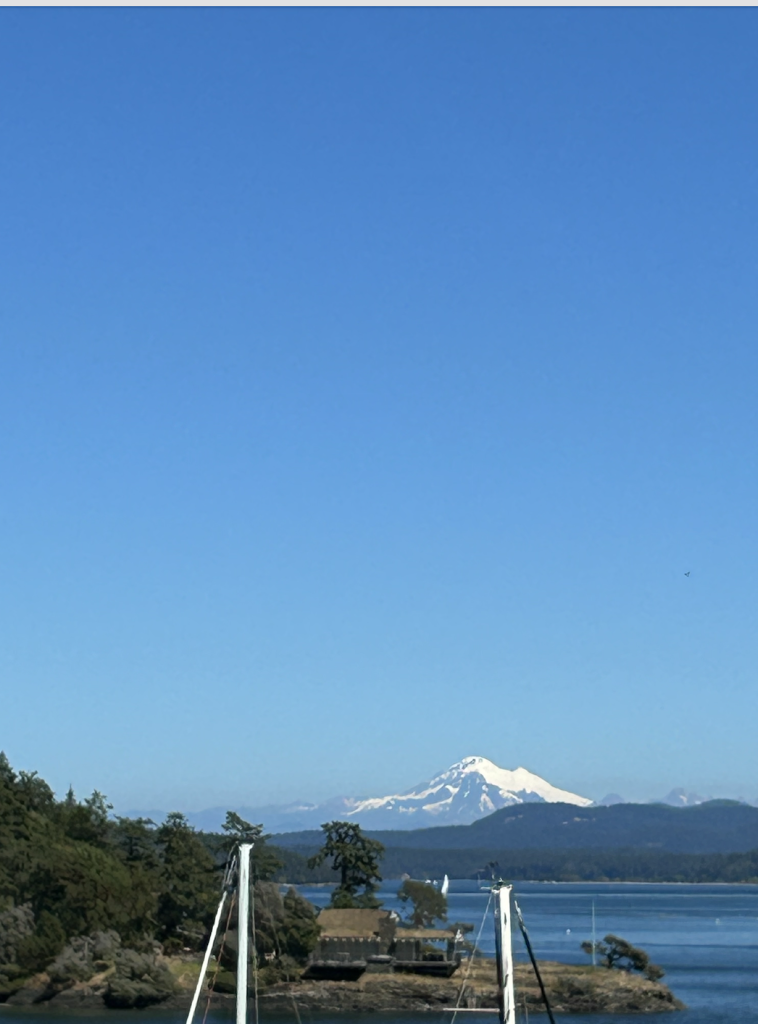
We went back home the long way to see Mount Baker from the coast; it was finally a clear day! Seeing the mountain even from so far away was breathtaking.
Credit: Wats Mount Baker!
For dinner, we ate fried rice with the amazing Aisha Rashid, who works for Wild Orca. The day was super fun, and the good weather put us all in a great mood. We are going night-lighting later tonight back at Friday Harbor Labs, super exciting!
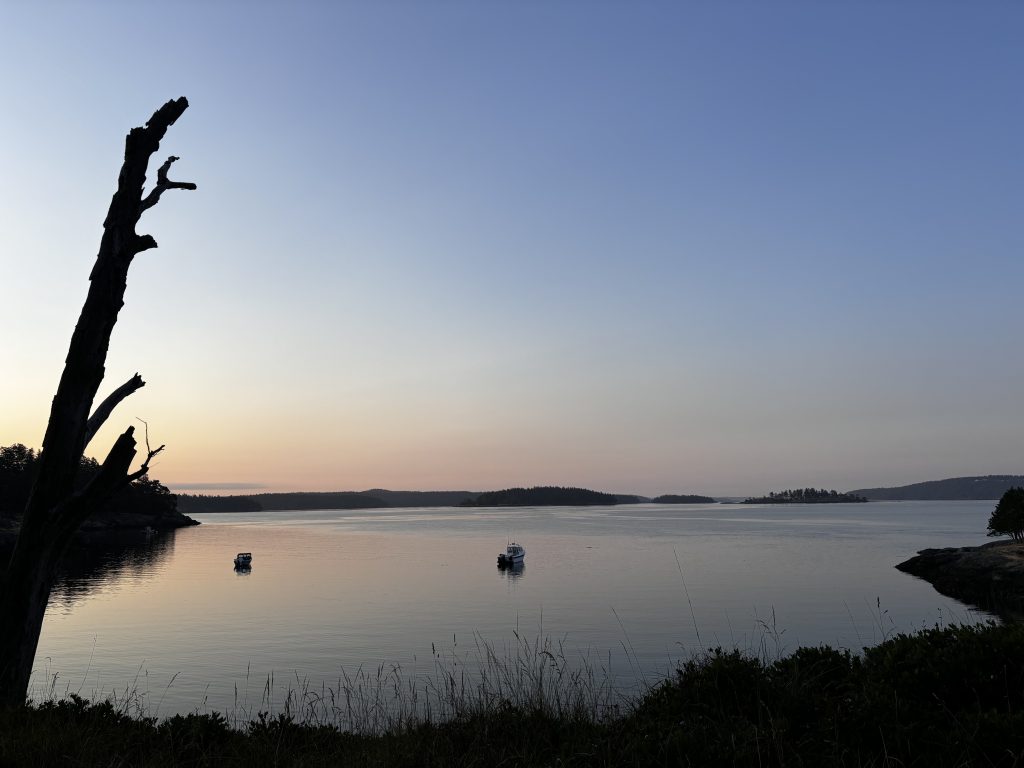
We began the day with fruit and scrambled eggs for breakfast while watching the sunrise. Camping by the beach was fun for everyone; some of us slept outside under the stars.
Credit: Josie Sunrise at Jones Island
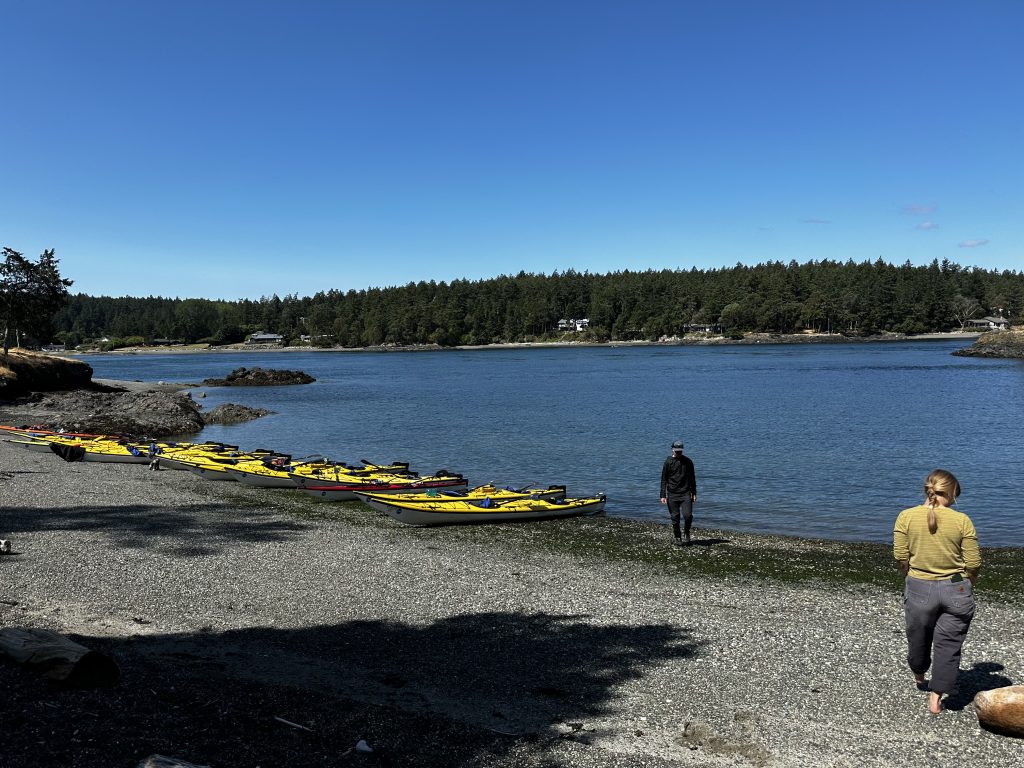
As the day warmed up, we explored the North Beach and walked around the island’s east side. The morning was spent recovering from the arduous kayaking the day before. When noon hit, we ate sandwiches and started preparing to kayak around Jones and to the nearby Reef Island, Yellow Island, and McConnell Island. It was so beautiful!
Credit: Evan The Kayaking Adventure Begins
The weather was warm and there was little wind; it was perfect for kayaking. We saw many harbor seals lounging around, bright red sea stars hanging about, and moon jellies floating by. After an easy paddle around, we headed back to Jones Island. Dinner was delicious burgers and hot dogs. After dinner, we played card games and ate homemade donuts.
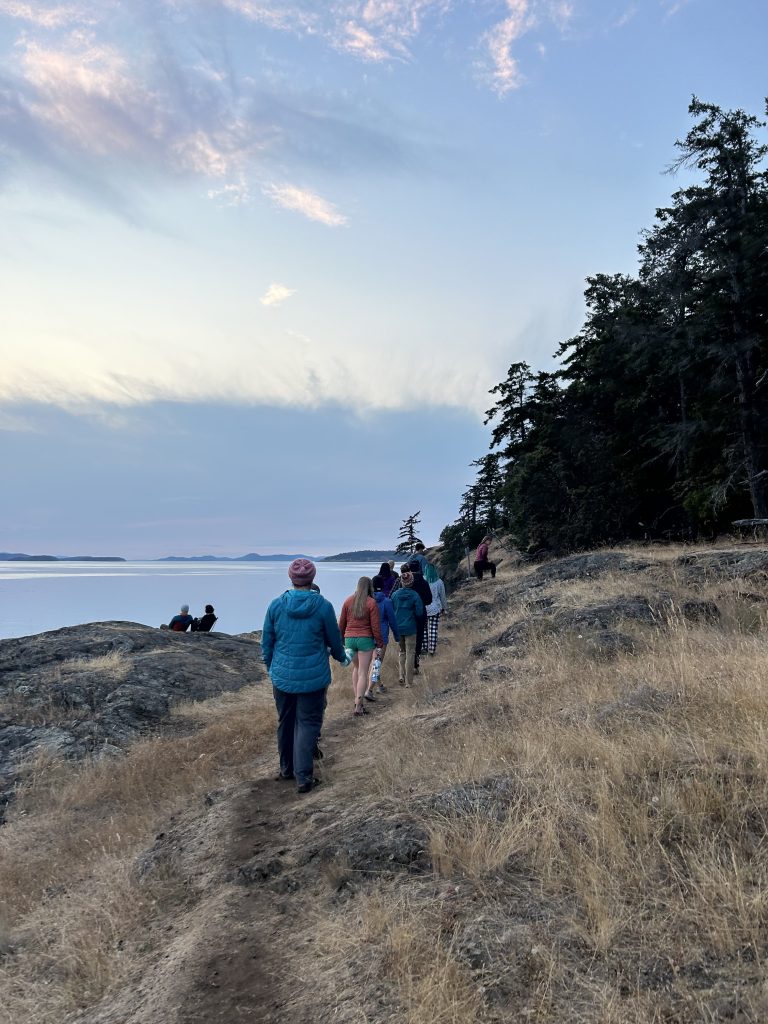
Later that night, we went on a quick walk to see the sunset. It was beautiful and calming; the sky was painted in shades of blue, purple, and pink. We spotted a family of four silky grey river otters heading back to their den, and we also saw some pretty brown porpoises playing in the water.
The Salish Sea group was awakened bright and early, and we soon settled into our vans with our gear to set out for our 3 day kayak/camping trip. We had packed everything we needed into two 10 ounce dry-bags the night before, which prepared us for the upcoming days. When we arrived at the beach we were launching from, we were blown away by the view.
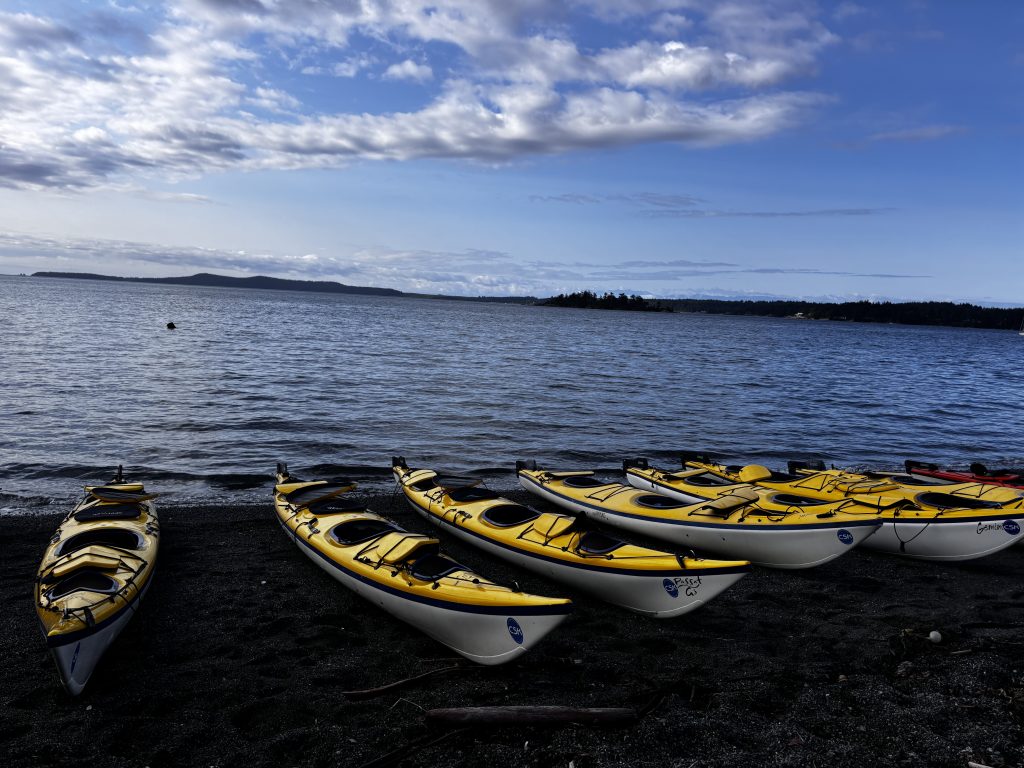
Credit: Josephine, Kayaks on Jackson’s Beach, 8:00 am
We had three awesome tour guides, Charlie, Clark and Dylan, who met us on the beach that morning, and they were fully prepared for all nineteen of us. They gave us each a sleeping bag and had already packed food, tents, and other sleeping materials into our kayaks. We split into pairs with our science director, Emma. We then kayaked through the Salish Sea to our lunch spot. We were exhausted from the sun, paddling and steering. Luckily, our guides prepared us a delicious lunch!
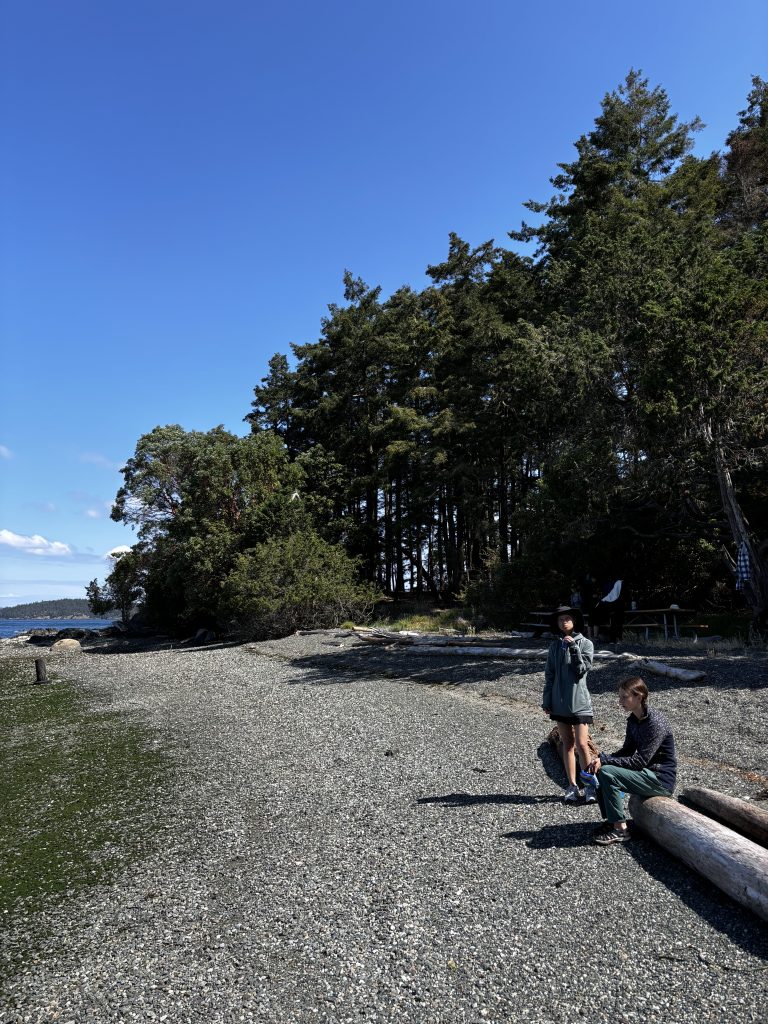
Credit: Josephine, Leanne and Susanna on the beach during our lunch
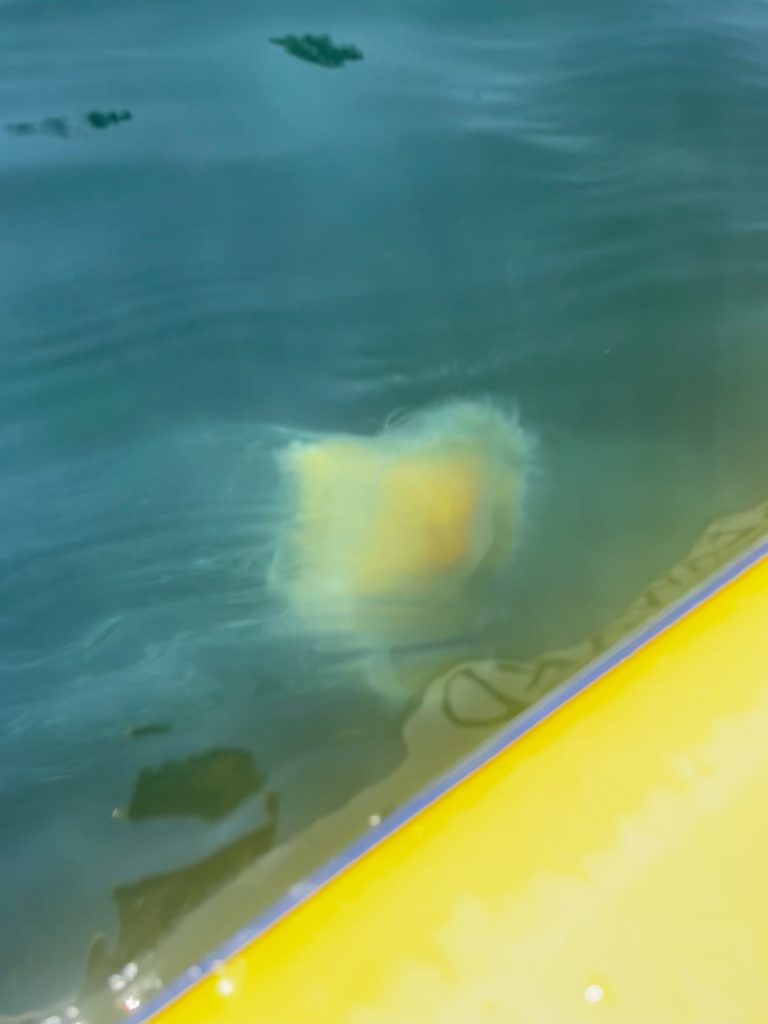
On the beach we ate sandwiches and Numenos’. We then got back into our kayaks and continued our journey to Jones Island. This section of the travel took around two hours; the whole adventure was about three hours. While it was hot, salty and exhausting, there were some great moments too! A couple people brought speakers onboard, which truly kept the vibe alive. We listened to some Lady Gaga and Taylor Swift, and sang along to the some Disney songs. We also had the amazing experience of kayaking with jellyfish!
Credit: Susanna, Egg Yolk Jelly (Phacellophora Camtschatica) off the side of a kayak
When we finally arrived at Jones Island, we unpacked from our kayaks and brought our stuff from the beach to our campsite. We then put our kayaks on pieces of driftwood to keep them from floating away when the tide rose later that night. Afterwards, we quickly set up our tents at our site, moving even faster as dinner was prepared.
Dinner was carnita tacos and dessert was chocolate fondue with various fruits, marshmallows, and graham crackers. Our guides were master chefs! We then either crawled into our tents or set up under the stars. We had a tiring but fulfilling day!
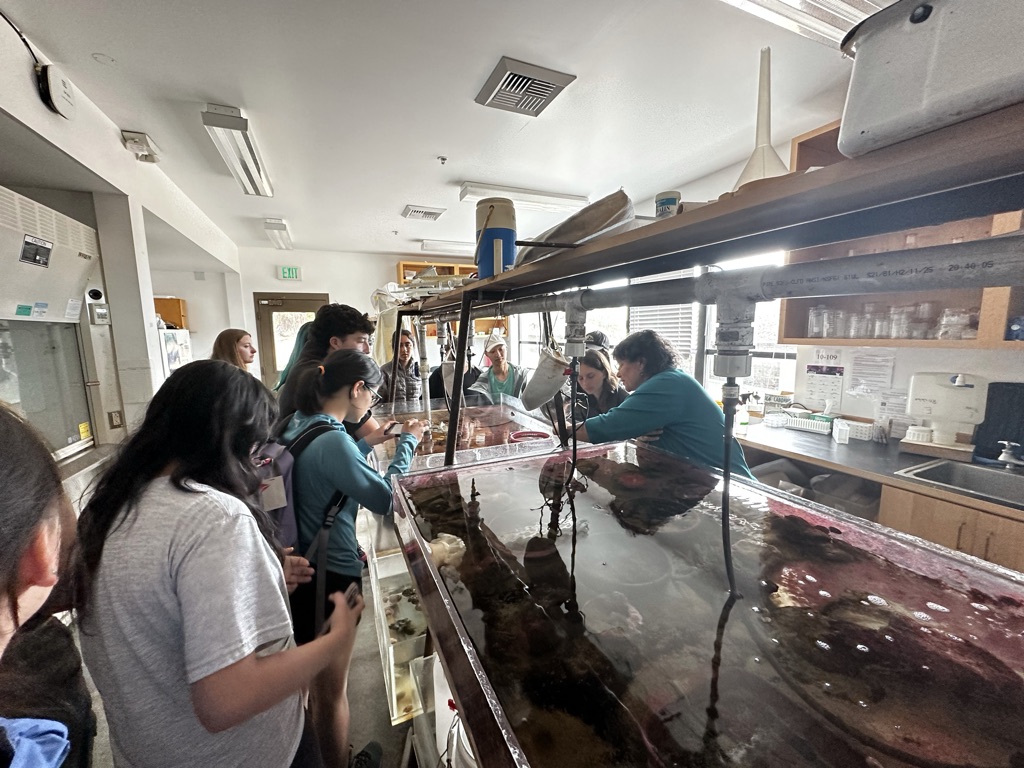
The group looking at sea tables in one of the lab buildings at Friday Harbor Labs–Credit to Evan
Today was a later morning, with wake-up an hour later at 8:30. Our first “activity” of the day was learning about the packing for our imminent kayaking trip to Jones Island with Crystal Seas Kayaking. We learned more about how to pack and what we would need for our 3-day trip. At around 10:30, we left for Friday Harbor Labs, a world-renowned research facility used by professors and students from all over. The facility has 12 labs and can accommodate 80 researchers and 175 people. Michelle Hecko was kind enough to give us a great tour of the Lab’s campus, and provided an interesting insight into some of the projects and unique features of the facility. One of the most interesting things about the lab as a whole was their flow-through water system, which brings water in and out of the facility quickly, allowing the scientists to observe the creatures in their sea tables and aquariums in a very natural water setting. In fact, this is one of the top reasons for people to come and use the labs! Another thing we learned about was a fairly new project regarding sunflower stars. Sunflower stars are a type of sea star that was heavily affected by the sea star wasting disease, and the labs are home to a project attempting to grow them artificially and return them to their natural habitats. This has been done before, but no other labs have been able to grow them from their first larval stage to full adults before releasing them, which was really interesting to learn about!
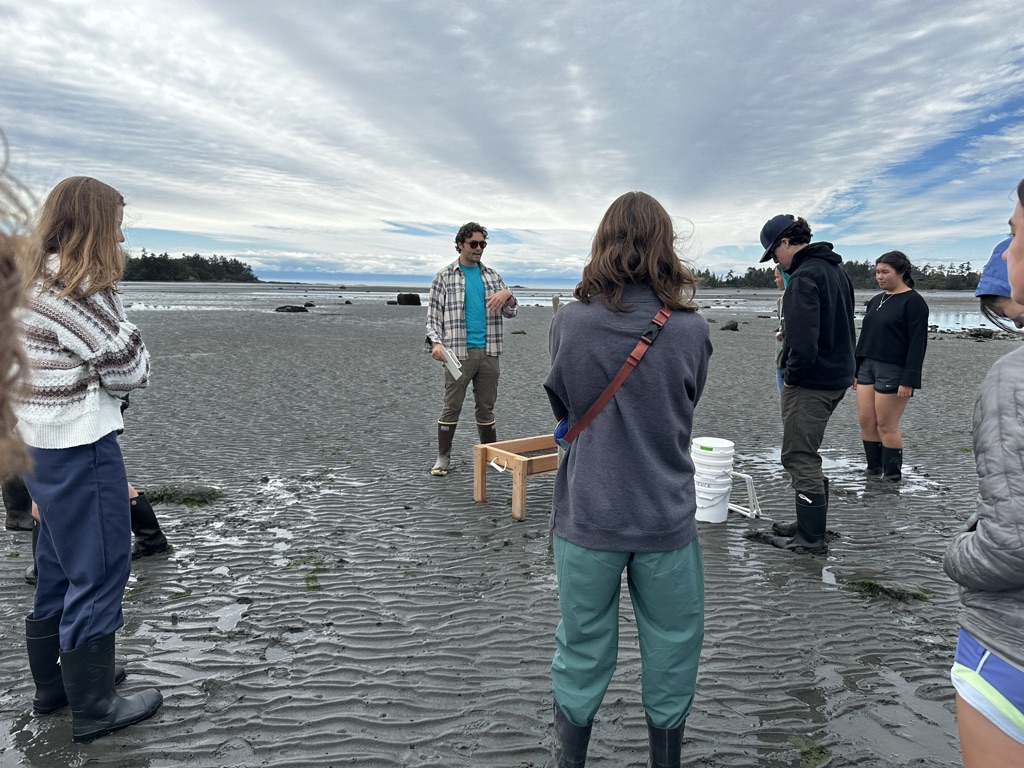
The group learning about survey methods at False Bay.–Credit to Evan
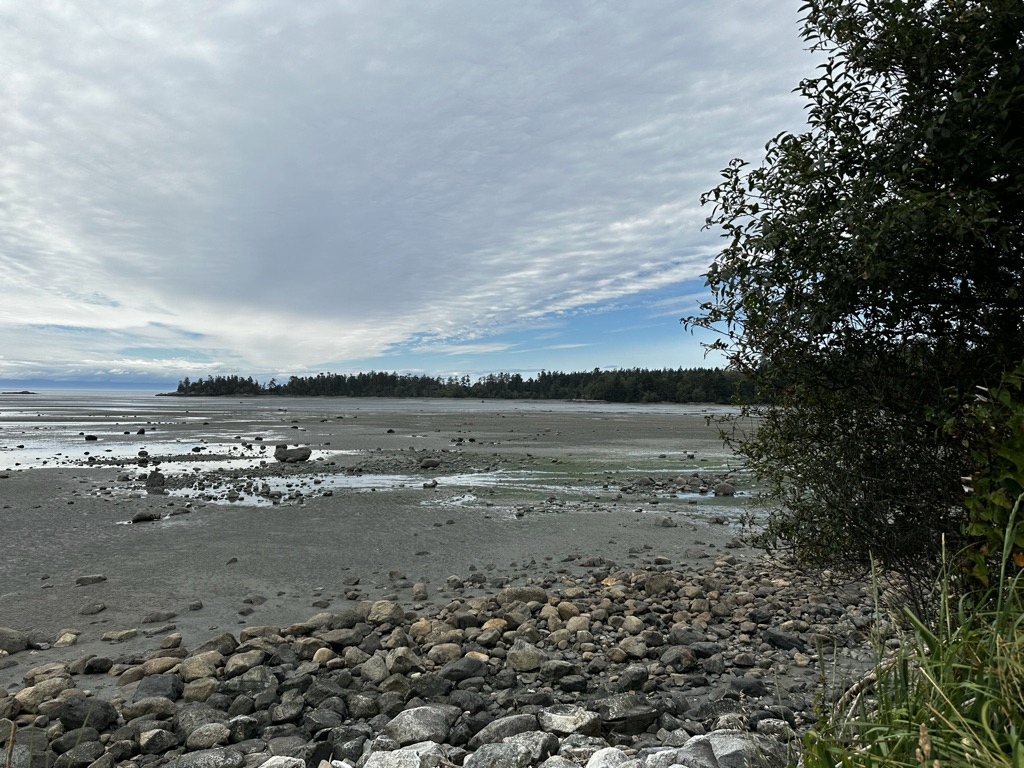
After leaving Friday Harbor Labs, we went to perform field research at False Bay. We first ate lunch by the vans and then we finally got to wear our mucking boots! We had all been eagerly awaiting this moment since we first picked our boots. We took research equipment such as quadrats, shovels, buckets, and a big sieve (not like the one in your kitchen). We all had a surprise when we learned we were looking for lugworm fecal casings (poop). We split into three groups. One group walked through the muddy water with quadrats (a quarter meter slate) to count the number of fecal casings throughout the beach. Another group shoveled holes in the beach in spots, where there was evidence of critters crawling under the sand/mud, to see what we could find other than fecal casings. The last group sifted through the shoveled sand in the big sieve to try to see what was hiding in the sand. We found some shrimp, lugworms, crabs and even some jellyfish in the water. At the end we stood in a circle and discussed our findings, some of us sunk into the mud and got stuck, but overall it was a very fun and educational experience!
A view of False Bay’s mud flats from the rocks above. –Credit to Evan
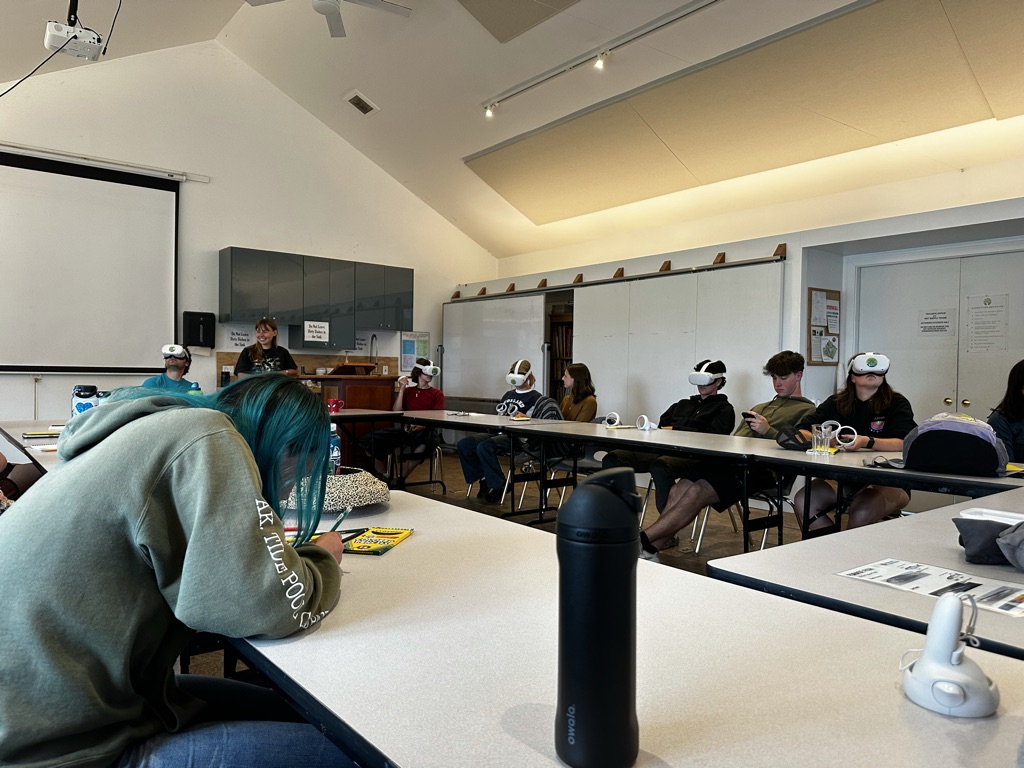
At about 2:00 pm, we went to the art classroom to hear a talk from Jess Newley of the “Friends of San Juan Islands” organization. She brought along her cute dog Ollie! We learned about significant organisms in the waters around the San Juan Islands, but we mainly learned about her teaching style! Jess believes it’s super important to incorporate what you love into your teaching (for her, it’s ocean photography!) At the end, she showed us the product of her underwater photography, using Oculus VR sets to show us salmon she encountered on her 360° camera to present to students!
The group trying out Jess’ VR headsets!–Credit to Evan
After eating the amazing sandwiches provided by the team at Salish Seas Sciences we attended a lecture at the Friday Harbor Labs commons where speaker Alyssa M Hernandez presented her talk “Robots For Biology”. During this presentation, Hernandez covered her story in science regaling her journey through biology to engineering where she continues to use her knowledge of the natural world to inspire her current work. We learned about her studies in robotic mobility where she used beetles in designing terrain-effective legs. We also learned about improvements to suction cups inspired by fish such as the cling fish and Snail fish. This was a great way to experience a college lecture and learn about new ways that robotics can help people learn about biology and vice versa. Overall, this was a busy but fulfilling day and we’re all looking forwards to our kayaking trip tomorrow morning!