Dinner with Professors Vik and Erika Iyengar: Slugs! Earwigs!

By Caroline Grauman-Boss—

Tuesday, June 28th, Dr. Vik Iyengar of Villanova University and Dr. Erika Iyengar of Muhlenberg College joined us for dinner and an after-dinner presentation of their research. The next day, the Salish Sea Sciences team rose early to be in the field with Erika at 5:00am to participate in slug surveys with her. Students identified different slug populations and learned about their habitats, habits, and the effects of invasive species. Students will have the chance to study maritime earwigs with Vik at False Bay on Friday, July 1st.
P1020738

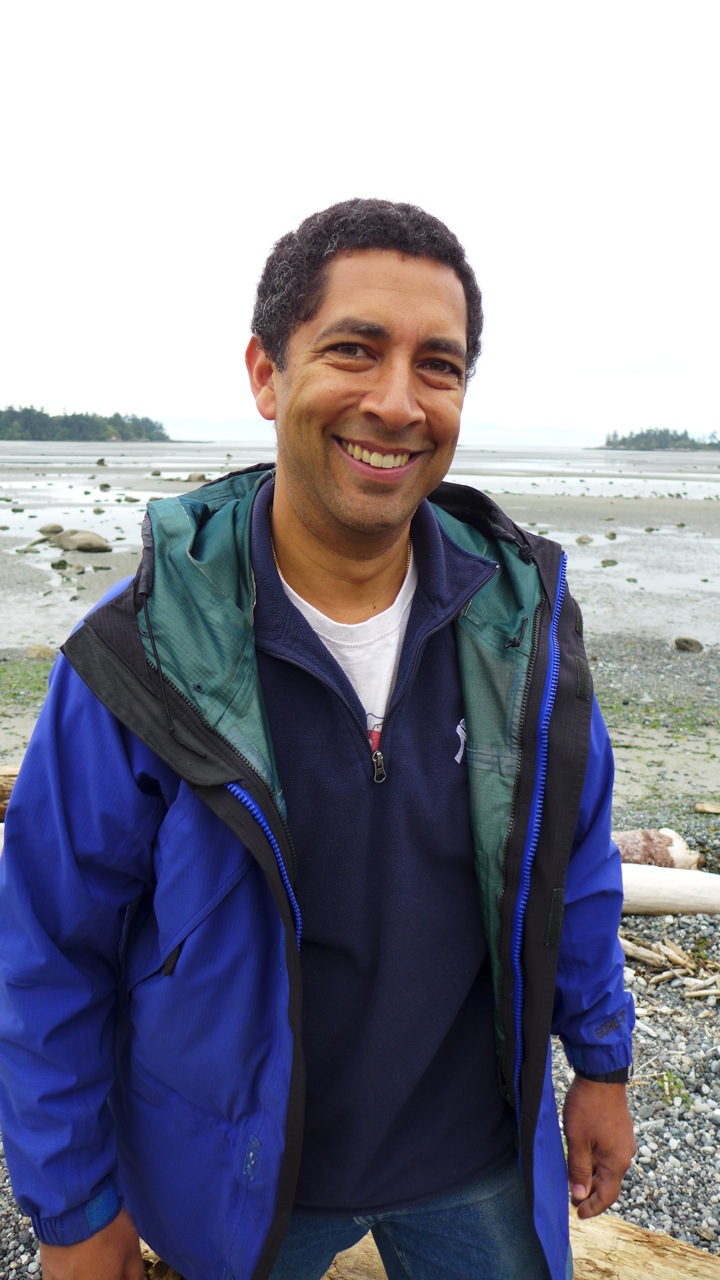
Dr. Vik Iyengar at False Bay with Salish Sea Sciences: Photo by Tom Grauman

To get a sense of the kind of research the Iyengars do and why they do it, please take a look at the following links:

Both professors have a deep history pursuing research at the UW Friday Harbor Laboratories. We are fortunate to have them here this summer and that they are making the time to share their knowledge with us.
The Whale Museum

By Caroline Grauman-Boss—

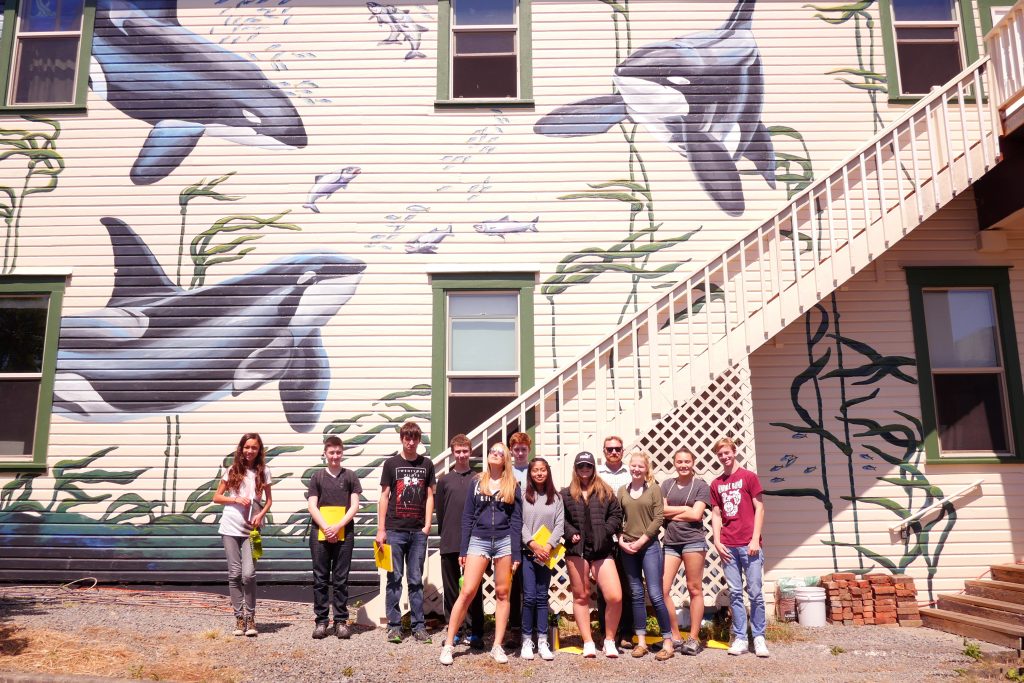
On the morning of Tuesday, June 28th the Salish Sea Sciences team received an introduction to one of Salish Sea’s great cetaceans, the orca whale. Science Director, Tim Dwyer, familiarized students with some of the vocabulary that distinguishes whale populations, most especially the fact that among mammals, whales are “cetacea” and that orca are odonticetes, or “toothed whales,” a subgroup of the dolphin family. There are three distinct whale populations in the Salish Sea at the southern end of Vancouver Island: Southern Residents, Transients, and Off-Shores.

Fun fact 1: people can tell which whales are breeding with which whales by tracking whale poop. How do they do that? Tucker the Labrador Retriever has a nose for it!

Fun fact 2: How do people know that the off-shore population eats shark? Shark skin grinds down their teeth!

Between 10:00am and 12:00pm, students gained deeper knowledge about Salish Sea whales and other mammals from Whale Museum program staff and exhibits. To learn more about Whale Museum programs, click on the following webpages:

The Whale Hotline

Marine Mammal Stranding Network

Soundwatch Boater Education Program

SeaSound Remote Sensing Network

Marine Naturalist Training

Salish Sea Association of Marine Naturalists

Education Programs

School’s In Session

By Indeya, Lana, and Quinn

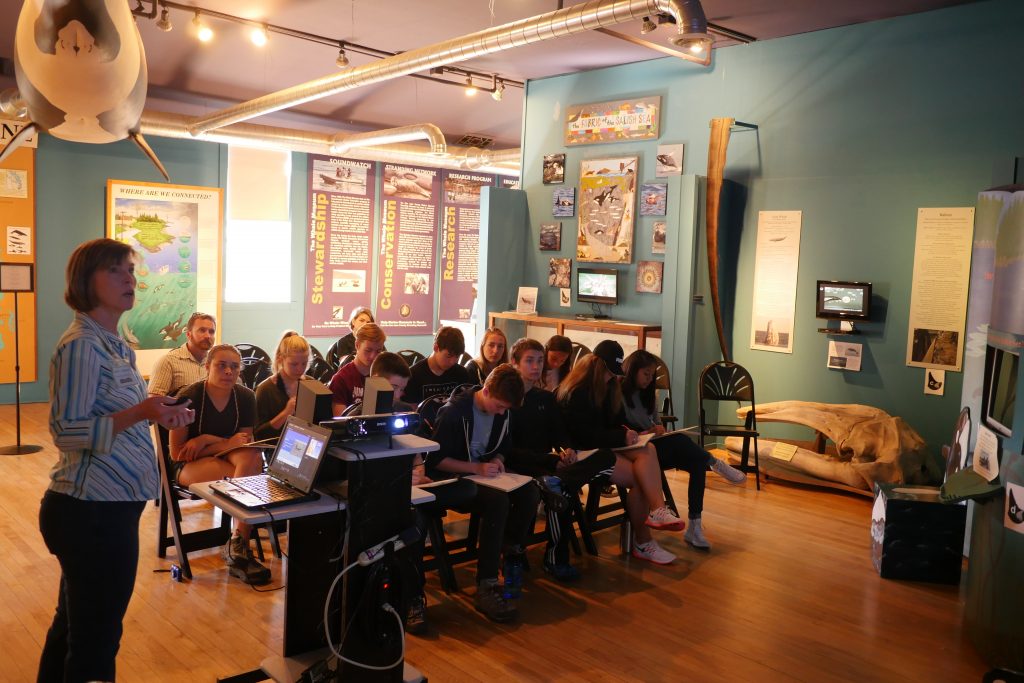
This morning, after an early breakfast, we made sure we were prepared for our longboat expedition starting Sunday. Afterwards we walked to the Whale Museum. The director there presented enriching information on the Orca inhabitants in the Salish Sea.

P5980771

Photo by Seth Grant

She mostly focused on the Southern Residents and their characteristics but also went over the other types of Orcas in the area such as Transients, Northern residents, and Offshores. While taking notes, we learned of their hunting techniques, language/tone of voice, prey, size, and environmental issues. We then toured the facilities, seeing various skeletons, fetuses, and brains.

P5980575

Photo by Seth Grant

After that we broke for lunch, again having DIY island sandwiches. I personally put chips on mine, it adds a whole new level to the sandwich taste and texture. We then adjourned to the Science lab, where Dr. Rebecca Guenther introduced us to the wonders of algae. Each table had at least one live aquatic autotroph. Dr. Guenther taught us the differences between algae and how to find out which specific algae you have using the Dichotomous Key. We tried out a simplified version of the key to find out the names of the algae on our tables. After working and being focused we finally got to play, and use the algae to create designs and dry them. Tomorrow we will check up on our Dried algae to see the state it’s in.

IMG_8455

Photo by Tim Dwyer

While on break, our Instructor, Tim, put together a simulation to teach us how to survey organisms. Our organisms in this case were actually rocks and although we could have counted them all, we used transect tapes, quadrants, and our meter ropes to find a population estimate. We hope you enjoyed learning about our day! Until Tomorrow!!

IMG_8465

Photo by Tim Dwyer