Day 19: We’ll Keep This Quick

Our day today was packed.

As incredibly exciting and fulfilling as today was, it was equally exhausting. For the sake of our sleep schedules and easy readability, we’ll keep this quick. 

The Return of the Pauly

While being online for the duration of this program has had its lows, to an extent it’s been a blessing in disguise. Being online has allowed us to connect with incredible people we would have otherwise never met, including the likes of Daniel Pauly. 

In his second appearance with us, Dr. Pauly shared one of his more recent studies. His research suggests that as our oceans warm, the fish that inhabit them will become increasingly small due to a lack of oxygen. We are honored to be one of the first student groups he has shared this lesson with and we hope to help spread his crucial message worldwide.

Mo Sea Stars!

In between scrambles to complete posters, Mo Turner joined us to talk sea stars. We’ve met many remarkable scientists during our time at Salish, so this being the second to last day, it was enjoyable to circle back around. It was definitely a more casual conversation; filled with random star-y questions. We even got a chance to view many of the specimens from one of FHL’s sea star galleries. The Vermillion Sea Star (pictured below) garnered many oohs and ahhs.

Image Source ( Vic High Marine )

Lights, Camera, Action!

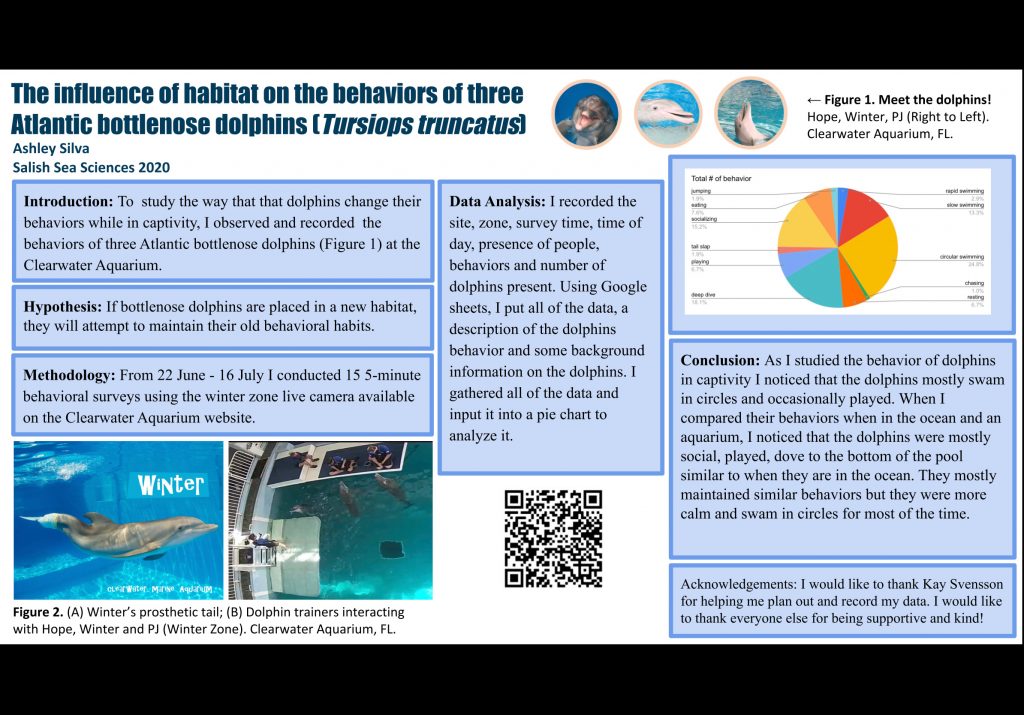
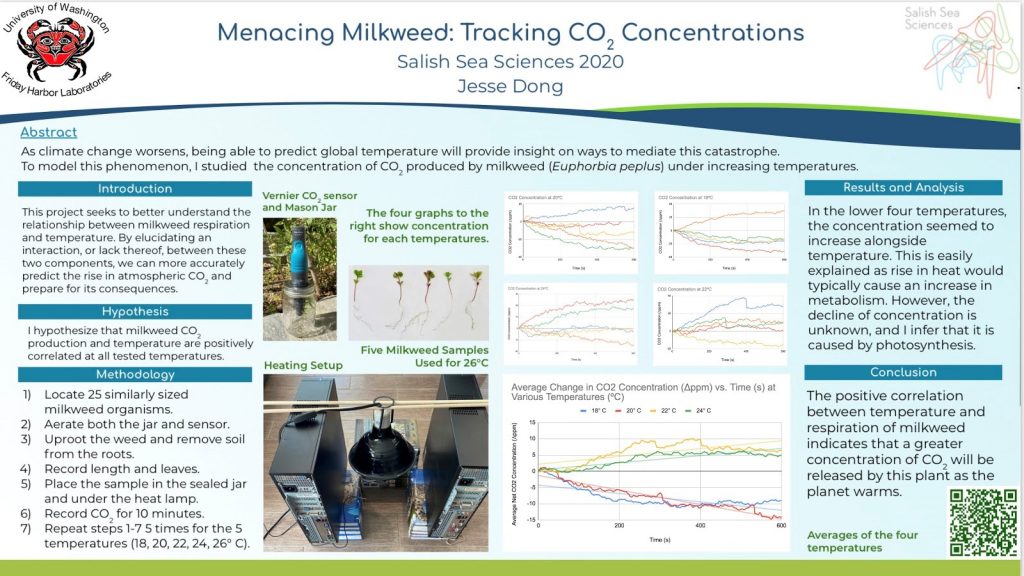
We spent countless hours today finalizing our posters and preparing to present our research. As nerve-wracking as it was, our discussions went surprisingly well. We each got to speak with an abundance of people ranging from family members to scientists we’ve never met before. It was nice to finally be able to wrap up our past few weeks of doing research and collecting data.
The Salish 2020 Posters

Getting Sleepy

It’s astonishing how fast time truly flies when you’re engaged, supported, and constantly amazed. This program has been a once in a lifetime experience for all of us. Despite our small group size of 6, we’ve accomplished more than we ever thought possible.

These past weeks have pushed us to improve our speaking, listening, and learning. In this time, we’ve connected with artists, activists, humorists, and scientists; many of which we could have only dreamed of meeting beforehand.

We have to thank those that have been essential in molding this time into an unforgettable period.

Derek, thank you for your constant enthusiasm and endless ideas. Kay, without your experience and guidance we’d surely be lost. Caroline, thank you for always helping us to improve. Tom, your technical savvy and inspiring ideas have saved the day more than once. Bea, thank you for your crucial project help. And, for all the inspiring guest speakers we’ve had, thank you for making time in your busy schedule to meet with us. It means the world.

To be completely honest, we could talk endlessly about all of the incredible experiences we’ve had with this program. 

However, as we keep writing this, we’re beginning to get tired and we think we better call it a nigh…
Day 17: “What You Do in the Present Will Define What the Future Will Be”

By Anders, Colette, and Julia

A Lovely Lecture

In all likelihood, most reading this blog aren’t exceptionally well versed in the radical world of rockfish. Oftentimes, when faced with unfamiliar science, it can be extremely difficult to work past the inexpressive style and surmount the barrier of confusing jargon.

While some scientists (like Sasha Seroy) choose to combat this issue with art, others choose a more comedic path…

This morning, we had the pleasure of meeting and talking with Dr. Milton Love, a scientist and humorist working at UC Santa Barbara. While he has experience in a broad range of fields, our discussion today mostly concerned the ecological value of offshore oil rigs. Dr. Love shared with us both scientific and personal wisdom. His approachable demeanor had us asking constant questions, whether they be about science or personal. All puns aside, it was lovely to speak with him today.

Captain’s Orders

There are always multiple stages of every issue. In science, while a critical aspect is research and documentation, equally important is actually taking action on that work.

Today we spoke with world-famous ocean conservationist, Paul Watson.

Captain Paul Watson has been a lifelong steward and advocate for our planet. At only age 11 he spent his summers releasing beavers from hunting traps. Later in his journey, he co-founded Greenpeace, directed Sierra Club, and began the Sea Shepherd Conservation Society; one of the world’s leading marine conservation groups. 

While to some Captain Watson is an inspiration and a hero, others purport he’s an eco-terrorist and extremist. He philosophizes: “it doesn’t matter how thin the line is if you don’t cross it”.

From what we gathered, Watson believes that if critical action is being taken and still we receive backlash from governments and corporations, then something is wrong. “The earth has been around for 4.5 billion years, yet we still think it was made for us”. 

It was so kind that Captain Watson was willing to take the time out of his busy day to speak with us. He left us feeling inspired, (full of quotes), and ready to save the world.

Exploring Octopodes

For the second time this week, we dove into octopuses and their many talents.

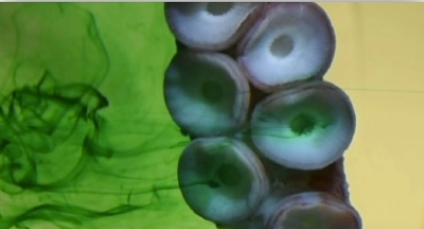
Octopus scent is relatively unexplored, hopefully Willem can find some interesting answers. (Photo Credit to the Gire Lab)

University of Washington graduate Willem Weertman gave us a detailed explanation of his graduate school thesis exploring octopuses’ ability to track odor plumes (, odor released and carried by some sort of current). Recently, he’s been busy building a flume at Friday Harbor Laboratories for use in his future studies.

Those Who Came Before Us

As an excellent end to the busy day, we got to speak with a former Salish Sea Sciences member, Ayla Ridwan. She is currently a senior at Friday Harbor High School and is an intern at FHL where she is looking at fish and soon, sharks.

It’s awesome to see how her experience with Salish Sea Sciences opened such an incredible door of opportunity, we hope to be just as fortunate. Just as Captain Paul Watson suggested today, “What you do in the present will define what the future will be”.

Day 15: How Did I Get Here?

By Anders, Colette, and Julia

Sometimes when things around us get crazy, we find ourselves asking, “How did I get here?” 

Ascidian Update 

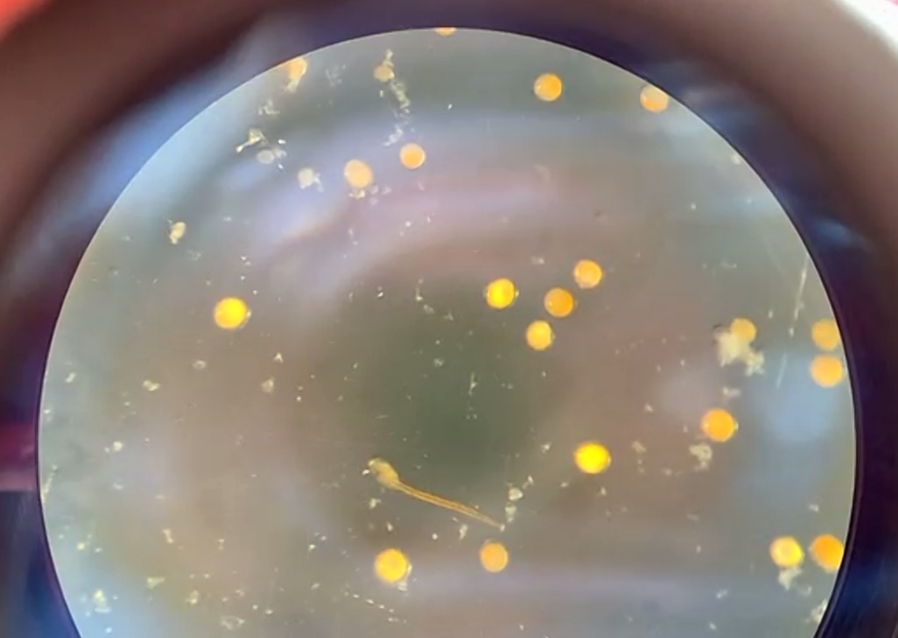
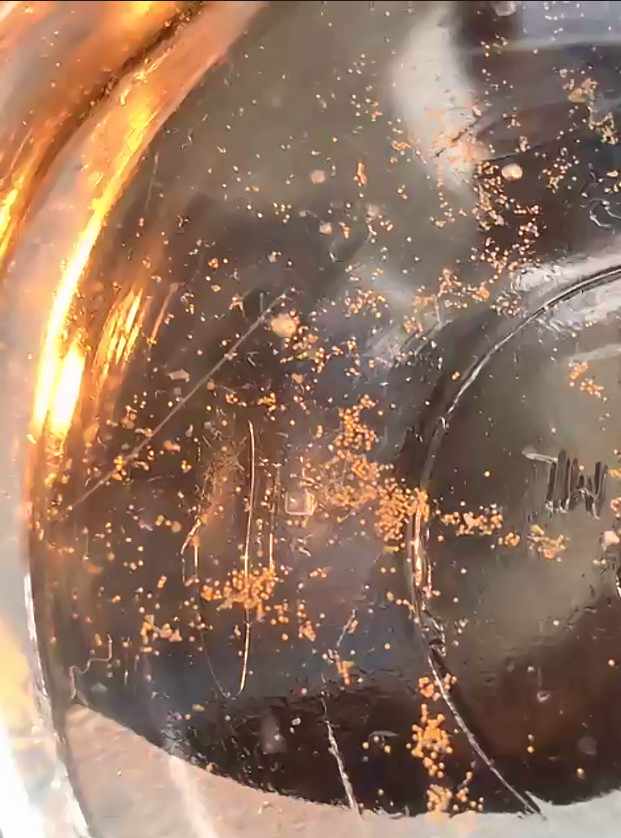
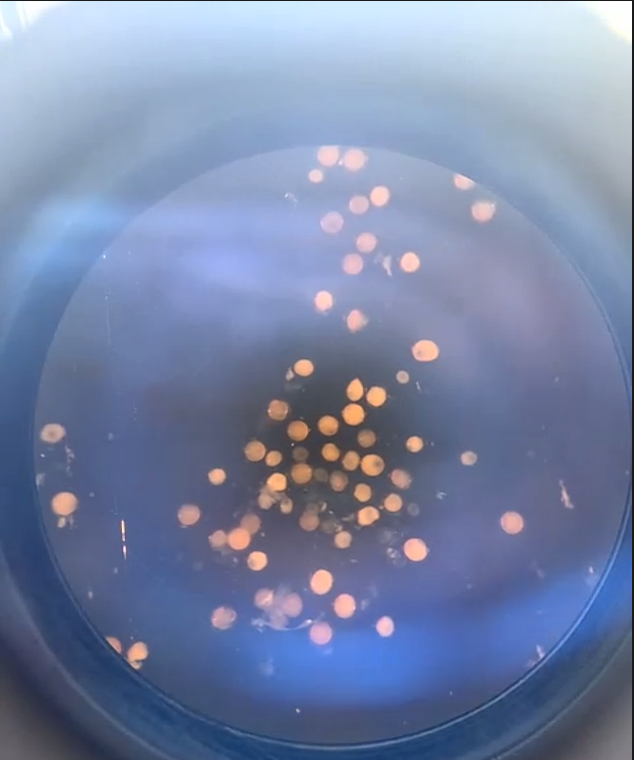
In some cases, the answer is pretty simple. Those who read our blog on Day 13, might remember the ascidian zygotes Dr. Billie Swalla fertilized in vitro.

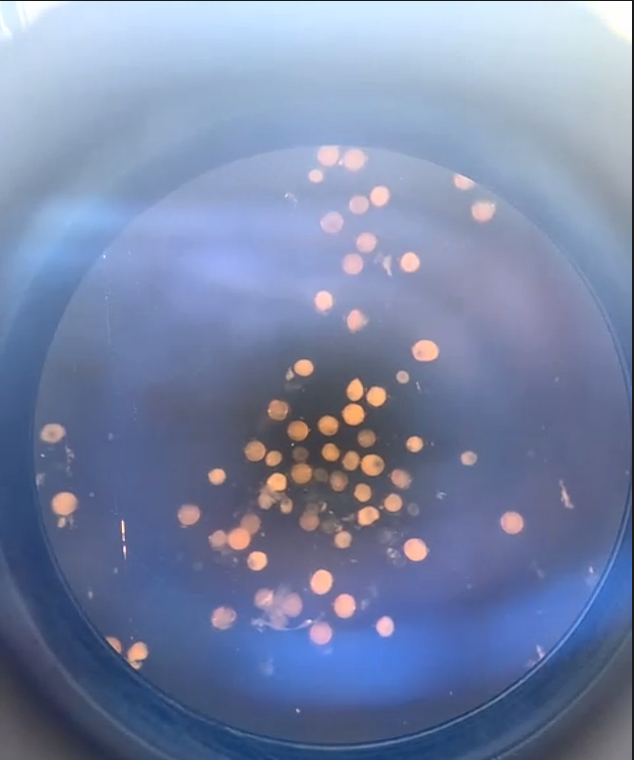
In over just two days, the unassuming clumps of cells have taken shape, forming tiny ascidian larvae (also known as ascidian tadpoles due to their resemblance to… tadpoles). 

The Marvelous Daniel Pauly

However, while tracking the growth of ascidians might come down to basic biology, following our own path, things can get confusing.

Today we were visited by Dr. Daniel Pauly, an influential fisheries scientist at the top of his field. As we listened to his stories and ideas, we couldn’t help but wonder how we came to be here; learning from such a knowledgeable person, while seated in the comfort of our own homes. 

Dr. Pauly shared with us the most concise version of his journey he could muster, before opening up to our questions. He emphasized the importance of involvement and even expressed his willingness to speak with us next week about his recent research.

We are so grateful that Dr. Pauly was willing to speak with us today. It almost goes without saying that we are brimming with excitement to hear what he has to share next week.

Projects Continued…

As the third week of this program draws to an end, we’re inching closer to the grand conclusion of our individual projects. 

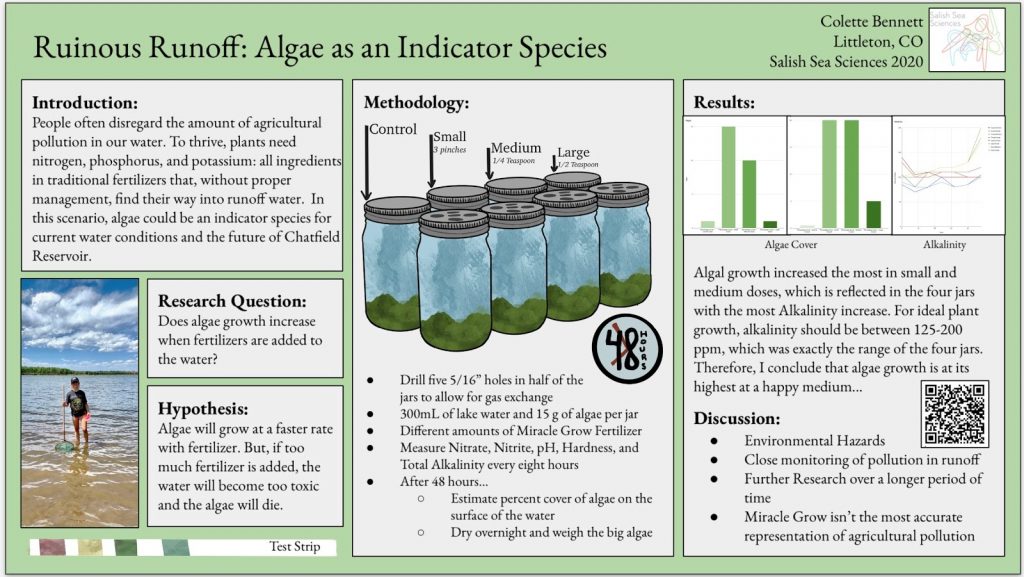
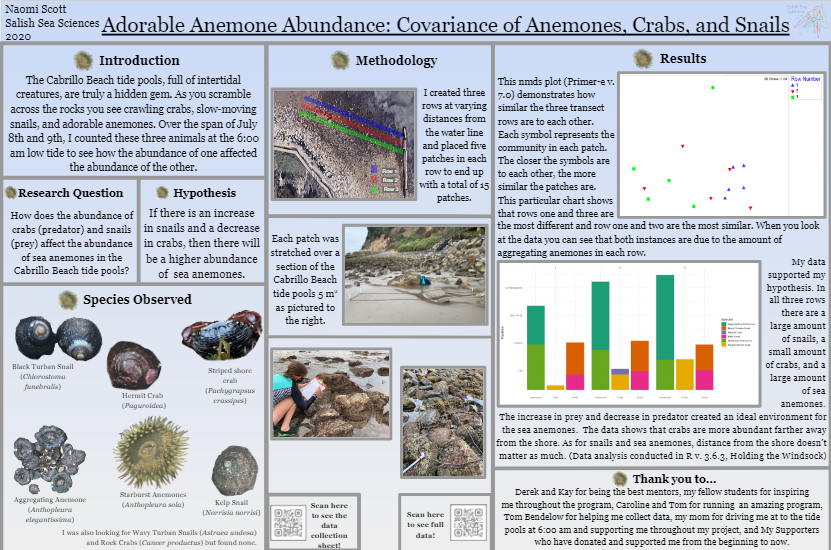
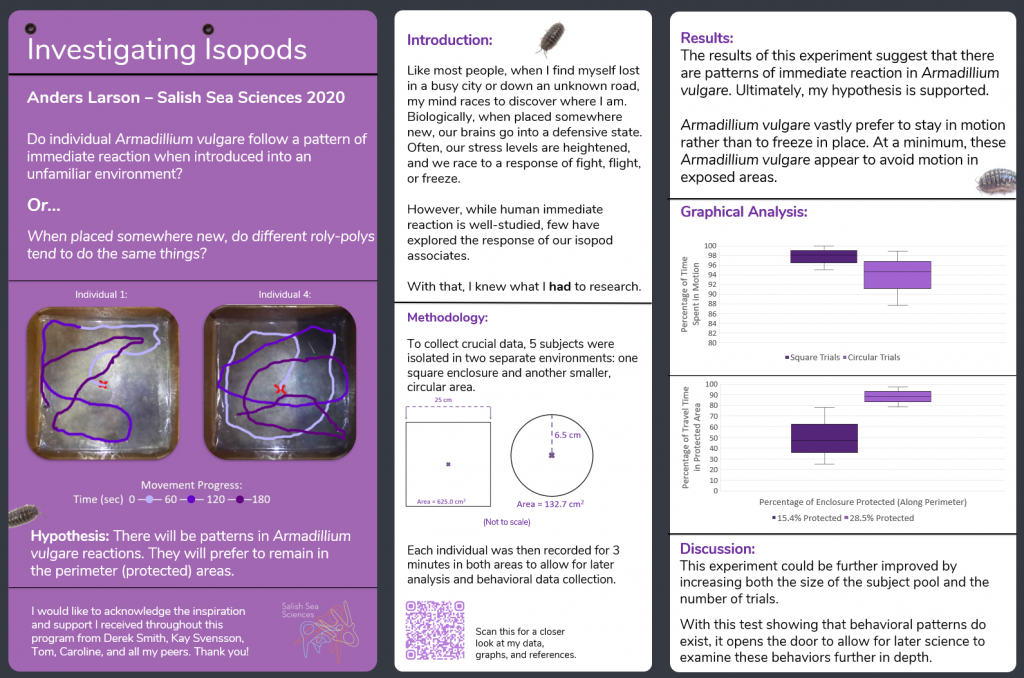
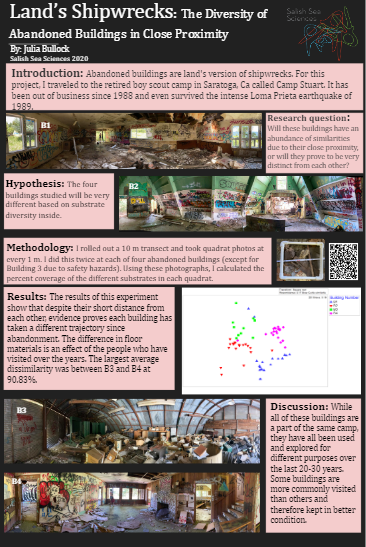
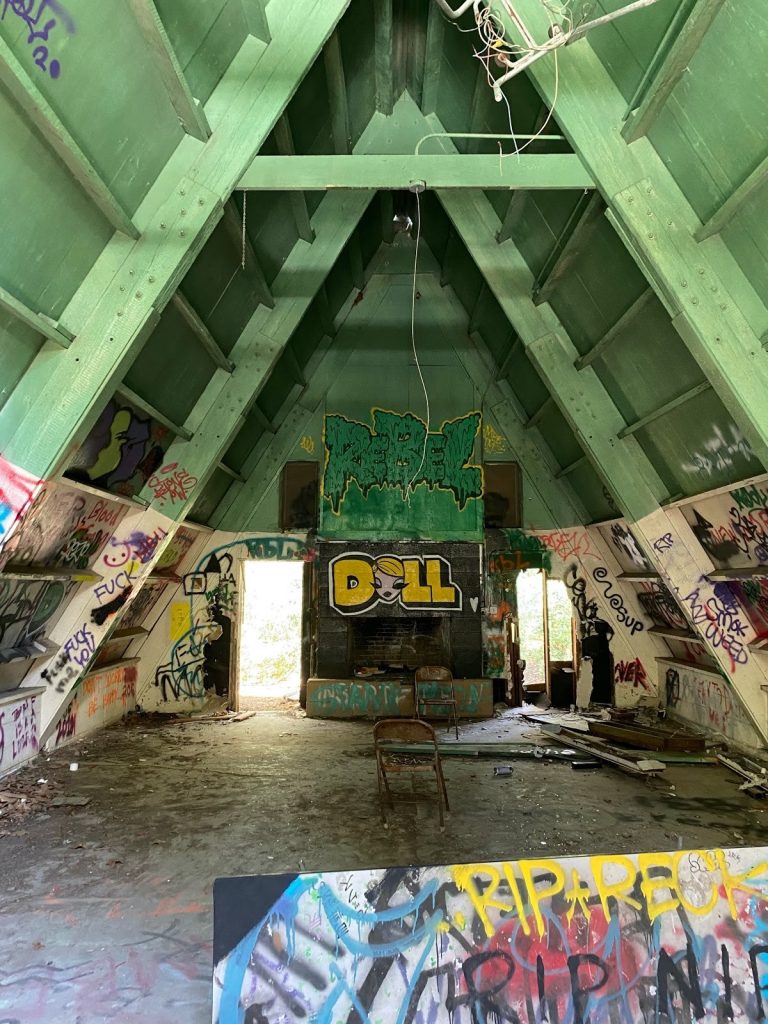
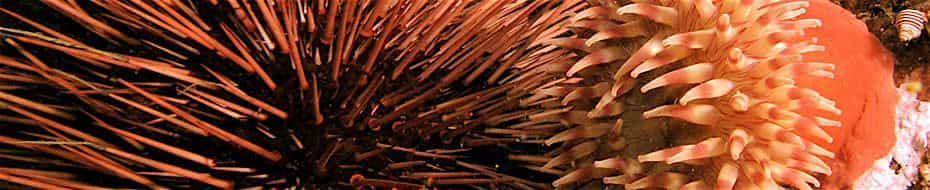
While Naomi spent the past week counting anemones, Ashley logged hours reviewing footage of the behaviors of marine mammals. With climate change in mind, Jesse considered the significance of weeds and oxygen. On the muckier side of things, Colette trudged through the mud at Chatfield Reservoir to collect her data. Using his backyard inhabitants as study subjects, Anders explored the behavior of pill bugs while Julia has devoted her time to documenting the reclamation of nature. In her last day of data collection, Julia ventured to an abandoned Boy Scout Camp to gather the remainder of her data. 

Who knew collecting data could be so spooky?

It’s super exciting to watch all this effort materialize, our ideas are finally coming to life!

We are so happy to be where we are today, surrounded by like-minded people, and learning from incredible teachers. 

We simply wouldn’t be where we are right now without the guidance of Derek and Kay, the knowledge of Tom, and the support of Caroline. We couldn’t be more thankful for the incredible experience we’ve had with Salish.


Day 13: Life… and Death

By Anders, Colette, and Julia

The creation of life is certainly an interesting process…

While Mary Shelly’s Frankenstein presents a shocking inception, (pun intended) Dr. Billie Swalla showed us today that things are often far simpler. With some elbow grease and a pair of tweezers, Dr. Swalla set out to create some ascidian zygotes. After harvesting a few sacrificial Sea Squirts, Dr. Swalla then surgically removed both male and female gametes from the adult ascidians.


Dr. Swalla showed off her stylish nails as she gathered some Ascidian sperm and egg cells.

We later had the excellent opportunity to see these rapidly growing ascidians up close using one of the marine lab’s microscopes.

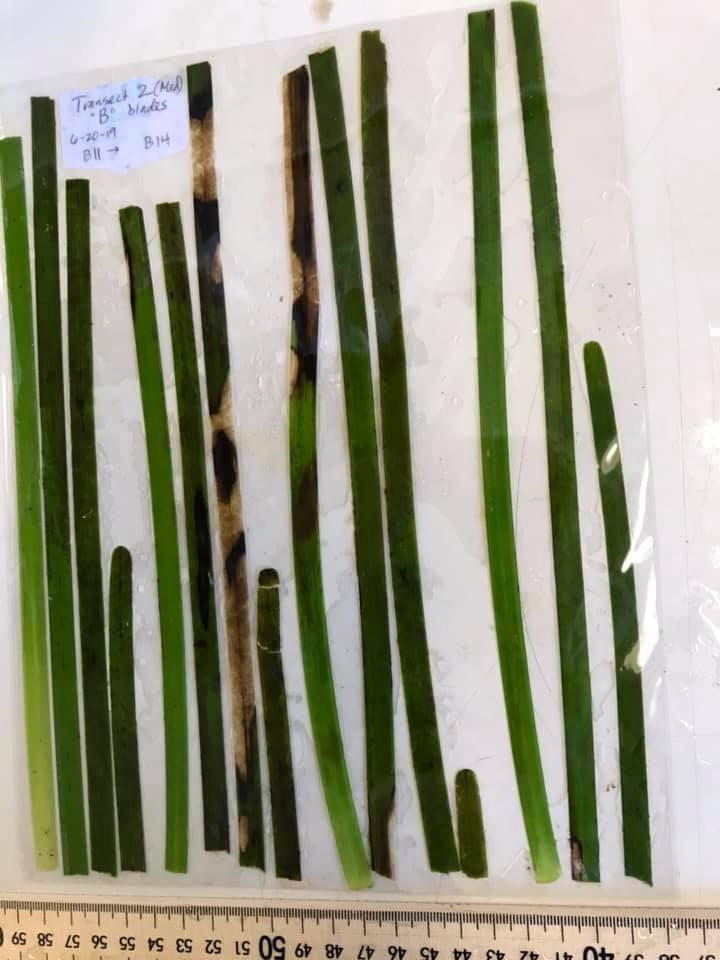
As easy as it may be to create life, Morgan Eisenlord’s work with eelgrass wasting disease shows how life can also be taken away just as swiftly. Today, we devoted much of our time to helping Morgan with her data analysis. By crowdsourcing some work to us, we’ve been able to lighten the load. As they say, “teamwork makes the dream work”!

Eelgrass wasting disease leaves the infected individuals darkened and scarred with lesions.

Eelgrass wasting disease has wreaked havoc on eelgrass beds worldwide. Scientists like Morgan are working diligently to help this species and document the effects of the eelgrass plague. 

Unlike the disappointing outlook for the eelgrass, this afternoon brought us plenty of excitement. Yesterday, Derek went out on a limb and contacted Daniel Pauly, a world leader in fisheries science and conservation, to ask if he’d be interested in speaking with us this week. To everyone’s astonishment, Dr. Pauly responded… and he loved the opportunity to share! At that moment, more than a few jaws dropped. Or in Derek’s case, his jaw practically fell off.

With project deadlines growing ever closer, Derek and Kay showcased a handful of previous projects to get our gears turning. By discussing past posters, we’ve gained a better understanding of scientific media.

We quickly recognized that, regardless of how much we have to say, fitting everything on a small poster is simply not realistic. Nevertheless, excluding pieces of our projects seems unimaginable. But, just like the conclusion of this blog, the end is ultimately inevitable. 

Day 11: Is it Gross? Or is it Science?

By Anders, Colette, and Julia

Earwigs … 

If you’re like us, you might hear the word earwig and feel a chill rise up your spine. Earwigs are generally despised and often regarded as pests. However, to the very few, the thought of Earwigs prompts nothing more than excitement.

Introducing… Dr. Vikram Iyengar!

Maritime Earwigs with Vik Iyengar | Salish Sea Sciences Blog
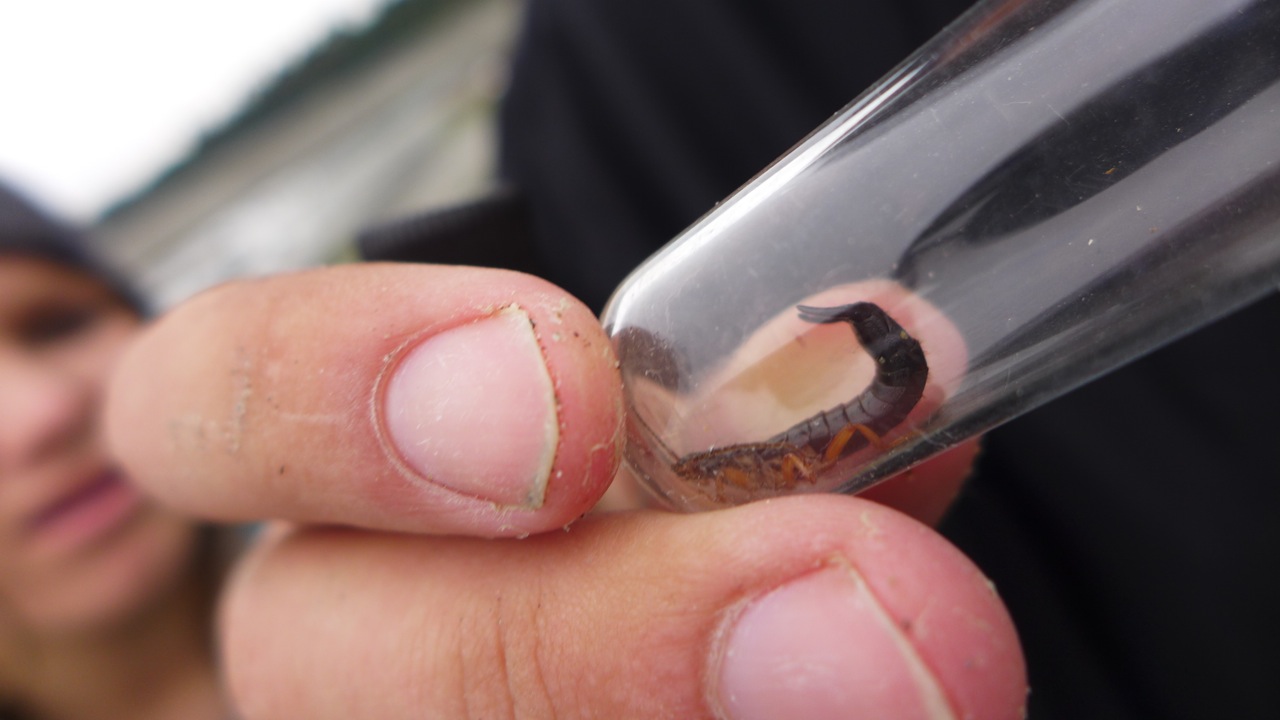
A Maritime Earwig, ready for Dr. Iyengar’s studies


Dr. Iyengar is a busy biology professor at Villanova University, having devoted the past few years to studying Maritime Earwigs (Anisolabis maritima) and all their many secrets. 

Today, he taught us about his adventures researching the sexual dimorphism present in these insects. Through his work, he’s analyzed the sexual preferences and aggression of these unexpected creatures. During mating season, sexual tensions between males and females turn especially strange; occasionally entailing jousts with forceps and often triggering wholesome mother-offspring cannibalism. Watch your fingers

Mysterious Remains

Luckily we were all able to spend some individual time today with Derek and Kay to discuss our research projects. While Julia hopes to explore abandoned buildings, Colette enjoys a muddy sludge through Chatfield reservoir. We are all now finalizing our research questions and should soon be collecting data. 

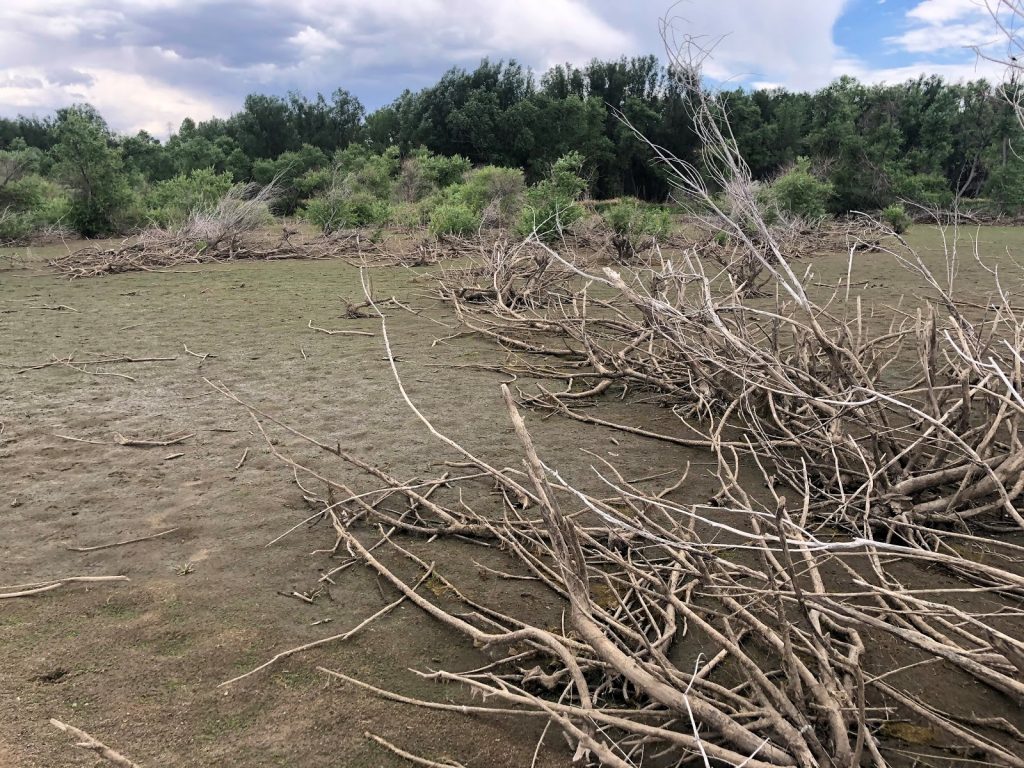
Colette, already with one foot in the door of her research project, had to leave for a couple of hours to collect data at the reservoir she’s been working at. While her data collection may not have been as fruitful as she expected, she picked up something pretty interesting on the way.


Chatfield Reservoir in Littleton Colorado

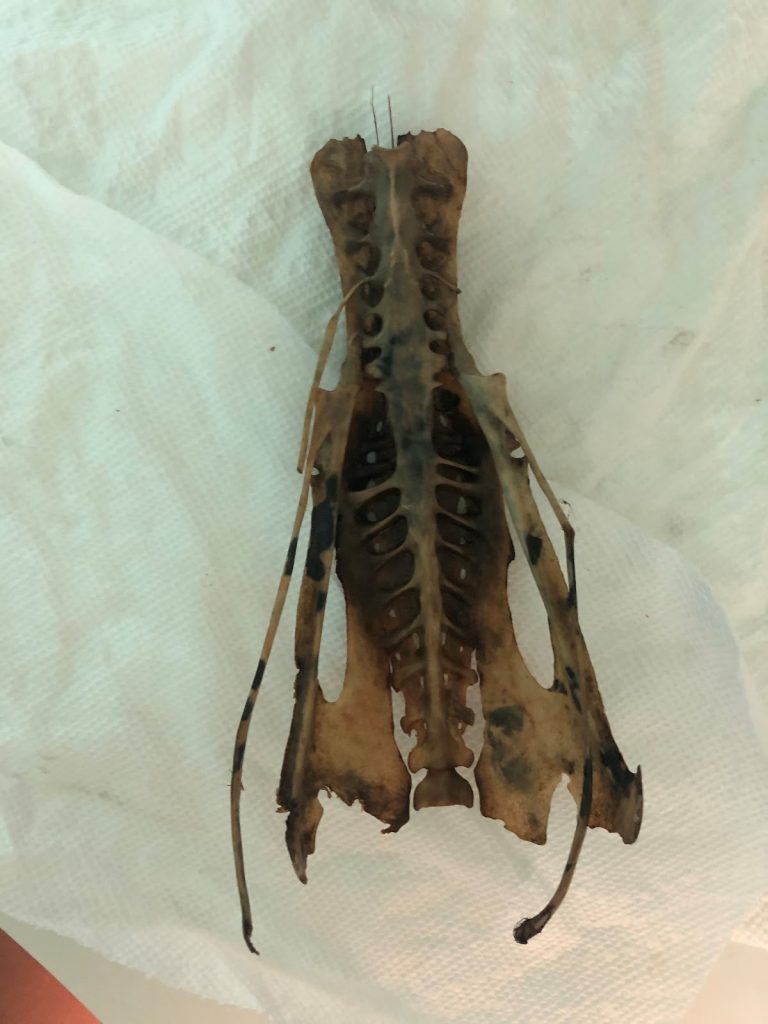
Back in the Zoom call, Colette presented what appeared to be some sort of skull. Everyone pondered at the bone through the screen. Educated guesses ranged from fish to deer. Nevertheless, our search results never matched the artifact…

(If you’d like to take a guess yourself, take a look at the photo below, or if you’d rather just skip to the answer feel free to scroll to the bottom)

This mysterious bone certainly perplexed us for a while…

Today was another jam-packed adventure. With individual projects now in full swing, we couldn’t be more excited. In the end, it seems as though a lot of awesome science originates from some pretty gross things. I suppose the answer is: both.

Turns out, the mysterious skull wasn’t a skull at all! Anders exclaimed that it must be a synsacrum—which according to dictionary.com, is “a dorsal ridge of bone in the pelvic region of birds”. Nevermind the skull, this was some breastplate of a bird. Though the question still remains who it belongs to.


Day 9: Where Do You Come From?

By Anders, Colette, and Julia

Where do you come from? 

For most of us, this question probably isn’t all that hard to answer. You might respond, “I’m from Seattle” or maybe “I have some Scandinavian heritage”.

However, when asked to think back even further, things start to get a little complicated. 

When posed with this idea, our minds began to race. Did we come from outer space? How closely related am I to a nudibranch? Where do I even start?

It’s easy to get overwhelmed when tracing back to our prehistoric ancestors. Fortunately for us, we had some help to get us through this subject; none other than Dr. Billie Swalla, an expert in marine genomics. 

Dr. Swalla taught us about her lifelong career studying ascidian embryos. Besides their beautiful features as adults, ascidians stand out due to their interesting larval characteristics. At the time of Dr. Swalla’s first introduction to the species, it seemed as though this creature could hold the key to discovering the common ancestor between vertebrates and invertebrates.

Below is an ascidian. And below that is also an ascidian (otherwise known as a Sea Squirt).

Dr. Swalla taught us about her lifelong career studying ascidian embryos. Besides their beautiful features as adults, ascidians stand out due to their interesting larval characteristics. At the time of Dr. Swalla’s first introduction to the species, it seemed as though this creature could hold the key to discovering the common ancestor between vertebrates and invertebrates.

Each organism begins its life as a larva, with its larval appearance bearing almost no resemblance to its adult form. As a larva, the ascidian spends no more than 12 hours in the water column, all the while searching for a place on the seafloor to metamorphosize. 

Dr. Swalla has spent years behind microscopes, constantly working to unearth new knowledge about these animals. Through her experience, she’s explored the body plan of ascidians, using her studies to build a better understanding of how complex body structures (like those of vertebrates) have evolved.

We are so fortunate to have spoken with Dr. Swalla today! From her words, we learned not only about our closest invertebrate relatives (ascidians) but also of the great importance of following one’s passion. Always remember, if you come across an ascidian in the ocean, just know they’re practically family! 

Transect Time!

Excited to keep active in the afternoon, we all trekked to local parks and green spaces to collect some environmental data. While we’re sure we’d prefer to be at Friday Harbor Labs working by the Salish Sea, it’s still great practice to test our transect skills around our own homes. Each one of us ventured into the great outdoors and rolled out 30 meters of measuring tape; using our quadrats to record the substrate every 5 meters. There is no doubt in our minds that passerbys thought we were crazy. We recorded everything from concrete to animal waste. 

While at times it’s a bummer to be so far apart, our geographical distance certainly comes with its benefits. Each location produced distinct data sets: while some of us dealt with tarantulas and snakes, others enjoyed relaxing parks and the comfort of sidewalks. It made for a very interesting afternoon. No matter where you are, there is always something new to discover. There are so many ways to connect with your surroundings and appreciate the natural world around you.

Get out and explore! 


Day 7: Empowered

By Anders, Colette, and Julia

**Broadcasting from Team Mako…

Today was packed, but fortunately started off a little slower than yesterday, leaving us with some much needed time to get going.

After our daily knot, it was time to sit down and learn about Kay’s past research. Using some Google Slides templates, we began the process of creating a field guide for our home environments. Next up, we learned all about “do it yourself”, or DIY, data collection methods from Kay as she showed us what her research experience has taught her. She provided examples that showed us how to make cheap, DIY alternatives to expensive scientific tools. Fortunately for our wallets, marine science is very accessible. Oftentimes, expensive equipment can be replaced by common – sense creations. 

After lunch, we had the awesome opportunity to meet Liz Smith, a scientist and filmmaker with experience in many different fields. Having studied and worked in the field of scientific communication, Liz taught us all about her work as both an independent contractor and NASA employee. We were also extremely grateful to be selected as one of the very few groups to view Liz’s newest film, YOUTH v. GOV. With confidentiality in mind, let’s just say… Wow! If we were to sum up the film in one word, it would be Empowering.

After we had all taken the time to view the documentary, we wrote about our thoughts in a short survey. This was a nice way to debrief what we learned and to provide critical feedback for the production and editing teams. It’s crazy to know that our feedback is helping to create what we hope will be the next big documentary!

We reconnected on zoom to discuss our feelings about the film with Producer Liz Smith. Both team Mako and team Bottlenose Dolphins voiced the inspiration we felt and agreed that we all had an overwhelming urge to make our voices heard. Every voice counts, and if anything is going to make a difference in this critical time, it’s the youth. Whether it’s by protesting, signing petitions, or creating posters: all efforts are critical during this global fight for climate justice. 

Day 5: An Ecological End to Week 1!

By Anders and Julia (Colette was busy but with us in spirit!)

**Broadcasting from Team Mako…

Wow, the week really flew by!

We think the soaked up knowledge from the past few days finally got to everyone because we were all a little exhausted today. Undeterred, we kicked things off with the knot of the day: the sheet bend. 

After we felt our morning drowsiness had been washed away, we were quick to jump into fieldwork and data collection. Today’s task had us photographing our household utensils once more in order to practice using quadrats in our future experiments!

Today’s excellent speaker was Morgan Eisenlord, an expert in the field of marine ecology and infectious disease currently studying at Cornell University to earn her Ph.D. She has dedicated much of her research career to studying the plague of Sea Star Wasting Syndrome that tainted the waters of the Salish Sea in 2013. Morgan told us all about her experiments with Sunflower Sea Stars (Pycnopodia helianthoides). Once common across the seafloor of the West Coast, their numbers saw a significant decrease as Wasting tore through their population.

Although marine diseases are always naturally present in our oceans, Morgan explained how human-introduced environmental stressors often lead to worsen these issues and increase their prevalence. With her previous knowledge, experience, and awesome willingness to answer all our questions, we learned so much from her and are grateful for the time we got to spend with her today.

Our second field activity today involved further practicing our counting and observational skills. We were tasked with using transects to collect data around our homes. After rolling out 10 meters of line, we made qualitative recordings every 10 centimeters.  The activity certainly required close attention, as if you weren’t careful, one mistake could render the entire data set incorrect.

While we have yet to dive fully into personal projects, our afternoon had us all brainstorming topics to explore in the coming weeks. 

It really is hard to believe that the first week is already over! We have learned so much from the Salish team as well as all the incredible guests. We’re sure we speak on behalf of both teams when we say that we are beyond excited for what next week has in store!

Day 3: From Bioacoustics to Broadcasting

By Anders, Colette, and Julia

**Broadcasting from Team Mako…

Boy was today jam-packed!

Right off the bat, we jumped into the world of bioacoustics. The wonderful Jason Wood and Jesse Turner helped to ease us into this complicated subject. Given his extensive background in acoustic ecology with a Ph.D. from the University of California, Davis, Dr. Wood had tons to teach us! In previous years he taught an undergraduate class on this subject at Friday Harbor Labs!

While sound and its significance to ecology and conservation might go unheard, its importance shouldn’t be ignored. Dr. Wood highlighted the extensive array of sounds found within the Salish Sea; both natural and anthropogenic(human-made). He demonstrated the great effect that our noisy world has below the waves. With marine mammals around the world so dependent on communication, the noise pollution emitted from our ocean activities can seriously disable our aquatic neighbors. Those of us that have ever attended a loud concert are likely familiar with the phenomenon of reduced hearing after the event. However, while the consequences for us humans are usually negligible after a day or so, Cetaceans face serious damage. Sounds can become so loud that they suffer from minute to acute hearing loss which inhibits their ability to feed and communicate with others.

Dr. Wood and his colleagues have stood up to the noise and organized a slow zone for ships traveling through the Haro Strait—the strait between the San Juan Islands and the greater Victoria area. An incredible 80% of ships have accepted these terms! Dr. Wood’s message was intriguing and introduced us to a field of science that was, for many of us, previously foreign!

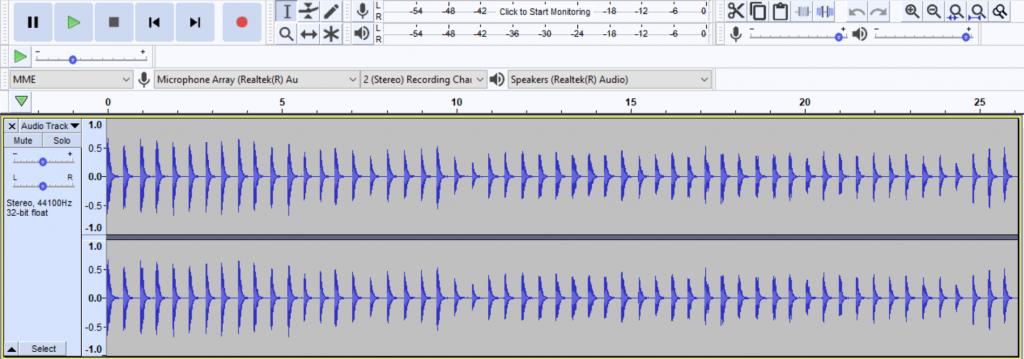
With personal projects inbound in the coming weeks, Jesse helped us to navigate Audacity, (a powerful program for audio recording and analysis)! Jesse is currently an engineer for the Coastal Acoustic Buoy Project (CAB) and got his bachelor’s degree from the University of Washington for oceanography. Using his experience, he guided us through his own work over the past few years, showcasing the incredible data he’s captured about the Salish Sea’s many marine mammals.

Particularly interesting is what Jesse has learned about sperm whales solely from their vocalizations. His models allow him to find the estimated length, orientation, and behavior of an individual, all from a single noise!

Eventually, we took to the field and recorded our own audio right from our home ecosystems. We later listened back to our whistles, lawnmowers, and even one boisterous parrot. Using the methods Jesse taught us, we worked with Audacity to mathematically map out our rooms using the sounds we recorded!

Audacity helped us to visualize and analyze our recordings!

Additionally, we had the privilege of watching the premiere of the new PBS documentary yesterday entitled A Decade After Deepwater, about the Deepwater Horizon oil spill. As a team, we were tasked with recording a podcast summarizing this 30-minute film in 3-5 minutes. While the process of writing a script and making it fit the time took about 45 minutes, both Team Mako and Team Bottlenose Dolphins managed to create educational podcasts that really highlight the most important aspects of this horrific disaster.

It’s crazy how much we’ve accomplished and learned over just three days! We’re beyond excited for the coming weeks!

Day 1: Salish Goes Online!

By Anders, Colette, and Julia

**Broadcasting from Team Mako…

The first day and we’ve hit the ground running! After some brief introductions, we dove straight into a virtual scavenger hunt; collecting a series of random pictures that did more than just earn our team points but introduced our homes, families, and furry friends to each other. The competitive spirit was on! After tallying up team Mako’s incredible score, which hopefully knocked the other team out of the water, we braced for the long lecture ahead of us. Expecting it to be very tiring, we were pleasantly surprised by the awesome information provided by the inspiring Sasha Seroy! Not only did she teach us about her morphological research on Bryozoans (a colonizing invertebrate) and Lacuna Vincta, (a small snail species), she also taught us about how to make our scientific work more universally accessible: through cartoons! Although none of our artwork matched the quality of her work in “Interviews With Invertebrates” (https://interviewswithinvertebrates.com/ or @IWIcomics on Instagram or Twitter) we had a great time and learned a ton! 

Much of what we learned today was centered around the theme of Scientific Communication. We practiced how to simplify our jargon and discovered how to effectively approach varying audiences with critical concepts. We can not wait to continue this journey with these incredible people who share similar passions to us. Despite our geographical distance, we sure are starting to feel like a team!