Longboat Day 2: Row, Row, Row your Boat!

By Gabi, Chloe, Daniel and Paradis —

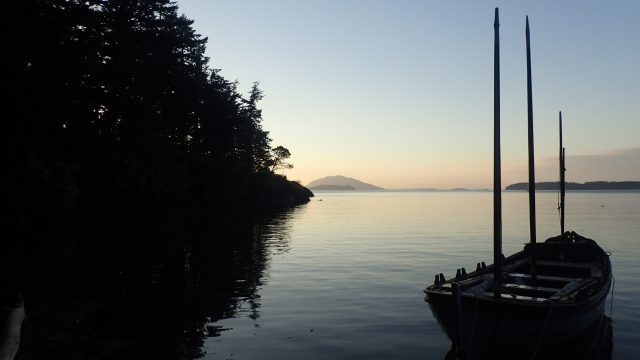
Wake up at 7:00AM to leave Saddlebag for Pelican Beach. It was a beautiful morning, and we were all excited for what today had to offer us. We didn’t have our cups of coffee to help us start the day, but luckily we had skip-and-dip. We put on our swimming suits, warmed ourselves up, and then ran into the COLD, freezing water. The feeling was amazing. We later had breakfast: yogurt and granola and then began to prepare ourselves to leave the most beautiful island ever.

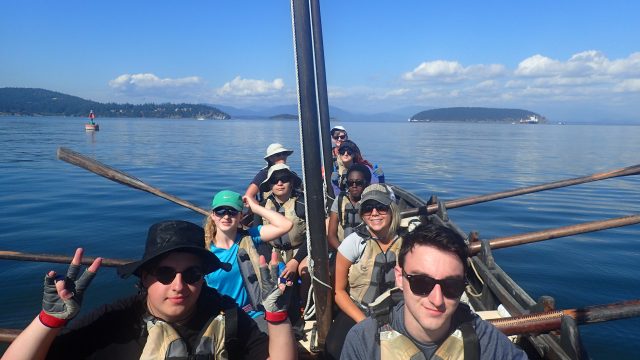
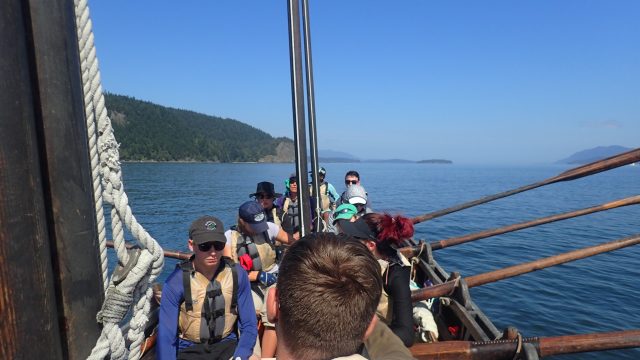
We got on the boat, stood by our oars, and started our journey for the day’s trip to Pelican Beach, an estimated 7.5 nautical miles from Saddlebag. If that wasn’t already a long enough journey, we didn’t have the wind in our favor. That meant that it would be a long, intense day of rowing for our crew. After rowing for what seemed like an eternity, we finally got to our first check point, which was Clark Point. We, as a group, decided to take a break so we set the anchor and enjoyed a bagel lunch. After our break, we began to row hard to catch the slack tide.

Unfortunately, the ebb was still continuing and impeding our progress. We decided that it would be in our best interest to change course from Pelican Beach to Cypress Head instead, since we could see that Pelican Beach was crowded and all the moors were taken by various sailboats.  The final push against the winds and currents to cross the Bellingham Chanel in order to get to Cypress Island was strenuous to say the least, but we did it by working together and using the power of pop music to sing our way through the struggle.

After dropping the anchor at our new destination, we eagerly unloaded all of our belongings and items we needed for the night.  The dinner crew worked quickly so we could all indulge in the wonderful comfort food of mac-n-cheese after our long day out on the water.  With full stomachs and weary bodies, we set up our sleeping arrangements in order to recharge for another fun filled day in the San Juans.

Longboat Day 1: The First Strokes and Seeking Crabs

By: Gabi, Chloe, Paradis, Daniel —

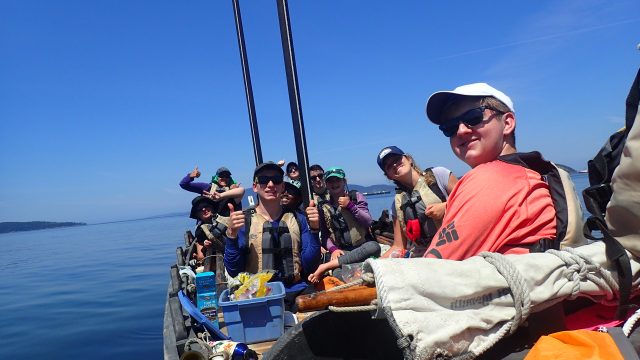
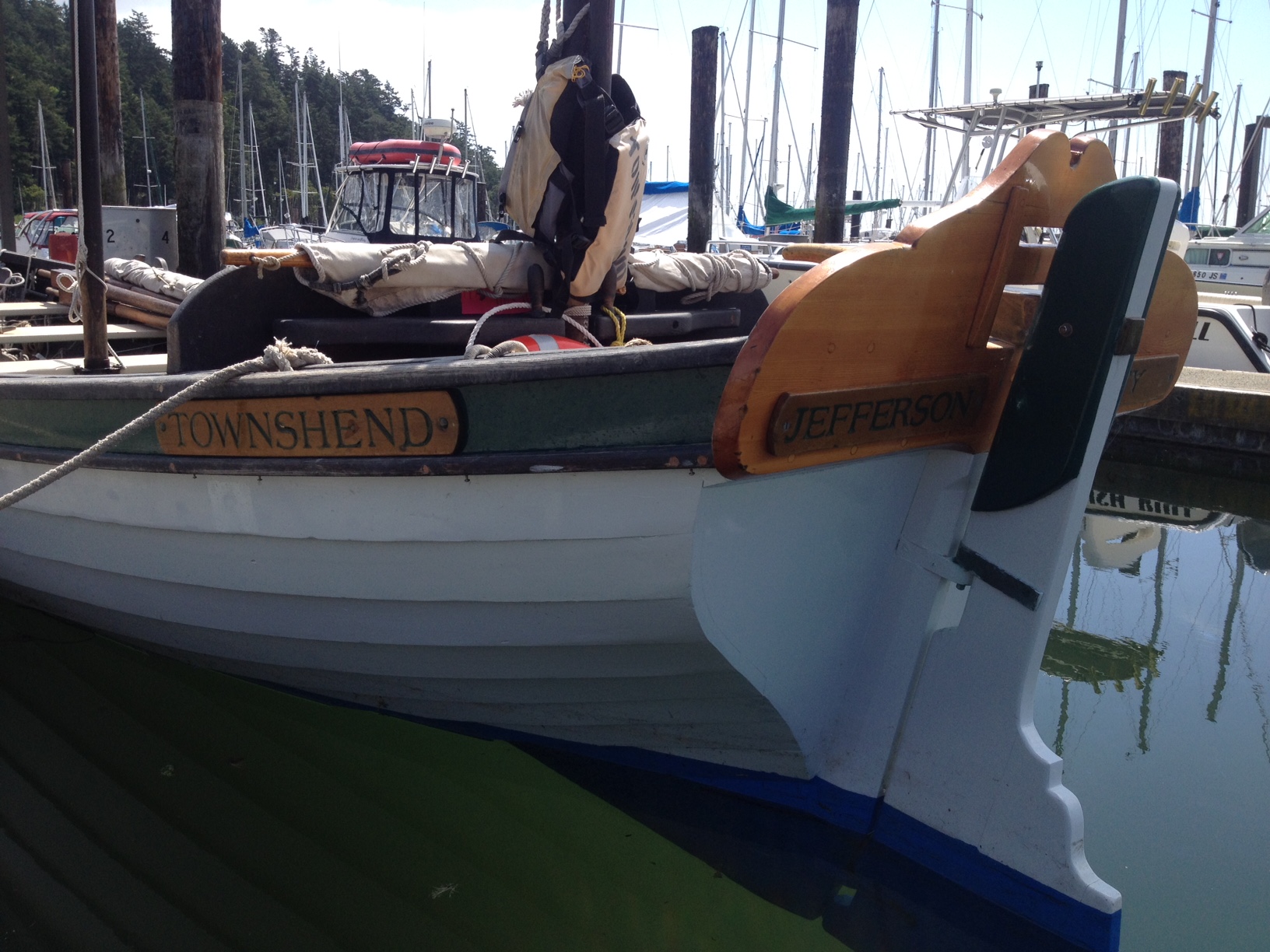
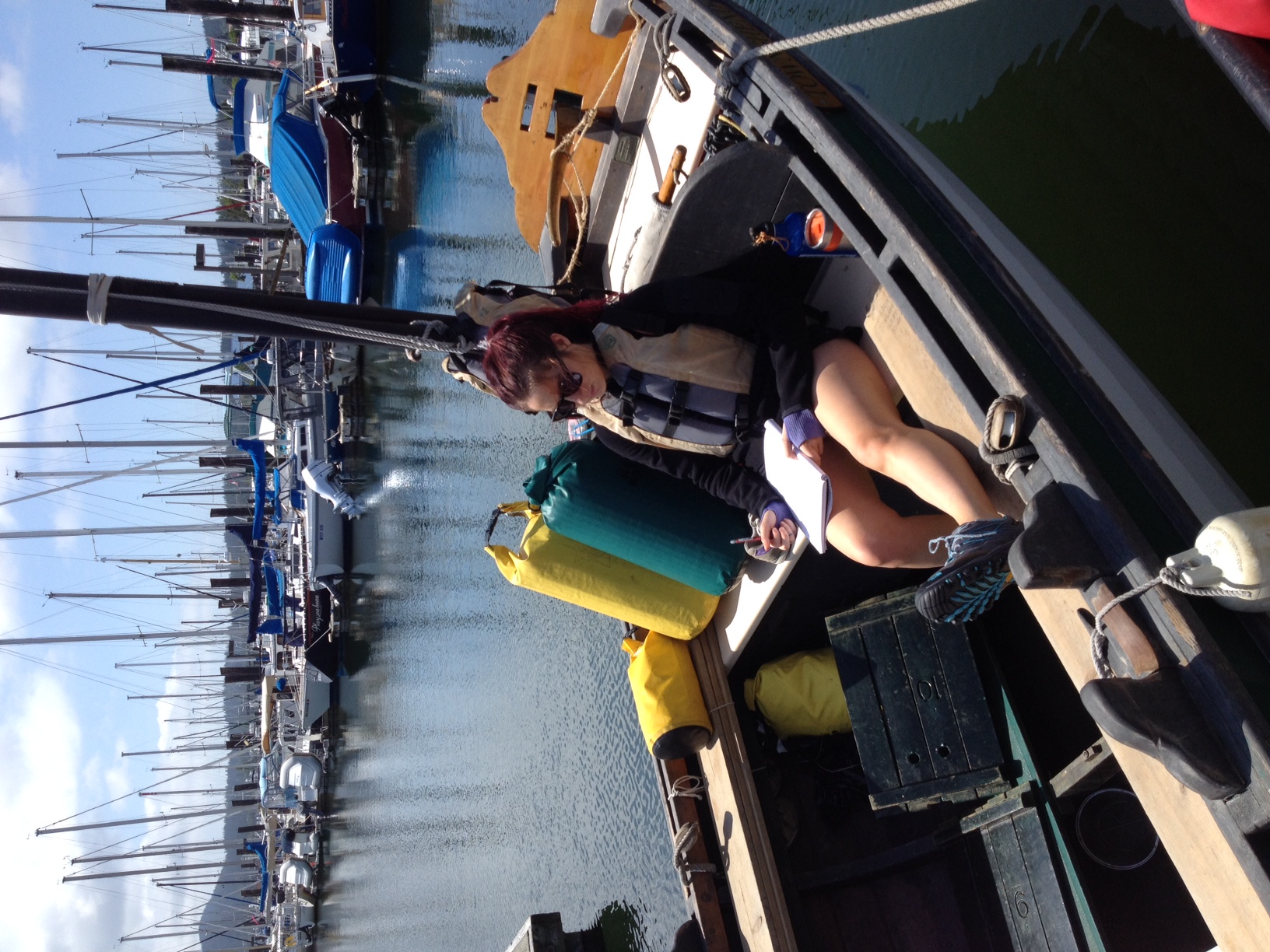
After packing all of our belongings in countless dry bags and learning some basics of our boat: the Townsend, we finally pushed off the dock in the Marina to start our journey to our first destination, Saddlebag Island.  Within the first few strokes with our paddles, we all quickly realized that the old-timey way of transportation of longboats is not an easy task.  Rowing took some serious muscle power, but when we all worked together and got our strokes in sync, we were able to row our way to Saddlebag Island, which was about 2.5 nautical miles away.  With the winds on our side, we were able to raise two of our sails to help push us to our destination, which was a joyous relief for all of us.

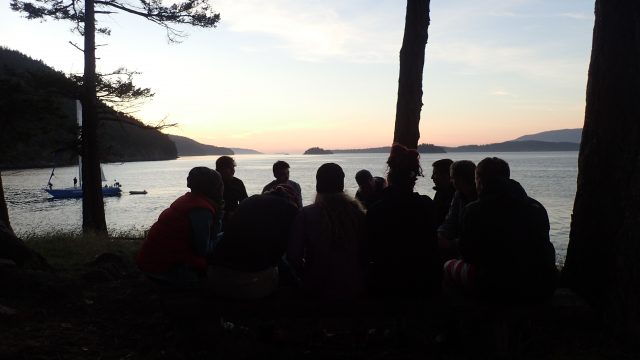
Arriving at saddlebag island, we were welcomed by the rocky shores of a small beach. Saddlebag gave our crew a quaint yet great place to stay with two small grass patches just perfect for our two tents. We decided at Saddlebag that the girls and boys would be alternating between the boat and the tents for sleeping—luckily for the girls, land would be their sleeping spot for night one. But not to get to ahead of ourselves, before any talk of going to sleep happened, we all enjoyed a lovely dinner of burrito bowls and a desert of hot cocoa with chocolate squares. We all sat out by the beaches’ edge and talked over our difficult yet fulfilling first day.

Longboat Expedition with the Northwest Maritime Center

Day 1: Setting Off

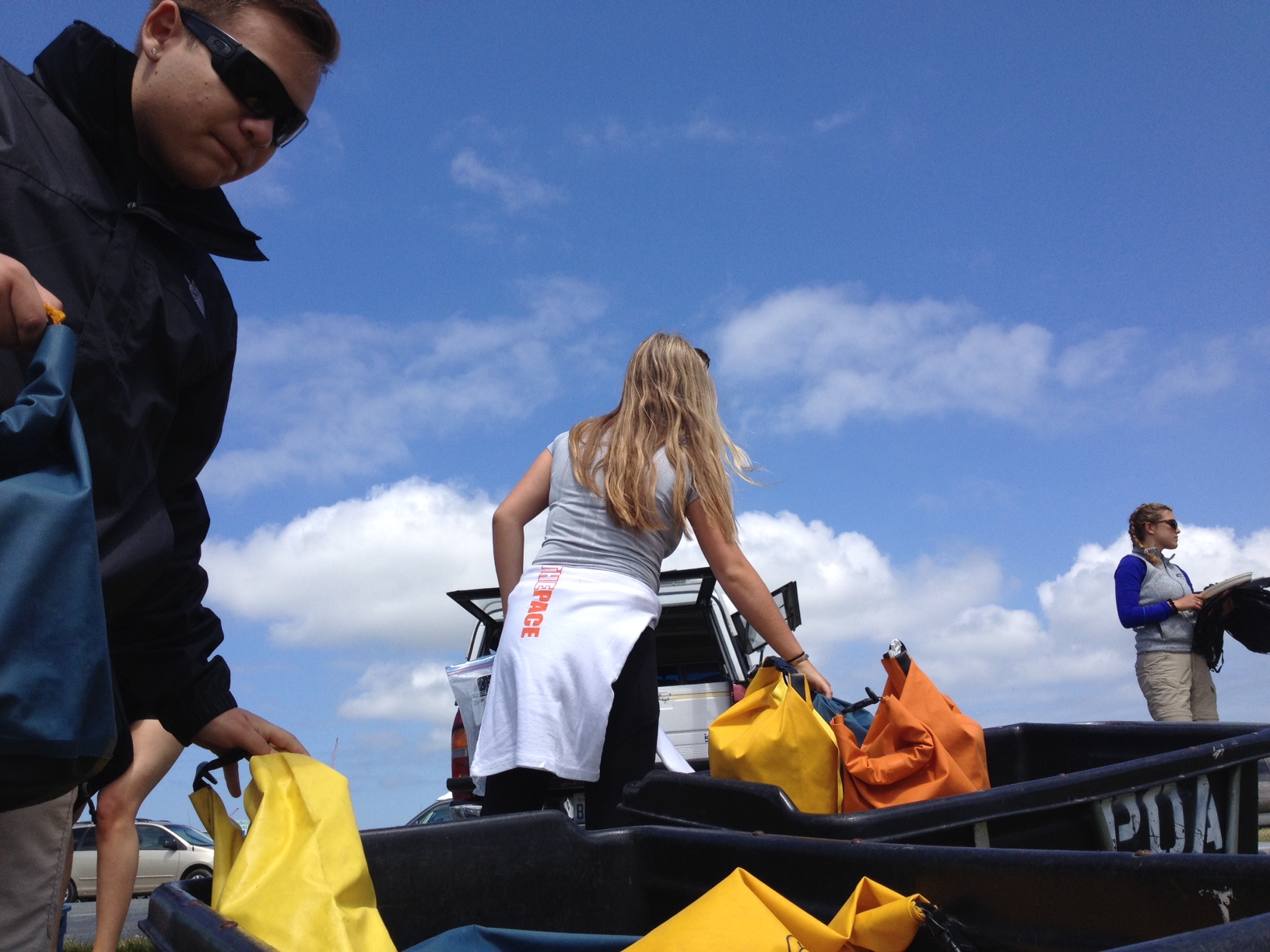
Off on the 8:05 am sailing from Friday Harbor to Anacortes’ Cap Sante Marina on a gorgeous day. The Salish Sea Sciences team meets up with Captain Sonia and Mate Chrissy in time to pack gear in dry bags, enjoy lunch, and get to know their vessel for the next 5 days, a lovely replica of the tenders used to chart these waters by Captain Vancouver’s crew in the 1790s.
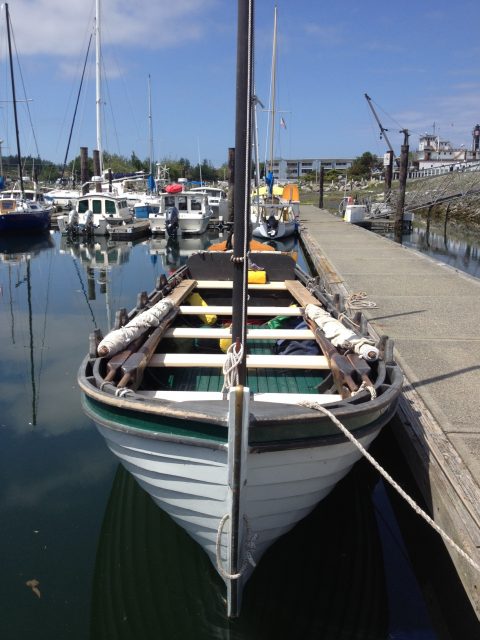
Photos: Timothy Dwyer
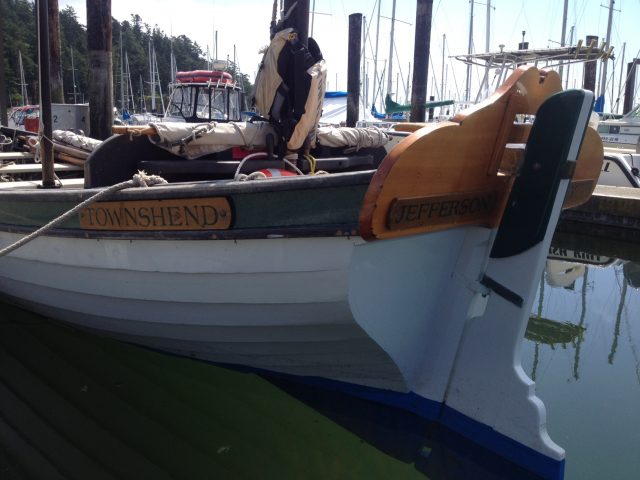
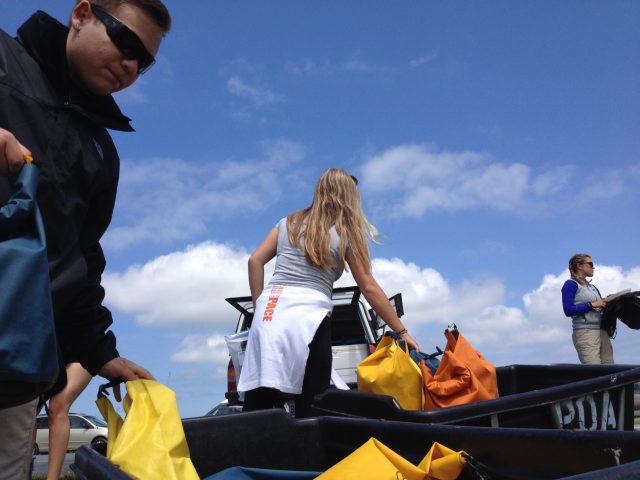
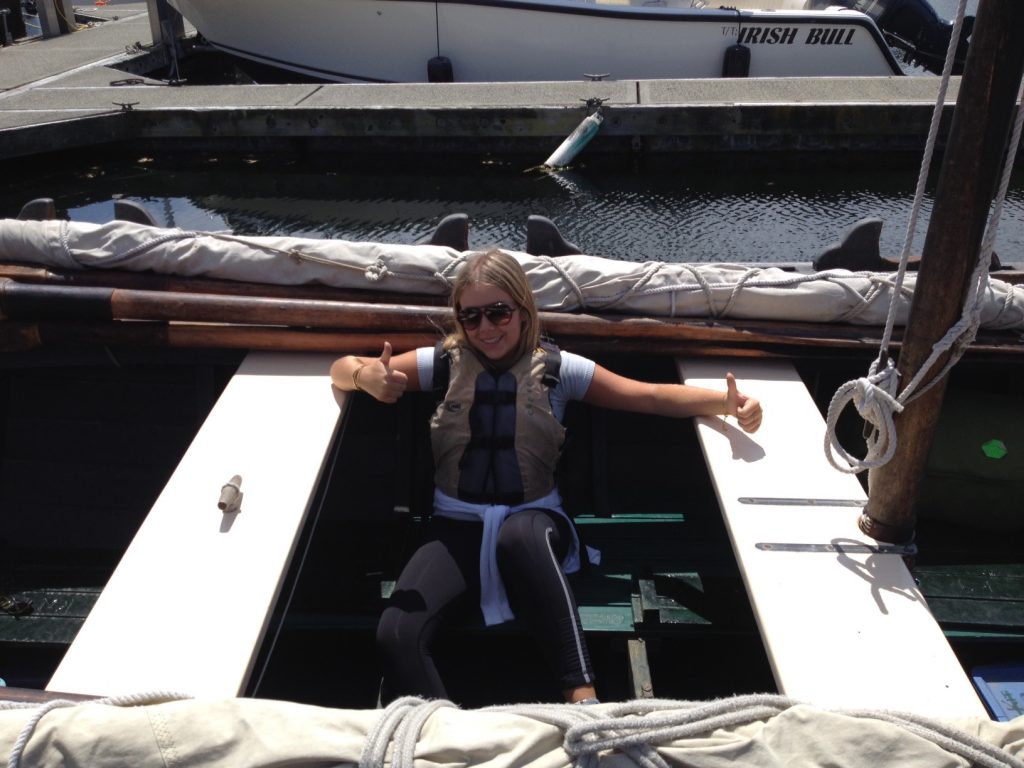
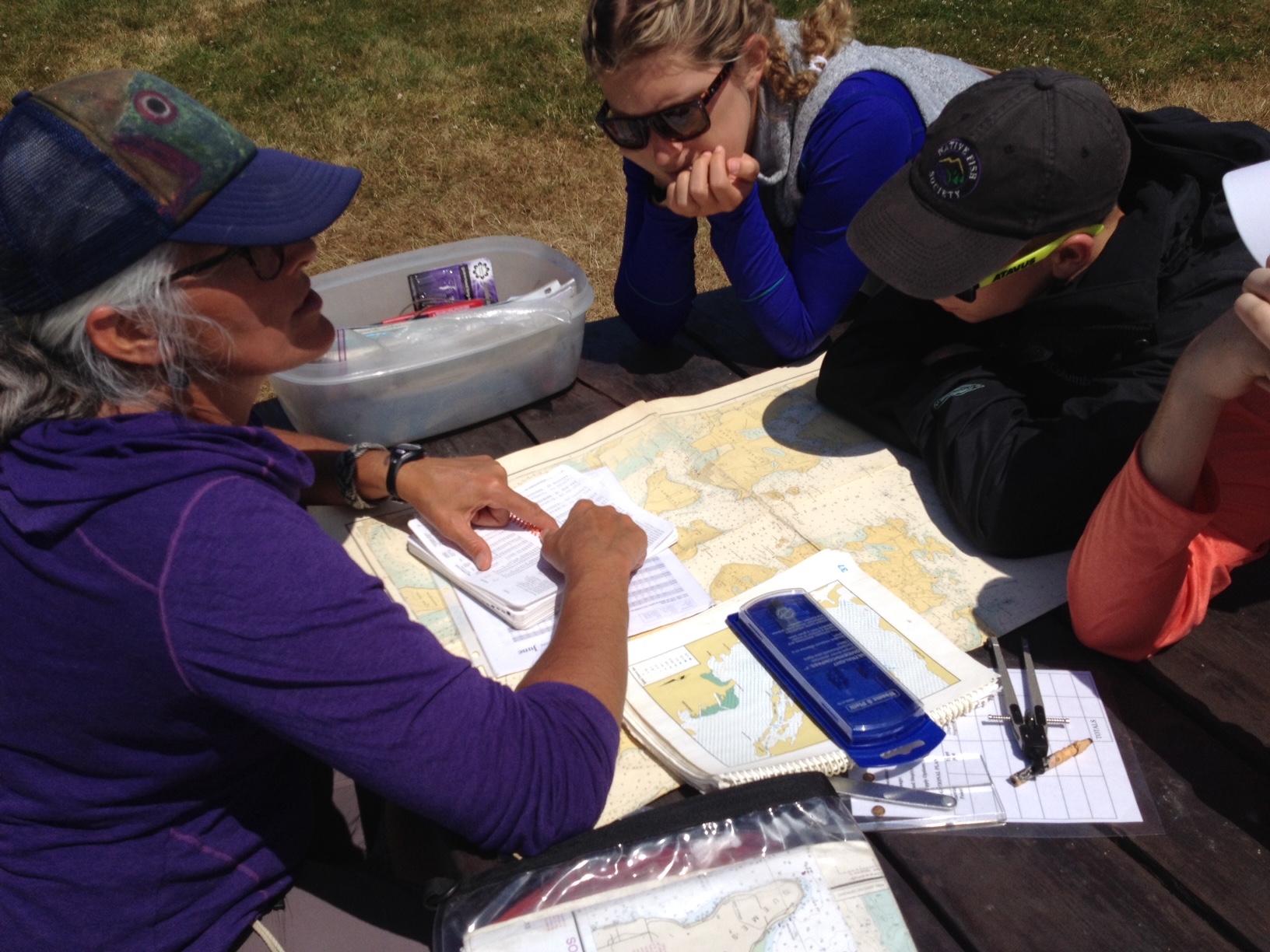
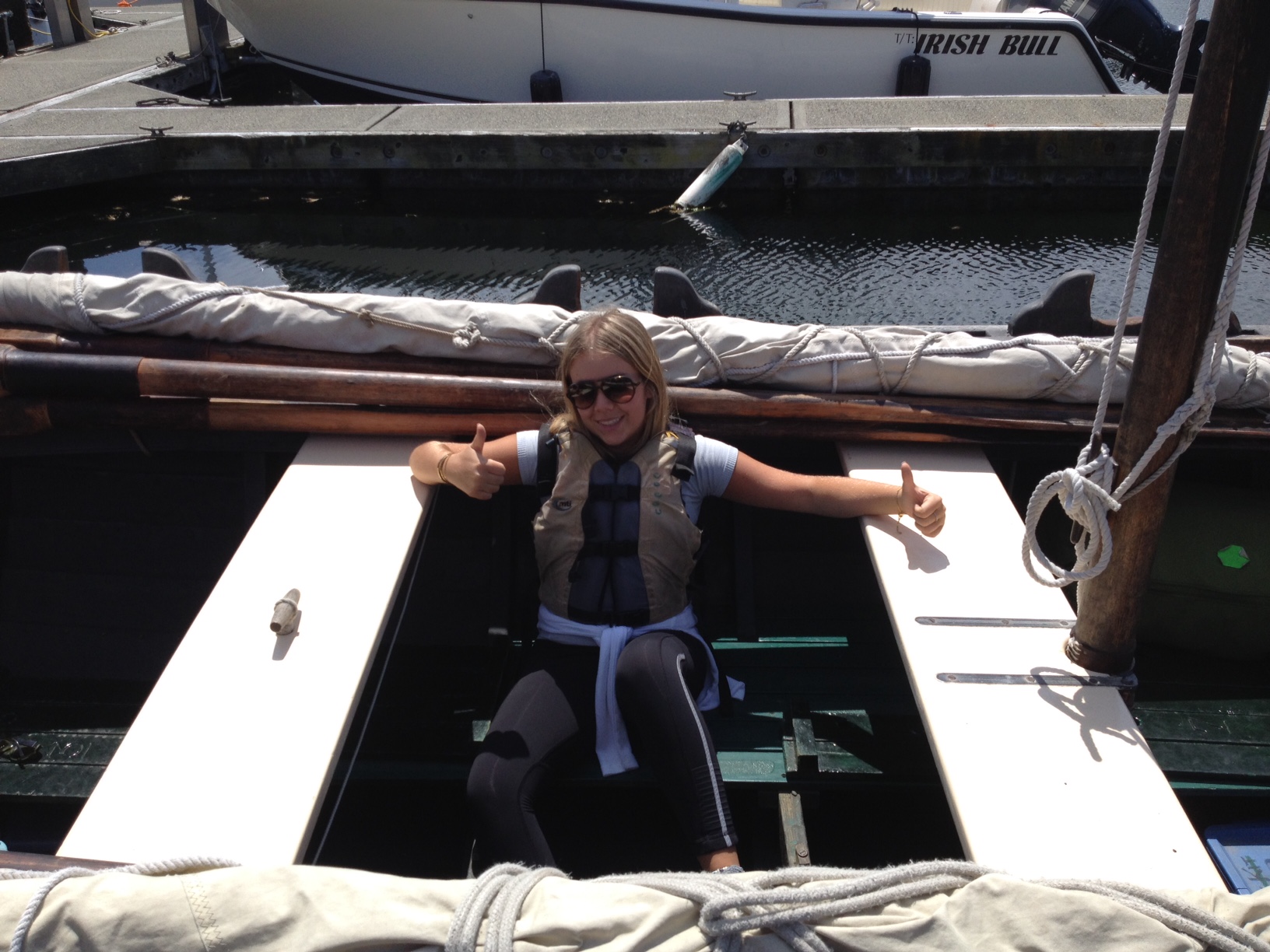
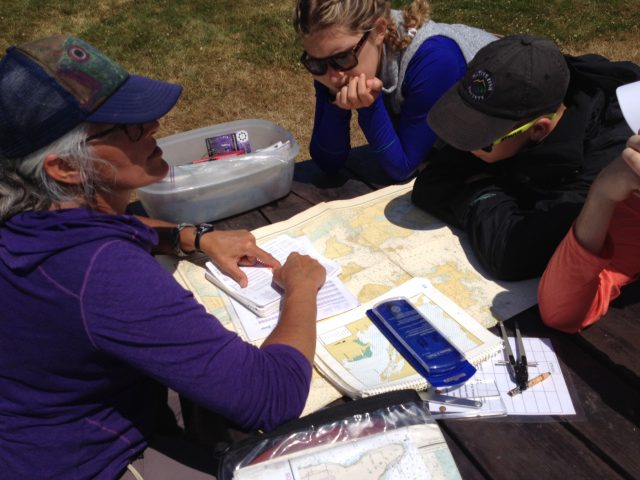
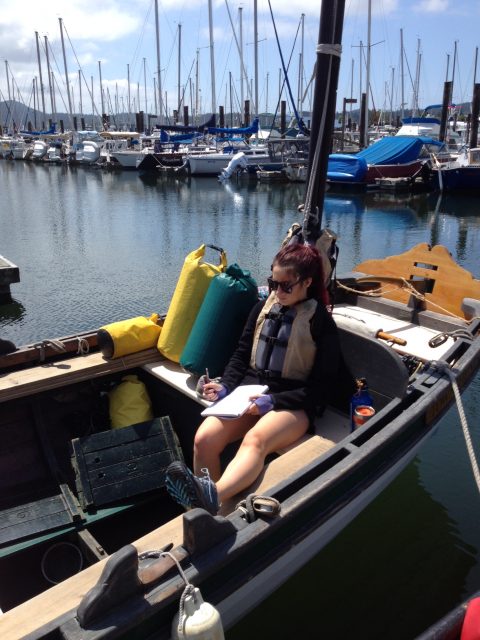
Packed up, safety procedures reviewed, and it’s time to learn about navigation, enjoy the sun, don lifejackets, and row!
 

Day 2:

Day 3: Adventure at Cypress Head

The third day of our longboat voyage awoke at the luxuriously late hour of 8:00.  The day had been set aside with the initial plan to explore the beautiful Cypress Island, a much needed rest day.  Breakfast was similarly extravagant with fried potatoes, scrambled eggs and apple juice.  

We set out from our camp at Cypress Head, a peninsula shaped campground that nearly becomes an island during high tide, on the Cypress Head Trail.  A small group split off to return with Captain Soso to watch over the boat.  The remainder of us continued to the Old Airfield Trail which wandered through a former airstrip that is now part of a forest reclamation project.  From there we continued to the Bradberry Lake Trail and arrive at Bradberry Lake.
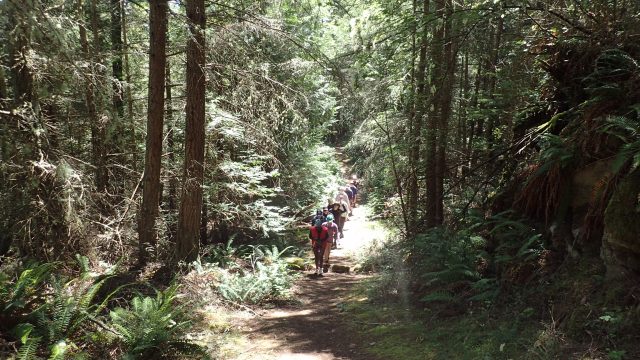
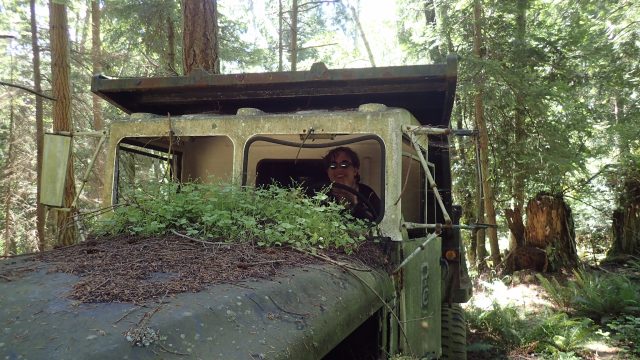
Parker (aka Agatha) hijacking an old abandoned truck we found

Our arduous climb was compensated with a gorgeous view of the inland lake.  After taking water samples and temperature recordings we sat down for a snack.  Many of us were struck by the dryness of the ecosystem surrounding the lake, the soil appeared dry and cracking in places.
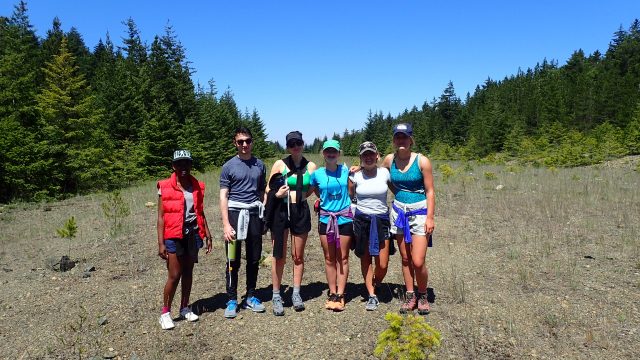
The hikers who made it to the lake (minus the cross country superstar, Peter)
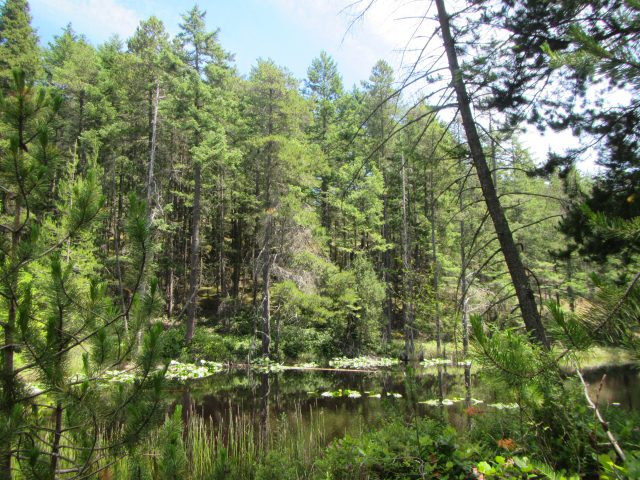
Upon returning we were greeted by a lunch of hummus and pita bread. Some of us took the time to swim and explore the tide pools while others settled in for a nap.
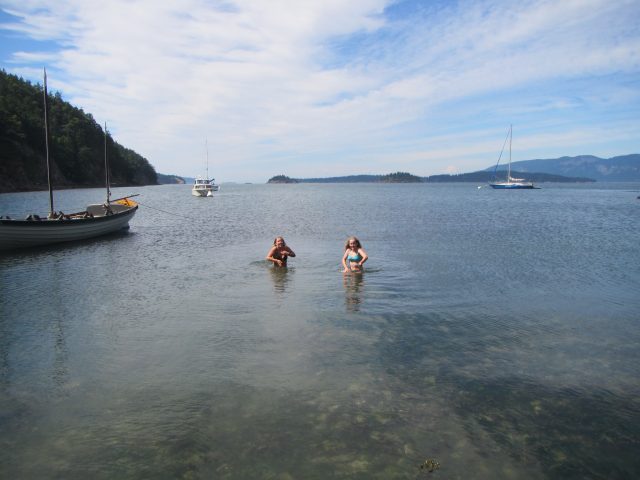
skip and dip!

We ended the day with bean and rice burritos, AGAIN, and turned in for an early evening.

Day 4: A Windy Sail to Saddlebag

In the morning of the fourth day, the boys awoke from a long and troubled night of wind and boat rocking.  The flapping boat cover had prevented sleep for all but the most drowsy of them.  Upon removal of the boat cover it was revealed to be a cloudy and windy day.  As the girls arrived from the tent site it was apparent that they had slept much better.  

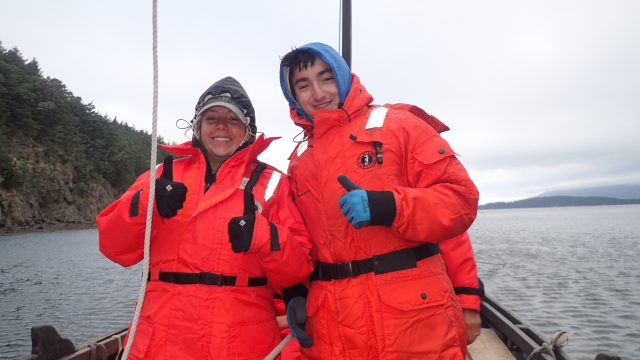
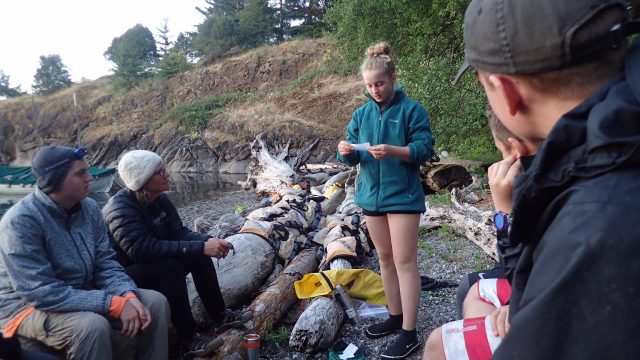
We all got together on the beach at 6:00.  It was soon apparent that everyone was freezing.  After slowly loading the longboat it was suggested that we get on our bright neon orange exposure suits. We looked like a small army of orange marshmallows.
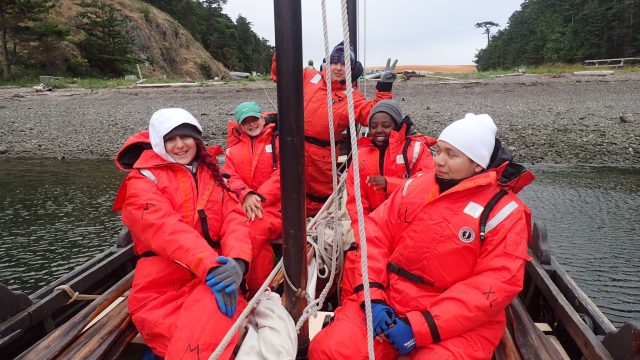
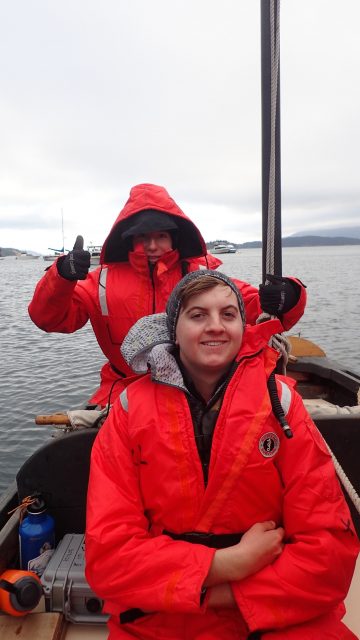
 

Preparing the sails beforehand, we lifted the anchor and rowed out into Bellingham Channel where we were greeted by a hair raising site, a giant oil tanker heading in our direction.  Captain Chrissy got on the walkie-talkie and called up Seattle Traffic to tell them to connect us to the tanker’s captain.  We informed him of our location and type of boat, preventing a collision.  

After the tanker passed safely in front of us we raised our sails and steered towards the northern tip of Guemes.  From there we handed out breakfast: bagels with cream cheese, peanut butter, and/or jelly.

While heading for our next destination, Saddlebag Island, we had to circumnavigate around Jack Island.  We then sailed back and forth across Padilla Bay slowly making our way towards Saddlebag.  After a brief encounter with a barge towing tugboat, some of the crew took the time to cozy up in their exposure suits for a nap.  

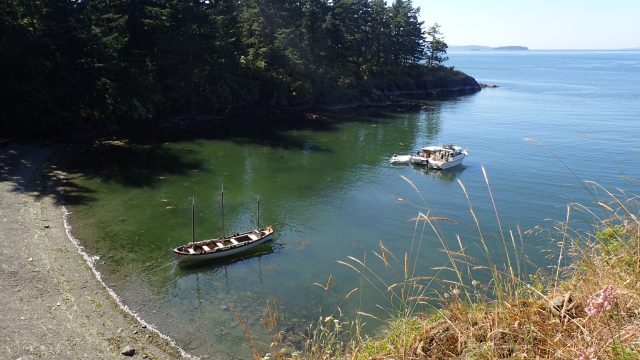
Finally we arrived at our destination at around 12:45 PM.  We quickly set up camp and took a few hours of free time before dinner.  
Dinner that night was lentil curry soup which we enjoyed with a side of sailor boy crackers.  We then played a friendly round of The Malorie Family Fun game, a combination of charades and a talking guessing game and went to bed for our final night of the voyage.
Day 5:

At the disagreeable hour of 5:30 in the morning, our alarms went off and we reluctantly opened our groggy eyes. The day had finally arrived. It was time to begin our journey back to the marina, where our adventure had begun five days before.

After packing the rest of our supplies, we were on our way for the last time. Before we got going, Captain Sonia and Chrissy gave up a list of challenges to complete before reaching the marina. These challenges included: compiling a comprehensive list of all the marine life we had seen, doing a 360 degree turn in the boat, setting and furling the mizzen sail, singing a sea shanty, doing 20 power strokes, performing a man overboard drill, a moment of silence, and tying a round turn and two half hitches, all with little help from our captains.

The first leg of our journey took us from Saddlebag Island to Southeast Point, right before Guemes Channel. We knew that we would not be able to take any breaks once we were into the channel, so we had some snack breaks to gather our energy and prepare us for the hardest part of the day.

As we continued to Anacortes, the wind and the current pushed against us, but our rowers worked hard to keep us moving steadily towards our destination. Throughout the trip, moral was maintained by singing upbeat sea shanties.

Right before entering the marina, we took a moment to gather our thoughts and appreciate the events of the last four days. When we pulled into the marina dock, we all sat together to reminisce over our favorite memories of the trip and what we wanted to take away from this experience.

Although we had arrived at the dock, our work was not yet finished. We still had to clean up all of our supplies, as well as our beloved boat, the Townshend. Everyone split into three groups to take on our tasks. The boat crew completely emptied the boat and gave her a thorough wash. The “dip and dry” crew rinsed our gear with water and bleach and hung it on a clothesline to dry. The galley crew washed all our dishes with warm water and soap. After completing our individual chores, we all worked together to repack the boat in order to get it ready for the next voyage. Once all of this was done, we could finally rest and eat lunch of all the leftovers from the trip, our “roadkill” as Captain Soso said. Finally, Tim showed up with the van to take us back to the ferry and bring our adventure to an end.

It was a long journey with many different challenges we had to overcome, and through it all, we learned a lot about ourselves and how well we worked together. On this trip, we shared a lot of memories and experiences that we will remember for many years.
Whales and the Weeds

By Ben, Sonja, and Parker-

On the second full day, we arose from our chambers to a brisk summer morning. We then came into the kitchen to have a delicious meal of various cereals, fruits, and other breakfast options.

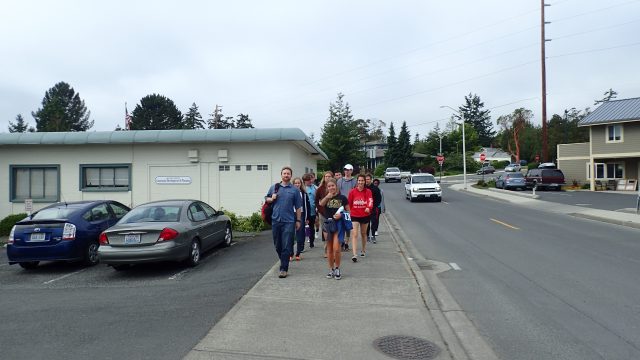
After finishing breakfast we took a quick walk to the Whale Museum where we were given a lecture about the local orca population.

Walking to the Whale Museum

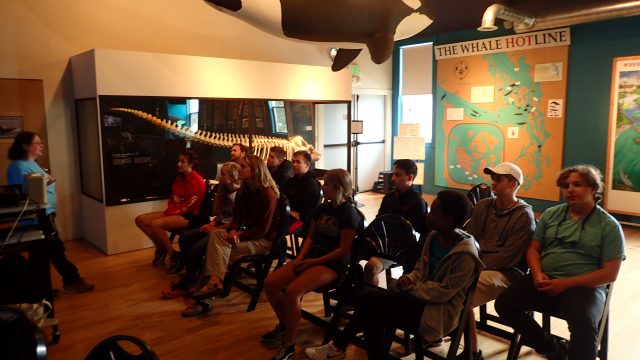
During this lecture we listened to a conversation between a family of Southern Resident Killer Whales named Oreo, Double Stuff, and Cookie. We could hear the various clicks and other sounds that they used to communicate with each other. Unfortunately, these orcas face many threats to their already endangered population, such as noise pollution caused by humans, decreasing prey populations (specifically Chinook salmon), and the accumulation of toxins in predators on top of the food chain. After the lecture, we moved up to the different exhibits in the museum and were given a scavenger hunt to “dive deeper” into the fascinating lives and behaviors of these amazing marine mammals.

Listening to a lecture on orcas

If you are wondering how you can help support orca populations worldwide, it can start with simple things such as picking up trash and limiting electricity use, along with many other solutions. For more information, please visit the link above to the Whale Museum website.

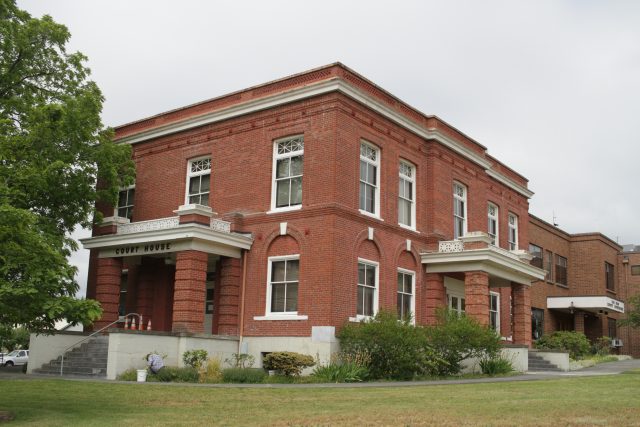
After leaving the museum, in small groups, we explored Friday Harbor through a photo safari, during which we searched for areas depicted in historical photographs. Attempting to recreate the photo in the modern era, to examine the transformation in the people, landscape, and culture of the island.

san juan county courthouse

Photographer: Peter


After a lunch of sandwiches, we prepared for our longboat voyage starting on Wednesday, June 28th.

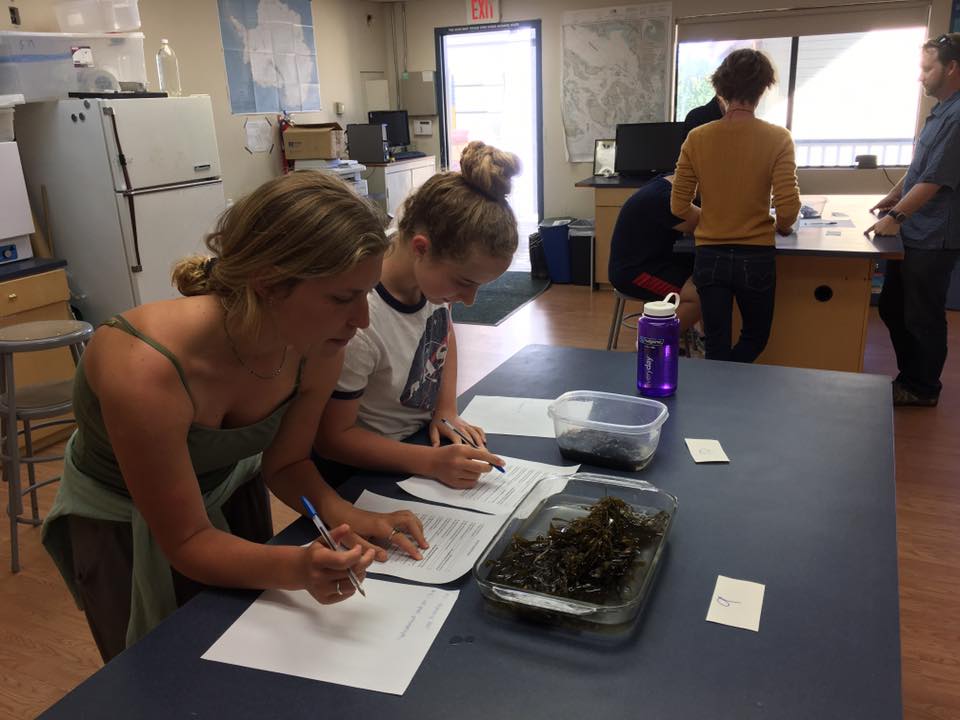
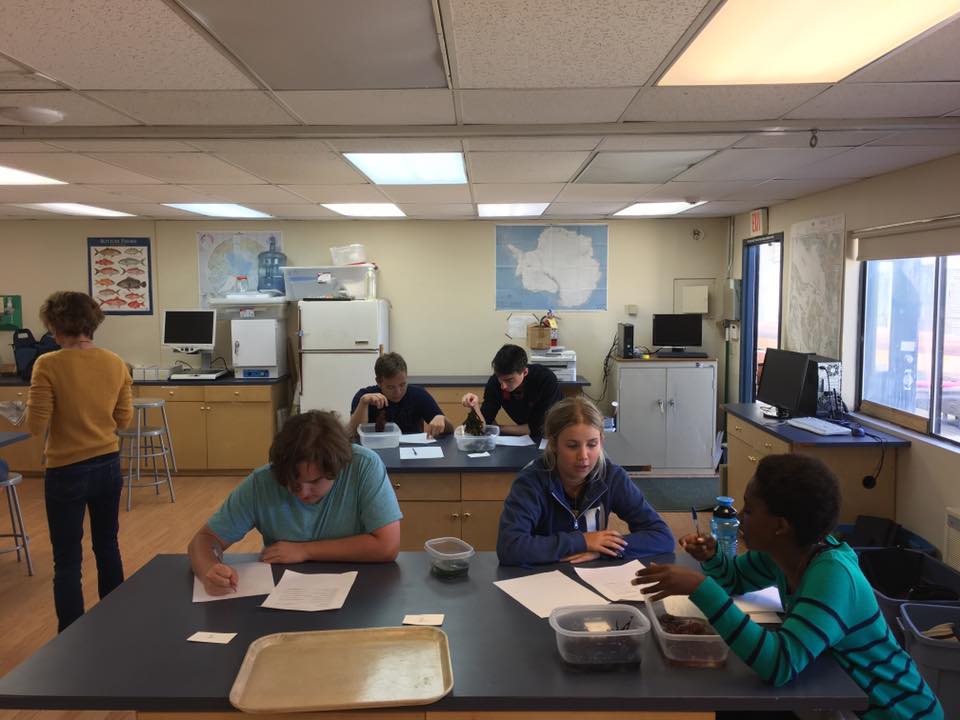
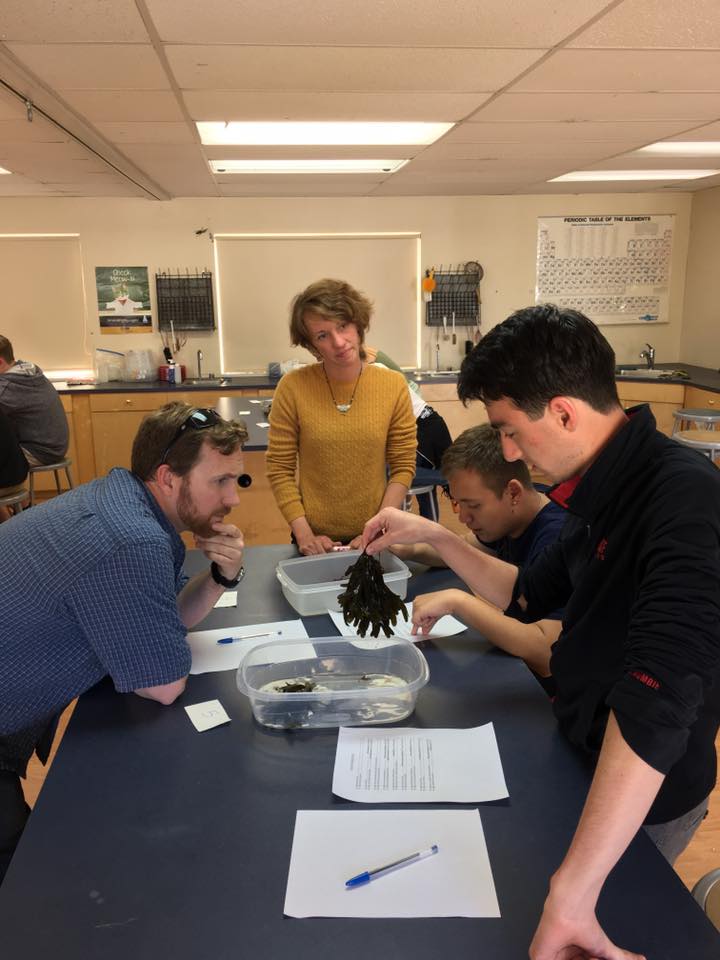
We then traveled to the Spring Street International School labs where we received a lecture on algae by Dr. Rebecca Guenther, manager of the Ocean Acidification Environmental Laboratory in Friday Harbor.

We learned the major characteristics of algae and how to identify them with a dichotomous key.

There are thousands of species of algae, but are divided into three main groups: green, brown, and red algae.

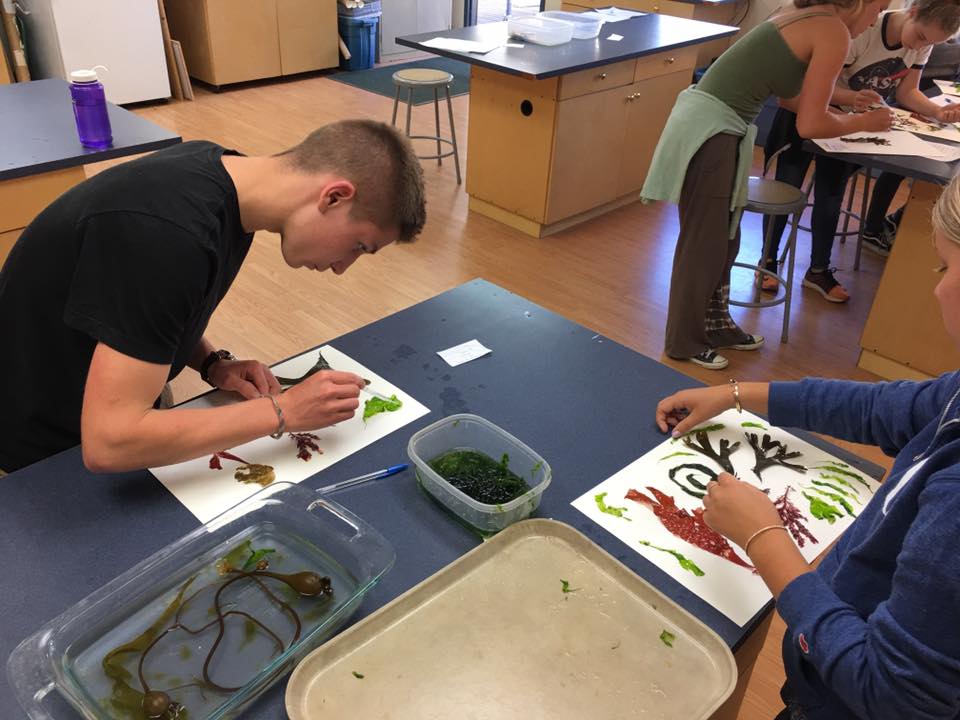
Later, we created plant presses of algae specimens which will be dried and completed by the time we return from our longboat voyage.

Dr. Guenther then joined us for a scrumptious pizza dinner with flavorful toppings such as potatoes, artichokes, and different types of cheese.

Now we will finish our preparations for the long-boat journey and prepare ourselves to wake up early and catch our ferry to Anacortes!

First Day in a New World

By Gabi, Paradis, Chloe, and Daniel-

Wake up early in the morning, anxious of this new world and what it was offering us on our first day. The sun shining, the clouds low; it didn’t look like the San Juan Island. It was a new world and we are happy to be here. Some of us woke up really early to rock and roll, and some of us were ready to sing Bruno Mars’s The Lazy Song. But no matter how much were anxious or tired, we all were excited to be part of this new adventure called The Salish Sea Sciences Program.

Breakfast, the joyful part of everyone’s morning when that first meal is served, and for those of us who aren’t morning people, enjoying a cup of coffee. This morning happened to bring forth eggs, toast and VERY LARGE MUFFINS all of which tasted amazing. After eating and congregating at our first breakfast, it was decided that a tour was in order to set up boundaries and see the little town of Friday Harbor. By “little,” we mean little; this small town is so close together that its almost impossible to get lost. That being said, what was lost in quantity was for sure made up in quality as Friday Harbor was immaculately clean and all so adorable.

After walking the quaint yet charming streets of Friday Harbor, we headed back to the dorms for some lunch.  We dove into all sorts of sandwiches, salads, and more to fuel ourselves for our next outing: a visit to the Friday Harbor Laboratories associated with the University of Washington.  After arriving at the Lab, we boarded the Centennial, UW’s marine research vessel.

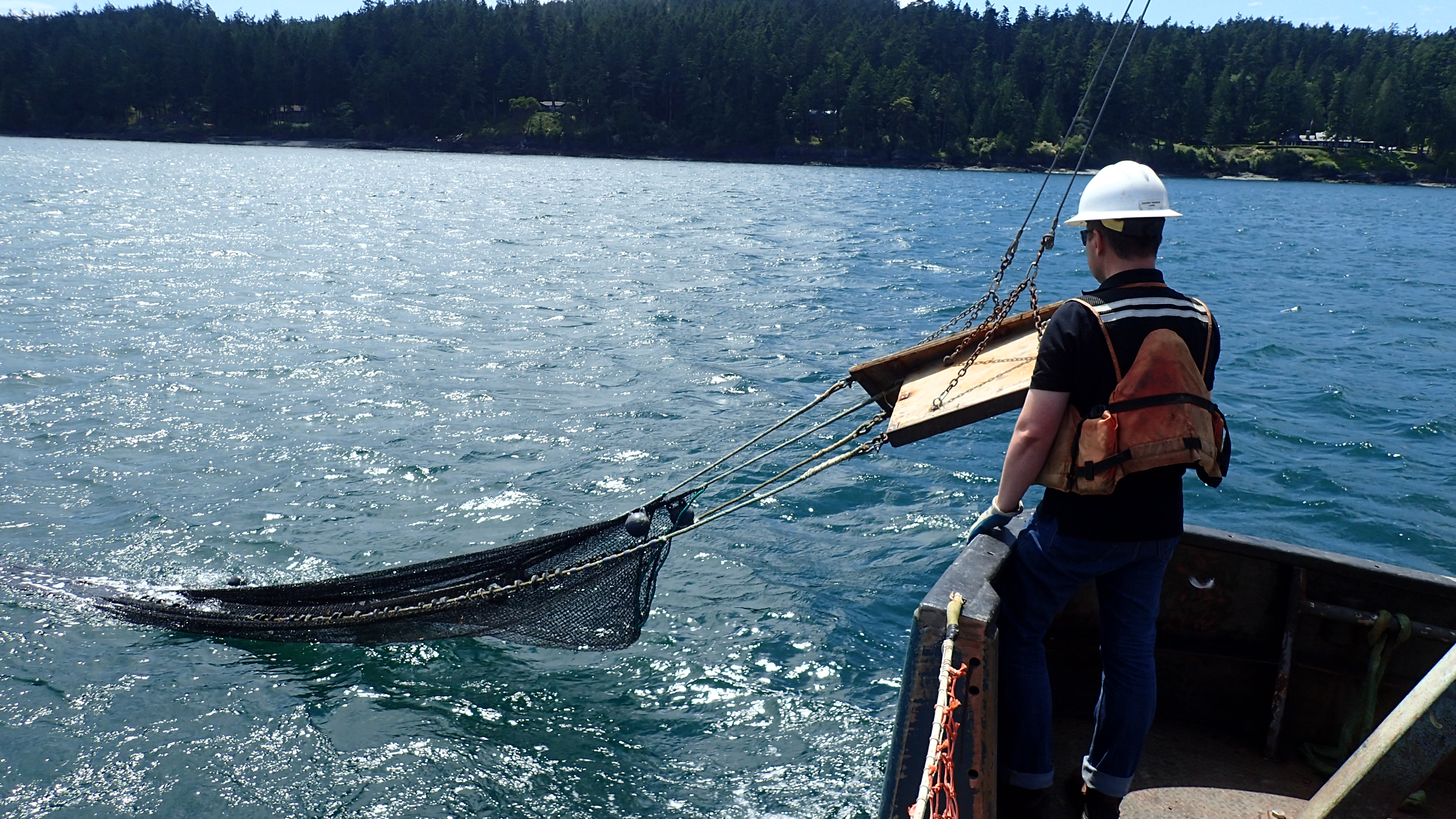
We headed out onto Griffin Bay so we could let down a net to trawl along the sea floor to pick up some of the local diverse flora and fauna.

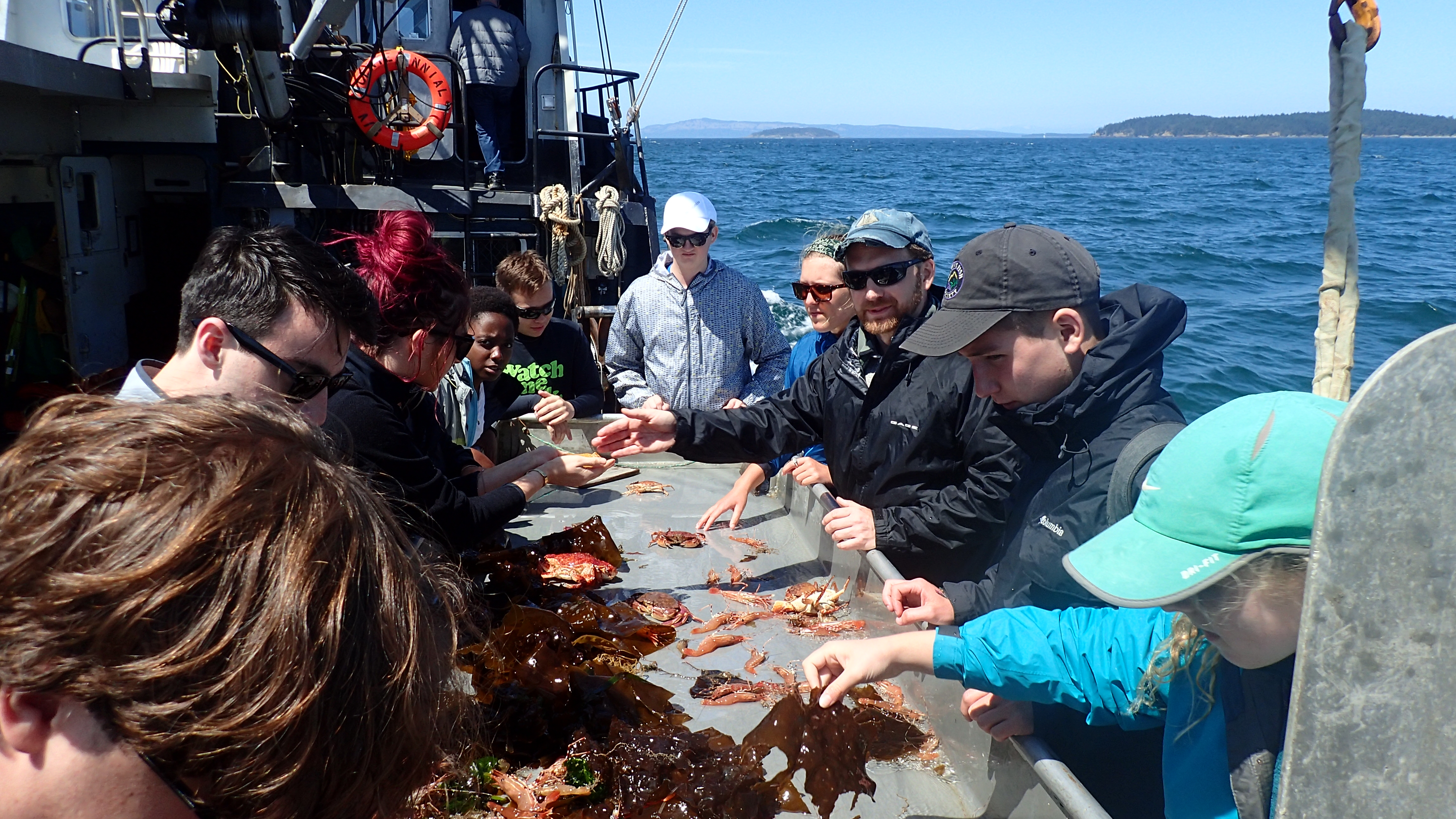
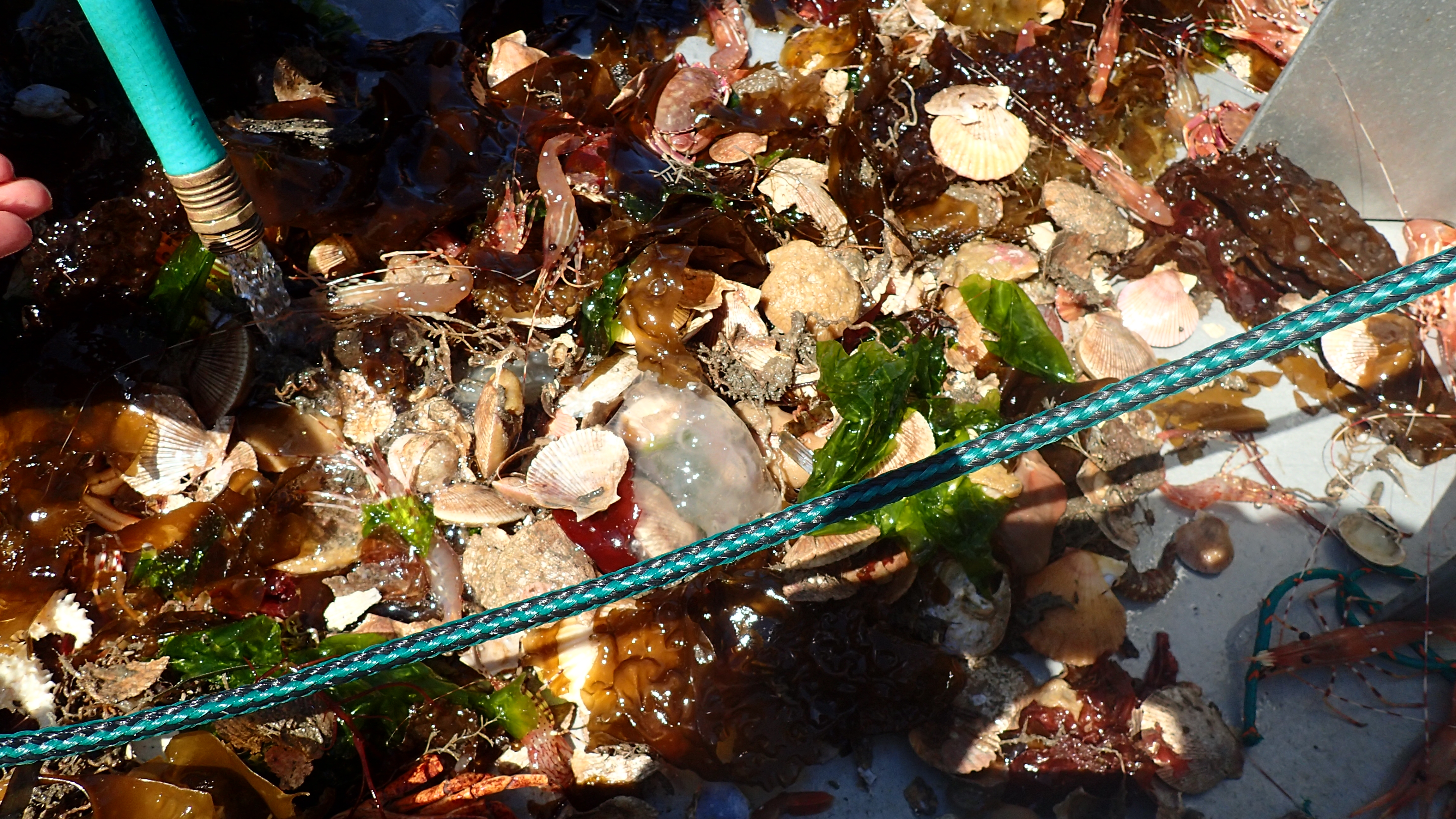
After pulling the net on the ocean floor for about 10 minutes, the captain pulled up the net and released all the catch onto a sorting table for us to look through.

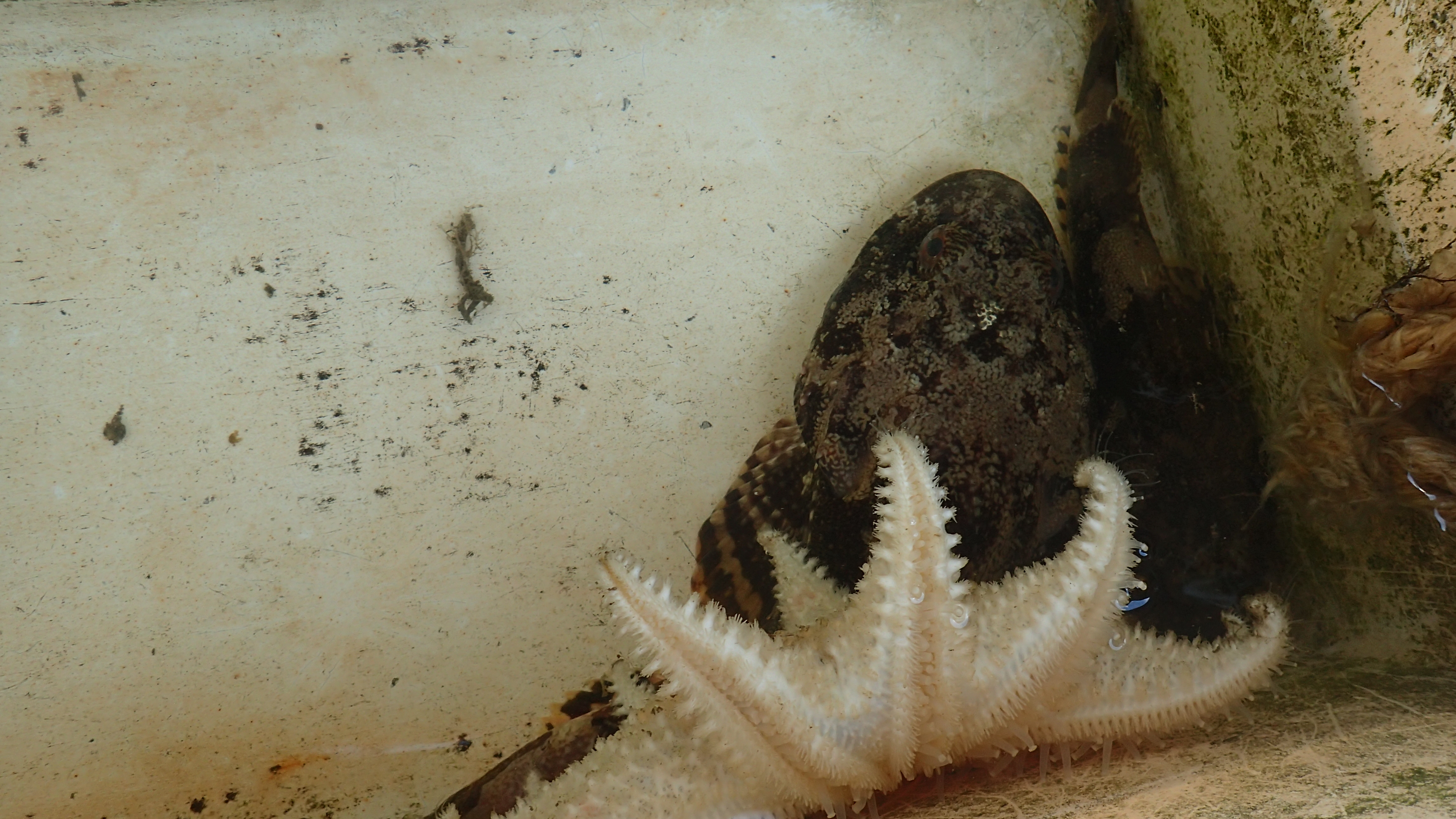
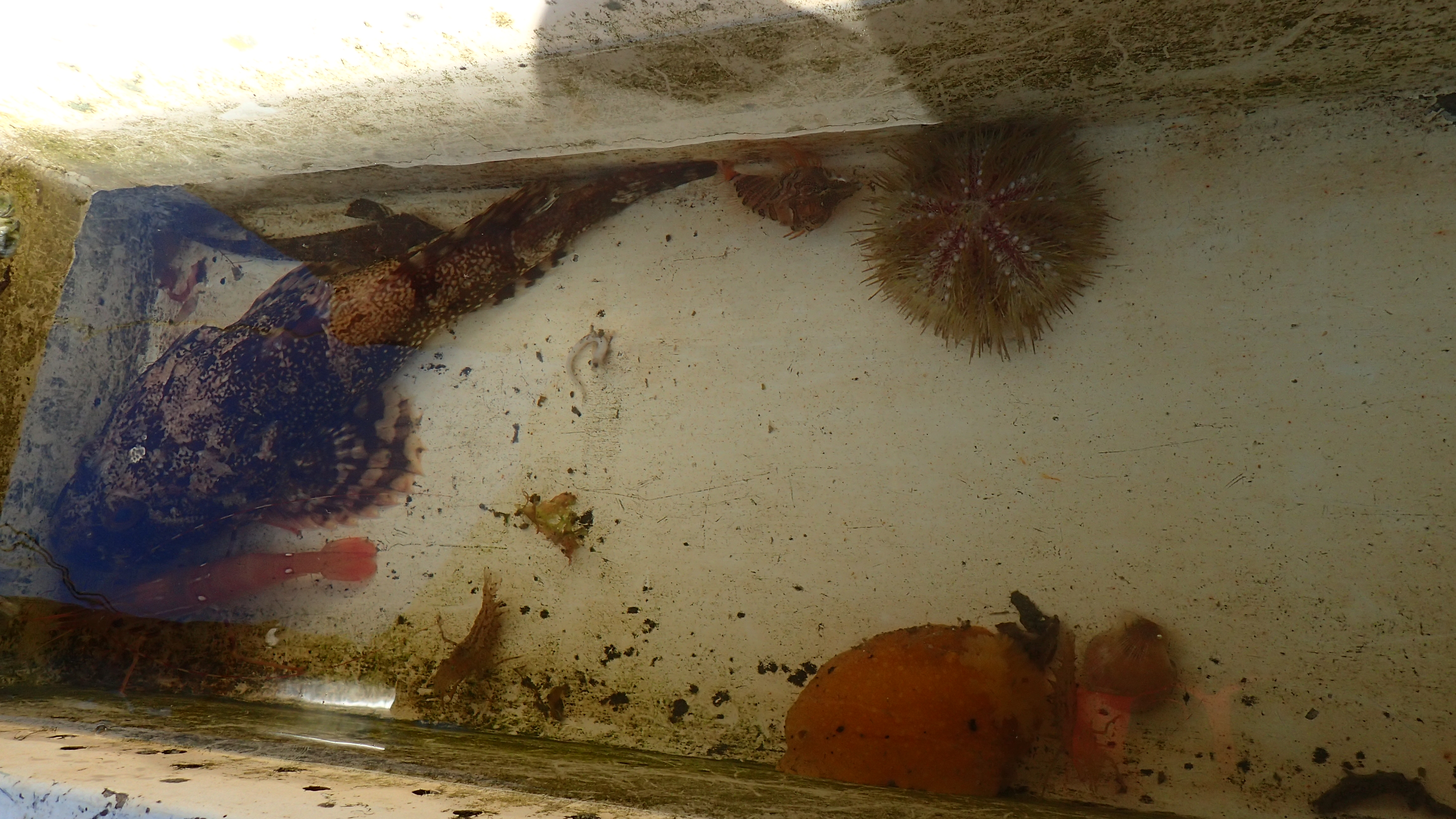
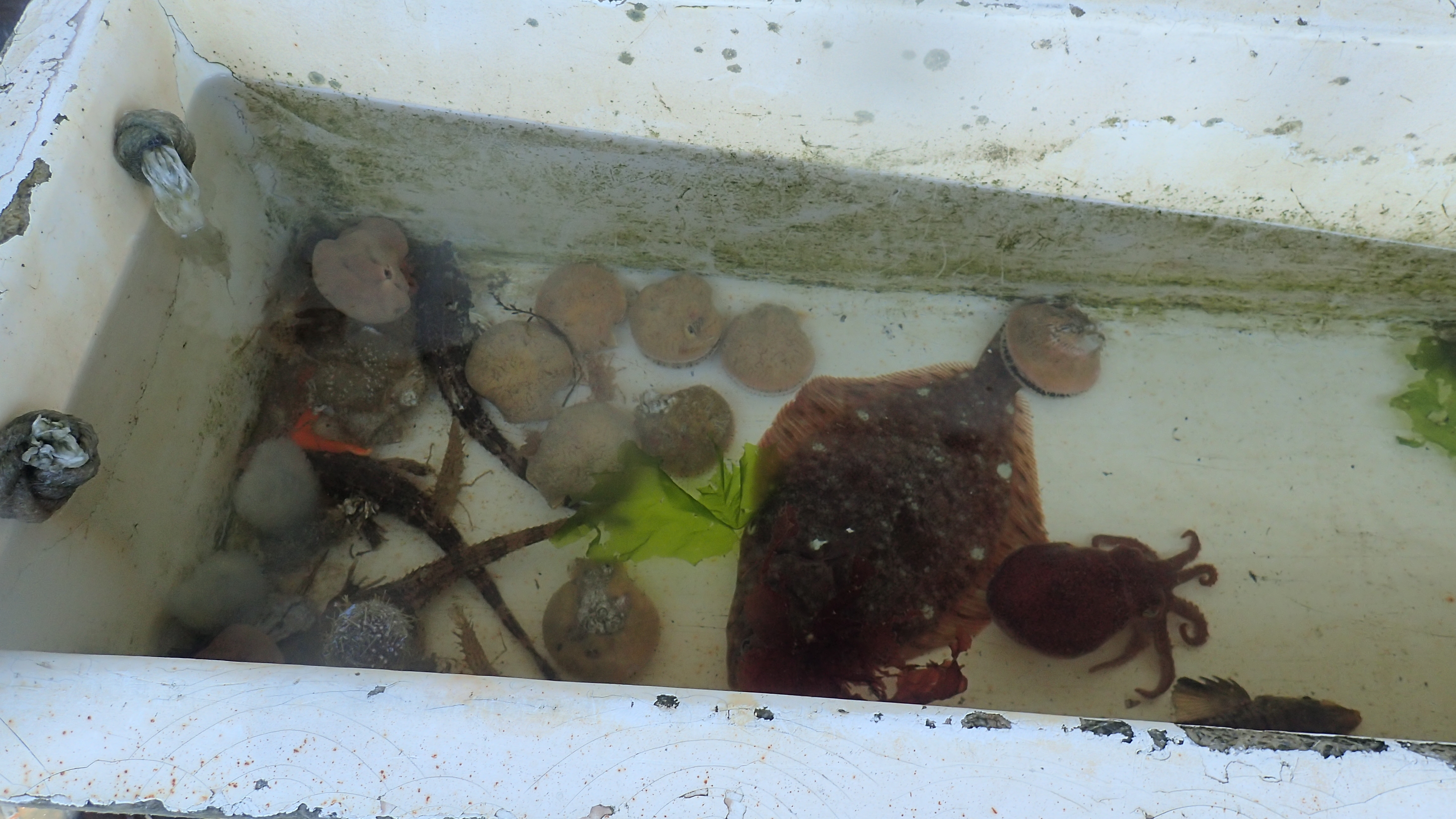
We were all amazed by all of the shrimp, crab, sea slugs, nudibranchs, sea stars, scallops, clams, and much more.

We all felt like true research scientists when we were aboard the Centennial, and it was a great first experience in the field for us.

After we returned from the Friday Harbor Laboratories we enjoyed an amazing dinner which consisted of pasta salad and grilled chicken accompanied by various vegetables. After we finished our delicious dinner we headed off to the Community Theater for a lecture by Dr. Lauren Mullineaux, a senior researcher and biology professor at Woods Hole, MA, which was about deep sea hydrothermal vent communities.

And now, we’re enjoying some relaxation time as we conclude our day!

SIS College Spotlight: For Chinese Students 托福成绩不是通往美国高校的唯一敲门砖

FinalBanner

SSIS College Spotlight: For International Students
volume 3, issue 1. Fall 2016  翻译:蒋君

 美国大学多种多样,有私立公立之分,有的偏重文理各方面的培养,有的则主要为学生的职业发展做准备,院校也有宗教或非宗教之分。

各大学录取新生也没有统一的要求或过程。每所院校的目的都是找到最适合的学生,让学生在一个适合自己的环境里快乐学习,毕业时能全面准备好应对社会和生活的挑战。

这篇博文将着重介绍申请美国院校时的英语水平要求,特别是国际学生在申请过程中需要注意的方面。

所有美国院校对英文阅读、听力和写作要求都非常高,学生需要能自如、快速地吸收用英文传授的信息和知识,并能表达出自己的想法。即使学理科(如数学和工程类专业)的学生也须如此。

国际学生通过考SAT或ACT的读写考试也能展示自己的英文水平,但大部分时候国际学生仍须在托福考试中考出95分以上的成绩,才能进入理想的院校。4年制的院校一般不会接受托福成绩低于79分的国际学生。

对于托福低于79分的学生,也可以通过有条件入学或平行模式入学进入大学。

有条件录取 (conditional enrollment)

托福成绩在61分到65分之间,学生有机会进入大学,经过一到两个学期的强化英文课程并通过学校的测试后,能正式入学。

平行模式入学 (concurrent enrollment)

有的院校也会录取低于入学托福成绩要求的学生,要求他们在学习强化英文课程的同时,也学习大学的常规课程。这些学生也需要通过学校的英文水平测试,才能完全正式入学。

下图更直观地解释了以上关于托福成绩的要求

toefl-scores

托福分项成绩

不同院校通常也会对托福的各个分项(听力,阅读和写作)成绩做出要求 ,一般在14到22分之间。要进入哈佛、加州大学洛杉矶分校这样的学校,国际学生的托福成绩越高越好,通常不能低于100分,同时SAT或ACT都需要有高分。

托福成绩不是全部

那么,托福考了高分是不是就能进入理想的大学呢?答案是否定的。美国院校主要通过三个方面来衡量一个学生的申请:平时学习表现、考试成绩和课外活动。一个学生即使有完美的考试成绩,其他方面却很缺乏,那也无法进入好的学校。

那么高等院校是怎么决定申请者是否是他们要找的学生呢?学校看的是申请者的高中整个学习历程:各科分数、上过什么课程、考试成绩,以及参加过什么课外活动。学生自己的申请文书,老师的推荐信,学校里大学申请辅导员的报告,还有大学的面试,都是申请过程的重要环节。

下图则简单明了地解释了学生该如何找到最适合自己的大学。在将来的博文里我们会围绕此话题提供更多信息。

right-fit

我们其他的博文里有更多关于申请要求和过程的信息。希望这篇关于托福成绩的博文能让大家了解到托福的重要性,但并不是通往理想大学的唯一敲门砖。同时,如果你还有疑问,或需要任何帮助,SSIS的大学申请辅导员Caroline会随时向你伸出援手。

SSIS College Spotlight: November — National College Application Month!

FinalBanner

SSIS College Spotlight: November — National College Application Month! 
volume 1, issue 4. Fall 2015
 
Dear Seniors and Families,
Past Spotlight issues have focused on college search criteria, tools, and processes as well as financial information. Today we review your senior year autumn timeline.
 
What does it mean when the President of the United States declares November “National College Application Month?” It means four very important things: 1) applying to college has become a national preoccupation, (2) your stress is shared by lots of people, you are not alone (!), (3) you can be proud of what you have accomplished thus far, and (4) it’s time to make sure you that you are in range of your fall-term senior year goals for college applications with November-January 1st deadlines.
 
Today’s Spotlight focuses on your senior year, fall term college applications timeline of accomplishments and goals. 
 
As always, take advantage of the College Counseling office space, the materials you find there, and me!
 
Best always,
Caroline
Your College Counselor
_________________________________
 
Senior Timeline
 
WHY HIGHLIGHT NOVEMBER?
Drawing attention to November functions as a way to acknowledge what you already have accomplished during your first semester of senior year as well as what you can expect is the norm for November activities; it is also functions as a reminder of deadlines. Many Early Decision I applications are due on November 1st or 15th. Many Early Decision II or Early Action applications are due in December. Many, if not all, large public universities require applications to be submitted by November 30th (for example: University of California, Cal State colleges, and University of Texas colleges) or December 1st (for example, the University of Washington).
 
Below, please find a typical timeline for students with November – early January college application deadlines. Note that students have goals—and therefore timelines—that are unique to their own circumstances.
 
IN SEPTEMBER AND OCTOBER, YOU:
  • Registered for and took the SAT or ACT
  • Played a leadership role on the Fall Backpack
  • Determined whether to register for a future SAT or ACT
  • Either took, registered for or determined whether to take SAT 2 subject test(s)
  • Completed an activities list or resume
  • Completed your personal college criteria checklist
  • Researched colleges by using a variety of search tools and speaking with people, including the college counselor
  • Spoken to a college admissions representative
  • Created your college list spreadsheet and filled in an array of college choices, noting pertinent details
  • Reviewed and signed off on a final copy of your transcript
  • Completed all non-essay sections of at least one college application, ideally including the Common App
  • Determined whether to apply Early Decision I or II, Early Action I or II, or Regular Decision
  • Structured your time well, allowing for both work and play
  • Maintained good grades in appropriate classes
  • Celebrated Halloween!
Pumpkin-Patch
 
DURING THE FIRST HALF OF NOVEMBER, YOU:
  • Had your college counselor review your application thus far
  • Analyzed Common App and other college essay choices
  • Played with several college essay choices, jotting down a few concepts, anecdotes, and strong, descriptive verbs
  • Reviewed college essay ideas with a parent or teacher
  • Completed at least one draft of a college essay
  • Shared a draft of your college essay with the college counselor
  • Reviewed your college list with the college counselor as well as any teachers 
  • Asked teachers (and possibly others) for recommendations, providing log-in information, deadlines, and a thank-you note
  • Interviewed with colleges for which an interview is appropriate
  • Stayed current with classes and other activities, and remembered to take a break for time-to-time (!)
  • Kept parents and the college counselor informed of your needs
  • Completed any Early Decision applications by November 15
DURING THE SECOND HALF OF NOVEMBER, YOU WILL:
  • Concentrate on college essays
  • Revise your college list
  • Review your essay with the college counselor
  • Identify which schools require supplementary essays or short answers, and begin the process of addressing these
  • Review and revise your college list spreadsheet, noting deadlines for applications, tests, transcripts, recommendations, interviews, and supplementary materials
  • Interview with colleges for which an interview is appropriate
  • Keep parents and the college counselor informed of your needs
  • Complete FAFSA (see Finances Spotlight)
  • Complete any applications to public universities by November 30
  • Enjoy Thanksgiving!
Autumn-leaves-wallpaper
 
IN DECEMBER, YOU WILL:
  • Finalize essays
  • Further revise your college list
  • Complete applications to schools with December 15 or January 1-15 deadlines
  • Research scholarships, especially local ones
  • Complete first semester classes, maintaining good grades
  • Enjoy a well-earned break!
 
Happy_Skiing

SSIS College Spotlight: For International Students

FinalBanner

SSIS College Spotlight: For International Students
volume 3, issue 1. Fall 2016
 
Dear International Students and Families,
 
The American college experience is unlike any other. Colleges are independent or part of a university. They are public or private, liberal arts or pre-professional, 2 year or 4 year, and can have either secular or religious foundations. There is no uniform placement process, admission requirements vary, college rankings diverge considerably, and every college offers unique opportunities for majors, research, internships, travel, and community involvement. Every college seeks students who are a good fit, likely to graduate in 4-years happy and ready for the world. This Spotlight focuses on the English Language requirements and application processes unique to international students.
 
All colleges require a lot of reading, listening, and writing in English. Math and engineering programs demand high language skills too. Students are expected to be able to absorb and communicate in English at a high level, fluently and quickly. Below, please find college information unique to the needs of international students.
 
As always, feel free to make use of the SSIS College Counseling office and me! I am available to you by e-mail and appointment during Flex and after school.
 
Best always,
Caroline
Your College Counselor
_________________________________
  

academic-english-chart

ENGLISH LANGUAGE REQUIREMENTS FOR COLLEGE (TOEFL)
 
Colleges want to graduate successful, happy students in four years. Every college applicant, no matter where they come from, needs to demonstrate proficiency in academic English.
  
International students, just like Americans, can show proficiency with SAT/ACT critical reading and writing test scores. International students may also have to pass the TOEFL exam, ideally with a score greater than 95. No 4-year college will accept an international student with a TOEFL score below 79.
 
Conditional Enrollment 
With  a TOEFL score of 65, even a 61, a student may have the option to take a semester or two of intensive English classes and pass a test before continuing on with regular classes at the college. 
 
Concurrent Enrollment
A few colleges will allow students with scores below their TOEFL entry requirement to take a few regular classes alongside their Intensive English classes. These students also will have to pass an English proficiency test before they are fully enrolled in regular classes.
 
There are many excellent schools that will accept a student for regular 4-year enrollment with a TOEFL of 80—if the student also has B or better grades in regular high school courses.
 
TOEFL Sub-Scores
Colleges often insist that no TOEFL sub-score (listening, reading, and writing) is below a certain level—this can be anywhere from 14 to 22.
 
Very Selective Liberal Arts Colleges
Harvard, Bates, UCLA and the rest expect international students to have very high TOEFL scores—above 100, preferably closer to 120—as well as high SAT/ACT scores. 
 
US COLLEGES: DESIGNED FOR INDIVIDUAL INTERESTS & NEEDS
 
rightfit
 
In the United States, colleges want students who are “the right fit.” This means students have to do their part to figure out which of 2500 colleges best fit their interests and needs. Please review the chart above.
 
 
US COLLEGE ADMISSIONS: TAILORED TO LEARN IF A STUDENT IS THE RIGHT FIT
 
admissionscriteriapiechart
 
Notice the graphic above. Three categories dominate the admissions process: academic record, test scores, and extracurricular activities. In the US, it is possible that a student with perfect test scores, but not much else, might not be accepted at Yale or the University of Washington. Why? Because colleges are interested in putting together a strong class of students that represent a variety of interests and backgrounds.
 
Colleges look to create a happy and engaged student community in and out of the classroom. Exposure to a diversity of experience and opinion helps students think deeply, learn more, and develop leadership skills, including collaboration skills. These are the skills for a globalized workplace.
 
How do college admissions officers learn about students’ lives and whether they are a good fit for the college? They look at a student’s whole history—grades, classes, tests, and extracurricular activities at or after school over the four years of high school. The student essay, teacher recommendations, counselor’s report, and college interview complete a student’s application.
 
You can discover more about the college search process and other college details in other Spotlight issues. I hope this issue clarifies the role of TOEFL as well as non-academic activities in an international student’s college application.

SSIS College Spotlight: State and National Scholarships

FinalBanner

SSIS College Spotlight: State and National Scholarships
volume 2, issue 3. Fall 2016
 
Dear Seniors and Families,
 
It is true, after the expected family contribution, most financial aid comes from a college’s financial package: grants, scholarships, work-study and loans. However, this should not deter you from seeking out outside scholarships. This Spotlight focuses those scholarships coming from state and national sources. 
 
If you are looking to reduce the cost of college, do not overlook non-college scholarship opportunities. Some are merit based, some need-based, and some depend on a specific area of interest or even location. Award amounts range broadly. Small amounts can add up. You do need to be aware that these monies will be taken into consideration by your college when presenting you with your final financial package, but for many families the net benefit of obtaining scholarship funds cannot be overstated, especially as the first thing to go is loans!
 
A separate Spotlight will target local scholarships.
 
As always, feel free to make use of the SSIS College Counseling office and me! I am available to you by appointment during Flex and after school.
 
Best always,
Caroline
Your College Counselor
_________________________________


WASHINGTON STATE SCHOLARSHIP OPPORTUNITIES (residents only)
 
OCTOBER 25
Horatio Alger Washington Scholarship (Award: $10,000). For a Washington State student with financial need who has shown integrity and perseverance in the face of adversity. 
 
DECEMBER 1
Washington State Need Grant (Award: $3,500 – $9,500 depending in which college the student enrolls). For Washington State students with significant financial need enrolling in an eligible Washington State college or university. For consideration, complete the FAFSA early.
 
wa-needgrant
 
DECEMBER 15
 
 
JANUARY 13
Pride Foundation Scholarships (Award: $10,000). For Washington State LGBTQ students who are committed to social justice.
 
FEBRUARY 26
NSHSS Tesoro Youth Leadership Awards (Award: $2,500). For high achieving students who demonstrate leadership and financial need.
 
FEBRUARY 28
Leadership 1000 Scholarship — Sponsored by College Success Foundation Washington State (Award: $2,500 – $5,000). For a student with financial need attending an eligible Washington State college or university.
 
wacolsuccesschart
 
FEBRUARY 29
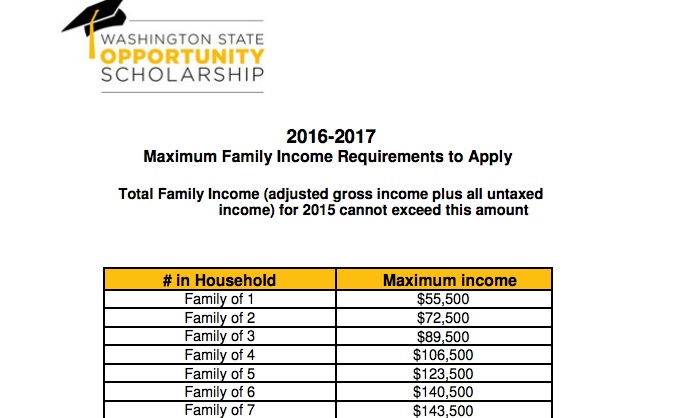
Washington State Opportunities Scholarship (Award: $2,500 – $7,500). For students pursuing science, technology, engineering, math (STEM) or health care at an eligible Washington State college or university.
 
waoppchart
 
 MARCH 1
Washington State Scholarship Foundation (Award: $2,500 – $5,000). For students with significant financial need for the freshman year.
 
MARCH 15
McMenamin & McMenamin Washington Community Scholarship (Award: $2,500). For the student who creates a 90-second YouTube video on a topic pertaining to the value and support of one’s immediate community.
 
MARCH 18
Washington State Association for Justice High School Scholarship (Award: $2,000). For students submitting an essay or 60-second video based on a prompt concerning justice or who is a high-achiever who also has been challenged by an injury or disability.
 
MARCH 20
Sub Pop Loser Scholarship (Awards: $3,000 – $7,000). For artistic students who self-identify as a “Northwest arts-enthused misfit” who takes pride in creative pursuits whether they fail or succeed.
 
APRIL 30
Celebrate the West Art Competition (Award: $1,000). For students submitting an “original two-dimensional artwork inspired by their state or informed by living in the West. Students may draw ideas from a variety of sources, including state history, landmarks, natural resources, National Parks and Monuments, people, communities, and culture.” 
 
APRIL 30
Pickett Law Firm Scholarship for Students Who Give Back (Award: $2,500). For a student submitting a 30-120 second video related to the topic of giving back.
 
APRIL 30
Henry & Joyce Sumid Scholarship (Award: $5,000). For a student pursing theater arts.
 
MAY 30
National Council of Jewish Women, Seattle Section (Award: partial tuition scholarships). For a Jewish male or female student with strong Jewish or secular community bond, special skill or talent, enrolling in an eligible Washington State college or university.
 
NATIONAL SCHOLARSHIP AND AWARD OPPORTUNITIES
 
SEPTEMBER 20
Siemens Competition in Math, Science & Technology (Award: $1,000 – $100,000). For an individual or small team of students pursing a research project related to math, science, and/or technology.
 
SEPTEMBER 27
Questbridge College Match Scholarship (Award: 4-years full tuition at a highly selective college). For outstanding, low-income students. Common characteristics: household income below $65,000 for a family of four, qualifying for free or reduced lunch, 3.8 GPA, high SAT/ACT, often first-generation to a 4-year college.
 
SEPTEMBER 30
Digital Responsibility Don’t Text and Drive Scholarship (Award: $1,000). For a student willing to write a short, compelling essay on the subject.
 
OCTOBER 2
Hispanic Heritage Youth Awards (Award: $1,000 – $3,000). For talented Latino youth going into fields such as business, health, education, and mathematics. 
 
OCTOBER 25
Horatio Alger National Scholarship (Award: $25,000). For a student with financial need who has shown integrity and perseverance in the face of adversity.
 
NOVEMBER 8
Prudential Spirit of Community Award (Award: $!,000 – $5,000). For students who serve their communities, whether locally, nationally or internationally.
 
NOVEMBER 13
Anne Ford and Allegra Ford Thomas Scholarships — sponsored by the National Center for Learning Disabilities (Allegra Award: $2,500 / Anne Ford Award: $10,000 over 4 years). For strong students with documented learning disabilities and/or ADHD.
 
NOVEMBER 30
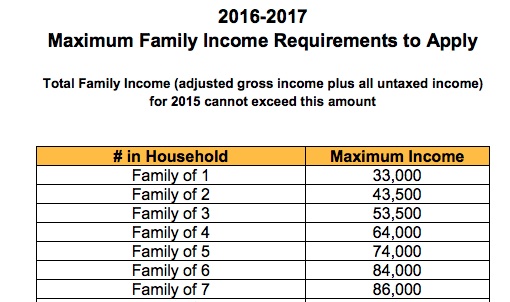
Jack Kent Cooke Foundation (Award: $40,000 for 4 years as well as advising). For high-performing students with financial need. Common characteristics: median adjusted household income of $33,000, 3.8 GPA, high SAT/ACT, involvement in research, service, leadership, the arts or athletics, nearly half are first-generation to a 4-year college.
 
DECEMBER 2
National Space Club Keynote Scholarship (Award: $10,000). For students who are passionate about going into a STEM field and whose interest is in space.
 
DECEMBER 2
Letters About Literature Contest — sponsored by the Library of Congress and state libraries (Award: $125 – $1,000). For students who compose a letter to an author (alive or not) whose book changed the student’s view of the world or him/herself.
 
DECEMBER 5
Stephen J. Brady Stop Hunger Scholarship (Award: $5,000). For students who engage in the fight against hunger.
 
DECEMBER 15
Burger King McLamore Foundation Scholarship (Award: $1,000 – $50,000). For students with high GPAs who also are engaged in extracurricular activities,  work experience, and community service.
 
DECEMBER 15
AXA Achievement Scholarship (Award: $2,500 – $25,000). For high-achieving students who demonstrate determination and the ability to succeed in college with an interest in careers whether through education or action that address risk-mitigation regarding the environment, finance, health, safety or emergency preparedness.
 
JANUARY 4
John F. Kennedy Profiles In Courage Essay Contest (Award: $100 – $20,000). For a student interested in researching and writing about a publicly elected official who exemplifies courage.
 
JANUARY 19
Point Foundation Scholarship (Award: variable—as much as $10,000). For individuals, regardless of nationality, who are active in the LGBTQ community.
 
FEBRUARY 15
P.L.A.Y. Scholars Helping Collars Scholarship (Award: $1,000). for a student who is passionate about helping rescue animals or other animal welfare cause.
 
FEBRUARY 23
Society of Professional Journalists/JEA High School Essay Contest (Award: $300 – $1,000). For students submitting a winning essay on a topic related to the importance of an independent media.
 
FEBRUARY 29
Buick Achievers Scholarship Program (Award: $25,000 — renewable over 4-years with a 3.0 GPA). For a student interested in the automotive industry and pursuing a related college major in the fields of engineering, mathematics or design.
 
MARCH 15
AFSA/Building Peace Through Diplomacy National High School Essay Contest (Award: up to $2,500 + a Semester at Sea). For students who are interested in world diplomacy and willing to take on the persona of a foreign service member with the task of writing a memo to an Ambassador outlining the roots, consequences, and possible solution to a crisis.
 
MARCH 15
Youth Free Expression Film Contest — Sponsored by the National Coalition Against Censorship (Award: $250 – $1,000 top winner receives $5,000 towards attending the NY Film Academy). For a student who creates a 4-minute film on a topic related to free speech.
 
JULY 1
Harold E. Ennes/Robert D. Greenberg Scholarships from the Society of Broadcast Engineers (Award: $1,500). For students interested in the technical aspects of broadcasting.

SSIS College Spotlight: Financial Fit — Public and Private

FinalBanner

SSIS College Spotlight: Financial Fit — Public and Private
volume 2, issue 2. Fall 2016
 
Dear Seniors and Families,
 
Not all state schools cost the same and many private colleges publish a sticker price that is much higher than what the average family contributes. This Spotlight focuses on the cost of college—private and public—and how to evaluate the value of each in light of your own situation. 
 
Please remember that individual ambitions and circumstances as well as the policies and endowments of individual schools dictate how any individual financial package is put together and interpreted. Read all college website information carefully and do not be afraid to call a college’s financial aid office—their counselors are available to talk. It’s part of what they are paid to do.
 
As always, take advantage of the SSIS College Counseling office space, the materials you find there, and me!
 
Best always,
Caroline
Your College Counselor
_________________________________
  

 COLLEGE IS REALLY EXPENSIVE OR WHAT?
Short answer: yes. Longer answer: “sort of and not necessarily.” It all depends…
 
 The trick: which, where, what, who, why.
 
Colleges are non-profit institutions that are either funded publicly or privately (we are ignoring for-profits: perhaps there are some that are valuable, but many—if not most—are scams). State-funded schools, despite dollars from boosters and patent dividends from research, depend largely on state tax revenues and politics. Private institutions rely on tuitions, patents, and donations. As a rule, they enjoy greater discretion, but can experience their own financial challenges, often depending on their size, location, corporate sponsorships, alumni network, and length of existence. Some schools, such as the Ivies, are fortunate to have grown large endowments over time that make it possible for them to offer students financial packages that are competitive with local public institutions. A great student from the San Juan Islands can attend MIT, Amherst, Brown or Swarthmore for the same price or less than the cost of Western, Central, Eastern, WSU, Evergreen or the UW.
 
 PUBLIC INSTITUTIONS
 
 WHICH: State schools tend to fall into two categories, internationally competitive research universities (University of Washington) and regional schools (Western, Central, Eastern, Washington State, and Evergreen State College). Each has its own culture, academic strengths and admissions criteria—all have a mission to serve students whose families contribute to the state tax base, and all are competitive with national and world measures for distinction.
 
 Did you know?—Eastern is part of a nationwide program that brings undergraduates together annually at a research conference sponsored by the Council on Undergraduate Research. WSU is noted for an exceptional record in many faculties, including teaching, communications, and pre-veterinary medicine. Western offers small class sizes, has a global focus, is recognized for being green, and is first among mid-sized universities for students joining the Peace Corps. The Evergreen State College is part of the national Colleges That Change Lives consortia, Central is highly ranked for excellence and affordability, and its students and departments regularly achieve national recognition. And, the University of Washington ranks globally at #11 overall and #3 for public universities (2015).
 
 What do state schools cost? Tuition, room and board, student fees, books, and incidentals add up, but state school sticker prices for in-state students are the best deal you can get. For example: full price at Central comes to just under $22,000 a year (2016-2017). Good grades and scores can bring down the cost, financial need can bring down the cost, department or region specific scholarships can bring down the cost, ethnic or first-generation status can bring down the cost. CWU, like many other colleges and universities, offers a host of merit and need-based scholarships and grants as well as opportunities for work-study. By the time you have exhausted all merit and need-based options, Central can become increasingly affordable.
 
 What about the UW? The published total cost per year comes in at just under $26,000 (2016), It is the most expensive of the (heavily subsidized!) Washington public institutions, but the UW also offers the Husky Promise, a promise that full tuition and standard fees will be covered by grant or scholarship support for eligible Washington state students. Work study and other grants and scholarships can help with room and board. The University of Washington is among a select group of public universities that has agreed to the terms of the Coalition for Access and Affordability to meet the full demonstrated need of every student accepted.
 
 WHERE: Western Undergraduate Exchange (WUE) universities make it possible to attend public institutions in neighboring western states for the same or competitive price as schools in one’s own state. For some students, this is very important. If, for example, you hope to specialize in southwestern or mayan archeology, you would do well to research schools in Arizona and take advantage of their WUE membership. Here is a list of WUE schools offering 4-year degrees and a 2015 list itemizing WUE cost savings. California State schools are included—for example, California State Polytechnic University, Pomona—but, unfortunately, not the University of California schools. These, like other selective public research universities across the nation, charge out-of-state tuitions comparable to private universities—it is one way they work to make up the gap between their actual cost and their tax-based revenues and in-state tuitions.
 
 WHAT, WHO, WHY: This is the part where you have to know something of your own ambitions, learning style, preparedness, and so on. What depends on what you want to study and therefore which schools offer you the best programs. Who depends on who you are: are you driven to take advantage of a everything a large university has to offer or would you do better in an undergraduate-focused program that stresses close collaboration with professors and colleagues? Consider also whether you should work with specific area specialists. “Who” also goes to how prepared you are to qualify for merit-based or department-based aid. Why? Money matters—you want to get a 4-year degree with no loans (or so low in amount—and preferably without interest—so as to be able to pay them off very quickly). The object is to find the most appropriate educational fit for your future that you actually can afford.
 
 As a financial matter, be clear: in comparison with private schools most state schools cost less to begin with because they are already supported by significant tax dollars. Reducing the cost further can be tricky, especially if you do not qualify for a Pell grant or other federal aid. State schools just don’t have as much financial leeway. Private schools are more expensive—sometimes a lot more. Their value cannot be understated—many can offer scholarships and grants that will provide you with tremendous, personalized educational opportunities, support, and services. Figuring out which schools offer what and how they make themselves affordable is key.

 
 PRIVATE INSTITUTIONS
 
 Private schools fall into several categories: national, regional, religiously-affiliated, members of various academic or regional consortia or partnerships, and Coalition for Access & Affordability members. National private colleges and universities draw students from everywhere and award degrees in over 50% of liberal arts disciplines. They are generally quite competitive. Regional institutions also can be quite competitive, but they offer fewer graduate degrees and more than 50% of their undergraduate degrees are in areas not traditionally recognized as liberal arts. Many religiously affiliated schools welcome students of all beliefs and backgrounds. Consortia members and those with partnership arrangements between schools enhance learning opportunities and tend to have national reputations, and Coalition schools share a pledge to meet 100% of demonstrated need.

 
 Consortia members or those schools with partnerships can be very attractive, sometimes these are called:
  • 3-2 Programs (B.A. and B.S. degree program)
  • Exchange Programs
  • Cooperative Programs
 The objective is to give ambitious students a chance to engage deeply with the liberal arts even as they accelerate their educations as engineers, research scientists, lawyers, artists, or other professional designation. There is a cost savings associated with these kinds of programs as well. For example, check out Occidental College and its relationship with Cal Tech, Columbia University School of Engineering, Columbia School of Law, Art Center College of Design, and the Keck Graduate Institute. Occidental is but one of many colleges that offer such tremendous opportunities.
 
 All these private school designations affect cost. Schools with a national draw and reputation tend to attract more donation dollars, which can translate into more money for scholarships. Regional and religiously affiliated schools tend to have less money to spread around overall, but they do offer a handful of merit awards that can bring tuition down to zero.For example, Santa Clara University merit awards can covers 4-years of college. For the right student, one of these colleges might be a terrific fit between academics, social life, experiential opportunities, and price.
 
 Sadly, you can’t know the real cost of college—public or private—until you have applied, been accepted, and received your financial package—but you can guess. Please see the Spotlight devoted to the terms, tools, and tips for financing college.