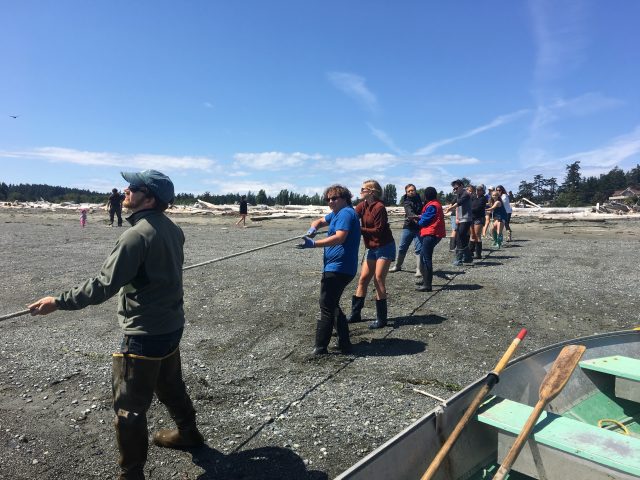
Throughout the past couple of weeks, we (and maybe you) have been asking why are we doing this? Why are we measuring the aperture size on barnacles? Why are we counting the number of lugworm holes we see in the sand? Why are we collecting 200 whelks from the intertidal zone? What is all of this data collection for? What does it mean?
Today, we started our day with an explanatory lecture from Tim D introducing us to the structure and methods for our final project. Throughout our discussion of the project and the scientific method we will display through writing, graphs, and photos, we got the answer to our questions. Tim(s) explained that with this final project, we are given the freedom to analyze any of the data we have collected or will collect. It is our job to ask and answer questions about the observations or data we have collected and create a symposium-worthy poster to display our work. We all felt the gears in our minds start to turn as we thought about the possibilities of questions and hypotheses we could test using the various data we had collected.
Next on the agenda was something we were definitely all looking forward to: a live chat with some of the workers on the E/V Nautilus. Megan Cook returned to help connect us to two of the communications officers. The Nautilus is currently exploring the backyard of a couple of our students—the Channel Islands—which are located off the coast of Southern California. We were astounded by the technology as we asked questions and they responded with insightful answers about the work they are doing. We learned that many of the Channel Islands used to be one large island during the last glaciation due to a large decrease in sea level, so the Nautilus is currently looking for old shorelines and marine biodiversity around the current Channel Islands.
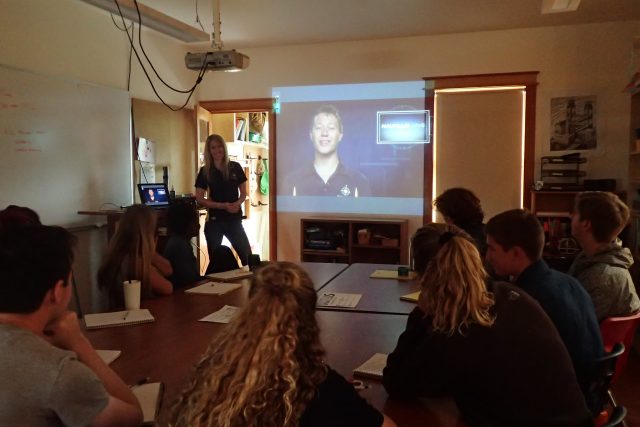
Megan helping us connect with the Nautilus
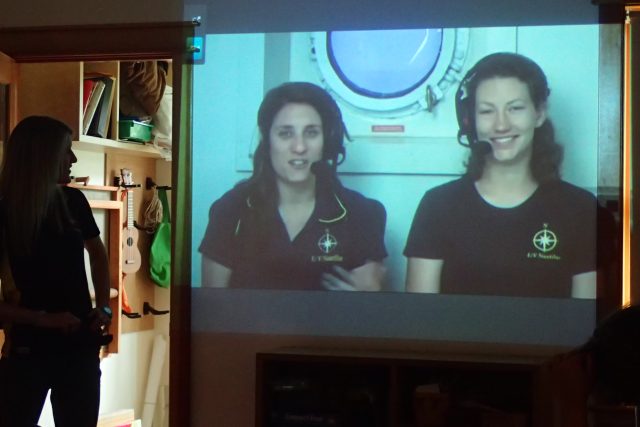
Two Nautilus workers answering our questions through a live video chat
After our live chat with the Nautilus, we had lunch as we prepared to leave for the rabbit survey with Beatrice Grauman-Boss. We had to stand 5m from each other, then count how many warrens there were in a certain location and the number of holes in one warren. This helped us to estimate the population of rabbits. We were all pleased to be part of this survey since rabbits have negatively impacted the ecosystem for a long time.
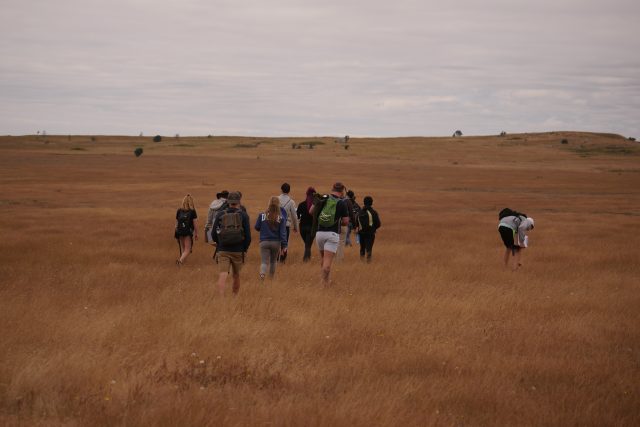
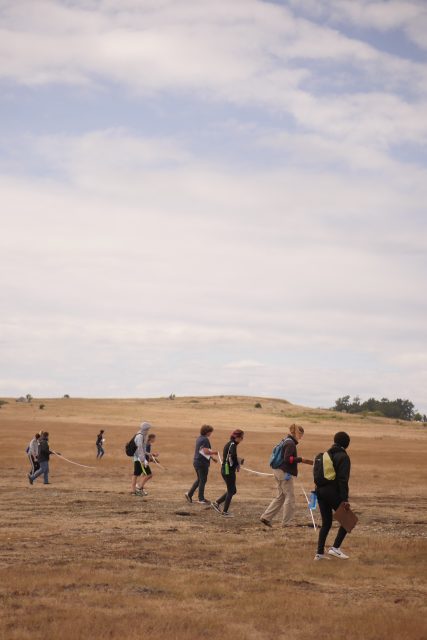
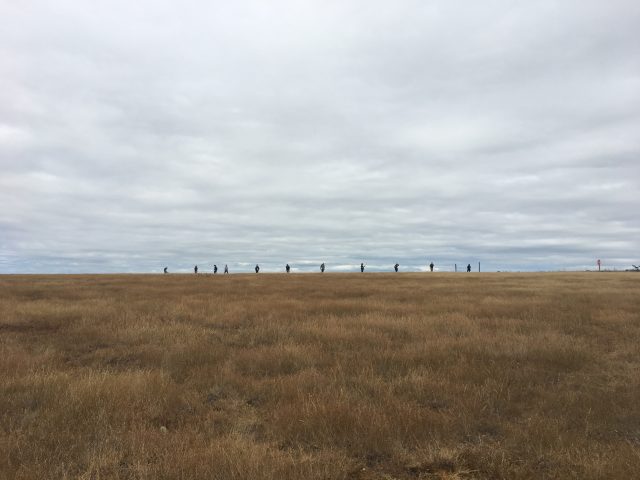
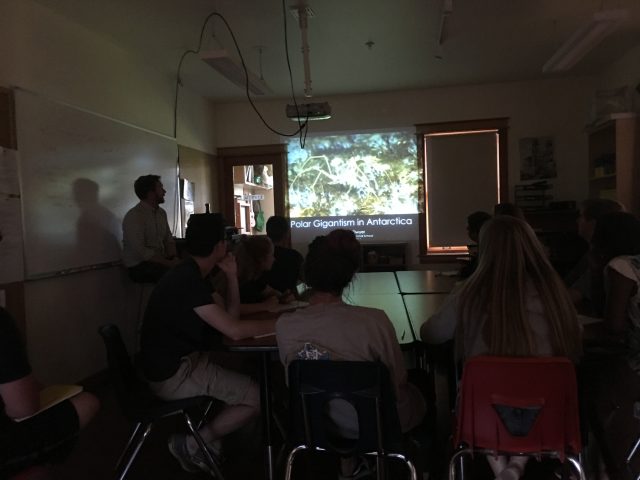
After we finished up the rabbit surveys, we had the pleasure of having our one and only Timothy Dwyer as our dinner guest, even though he is one of the camp directors. We used our dinner together as an opportunity to ask him all kinds of questions about his life and career and ask for his advice for us. After dinner, Tim gave a fascinating presentation on his two month trip to Antarctica to study Polar Gigantism, more specifically giant sea spiders. He showed us lots of great pictures he took on his expedition, some of which are currently featured in National Geographic, the New York Times, and several other big name newsletters.