Sunday, July 20. By: Mira, Vidita, Asher, and Noam
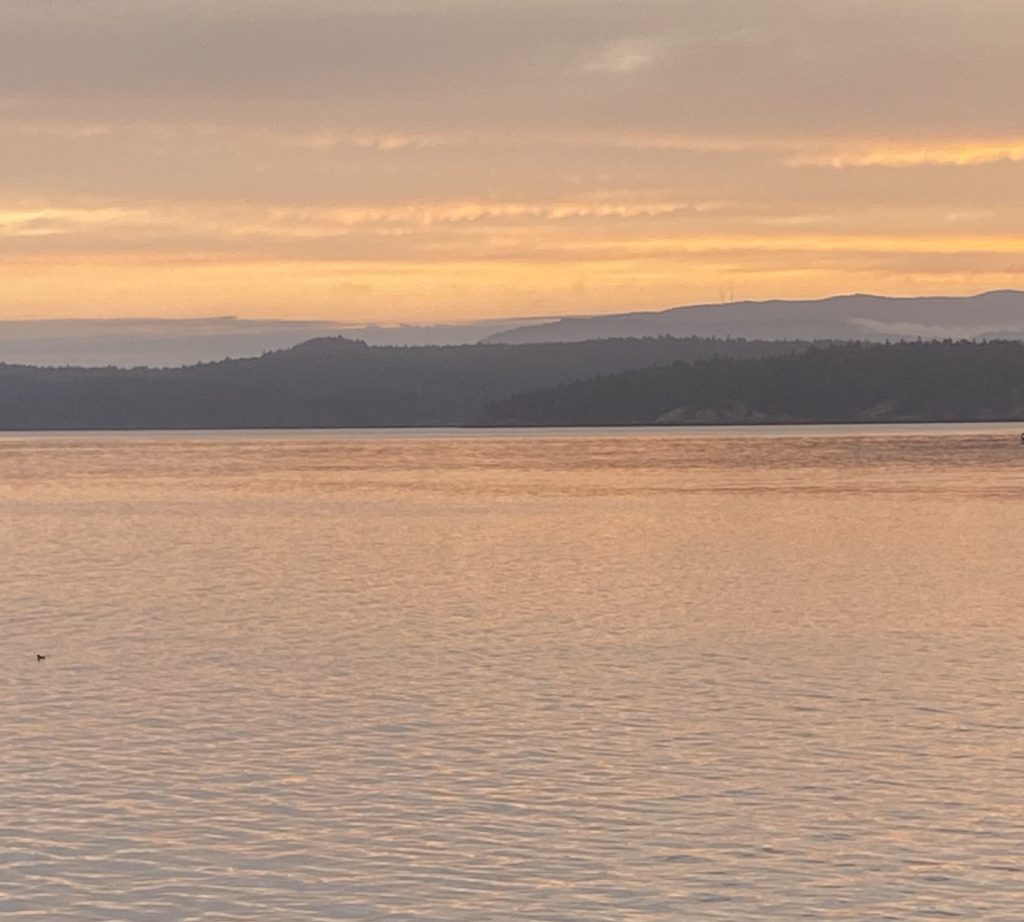
This morning, many of us woke up at 6 am to get ready to go out into the field. A group of eight, six people doing research, along with two helpers, went down to Fourth of July Beach to collect data on eelgrass. One person was looking at plots set by San Juan Island Conservation District, one was looking at environmental effects on eelgrass wasting disease, another was seed coring and plotting flowering eelgrass heads, one was looking at trampling and harvesting effects on eelgrass wasting disease, another at percentages of ulva versus percentages of eelgrass, while a last student looked at distance from the shore in relation to eelgrass density. We had a good time, but it was very, very cold. Despite the cold, however, we all managed to collect data, and headed back home.
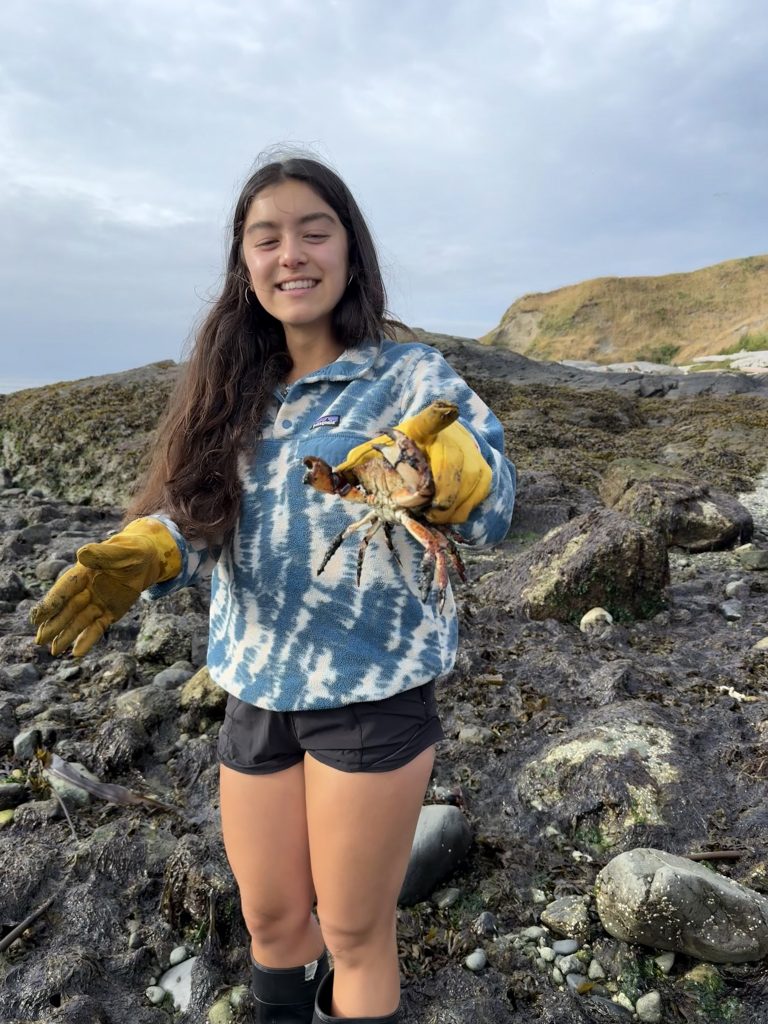
Four students headed off to Cattle Point to collect further research. One student was collecting phytoplankton, the second was randomly sampling biodiversity, a third collecting and measuring crabs along a transect, and the last conducting experiments on anemones,
While most were freezing out in the field, a few lucky students who were working nearby got to sleep in. After a nice, relaxing breakfast, we set out for a busy day of working on projects. Many students spent the morning working at the dorms or in the lab. Others headed down to gather data at the Marina or Jackson Beach. From observing fly species to looking at sculpins, everyone was trying to make the most of these final days before our presentations.
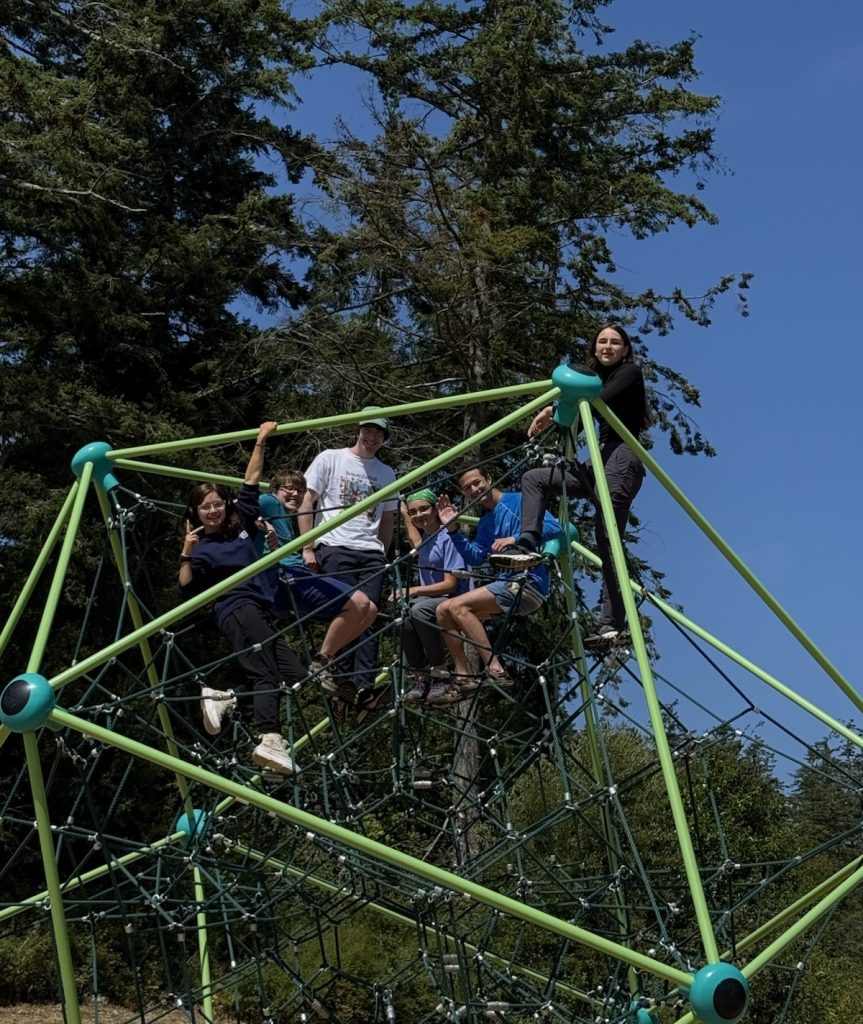
After everyone regrouped (and showered, for those that had been in the water), there was an option to go on a walk through Linde Park, where the San Juan Land Bank keeps native species abundant, including delicious thimble berries, and a playground. We then returned home for project work time, to create our posters.
Caroline and Tom’s daughter, Bea Grauman-Boss took the time to have a call over zoom to talk about her science journey. She spoke about beginning her research in irregular growth in echinoderms based on the presence of predators and availability of resources. From that, she transitioned to capsid presence in cells after virus treatment, specifically yellow fever and dengue. She ended with her most recent ventures in cancer research and general advice on prioritizing one’s own interests and seeking out mentors that also center your endeavors.
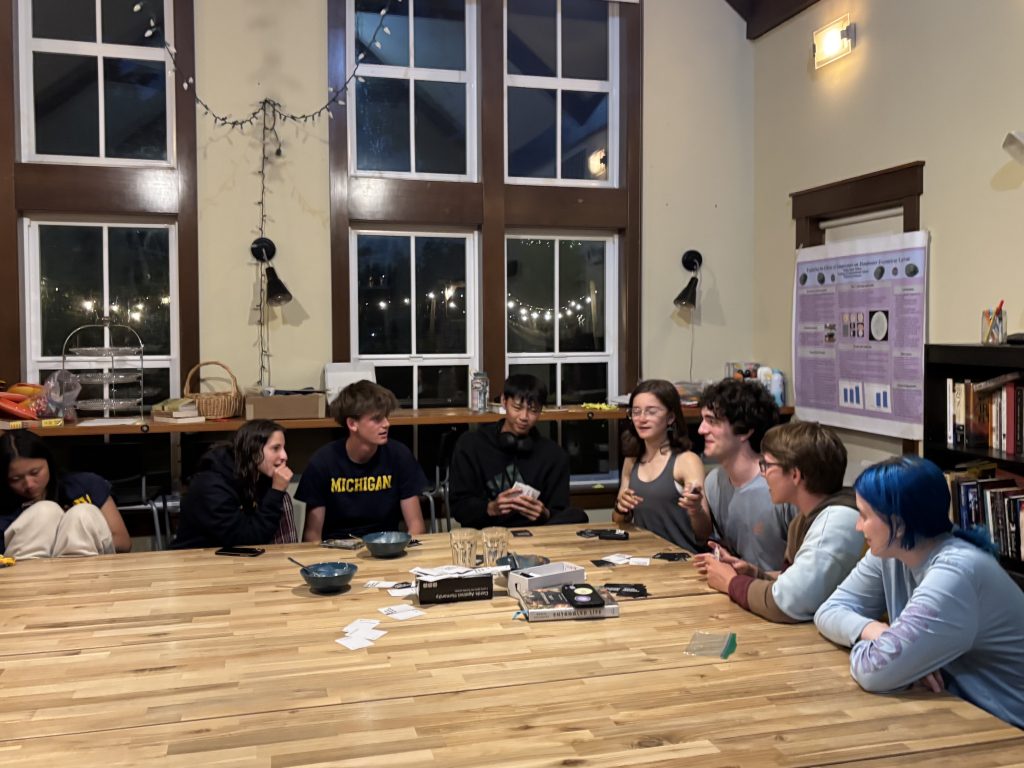
For our delicious dinner of vegan chili, we were accompanied by Katherine Dietzman, a shoreline and mapping specialist working with Friends of the San Juans (a non-profit organization dedicated to protecting the San Juan Islands). She talked about the work she does with Friends of the San Juans, including shoreline restoration and looking at forage fish. Our evening ended with ice cream, The Lord of the Rings, Cards Against Humanity, and other fun activities.