A Sluggish Day

By: Ela, Kaylee, Kenneth, and Zoe.

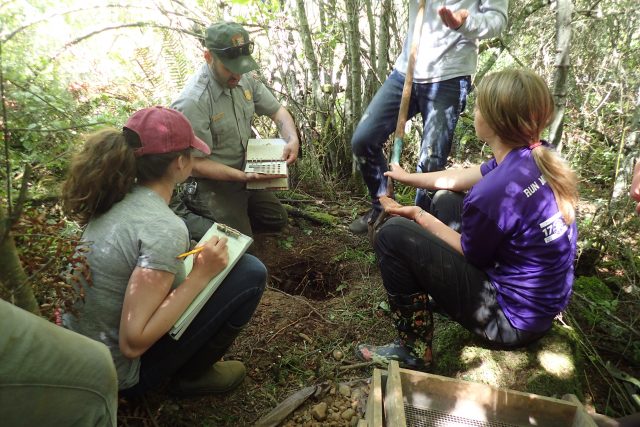
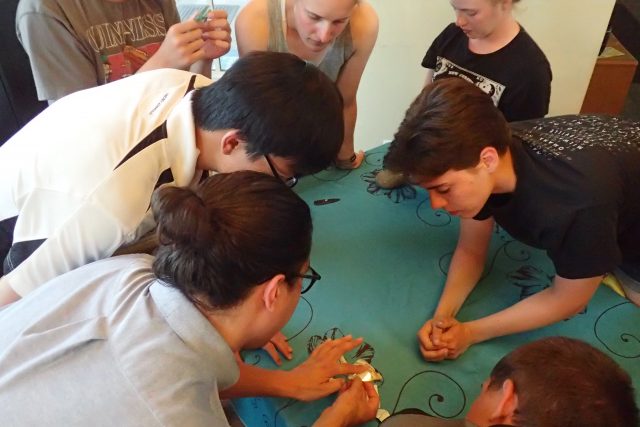
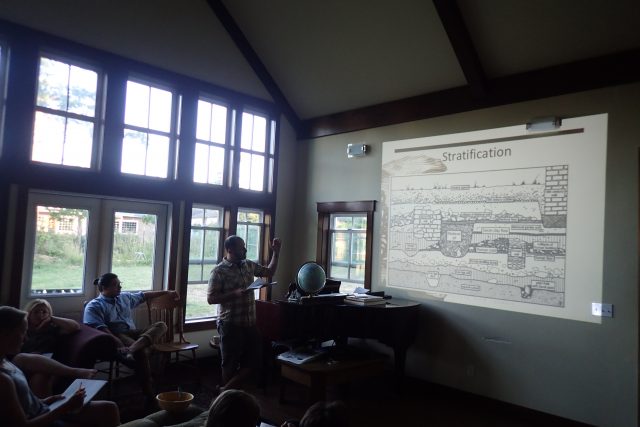
Today, we woke up extremely early to go investigate the slug population around the Friday Harbor Labs.  When I say early I mean 4:00 AM to be exact! Normally this would not be a huge problem except for the fact that we stayed up late listening to Doctors Erika and Vik Iyengar present about slugs and earwigs. We were informed the night before about the early morning and slug survey but did not know what to expect. We learned that the early morning is a great time to go looking for slugs because the ground is moist and damp, even if you may be very sluggish while searching.    

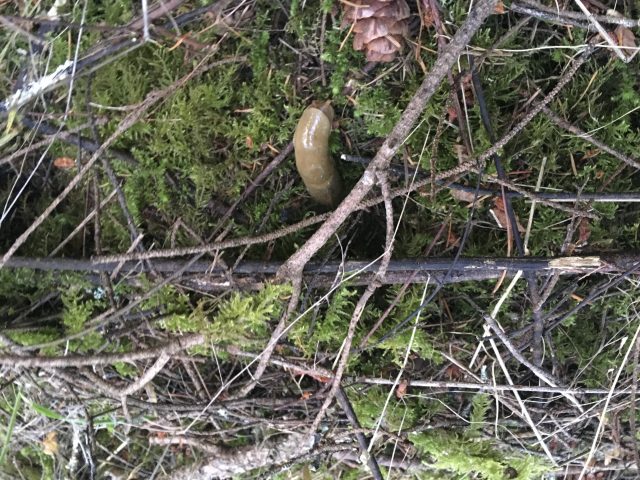
A slug on the move.

In the survey we conducted, we were given the task of looking for slugs in three unique areas.  One group surveyed between the road and the water close to the entrance of the Friday Harbor Labs, another group surveyed along the fire escape path, and the final group surveyed beyond the path in the freshly dew-dropped woods.  The expedition turned up a good amount of slugs, which compiled of both the native banana slug and the invasive European slug.  After this data collection, we headed back to the dorm for a normal breakfast at 8:30 AM.

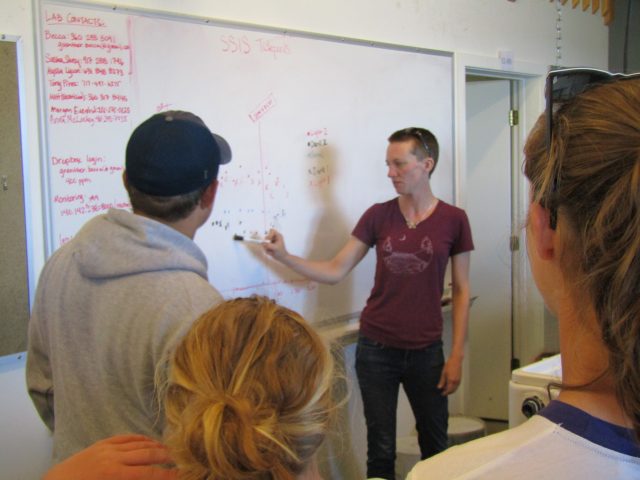
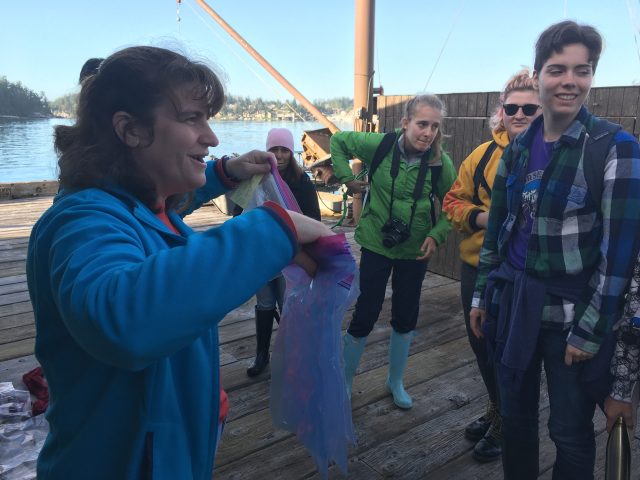
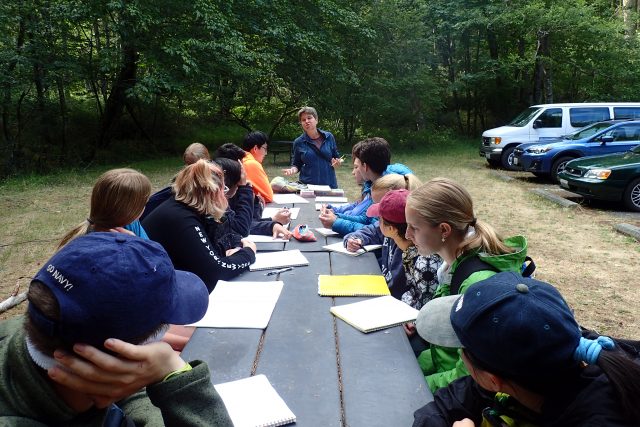
Dr. Erika Iyengar talking to us after collecting slugs. Later in the morning 🙂

Later we went to the STEM building where we were captivated by technology, such as 3-D printers, virtual reality, and an electric car built by 8th graders.  At the STEM center, we met Dr. Derek Smith who is a teacher that encourages and inspires students to design and create what they would like. He even allowed us to design our own t-shirt logos for the Salish Sea Science program. After the three hours of fun, we went to have a delicious and refreshing lunch at Tina’s Tacos.

In the afternoon, Megan Cook presented about her extensive and fascinating experience on an ocean exploration ship, called the Nautilus.  She fell in love with the ocean and all its mystery, after all, 95% of it is undiscovered and undocumented. After listening to her attention-grasping presentation, we are now inspired to take part in that life-changing experience. Luckily, there is a chance for college students to intern on the Nautilus.


Image result for nautilus live

This picture is from the International Society for Presence Research website. https://smcsites.com/ispr/files/2013/07/Nautilus_Live.jpg

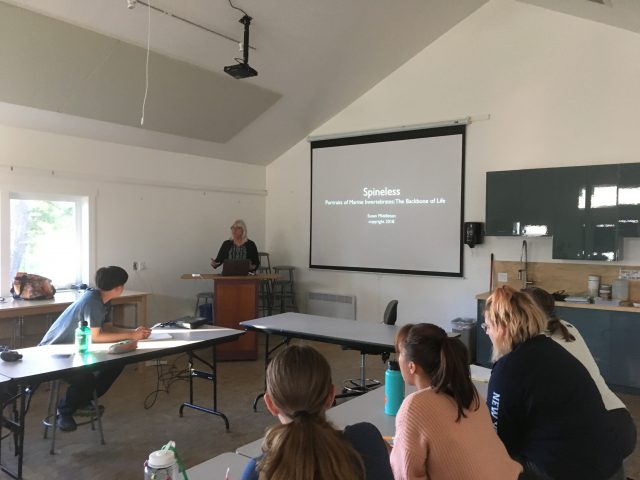
Today’s dinner guest was the world-known photographer Susan Middleton.  She has traveled the world taking pictures of a variety of animals and organisms. In 2014 she published her book, Spineless, an extensive collection of invertebrate photos that were taken over 6 years. She selected 50 photos to show us in her presentation, which were all spectacular. They had the kind of detail you only get from studying an invertebrate for many months. From traveling the world and her experiences are expressed in all of her photos. Now, with some downtime and a bowl of ice cream, we finally have time to reflect on our day.


Susan Middleton giving her presentation.


FINDING NEMO WAS WRONG?!

Maya, Rachel, Victoria, Zack

*This blog post was late because we woke early to survey slugs with Professor Erika Iyengar Tuesday

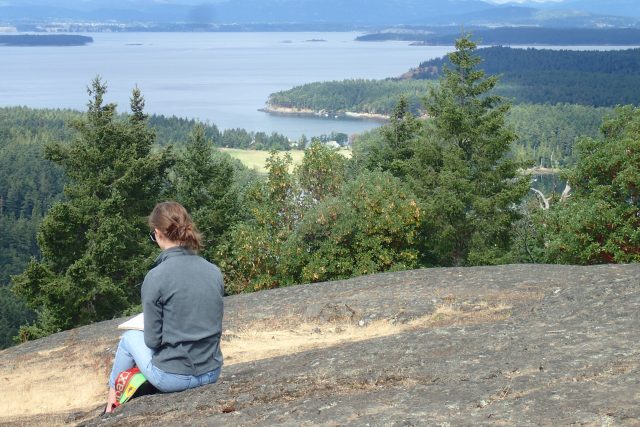
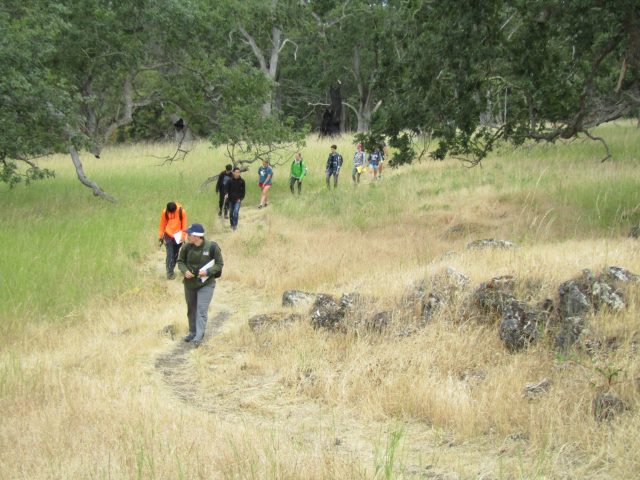
Early in the morning, we woke up to a nourishing breakfast before hiking Mount Young with Sharon Massey, a teacher at Spring Street and a scientific illustrator on the side. She was there to foster our observations of the local ecosystem; we practiced some scientific illustration of our own on the summit, from drawing extensive landscapes to penciling in the smallest details of flowers and insects.

Learning from Sharon Massey

The hike up Mount Young

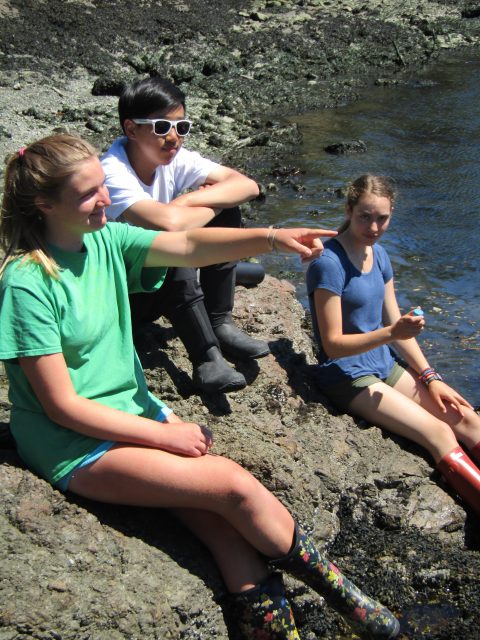
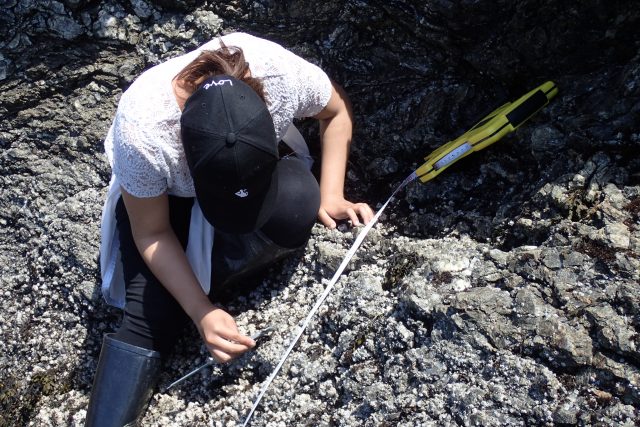
After a lunch of heated debates about James Bond and Marvel movies, we headed back to Deadman’s Bay, our location from last Tuesday, to conduct a field study with PhD student Will King. Will discussed with us the differing environments in the intertidal, as well as ways that the various creatures living there grapple with both biotic and abiotic factors. During our field study, we used transects and calipers (precision measurement devices) to locate and measure one sampling of the local barnacle population.

Clarissa hard at work measuring barnacles

Data analysis was next on the agenda as we returned to the Spring Street lab and recorded our findings from the intertidal as well as information from Beatrice’s rabbit field study on Sunday.

For dinner tonight, Professors Erika and Vik Iyengar were our guests. They both live in Pennsylvania and work at the Friday Harbor Labs in the summer, studying marine ecology and behavioral ecology respectively. Aside from our engaging dinner conversations filled with stories of snail mating and the scientific inconsistencies of Finding Nemo, professors Vik and Erika both presented slideshows on their studies of rattlebox moths, maritime earwigs, and local slugs.

Lights out was at 9 PM tonight in preparation for a ridiculously early 4:15 AM wakeup tomorrow morning.

Bunny Bananza

By Magdalena, Sabrina, Clarissa, and Eric

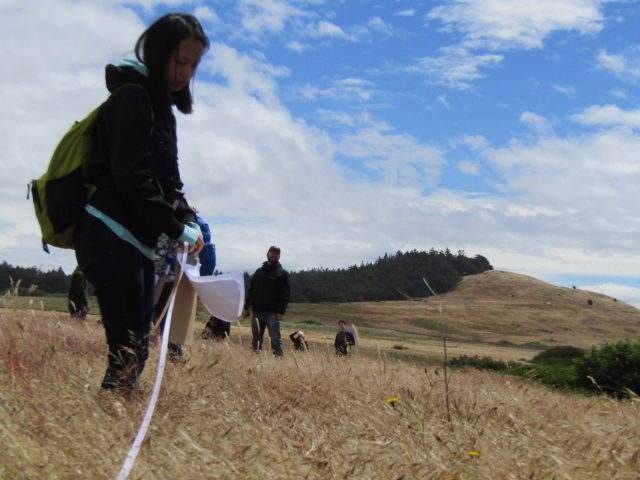
Bunny bananza with Beatrice, oh my! We went out on a survey with Beatrice Grauman-Boss, an undergraduate working at the Friday Harbor Labs who gave us a presentation earlier on her work with sand dollar larvae cloning. The wind picked up as we went and the seeds got everywhere in our shoes, but counting these bunnies is incredibly important! The rabbits are an invasive species that was brought to San Juan Island in the 1880s. The animals have no natural predators and are destroying the local plant life while competing with other small mammals. Our job was to count their active burrows to estimate the population.

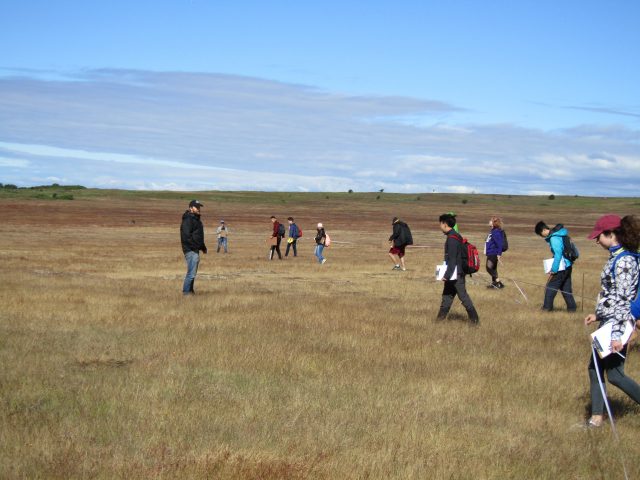
To count the burrows, we walked up and down the hill while holding a transect tape. There were 5 meters between each of us and we were supposed to walk in a straight line. Somehow, this was a skill we couldn’t master. It took a lecture from Rugby Tim about how straight lines work for us to get our act together.

Sabrina front and center during our survey.

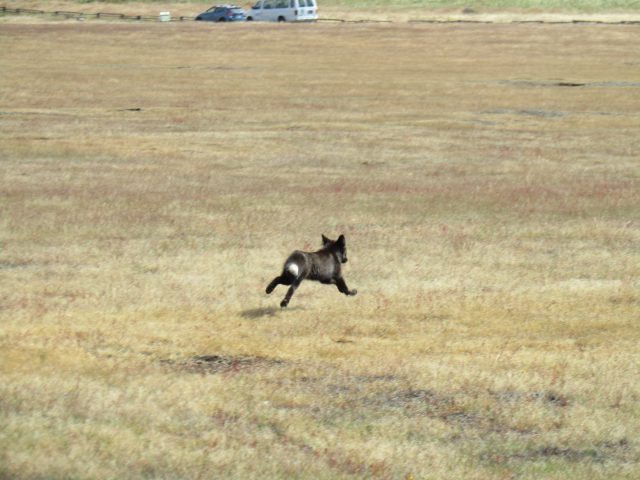
Unfortunately, we saw very few rabbits. Instead, there were small foxes to entertain us. Enjoy an example of Victoria’s photography below!

A running fox!

The fun continued with a soccer game after lunch, led by Rugby Tim. Some of us worked on our teamwork while others of us ran from the ball. The final score was 3-5, but everyone won in their hearts.

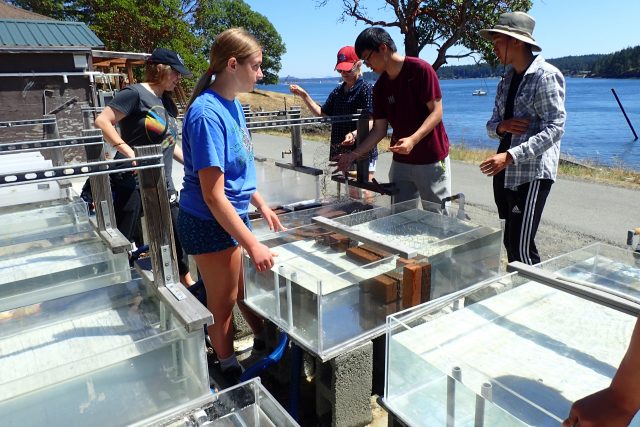
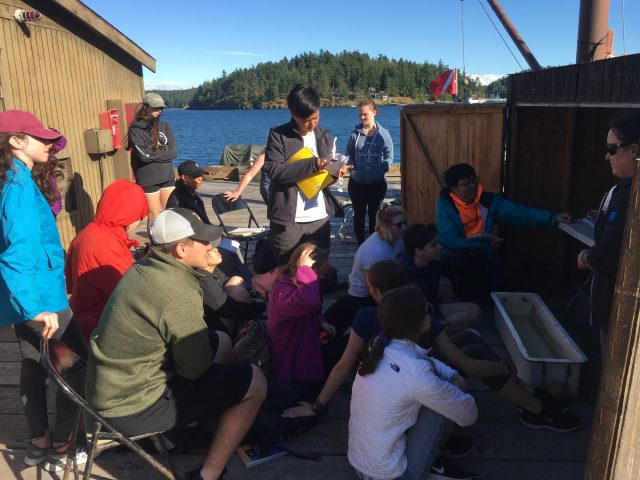
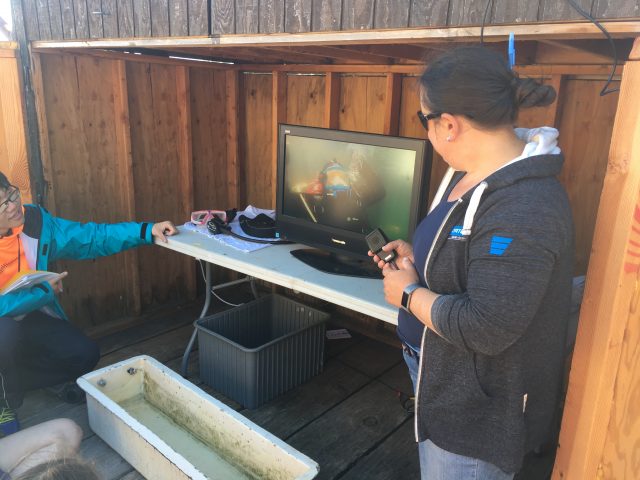
The next half of the day was centered on the Other Tim, or Tim Dwyer as he is also called. He led us in a scientific scuba diving activity where he and his diving buddy Chris filmed their dive beneath the Friday Harbor Lab dock. There was a TV above water that was a live feed of what they were filming with their underwater camera. They captured several nudibranchs for later study and showed us the glamorous life of a scientific scuba diver.

All of us watching the divers on the TV.

Tim Dwyer waving at us.

Tim Dwyer continued to impress during his presentation on diving underneath the Antarctic ice. He told us about a phenomenon called polar gigantism where some animals can grow to humongous sizes. In the Southern Sea, one sea star can grow a meter long! His photography was breathtaking and we were all impressed at his ability to swim in water less than 32 degrees Fahrenheit.

We then wrapped our day up by judging ice cream! We channeled our inner food critic and tasted the different types of ice cream created by the residents of the Friday Harbor Labs. Saffron, Jalapeno Face, and Cherry Limeade were all popular flavors. Pina Kelplada was made by the Botany class and won the class competition. Congrats Botany team on your prestigious accomplishment!

After a long day of science and silliness, we are ready to sleep and excited for the hike tomorrow!

A Day in the Life of a Salish Sea Sciencer

By:  Gabrielle Cooper, Evelyn Wyman, and Brian Chu

Pancakes, warm, tasty, fluffy and light

And bacon and eggs, whipped cream and all the fruit our hearts desire

Nothing to worry about throughout the day or night

Cruising around the farmers market, seeing food cooked by an open fire

A day of buying oysters, a day of leisure, a day of rest

Kids out in the town, walking around

Exploring, and thinking today was the best

If you couldn’t tell, this poem describes a few of the highlights from our day. Saturday was our first day off from field work, and we had an opportunity to sleep in and make a gourmet pancake breakfast. We also visited the farmer’s market, unfortunately it was rainy – but we had a blast exploring. The locals took us to a quaint used bookstore called Serendipity where we were able to check some items off our summer readings lists.

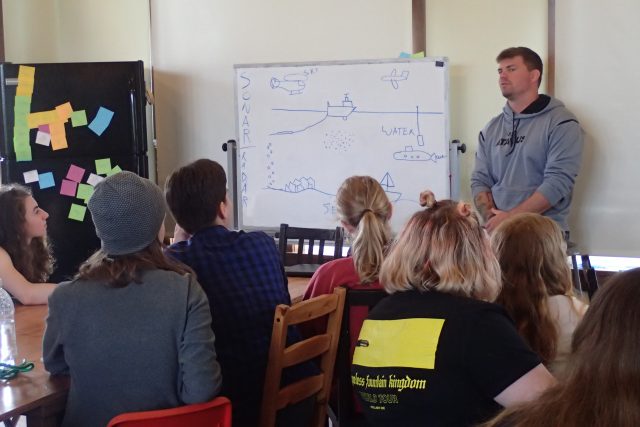
Tim giving a sonar lecture

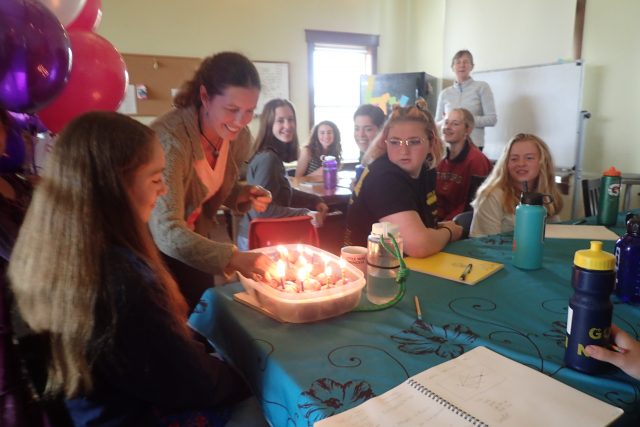
After our excursion to the farmers market, we returned to the Spring Street dorms, where Tim, one of our counselors, taught us about the use of sonar technology in the Navy, which he specialized in during his service. It was especially interesting to consider the ways that Naval use of sonar influenced the marine mammals and environment, which was especially relevant to this program. As a special surprise, Ela’s family visited the dorm with cupcakes in hand so we could all wish her a happy birthday.

Ela’s birthday celebration

To wrap up the day, Beatrice Grauman-Boss and Sasha Seroy, a PhD student at UW had dinner with us to talk about plasticity in bryozoans. We had the opportunity to visit each of their labs earlier, where Sasha let us help her set up a different experiment involving her research on snail teeth and environmental changes, and Beatrice showed us her research on barnacle cloning. Tomorrow we get to go out with Beatrice to participate in field study on invasive rabbits!

Sasha teaching us about bryozoans

We had a WHALE of a time!

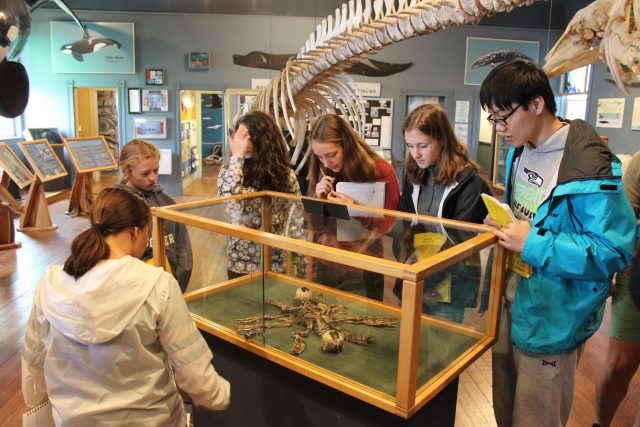
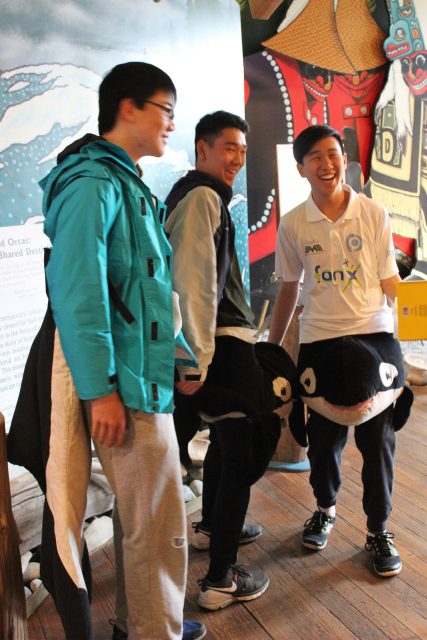
We woke up to a surprisingly unsurprising morning of rain. Although it was gloomy outside, we were brave enough to walk all the way to the Whale Museum, a staggering 15 minute walk. At the museum Tracie gave us a 30 minute presentation on the different pods of whales that you can see in the San Juans at different times of the year. After the presentation, we explored the upstairs exhibits, which included dressing up in whale costumes.

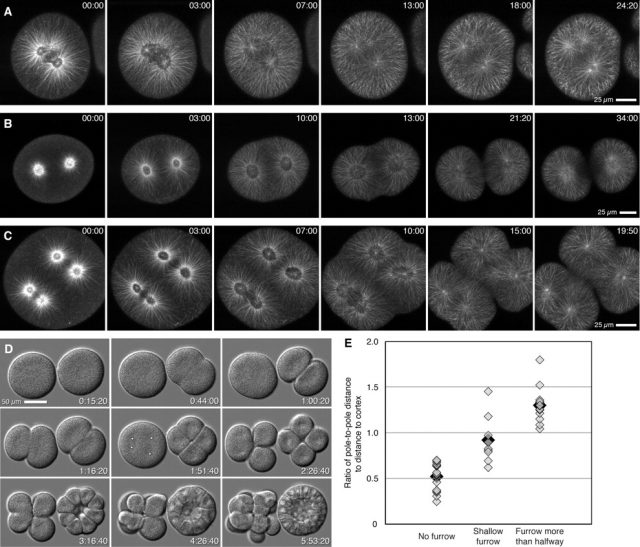
We then walked all the way back in the rain to prepare our picnic lunch and headed off to Friday Harbor Labs. There we met Lauren and Beatrice who let us observe them spawn sand dollars, as a part of their research in the molecular mechanisms involved in cloning.  For most of us it was a new experience to be in a lab and look through the high-tech microscopes. We even got to see cell division!

George von Dassow et. al , 2009

After labs and lunch, we hiked to a vista with a breathtaking view. With further inspection we noticed many boats in the water before us and realized that they were chasing the orcas. We got our binoculars out and were able to see the orcas for ourselves, which we deduced were transient because of the terrified seal, not wanting to enter the water.

After this, we went to a different part of the labs to learn about scientific illustration from Sharon Massey, in which we drew some of the invertebrates that we caught earlier this week. We enjoyed this relaxing break from the rain as we all discovered our artistic talent.

We returned to a revitalizing dinner of burgers with Dr. Hilary Hayford, who we researched with earlier on intertidal snails and barnacles. We enjoyed learning the context for the research we did with her previously.

Fucus MUCUS!

Maya should not be a meteorologist.

Today’s early West Coast morning started as many others do: with a thick layer of gray clouds covering the sky. Though some of us- Maya, we’re looking at you- were optimistic during these early hours, insisting that the clouds would burn off to reveal golden sunlight, those positive but sorry souls could not have been more incorrect. Our trip to Cattle Point involved not sun but instead blustery wind and less than ideal temperatures. Despite Rugby Tim’s  constant reminders to “DRINK MORE WATER” and Professor Dobkowski’s insistent “100% NOT rain” weather forecasting, we were cold. Really cold. But what were we even doing out at Cattle Point, anyway?

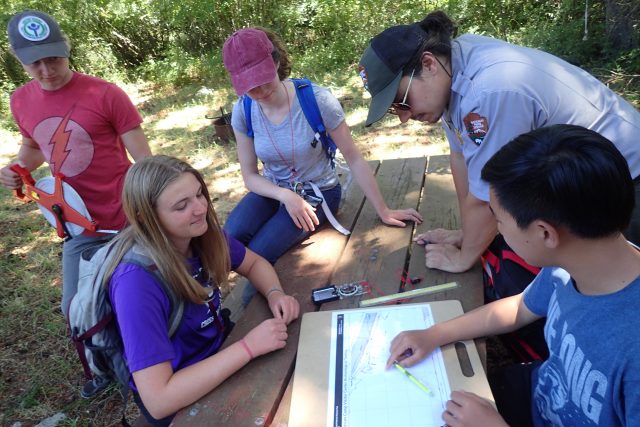
Last night, we were introduced to Professor Katie Dobkowski (by the way, congratulations on your new job at Bates, professor!) who gave us a first look at the study we would be participating in the following day. As mentioned in a previous blog, the study was started in the early 70s, basically making us official researchers in a project nearly three times our age! As far as tools of the trade go, quadrats (square arrangements of PVC pipes laced with string grids) and transect tapes (long mater tapes) were our essentials during this field study. Locations A, B, C, and D, located all along cattle point and encompassing many different substrates (surfaces where organisms can grow), were where we unrolled our transects and dove headfirst into algae data recording.

Scientist Ela and Kenneth hard at work collecting data with the help of a quadrat.

The weather and temperatures were rougher than Timmy’s puns, and the Fucus mucus made us severely question our foot-eye coordination, but we scientists are well known for our balance of fun and elbow grease. Several of us took breaks by playing with one genus of algae, Halosaccion, that squirts a thin stream of water when squeezed. Others found enormous rock crabs that were extremely interesting, as they were missing claws and legs, which gave us a look into the rough lifestyle of intertidal creatures.


Fucus Mucus

(https://depositphotos.com/21066093/stock-photo-fucus-vesiculosus.html)

After a quick lunch, Megan Cook came over to our dorm to teach us about scientific communication and how to connect with an audience. She taught us to write brilliant, emotional, and grammatically correct sentences like this: “First we woke up, the breakfast was awesome, I love cereal, the research was excellent, I love peanut butter and jelly sandwiches, that was my lunch, it was amazing”, et cetera. In all truth, her lesson was incredibly useful, and taught us a lot about writing compelling narratives. Afterwards, we journeyed to the mythical Friday Harbor Labs to assist Sasha Seroy in an experiment with Lacuna, or small intertidal snails, focusing on their teeth and food sources. Some of us got extremely lucky and observed some of these snails begin their feeding process by sticking their toothy radulas into kelp leaves.

Tonight we were lucky to have Beatrice Grauman-Boss and Lauren Lubeck as dinner guests. They are both undergraduates who are currently working on a project at the Friday Harbor Labs. Lauren and Beatrice taught us about sand dollar larvae cloning, which is epic! They taught us with an impassioned energy about budding, showed us pictures of the buds they had cultivated in their lab, and explained to us the process of cloning as a defense mechanism. It was truly inspiring. We can’t wait to hear more tomorrow when we visit them at the Friday Harbor Labs .

False Bay Field Trip!

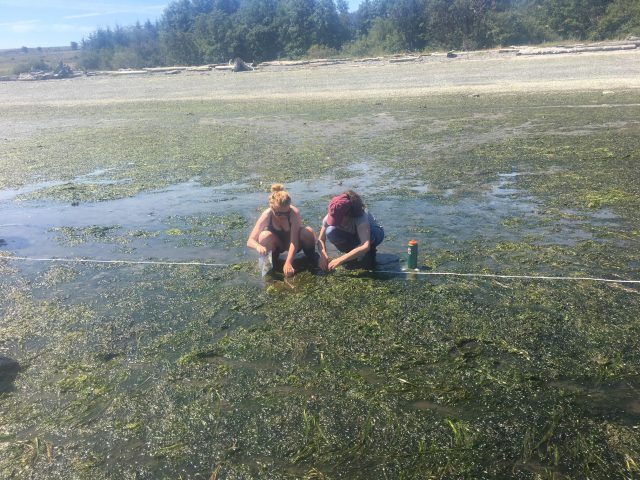
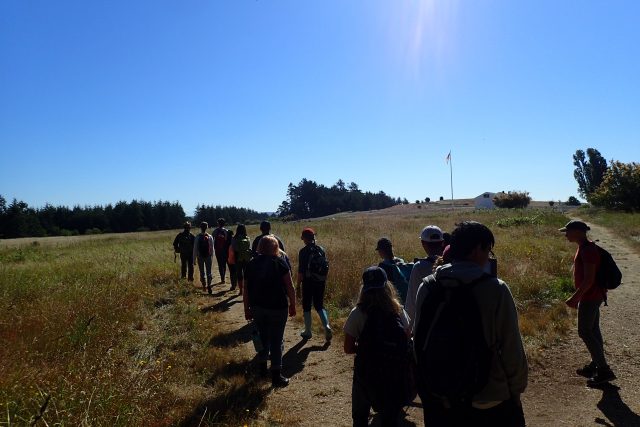
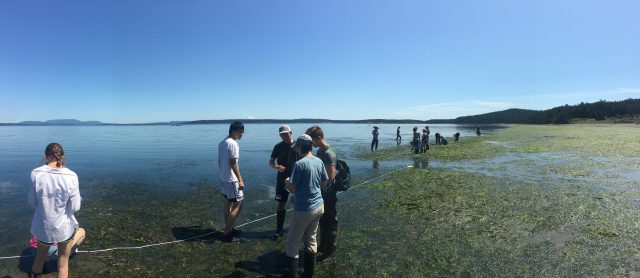
After a good night’s sleep and some delicious breakfast, we headed down to False Bay for some field work. We got to learn about the importance of lugworms in their ecosystem. They aerate the sand to provide oxygen for other organisms in the same substrate. We also learned about different data collection techniques, such as using the quadrats (squares made of PVC pipes) to select the area that we want to study. We were divided into different groups. Some groups counted the number of burrows per quadrat, some groups collected sand samples, and other groups dug up burrows to check how many burrows had lugworms in them.

This is us learning about lugworms.

We also dug up a ghost shrimp!

After False Bay, we returned to the Spring Street International School laboratory to input our data into spreadsheets. We also learned about quality assurance/control, which is essential for accurate results.

Then we went on a brief excursion to the Friday Harbor Labs to identify the animals we dredged up when we went on the Centennial.

Identifying the mollusks and arthropods

Kaylee with cnidarians

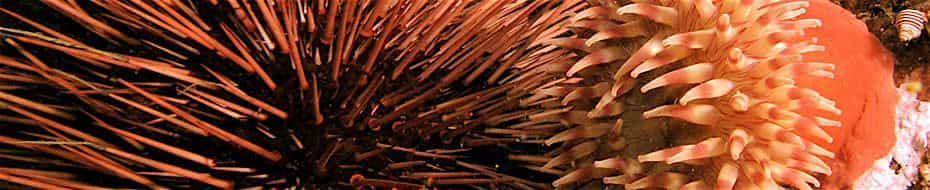
Observing the injured Sea Urchin

Finally, we welcomed Professor Katie Dobkowski for dinner. She teaches Marine Biology at the University of Washington and specializes in bull kelp. In her presentation, she explained the process of the 40-year-old algae survey we will be conducting tomorrow. We’re very grateful for the opportunity to learn from Professor Dobkowski and can’t wait to work with her tomorrow!

-Magdalena, Clarissa, Eric, and Sabrina

Happy Birthday Michael

Good day, ladies and gentlemen!

What did we do today? Well, it was a dark and stormy night…. No. It was morning. Against our will, we were awakened at the way too early time of 6:30 am. We dragged our feet down to the breakfast, a meal of heavenly taste. Cereal. Toast with a multitude of condiments, including butter and jam. Then we set off for the day, to Deadman’s Bay, where we met with Dr. Hilary Hayford. Dr. Hayford is a UW biologist who is interested in intertidal ecology at Friday Harbor. We got to participate in a pilot study that looked at changes in snail feeding behaviours due to temperature changes and environmental stressors. We also spotted a river otter in the tide pools! After some fieldwork and a long-awaited lunch, we joined Dr. Rebecca Guenther, a phycologist (studier of algae), who taught us about algae life cycles, species identification, and even helped us press our own seaweed art! After the interesting lectures, we had an amazing dinner with Jennifer Olson. Jennifer works at the Whale Museum’s Stranding Network Program, where she coordinates rescues and research for marine mammals stranded on the shores. After dinner, we sang Happy Birthday to Evelyn’s dad Michael. All in all, it was a great and educational day.

Slimy Sea Stars and Sailing on the Centennial

After the first night in the dorms, we got up and enjoyed a breakfast of cereal and oatmeal. We then started the day off by going over the guidelines, expectations, and schedule for the program.

We took a walk across campus which woke us up, and we also got to see the Spring Street International School ground and the incredible laboratory. Back at Hope House (where our dorms are located), we went over the behavioral guidelines for the next few weeks, but quickly got back to the fun after we were assigned to go on a photo safari!

We were given a packet of old photos of the island and were given the task of finding the current location and taking the same photos decades after they were initially taken. This gave us a chance to tour the town and see the sights for ourselves.


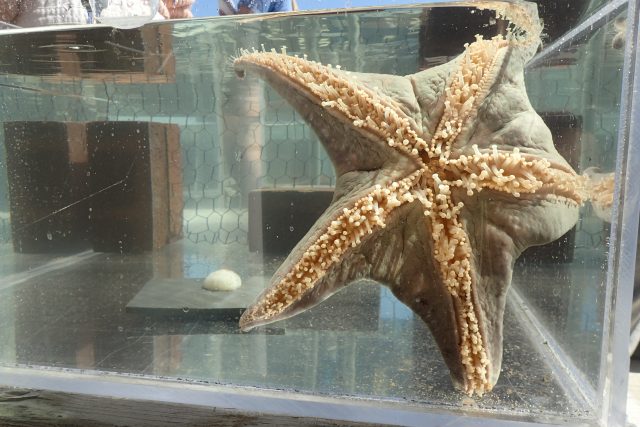
We returned with an empty stomach and were excited to see that sandwiches and apples were on the menu for lunch. We then drove to the Friday Harbor Lab. The most exciting part of our day was boarding the Friday Harbor Lab’s boat, the Centennial, and collecting marine life through dredging. We had many interesting finds, from sea sponges to sea cucumbers, we even got to see a slimy sea star!

Afterward, we got a tour of the Friday Harbor Lab and learned a little bit about the history. We then headed back for a bit of exploration time where some of us relaxed while others prepped for dinner and began introducing the guest.


Our guest, Dr, Rebecca Guenther, arrived for a delicious pasta dinner. After dinner, she captured our attention with a presentation on ocean acidification and its effects on algae, which is what she specializes in.

We were all tired out from a long first day and relaxed a little bit before going to bed, excited for the next day!

Salish Sea Sciences Summer 2018—Welcome!

Sunday June 24, 2018, Salish Sea Sciences summer cohort of 2018 comes together!
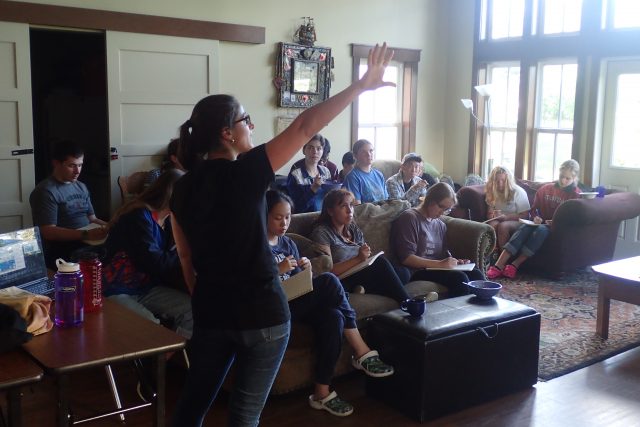
What an amazing team of students—from the greater Salish Sea/Puget Sound and from Arizona, California, New York, and abroad! By tomorrow—students will be posting blog posts of their own—sharing the exploits of the day.

For now—a few photos of students boarding the University of Washington’s Friday Harbor Laboratories R/V Centennial along with graduate students doing research at the Labs from California, Washington, and Sweden…

Do check out the Facebook posts of the day!