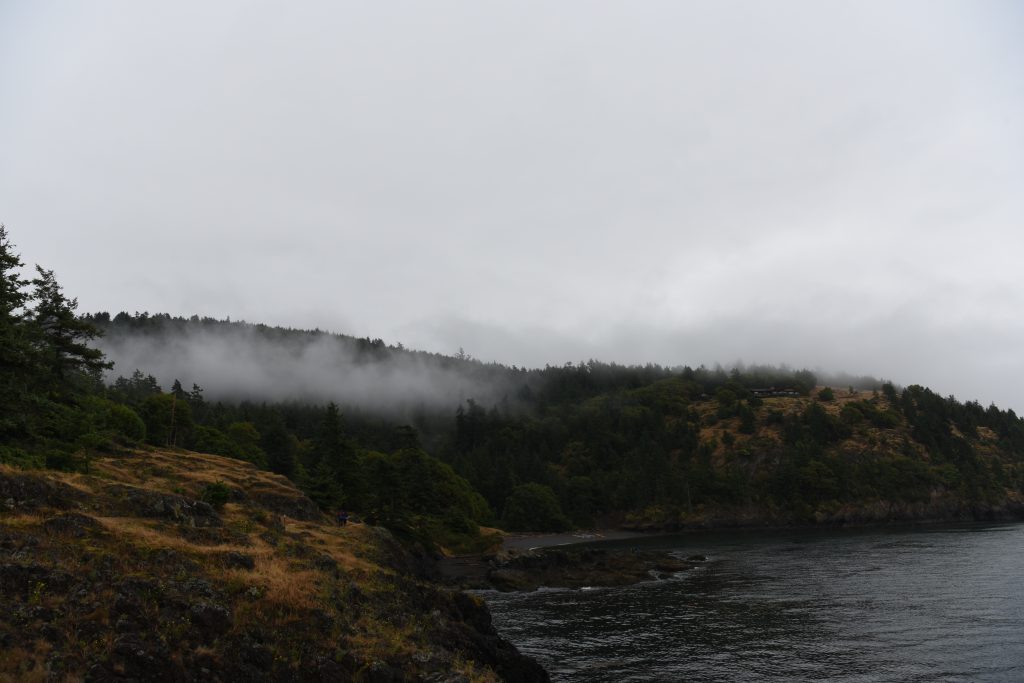
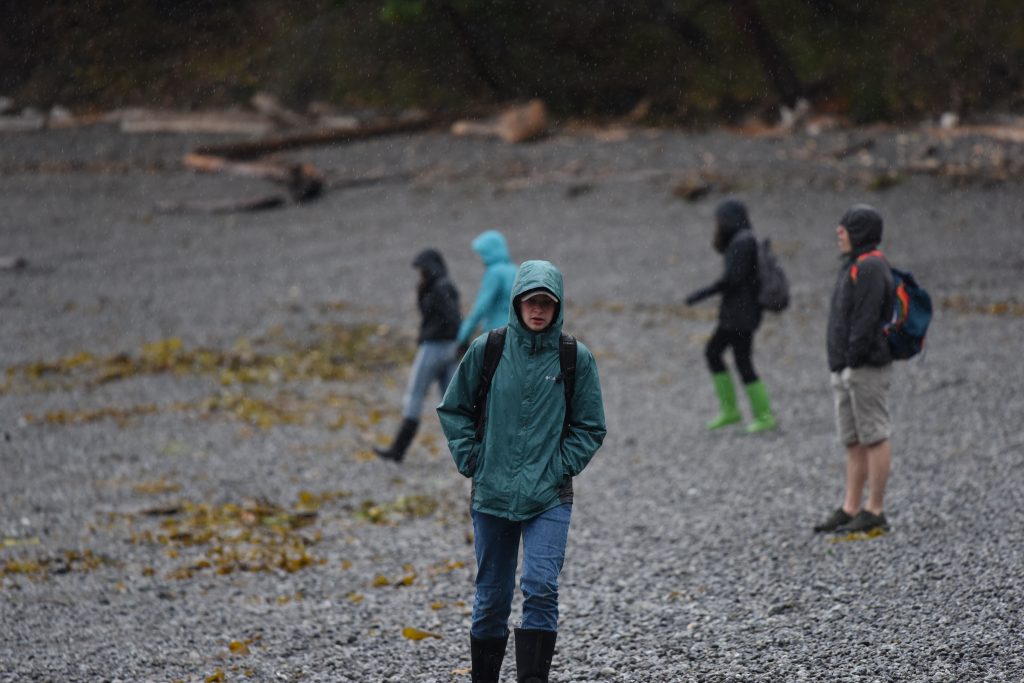
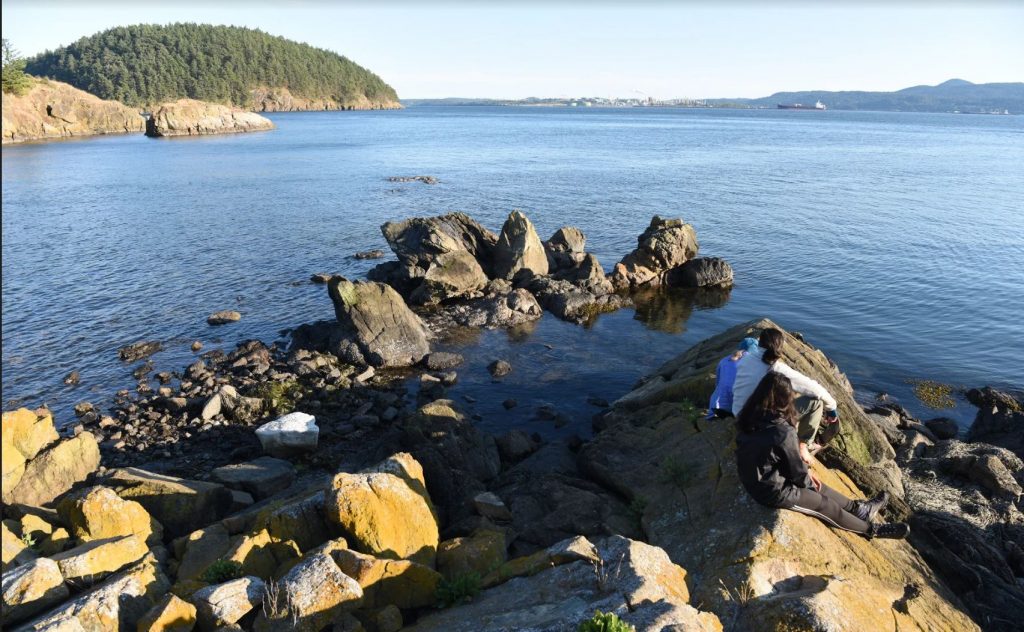
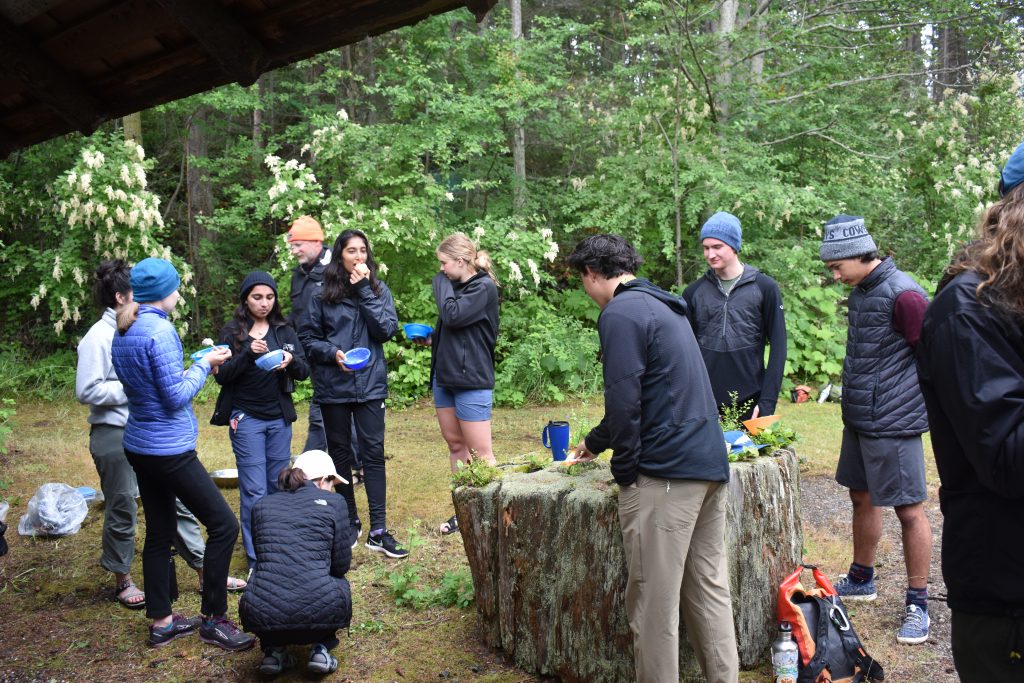
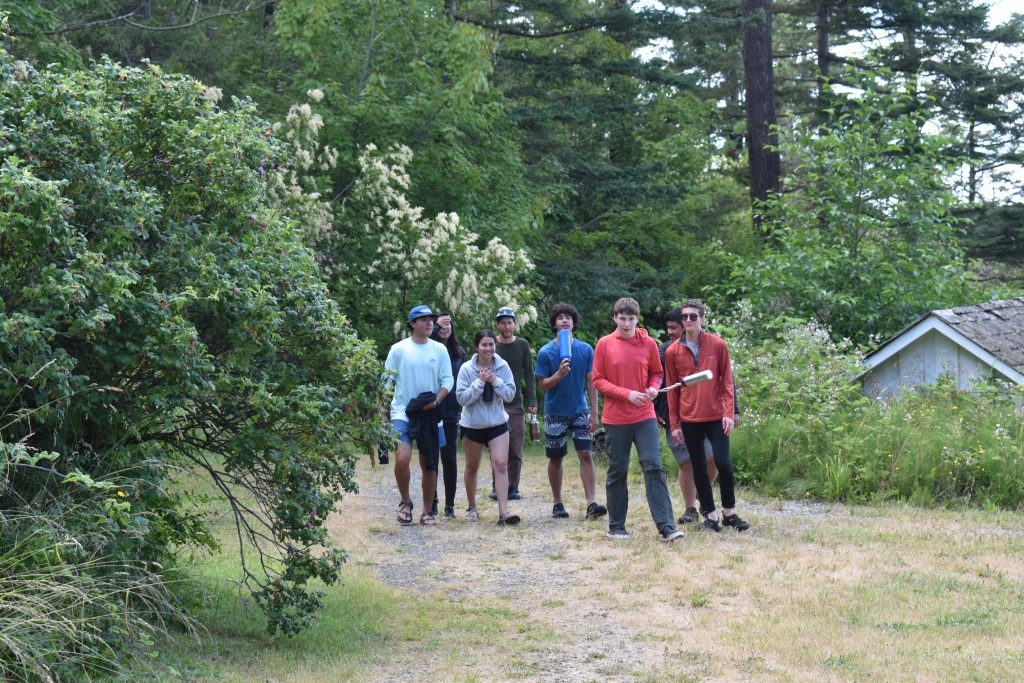
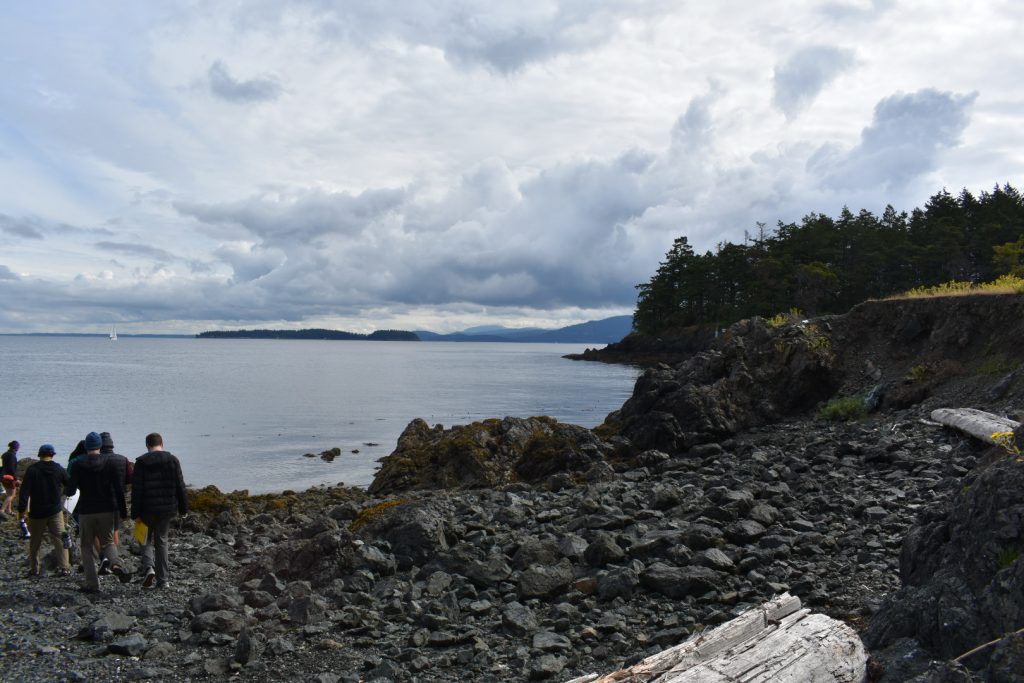
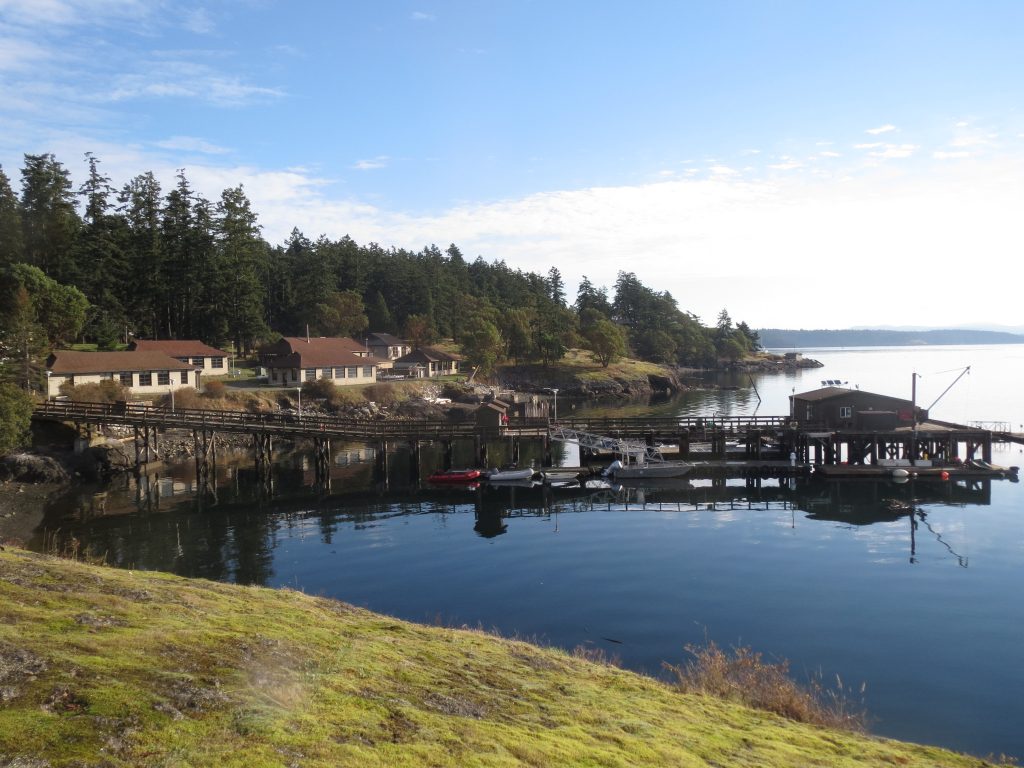
Today was another rainy day in the San Juans, but thanks to our longboat excursion, this rain paled in comparison to the weather we experienced on the water. It was an earlier start than normal today, and this was mainly because of the low tide we wanted to catch at 11:00 am. We traveled about 20 minutes (a long drive by San Juan standards) to the western side of the island, where we arrived at Lime Kiln Point State Park.
Photo by Harris Yu.
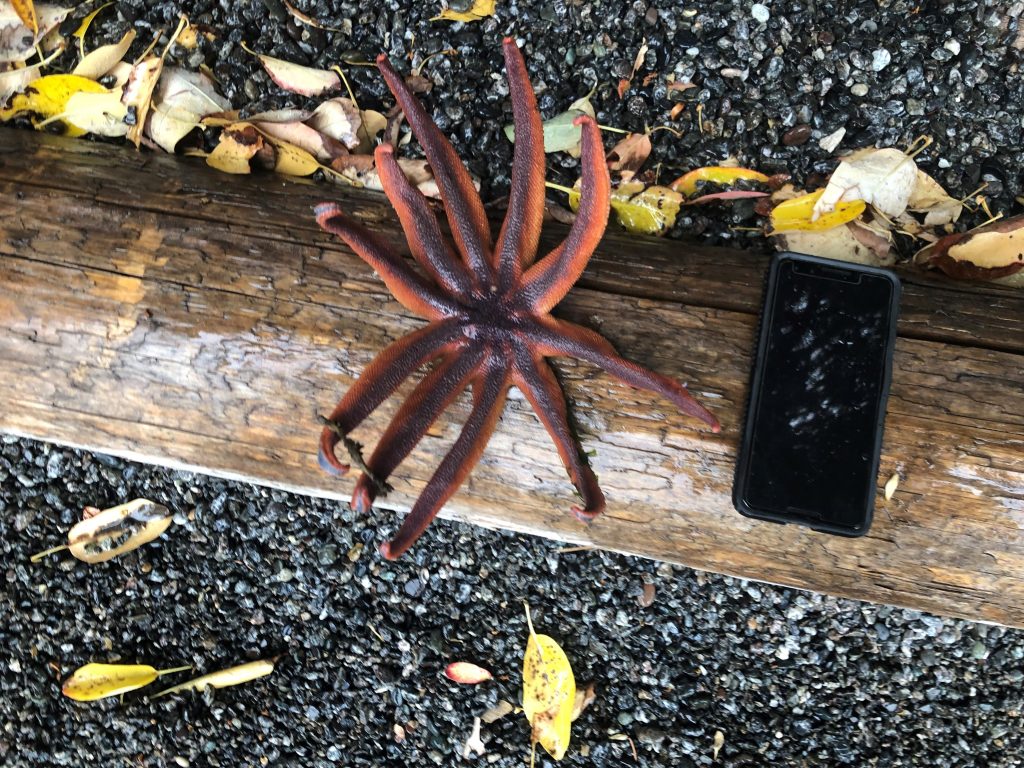
We split our group of 18 into 5 smaller groups, where we were each assigned a scientific task involving the intertidal zone. One group was in charge of mapping the state park using an amazing 360 degree camera. We set it up at different points around the park in order to get as complete an image as possible. Another group was in charge of finding a deep tidepool where we could place a GoPro in to capture common tidepool life. Even without the underwater camera, it was easy to see the incredible amount of life living in the tidepools, from fish to plant life to crabs and sea stars.
Photo by Harris Yu.
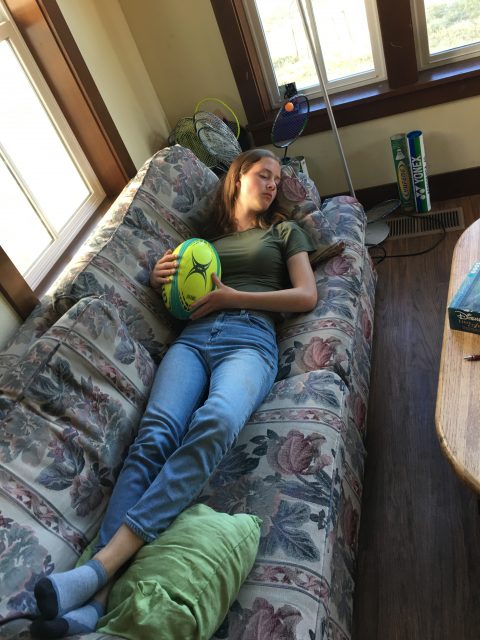
The other groups were tasked with activities such as barnacle counts and 3D modeling of ocean life. Although the barnacle count was the least favorite activity, it was no less important than the others- all will give us important data that we will analyze and discuss further. We got back to the house at around 2 o’clock today, and it was a nice surprise to find that we had the day off until dinner started. Almost everyone gathered on the couch to watch a Zac Efron movie. Not a personal favorite of mine, but it was nice to spend a relaxing afternoon with everyone after a chilly and wet day on San Juan island.
Despite all of the fun that we had, both the Bear and Townshend groups were ready to get back to San Juan Island.
We began our day bright and early by waking up at 5:30 AM, where a soft-colored sunrise greeted us. Those who slept on the boats greeted the day eagerly and began to ferociously take down the boat covers. Everyone who had slept on land took down tents and packed up their personal gear, which were then fire-lined onto the boats. After much trial and error, everyone safely climbed up onto the boats.
With everyone the boats and everything secured, both boats began rowing to their anchors. After cautiously getting the anchors back on board, the groups embarked on their final journeys to Cap Sante Marina. The cook crews, consisting of Ella, Jeremy, Nicholas, Ezra, and Olivia, started on breakfast bagels. Starting on the forward-most thwart, pairs of rowers took turns to taking breaks to eat their bagels.
Photo Credit: Olivia Stults
June 30th was an eventful (and interesting) day for navigation. The boat crew had to navigate the boats with no wind aiding us and the searing sun on our faces. We had to row through a gnarly current, but we eventually made our way through the obstacles. Bear longboat hit a fat Tokyo drift singing Moana on our way to the docks (vocabulary courtesy of Camden and Ben).
Seeing land that marked the end of our trip sparked excitement and elation as we docked at Cap Sante Marina. A lot of seals popped their heads out of the water to bid us goodbye from the sea. Once docked, we stepped off of the boat just in time for Tony to catch a surprising number of sea jellies. After our short break, we got back on our boats for one last circle time with our individual boat crews. Under the exhausting heat, we briefly went over challenges that we overcame, what we did for each other as a group, and what we would remember the most on the longboats.
The highlight of the day was when Miles fell into the ocean. He walked around the side of the boat to put a bag down and fell into the sea due to faulty footing. Upon touching the surface of the water, he let out a screech saying, “Yay! I fell into the ocean!”.
Photo Credit: Harris Yu
The Townshend and Bear crews came together to cart all of the gear off the longboats, marking the beginning of a long three hours of cleanup to follow. All 17 of us split up into two groups: one that would clean out the boat, and one that would clean all of the equipment that had been taken on the trip. The boat crew worked diligently to scrub the boat with seawater, hosed off and pumped the bilges, vacuumed the whole boat, and picked up miscellaneous celery. The land crew, on the other hand, worked on cleaning dry bags, dishes, and rain gear. We stuffed sleeping bags into each other and distributed the personal gear. After a fashionably late lunch at 1:00 PM, we did our last duffel shuffle and loaded our gear into the vans. Everyone then wrote evaluations for the trip after everything was packed.
For our final step, the Townshend group helped get the longboat onto the trailer of the manager’s car. The Bear crew walked in the nice weather to the boat lift, where we watched Townshend get raised out of the water. With the longboat secured, we began our goodbyes, thanking all of the instructors for an amazing five days. We then loaded onto the Salish Sea Sciences vans, where we headed to the ferry landing. With time to kill waiting for the ferry, some people enjoyed the view or took walks along the beach. When the ferry finally was ready to board, we got out of the vans and headed upstairs, where many people took well deserved naps or sat around having conversations.
The ferry landed at Friday Harbor, and the vans unloaded, giving everyone in the Salish Seas Sciences program a wave of relief as we pulled into the Spring Street International School parking lot. In a frenzy, everyone grabbed their gear and raced to take showers and do their laundry. The rest of the day was used to rest. Dinner was lasagna with salad and garlic bread; a great way to mark the beginning of our more extravagant dorm life! The lasagna was amazing and had a meat option, causing the non-vegetarians to rejoice.
The rest of the evening was spent lounging around the dorms and getting ready for bed, ending a long and busy day.
Waking up at 6:30 almost felt like sleeping in. After spending our last night on Vendovi, the tow groups got up feeling refreshed and reenergized. The previous night we had been uncertain about the sailing conditions, but that morning the weather was unexpectedly clear.
Eating breakfast Photo credit: Tony
After delicious breakfast burritos, we collected small jellies and ctenophores at the dock, sang goodbye to the island caretakers and boarded the longboats once again. With our already exhausted muscles, we slowly rowed out to the sea and caught a convenient current. Moving slowly, the instructors took the opportunity to teach us triangulation, a method of locating your position on a navigational chart.
After mastering the art of triangulation (sort of), both crews raised their sails. While Townshend set up two sails, Bear rigged all three and soon the longboats were moving faster than ever before. With the wind’s help, both crews took turns napping in the sun and finding the triangulation along our course.
The only dilemma our groups faced was deciding on our destination: Boat Harbor or Saddlebag. There were pros and cons to both destinations. Boat Harbor was closer, had more space and was new and unexplored for our crews, but had no accessible bathroom and everyone would be forced to sleep on the boat. Saddlebag reminded us of traumatic memories, but there were better sleeping and bathroom conditions. The majority of us had voted for Saddlebag the night before, yet there was still a chance that space availability would force us to change courses and camp at Boat Harbor.
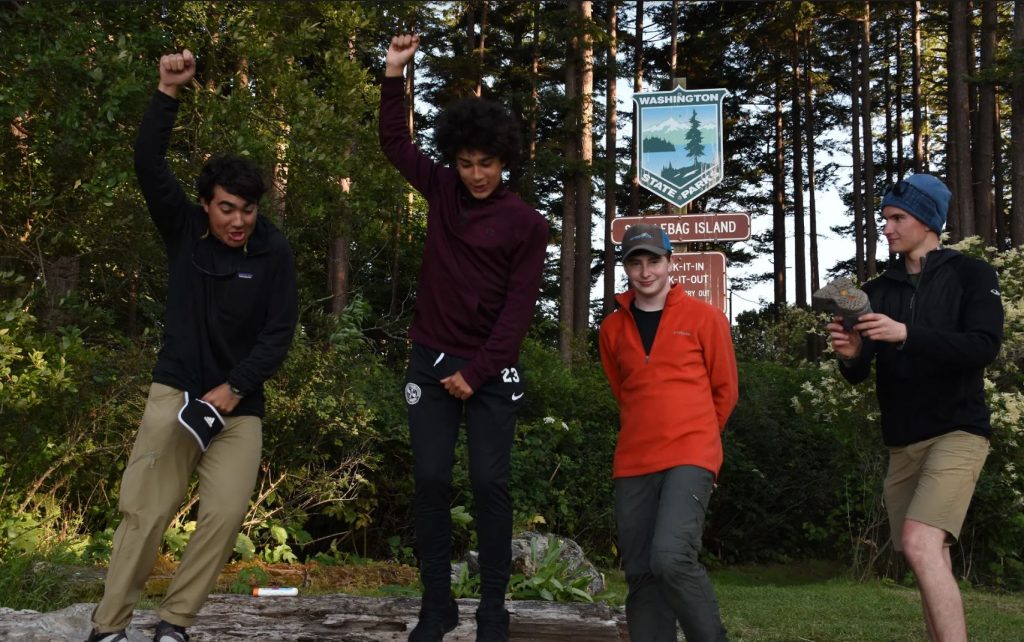
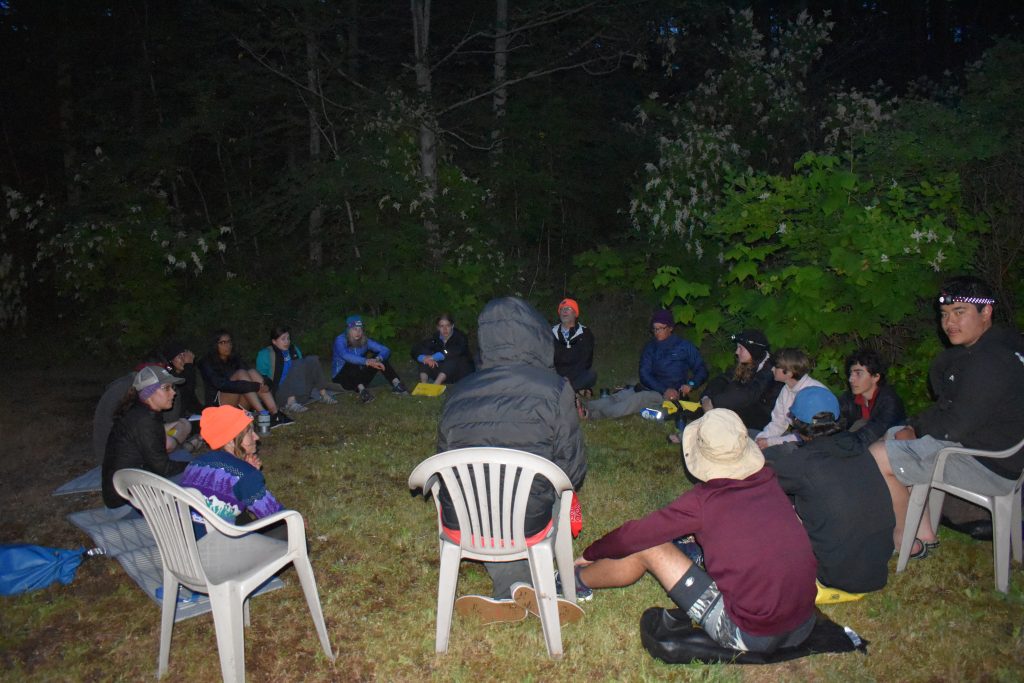
Luckily, Saddlebag appeared to have enough space and we were able to make new, drier memories on the island. That night, the entire camp sat around one last campfire and discussed what we appreciated and who we wanted to share the experience with. Afterwards, Ben, Camden, Nick and Miles spotted Bigfoot (Anna) in the dark. We went to sleep sad that our trip had come to an end, but satisfied with all that we had learned over the past four days.
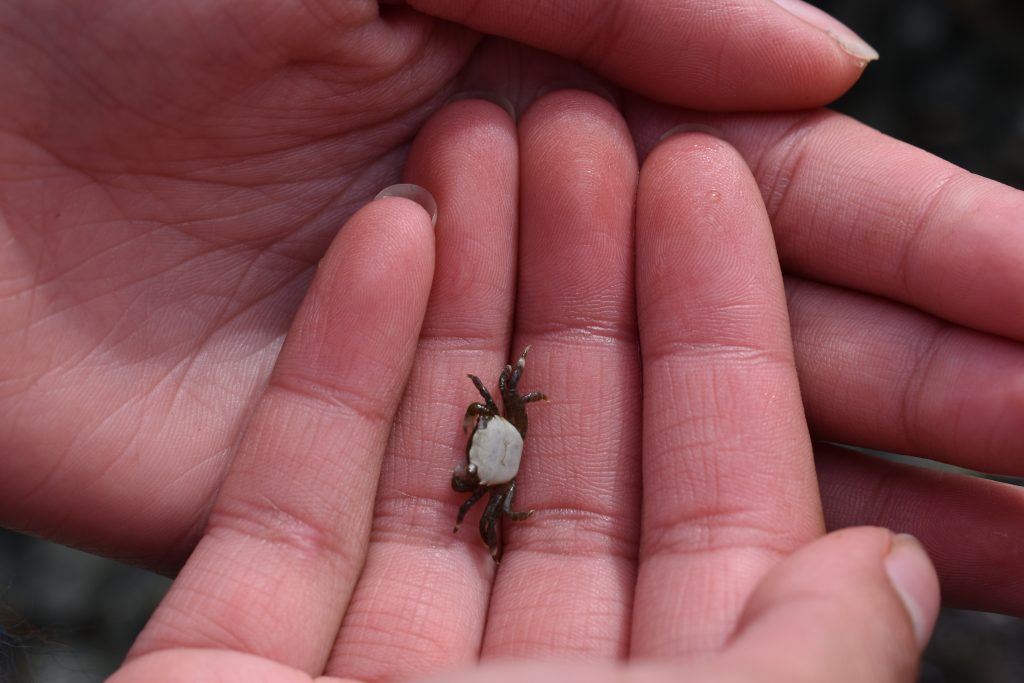
Yay! Tiniest crab contest first place winner goes to Miles, second place to Ezra, and third to Faith! Everyone congregated at the beach for some tide pool explorations first thing in the morning, and we all discovered some fascinating creatures, including an eel, sea slugs, and gigantic crabs.
Taken by Tony
In compensation for our hosts’ hospitality, we continued the day with various service projects around the island. By splitting off into small groups, our team of 18 students and 6 adults we completed 4 various tasks around the island: Pulling thistles, morning glories, and ivy as well as collecting trash as we went. Our hosts, Elaina and Thyatira, welcomed us warmly with their kind personalities, despite the fact they do not usually allow visitors to stay the night on their island.
Taken by Tony
After our morning of service and fun, we treated ourselves to a quick lunch break before heading out into the water for a team on team race: Bears vs. Townshend. We rowed our hardest from Vendovi all the way to Vidi rocks, calling Power 10s, then Power 15s, then Power 20s. Bear ended up in the lead as we crossed the finish line, but Townshend too tried their hardest. After a pleasant row and many wildlife sightings around Vidi island, both boats headed back to Vendovi for some structured “free time”.
Our options for activities before dinner were: a nature hike with Sockeye and Shay, water coloring with Amanda, Science on the dock with Anna, and the option to chill in the tents. On the nature hike, Shay identified the plants as we went that made the experience both educational and fascinating. Fun fact: the state plant for Washington is the Oregon grape. Isn’t that ironic? Water coloring was very peaceful and included several interpretive painted blobs on postcards, but some people had sweet skills. Science on the dock was not well attended but included the victory of figuring out the faulty Niksen bottles!
The day ended with a lovely fire and faces covered in sticky s’mores, a fond reminder of the ones we had back at Spring Street! Thankfully we all stayed cozy and dry that night, leaving us well rested but sore from our violent battle to the Vidi rocks.
By Grace Davis, Faith Jayaram, Jeremy Davis, and Tony Yuan To
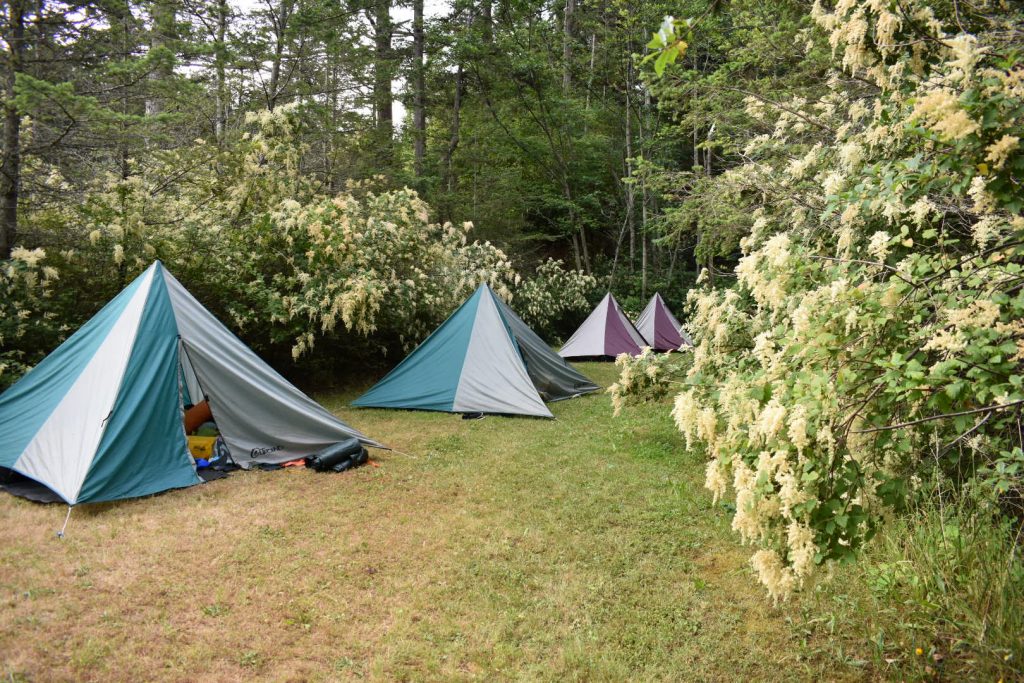
On a regular day, rain may be considered calming. On day two of our longboat trip, it was anything but. Awoken by a cold, downpour of rain, the people who stayed on shore overnight, found their sleeping bags drenched. While this had proven to be inconvenient, our “skip-and-dip” only made our situation soggier. This activity occurred at approximately 6:30 in the morning, when we all jumped into the ocean together. The feeling of the cold water was meant to prepare us for the possibility of falling overboard on our longboat. Personally, this allowed me to connect to the marine environment and the life surrounding Saddlebag Island.
Tents used on the longboat trip, generally housing 3-4 people, taken by Grace Davis
While the rain continued to fall, attempts at getting dry after the skip-and-dip were forgotten. Our bright orange rain suits were quickly outfitted to protect us from becoming even more wet. Though our precipitation problems could have offset the mood of the day, we pushed through with surprising positivity. Hot drinks and a breakfast of yogurt with granola was happily eaten by both the Townshend and Bear boat crews.
Following breakfast, each crew went off to work on preparing to leave for the next island. The morale crew took down tents and helped with bilge diving– a term for putting items back onto the longboat. The cook crew cleaned up after breakfast and ensured that all items were in their proper dry bags. The boat crew, who had created the schedule for the day, watched as all jobs ran smoothly.
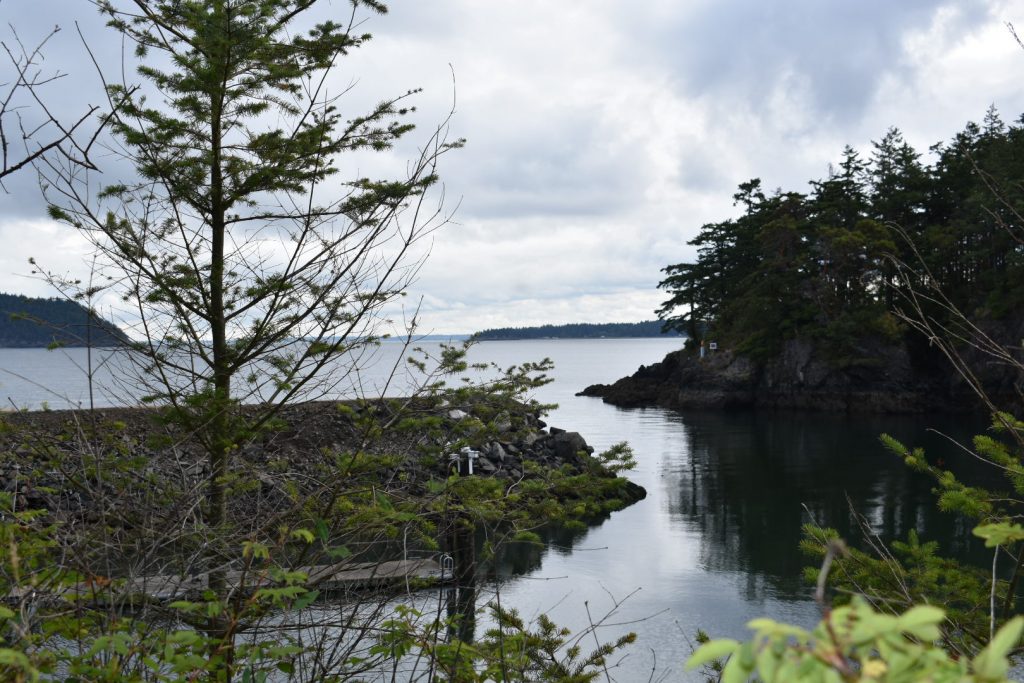
With everything ready for the day, an unfortunate twist of events occurred. One of our own, Zoey, became sick and was unable to continue on the trip. The original plan was to row to Lummi Island, roughly seven nautical miles from Saddlebag Island. Since Zoey needed to leave, we instead rowed to Vendovi Island where Caroline and Tom (Salish Sea Sciences Directors) could pick her up.
Vendovi Island, taken by Grace Davis
On the water, each boat rowed through the rain. Along the way, we spotted several seals pop their heads out to watch us. Additionally harbor porpoises were spotted off the starboard side of the longboats.
As we rowed towards Vendovi Island, the weather conditions improved, and the rain let up. Just a few hours after miserably rowing in the rain, we were able to sail, for the first time, the rest of the way to Vendovi Island.
Vendovi Island, taken by Grace Davis
Our new camp on Vendovi Island had much to offer us. We were greeted by the small Island’s caretakers, who graciously let us be the only overnight guests on the Island. Vendovi had many treasures, as it is a privately owned nature sanctuary. As the sun set, and we prepared for our stay on the island, we watched the island’s Pigeon Guillemots fly back to their nests, and settled in for the night as well, spirits high for our adventures on the island the next day.
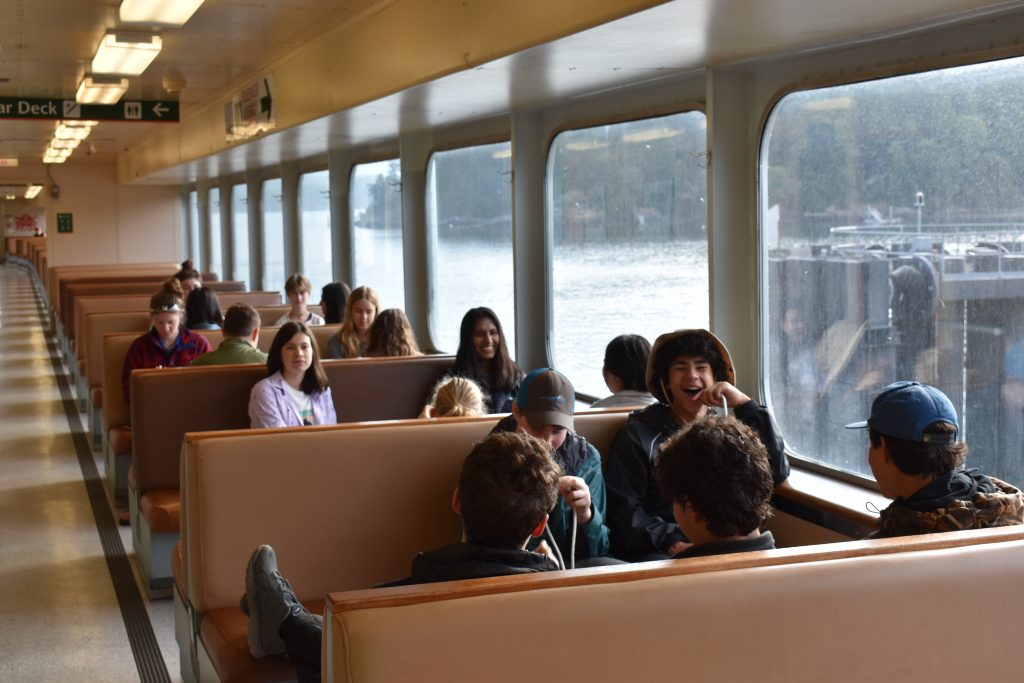
I awoke to a clear, sunny morning on June twenty-sixth with one clear thought in my mind; that it was to be the last time in the next five days that I would feel clean and the slightest inkling of something like being rested. Hurriedly, all of us gathered our remaining things and ate breakfast. While every day at Salish Sea Sciences offers the promise of something intriguing, today was especially exciting. Finally the long anticipated start to our long boat trip had arrived. Five days and four nights of camping out, rowing, and cooking on some of the abundant islands of the Salish Sea. It did not take long for our group of eighteen to get ready, and before I realized it, we were on the ferry heading for Anacortes, a port city on Fidelio Island and the launching point for our long boats.
On the Ferry to Anacortes Photo Credit: Tony
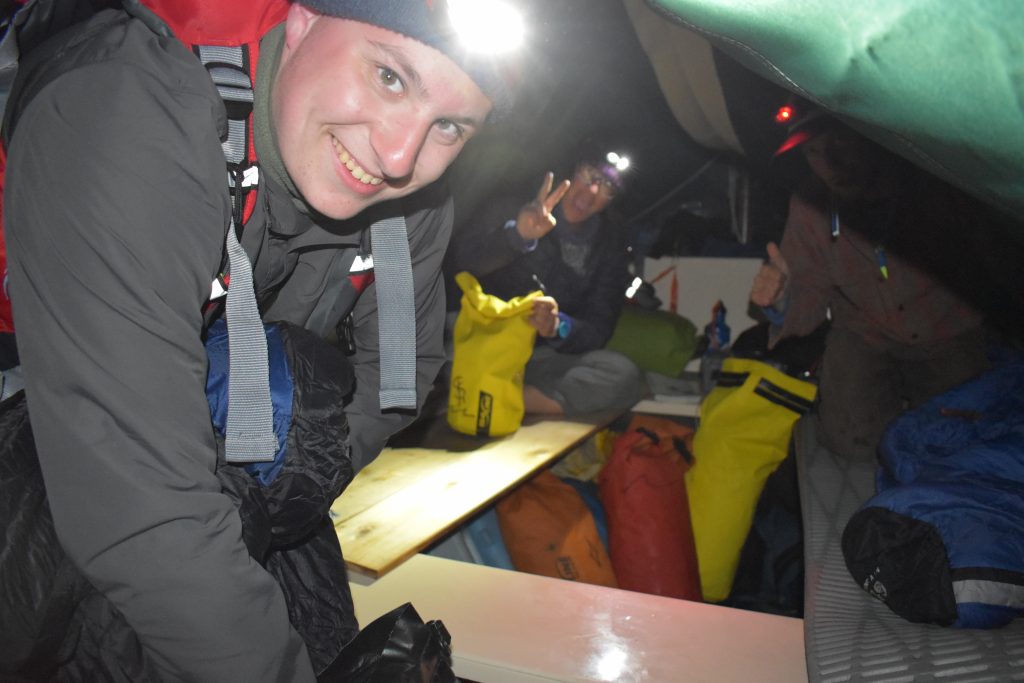
The sun pelted down on us as we walked towards our meeting spot at the marina where we were greeted with smiles and food by the instructors who would be guiding us on our journey. And while meeting our instructors and having lunch with our new found friends was exciting, it soon became apparent that was work and preparation to be done. To be honest I expected everything to be ready when I got there and that I would be able to sail off into the wind without having to do very much, but this was most definitely not the case. The prep work was not hard or strenuous, just long and boring. Primarily, most of the work had to do with preparing gear for ourselves. We had to be outfitted in rain gear and exposure suits, a type of full body life suit that can adequately deal with the cold waters of the Salish Sea if need be (I hoped I would not be needing either). We also received a twenty liter water proof “bag” to fit all of our stuff in. I say “bag” but it was more like a long sack that could be clipped at the top. Let’s just say trying to fit all of our stuff in was difficult for most and I knew I would not be getting anything from the bottom anytime soon. The thing was that the boats were only twenty feet long for twelve people and all their stuff so, as you can imagine, space was limited. Thus it made since we could only have a small amount of stuff. Even so, the packing the boats was like one giant puzzle. Finally we got under way after a large amount of people made one last trip to the restroom (the only form of a restroom on the boats was a bucket).
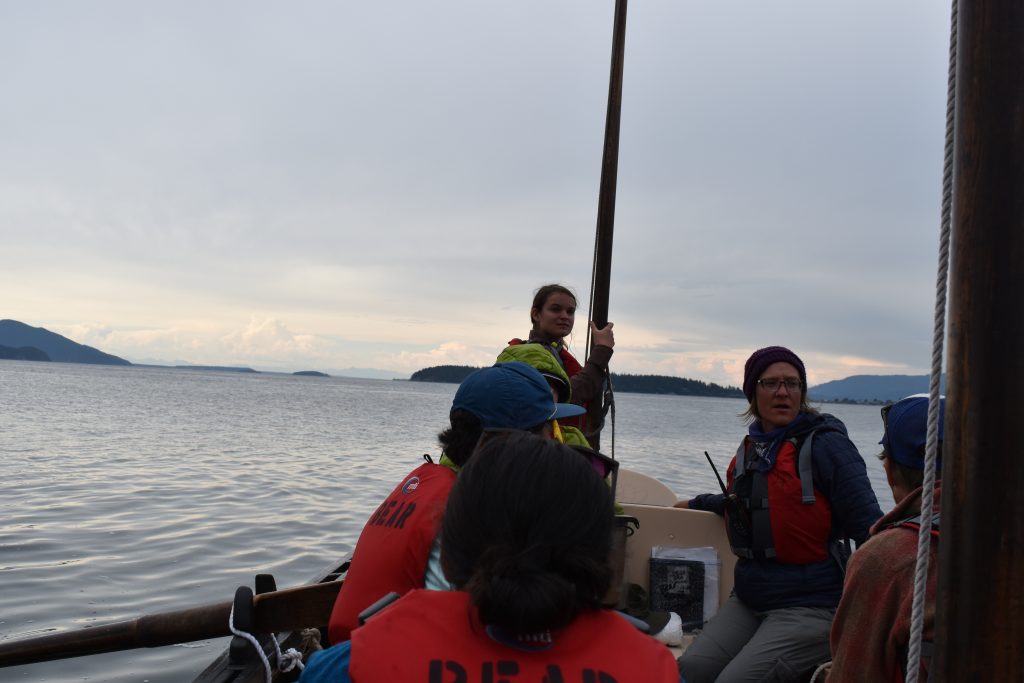
Out on the Water Photo Credit: Tony
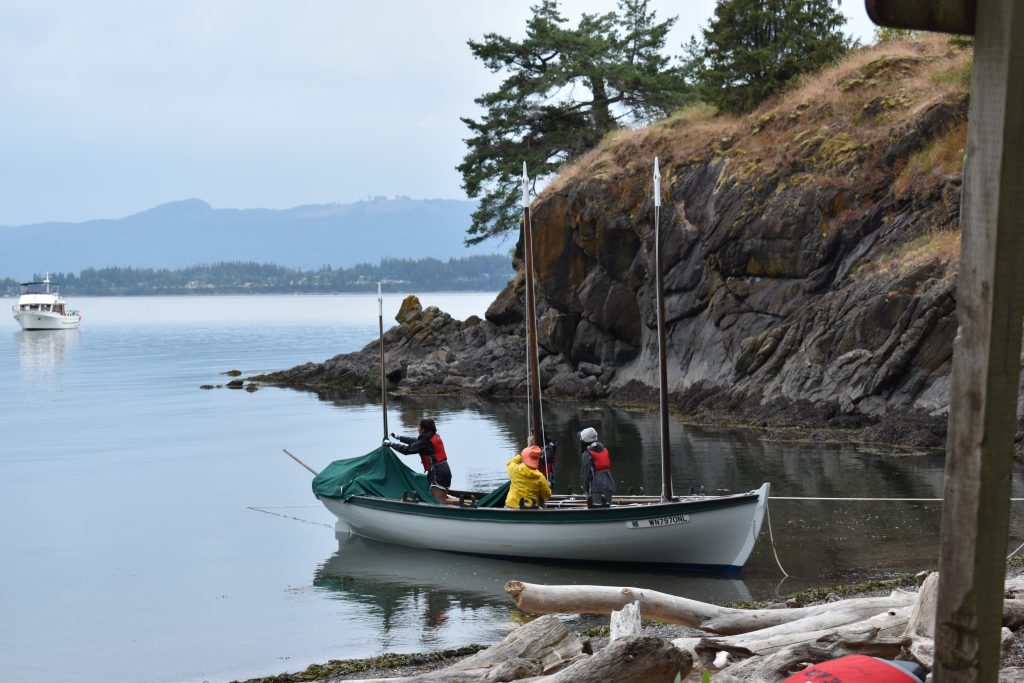
Long Boat Bear Photo Credit: Tony
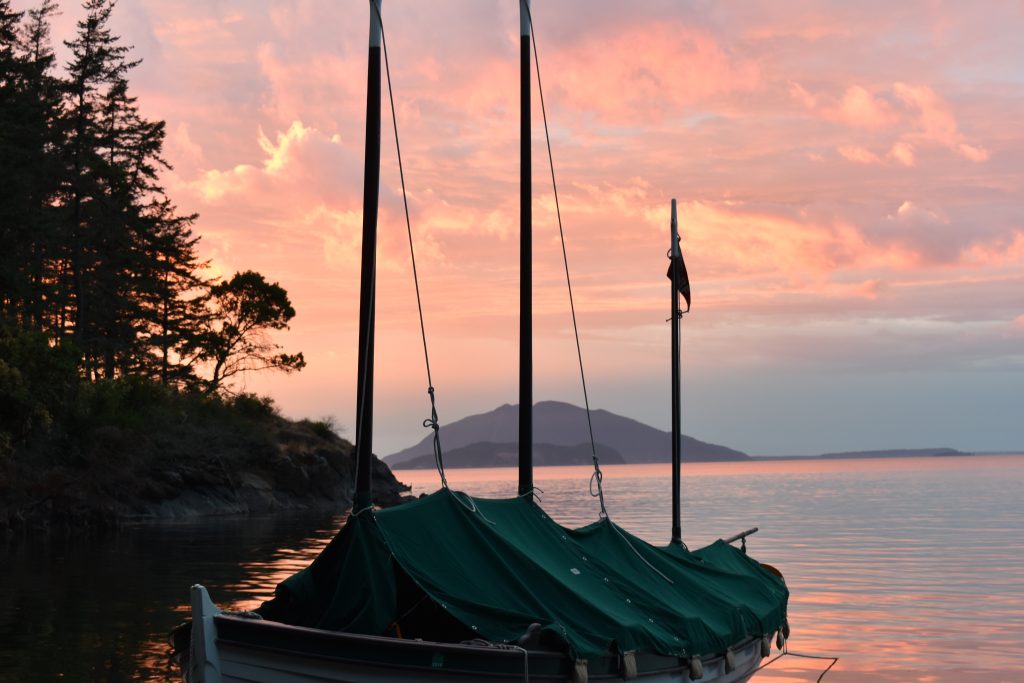
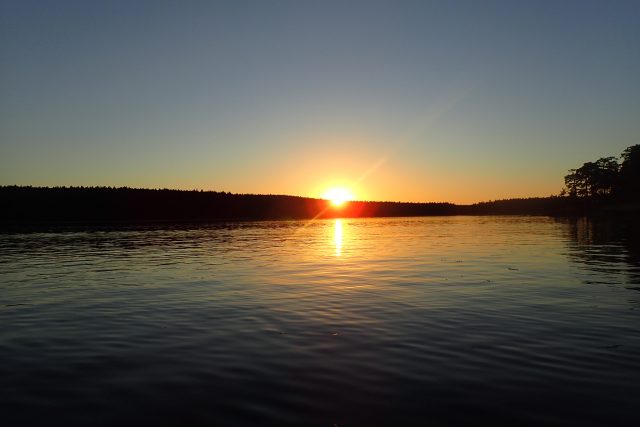
Sunset over Saddle Bay on Saddle Bag Island Photo Credit: Tony
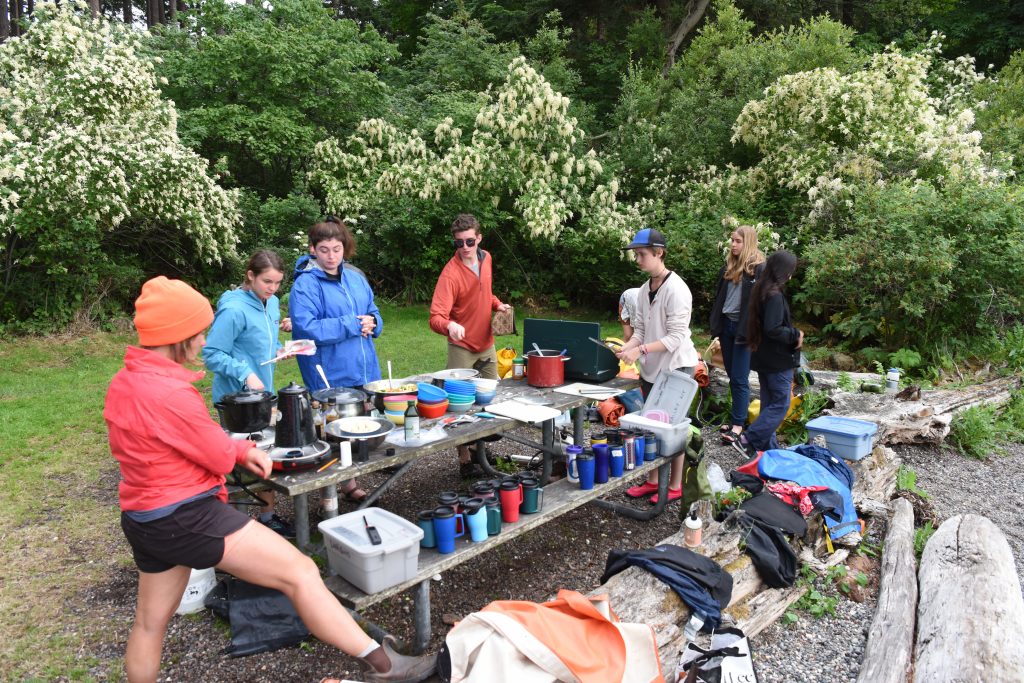
With eight people manning the oars, three navigating the boat, and a captain, our two boats slowly began moving towards Saddlebag Island, a small island off the much larger Guemes Island. It took much longer than I anticipated to reach Saddlebag, maybe three hours or so. I think this is primarily due to the fact that we were not exactly in sink when rowing. By the time we landed, we were all tired and hungry. We quickly separated into groups and made camp. We had a cooking group, a group that set up tents and a boat cover, and a group that made the rowing plan for the next day. I personal was on the cooking crew. Let’s just say it was quite hard. Between struggling to find all of our supplies and prepping a meal on a small picnic table, cooking for twenty-four people was defiantly an experience. Together, the cooking crew made a quinoa vegetable stir fry with peanut sauce which was pretty good. After washing dishes with sea water, bleach, and a bit of eel grass it became clear to me that this was not going to be the most sanitary trip. Soon we had all eaten and set up our sleeping arrangements. With our stomachs somewhat full, went to bed at around eleven o’clock, and I do not believe I have ever fallen asleep faster. And while the beginning of the trip was difficult, I still really enjoyed the experience.
By Grace Davis, Faith Jayaram, Jeremy Davis, and Tony Yuan
To kick off our third day in the Salish Sea Sciences program, we learned about underwater acoustics and the effect man-made noises may have on marine life. Although it was upsetting to hear recordings of boats drowning out the calls of our Southern Resident Killer Whales, the information and skills we acquired were valuable. Being aware of this issue is imperative for the environment of the San Juan Islands and, possibly, the environment of every ocean. Two of the wonderful people we met were Jason Wood and Jessie Turner. Jessie has an ongoing project that revolves around the audio impact sea planes have on marine mammals. As budding marine biologists and ocean enthusiasts, it was a lovely experience to learn about his craft.
Tomorrow we will be embarking on our five-day longboat journey. We are all excited and a tad bit nervous. We will report back on our expedition when we return to our home in Friday Harbor.
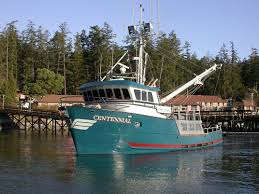
The Centennial, the vessel used by the Friday Harbor research team The University of Washington Friday Harbor Laboratories
We voyaged out into the wide Salish Sea on the Centennial! It was a great introduction to how oceanographers collect scientific data. A plankton tow, which is used to collect plankton near the surface, was lowered into the ocean very slowly and glided along the surface for a couple of minutes. The results proved very fruitful – who knew there could be so many plankton in one petri dish? The microscope was the center of attention for quite a while – we all oohed and aaahed over plankton unseeable to the naked eye.
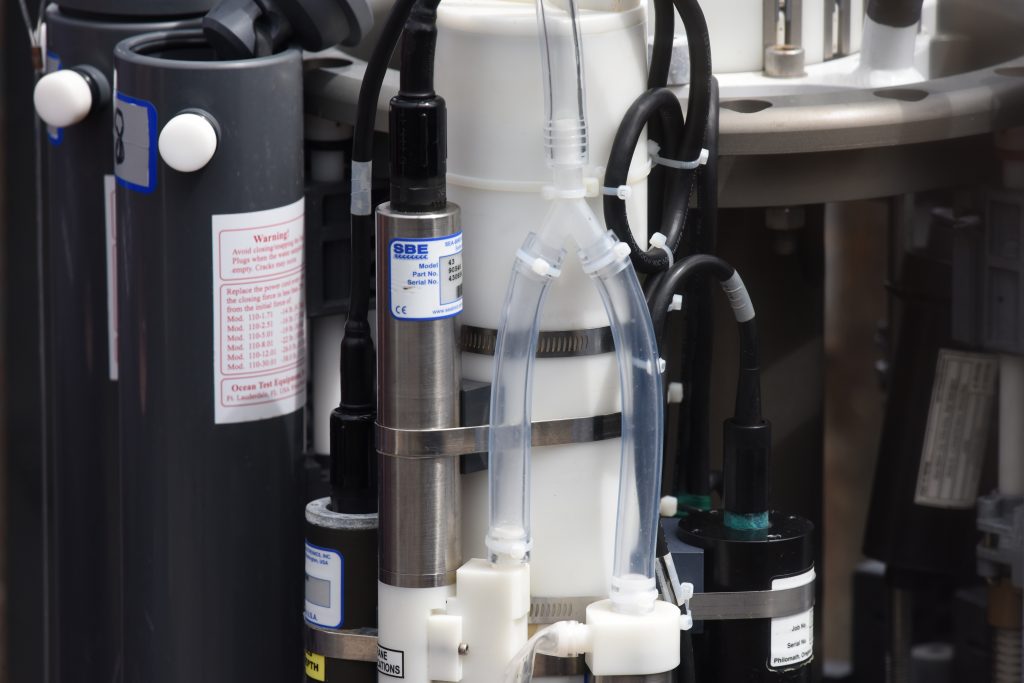
Not only did we discover plankton on that trip, our group of over 18 also learned how Nisken bottles operate. Nisken bottles collect water at different depths by remotely closing the containers at specific water levels. The water contained information on the salinity, ph, and temperature. This information unfortunately did not get used in a hands on experiment, but it was a fundamental and interesting introduction to the tool.
Taken by Harris
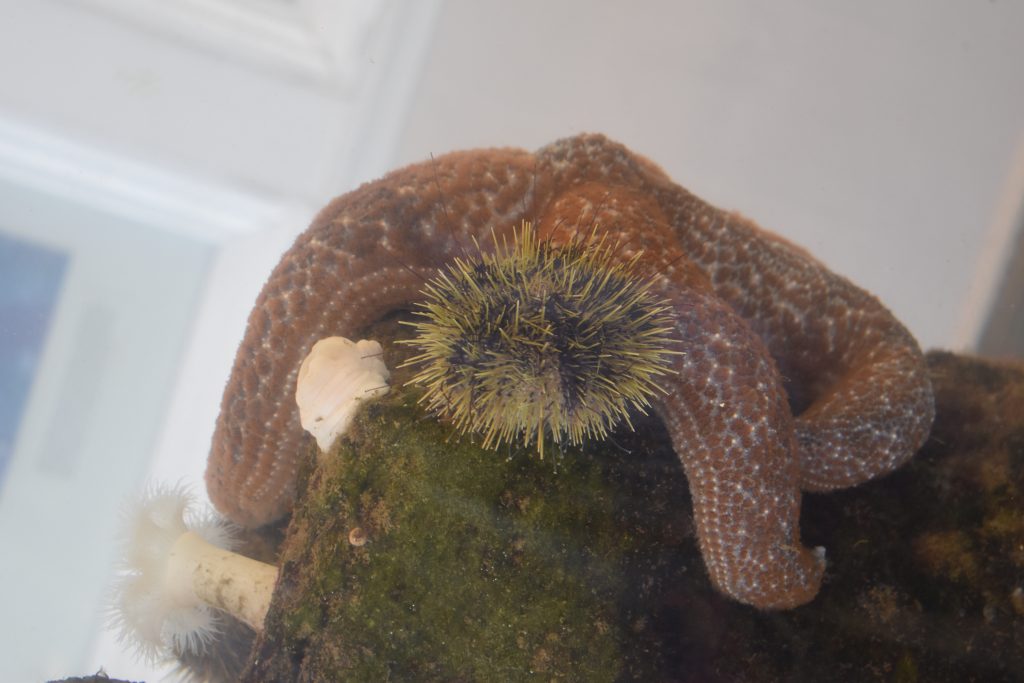
Luckily, we had other activities that were very hands on, literally. Using a box dredge, rarely seen ocean floor creatures were brought to the light and scrutinized by our curious eyes and hands. Bull kelp, sea cucumbers, and crabs were all combed through among a variety of other interesting animals. The excavation was peppered with shouts of “duck your head! There’s flying shrimp!” as we threw the live shrimp overboard. The benthos, or bottom dwelling creatures, were all kept alive during our thorough examination.
Taken by Tony
Out came the notebooks for our first scientific lecture. Our first guest of the trip, Dr. Megan Dethier, is a specialist on shoreline ecology and was recently appointed to be the director of Friday Harbor Laboratories. Dethier’s talk covered everything from armored sea walls to the impacts of climate change on shorelines. Both her information and speaking style created a presentation that even us amateurs could understand.
The main focus of Dr. Dethier’s talk was on the extremely fascinating topic of beach armoring. Beach armoring is the building of walls to prevent erosion of seafront properties. However, this practice is detrimental to the ecosystem because it limits the crucial deposition of sediments into the inter tidal zone. Wow! It’s surprisingly easy that even with good intentions one misguided action can ruin the health of a whole ecosystem.
Throughout the first full day of the program, we bonded as a group over gooey sea cucumbers, challenging new concepts, and our first of many scientific expeditions. We have spent the last 10 minutes trying to find a presentable concluding sentence, so this is it.
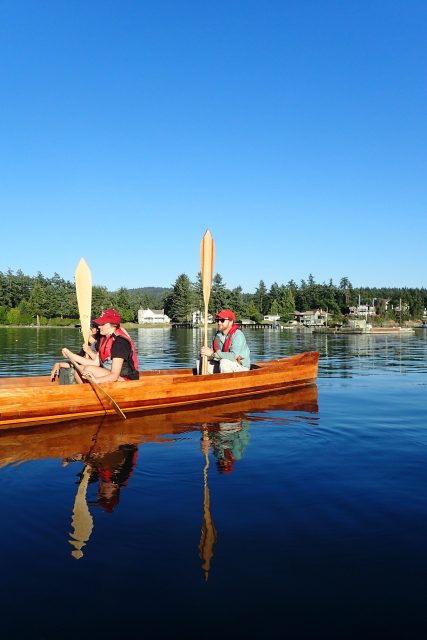
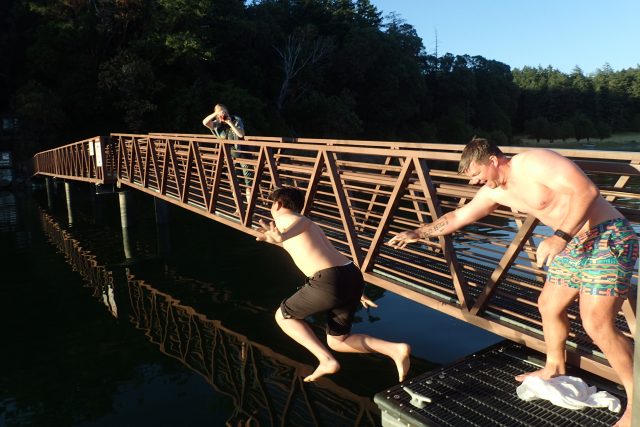
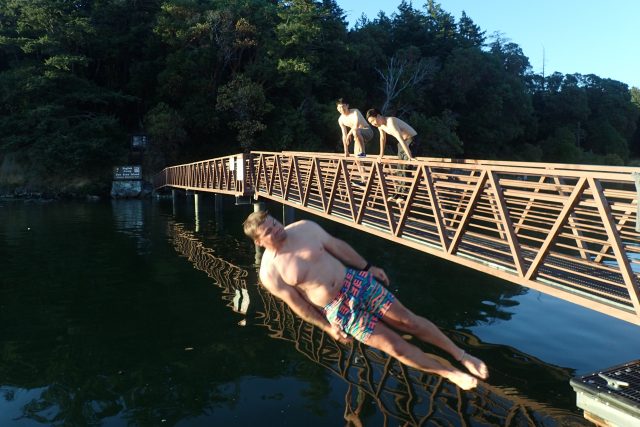
Apologies for not making a blog post yesterday, we were out late on a wonderful canoe trip, courtesy of the Pacific Northwest Voyagers. The water was such a nice temperature many of us brave souls ended up swimming. Although swimming got us slightly behind schedule, the perfectly refreshing water and the gorgeous view of the sunset from the row back were completely worth it. After the long night, most of us were pleasantly exhausted this morning, but we still had an exciting morning of science studying Eelgrass Wasting Disease with PhD candidate Morgan Eisenlord.
View from Kaigani
For the past few days we have been out in the field and in the lab with Morgan. A few days ago we went out to Fourth of July beach with her and collected samples to work with in the lab. Today we laid out more samples from different locations for scans and did some analysis to see the severity of the infection. After two days of entering eelgrass data into spreadsheets, we were lucky enough to have Will King, a graduate student, talk to us about statistics and how to transform data into visual information. He talked to us about proving significance in data, and also helped us individually determine what techniques we would use for our end of the program presentations, which are rapidly approaching!
Will King teaching us stats
Tim Dwyer also mentioned the significance of statistics, and how it separates the “I think” or “I feel like”, from the “I know”.
After a wonderful dinner cooked by chef Tim Brogdon, everyone gathered in the warm common room for Tim B.’s lecture on life skills. Wanna hear a construction joke? Sorry, still workin’ on it! He taught us the importance of being able to keep a positive attitude, how to be a successful leader, and how to be a wonderful human being. Being able to survive in society can be a rigorous adventure, but we are the ones who can make it fun and meaningful. Just as Avicii once sang, “He said, ‘One day, you’ll leave this world behind, so live a life you will remember.’
Today we woke up at the abnormally late time of 7:45 with little knowledge of the long day ahead. After breakfast, Caroline came to talk to us about the longboat trip. We reflected on some questions that she asked us for about thirty minutes. And even though the longboat trip was only six days ago, it feels like an eternity, because our days are so jam packed with science.
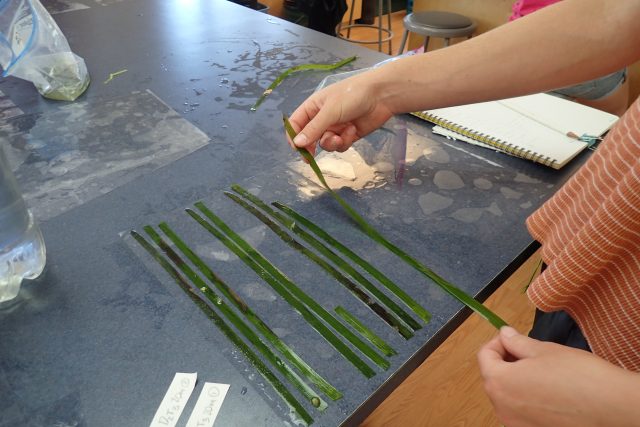
We went up to the lab to analyze the eelgrass scans we had made with Morgan the previous day. It was tedious work, but very rewarding, we ended up with an extensive set of data. With all fifteen of us, we made speedy work of measuring the eelgrass and finding the area of the diseased lesions.
Laying out eelgrass to scan
Lunch was a nice break from the eelgrass state of mind before going back up to the lab to make scans. We worked on separating the leaves from the eelgrass plants and laying them out on transparency sheets. After three hours, we prepared an early pack- dinner for the evening canoe venture.
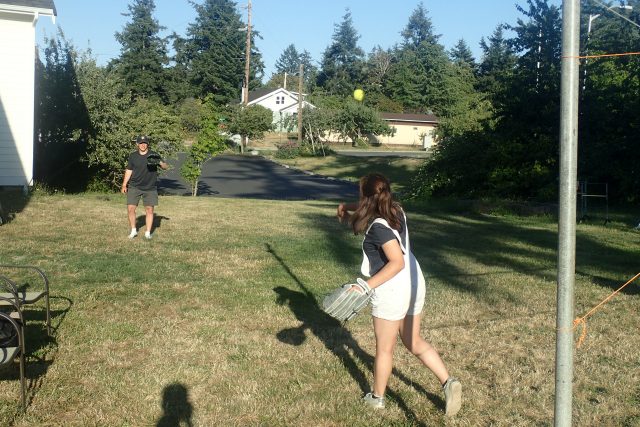
Unfortunately, before we left, we had to say goodbye to our lovely group member and friend, Clarissa. Clarissa left for a wedding in California and it already feels different without her. Saying goodbye to her was the most difficult part of the day. We hope that she has a great time in California and knows how much we miss her!
Clarissa the Softball master
We went to Westcott Bay to paddle and learn about the history of Native American and Hawaiian voyaging canoes. Being out on the water in the evening was a serene and peaceful experience. It was very quiet too, the only thing disrupting the silence was the sound of our voices singing to keep our paddling rhythm. Once we reached our destination, we tied up to a dock, and some of us went swimming. It was refreshing and cold!
We came back exhausted at 9:30 after canoeing for two and a half hours. We were all ready for bed.