Ecology & Conservation 2021 Day 1: The Watershed in a Day

By Gray, Madelyn, and Joey

You can see everything on the island from the top of Mount Grant. After a short hike up the mountain, we were amazed by the lakes, farm land, and even the snowy peak of Mount Baker. The rest of our day consisted of data collection, discussion, and adventure.

After our first breakfast on the island and some “icebreakers,” we climbed into the van and made our way to Mount Grant. At the bottom, we met up with Shauna who is a conservationist working for the San Juan County Land Bank as a field researcher. Responsible for the protection and management of the wildlife on the steep slopes of the mountain and surrounding area, she gave us a “guided tour” and explained to us the significance of each plant and animal and how they all worked together in this biome. 

As we hiked, we periodically stopped to observe flora and fauna like the Madrona, Gary Oak, deer, other animals, and views. She provided us with many interesting facts and thoroughly answered our questions. One of the most interesting things we stopped for was a dead deer on the side of the trail. She explained to us how she had been called to move it off of the trail just a month or two before. Apparently, there has been an outbreak of a deer virus on the island. Another big stop we made was at a clearing, near the top, where we could see Trout Lake along with beautiful landscape and seascape scenery.

Finally, we arrived at the top of the mountain. After taking in the amazing view (below) of the island’s rolling hills and Mount Baker on the mainland, we sat and had an intriguing and wandering discussion. We talked about the future for the islands and how they would be affected by climate change, what an isolated system is and how it affects research and data collection, and how to “do what you can” in helping the ecosystem, however small. On our way down the mountain we continued our philosophical discussions and upon reaching the bottom we said our goodbyes and parted ways.  

The view from the top of Mt. Grant. (Photo by Madelyn Crist)

We headed to Lake Zylstra to eat our lunch and conduct an ecology survey. We ate in the cool shade under the Madronas. Subsequently, we split into three groups to conduct our survey: birds, trees, and insects. The bird group was able to spot nine species of birds; totaling one hundred and ten birds, one of them being a majestic Bald Eagle who had just recently nested in the area. The tree group found eight species of trees with an estimated total of 2,781 trees inside the property line. Our insect group was unable to directly quantify the number of insects as they were limitless; however, they were able to find seventeen different species. The area around Lake Zylstra is teaming with life of all varieties and a great place to take a walk with your dog or friends. 

The tree tunnel at Zylstra lake. (photo by Madeyln Crist)

Lastly we headed for False Bay, the final stop on our tour of the watershed. Because we had spent so long on our other activities we only had fifteen minutes to complete our tour. We threw on our boots and tramped along False Bay’s muddy beach. Because of all of the decomposing seaweed, it had a sulfur smell. After reaching a small creek inlet where the water was flowing upstream because the tide was coming in, we turned around. Exhausted, we boarded the van and  drove home, excited for dinner and some relaxation.

Lake Zylstra. (photo by Madeyln Crist)

While we wrote this blog, Jacob and Kika recreated MasterChef Junior, making a delicious tri-bean chili. Joey was so ecstatic about the meal, tears began to pour down his cheeks. After a splendiferous dinner, we planned logistics and decided that the 5:45 am ferry ride would not be blessed with our presence.

Pictured left to right: Kika and Jacob (photo by Madeyln Crist).
Day 24: Concluding Day Eve

Hello everyone,

If you have kept up to date with the blogs this summer, I’m sure the effort has shown through! Our students have worked collaboratively nearly every day and graciously revised their writing to communicate their experiences with you all. In this moment, they are busy preparing for the pilot project presentations tomorrow. Instead of a conventional blog, below you will find a brief recap of today’s activities.

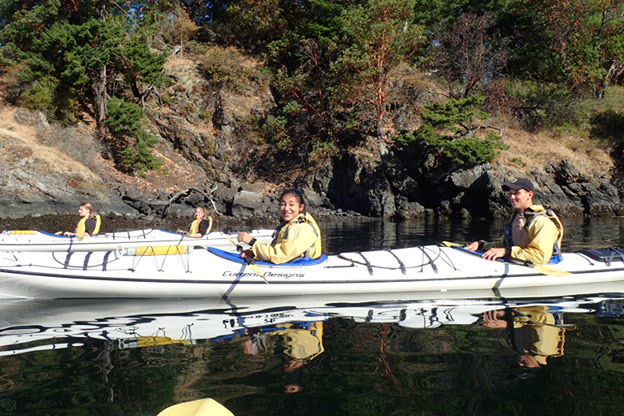
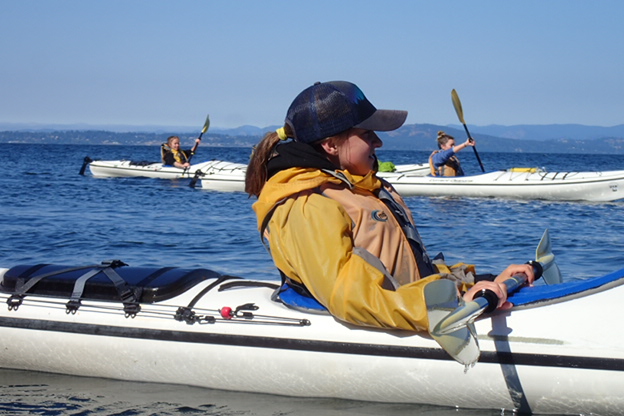
Students faced one of the earliest wake up calls this summer at 6:30am to embark on a Discovery Sea Kayak tour on the West side of the island. Between experienced kayakers and sea-sick troopers, the group arrived safely back at the shore.

Maddy, Ana, Andrea, and Estevan exemplifying the “calm” before the storm. Photograph by Sara Sarmiento Ruiz.
A moment of rest. Photography by Sara Sarmiento Ruiz.

Following this labor intense journey, students ate lunch at the dorms and headed off towards the Swalla Lab at Friday Harbor Labs. Despite some difficulty in understanding, students later commented on their fascination with the lab, especially after their conversations with Dr. Billie Swalla earlier this week.

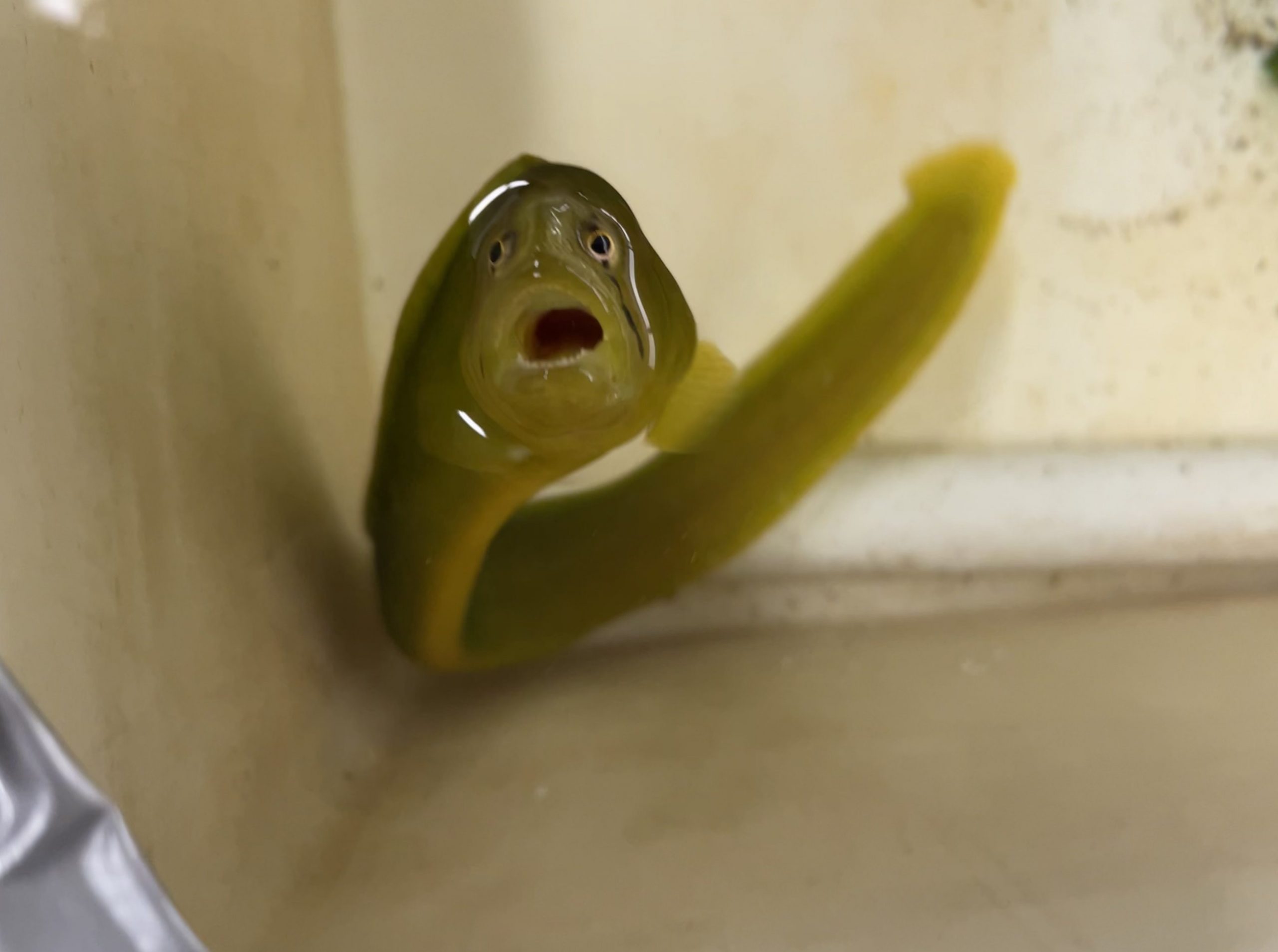
A gasping organism. Photograph by Islay Ross.

While finishing up their posters, students have also been taking necessary breaks to have dinner, enjoy music, and have a Q&A session with Megan Cook and DJ Yousavich live aboard the Exploration Vehicle Nautilus.

Zoom call with members of the communications and data/science team. Photograph by Sara Sarmiento Ruiz.

We hope you are able to join us tomorrow at the Student Posters & BBQ event from 5-8pm!

Day 23: Diving Into the End

Today’s blog entry is brought to you by Meg, Naomi, and Ana. Enjoy!

Project Time

The familiar sound of a beeping alarm clock symbolized the start of the day for us here at Salish Sea Sciences this morning. Although it takes most of us a while to qualify as fully functioning after waking up, we were excited to get some project work time following breakfast. Some of us worked on our univariate and multivariate graphs with the help of Derek and Tim, and others worked on more research and additional project concerns. Anxiety has set upon all of us as the deadline for projects – and the final day of the program – creeps closer. 

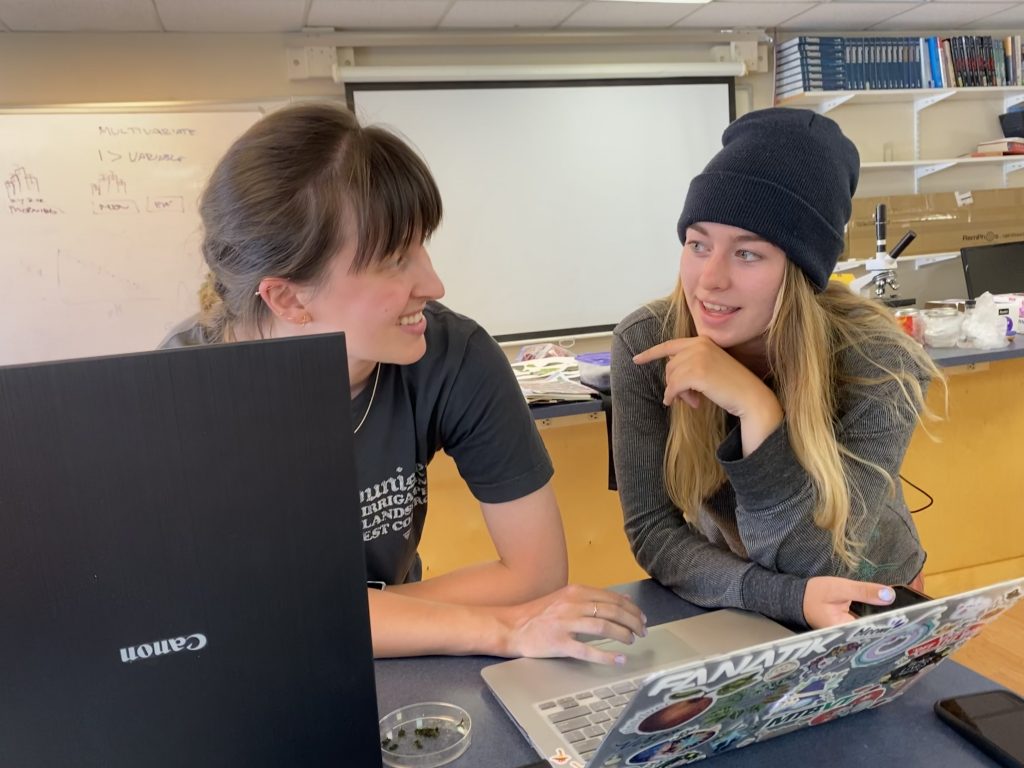
Photo on the left: Derek Smith helping analyze data with Sonja and Dustin. Photo on the right: Islay and Maddy discussing their poster projects. Pictures: Ana.

Spineless

After some much needed project time, we had a special treat. Susan Middleton, amazing photographer and storyteller, came to speak with us about her work! While she passed around copies of her remarkable marine invertebrate book, “Spineless”, we had the pleasure of hearing about all of her adventures; she told us of her photo-shoots alongside Richard Avedon (an American fashion and portrait photographer for Vogue and Harper’s Bazaar), her NOAA voyages, and her University of Washington courses with Gustav Paulay (Professor of Biology at UW) right here at Friday Harbor Labs. From the moment she set eyes on the NOAA scientist’s invertebrates, she never went back to terrestrial organisms.

Spineless by Susan Middleton Picture: Susan Middleton’s Website

Susan Middleton’s discussion on her path to marine invertebrates portraiture Photo: Miranda

If you have not seen her work, Susan Middleton is best known for the isolation of her photography subjects. Her portraiture pieces encapsulate the unique essence of individual animals, not just the on-the-surface beauty. Though often she is the one learning from her research colleagues, sometimes her photographs are able to reveal brand new behaviors that researchers and students have never seen before. By shooting each animal – and not just the charismatic ones – on a simple black or white background, she is able to convey the story of often forgotten animals. She uses her powerful pieces to advocate for the protection of animals and land across the world.

The stories she told us led to discussions and questions; before we knew it our time was up. We thanked her for sharing all of her fascinating experiences and prepared for today’s trip to FHL.

Diver for a Day

After lunch, we set out to the Friday Harbor Labs to observe Tim and Jason Wood diving! We sat down in front of a T.V. that was hooked to a camera that Tim and Jason took down when they dove. It was awesome to see all that is going on below the docks: we saw large crabs, lots of seaweed, henricia sea stars, sponges, hydroids, white plumose anemones, nereocystis, and sea squirts! Additionally, we learned all about the proper scuba diving equipment and attire, and how to communicate underwater when you can’t speak aloud.

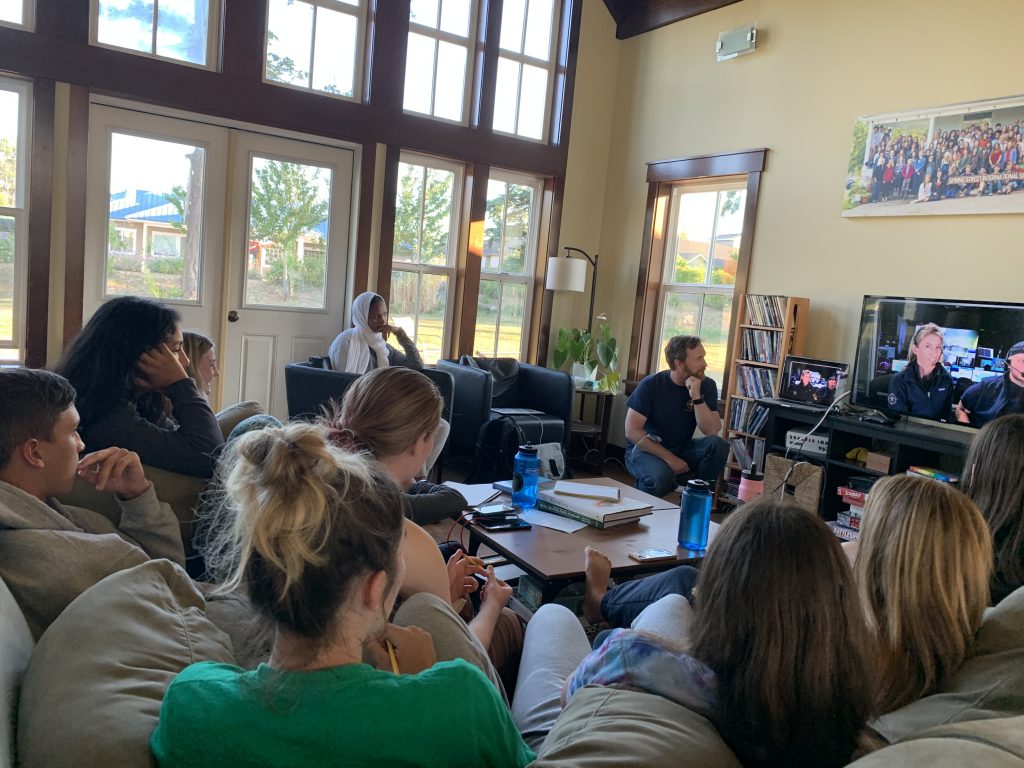
Tim during the Diver for a Day demonstration! Pictures: Naomi

Thanks to the Buddy phone, we were able to speak to Tim underwater, ask him questions, and ask him to focus the camera on especially cool marine organisms. Unfortunately for Tim, he was not able to respond. Anyways, we hope he enjoyed our group rendition of Let it Go!

Tim Dwyer and Jason Wood exiting the water and coiling hydrophone wire. Picture: Naomi

Surprise Guests

After heading back from the labs and having exploration time to work on projects or relax, we had dinner with two special guests: Abby and Ana’s sisters, Gabrielle and Zoe. Both Gabrielle and Zoe attended the Salish Sea Science program in 2018 and continued work in sciences. 

Gabrielle attended the Robinson center, which is a program through the University of Washington, where the kids have one transition year after middle school and then go straight into college at UW. She is majoring in Neuroscience and studying neurocircuitry and how it affects mice behavior. Zoe, after the Salish program, completed a capstone-like project through the Marine Chemistry program at Bellarmine Prep high school on the CO2 intake of Eelgrass. Next year she will be attending UC Davis majoring in agriculture and environmental science. We are so glad to have two amazing guests who can share their experiences since attending Salish Sea Sciences.

Gabrielle on the left and Zoe on the right. Picture: Ana.

As project crunch-time continues, the ice cream tubs keep getting lower and our excitement keeps growing. We can’t wait to see what tomorrow will bring!

Day 22: The Beginning of the End

Today’s blog by Maddy and Estevan!

This morning, Caroline came to talk to us about colleges! Caroline is the director of the Salish Sea program, and coordinates all of our activities. She also buys us lots of ice cream, which we appreciate greatly. Although it can seem pretty daunting, Caroline helped demystify the admissions process and answer many of the questions we had. She outlined how to choose your college, what they look for in an applicant, scholarships, essays, and much more. She gave us tips and tricks on how to write essays, even giving us some practice prompts to complete. This exercise really allowed us to be more introspective, and see what aspects of ourselves we want to show in essays.

Although there are so many things to consider when looking for colleges, she emphasized that the most important part is keeping your interests and loves in mind.

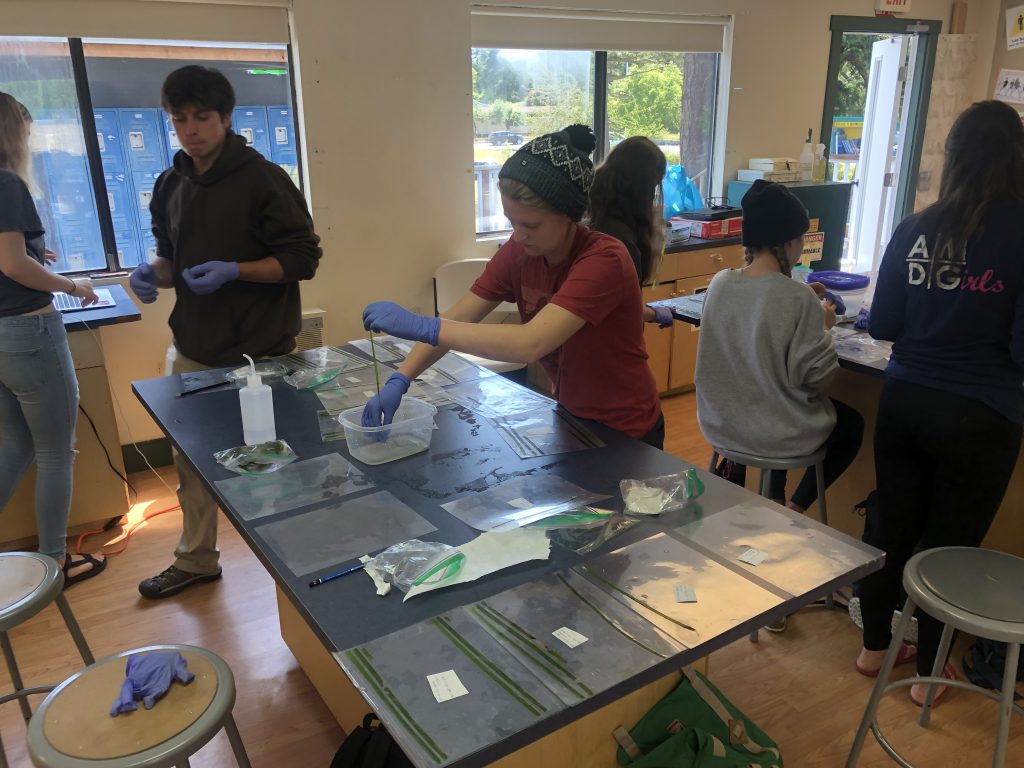
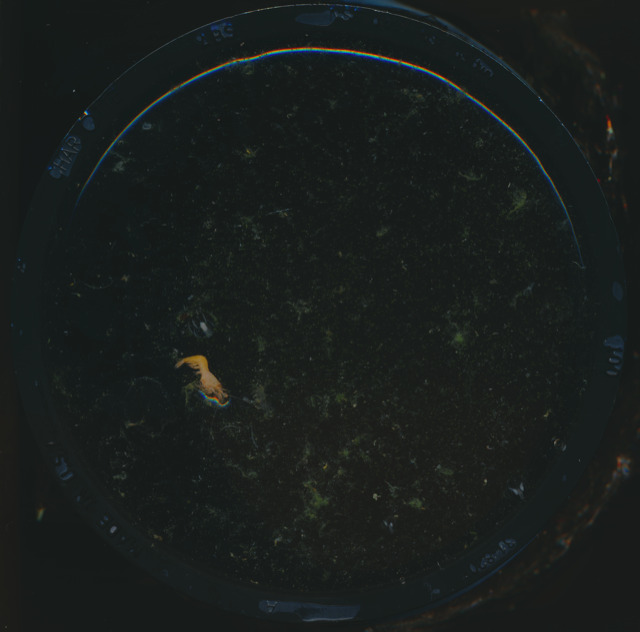
Following Caroline’s talk, we went straight to the lab, where we processed the eelgrass samples we collected yesterday. Morgan showed us how to rinse the eelgrass in freshwater, place it onto the clear sheets and label it with the necessary information. Meanwhile, Maddy began to scan the transparencies and turn them into images that can be used later for a variety of purposes, such as disease prevalence surveys. Although it was tedious, these data are contributing to a yearly monitoring of eelgrass health at Fourth of July Bay (and it’s really helpful to Maddy’s project)! 

Dustin rinses and cleans an eelgrass shoot, preparing to put it in a plastic sheet.

After lunch, we returned to the lab yet again. This time, Derek talked to us about statistics, and the various ways for us to present the data we have. It was really informative and a little mind boggling to see all of the programs and possibilities! We then brought all of this newfound information into project development time. We’re all working really hard in order to finish our projects before the week ends!

Miranda and Islay discuss an interesting sample of algae!

Finally, as the day came to a close, we met with our lovely guest Dr. Billie Swalla. She studies evolutionary biology, genomes, embryos, and a lot of other really cool stuff, particularly with marine invertebrates. She is also passionate about diversifying science and making it more accessible to everyone! Her enthusiasm was infectious, and we learned so much about little creatures most of us have never heard of.

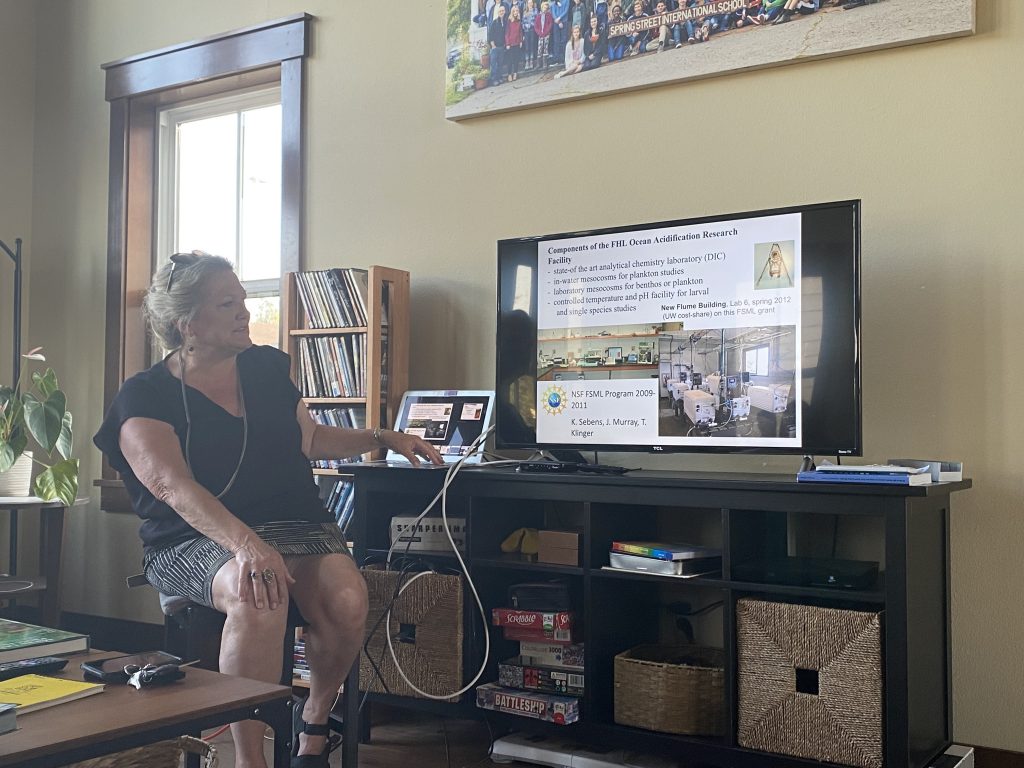
Dr. Billie Swalla briefly tells us about the ocean acidification lab at UW, and research opportunities associated with it.

A highlight of her presentation was a video of an Ascidian embryo developing; it was fascinating to watch and hear her explain each stage of development! Lastly, we tied up the night by unveiling our tie dye t-shirts. The colors and patterns are each so unique and beautiful, almost like a reflection of ourselves. 

Day 21: Eelgrass bracelets

Written by Elliott Jones, Sonja Larson and Colette Bennette

Sleeping in was a relief. We needed that, as we do now, while we write this. Anyways, the morning went smoothly and we eventually made our way to the 4th of July Beach over on the South end of the island to perform some eelgrass surveys, instructed by Morgan.

Due to the changes brought on by climate change many organisms are being affected by epidemics and such, similar to our own. Eelgrass is one of these organisms, and being the foundation of an entire ecosystem, as we learned today, it’s extremely important we monitor these changes.

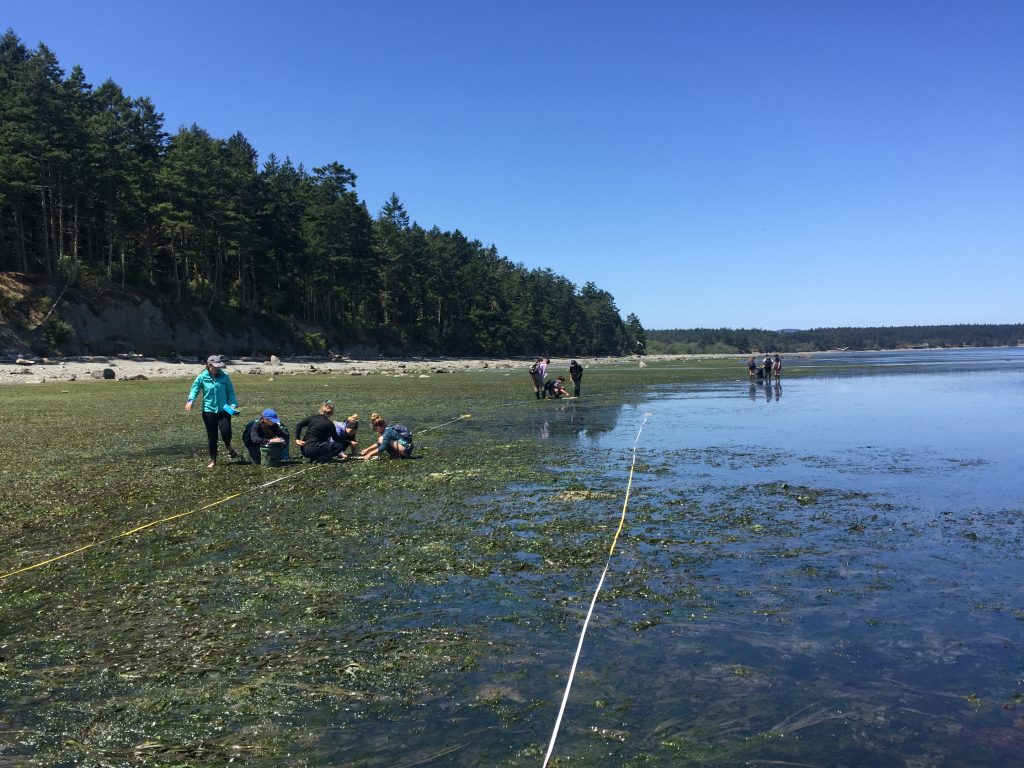
From the parking lot on the hill we trekked down to the beach where we observed a local salt marsh and the expansive array of birds that rely on it. We then headed out far down the beach, trudging through the rocks, mud, and algae. 

When we reached the site, we set out transects at different depths to start recording the population of eelgrass shoots in our quadrats, all the while avoiding interrupting the rambunctious activities of the seagulls.

Photo of us all working to collect eelgrass. Picture credit: Sonja Larson

Legs cramping and boots full of water, we finally finished and headed up to the shore to eat our packed lunches, before heading into the mossy and overgrown forest on the way back to the van.                         

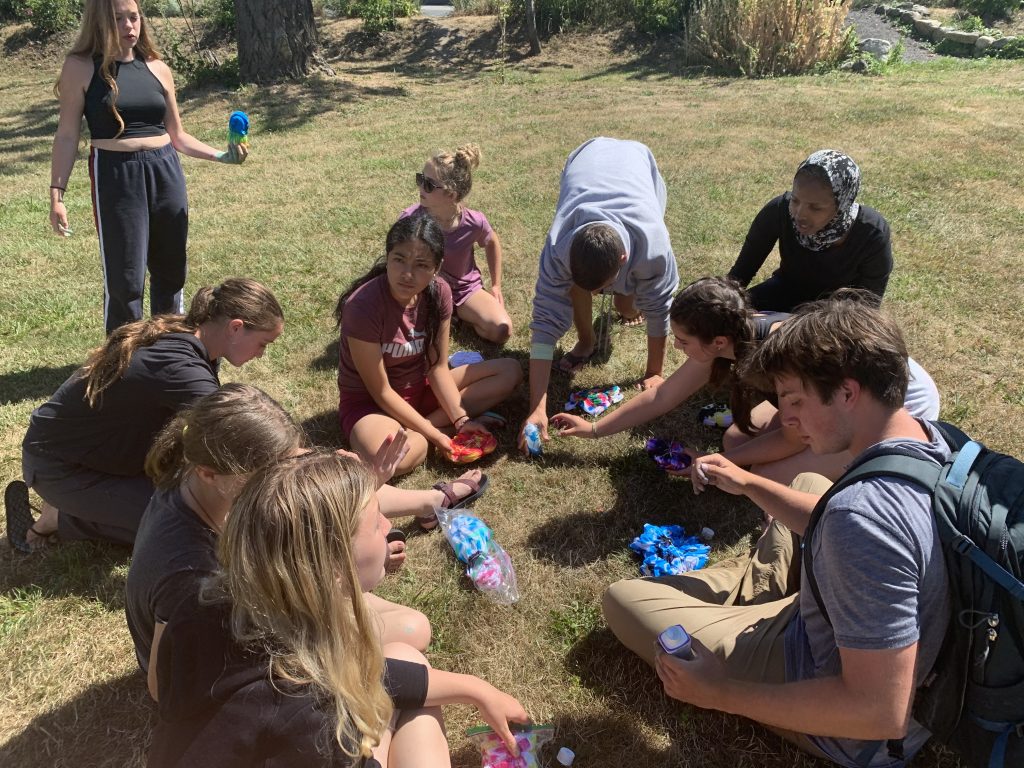
Once we got back from the field and laid around the dorms for a bit, we got to do something fun…tie dying!! We all had picked out our shirt sizes the day before so we were ready to start today (well yesterday but shhh) We all grabbed our shirts and got to work on coloring the shirts and setting up what designs we would have on our shirts. Even though we all had the same materials, each and every shirt turned out different. Most of the peers here did spiral designs while others just scrunched up our shirts and poured some color on it. 

Here’s most of us all together tie-dying our shirts. Photo credit: Sara Sarmiento Ruiz

Once we got done, all of our hands were covered with dye. Some of our hands were solid colors like green, orange and blue. Today, our hands are still dyed, so if you see us with stained hands, now you know why. Hopefully the dye will wash off soon but until then, we’ll stay colorful. 

After eating way too much spaghetti, we all settled down for a couple hours of free time. Dustin and Estevan made their way down to a nearby beach to go swimming, while others took the time to work on their independent projects. 

Since we had finally gotten our hands on some embroidery thread, a bunch of us sat down around the dining table and taught each other how to make friendship bracelets. Now we are all pro bracelet makers. 

This is the bracelet Elliott made. Aren’t you jealous of its beauty? – Photo taken by Sonja

Putting on warm jackets and sweatpants, and made our way down to the town docks. Using a car jump starter and a couple of lights, we did some night-lighting in the water. Putting the light in the water and using the jump starter to power it, we were able to illuminate the nearby ocean and reveal what seemed to be a whole new world of life. The water was full of floating particles and the occasional jellyfish and shrimp. We laid down on the docks and spent just over an hour staring into the water. It was super cool to see all of the larvae, fish, and polychaetes in the water.

Photo of Abby, Colette, Ana and Islay looking down at the water where we have a green light floating in it. Picture credit: Elliott Jones

Once we returned to the dorms, we were all very tired from the day, but still very excited from doing the night-lighting at the docks. After some late night ice cream and talking about what we would do the next day, we all headed to bed to get enough rest for the next day. See you tomorrow (oh wait today haha we posted the blog late).

Day 20: Much Interview About Nothing

Today’s Blog by: Kira, Abby, and Andrea

Having spent an amazing time at Salish Sea Sciences this summer, we all woke up excited to spend our last Saturday all together. We made our way to the farmers market and walked around looking at all the local artists and farmers. We would eventually go to different places and collect more data for our projects, some of us went on a ferry ride, others to Cattle Point, and others stayed back at the dorm analyzing the data they had already gathered. At the end of the day we went to watch Island Stage Left‘s performance of Shakespeare’s “Much Ado About Nothing” under the stars that featured the artist resident Paulina, and we all loved the play!

And now, for the exciting content: student interviews!! Today, the Blog Team interviewed Andrea, Estevan, and Naomi. Let’s start with some thoughts on this morning’s Farmer’s Market trip.

— Andrea, what was your favorite part about the Farmer’s Market?

“I loved the gluten free brownie that I bought. It was a little bit crumbly, but the flavor was there. The market in general was full of life, and the energy there was infectious.”

— Andrea, do you have any other comments regarding your experience at the Farmer’s Market?

“I apologize to the man whose video recording I walked in front of while the band was playing. I honestly did not see the camera.”

— Estevan, what was your favorite stand at the Farmer’s Market?

“I liked the high quality H2O. It was very empowering, it made me feel very open and alive. The natural spring water left a slight tingle on the tongue.”

Naomi, what did you do today during project time and can you tell me a little bit about your project? 

During project development time Naomi headed to Friday Harbor Labs to watch the feeding of the lab’s Pycnopodias. The feeding went well and Naomi says she got a lot of information about the sea star’s feeding behaviors. Naomi is studying and recording these feeding behaviors in individual stars using underwater cameras. The Pycnopodia populations were some of the most impacted by sea star wasting disease so the chance to work with them is really incredible! “I am so happy and grateful to Dr. Jason Hodin and his fellow researchers for letting me work with their sea stars.”

And for our next act, we’ll find out just how much we enjoyed tonight’s play!

— Estevan, what were your thoughts throughout the play?

“Honestly, the quality of the play was fantastic. They really brought life to the stage, and despite pandemic setbacks, it was overall a fantastic performance.”

Essentially, our day was fantastic — just ask Naomi!

— Naomi, what was your favorite part of the day? 

“My favorite part of the day was helping my fellow researchers conduct their experiences with chitons and barnacles. The access we have to the intertidal zone and the variety of organisms that reside in the Salish Sea through the labs is incredible. Thank you Friday Harbor Labs and the University of Washington!” 

Today was filled with productivity and fun! It was an amazing week. From working on our projects as individuals to watching a fantastic performance as a group the week could not have been better. Finally, a special thanks to Naomi, Andrea, and Estevan for their wonderful interview responses!!

Day 19: Whale That Sounds Like A Great Day to Me

Today’s blog is brought to you by Dustin, Islay, and Setharonious.

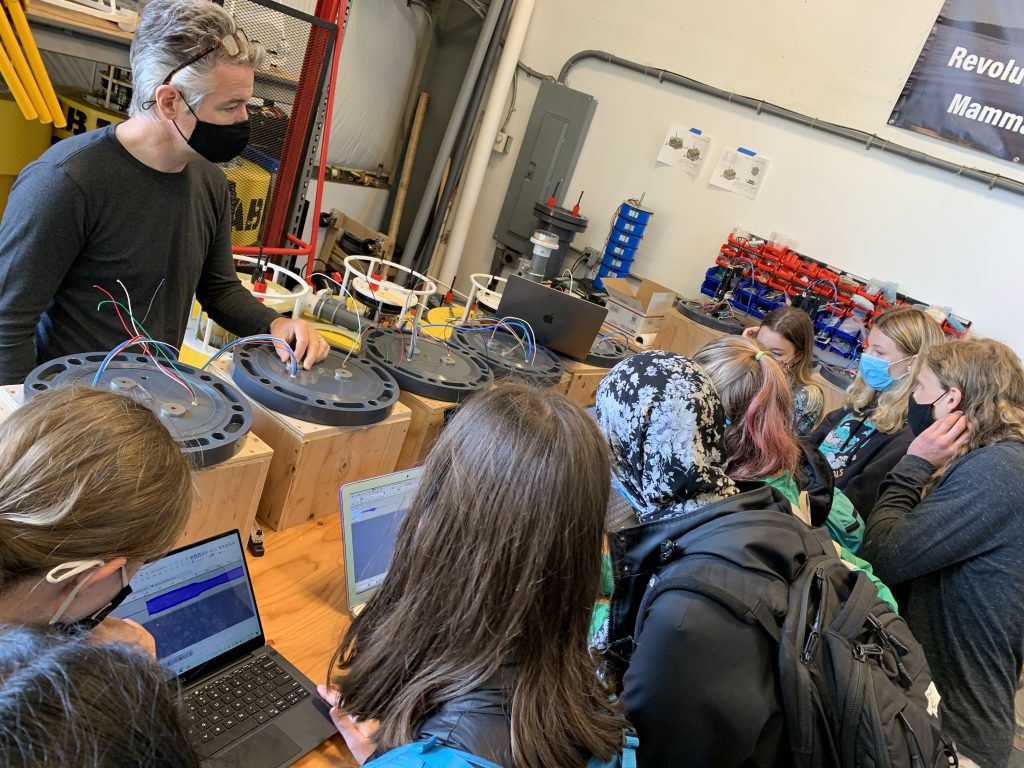
This morning we visited members of the Sea Mammal Research Unit (SMRU) in a small office/garage building less than a 10 minute walk from the dorm.  There we met Jason, who manages the North America chapter of SMRU; Jessica, who is a junior scientist; and Jesse, the field technician, who explained to us what they do related to bioacoustics.  Jason gave us an overview of the physics of sound, Jessica showed us how the computer identifies and compiles orca noises from hours of sound data from the hydrophones and Jessica reviews it.  Jesse is the technician and he constructs Coastal Acoustic Buoys which hydrophones are attached to and then deployed in the ocean.  Currently, Jesse is working on assembling CABOWs (Coastal Acoustic Buoys for Offshore Wind) for companies that are building offshore wind power on the East Coast.  

Students observing the CABOWs. Photo by Miranda Winningham

This team is aiming to generate a solution to the rampant noise pollution humans have introduced into the ocean. Right whales are endangered in the Atlantic and the noise pollution from the construction disrupts their behavior.  Therefore there are regulations in place which require companies to avoid creating noise when whales are observed within a 10km radius.  About 10 CABOWs would be placed in the water to detect Right whale sounds and notify people on land to stop creating noise.

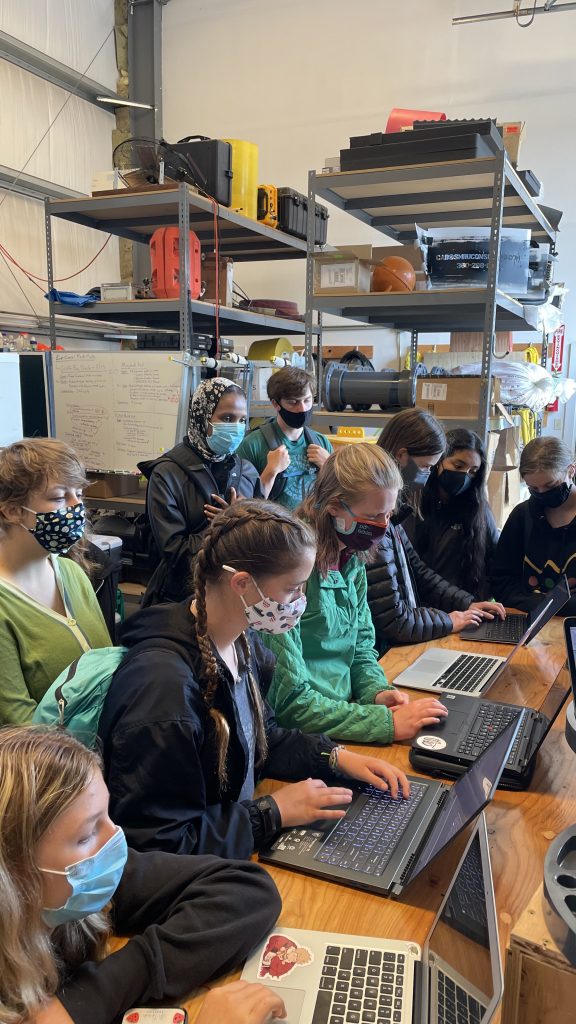
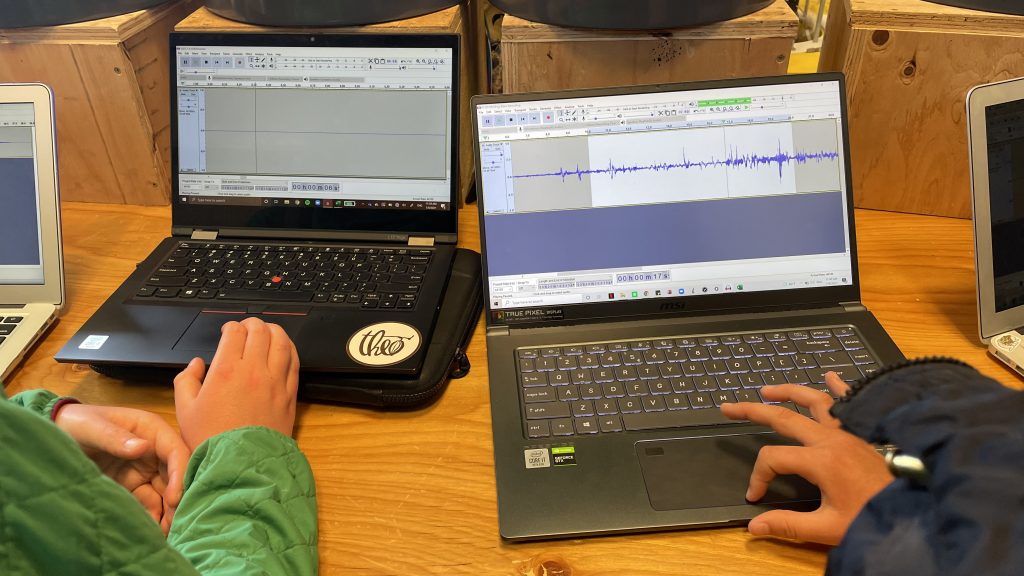
-Students calibrating sound waves on the Audacity program. Photos by Islay Ross

After the SMRU’s engaging presentation on whale calls and sound level zonation, we dove into creating our own sound waves to analyze.  We downloaded the Audacity program onto our computers, and recorded a 10-second tone clip to find each individual computer’s calibration number.  Long story short, we imported 442,368 individual data values from vibration graphs into cells in a Google spreadsheet; squared each cell; found the average of those squared values; and added our initial calibration value…etcetera. Then, divided into 5 groups, we dispersed into town and individually recorded minute-long sound clips.  When we returned from town, we got to see our sound bytes in wavelength form!  Some of us had tourist chatter, passing cars, or airplanes- it was awesome to apply theories of bioacoustics to everyday sound effects.  Then, we headed off to lunch! 

After our lesson on marine acoustics we returned to the dorms to make progress on our final projects. Some students stayed at the dorms to continue their research in physical and online scholarly literature, and others went to Friday Harbor Labs to do field work and collect data. Just about all of us have a clear goal in mind, and this program is doing more than enough to make them possible. From orcas to the violent and dangerous behavior of chitons, our various interests will be presented in depth on our posters. I must go now, the chitons draw closer with every passing moment… I can not keep outrunning them, this may very well be my last entry. REJECT SOCIETY RETURN TO MATT.

Stay safe out there,

-Setharonious (and friends)

Day 18: We’re Going To Need a Bigger Boat

Hello! This blog is brought to you by Naomi, Meg, and Ana.

Clouds and Scaffolding

The overcast weather was nothing new to PNW locals when we awoke this morning; the grey hues outside made us ever more reluctant to get out of bed. As we made our way through our morning routines – eating breakfast, getting dressed, learning the knot of the day – the sun began to wake up just as we did. 

Zooplankton and Silhouettes

We headed out to the lab on campus to grab equipment to help in Kira’s project data collection; then, we headed down to the Port of Friday Harbor and did some plankton tows! The fun wasn’t over yet, though – we then headed back to the lab where Kira and Miranda instructed us on how to prepare our acquired plankton for a silhouette scan. The pictures came out great!

After we finished recording our plankton silhouettes, we shared a quick lunch before our first group headed out for a trawl on the research vessel Kittiwake! The moment we had all been waiting for was finally here.

Islay, Ana, and Dustin’s phytoplankton silhouettes (Photo by: Islay, Ana, Dustin)

Foraging for Critters on the Kittiwake

Both groups had an amazing time on the Kittiwake as they searched through trawl hauls for invertebrates to bring back to the labs. It was like searching for treasure.

Trawl finds! (Photo By: Naomi)

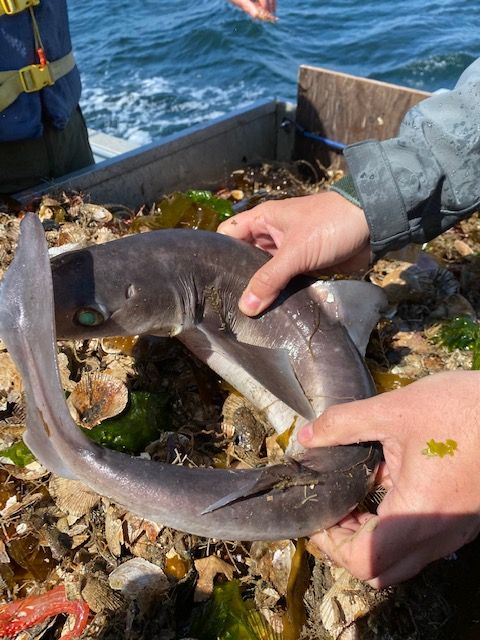
Finds included multiple giant Apposticopus Californicus, a wide variety of sea stars, giant sea urchins, scallops, and lots of jumpy prawns. One group was lucky enough to have found a small shark in their haul!

Tim with the shark! (Photo by: Maddy)

Project Progress

While one group on the boat enjoyed seeking organism treasure, the other group was enjoying some much-needed project development time. Some of us ran experiment trials, some analyzed data, and some watched videos of sea star feeding sessions. It’s great to see the vast range of interesting questions and experimental designs we’ve all come up with!

Sea Star Culturing 

Tonight for dinner we had the pleasure to meet with Dr. Jason Hodin, a Wesleyan College graduate of biology and a Ph.D. of zoology from UW. He has worked with pycnopodia (a.k.a. Sunflower sea stars) over the past few years, focusing on the Sea Star Wasting Disease (SSWD) which became a worldwide epidemic in the early 2010’s and killed many stars and continues to affect most Sea Star species even today. We’ve already learned quite a bit about SSWD from Salish Sea Sciences Resident Scientist, Morgan Eisenlord, who was an early author on SSWD, but Dr. Hodin took us through his project of culturing sunflower stars to help repopulate the Friday Harbor area.

The purpose of his studies and experiments were to not only boost population numbers, but also to understand more about the life stages of the sunflower star. He showed us pictures of the pycnopodias’ stages of life — emphasizing the difference in appearance in the larval stage versus the adult/juvenile stage. We loved the presentation and had many questions digging into his expertise and fascinating work with the sunflower stars.

Final Thoughts

The time is flying by so fast. We can’t believe that this is already the third Thursday we have spent on San Juan Island. We can’t wait to make even more memories in our remaining days with our new, lifelong family.

Day 17: Earwigs Sprinkled with Kelp

~ Today’s blog is brought to you by Hebaq, Maddy, and Estevan!

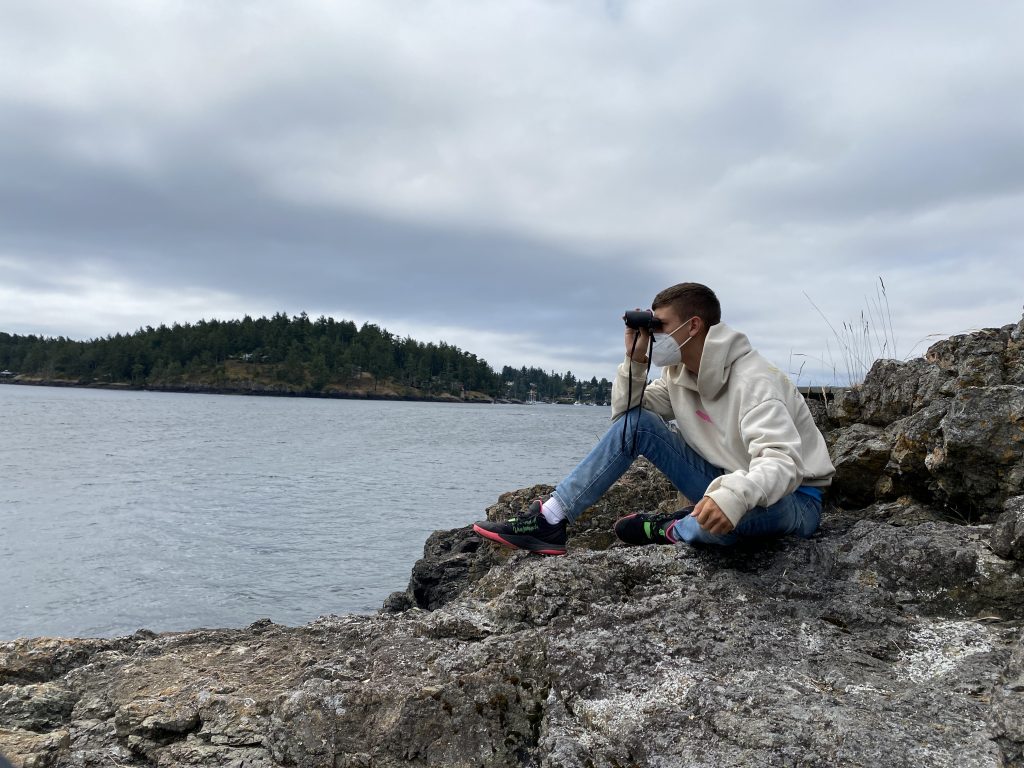
This morning, we groggily got ready and ate breakfast, before learning the knot of the day, which is useful on sailboats for attaching things. After that, we headed out to Friday Harbor Labs for another data collecting session! Those of us who already had data or couldn’t collect at FHL opted to help other people collect data instead. A few hours later, after spotting jellyfishes and surveying tide pools, we gathered at the windy observation deck, where another group was carefully looking out for whales. The whale watchers, Hebaq and Estevan, had finished their survey, and unfortunately saw nothing. However, as we gathered our stuff, ready to leave, we heard Tim excitedly point out an orca on the horizon!! We watched in awe as it came up a few times. It was an amazing way to end a tired morning.

Estevan, the GOAT (greatest of all time) surveys the water, hoping to see a marine mammal! (Photo: Maddy Glaser)

Earwig Experiments

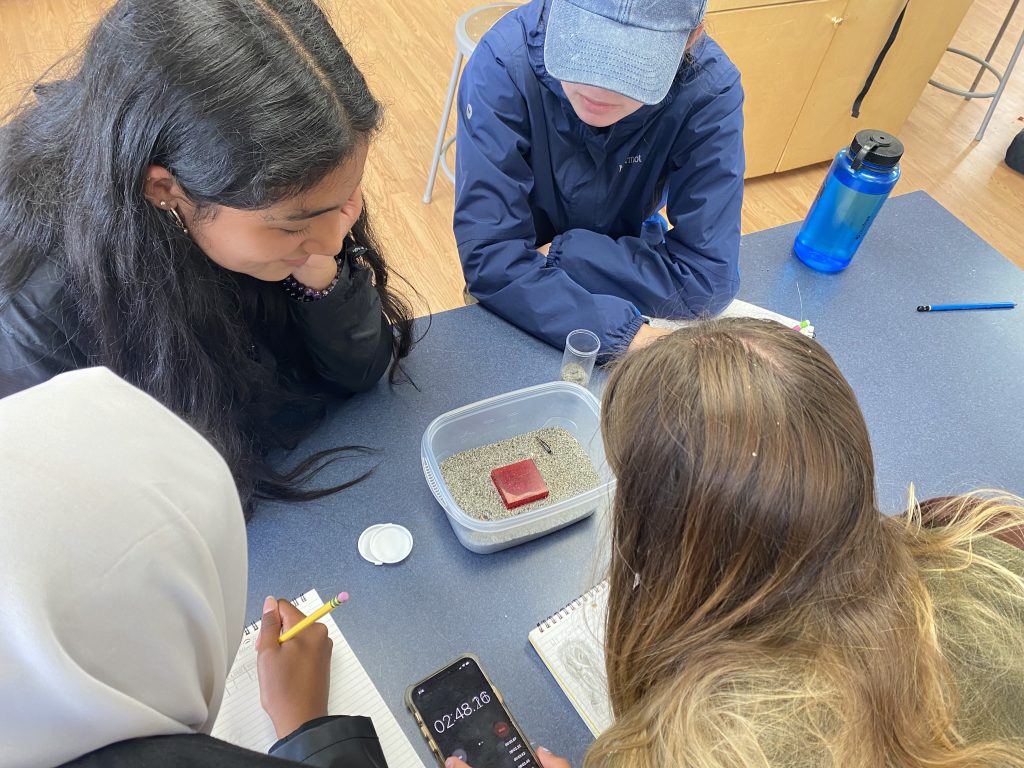
We came back to the dorms to eat a delicious lunch of leftovers and sandwiches. After filling our stomachs, we went up to the labs to continue our experimentation with the earwigs. The first experiment tested the environment that the earwigs would prefer to live in. One of the shelters was covered with sand and the other was left exposed to natural light. Our results drew inconclusive information, so we decided to alter the experiment further. We noticed that we hadn’t put two earwigs together in the same environment, our curiosity began to spin into new designs and ideas. 

Our second experiment consisted of male and female earwigs being put into one shelter environment. This was when earwigs began to draw their pincers. The female’s aggressive nature was seen as they quickly attacked the male earwigs. We watched in amazement for the next 10 minutes as we let the experiment run its course. Weirdly enough, we enjoyed the entertainment we were receiving by watching the earwigs fight. We observed not only how they used the shelter, but also how these organisms interact with each other. After 2 hours of running the experiments, altering, and repeating, we said goodbye to our earwig friends and changed activities. 

Andrea, Hebaq, Sonja, and Islay watch and record earwig behavior. (Photo: Maddy Glaser)

Project Time

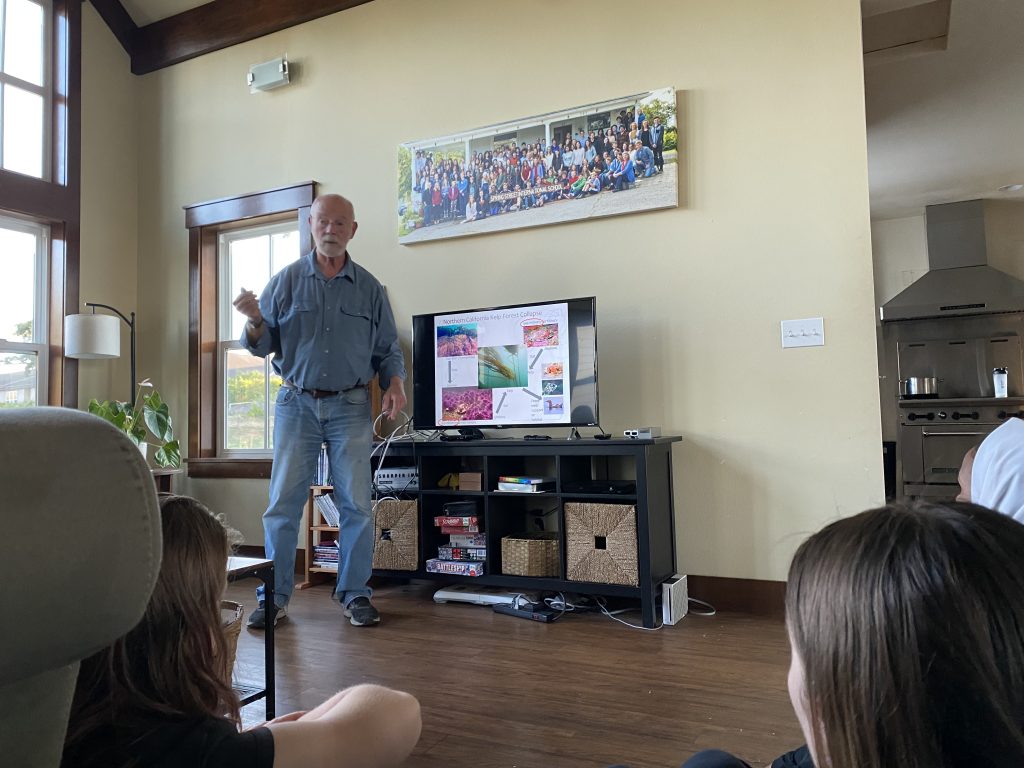
After the change of pace, we settled down in the dining area to begin our independent work time. Tim, understanding the fatigue that some of us were dealing with, also let people take care of their bodies with short rest times. The evening began to quiet down and we transitioned into exploration time. Tom and the cooking team, Sonja, Colette, and Elliott, prepared a beautiful dish of alfredo pasta. We enjoyed it over conversations with today’s guest, Tom Mumford, an expert on algae and seaweeds of all kinds! He’s studies seaweed since 1965, and now teaches classes on marine algae at the University of Washington!

Dr. Tom Mumford teaches us all about kelp, and their vast importance in the marine ecosystem. (Photo: Maddy Glaser)

Our views and understanding of kelp definitely has grown over this evening. Dr. Mumford began the evening with his bold claim that kelp is the basis of the ecosystem in the Salish Sea. Kelp, a diverse group of brown seaweed, was one of the first things that we were introduced to when we began working in the intertidal zone. Their role as mitigators of ocean acidification is one that is often overlooked, despite the fact that they are essential to almost every organism that resides in the ocean. We are so thankful to have met with such an amazing and influential person tonight, and we’re sure to carry this knowledge with us into our future careers!

Day 16: Data and Earwigs Ruin Our Lives

Hello everyone, it’s Elliott, Sonja, and Colette writing the blog here today. 

Though we were all tired, we still started our day off at the normal 7:00 wake up. After the usual breakfast of cereal, bagels, or toast, we all grouped up for our knot of the day.

Today we learned how to tie the heaving knot. It is apparently helpful to throw at people when you are on a boat so that they can pull you in and tie your boat to the dock. That is because they are supposed to be able to catch it easier when the knot is weighted. We all tried throwing the knots at each other, and it was overall successful (many ropes were caught), so I guess we are in no place to doubt its usefulness.

The foggy landscape at the tide pools at Friday Harbor Labs. Picture by Colette.

After finishing breakfast, we headed to FHL (Friday Harbor Labs) to collect data for our independent projects. The bay this morning was covered in a mystifying blanket of fog—something we haven’t had the chance to see often on this trip. 

While some of us couldn’t collect data quite yet, we helped our peers to collect theirs. The projects ranged from jellyfish sightings to barnacle disturbance responses. We spent three hours down by the docks and the shore sharing what we’ve found with each other. We spotted a few Harbor Seal sightings and Estevan, Hebaq, Sonja, Dustin, and Islay were fortunate enough to lay eyes on a Minke Whale, which is pretty cool. We had a very successful day at the lab today.

Following lunch, we made a quick departure to False Bay to meet with Dr. Iyengar, Professor of Biology at Villanova University and last night’s speaker, to assist in some maritime earwig collection. 

Dr. Iyengar greeted us at the roadside landing above the beach. His son was by his side. His son is supposedly the reason Vik is able to comfortably handle the creepy bugs. We could’ve stood to learn a few of his tips.

False Bay is a peculiar San Juan destination, one that you can smell from miles away. We have been to False Bay before; however, the smell was much worse today. 

This could’ve been because of high tide or our location in the bay, but whatever it was, it was strong. Unfortunately, as we worked, many of us were bothered with the False Bay side effect of nose plugging and headaches.

We spread out along the beach flipping over flat pieces of driftwood and shoveling out the earwigs by the plenty. Underneath the logs, the bugs were in unsettling abundance and plucking them out was fun and exhilarating, much like a game.

(Left to right:) Dustin, Elliott, and Kira handling a tub filled with earwigs… a very leggy sight Photo by Colette.

After the initial collection, we all formed a sort of ‘packaging assembly line.’ All the earwigs we captured would go from the large tub where they swarmed, to a vial filled partially with sand, to another tub full of the earwigs in their vials. I’d say our system was pretty efficient. Counting them all up, we had about seventy individuals.

Here are the earwigs in their new ‘packaging’. The vials are partially opened so that the earwigs can breathe (don’t worry, they should not open, we wouldn’t risk letting the earwigs free anywhere near the dorm). Photo taken by Sonja Larson.

Once we finally arrived back at our dorms, we headed up to the lab at Spring Street International School and brought out containers to do some entertaining behavioral experiments on the earwigs. 

After filling the plastic containers with sand, we put various shelters made of red-tinted plastic into the containers. We then placed female earwigs into the containers to observe their reactions to the new environment.

An earwig running around and investigating the scary environment of the Tupperware and its various contraptions. Photo by Colette.

Thereupon a couple of uneventful trials, we figured out new ways to tweak the experiment to make it more eventful and relevant for finding out anything other than the fact that the earwigs did not want to be in the containers. We covered some of the shelters in sand while others were uncovered, and brought the earwigs outside to where they would be exposed to more light. Exposing the earwigs to more light seemed to make them more eager to find shelter.

After finishing up our very interesting work with the earwigs, we were set free to our exploration time. A few of us returned to Friday Harbor Labs to work on their projects a bit more, while other people took time to relax or walk around town. 

Later, we all regrouped for a couple quick games of ‘ Heads Up!’ and a filling dinner of chili and rice. I really like chili so I think it was a very good meal (the dinner crew did very well). Since we didn’t have a speaker tonight, we were open to split up after dinner. Some of us played basketball, while others of us spent time relaxing or working on our projects.

After such a packed day, we can’t help but be a bit tired, and I know that none of us can forget the very overwhelming scent of False Bay. Even with all that, I think it’s clear that everyone is excited to keep on making progress with their independent projects.